A New Era for the Skies
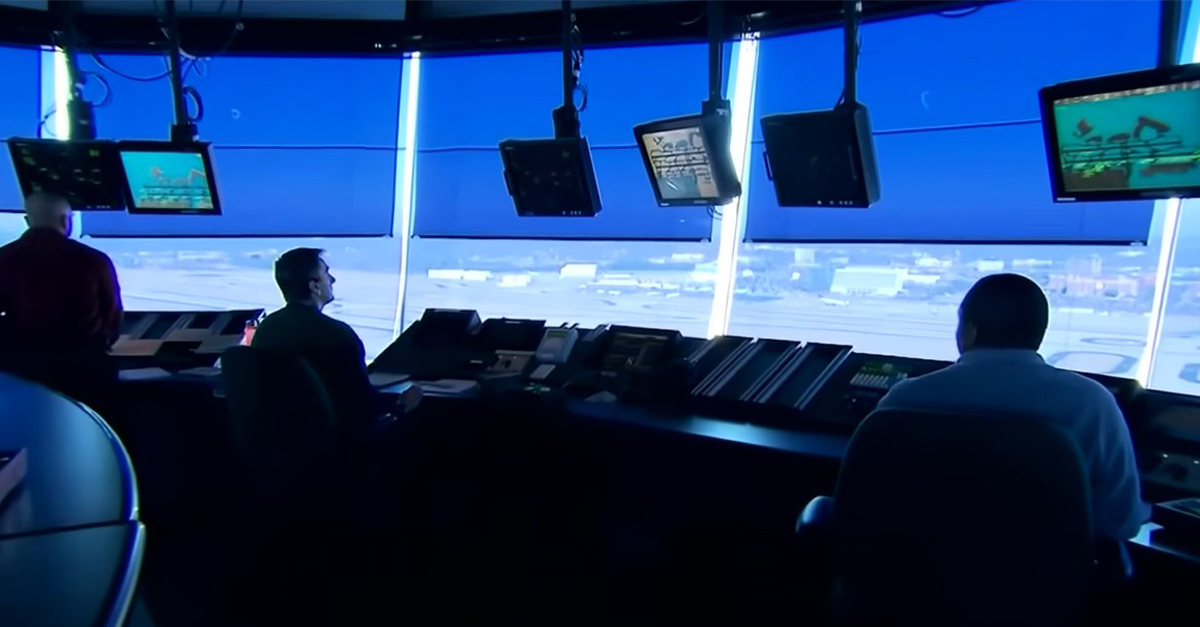
The FAA has just unveiled a bold plan to build a state‑of‑the‑art air traffic control system, replacing decades‑old radar and ground‑based infrastructure with satellite, automation, and digital communications. For aviation professionals and people considering careers as air traffic controllers, the big question is: will automation replace humans in the control tower?
A Big Change: Satellite‑Based & Automation Tools
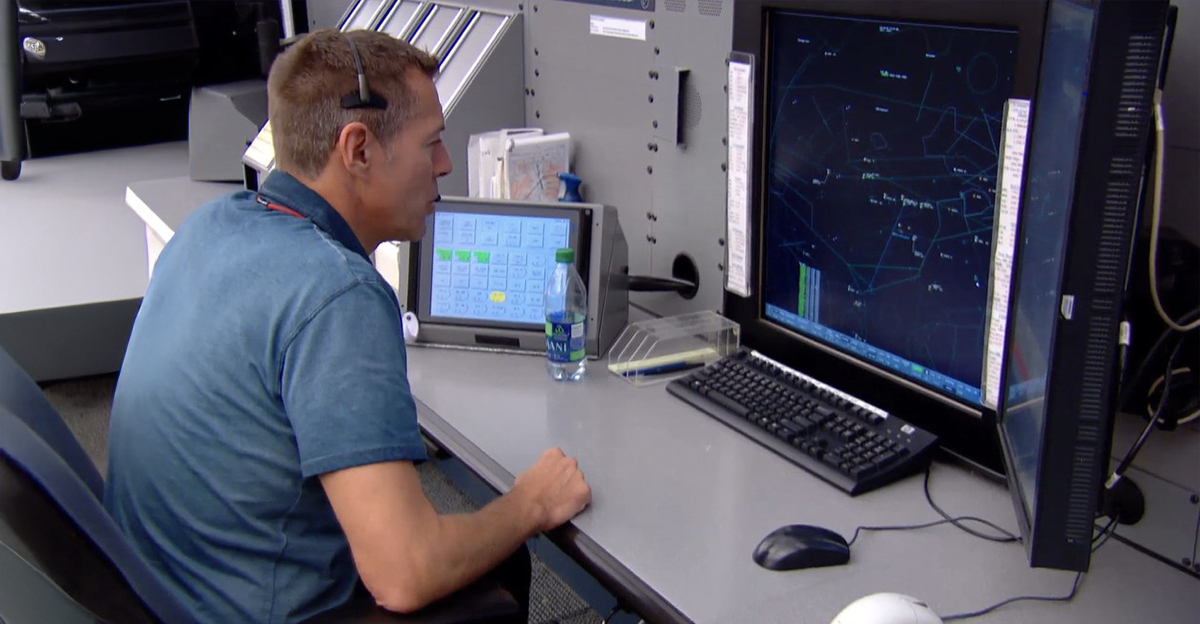
At the heart of the modernization is a move from ground‑based radar and voice communications toward a new satellite‑enabled surveillance system and machine automation platforms. The FAA’s “Brand New ATC System” plan includes components in communications, surveillance, automation, and facilities, which signals a fundamental shift in how airspace is managed.
 Petar Marjanovic, Wikimedia Commons
The Current Controller Workforce Landscape
The FAA reports a workforce of about 14,264 air traffic controllers in 2024, and it plans to hire several thousand more through 2028. Meanwhile, reports continue to stress the critical staffing shortages and rising overtime costs at many facilities.
 Fliesentisch Fotograf, Unsplash
Will Automation Reduce The Need For Controllers?
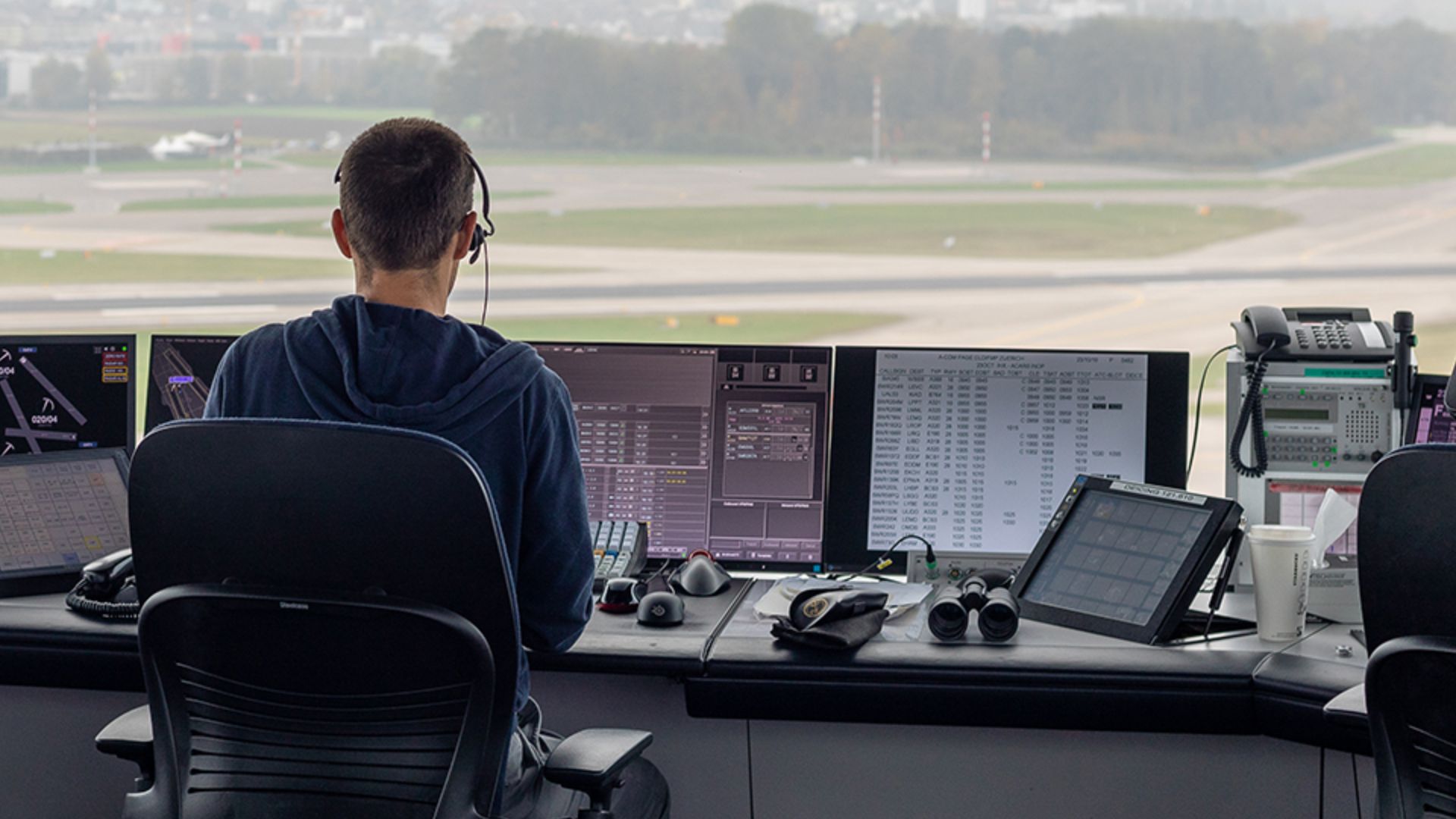
Automation will change the nature of the job, but it’s unlikely to eliminate human controllers anytime soon. Experts warn that while tasks like data‑link communication and predictive sequencing are indeed automating, humans are still essential in the control center for oversight, decision‑making and abnormal event response.
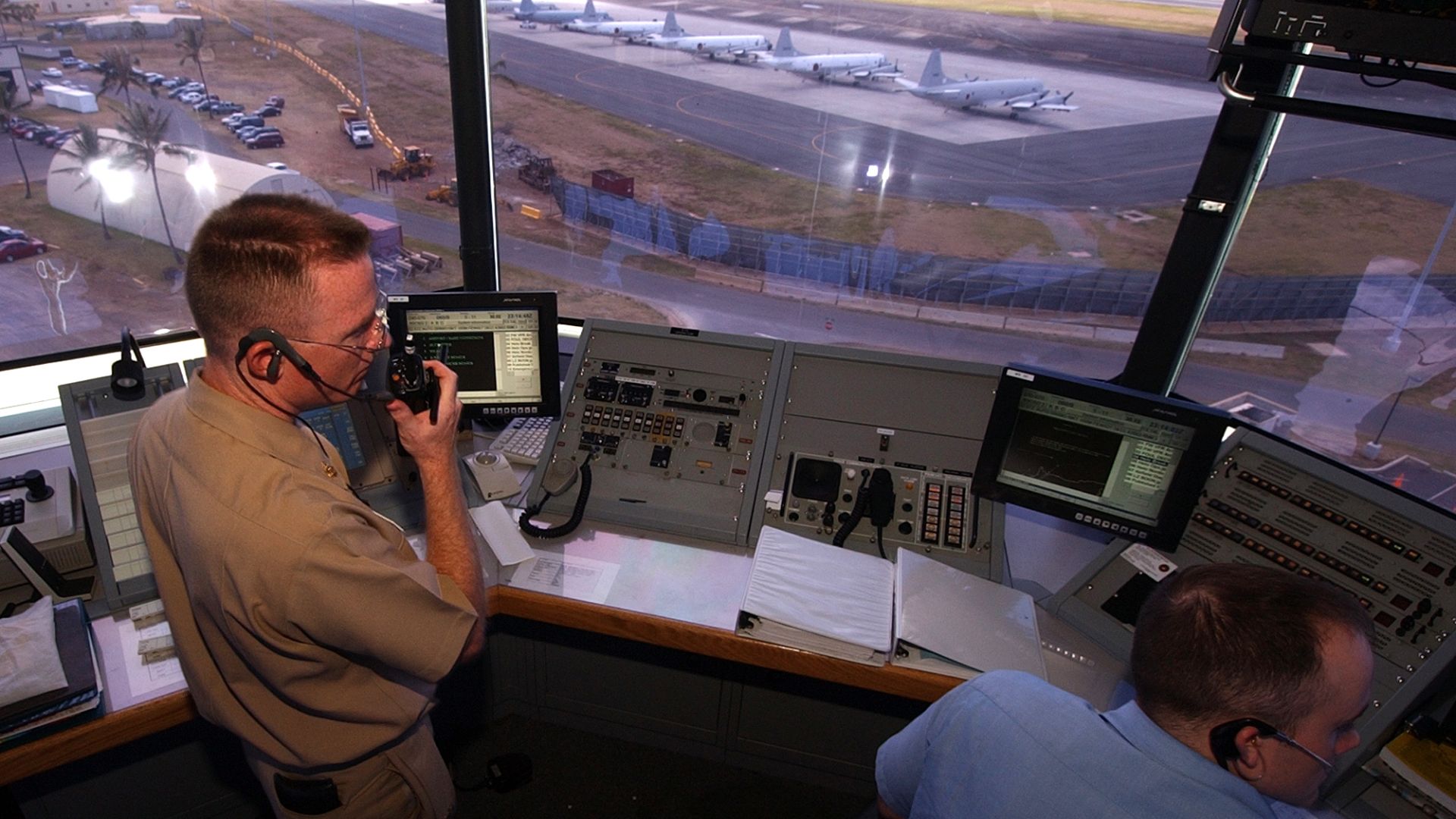 U.S. Navy photo by Photographer's Mate 2nd Class Richard J. Brunson, Wikimedia Commons
Evolving Job Roles: Controllers of Tomorrow
Air traffic controllers will increasingly become managers of systems, supervising automated conflict‑resolution tools and overseeing the ongoing human‑machine team interaction. As the automation platform takes over more and more of the routine work, controllers may focus more on overall strategy, system monitoring, and emergency responses instead of manual separation.
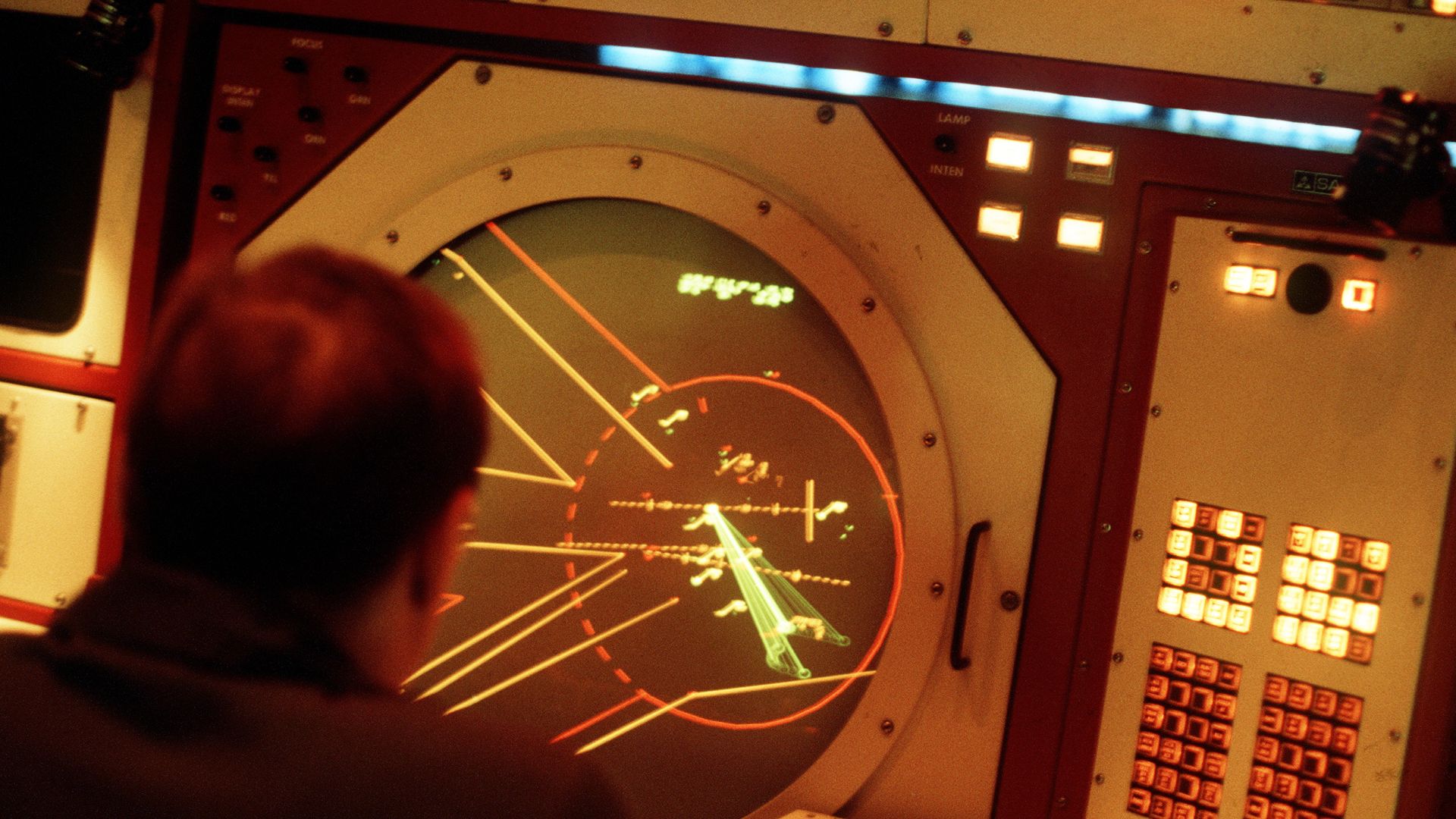 Thomas Farr, Wikimedia Commons
Qualifications: Who Can Become a Controller?
To become a US air traffic controller, candidates have to: be US citizens; speak English fluently; be younger than 31 at the application closing date (with some exceptions); have one year of experience or education; and pass medical, security and skills assessments. Training for these positions remains rigorous and the selection process is highly competitive.
Impact Of Automation On Hiring And Training
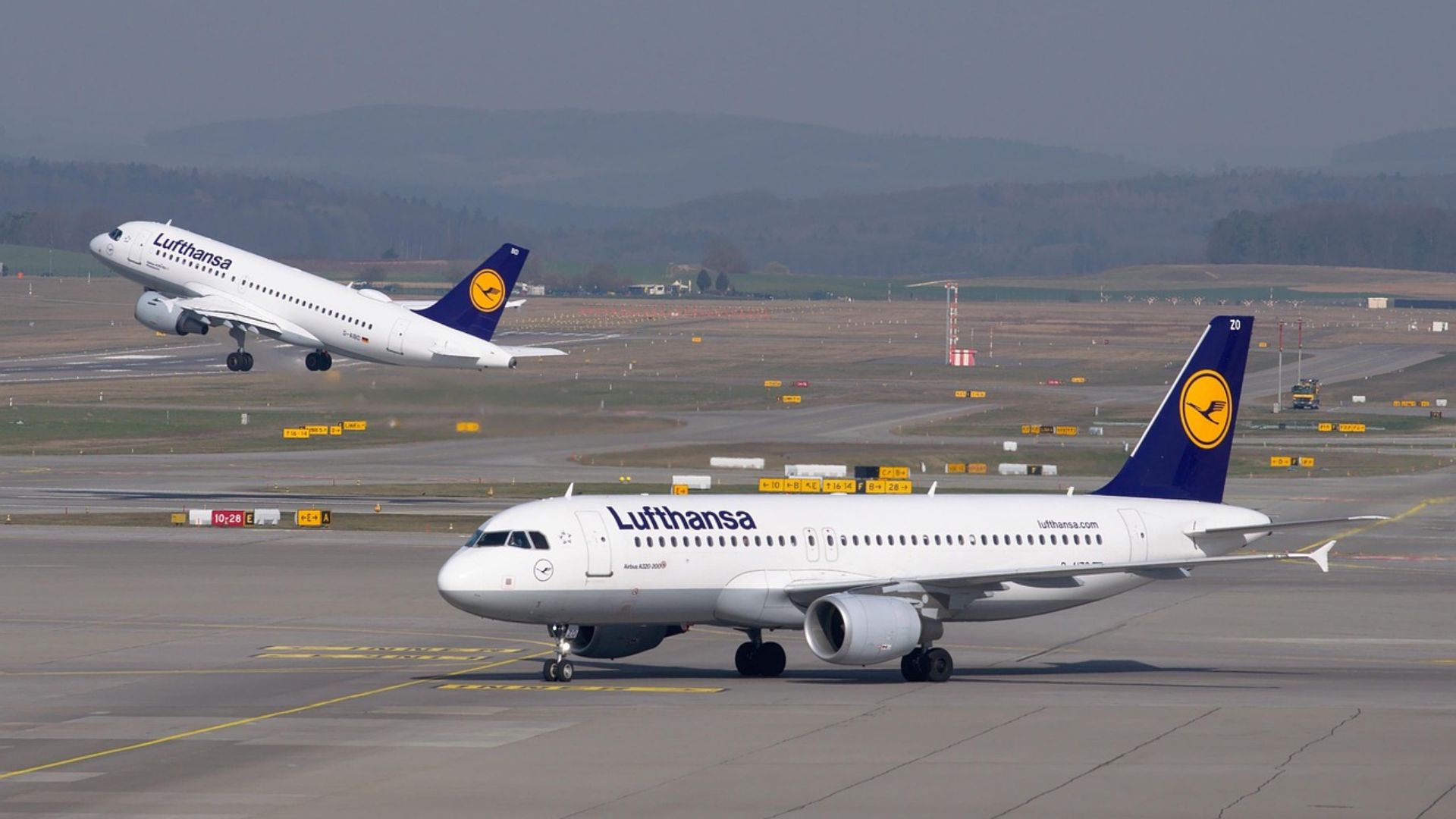
The FAA’s hiring targets through 2028 include about 8,900 new controllers, but accelerated attrition and training failure rates remain a concern. With automation tools coming online, training curricula will switch over to include system‑knowledge, automation oversight, and some level of data‑management skills.
Advantages Of A Career In Air Traffic Control
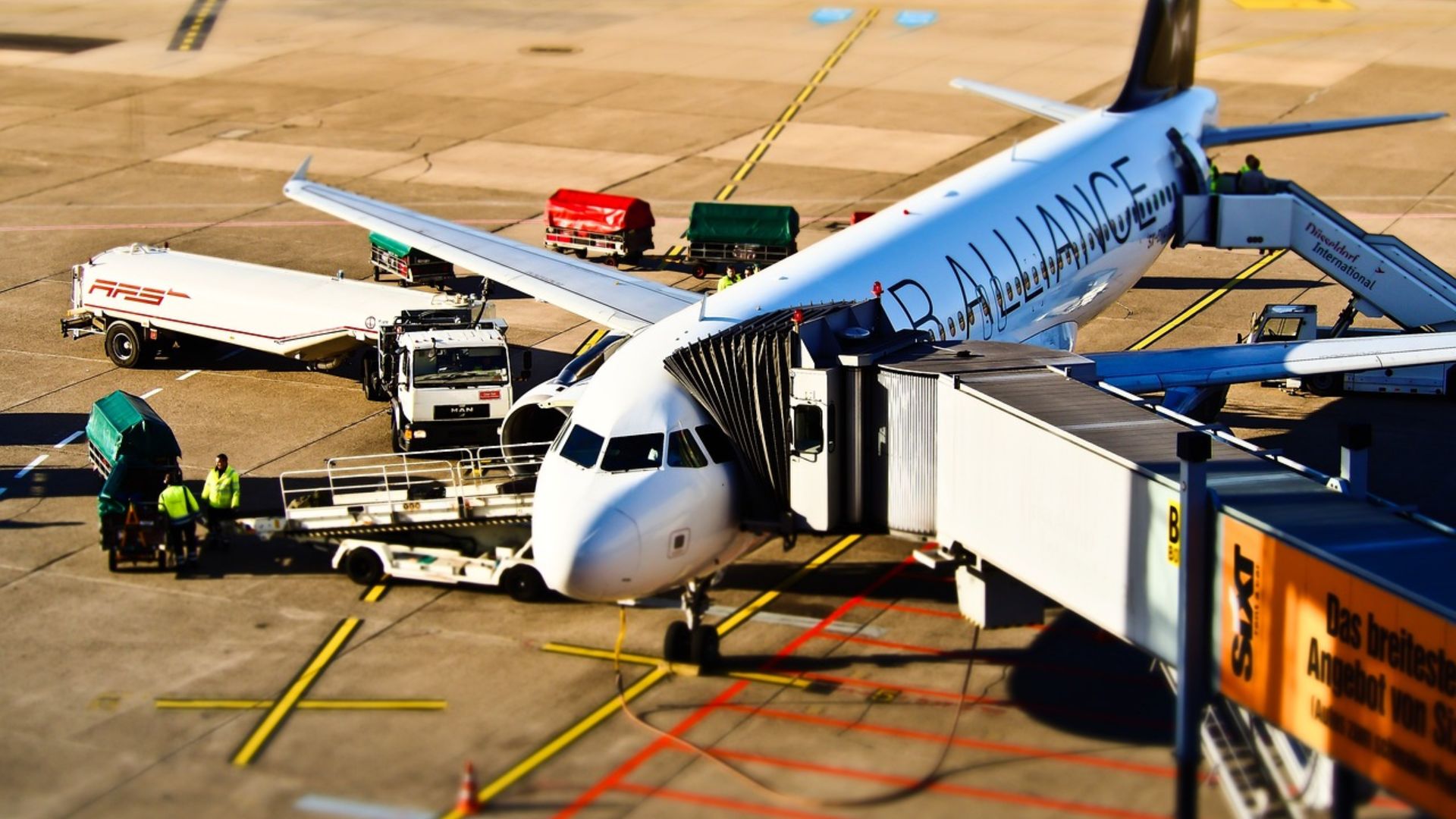
Controllers often start at a good salary, with comprehensive benefits, and a career path of upward mobility and national importance. For those who gravitate towards greater responsibility, this highly‑skilled work offers the chance to be at the vanguard of aviation safety and technology.
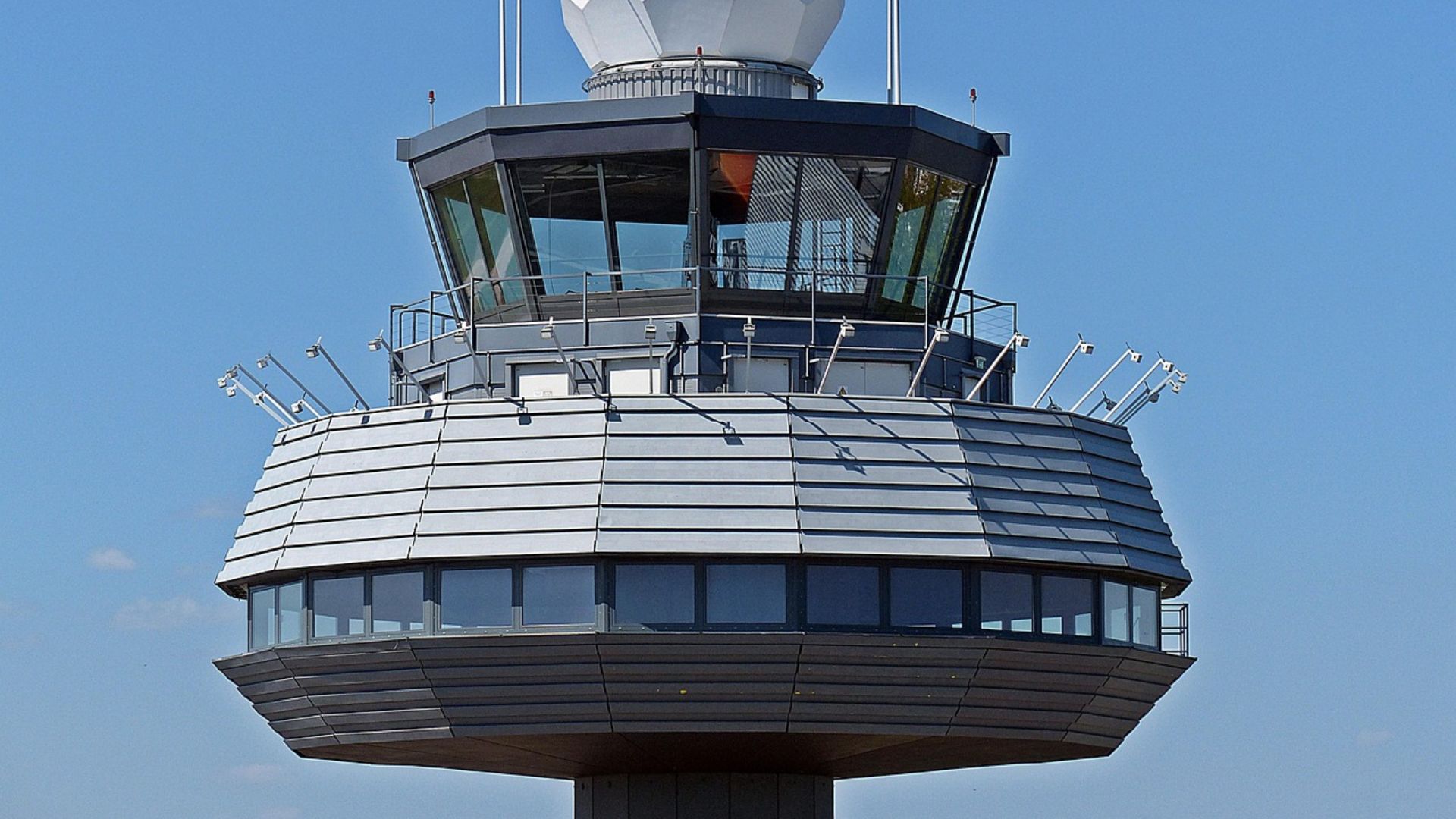
Why The Career Still Has Security
Even with automation, the need for skilled human controllers is still strong, especially during transition phases, high‑traffic operations, and complicated events like emergency management or even space launch integration. The FAA’s workforce plan is a clear reflection of the need for skilled controllers that is as urgent as it’s ever been.
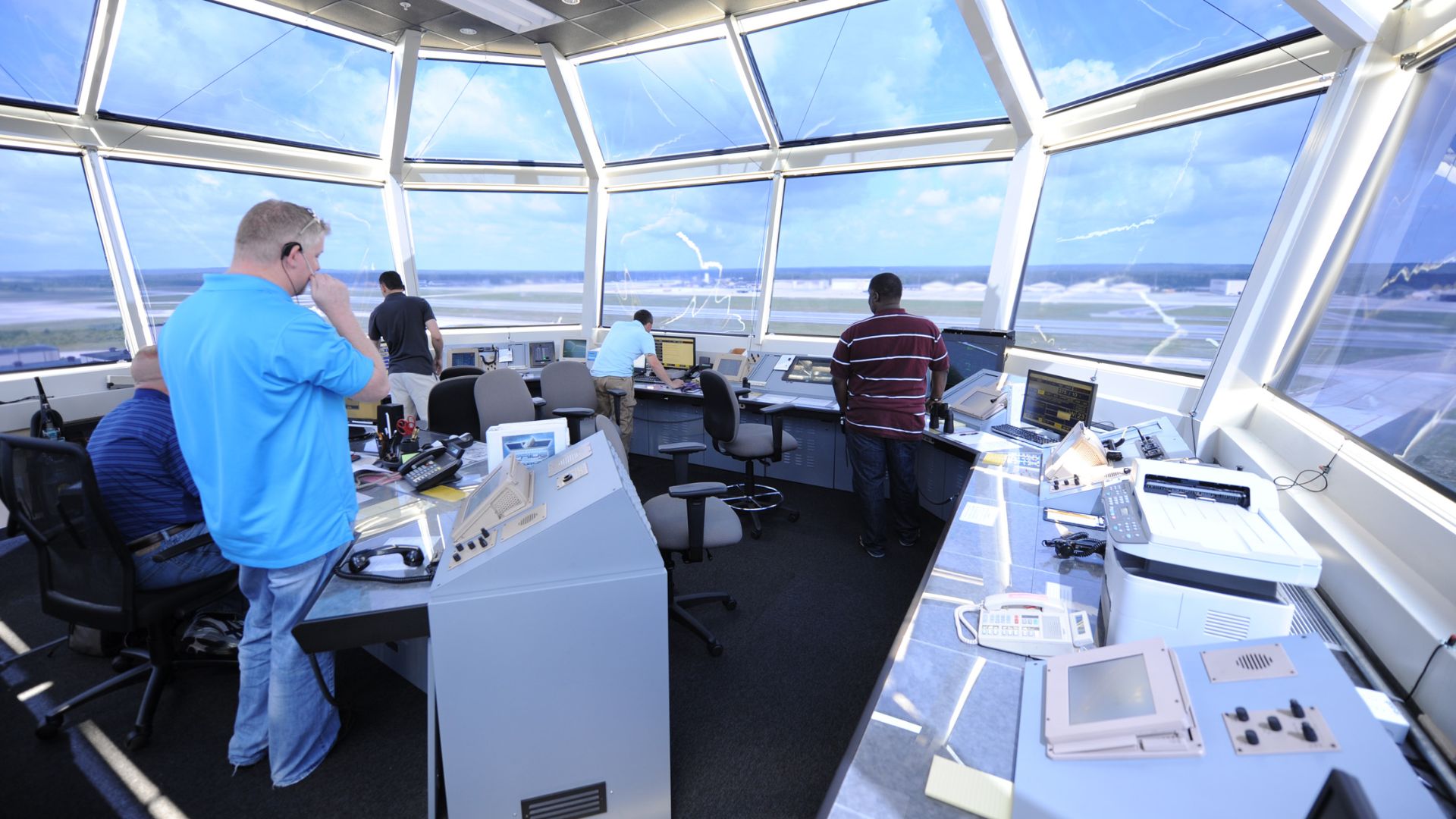 Tech. Sgt. Peter R. Miller / U.S. Air Force, Wikimedia Commons
Avoiding Obsolescence
Workers in the field must adopt an attitude of lifelong learning, stay current with constantly changing automation systems, and focus on competencies that machines can’t match. Judgement, adaptability, communication, and crisis management are all essential tools in the air traffic controller’s arsenal. Those who view automation as a threat will struggle; those who understand and embrace it will thrive.
 U.S. Navy photo by Mass Communication Specialist Seaman Jared M. King, Wikimedia Commons
How Modernization Improves Aviation Safety
The new system under development is designed to increase separation precision, reduce delays and integrate new types of airspace users (drones, eVTOLs, commercial space). Automation and satellite surveillance technology promises to boost safety and capacity, a win-win proposition.
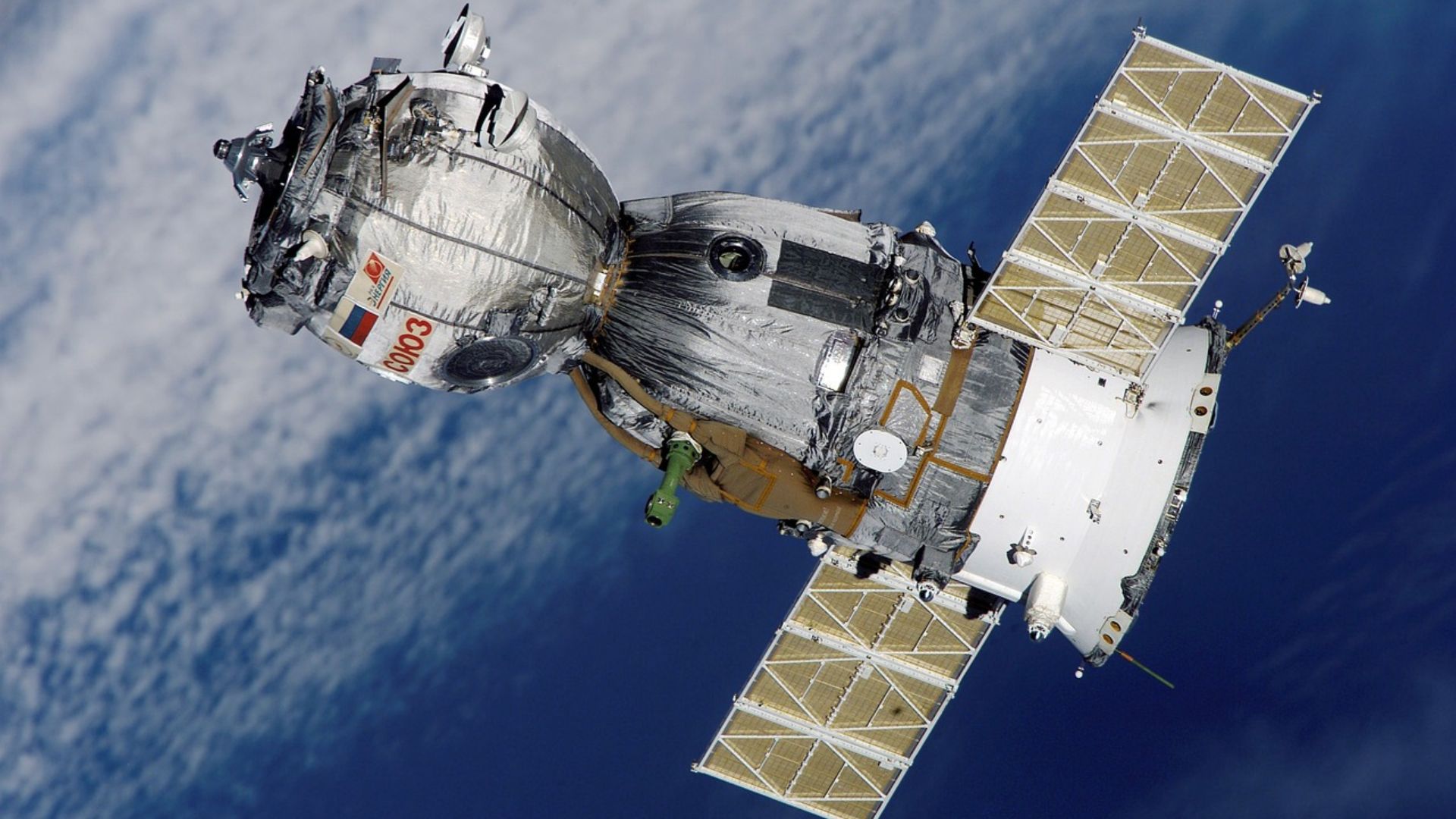
What Happens During The Transition Period
As our current legacy radar and voice‑based systems gradually get replaced, air traffic controllers will at some point have to deal with dual‑system operation, increased training burdens and changing procedures. Agencies are under the gun to manage this transition carefully and preserve safety while upgrading operations.
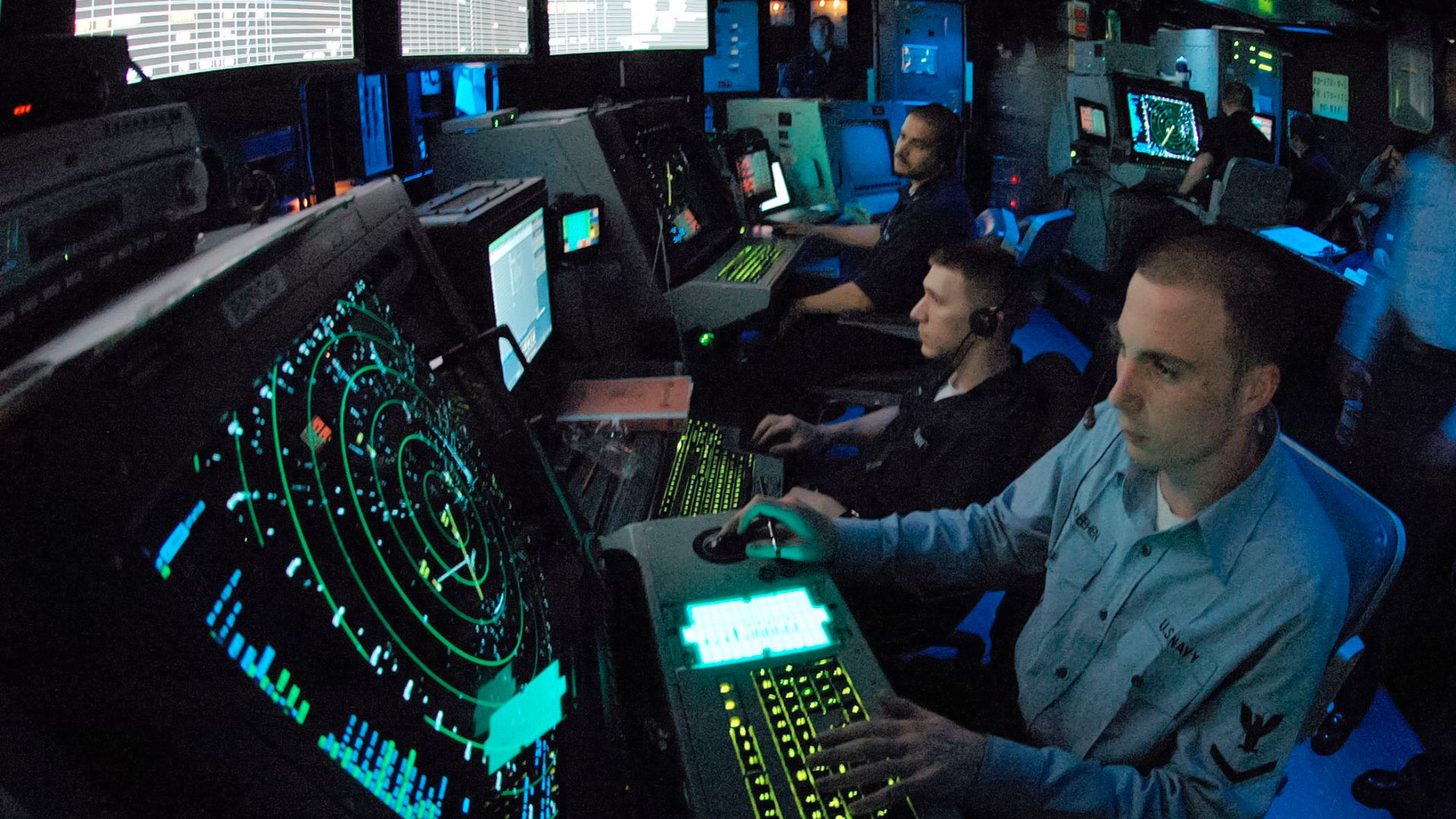
Career Prospect Outlook: More Roles, Different Skills
With today’s modernization trend, job prospects aren’t shrinking, they’re just changing. The number of openings for new controllers should still remain high given increased hiring targets, staffing deficits, retirements, and evolving system requirements.
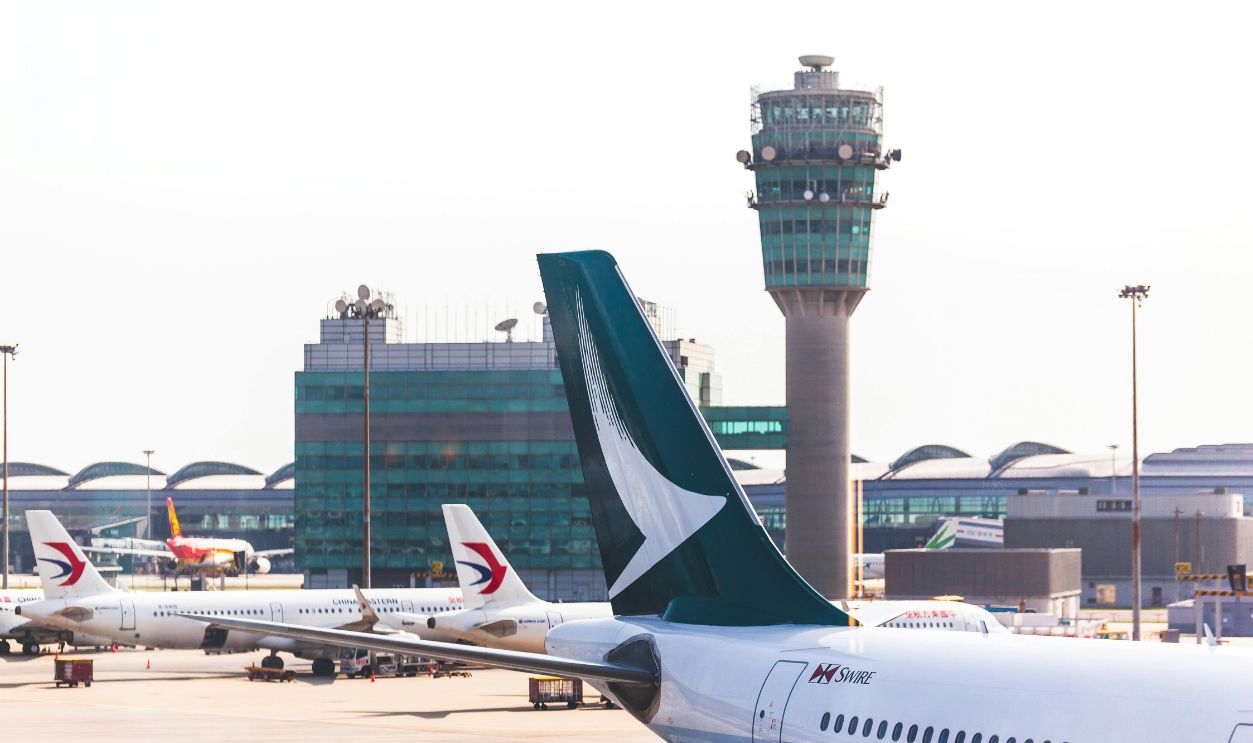 MELANIO SALOME JR. PECH, Pexels
Prepare Now: Educational Steps
People interested in getting into air traffic control should be sure to hone their math skills, spatial reasoning, multitasking, and communication skills. Enrolling in an FAA‑approved training program, earning a degree or certification in aviation, and staying physically and medically fit are all key elements to help you on this fascinating career path.

Financial Considerations: What You Can Earn
Starting salaries for newly certified controllers are reported at six‑figures in some cases, especially at busy facilities or with relocation/bonus incentives. The investment in training can certainly pay off, but only if you successfully complete the program and pass your certification.

Challenges & Stress: Know What You’re Getting Into
As you may have heard, air traffic control isn’t for the faint of heart; the job is high‑stakes, high‑stress, and shift‑work heavy. The automation that we’ve been discussing could ease some of the burden, but fatigue, rapid decision‑making, and constant attention will probably always be part of the job.
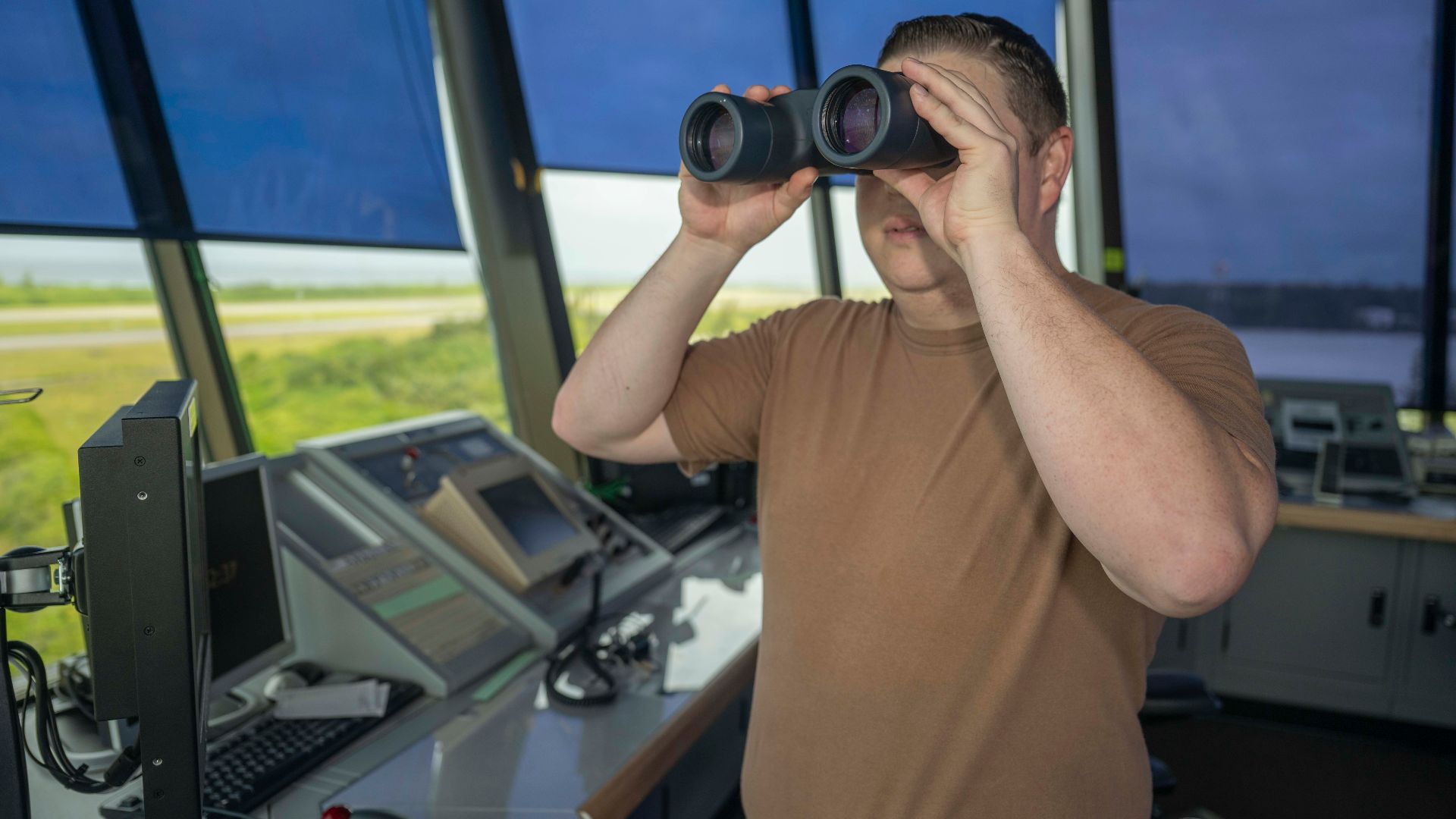 U.S. Navy photo by Seaman Jordan Steis, Wikimedia Commons
The Role Of Remote & Virtual Towers
Remote tower and virtual operations are part of the automation future, allowing controllers to manage airfields from remote centralized locations. While this may open more opportunities in different locations, it also reinforces the evolving nature of controller careers.
Ethical & Safety Implications Of Automation
Automation carries benefits, but also contains serious ethical questions, such as: who’s responsible in a system failure? There’s always a risk of over‑reliance on machines, and the controller’s role as human overseer is essential. Training has to evolve to reflect this.
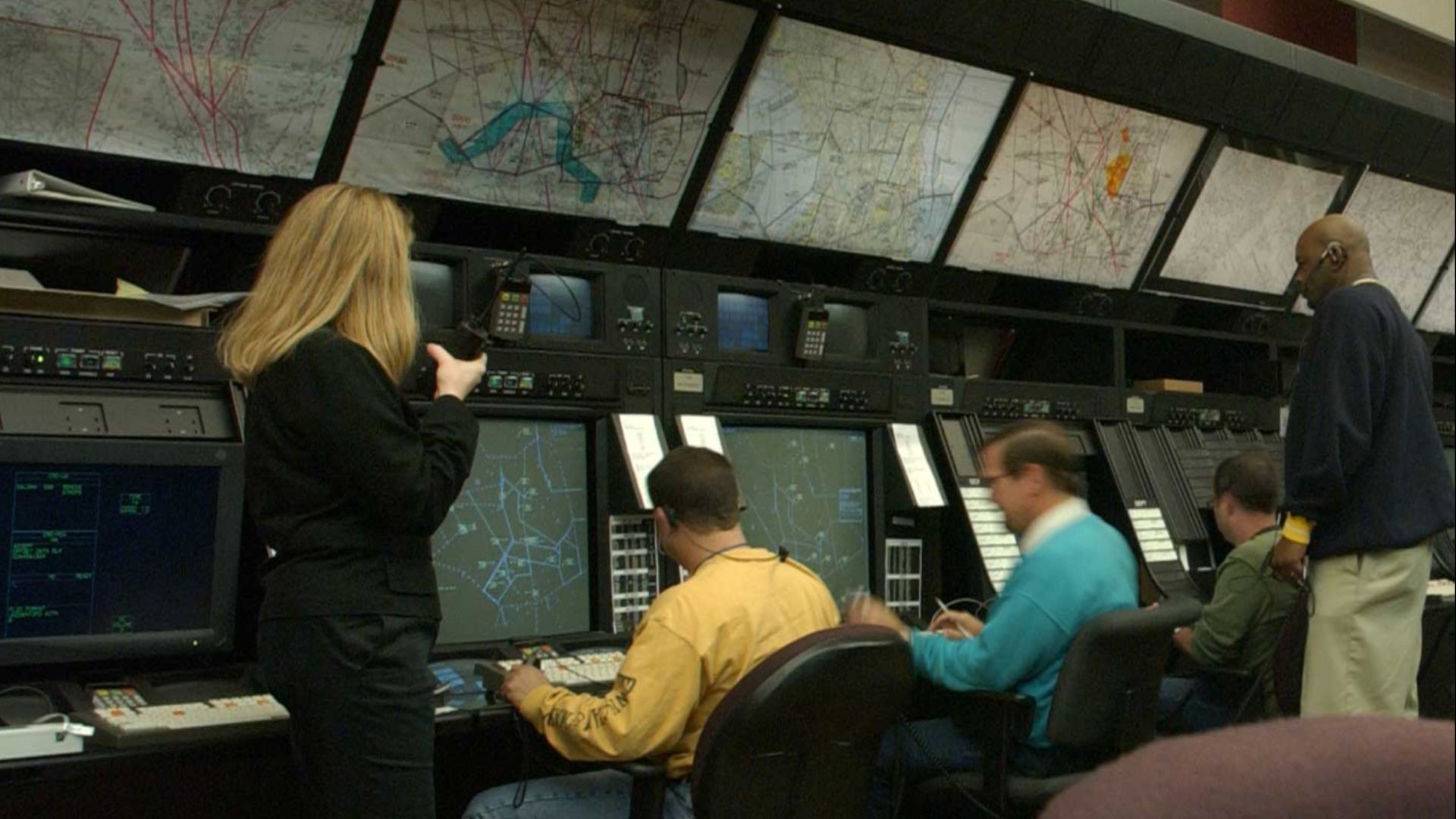 Work of the United States Federal Government under the terms of 17 U.S.C. § 105, Wikimedia Commons
What This Means For Aviation’s Future
As the FAA replaces legacy systems and introduces satellite‑based, data‑link and automation platforms, the national airspace system stands on the brink of a transformation. Controllers will still be abundantly needed, but they’ll be more tech‑savvy, data‑driven and central to safety in the digital era.
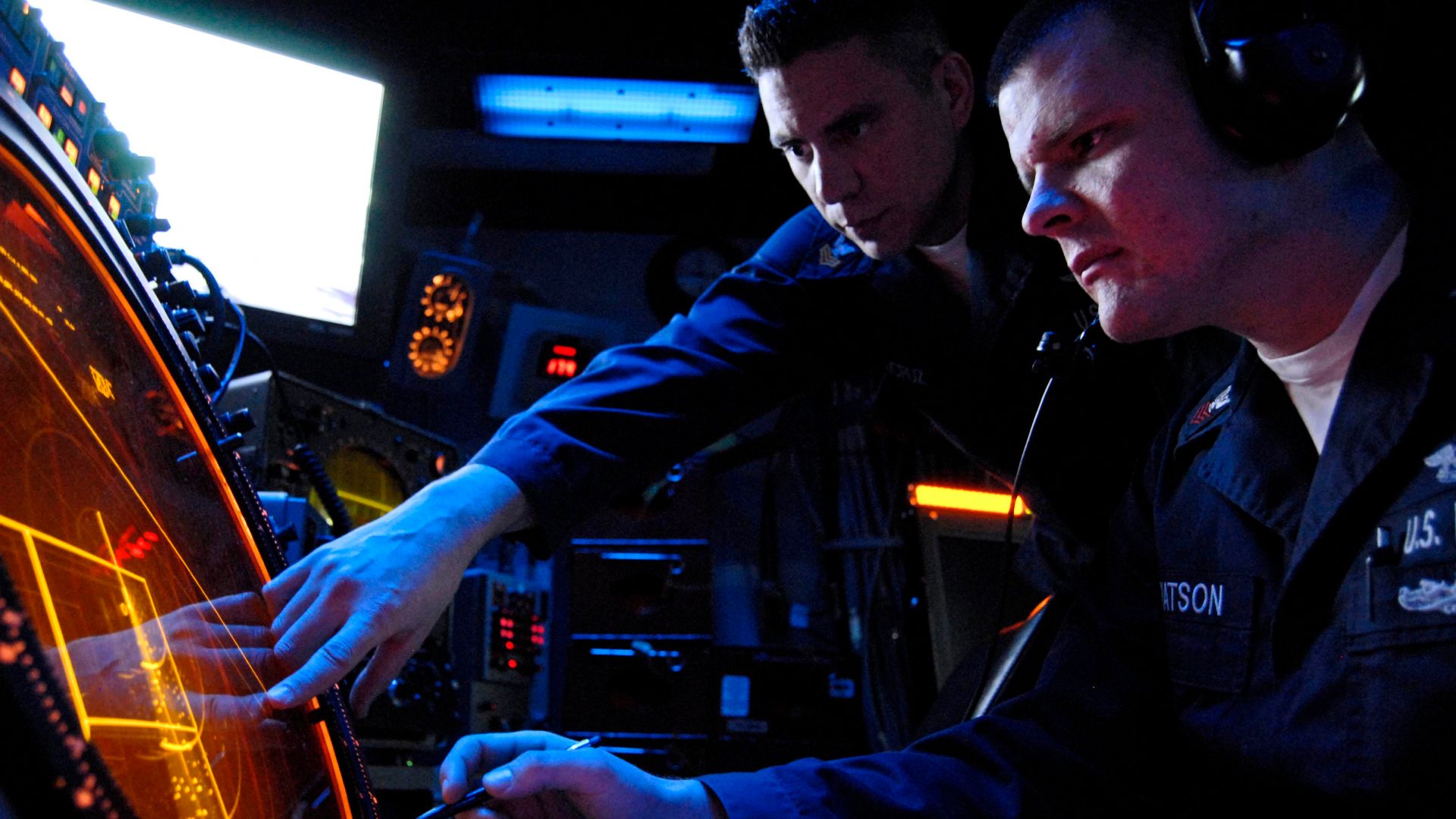 U.S. Navy photo by Mass Communication Specialist Seaman Joshua Valcarcel, Wikimedia Commons
Embrace The Change
The aviation industry is embracing automation, but the human controller is still central: as a supervisor, troubleshooter, and safety sentinel. For those mulling the prospect of air traffic control as a career, the time is ripe. Adaptation on the fly is a key quality that will bring success.
You May Also Like: