When Your Boss Wants More Than Your Work
You work at a social media marketing company, so spending your days on TikTok isn't exactly unusual. But your boss just announced that everyone must follow his personal account or risk getting fired. Suddenly, your private social media activity has become a workplace requirement. Is that actually legal?
The Short Answer Might Surprise You
Unfortunately, your boss might legally be able to fire you for refusing. In much of the United States, employers have considerable freedom when deciding whom to employ. However, depending on your state's laws, your employment agreement, and why you're refusing, your boss could be crossing a legal line.
 https://kaboompics.com/, Pexels
Welcome To At-Will Employment
Most American workers are employed at will. Generally, that means an employer can fire someone for almost any reason, provided the reason isn't illegal. Refusing to follow your boss's TikTok might sound like a ridiculous reason for dismissal, but ridiculous doesn't automatically mean unlawful. That's the frustrating part.

Being Unfair Isn't Always Illegal
Here's something employment lawyers frequently have to explain: bad management isn't necessarily illegal management. Your boss can make unreasonable decisions without automatically breaking employment laws. A demand for TikTok followers could fall into that category. Still, there are important exceptions, especially when personal privacy or protected workplace rights are involved.

The State You Work In Matters
Your rights could look different depending on where you live. States have different employment protections, including laws addressing social media privacy and conduct outside working hours. An employer in California, for example, faces certain restrictions that might not apply elsewhere. Before challenging your boss, find out what your state actually protects.

California Has Some Interesting Protections
California Labor Code Section 980 generally prevents employers from demanding access to employees' personal social media accounts or requiring them to reveal private social media content. Employers also cannot retaliate against workers for refusing requests prohibited by that law. However, requiring someone to follow a public account isn't automatically the same thing.

New York Protects Certain Personal Activities
New York has another interesting law. Section 201-D protects certain lawful recreational activities outside work from employer discrimination. Could choosing not to follow somebody on TikTok qualify? That's far from guaranteed. Still, it's worth exploring if your employer starts controlling what you do on social media after hours.

Is This Actually Part Of Your Job?
Because you work in social media marketing, your employer has a stronger argument for requiring certain online activities as job duties. Following company accounts, researching competitors, and monitoring campaigns could be legitimate assignments. But requiring employees to boost their boss's personal popularity raises a different question: whose business is this really benefiting?

A Company Account Changes Things
Suppose your boss wants everyone to follow the company's official TikTok account to monitor marketing campaigns. That's easier to justify as a workplace requirement. But insisting employees follow his personal account, particularly when it has nothing to do with their responsibilities, makes the demand harder to defend professionally.

Your Personal Account Isn't Company Property
Just because you work in marketing doesn't mean your personal social media accounts automatically belong to your employer. You might use TikTok to watch cooking videos, share family memories, or follow your favorite creators. Having a job doesn't necessarily give your boss unlimited authority over those personal accounts.
 ANTONI SHKRABA production, Pexels
Following Someone Can Reveal Information
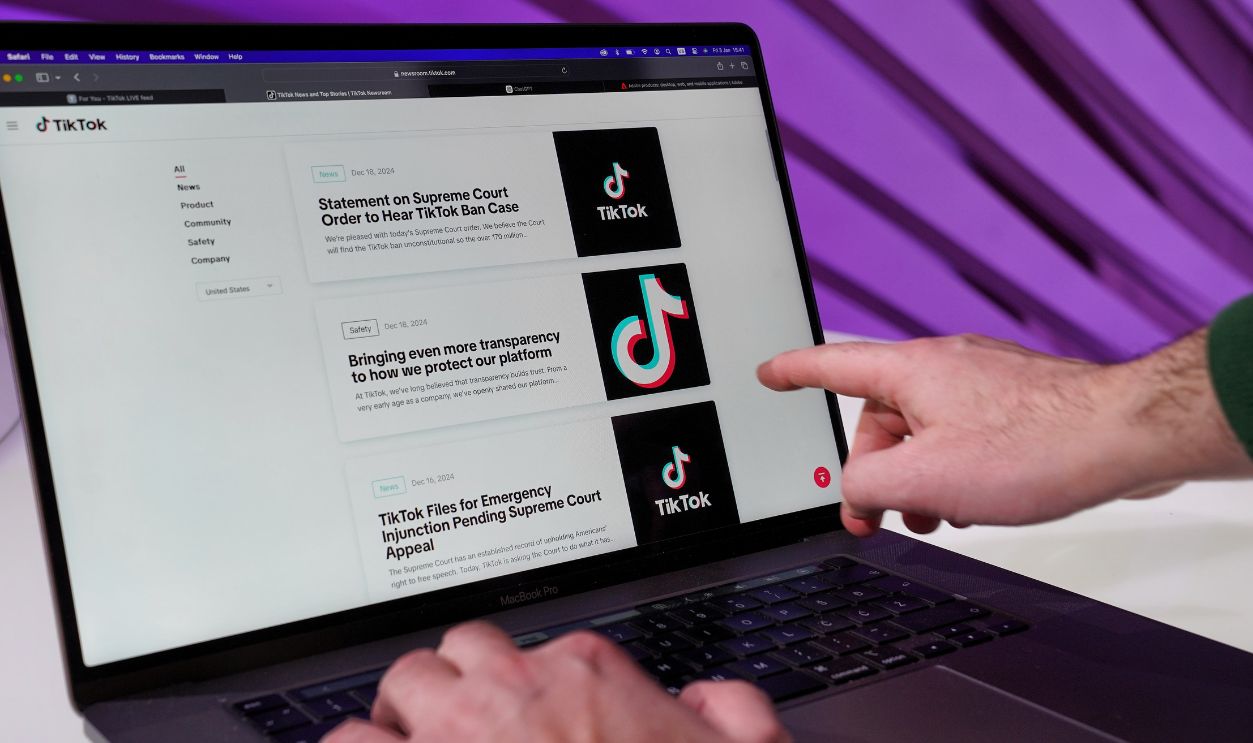
A TikTok follow might seem harmless, but it can connect your personal account to your workplace. Depending on your privacy settings, your boss might discover your username, profile, and public activity. That's a reasonable concern, especially if you've deliberately kept your professional and personal online identities separate.
What If You Don't Have TikTok?
Now imagine you've never downloaded the app. Can your boss demand that you create an account? There isn't a universal federal law prohibiting such a requirement. But whether it is enforceable can depend on the circumstances, including employment contracts, applicable privacy laws, and whether the account is genuinely needed for work.

What If Your Boss Wants Your Password?
That's an entirely different problem. Several states restrict employers from requesting login credentials for personal social media accounts. California, for instance, expressly prohibits certain password demands. Following a public account and handing over private login information are two very different things, and workers should understand that distinction.

You May Have Protection When Acting Together
Here's where federal labor law becomes particularly interesting. Under the National Labor Relations Act, many private sector employees have the right to discuss workplace problems and seek improvements together. This protection can apply even without a union. And yes, disagreements over workplace social media policies can sometimes qualify.

Talking With Coworkers Could Matter
Suppose several employees discuss the requirement and collectively tell management they're uncomfortable using personal TikTok accounts for work. Depending on the circumstances, that could constitute protected concerted activity. Federal law generally prohibits employers from retaliating against covered workers for exercising those rights. However, simply refusing individually isn't automatically protected.

There's Actually A Relevant Real-Life Case
The National Labor Relations Board describes a case involving a healthcare employee who challenged an overly broad workplace social media policy. She discussed her concerns with coworkers, refused to sign the policy, and was fired. Following an NLRB investigation, the employer settled, reinstated her, and provided backpay.

But Don't Assume Every Protest Is Protected
That case doesn't mean every employee can refuse every social media instruction without consequences. Federal protections depend on what employees are doing, why they're doing it, and whether the activity qualifies under the law. Certain supervisors and independent contractors also fall outside the National Labor Relations Act's ordinary employee protections.
Start By Getting The Demand In Writing
Before doing anything dramatic, ask your boss to clarify the requirement in writing. Is following the account officially mandatory? Does it apply to personal profiles? Is termination genuinely the consequence? A polite email can establish exactly what management expects while creating a useful record if things escalate later.

Check Your Employee Handbook
Remember that handbook you probably skimmed during onboarding? Now's a good time to find it. Look for policies covering social media, employee privacy, disciplinary procedures, and personal technology. Also review any employment contract. Company policies don't necessarily override at-will employment, but they can clarify expectations and potentially provide additional protections.

Keep A Record Of Everything
If your boss threatens termination, document what happened. Save relevant emails, Slack messages, and written instructions you're lawfully entitled to keep. Record dates, participants, and exact wording while everything is fresh. Avoid taking confidential client information or recording private conversations without checking applicable laws. Documentation could prove important later.

Approach Human Resources Carefully
If your company has an HR department, consider raising the concern professionally. Explain that you understand business-related social media requirements but have privacy concerns about connecting your personal account to your boss's. Ask whether employees can fulfill the requirement using company-managed accounts instead. Keep your communications factual and respectful.

Suggest A Reasonable Compromise
Maybe your boss genuinely believes employee engagement helps grow his audience. Suggest following the account through a work-managed profile or monitoring content without following personally. Another possibility is making participation voluntary. These alternatives might satisfy legitimate marketing goals without turning everyone's private social media habits into a performance review.

Don't Start A Public TikTok War
It might be tempting to make a viral video about your boss's behavior. Resist that impulse until you've considered the consequences. Although some workplace discussions on social media receive legal protection, not every complaint qualifies. Public accusations or disclosures of confidential information could complicate an already unpleasant employment dispute.

What If Your Boss Actually Fires You?
If you're terminated, request written confirmation of your dismissal and the stated reason. Don't assume the firing was lawful simply because your employer says so. An employment attorney can review your state law, workplace records, and any possible retaliation claims. Avoid signing a severance agreement without understanding what rights you might be giving up.

Could You Collect Unemployment Benefits?
Possibly. Being fired doesn't automatically disqualify you from unemployment benefits. Eligibility depends on state rules and the circumstances surrounding your dismissal. Refusing an employer's instruction could raise misconduct questions, but not every refusal qualifies as disqualifying misconduct. Apply promptly and explain what happened accurately rather than ruling yourself out.

When Should You Contact A Labor Agency?
If you believe your boss retaliated against protected group activity, contact the National Labor Relations Board. Charges generally must be filed within six months of the alleged violation. For concerns involving state privacy protections, consult your state labor agency or an employment attorney. Don't wait until important filing deadlines disappear.

Your Job Shouldn't Depend On Your Boss's Follower Count
So, can your boss fire you for refusing to follow his TikTok? In some circumstances, yes. But privacy laws, protected workplace activity, and employment agreements may change the answer. Your best move is to document the demand, check your rights, and raise your concerns professionally before risking your paycheck over a follow button.

You May Also Like: