The Reality Check
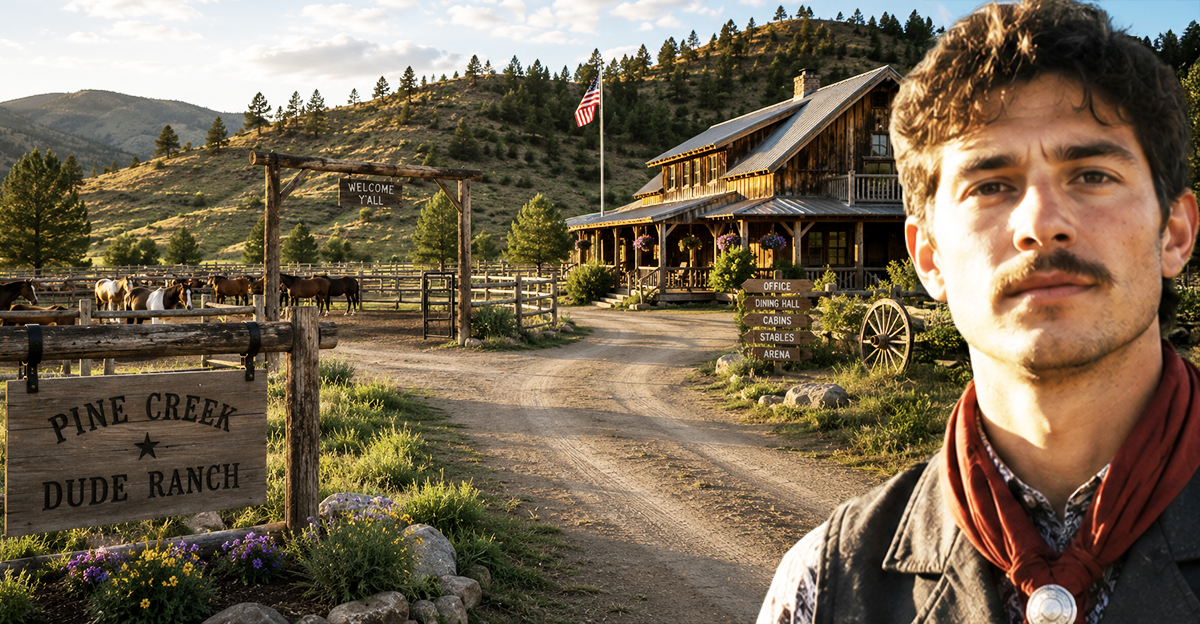
You may arrive expecting a summer adventure filled with horses, mountain views, and campfires, only to find yourself working from dawn until well after dinner. Many first-time dude ranch employees are surprised by the long days, especially during peak guest season when staffing and guest expectations collide.
Why Days Get Long
Most dude ranches operate on hospitality schedules rather than traditional office schedules. Guests expect breakfast, trail rides, activities, meals, entertainment, and support throughout the day. When the ranch is busy, staff often work long stretches to keep everything running smoothly.
 USFWS Mountain-Prairie, Wikimedia Commons
Hospitality Meets Ranching
A dude ranch is not just a ranch. It is also a hotel, restaurant, recreation center, and tourism business. Employees often help with multiple duties, which can significantly increase the length and variety of a typical workday.

Every Guest Matters
Guests may spend thousands of dollars on a ranch vacation and often expect memorable experiences. That creates pressure on staff to provide excellent service, whether they work with horses, housekeeping, food service, maintenance, or activities.
Small Staff Challenges
Many dude ranches operate with relatively small seasonal teams. When someone is sick, quits unexpectedly, or takes time off, remaining employees often absorb additional responsibilities. This can quickly turn an eight-hour day into a much longer one.
Seasonal Rush Periods
Summer is usually the busiest time of year for many guest ranches. During these weeks, management may prioritize guest needs above everything else. Long hours are often considered part of surviving the peak season successfully.

More Than Horseback Riding
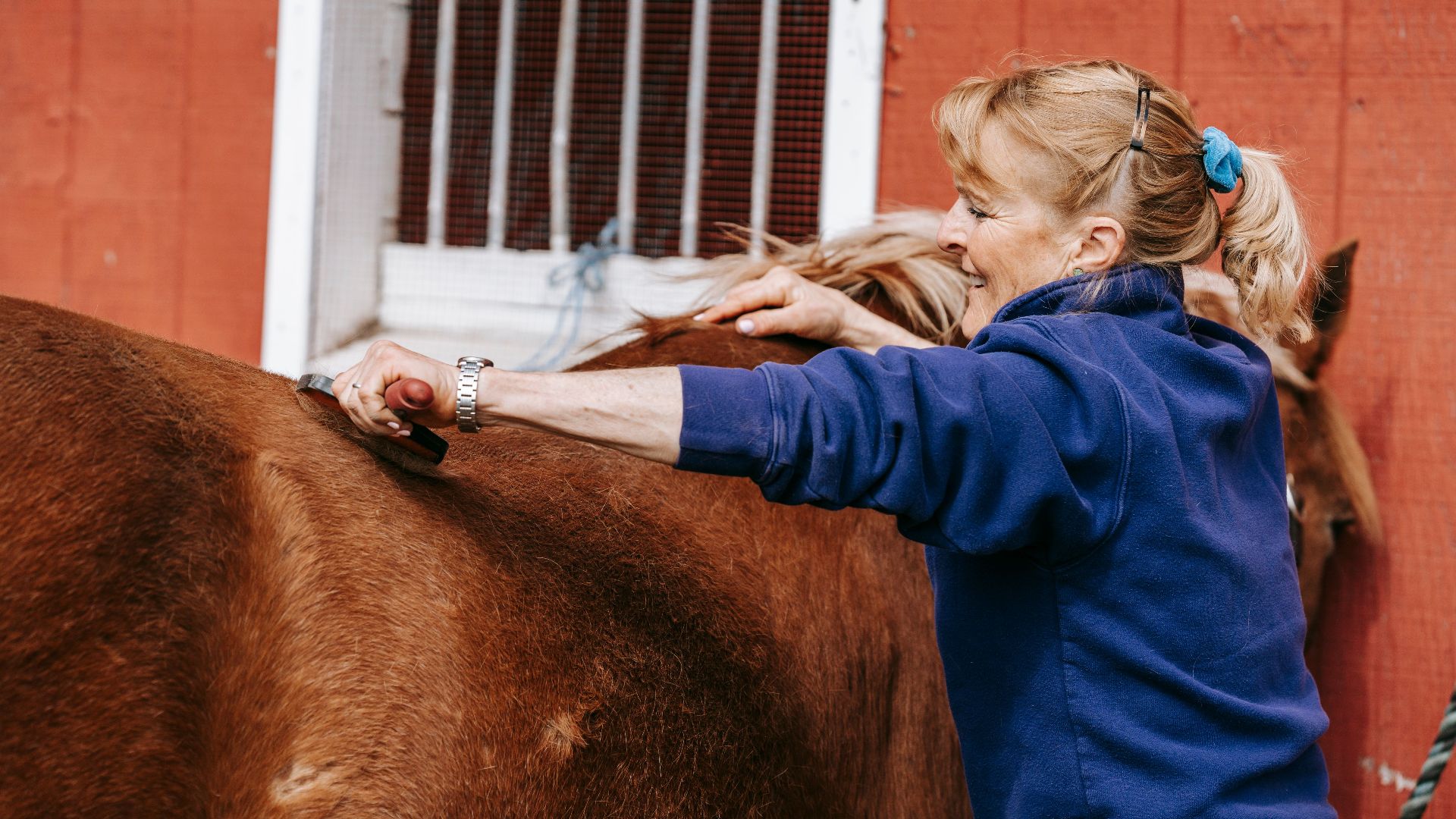
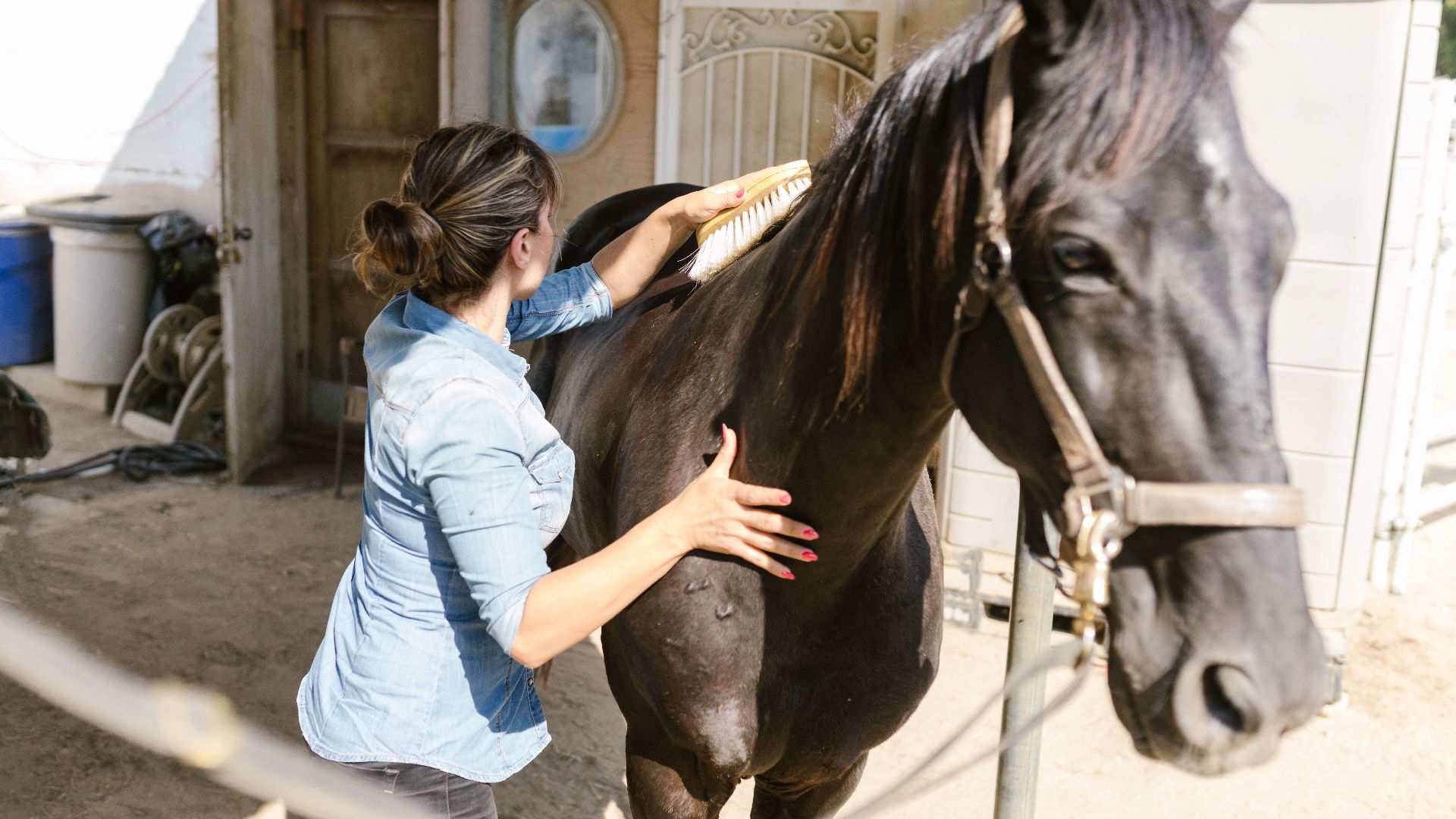
Many applicants focus on the horseback riding aspect of ranch life. In reality, jobs often include cleaning, serving meals, carrying supplies, maintenance work, laundry, landscaping, guest assistance, and countless other tasks.

Evening Activities Continue
Your workday may not end after dinner. Many ranches organize campfires, dances, hayrides, games, and social events. Staff members are frequently expected to participate because these activities are part of the guest experience.
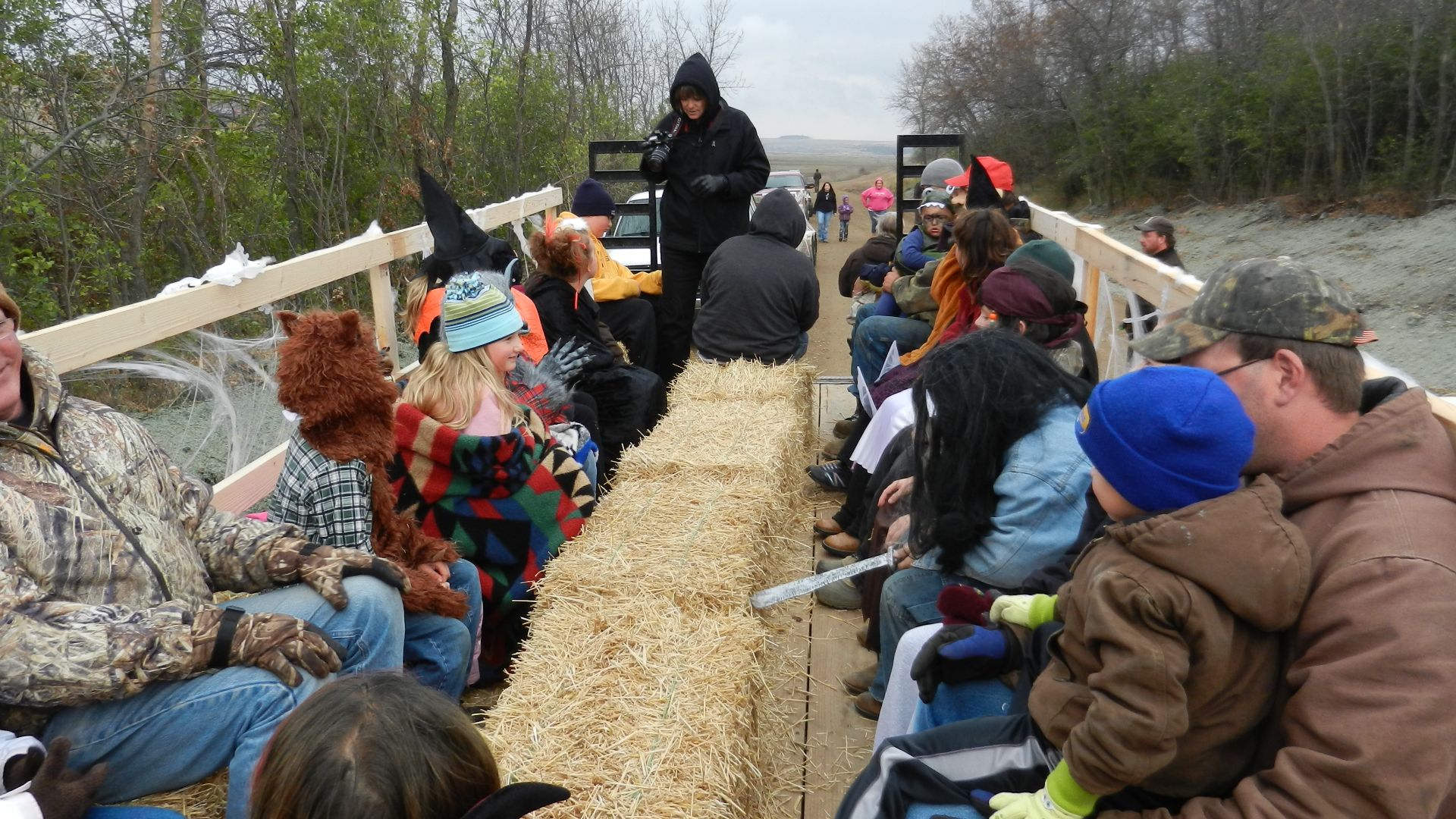 USFWS Mountain Prairie, Wikimedia Commons
Is It Actually Normal?
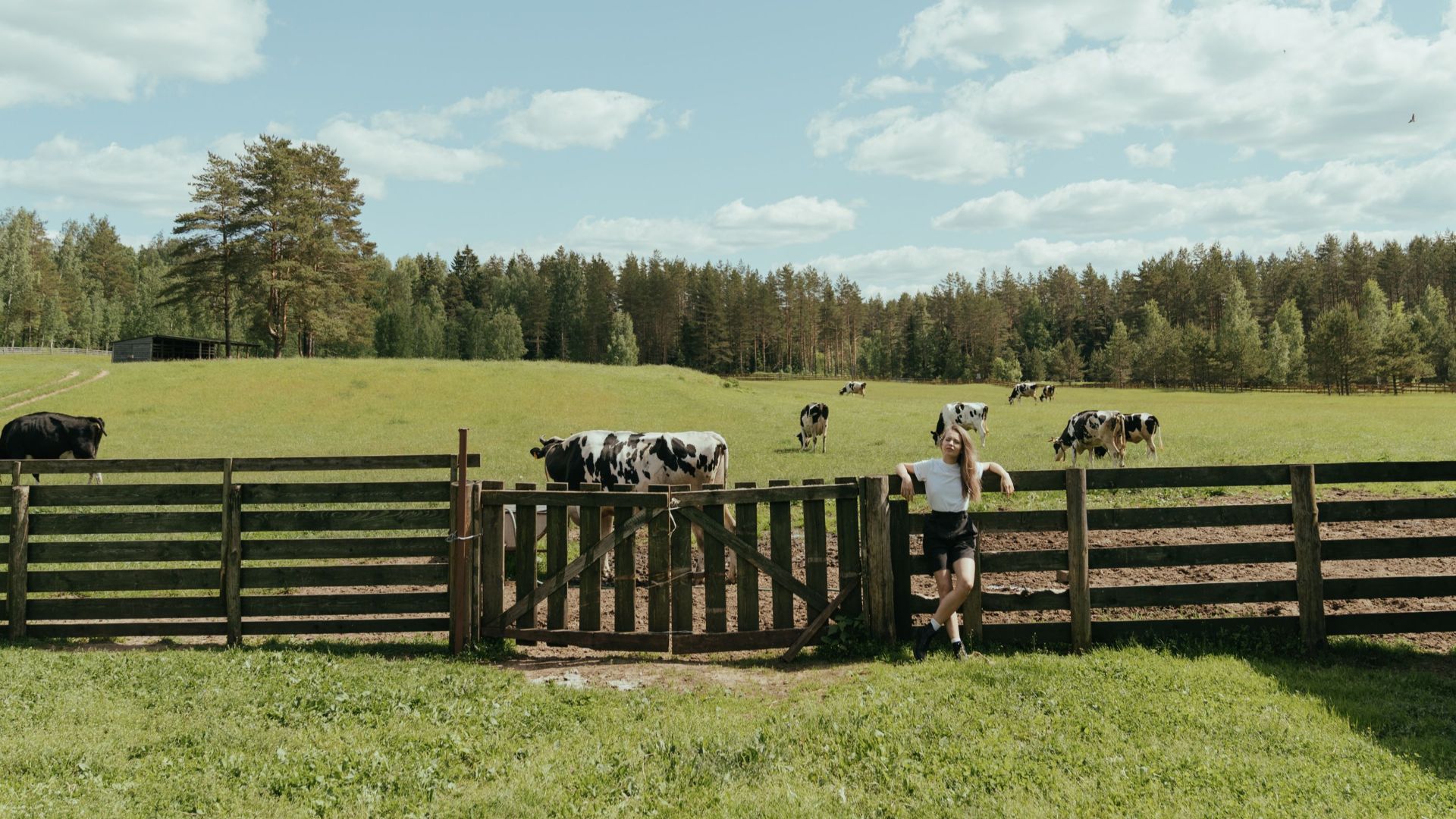
Long days are common in the industry, especially during busy periods. However, that does not mean every ranch operates the same way. Some ranches manage staffing levels and scheduling much better than others.
Know Your Rights
Even seasonal workers remain protected by federal and state labor laws. Depending on your job classification and duties, you may be entitled to overtime pay and other protections. Review your employment agreement carefully and understand the laws that apply to your position.

Housing Changes Everything
Many ranch jobs include room and board. While this can reduce living expenses dramatically, it also means your workplace and home are often located in the same place. That can make it harder to separate work time from personal time.

Who Thrives There
People who enjoy outdoor work, social interaction, flexibility, and teamwork often adapt well to ranch life. Those expecting a structured nine-to-five schedule may find the environment much more challenging than anticipated.
Best Positions For Beginners
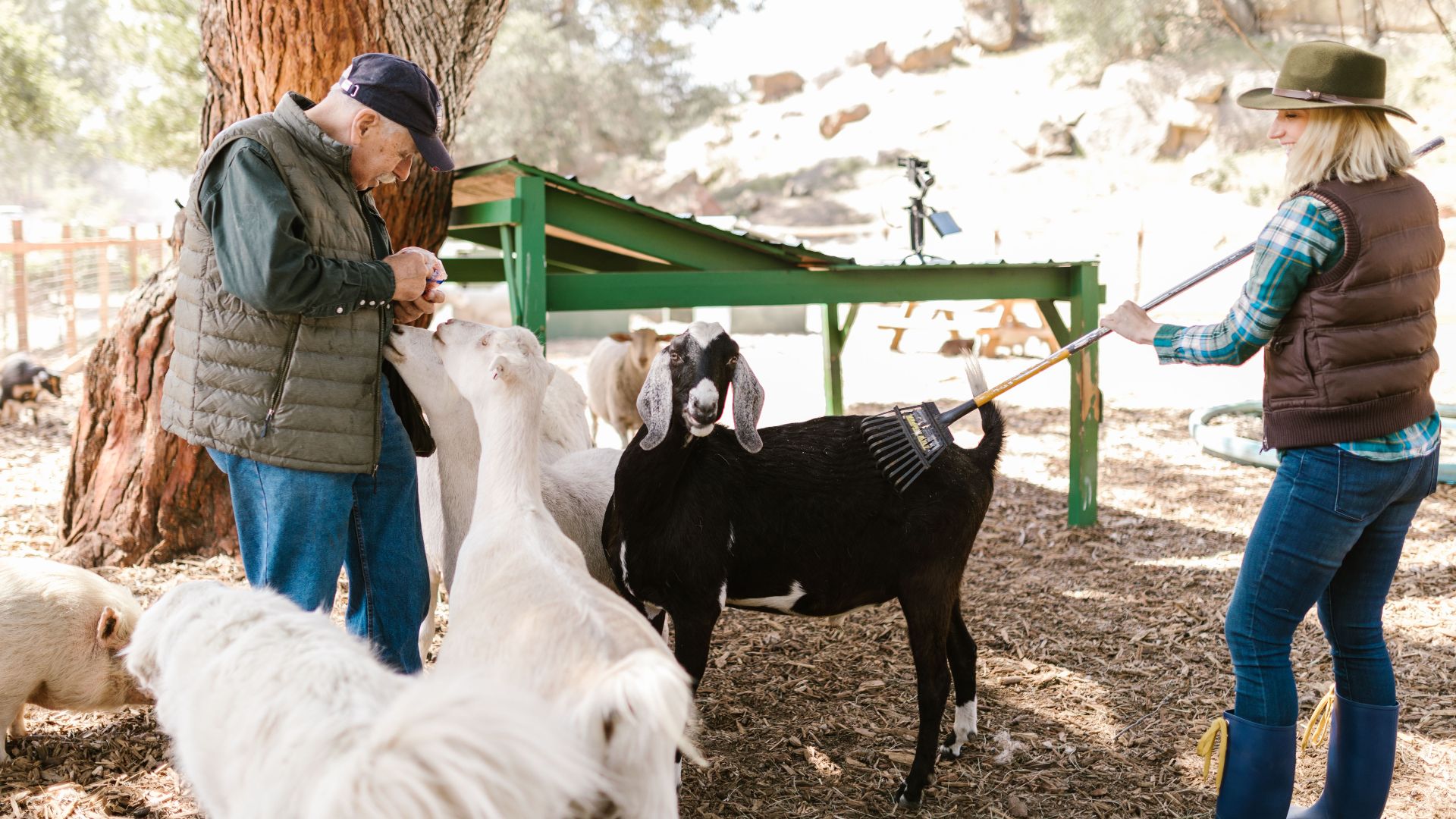
Hospitality, housekeeping, dining room, children's program, and front desk positions can be good entry points. They allow you to experience ranch life without necessarily requiring advanced horsemanship or livestock skills.

Wrangling Requires Experience
Many people dream of becoming wranglers. However, responsible ranches often prefer candidates with strong horse-handling experience because guest safety depends heavily on the skill and judgment of the riding staff.
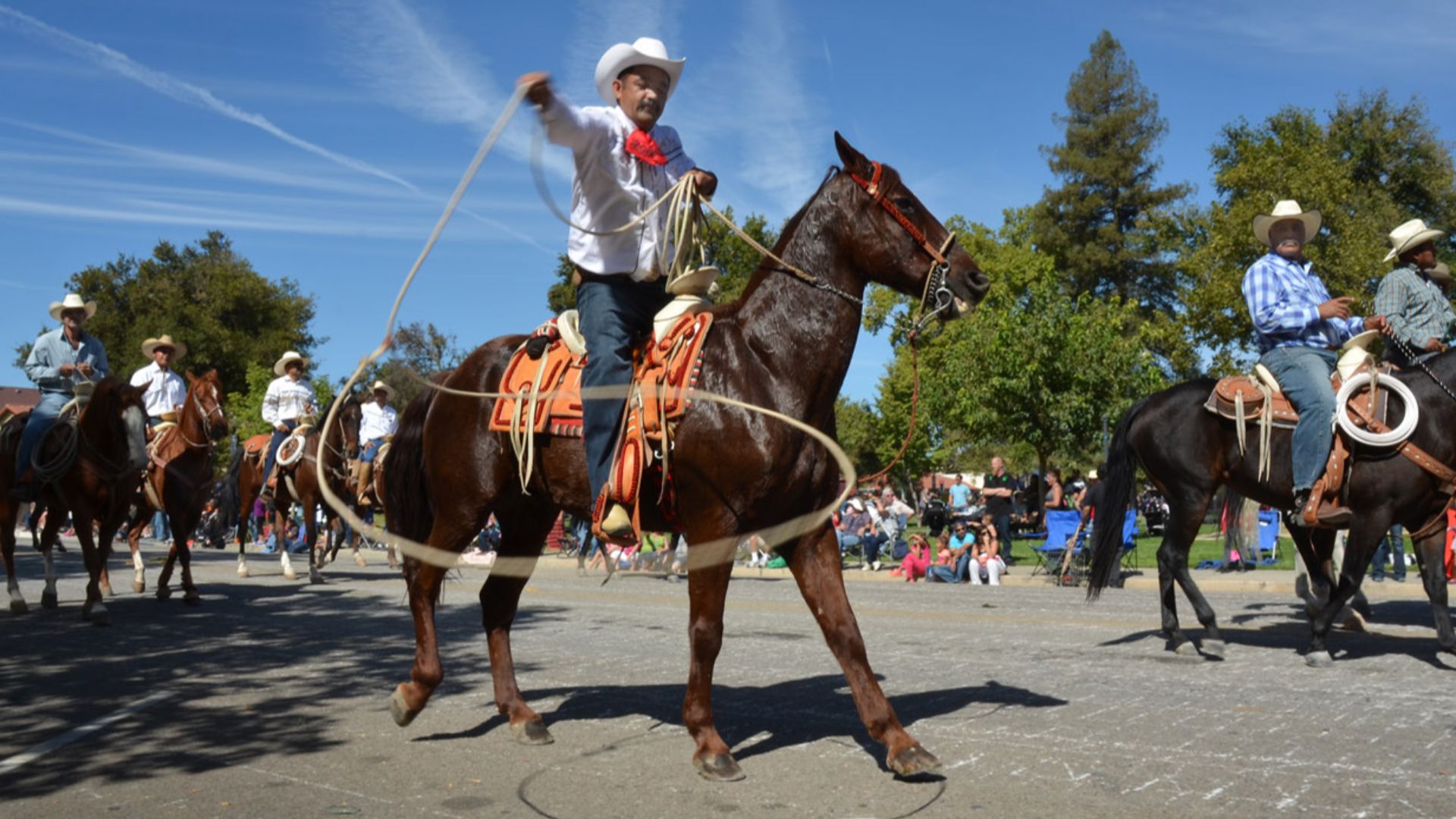 Dave Skinner, Wikimedia Commons
Vacation Versus Employment
One common mistake is viewing the job as a paid vacation. While the scenery may be spectacular, the primary purpose of your presence is to support paying guests. The vacation experience belongs mainly to them, not to employees.

Research Before Applying
Before accepting a position, look for employee reviews, ask detailed questions about schedules, and request information about typical workweeks. Honest employers will usually provide realistic expectations rather than idealized descriptions.

Ask Better Questions
During interviews, ask how many hours employees typically work, how days off are scheduled, whether overtime is common, and what happens during the busiest weeks. These answers can reveal a great deal about workplace culture.

Watch For Red Flags
Be cautious if a ranch refuses to discuss schedules, avoids questions about turnover, promises endless fun, or cannot clearly explain compensation. Transparency is often a good indicator of a well-managed operation.

Look At Staff Retention
A ranch where employees return year after year may indicate better management and working conditions. High turnover can sometimes suggest problems with scheduling, compensation, housing, leadership, or workplace expectations.

Consider Your Goals
Some people work at dude ranches to gain horse experience. Others want hospitality experience, outdoor adventure, networking opportunities, or simply a unique summer. Understanding your priorities helps you evaluate whether the tradeoffs are worthwhile.
Good Ranches Communicate
The best employers explain expectations before arrival. They discuss duties, housing, schedules, compensation, and workplace culture honestly. Surprises still happen, but clear communication reduces the chances of major disappointment.

Future Opportunities
If you enjoy the environment but dislike your current ranch, remember that operations vary widely. Another ranch may offer a better culture, more reasonable schedules, stronger management, or duties that better match your interests and skills.

Deciding Whether To Stay
If the workload is difficult but manageable, you may gain valuable experience by finishing the season. However, if conditions are unsafe, misleading, or violate employment agreements, it may be worth exploring other opportunities.
The Bottom Line
Working at a dude ranch is often far more demanding than newcomers expect. Long days can be normal, especially during peak season. The key is understanding the reality before accepting a position and finding an employer whose expectations, management style, and work environment fit your goals.
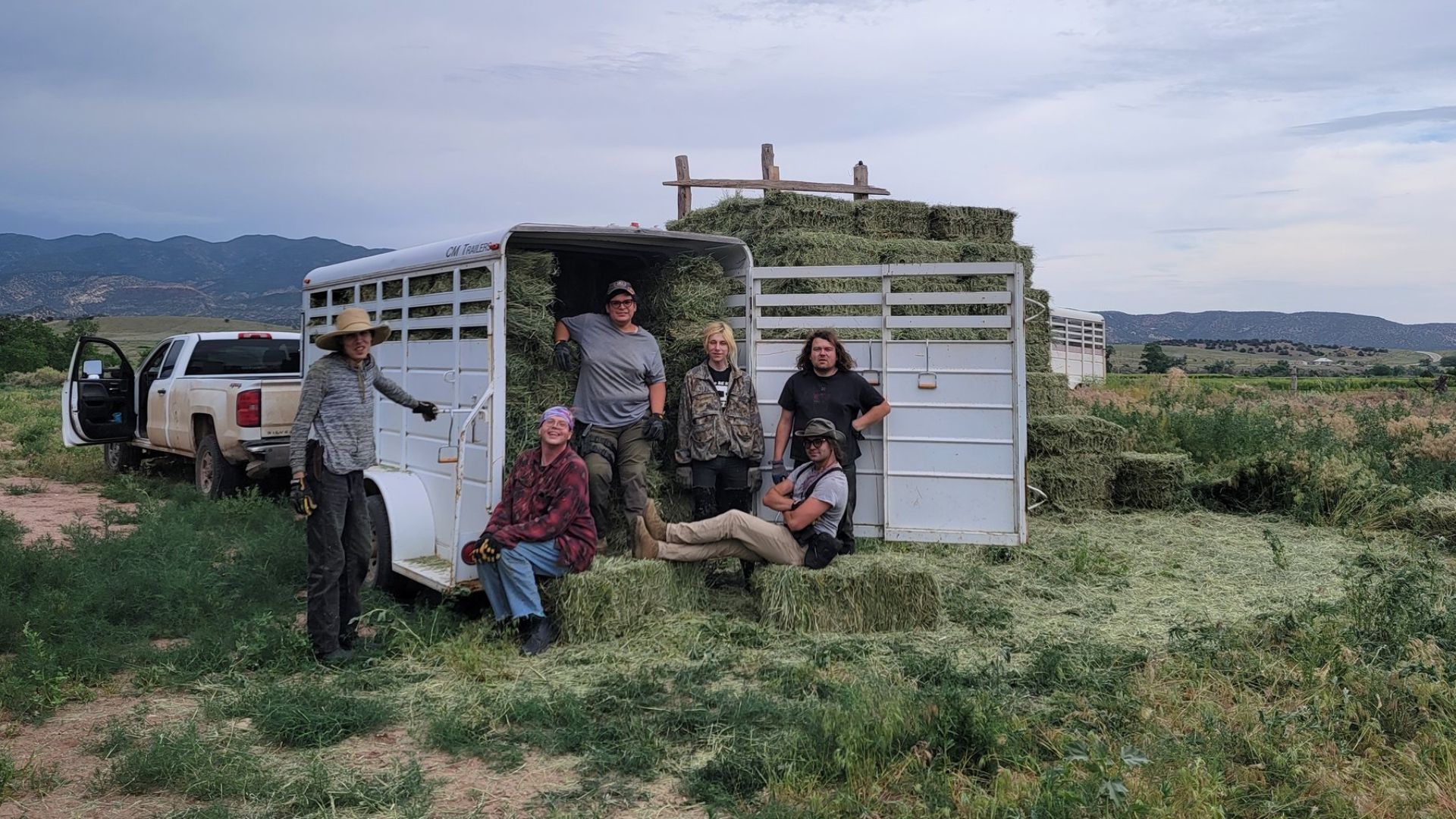 Tenacious Unicorn Ranch, Wikimedia Commons
You May Also Like:
5 High-Paying Jobs You Can Get Without A Bachelor's Degree