The Office Rulebook Has Been Rewritten
Professionalism used to be closely tied to where and when people worked. That assumption no longer fits a large share of the workforce. In 2025, 35% of employed Americans did at least some work from home on days they worked. That means most companies have needed to fundamentally rethink employee expectations, and many are doing so in interesting ways.

Hybrid Work Is No Longer A Temporary Experiment
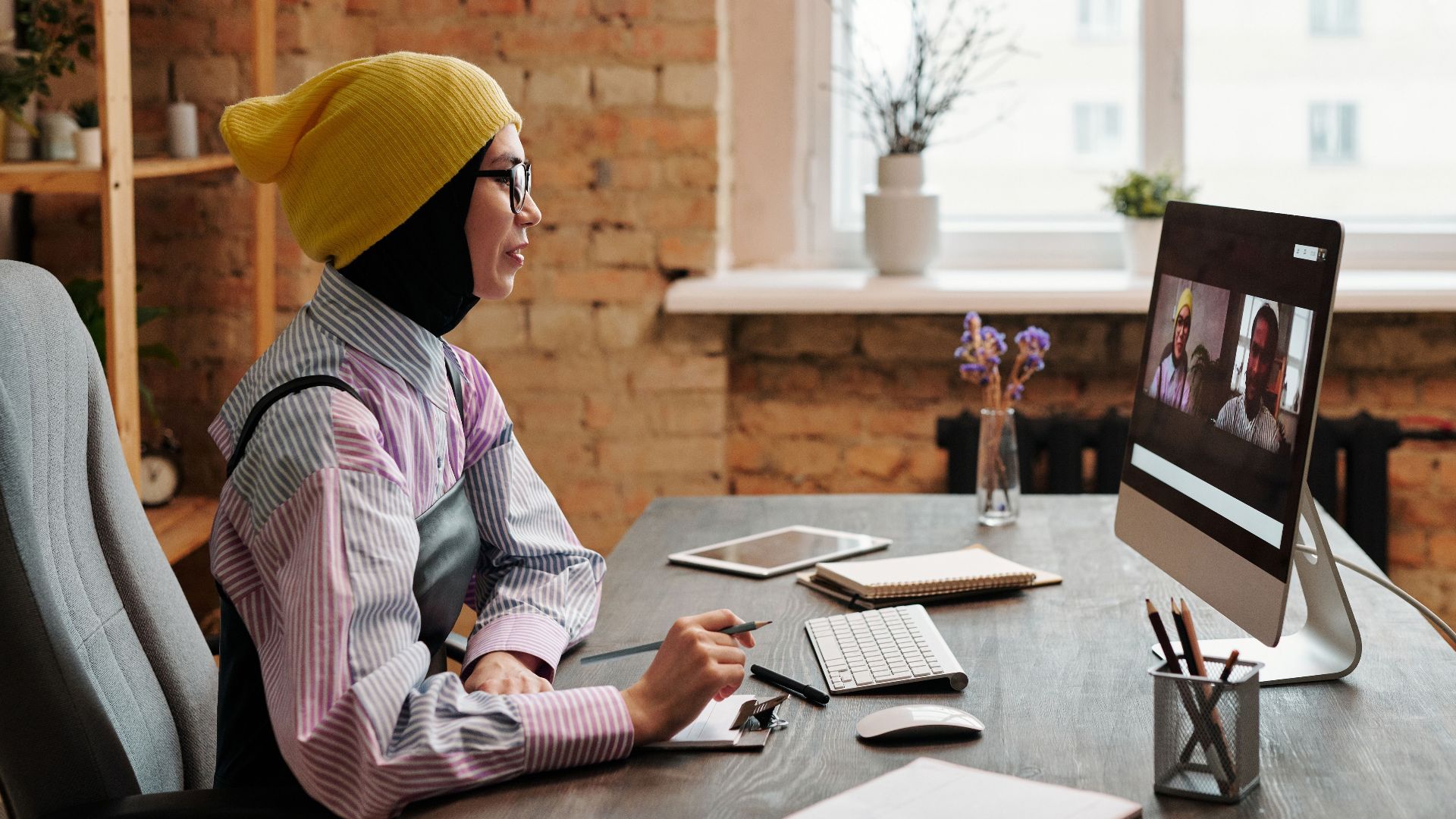
Remote work did not simply disappear when offices reopened. Gallup reports that hybrid remains the most common arrangement for remote-capable U.S. employees. That means companies increasingly have to manage two workplaces at once: the office and the digital one.
Most Workers Still Want Some Office Time
Flexibility does not mean everyone wants to stay home permanently. Gallup found that 61% of remote-capable employees preferred hybrid work in late 2025, while only a small minority preferred fully on-site work. The modern expectation is often choice, not total isolation.

Return-To-Office Rules Are Getting More Formal
Companies are also putting firmer boundaries around flexibility. Pew found that 75% of workers with teleworkable jobs who were not fully remote said their employer required some in-person time, up from 63% in 2023. Informal arrangements are increasingly becoming written schedules.

Office Days Need A Clear Purpose
Simply requiring attendance can create friction if employees do not understand why it matters. Gallup found that hybrid policies were viewed as fair more often when teams helped shape them than when leadership decided alone. Clear collaboration goals can make office days easier to justify.

Flexibility Has Become Part Of The Job Package
Workers now evaluate flexibility alongside pay, benefits, and advancement. Pew found that 49% of workers were highly satisfied with their ability to choose when they worked required hours, compared with 37% who were highly satisfied with remote-work flexibility. Scheduling itself has become a workplace issue.

The New Etiquette Starts With Written Expectations
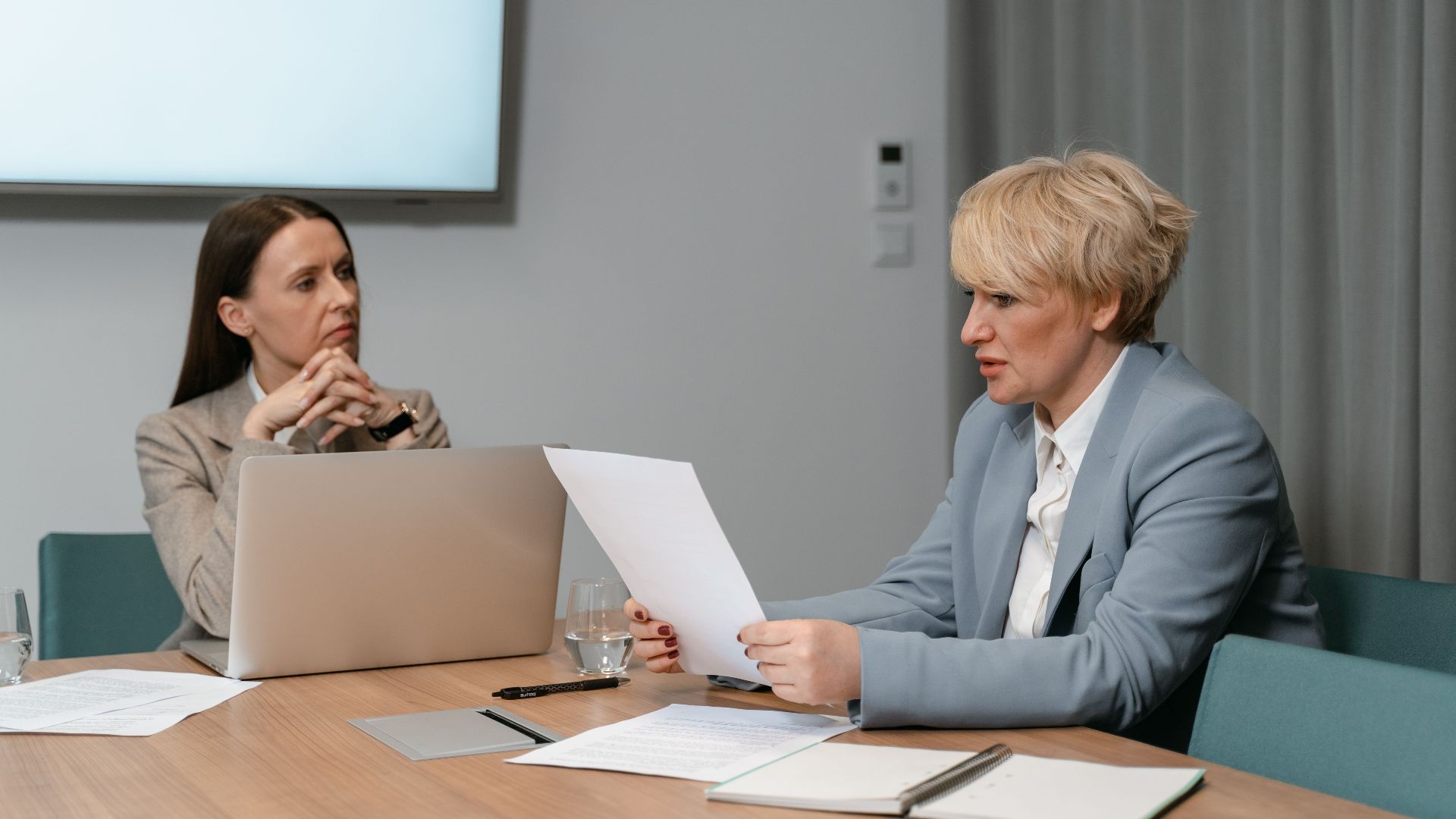
When teams are split across locations, unwritten rules are easy to misunderstand. Companies can reduce confusion by defining core hours, response expectations, meeting norms, and which days require in-person attendance. Gallup’s research links structured hybrid coordination with stronger engagement and lower burnout.
Presence Is A Weak Substitute For Clear Goals
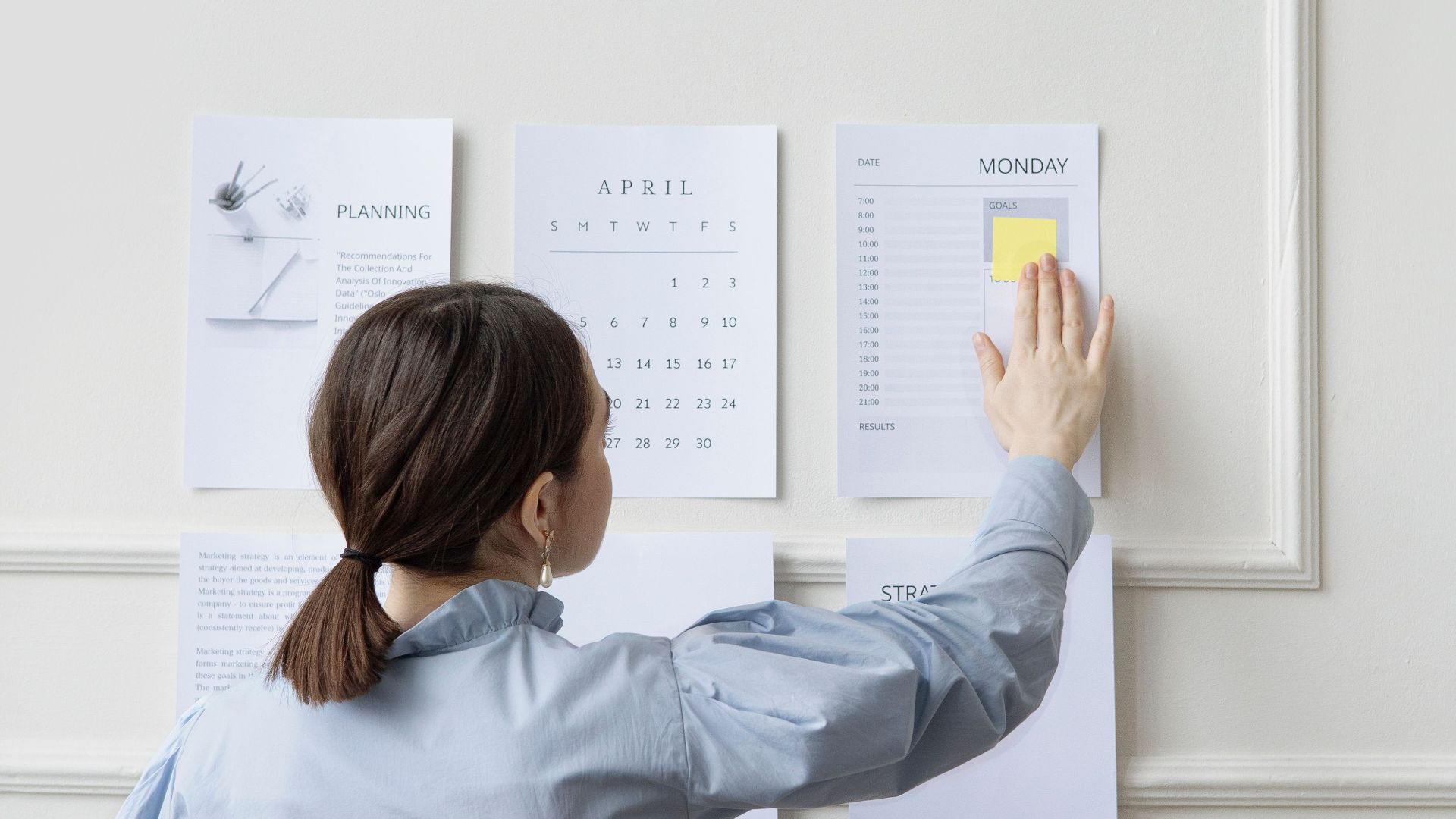
Being visible at a desk does not automatically tell a manager whether useful work is getting done. Modern teams benefit from specific priorities, deadlines, and measurable responsibilities instead. Gallup’s research on management repeatedly emphasizes clarity and meaningful conversations rather than passive supervision.
Feedback Is Becoming More Frequent
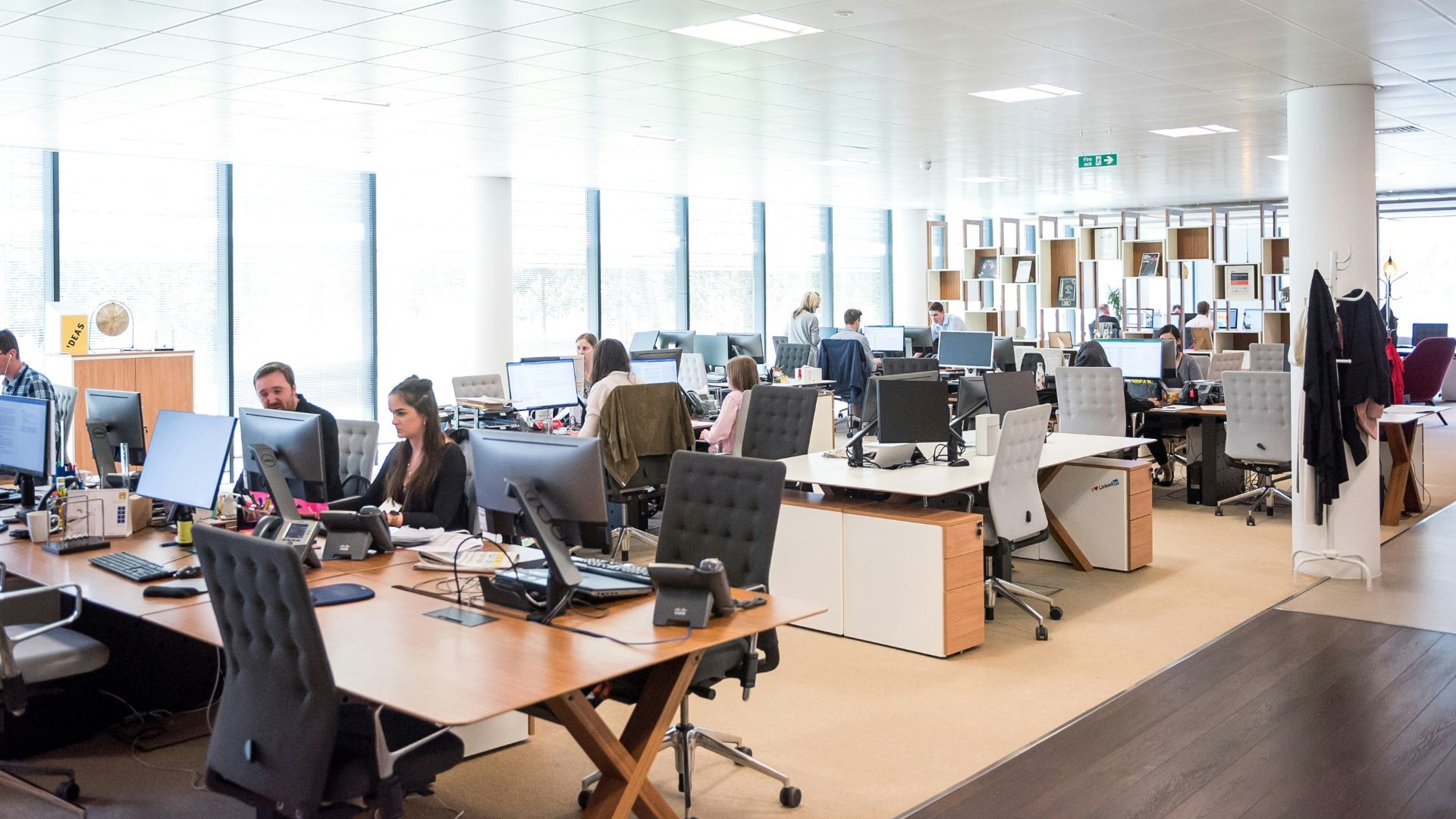
The once-a-year performance review is too slow for fast-moving teams. Gallup found that employees who receive meaningful feedback at least weekly are far more likely to be engaged. Short conversations about priorities, recent work, strengths, and obstacles can prevent months of avoidable confusion.

Managers Cannot Rely On Formal Reviews Alone
Regular feedback also helps employees understand what still counts as professional behavior in a changing workplace. Gallup says meaningful conversations can be brief, often 15 to 30 minutes. The useful part is consistency, not ceremony, especially when managers rarely see every employee in person.

Meeting Culture Is Under Pressure
Video calls made it easy to schedule a meeting for almost anything. Microsoft’s 2025 workplace research found that 60% of meetings in its high-meeting-volume sample were ad hoc, while heavily pinged employees faced constant digital interruptions. Companies are increasingly forced to distinguish coordination from noise.
After-Hours Messages Need Better Boundaries
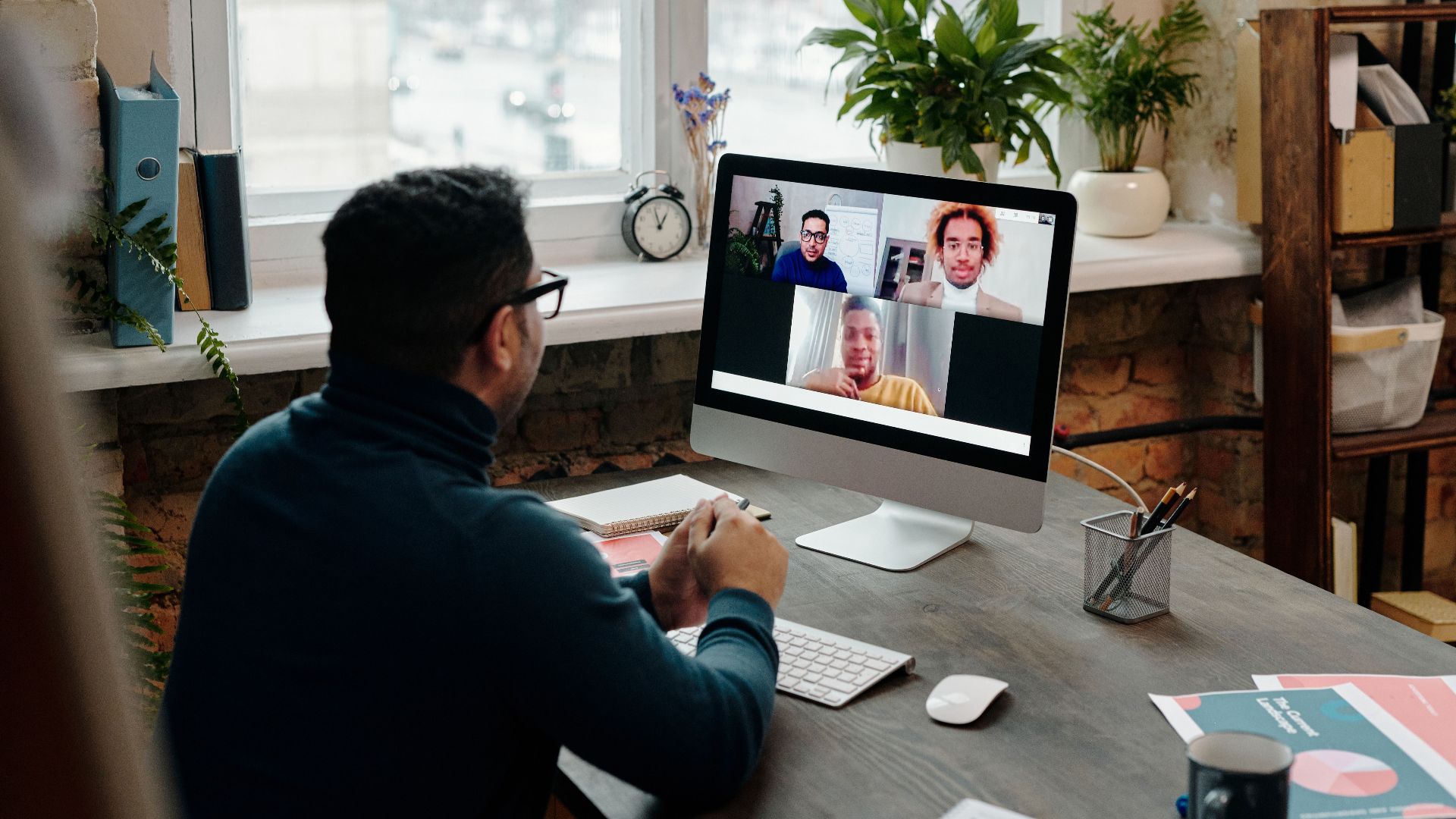
Digital work can stretch the workday even when nobody stays at the office late. Microsoft reported a year-over-year rise in chats sent outside the traditional 9-to-5 window and more late-night meetings. Clear urgency rules can keep convenience from turning into permanent availability.

Digital Etiquette Is Real Workplace Etiquette
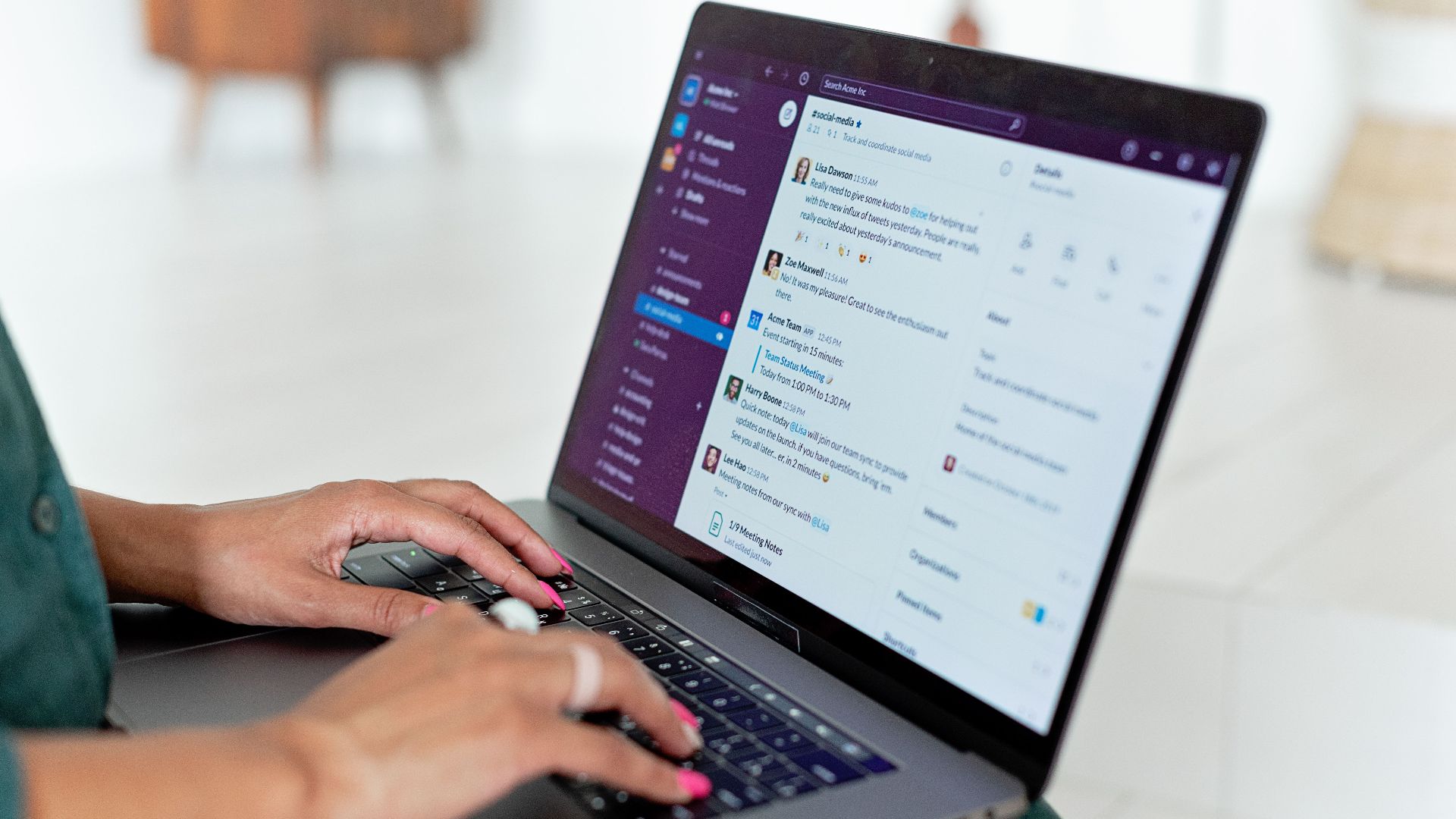
Tone can be harder to judge in email, chat, and video calls than in person. SHRM has documented how incivility can carry into virtual communication, where people may behave more harshly than face to face. Companies now need conduct standards that apply across every channel.
Civility Still Has A Business Cost
The old office may have valued politeness, but the modern workplace has not outgrown it. SHRM’s 2026 Civility Index found workplace incivility remained a significant reported problem. Respectful disagreement, timely responses, and basic courtesy still matter because friction can damage both people and productivity.

Dress Codes Need More Nuance
Workplace clothing rules are no longer just a matter of matching a traditional office look. Federal law can require reasonable exceptions for sincerely held religious dress and grooming practices unless accommodation would impose an undue hardship. Companies need policies that separate legitimate job requirements from habit.

Accommodation Is Now A Core Management Skill
Flexibility can also be a legal accommodation rather than a perk. The EEOC lists schedule changes, telework, leave, accessible workplaces, and reassignment among possible reasonable accommodations for workers with disabilities. Managers therefore need a process for requests, not improvised judgments about who seems deserving.

Pregnancy Rules Have Become More Explicit
The Pregnant Workers Fairness Act added another reason employers must rethink rigid workplace norms. The EEOC lists possible accommodations including flexible breaks, schedule changes, telework, temporary reassignment, and leave. The law reinforces a broader lesson: equal treatment sometimes requires changing the usual way work is done.

Mental Health Is A Workplace Design Issue
Employee well-being is no longer treated only as a private matter outside the office. The U.S. Surgeon General’s workplace framework highlights protection from harm, work-life harmony, connection, mattering, and growth. Companies are being pushed to examine workloads and culture, not merely offer wellness slogans.

Pay Secrecy Is Losing Ground
Talking about compensation used to feel taboo in many workplaces. State pay-transparency laws are changing that environment, with several states requiring salary ranges in job postings or other disclosures. New York, for example, requires covered employers to include compensation ranges for designated jobs, promotions, and transfers.
Job Loyalty Looks Different Now
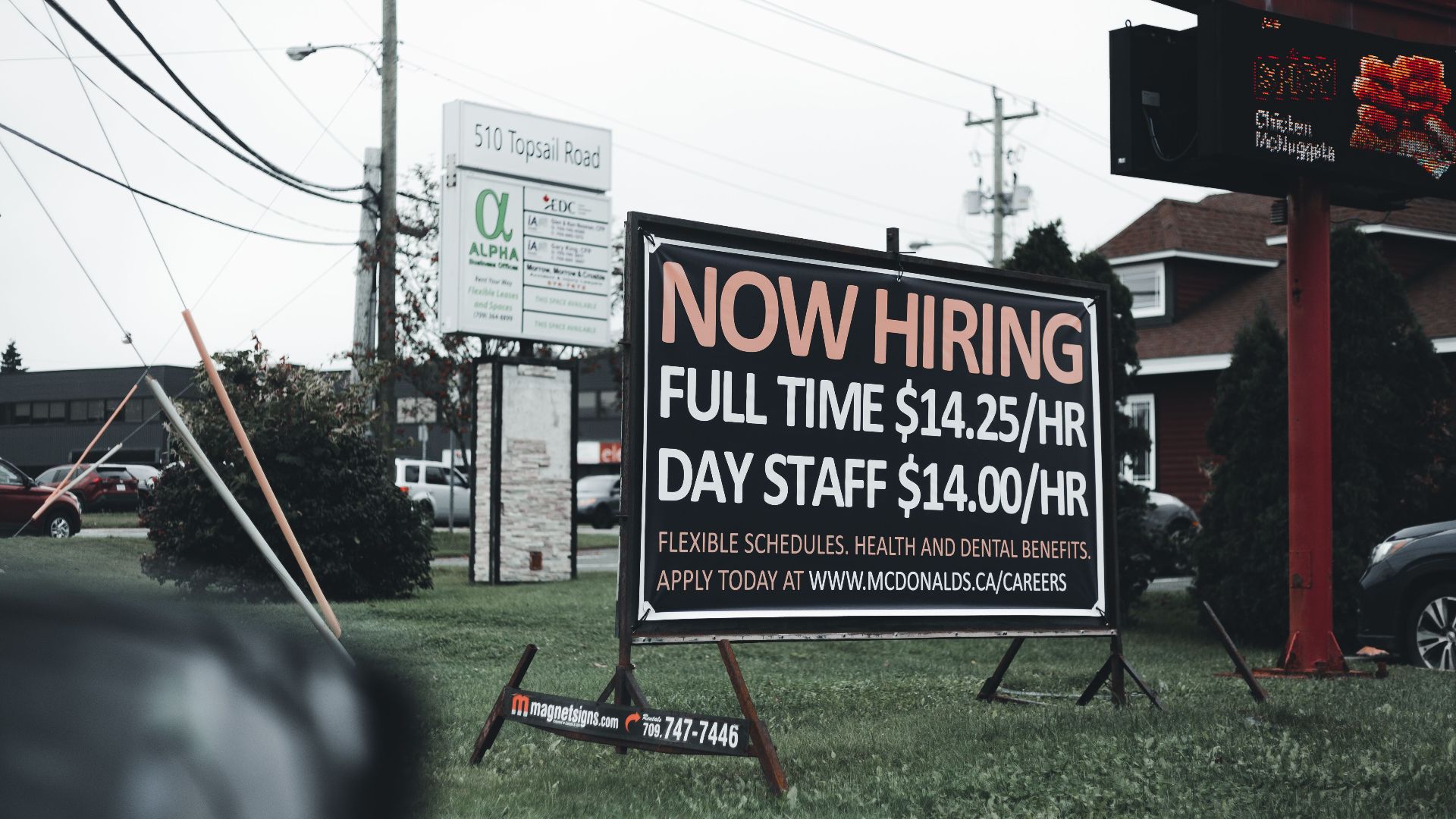
Long tenure can still be valuable, but it is no longer safe to assume employees will stay for decades. The Bureau of Labor Statistics reported median tenure of 3.9 years in January 2024, the lowest since 2002. Employers have more reason to explain growth, pay, and development clearly.

Retention Takes More Than Office Perks
Pew found that pay and promotion opportunities were among the weakest areas of job satisfaction in its 2024 worker survey. That helps explain why free snacks and social events cannot substitute for a credible career path. Modern retention depends on fundamentals employees can actually value.
AI Has Created A New Etiquette Problem
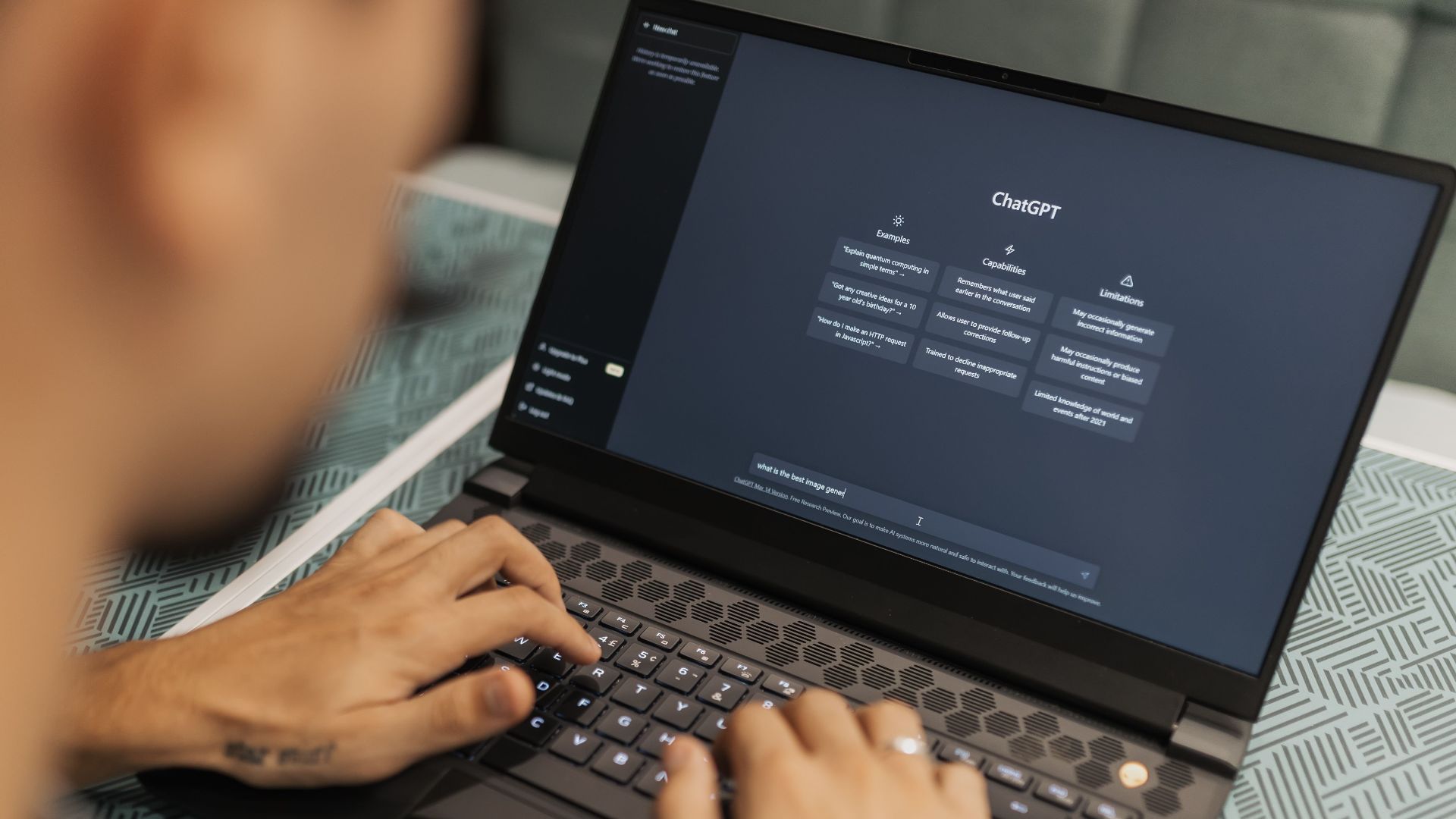
Generative AI has added questions earlier workplace manuals never had to answer. Microsoft and LinkedIn reported in 2024 that 75% of knowledge workers surveyed were using AI at work. Companies now need clear rules about confidential information, review standards, attribution, and which tools are approved.
Bring-Your-Own AI Creates Extra Risk
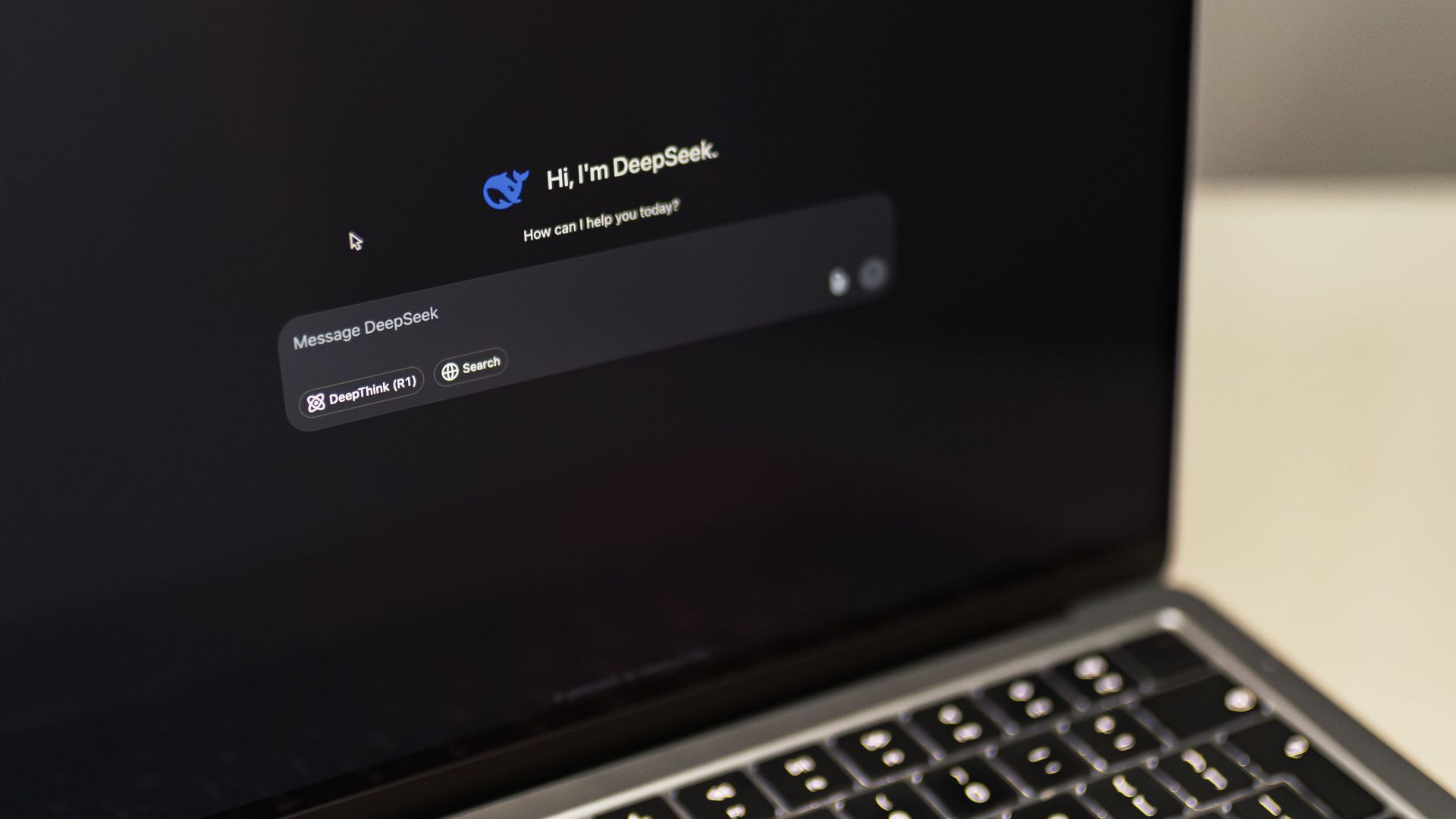
The same study found that 78% of AI users were bringing their own AI tools to work. That can leave employers without consistent oversight, training, or data protections. A modern etiquette policy therefore needs to say not only what employees may do, but which systems they may use.
Remote Work Can Weaken Informal Mentoring
Flexibility solves some problems while creating others. Pew found that 34% of people working from home at least sometimes said their arrangement had hurt mentorship opportunities, while 49% said it made connection with coworkers harder. Companies need deliberate mentoring rather than hoping hallway conversations will happen.

Workers Should Ask More Specific Questions
Employees can protect themselves by replacing vague assumptions with direct questions. Ask how office days are chosen, how quickly messages should be answered, how performance is measured, and whether flexibility is documented. The clearer the rule, the less likely an employee is to be judged against an invisible standard.

Managers Need Consistency More Than Formality
Modern workers can tolerate many different workplace styles if the rules are understandable and applied consistently. Hybrid schedules, feedback, accommodations, and digital conduct all work better when managers explain expectations in advance. Surprise standards are especially risky when people rarely share the same physical space.

Older Workplace Habits Still Have Value
Not every traditional rule needs to disappear. Reliability, preparation, respect, discretion, and follow-through remain useful whether someone works in a suit, on a video call, or from a kitchen table. The difference is that modern companies have to define how those values show up in practice.

The New Rule Is Clarity
The modern workplace is not becoming rule-free. It is replacing many unwritten customs with explicit expectations about location, communication, flexibility, pay, technology, and respect. For workers and employers alike, the safest approach is to ask, document, and clarify instead of relying on yesterday’s assumptions.
You May Also Like:
Grocery Store Items From The 1970s That No One Remembers—Seriously, Do You Remember Even 5 Of These?
 ANTONI SHKRABA production, Pexels
Sources: 1, 2, 3, 4, 5, 6, 7, 8, 9, 10, 11, 12, 13, 14, 15, 16, 17