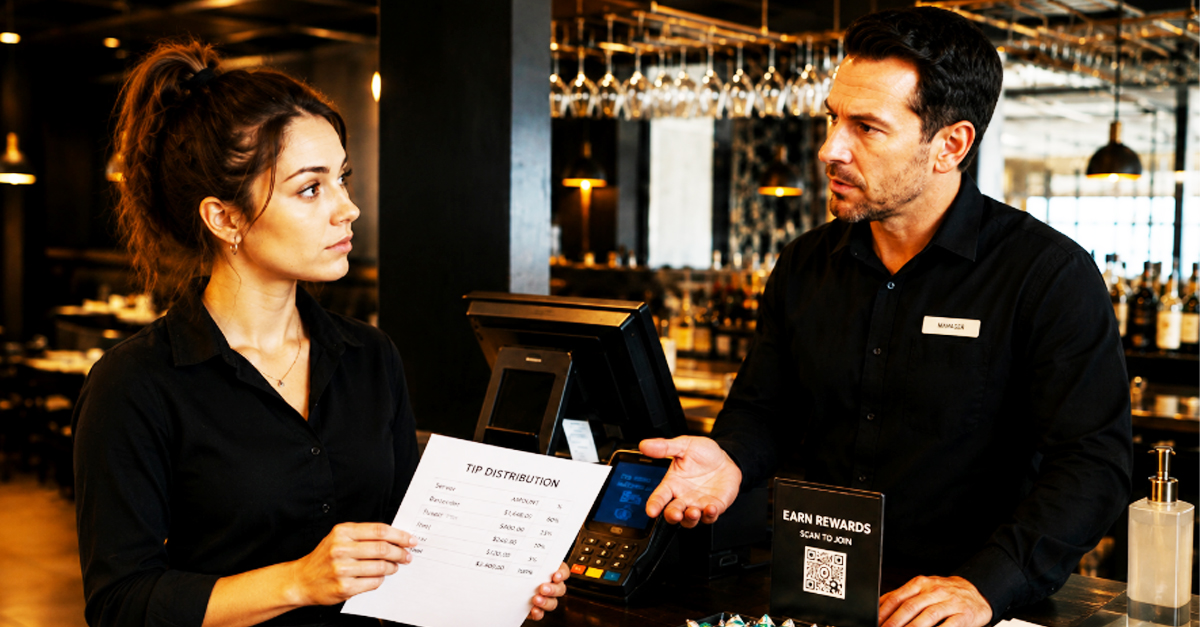
The Tip Jar Now Comes With Conditions
You worked the dinner rush, handled difficult tables, stayed polite through all the complaints, and still walked out missing part of your tips because management said you failed to generate enough online customer reviews. That feels shady to many restaurant workers, but whether it’s illegal depends on how the restaurant structures its pay policies.

Tips Are Usually Viewed As Employee Property
Under federal labor law, tips generally belong to the employees who earn them. Employers cannot simply grab tip money whenever they feel like it. However, restaurants often create complicated tip pool systems, service charges, incentive programs, and disciplinary policies that blur the line between legal management practices and outright wage theft.

The Fair Labor Standards Act Matters Here
The key federal law governing restaurant tips is the Fair Labor Standards Act, often called the FLSA. The law establishes rules for minimum wage, tip credits, and tip ownership. While straightforward on paper, restaurants frequently push into gray areas where legality depends on specific details rather than broad assumptions.
Employers Can't Keep Your Tips
In most situations, restaurant owners and managers are prohibited from keeping employee tips for themselves. That includes supervisors dipping into pooled tips or confiscating gratuities to boost company profits. If management is literally pocketing missing tip money because of bad reviews, that raises major legal red flags immediately.

Tip Pools Can Complicate Everything
Many restaurants legally require workers to participate in tip pooling arrangements. Servers may share tips with bussers, bartenders, hosts, or food runners depending on state law and restaurant policy. Once tips enter a pool, management gains more flexibility over distribution formulas, which sometimes causes confusion and abuse.

Incentive Programs Create Gray Areas
Some employers try to frame withheld tip money as part of a broader performance incentive system rather than direct tip confiscation. For example, management may claim workers receive “bonus tip shares” only after meeting customer review goals. That distinction can become important an important one during legal disputes over whether wages were improperly withheld.

State Laws Often Trump Federal Rules
Federal law establishes minimum protections, but many states impose stricter rules on restaurant employers. California, New York, Massachusetts, and several other states strongly protect employee tips. In more employer-friendly states, however, restaurants may have greater flexibility in designing compensation systems that pressure workers to chase positive online reviews.
Service Charges Are Different From Tips
One major legal loophole involves mandatory service charges. Automatic gratuities added to bills are not always legally considered tips under federal law. Restaurants sometimes classify these charges as company revenue first, then redistribute portions to staff later. That gives employers significantly more control over how the money gets divided.
Check Your Pay Stub Carefully
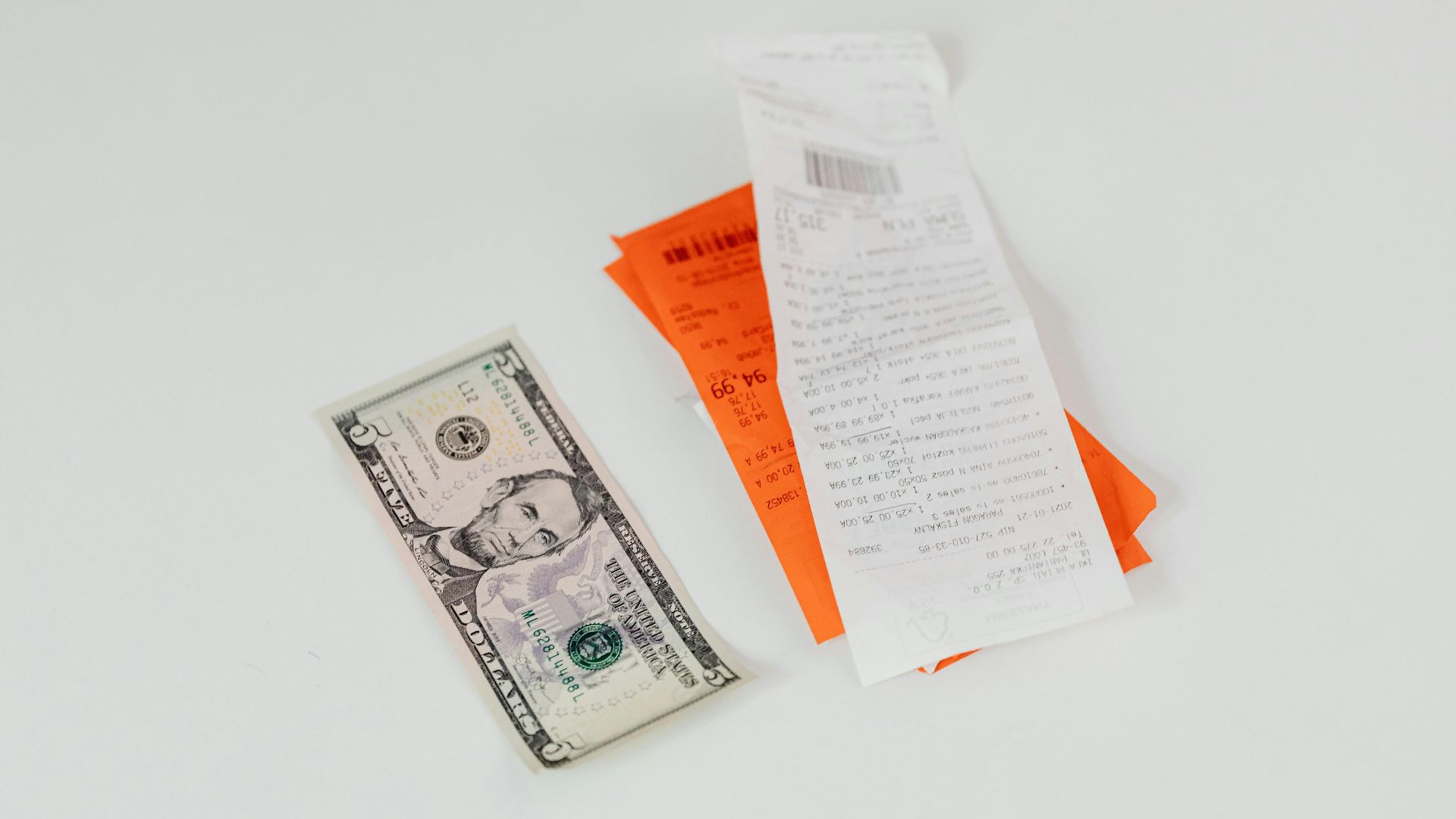
If tip deductions are happening, carefully review your pay stubs and tip reports. Restaurants sometimes disguise withheld tips under vague labels like “adjustments,” “house fees,” or “performance deductions.” Documentation matters a lot if you eventually decide to challenge the practice through a labor board complaint or legal action.

Signed Policies Can Affect Your Rights
Many workers unknowingly sign employee handbooks containing broad tip and incentive policies during onboarding paperwork. That doesn’t automatically make every deduction legal, but signed agreements can complicate disputes later. Employers often rely heavily on those documents when defending controversial pay practices involving restaurant staff compensation.

Pressure For Reviews Is Increasing
Restaurants are getting increasingly obsessed over Yelp, Google, and TripAdvisor ratings because online reviews directly affect their business traffic. Some managers now tie scheduling, promotions, and bonuses to customer feedback metrics. Unfortunately, that pressure sometimes spills over into ethically questionable compensation systems targeting frontline servers and bartenders.

Punishing Workers For Bad Reviews Gets Risky
Employers generally have more legal freedom to reward strong performance than punish weak performance financially. Cutting scheduled hours or withholding discretionary bonuses may be easier legally than docking earned tips outright. Once already-earned gratuities vanish because customers skipped online reviews, labor law problems get into far more murky waters.
Credit Card Processing Fees Are An Issue
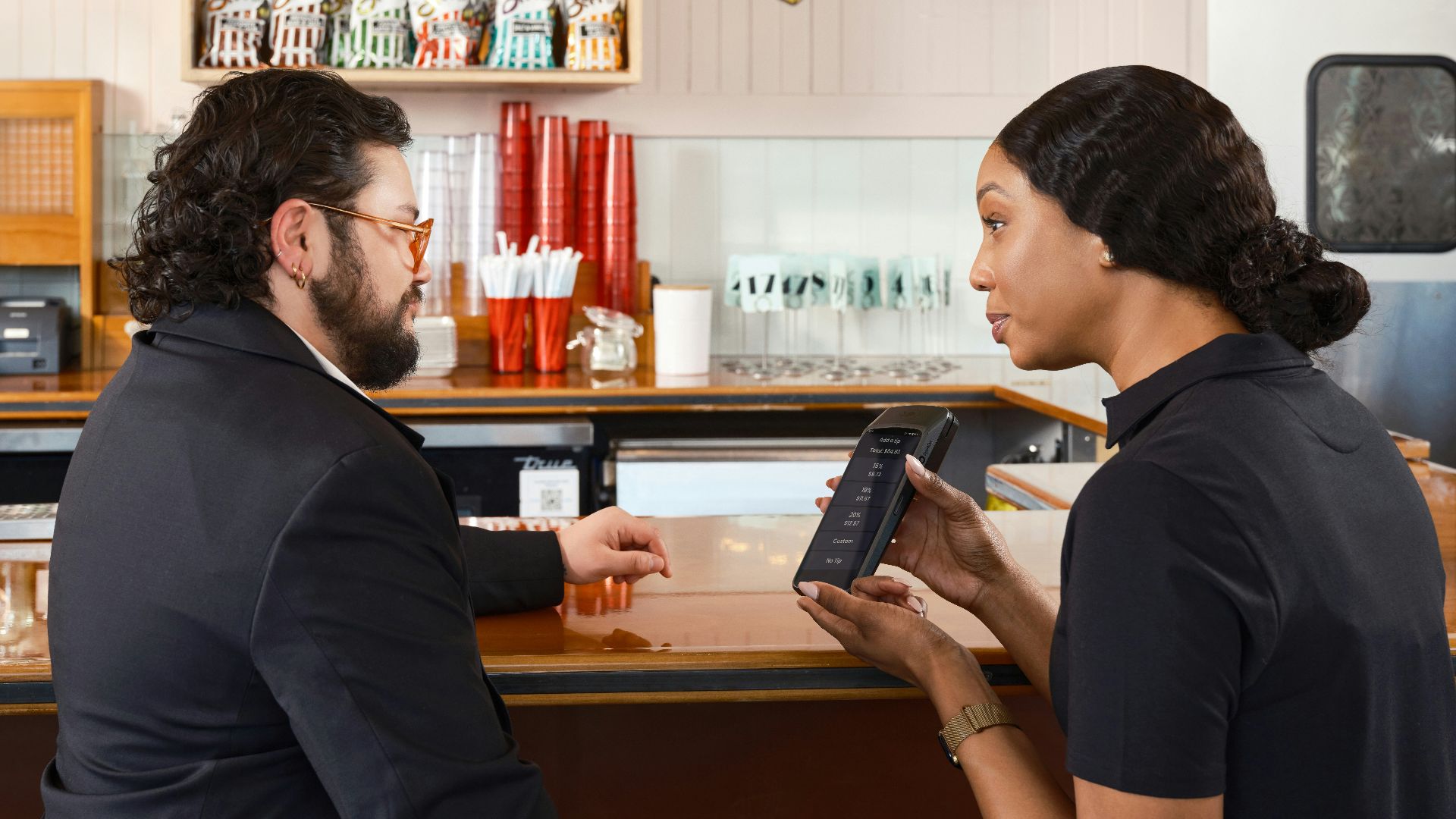
Federal law allows employers in many states to deduct the actual processing cost of credit card tips from employee gratuities. Some restaurants stretch that rule aggressively, taking larger percentages than they’re allowed to. Workers sometimes confuse these deductions with illegal tip confiscation, making careful recordkeeping especially important.
Minimum Wage Rules Still Apply
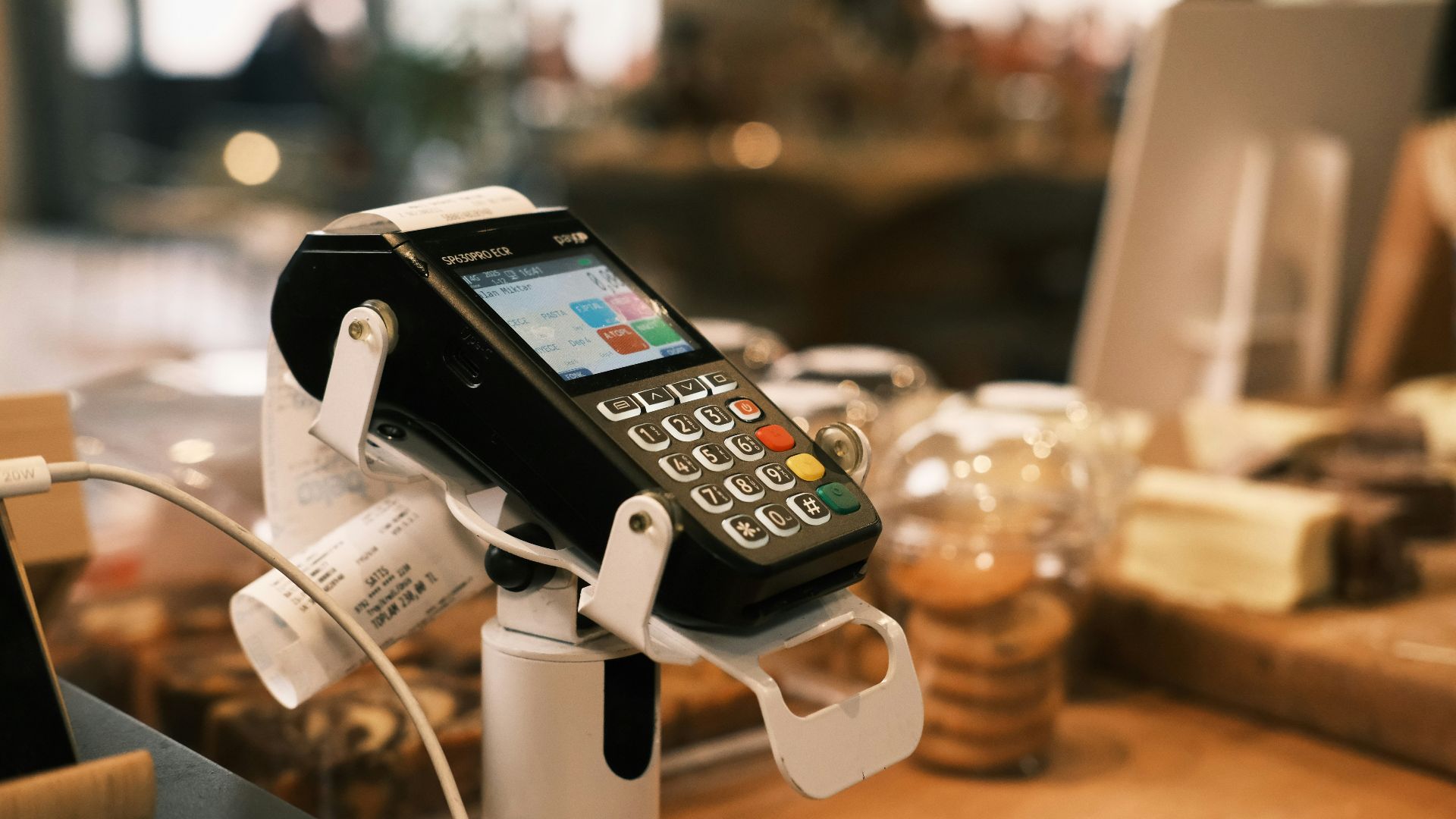
Even with tip credits and tip pools, your employer still has to ensure that your total compensation meets minimum wage requirements. If deductions tied to customer reviews drag your earnings below legal minimums, the restaurant may face significant liability under federal or state wage laws regardless of internal company policies.

Managers Can't Join Tip Pools
Current federal rules generally prohibit managers and supervisors from participating in employee tip pools. That matters because some restaurants quietly divert withheld tips toward management-controlled accounts. If managers benefit financially from review-based deductions, investigators may view the arrangement much more skeptically during labor disputes.

Fear Keeps Many Workers Quiet
Restaurant employees often tolerate questionable tip practices because they fear retaliation, reduced shifts, or outright termination. The industry’s high turnover and dependence on management scheduling power create enormous pressure on employees to keep their mouths shut. Employers sometimes count on workers not understanding labor laws or lacking resources to challenge violations.

Documentation Is Your Best Weapon
If you suspect illegal tip deductions, start documenting everything carefully. Save schedules, screenshots of company policies, pay stubs, tip reports, group messages, and emails discussing customer review quotas. Consistent documentation often makes the biggest difference between a weak complaint and a persuasive wage theft case.

The Department Of Labor May Get Involved
Workers can file complaints with the U.S. Department of Labor or equivalent state labor agencies. Investigators may review payroll records, interview employees, and examine tip sharing systems. Restaurants found violating wage laws can face back-pay orders, penalties, and lawsuits that become extremely expensive surprisingly fast.

Lawsuits Against Restaurants Are Common
The restaurant industry faces constant wage-and-hour litigation involving tips, overtime, and unpaid wages. Some lawsuits result in massive settlements affecting hundreds or thousands of workers. That reality goes to show why many large restaurant chains now train managers carefully about tip handling rules, even if smaller businesses sometimes cut corners.

Public Shaming Can Backfire
You may feel tempted to blast the restaurant online immediately, especially if coworkers share your frustration. That can cause problems if false claims accidentally enter the conversation. A smarter approach usually involves documenting evidence quietly first, then exploring legal or administrative options before turning the dispute into public drama.

Some Employers Count On Confusion
Labor laws surrounding restaurant tips are complicated enough that many workers never fully understand their rights. Employers sometimes exploit take advantage of that confusion intentionally or accidentally. The moment phrases like “tip adjustments,” “review incentives,” or “performance deductions” start to appear, it becomes worthwhile to ask detailed questions about exactly where your money is going.

Your Missing Tips Might Be Illegal
If management is directly taking earned gratuities away because customers failed to leave enough positive reviews, there is a decent chance labor laws are being violated somewhere along the line. The exact answer depends on your state, the restaurant’s policies, and how the tip system is structured, which makes documentation and legal guidance critically important.

You May Also Like: