
Work Comes With Expenses
Getting a job once meant the employer supplied most of what you needed to do it. Today, remote work, bring-your-own-device policies, leaner offices, and changing benefit packages can shift more costs onto workers. Federal law offers some protections, but it certainly does not guarantee reimbursement for every work-related expense.
Your Personal Cellphone
Employers once routinely issued company phones to workers who needed to be reachable. Now, plenty of employees use their own smartphones for calls, authentication apps, messaging, and email. The Department of Labor specifically recognizes cellphone-plan costs as business expenses employers may choose to reimburse, but federal law does not universally require it.

Your Home Internet
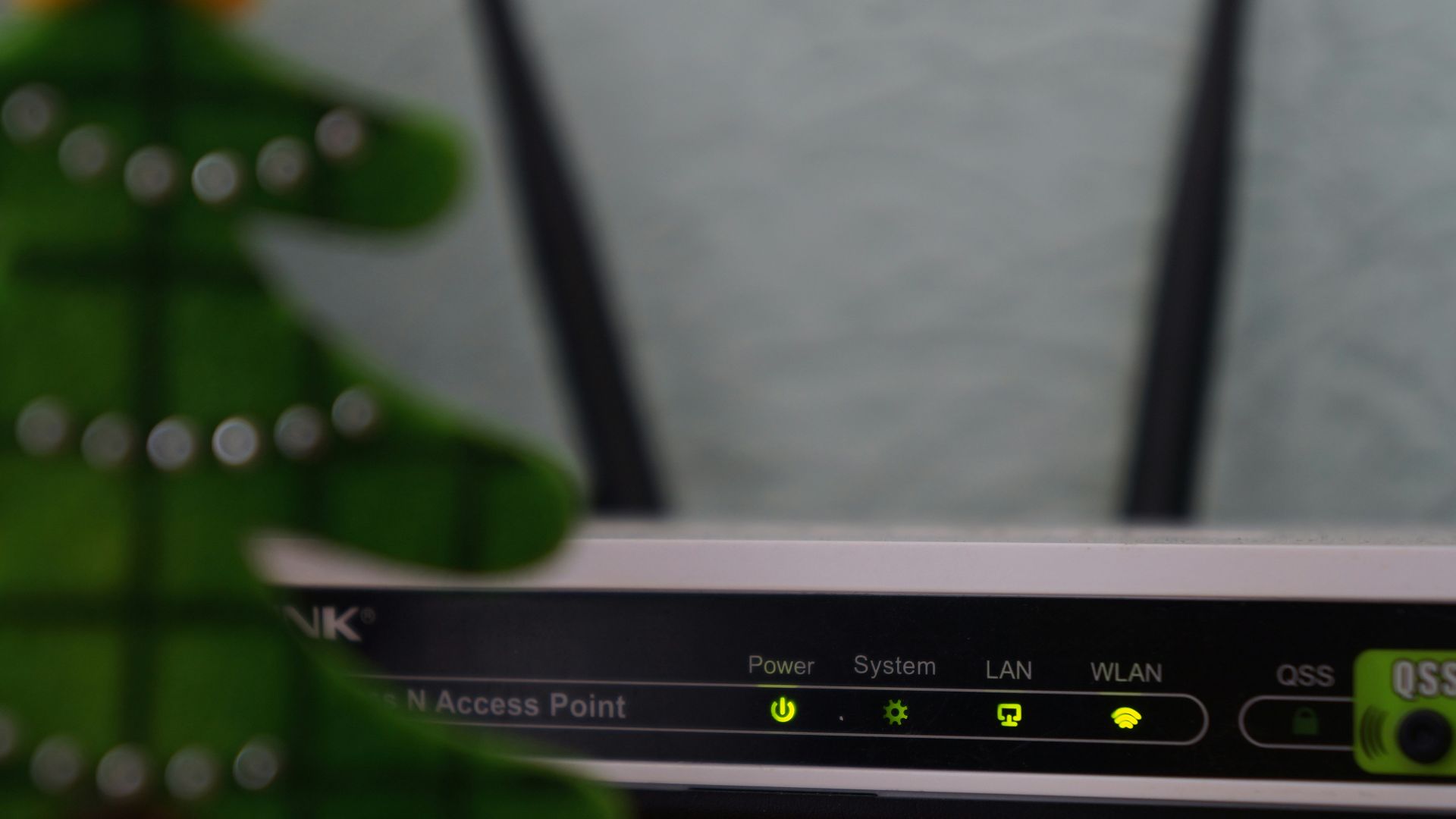
Working from home can turn your household internet connection into essential workplace infrastructure. Yet federal wage law generally does not guarantee every employee a separate broadband reimbursement. Depending on wages and state law, that can leave workers paying the monthly bill for the connection they need to perform their jobs.
Your Work Computer
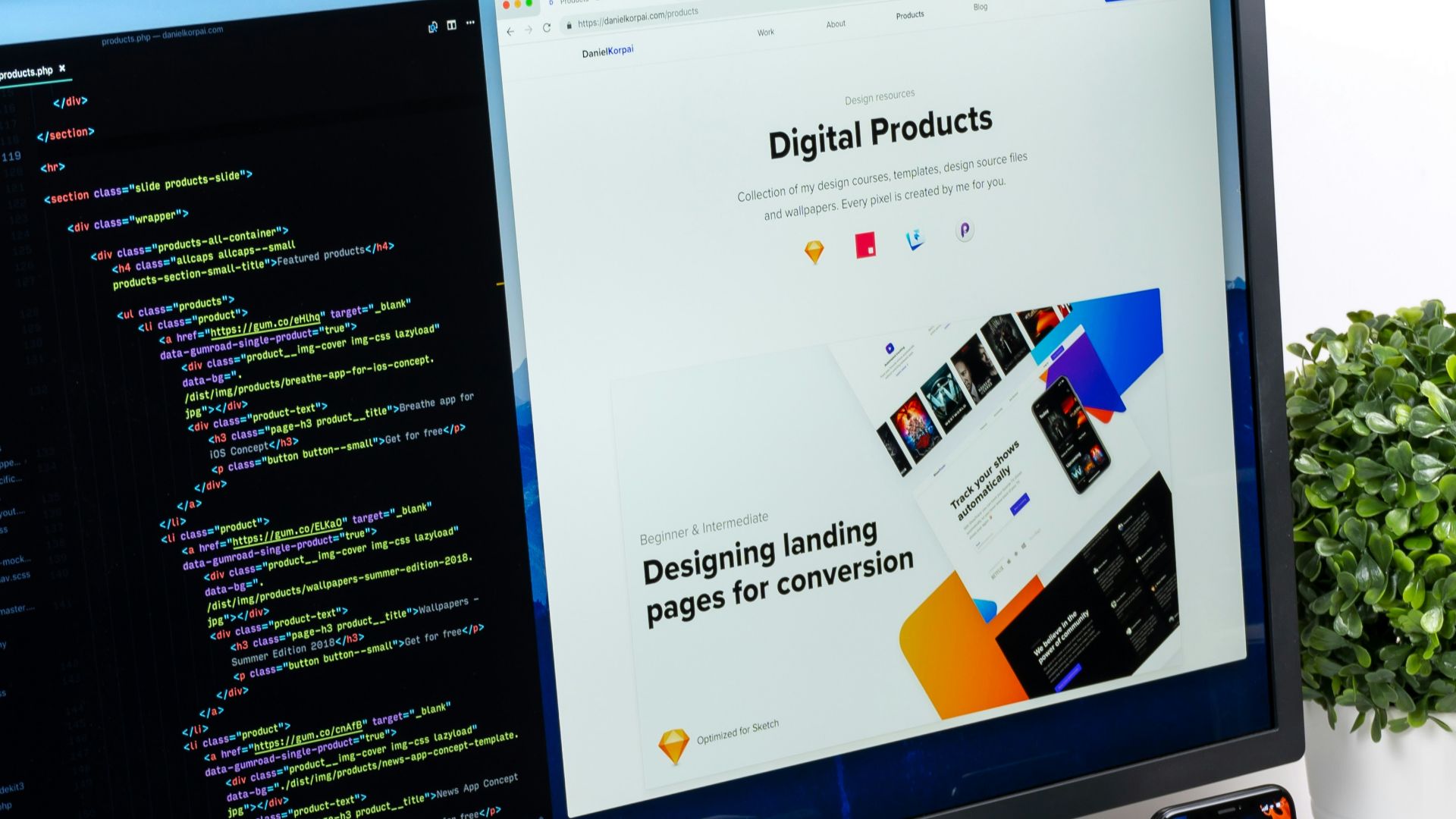
Company desktops were once a fixture of office life. Remote and hybrid arrangements can instead find workers using personal laptops, monitors, keyboards, and accessories. Federal wage rules restrict employers from shifting required equipment costs when doing so would bring covered workers below minimum wage or improperly reduce overtime compensation.

Your Home Office Furniture
Your old office probably came with a desk, chair, lighting, and storage without anyone presenting you with a furniture bill. A permanent home workspace may require employees to provide all of those things themselves, and federal law generally does not require employers to furnish a complete home office.

Your Office Electricity
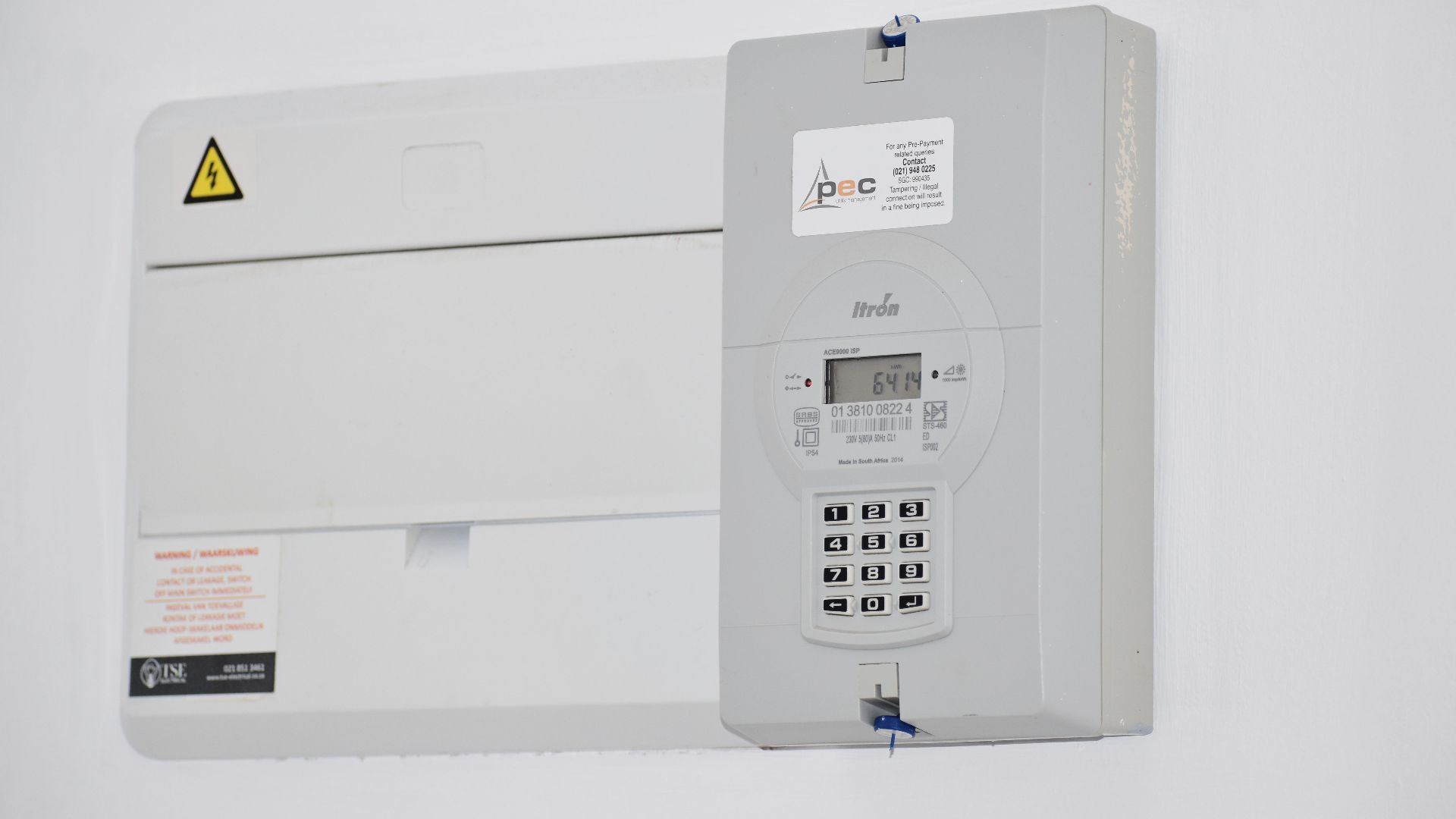
The fluorescent lights, heating, air conditioning, printers, and computers in a traditional workplace ran on the company's utility bill. At home, those costs disappear from the employer's building and appear on your electricity bill. Individually they may seem modest, but they accumulate across years of remote work.
Your Printer Supplies
Paper, printer ink, toner, folders, notebooks, pens, and other ordinary supplies used to come from the office supply cabinet. Remote employees can find themselves purchasing the same items at home. The Department of Labor explicitly recognizes business supplies and materials among expenses that employers can reimburse.

Your Professional Wardrobe
A company may not have literally purchased your business suits, but employer-provided uniforms and clothing allowances have long existed in many occupations. Today, workers can be expected to buy specific apparel themselves. Federal rules limit uniform costs when they would push covered employees below minimum wage or cut required overtime.

Uniform Cleaning Costs
Buying the uniform is only the beginning. Cleaning, laundering, pressing, repairing, or replacing employer-required clothing can become another recurring employee expense. The Labor Department considers required uniform maintenance a business expense and applies minimum-wage and overtime protections when employers make workers bear those costs.

Your Tools
Mechanics, tradespeople, technicians, chefs, and other workers are sometimes expected to arrive with their own tools. The FLSA does not categorically require employers to buy every tool, but required tool expenses cannot lawfully reduce covered employees below federal minimum wage or eat into overtime compensation.

Your Personal Vehicle
Some jobs require employees to drive their own cars to clients, job sites, meetings, or deliveries rather than use a company vehicle. Employers may reimburse mileage or actual costs, and IRS rules explain how car allowances can operate, but reimbursement arrangements depend heavily on the employer and applicable state law.

Gas For Work Trips
Using your own car means buying the fuel too. An employer can reimburse business driving under an accountable plan or mileage allowance, but not every worker receives one. For many employees, ordinary unreimbursed business expenses also lack the broad federal tax deduction that once softened the financial blow.

Parking And Tolls
Driving for work can produce expenses beyond gasoline, including parking garages, meters, bridges, tunnels, and toll roads. Business transportation expenses can be reimbursed through employer expense arrangements, but when reimbursement is absent, those small charges can quietly turn an ordinary workday into a recurring out-of-pocket expense.

Business Travel Meals
Traditional business travel often meant an expense account or company-paid meals. Some employers still reimburse generously, but others rely on fixed allowances or more restrictive policies. IRS rules permit accountable reimbursement arrangements and per diem allowances, provided employees satisfy documentation and other requirements.

Business Travel Incidentals
Baggage fees, local transportation, tips, and other trip expenses can add up quickly when work sends you away from home. An employer can cover qualifying travel expenses through an accountable plan, but federal tax rules governing reimbursements do not themselves force every employer to reimburse every dollar you spend.

Professional Memberships
Professional associations can provide credentials, networking, education, and access to industry resources, making membership valuable to employers as well as workers. Yet employees may now find themselves paying dues personally. The Labor Department specifically lists professional-organization membership dues among expenses employers may reimburse as legitimate business expenses.

Licensing And Credentials
Nurses, accountants, teachers, technicians, financial professionals, and numerous other workers can face licensing, certification, examination, and renewal costs. Employers sometimes cover them, but not always. The Department of Labor identifies credentialing examination fees as an example of a business expense that may be reimbursed.

Continuing Education
Keeping a professional credential can require courses, seminars, conferences, or continuing-education credits. Employer tuition and professional-development budgets can absorb those costs, but employees sometimes pay personally to remain qualified or competitive. IRS rules allow qualifying work-related education to be covered through an employer's accountable reimbursement plan.

Job Training Costs
Companies once commonly treated employee development as an investment worth funding internally. Workers today can also find themselves purchasing outside courses, software tutorials, certifications, or online training to keep their skills current. Whether an employer pays often depends on company policy rather than a broad federal reimbursement requirement.

Software And Subscriptions
Modern employees may need cloud storage, design programs, productivity software, video-conferencing upgrades, password managers, or specialized apps. In a conventional office, these were obvious company purchases. With decentralized work, the boundary can become fuzzier, especially when employees already subscribe to tools that their employer expects them to use.
Headsets And Accessories
Headsets, webcams, microphones, laptop stands, chargers, adapters, mice, and keyboards are inexpensive compared with salaries, but collectively they can cost hundreds of dollars. They are also the kinds of items that once simply appeared on an office desk and can now become part of an employee's home-office shopping list.

Meals At Work
Free cafeterias, subsidized lunches, coffee stations, and employer-sponsored meals have never been universal, but they became notable perks at many workplaces. Remote employees generally supply their own food and drinks, shifting another small workplace benefit back into the household budget even when the employee is working through lunch.

Office Coffee And Snacks
Nobody accepted a job solely for the break-room coffee, but free drinks, fruit, snacks, and occasional catered food had real value. When work moves home or employers trim office perks, those costs return to employees. A few dollars each day becomes surprisingly noticeable over an entire working year.

Tax Relief Is Limited
Paying a work expense yourself does not automatically mean Washington gives you the money back at tax time. IRS guidance limits Form 2106 treatment of unreimbursed employee business expenses to specified categories of workers, making employer reimbursement considerably more valuable than simply hoping to deduct the expense yourself.

Check Your State Rules
Federal law provides a floor, not the complete answer. The FLSA (Fair Labor Standards Act) restricts certain employer-imposed costs when they cut into minimum wage or overtime, while state laws can impose additional reimbursement requirements. Before assuming an expense is yours, check your state rules, employment agreement, union contract, and written reimbursement policy.

The Cost Shift Matters
A $15 subscription or occasional parking fee may look trivial by itself. Add a cellphone, internet, home office, mileage, software, training, equipment, and professional dues, however, and employment can carry substantial hidden costs. When comparing jobs, reimbursement policies deserve a place beside salary and headline benefits.
 https://kaboompics.com/, Pexels
You May Also Like:
Why Working From Home Is Here To Stay
My work "invited" me to retire early, but I love my job and I'm good at it. What are my options?