
Why This Situation Feels So Frustrating
You accepted a $10,000 signing bonus tied to a three-year employment agreement. Two years later, the stress of the job has become overwhelming, and you want out. The problem is that your employer says you must repay the entire $10,000 even though taxes reduced what actually hit your bank account.

Why Employers Use Signing Bonuses
Signing bonuses are designed to attract workers into difficult, competitive, or high-turnover jobs. Companies often attach repayment clauses to encourage employees to stay for a certain period. In your case, the employer wanted a three-year commitment before the bonus officially became fully earned.

The Gross Amount Vs Net Amount Problem
The most painful part is that repayment obligations are usually based on the gross amount, not the after-tax amount you received. Even though withholding taxes reduced your check substantially, the contract may still require repayment of the full original bonus.

Why Taxes Complicate Everything
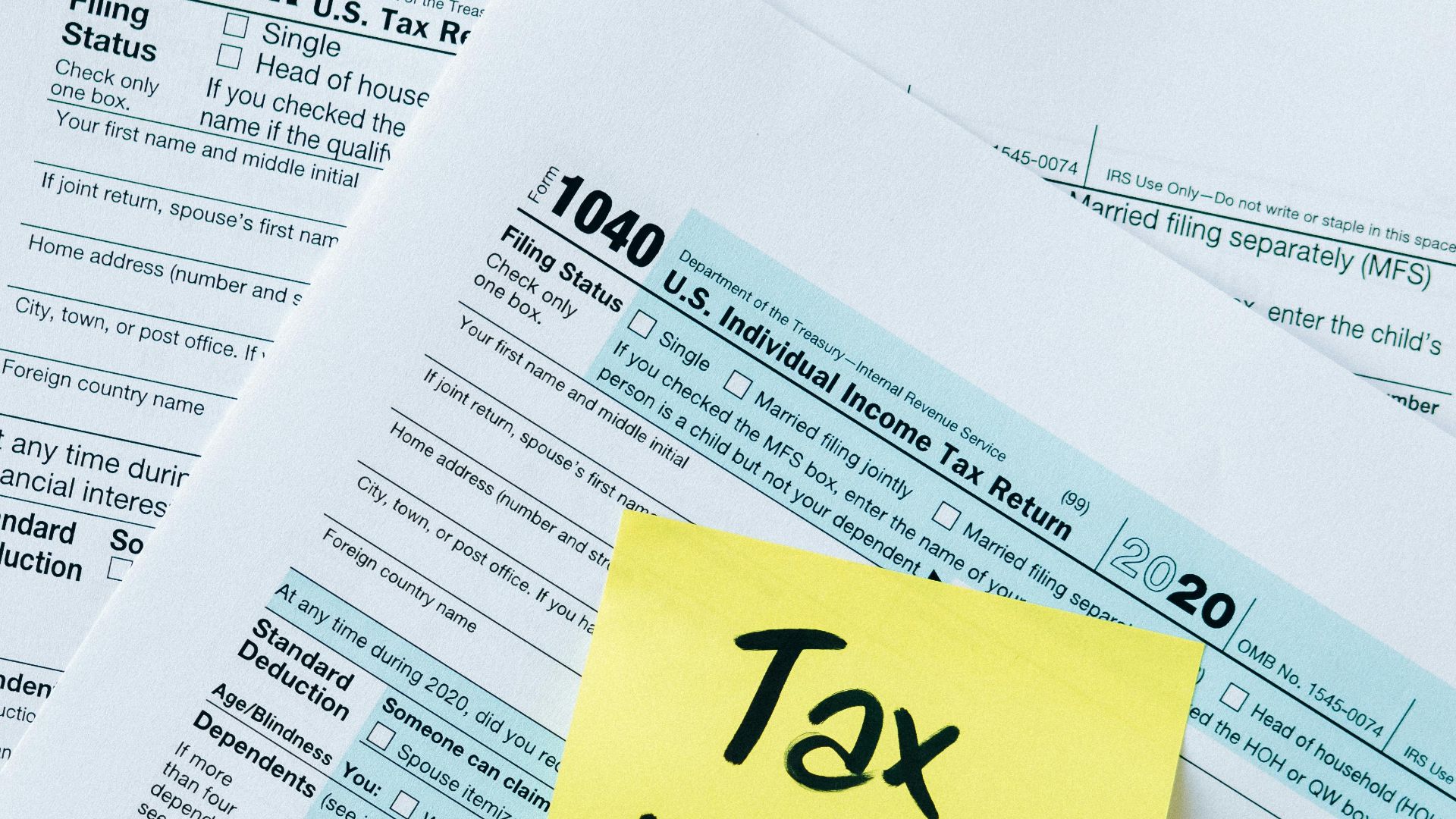
When your bonus was paid, payroll taxes and income taxes were automatically withheld. The IRS still treated the full $10,000 as taxable income at the time. That creates confusion because your employer may now demand repayment before the tax system fully catches up.
Why Employers Often Demand The Full Amount
From the company’s perspective, they paid you the full bonus and forwarded taxes to the government on your behalf. Employers generally recover the gross amount first and leave employees to sort out possible tax adjustments later through payroll corrections or future tax filings.

Timing Matters More Than People Realize
The year you repay the bonus can significantly affect your tax options. If repayment happens during the same tax year as the bonus payment, correcting payroll taxes is often simpler. If repayment occurs years later, recovering overpaid taxes becomes more complicated.

You May Be Able To Recover Some Taxes
Depending on timing and tax rules, you may eventually recover some of the taxes tied to the repaid bonus. That could happen through amended payroll records, tax credits, or deductions. Unfortunately, the process can take time and often requires professional guidance.

Read The Original Contract Carefully
Some signing bonus agreements contain prorated repayment terms rather than full clawbacks. Since you already completed two out of three years, review whether the contract truly requires the entire $10,000 or only the remaining unearned portion.

Stress And Burnout Still Matter
Financial consequences are important, but so is your health. If the job is causing severe stress, anxiety, or burnout, staying solely because of the bonus may not be worth the emotional cost. Many people underestimate the long-term impact of toxic work environments.

Negotiation May Be Possible
Some employers are willing to negotiate repayment terms, especially if you gave strong performance during your time there. They may agree to partial forgiveness, installments, or a reduced settlement rather than pursuing aggressive collection efforts after you leave.

Why Companies Sometimes Settle
Employers know that recovering signing bonuses can be expensive and time-consuming. Legal action, collections, and payroll corrections create administrative headaches. That reality sometimes gives employees leverage to negotiate more manageable repayment arrangements.

Installment Payments Could Ease The Burden
If repayment is unavoidable, ask whether the company will allow monthly installments instead of a single lump sum. Spreading the repayment over time can reduce immediate financial pressure and help you avoid draining savings or taking on debt.

Consider Your Next Job Carefully
Before resigning, evaluate whether another employer might help offset the repayment. Some companies offer signing bonuses specifically to recruit workers away from stressful jobs. A future employer may partially or fully cover what you owe to your current company.

Why Emergency Savings Matter Here
Situations like this highlight the importance of emergency savings. Many workers spend signing bonuses quickly because they feel like free money. In reality, bonuses tied to contracts should often be treated cautiously until the commitment period fully expires.

Future Bonuses Should Be Structured Differently
One lesson from this experience is that lump sum bonuses can create large clawback risks. In future jobs, consider negotiating retention payments spread over multiple years instead of taking the entire amount upfront.

Staggered Payments Reduce Risk
If a future employer offers a signing incentive, ask whether it can be divided into annual installments. That structure lowers the amount at risk if the job becomes unbearable and makes repayment obligations much easier to manage.

Retention Bonuses Can Be Safer
Some companies use retention bonuses instead of upfront signing bonuses. These payments are earned gradually as you continue working. That approach usually avoids large repayment shocks because you only receive money after completing each milestone period.

Understand How Bonuses Are Taxed
Bonuses are often taxed differently from regular wages at the withholding stage. That can make the initial deduction feel unusually large. Even so, your final tax liability depends on your overall yearly income, not the bonus withholding rate alone.

Do Not Ignore Repayment Demands
Even if the repayment feels unfair, ignoring the employer entirely can make things worse. Companies may send accounts to collections or pursue legal action depending on the contract language and amount involved.

Professional Advice May Be Worth It
If significant money is involved, speaking with both an employment attorney and a tax professional may save you thousands of dollars. They can help determine whether the repayment terms are enforceable and whether tax recovery options exist.

Your Mental Health Has Financial Value Too
People sometimes focus so heavily on the repayment obligation that they ignore the cost of staying miserable for another year. Chronic stress can affect physical health, relationships, sleep, and long-term earning ability in ways that are harder to calculate.

Why Employers Count On Golden Handcuffs
Large signing bonuses often function as golden handcuffs. Employers know workers may hesitate to leave if repayment becomes financially painful. Understanding that dynamic can help you evaluate future offers more realistically.

The Importance Of Reading Fine Print Early
Many employees skim bonus agreements because they are excited about extra money. This experience shows why repayment clauses, timelines, and prorated terms deserve careful attention before signing any employment contract.

The Bottom Line
Your employer may legally demand repayment of the full $10,000 even though taxes reduced the amount you actually received. That does not mean you are trapped forever. Negotiation, tax recovery strategies, installment plans, and careful future contract planning can all help reduce the damage.

You May Also Like: