

Welcome To The Working World
Baby Boomers will tell you they survived the workplace by toughening up. And sure, some of those habits might have built character. But they would also have Gen Z updating LinkedIn before the morning coffee finished brewing.
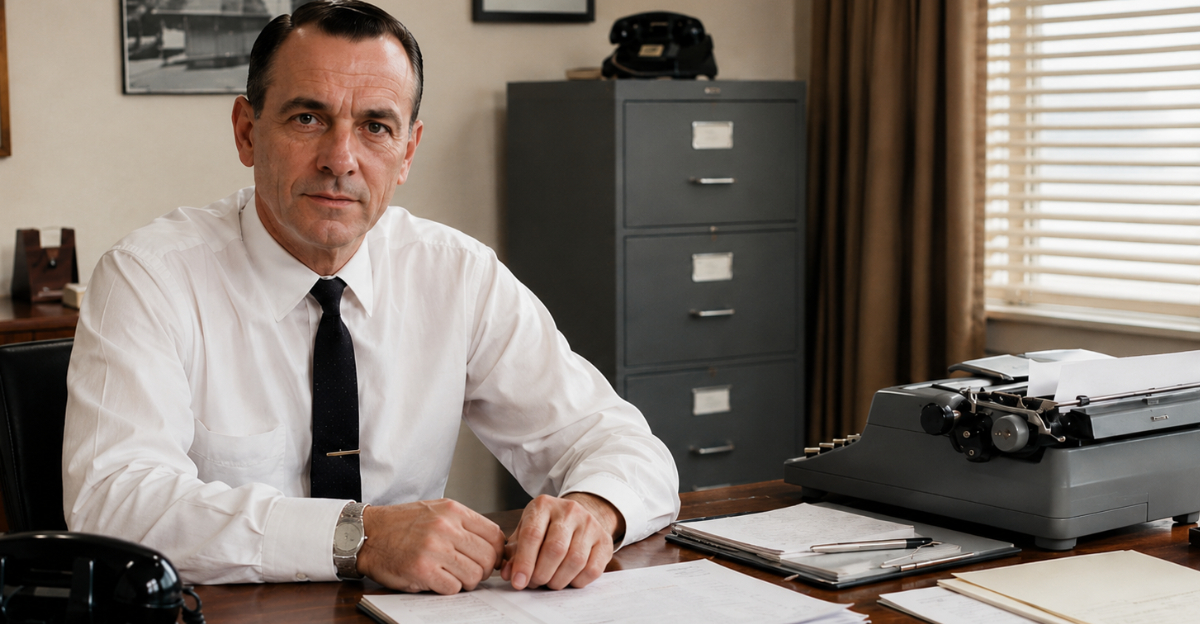
Arriving Early Enough To Be Ready
Walking through the door at 9:00 for a 9:00 start could still earn you a look. Employees were expected to arrive early enough to remove their coats, pour coffee, settle in, and be completely ready when the clock struck nine. Being technically on time was not always considered the same thing as being on time.

Staying Late Just To Be Seen
Finishing your work did not always mean you could leave. If the boss was still sitting in the office, everyone else suddenly found another drawer to organize. Going home at the scheduled time could make you look uncommitted, even when you had done everything you were being paid to do.

Separate Job Listings For Men And Women
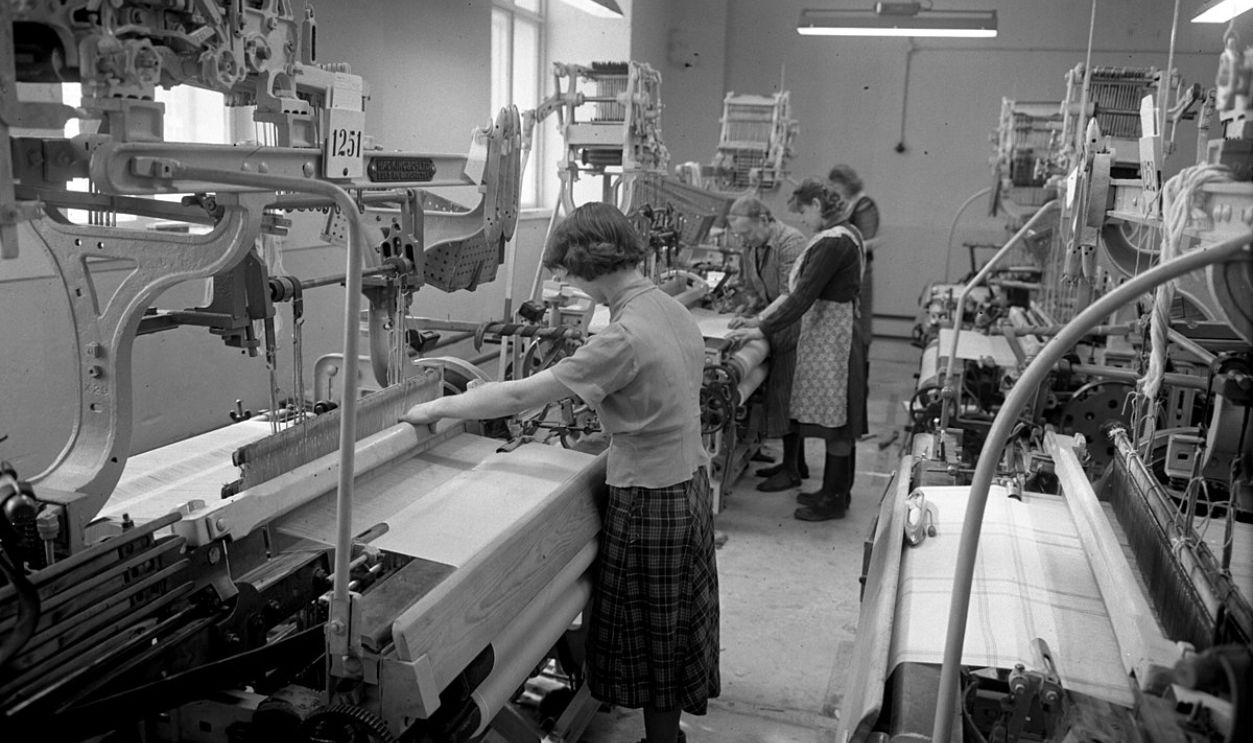
When the oldest Baby Boomers entered the workforce in the 60s, newspapers still commonly divided help-wanted ads into jobs for men and jobs for women. Men were steered toward management and skilled positions; women toward clerical and support work. The EEOC eventually ruled the separate sections unlawful, but Boomers absolutely saw them.
 Museokeskus Vapriikki, CC BY 2.0, Wikimedia Commons
Taking Pride In Never Using Vacation Days
Some workers treated unused vacation time like a badge of honor. They would proudly announce that they had not taken a proper week off in six years, as though exhaustion were proof of loyalty. Gen Z would hear that story and immediately start searching the employee handbook for rollover rules.

Coming To Work Sick
A fever was not necessarily a reason to stay home. Neither was a cough that sounded like an engine trying to start in February. Workers dragged themselves into the office to prove they were dependable, while everyone nearby quietly accepted that they would probably be sick by Friday.

Having Bathroom Breaks Closely Controlled
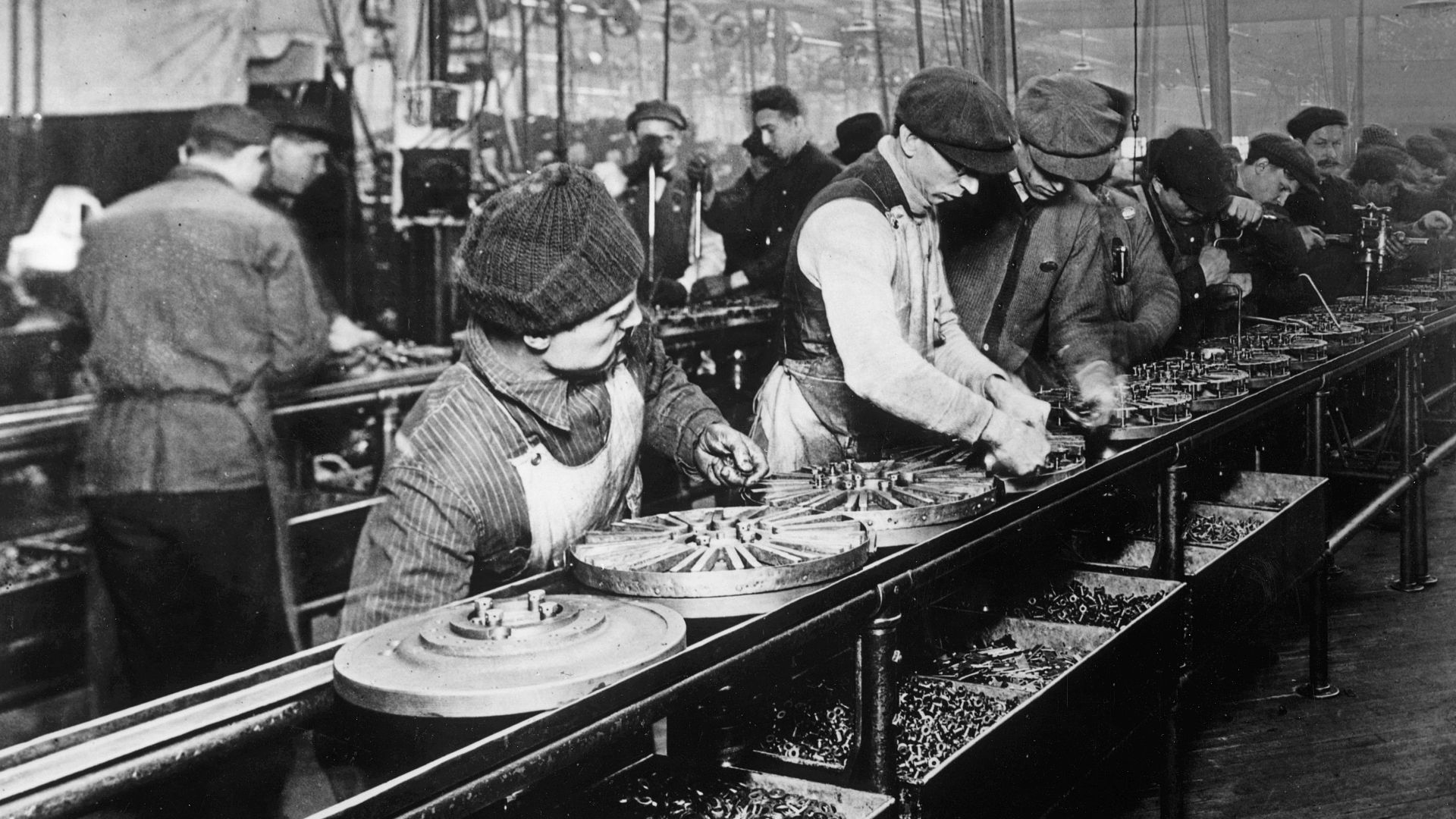
In assembly plants and other tightly controlled workplaces, employees sometimes had to signal a supervisor and wait for someone to relieve them before leaving their station. Employers could not simply deny restroom access forever, but the worker did not always get to decide exactly when nature was allowed to call.
 Unknown authorUnknown author, Wikimedia Commons
Letting The Boss Yell At Everyone
Some managers did not provide feedback. They provided volume. Shouting across the office, slamming doors, and humiliating employees in front of coworkers were often brushed off as signs that the boss was tough. Today, that first outburst would probably be recorded, reported, and discussed in a group chat within minutes.

Wearing A Suit For Absolutely Everything
Office dress codes could be remarkably strict, even for employees who never met a customer. Men wore jackets and ties. Women faced their own long list of rules involving skirts, shoes, makeup, and hosiery. The photocopier apparently performed better when everyone was dressed for a wedding.

Being Weighed To Keep Your Job
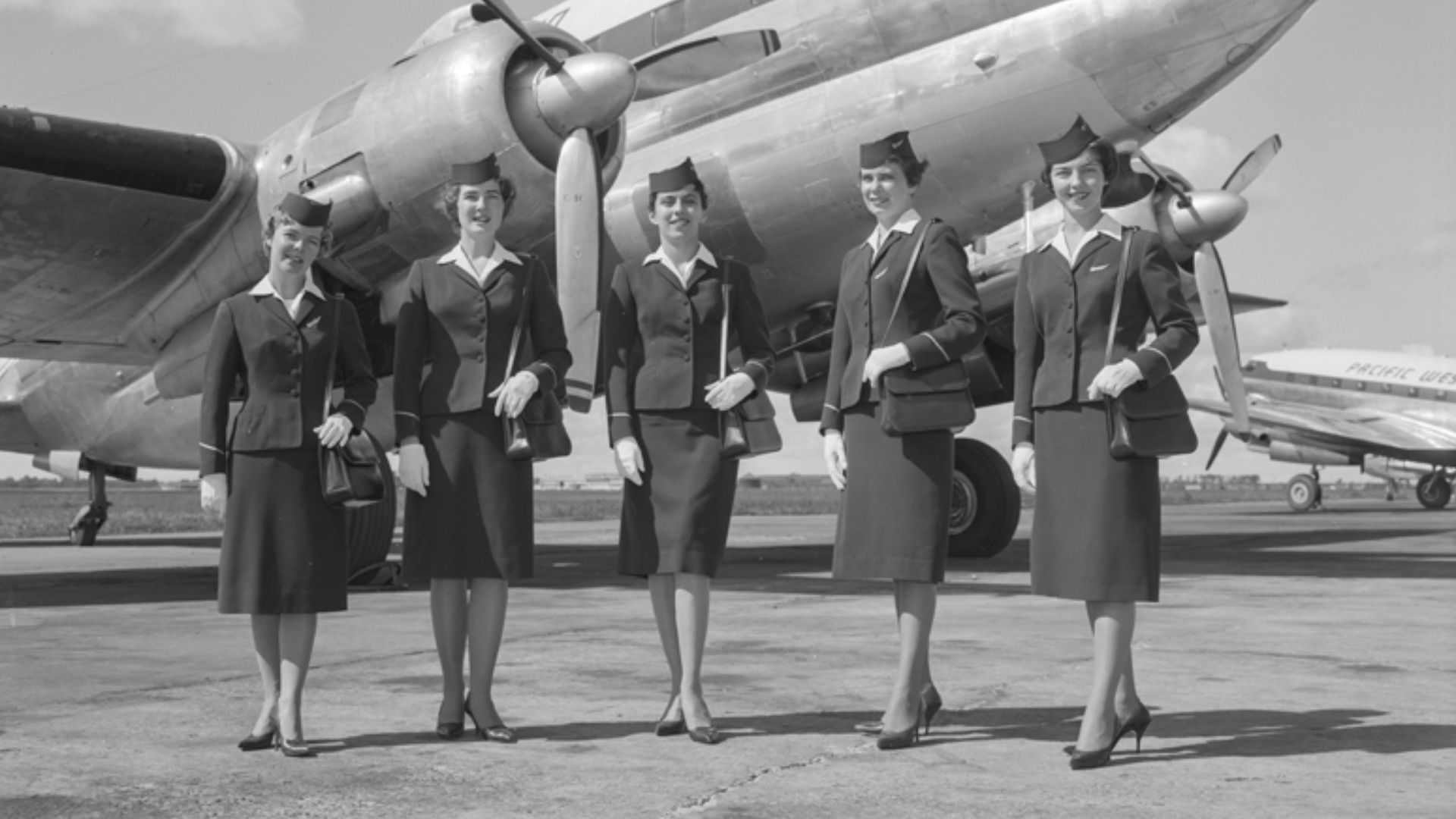
Airlines once enforced strict weight limits for flight attendants, and the standards could be tougher for women than for men. United Airlines kept weight requirements until 1994. The job involved passenger safety, emergency procedures, and long hours—but apparently the bathroom scale still got a vote.
 Provincial Archives of Alberta, Wikimedia Commons
Asking Permission To Make A Personal Call
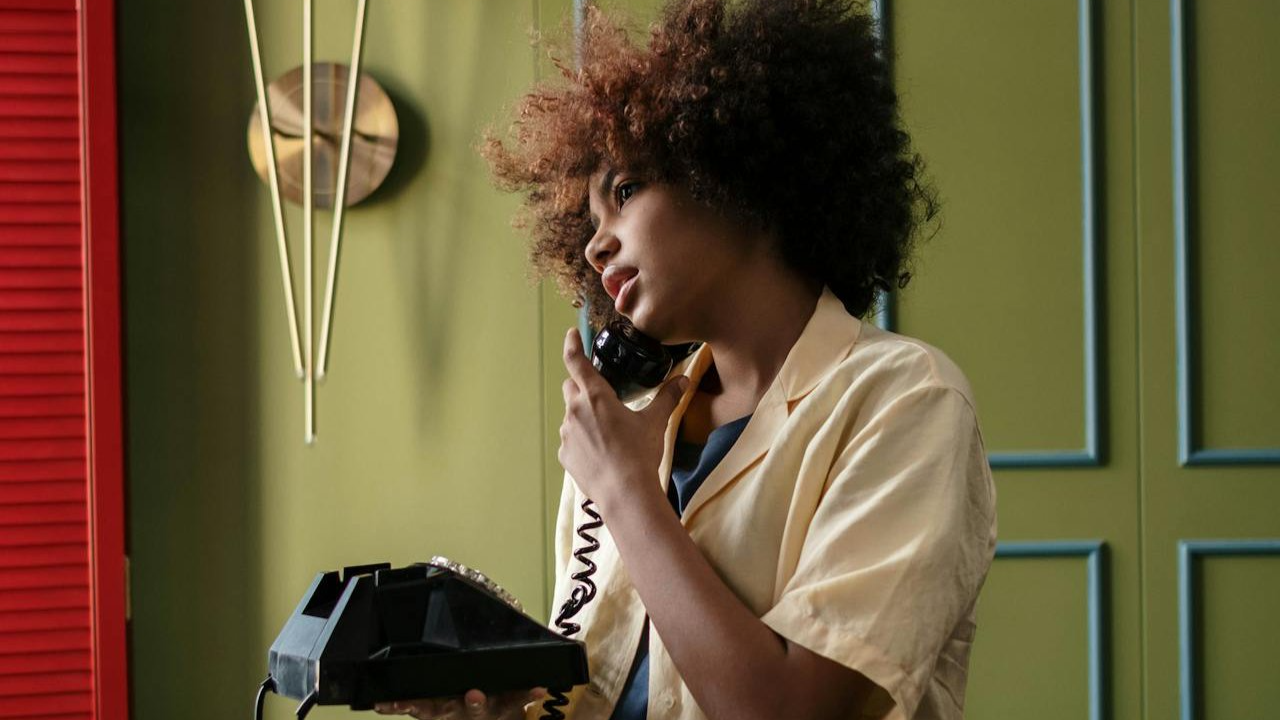
Before smartphones, the office telephone belonged to the company, and using it for personal business could attract attention. Employees sometimes had to ask before calling home, keep the conversation painfully brief, and hope nobody was listening. A two-minute call could feel like someone was stealing corporate secrets.

Making Coffee For The Boss
In many offices, junior employees and women in support roles were simply expected to make the coffee. It was rarely written into the job description, but somehow the person with the smallest paycheck always knew exactly how the manager liked it. Strong, two sugars, and served with a side of workplace hierarchy.
 Shixart1985, Wikimedia Commons
Pregnancy Being Treated Like A Career Problem
Before Congress passed the Pregnancy Discrimination Act in 1978, becoming pregnant could lead to forced leave, lost opportunities, or dismissal. Employers sometimes assumed a pregnant woman was no longer serious or dependable. Today, that conversation would end with three tabs open: HR, LinkedIn, and an employment lawyer.

Running The Boss’s Personal Errands
Picking up dry cleaning, buying a birthday gift for the boss’s spouse, or making a restaurant reservation could all become part of someone’s “other duties as required.” Refusing was risky. Asking whether it was actually related to the job was an excellent way to be labelled difficult.

Eating Lunch At The Desk Every Day
Leaving the building for lunch could make an employee look less dedicated, so many workers ate beside their paperwork while continuing to answer phones. The sandwich became another office supply. Taking the full break you had been given could feel suspiciously close to abandoning your post.

Accepting Last-Minute Overtime
Plans after work were considered flexible. The company’s plans were not. Managers could announce at 4:45 that everyone needed to stay late, and employees were expected to rearrange their lives without complaint. Childcare, dinner reservations, and family obligations were treated like unfortunate personal hobbies.

Women Being Fired For Getting Married
Some companies had policies requiring female employees to leave once they married. In fact, one of the EEOC’s first employment-discrimination determinations found that such a policy violated federal law. Apparently a wedding ring could instantly erase every skill a woman had successfully used the previous Friday.

Driving To Work In Any Weather
Snowstorm? Flooded roads? The radio telling everyone to stay home? None of that necessarily mattered. If the building had electricity, people were expected to find a way there. Working remotely was not a realistic option for most employees, so the morning commute continued whether the roads agreed or not.

Never Discussing Your Pay
Talking about salary was treated as rude, disloyal, and possibly dangerous. Many private-sector workers had a legal right to discuss their wages, but the workplace taboo remained powerful. Employees could sit beside each other for years without discovering they were being paid completely different amounts for the same job.
Waiting A Year For Feedback
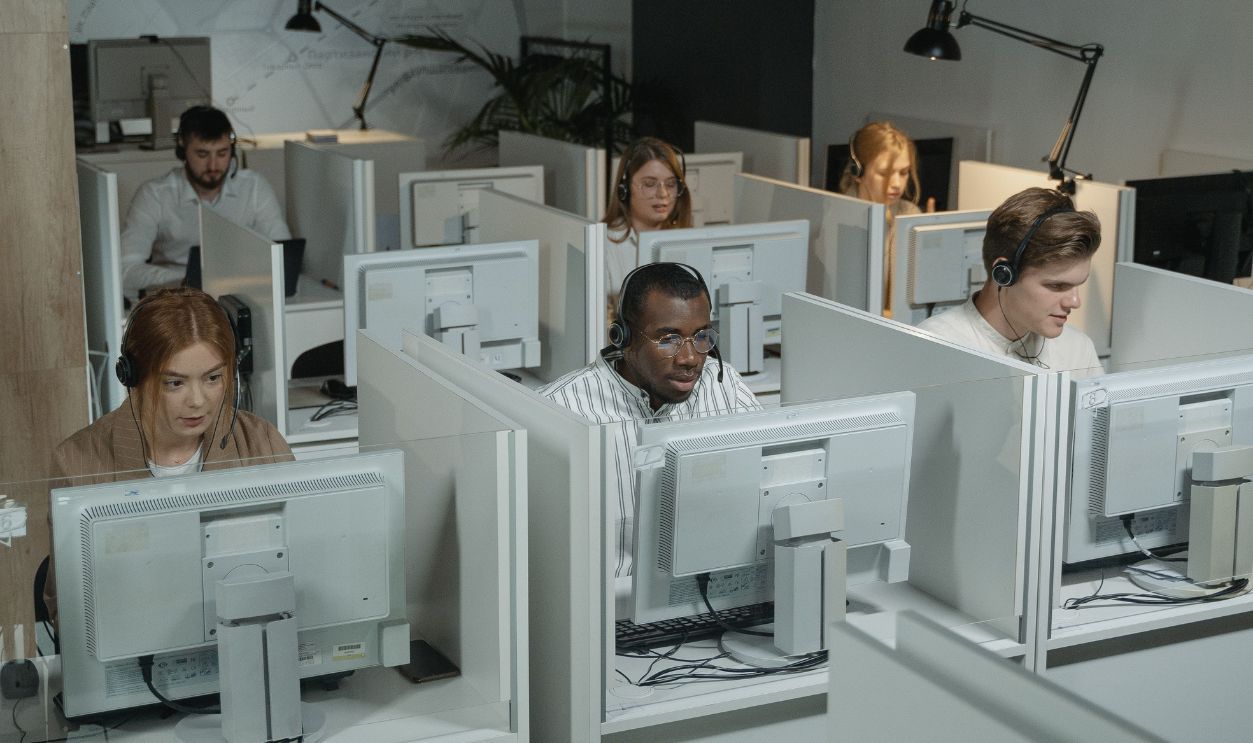
Employees often learned how they were doing during one formal annual review. Until then, silence was apparently supposed to mean everything was fine. A worker could spend eleven months repeating the same mistake, only to discover in December that the boss had been quietly annoyed since February.

Getting Promoted For Waiting Your Turn
Performance mattered, but seniority could matter more. Employees were often expected to patiently wait for the person above them to retire, leave, or finally receive a promotion of their own. Moving ahead too quickly could create resentment. Ambition was welcome—as long as it stood politely in line.

Starting At The Bottom No Matter What
New employees could arrive with strong qualifications and still be given the dullest assignments simply because they were new. Paying your dues was part of the culture. Sometimes that meant learning the business. Sometimes it meant spending six months filing papers nobody had looked at since the Nixon administration.

Surviving New-Hire Hazing
Being the new person could mean practical jokes, embarrassing assignments, or being deliberately given bad information to see how you reacted. It was dismissed as harmless initiation. Complain and you proved you could not take a joke. Stay quiet and someone might eventually tell you where the real supply closet was.

Putting Up With Offensive Jokes
Comments that would now bring a meeting with human resources were often waved away as workplace banter. Employees were expected to laugh, ignore them, or develop a thicker skin. The person making everyone uncomfortable was considered funny. The person objecting was somehow the one ruining the atmosphere.

Keeping Your Personal Life Completely Hidden
Work and home were supposed to remain separate. Employees rarely discussed anxiety, family struggles, burnout, or anything that might suggest life existed beyond the office walls. You could be going through a disaster, but the professional response was apparently to straighten your tie and finish the quarterly report.

Treating The Punch Clock Like A Courtroom Witness
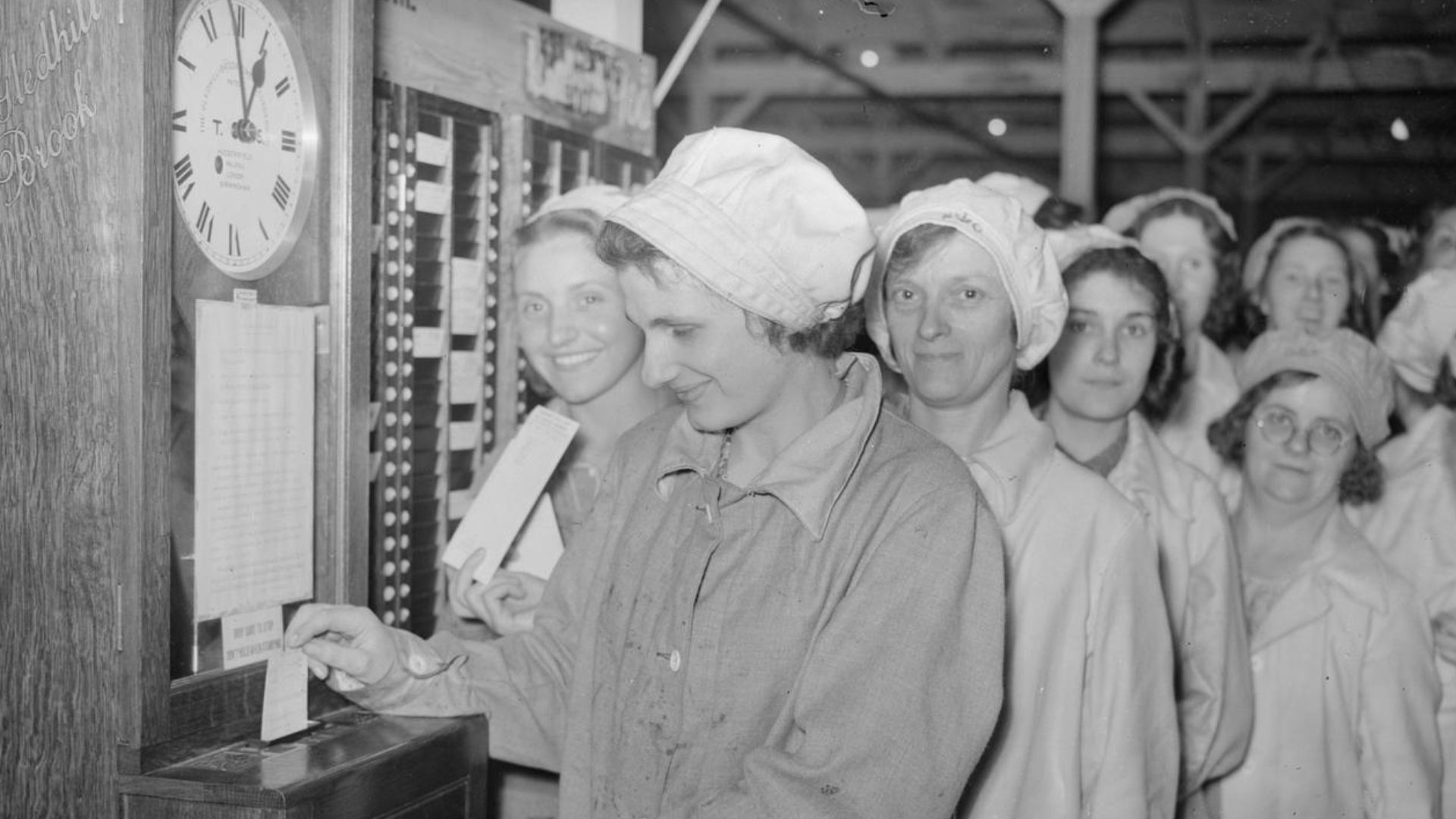
In factories, warehouses, and many hourly workplaces, the punch clock ruled everything. A few minutes late could become a permanent mark against you, while workers might still feel pressured to finish small tasks after their shift. The clock remembered every arrival but became strangely less interesting when extra work was involved.
 Ministry of Information Photo Division Photographer, Wikimedia Commons
Believing Loyalty Would Be Rewarded
Many employees believed that working hard and staying with one company would eventually lead to raises, promotions, a pension, and perhaps a gold watch. Sometimes it did. Sometimes the company reorganized, eliminated the position, and sent everyone home with a cardboard box and a speech about difficult decisions.

Being Told One Employer Was The Goal
The ideal career supposedly meant joining a good company and staying there until retirement. In reality, Baby Boomers changed jobs plenty, especially when they were young. But the cultural message remained powerful: leaving too often made you look unreliable, while staying put supposedly proved you had character.

Accepting Whatever Schedule You Were Given
Employees did not expect to negotiate their hours around school pickups, appointments, or when they worked best. The schedule came from management and that was generally the end of the discussion. Flexibility usually meant the company could change your hours—not that you had any say in them.

Treating Remote Work Like It Could Never Work
Remote work existed, but it was rare and not realistic for most employees. Even as technology improved, many managers still found the idea suspicious. If they could not physically see you sitting at a desk, how could they possibly know you were creating that spreadsheet—or staring blankly at it like everyone in the office?

Calling Employees At Home
Leaving the office did not always mean escaping the office. Managers could call an employee’s house during dinner, speak to whoever answered, and ask them to come back or solve a problem over the phone. There was no Do Not Disturb setting. There was just hoping nobody picked up.
Keeping Quiet When Something Was Wrong
Questioning management could be seen as insubordination, even when the employee had a legitimate concern. Workers were told not to rock the boat, make trouble, or become known as complainers. The safest career strategy was often to notice the problem, say nothing, and hope it belonged to another department.

By Lunch Might Be Generous
Not every older workplace was miserable, and plenty of Baby Boomers helped fight for the protections younger employees now expect. But the old rules were clear: work came first, the boss was rarely questioned, and being uncomfortable was considered part of having a job.

You Might Also Like:





.jpg)