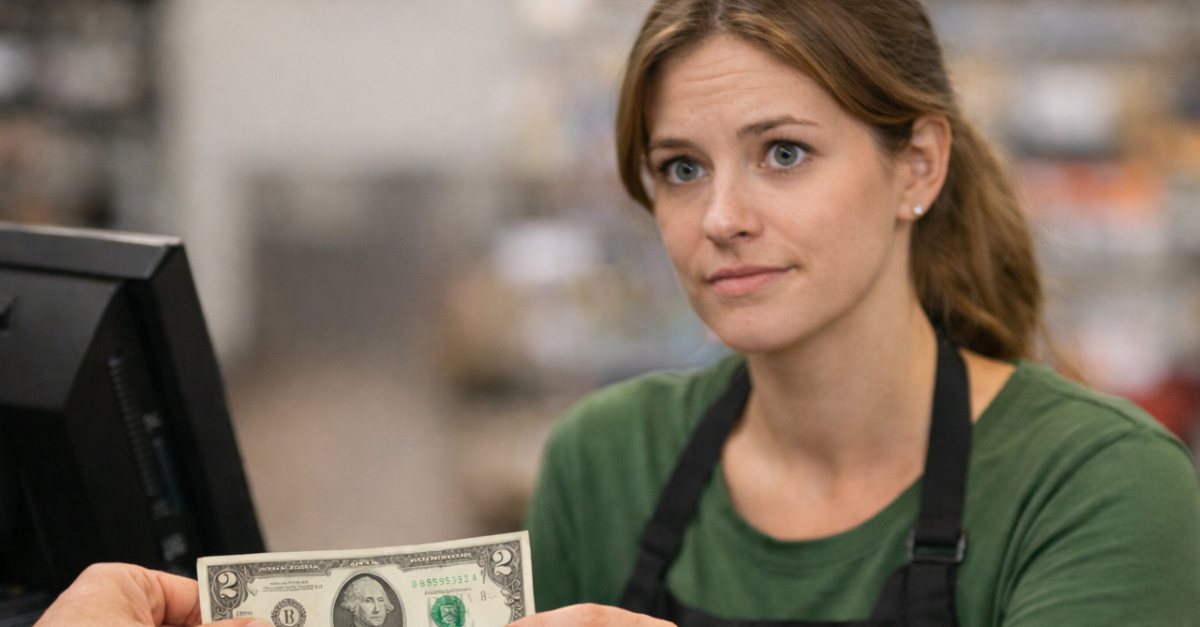
The $2 Bill That Stops the Line
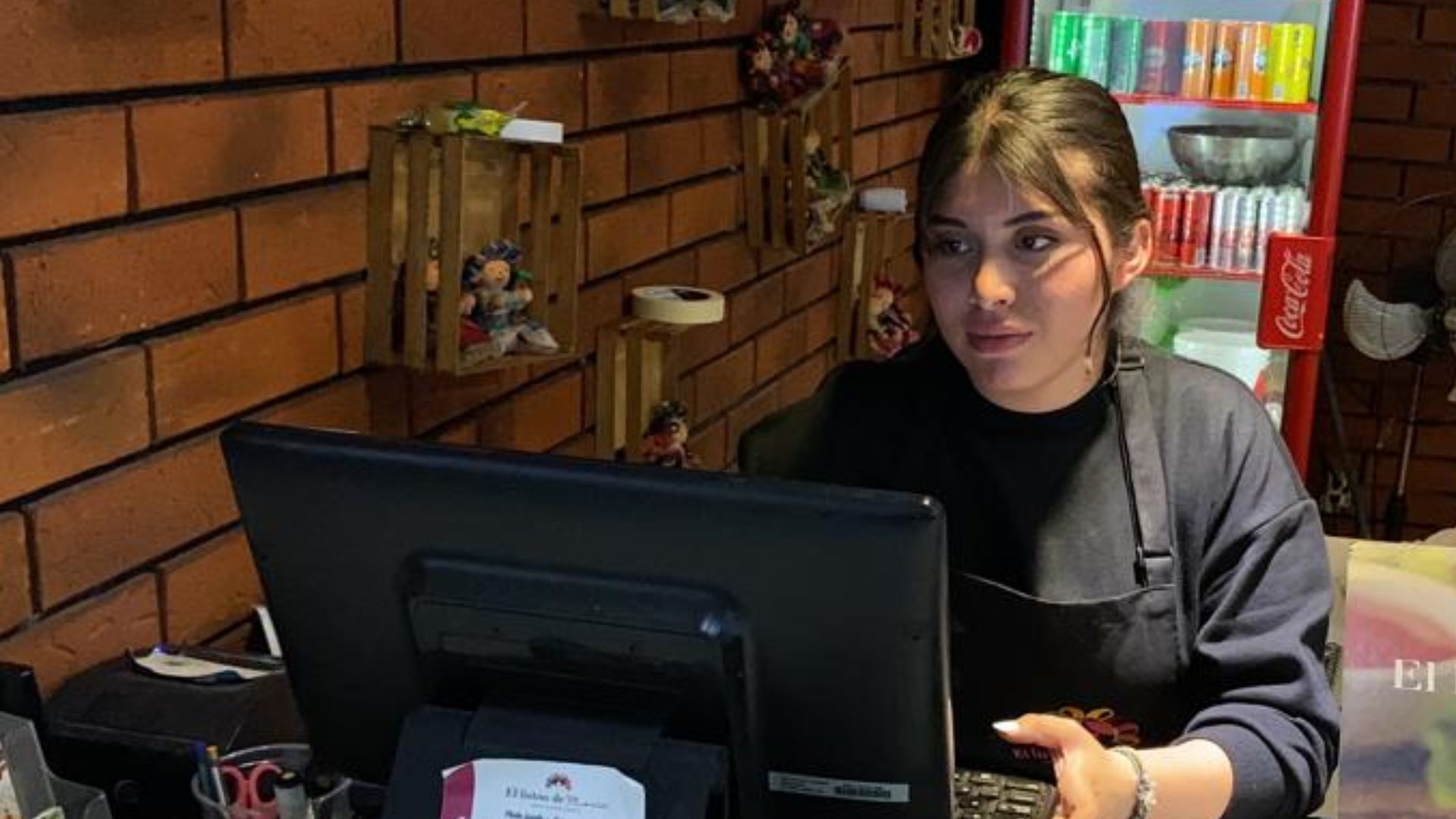
Hand a cashier a $2 bill and watch what happens. There’s often a pause. A second look. Sometimes even a manager gets called over. So why does this little bill instantly make checkout awkward?
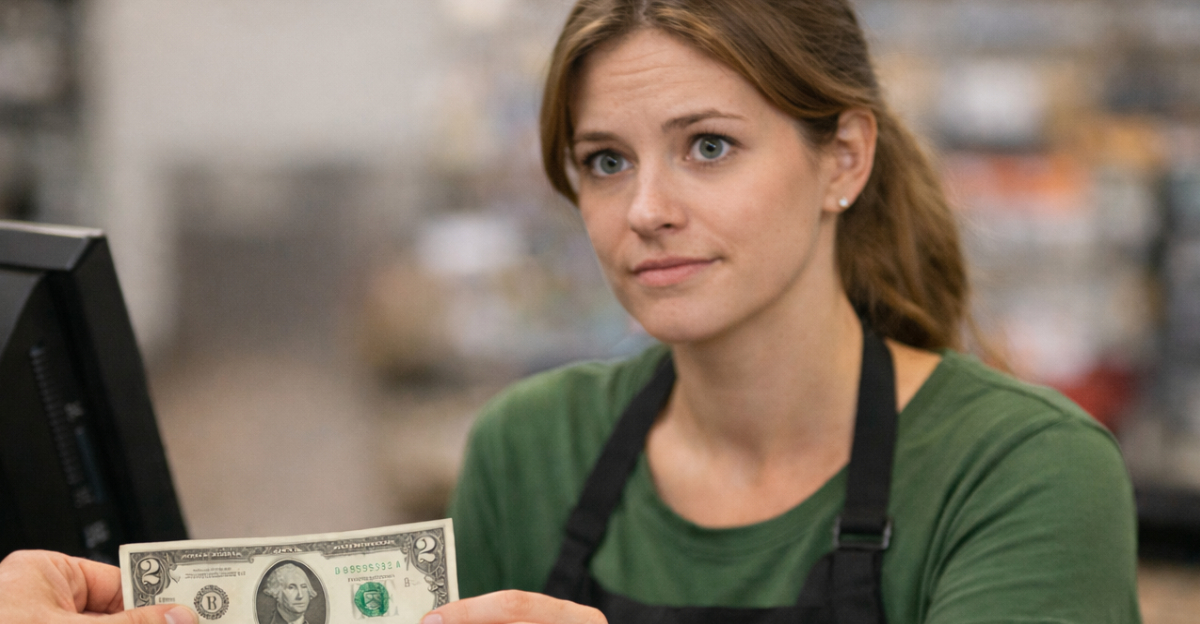
$2 Bills Are Still Legal Tender
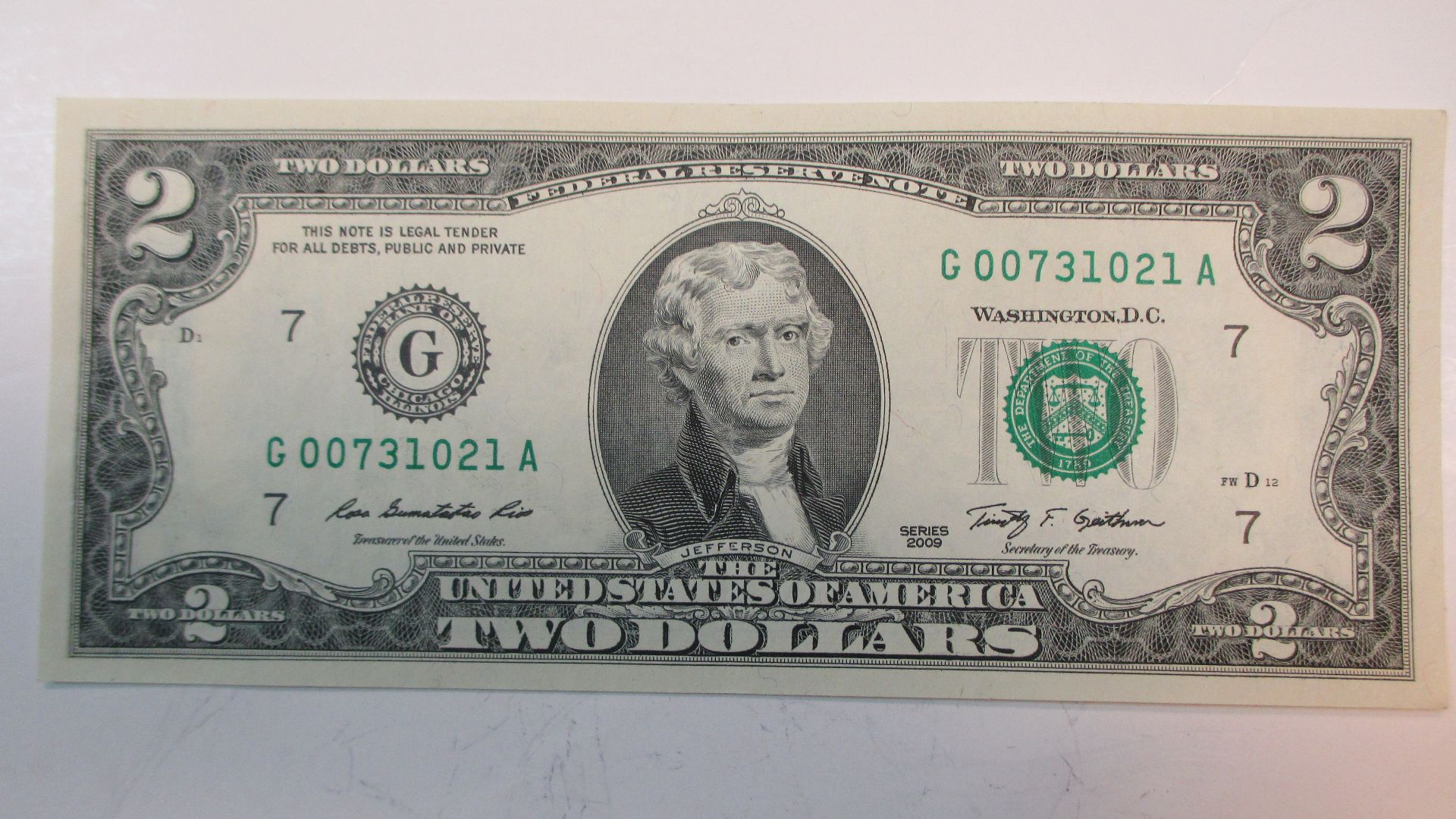
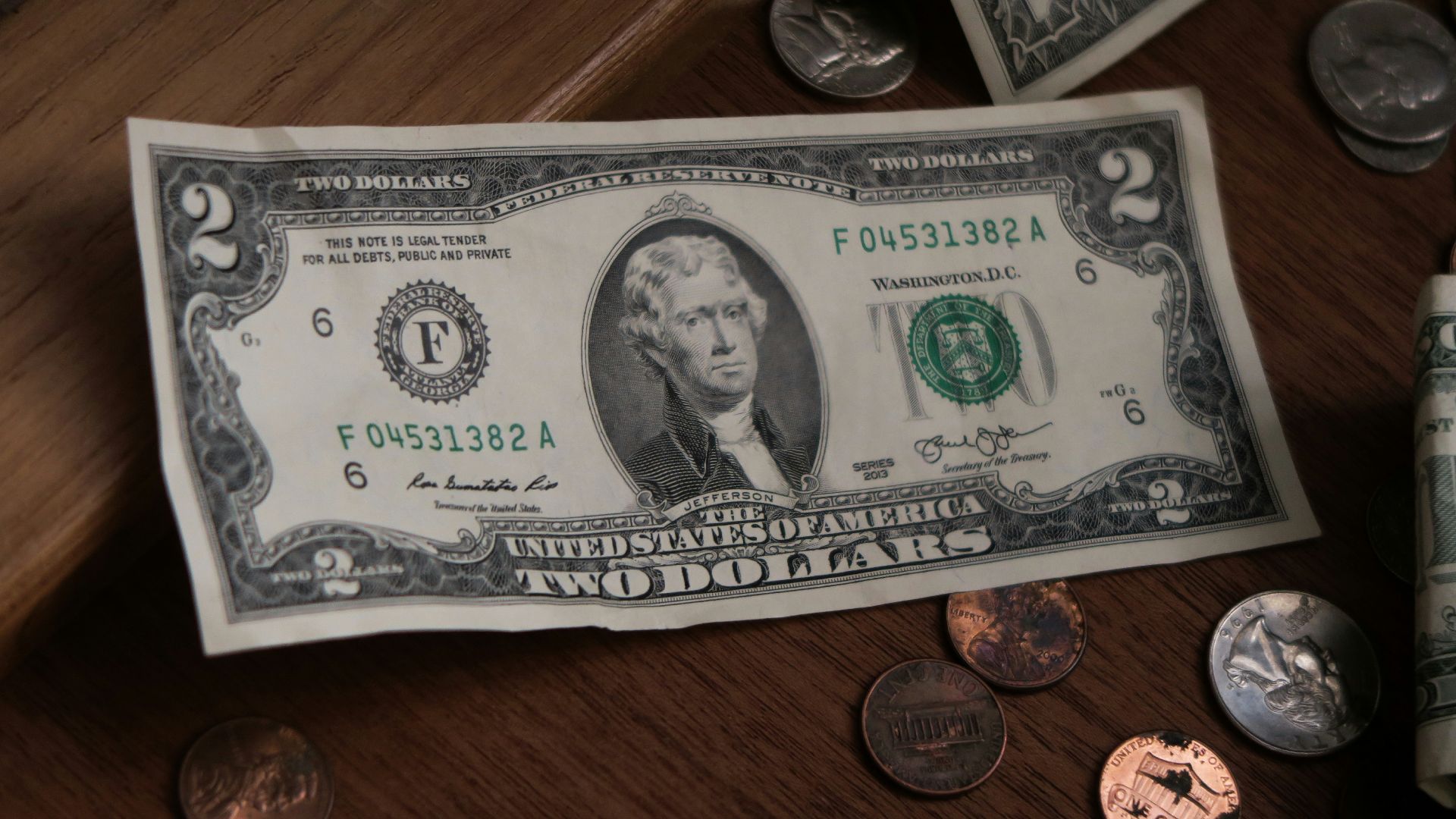
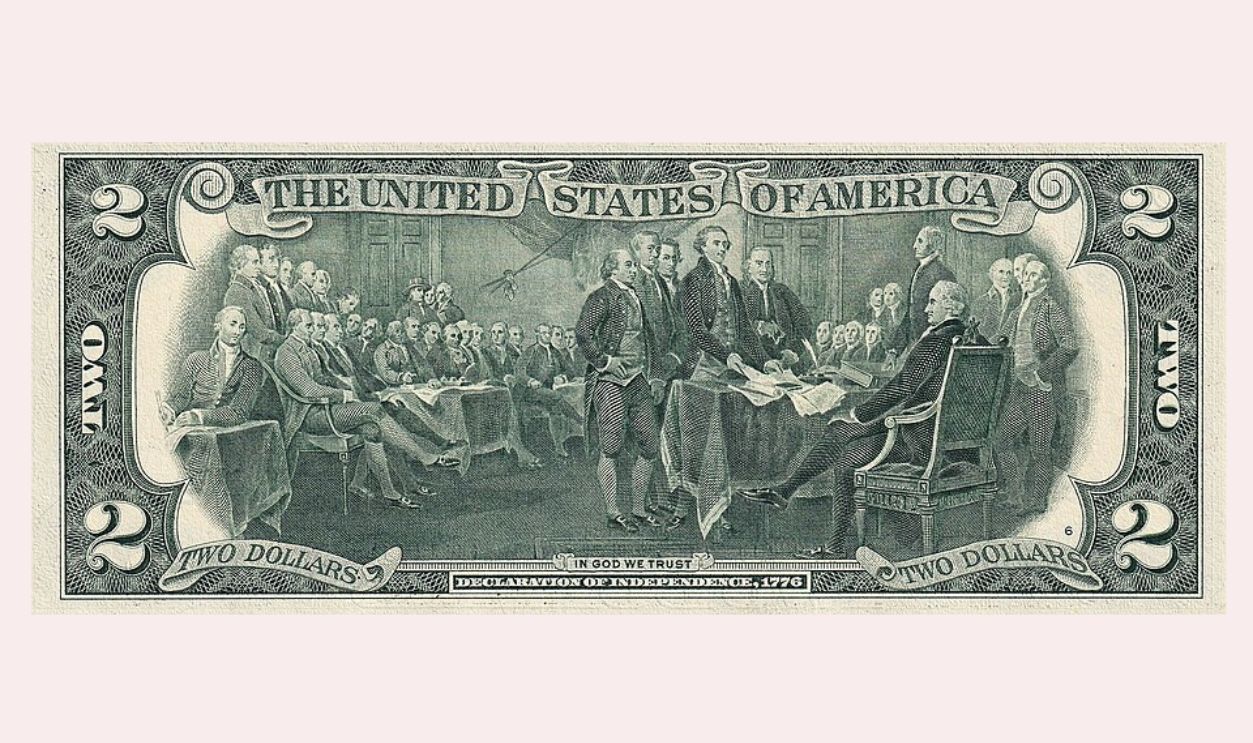
First things first: $2 bills are absolutely real U.S. currency. They’ve been in circulation since 1862. Modern versions feature Thomas Jefferson on the front and the signing of the Declaration of Independence on the back.
You can spend them anywhere cash is accepted. So why does checkout suddenly get awkward?
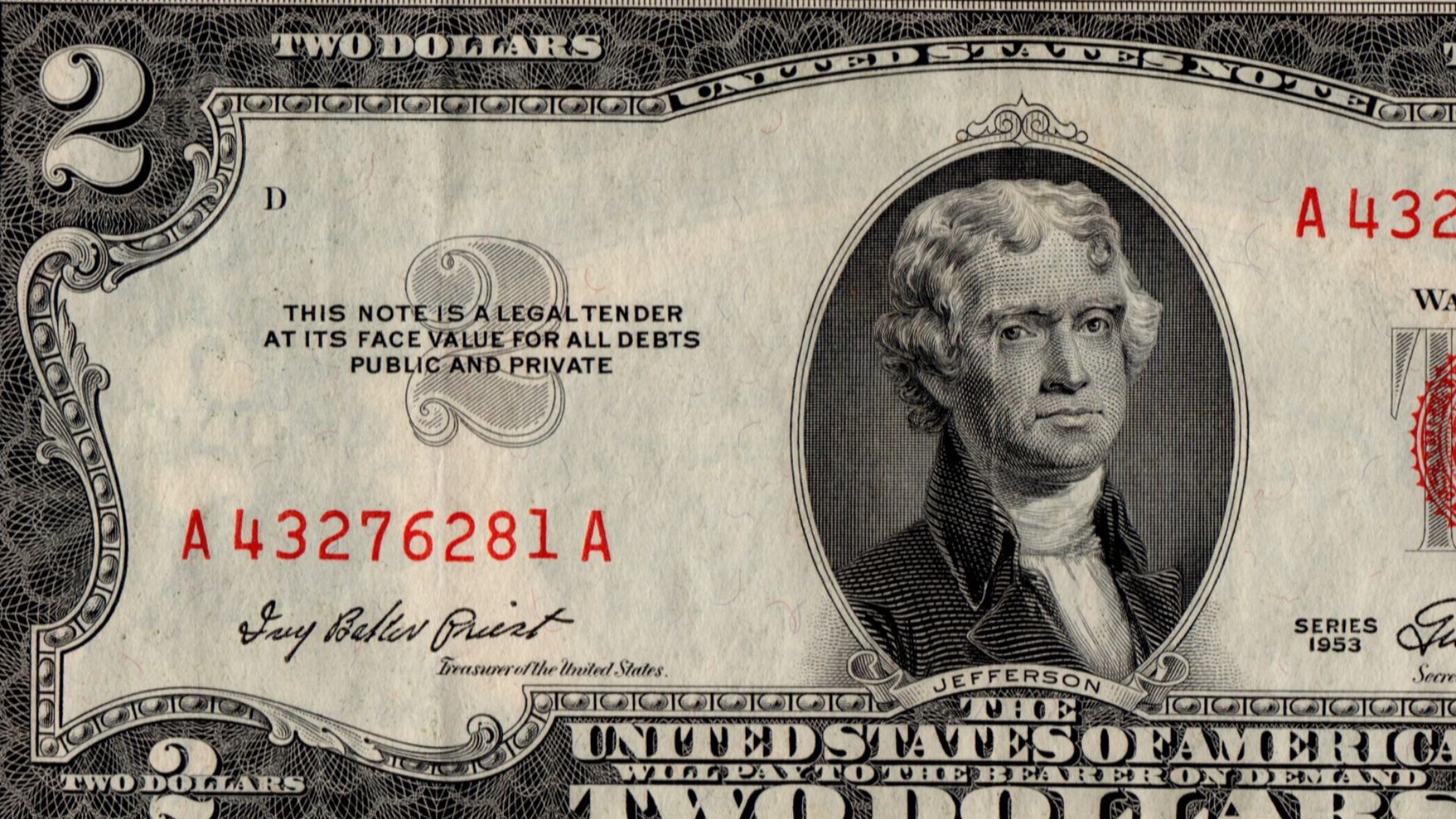 United States Bureau of Engraving and Printing, Wikimedia Commons
They’re Just… Uncommon
The biggest reason for the hesitation? Most people rarely see them.
According to the U.S. Bureau of Engraving and Printing, $2 bills make up a tiny fraction of all currency printed and circulating compared to $1 and $20 bills. That unfamiliarity alone triggers caution.
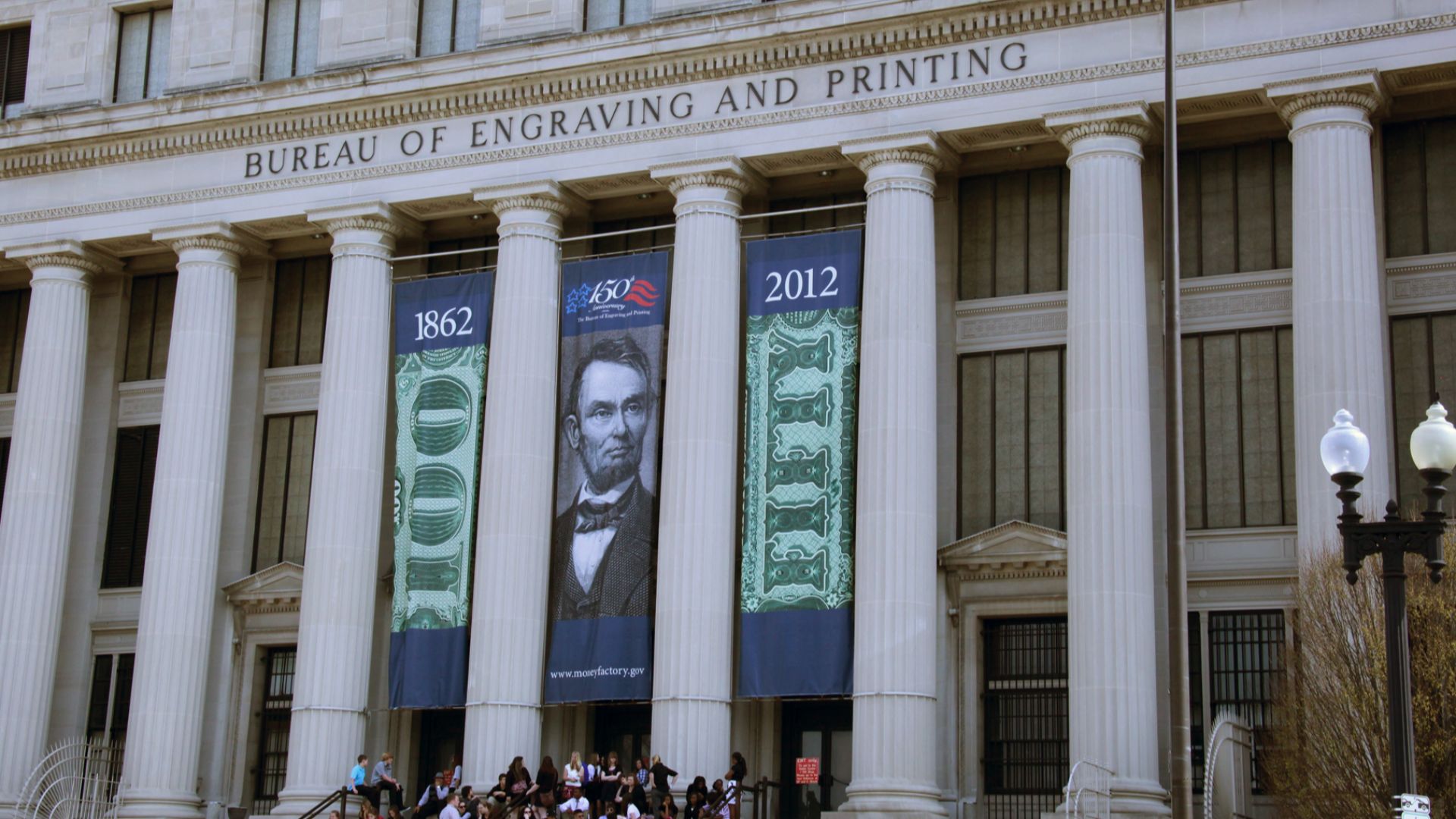 Tim Evanson, Wikimedia Commons
They’re Printed—Just Not Often
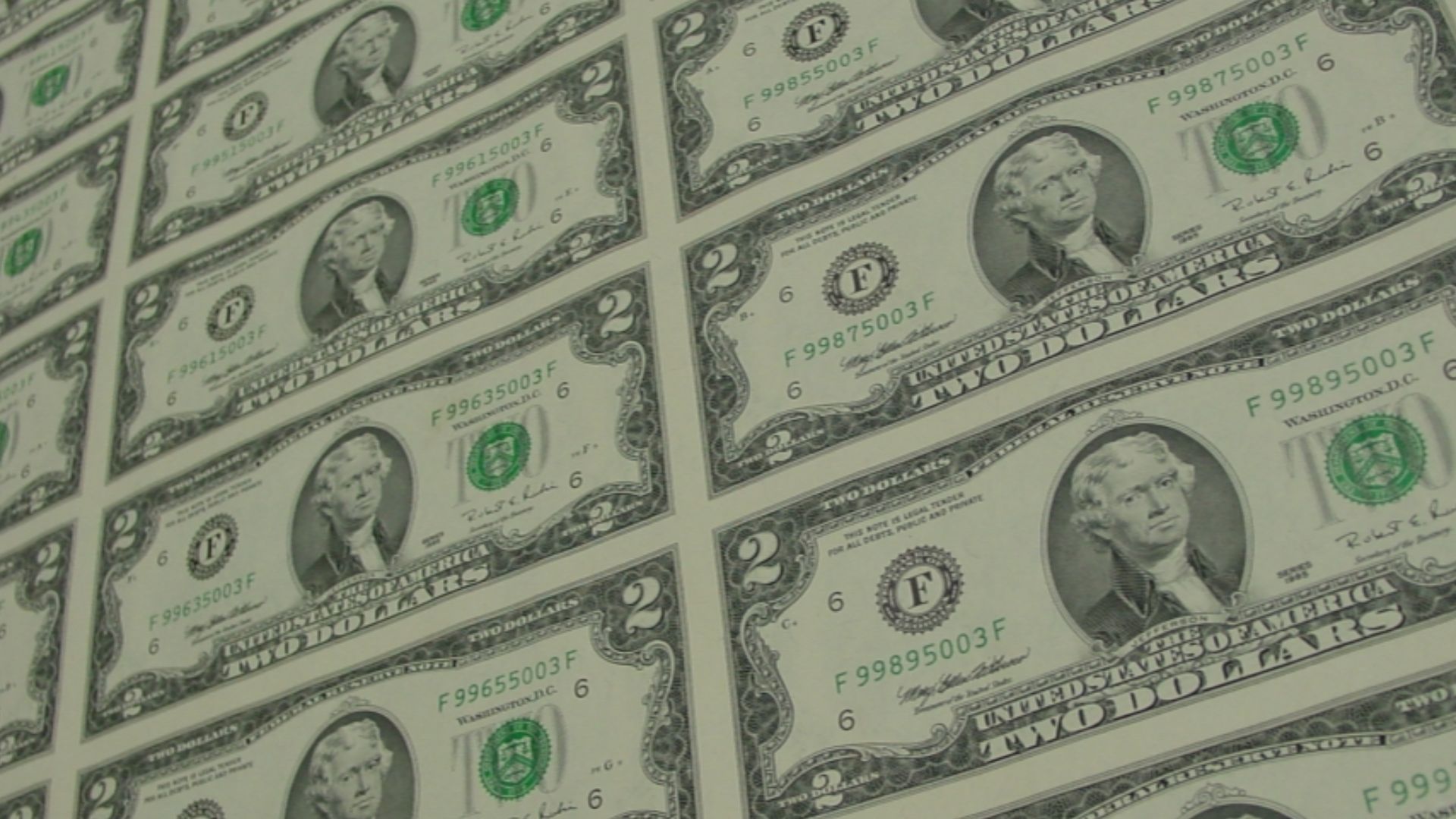
Contrary to popular belief, the government never discontinued the $2 bill.
However, they aren’t printed every year. Production happens in batches based on demand. Some years, none are printed at all. That gap reinforces the myth that they’re “old” or “phased out.”
 Christopher Hollis, Wikimedia Commons
Why Do They Still Exist?
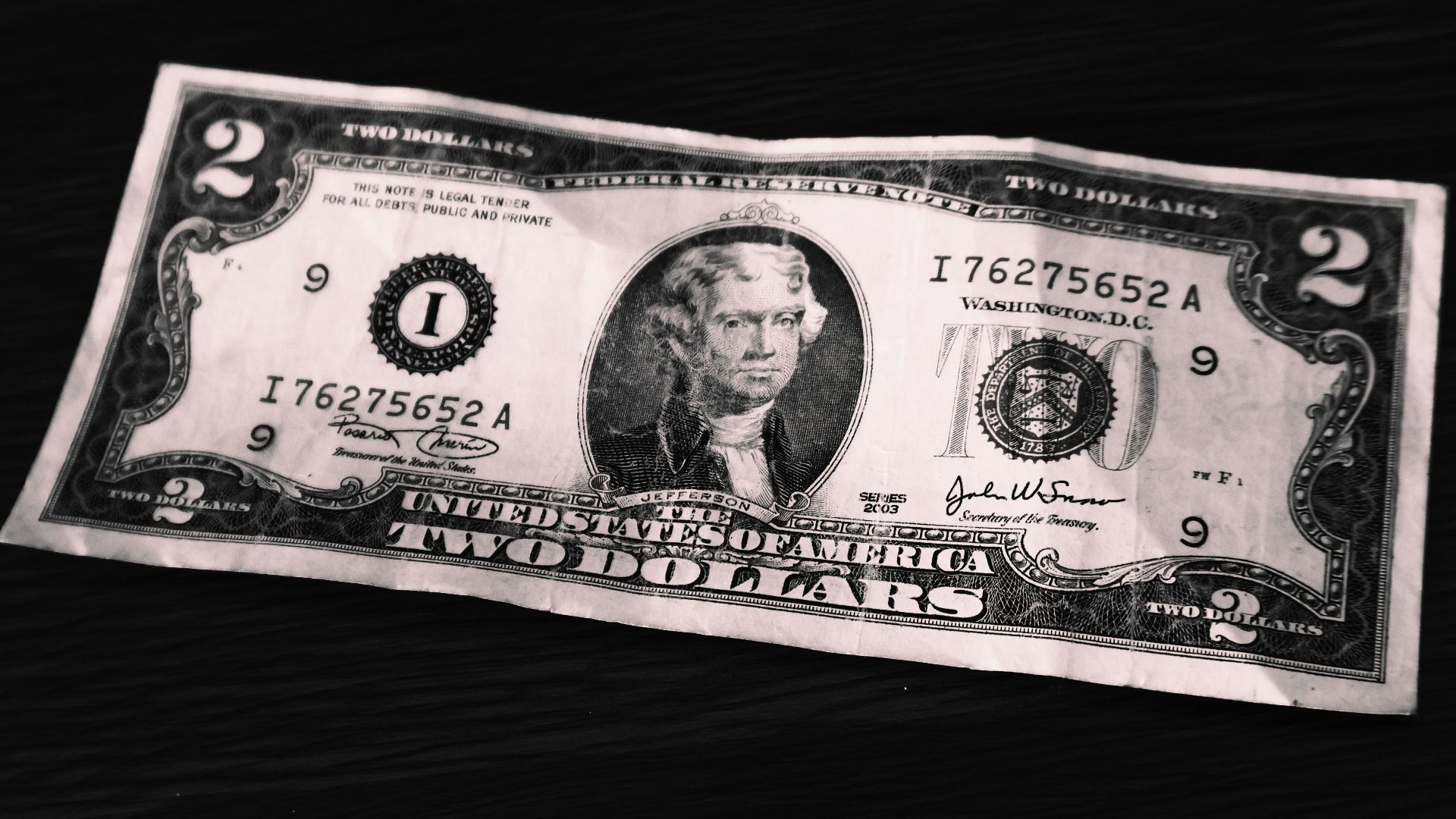
The Federal Reserve hasn’t eliminated the $2 bill because there’s still steady—if small—demand for it. They’re printed when inventory runs low, not on a fixed yearly schedule. It’s not nostalgia keeping them alive. It’s simple supply and demand.
They Make Up Less Than 1% of U.S. Currency
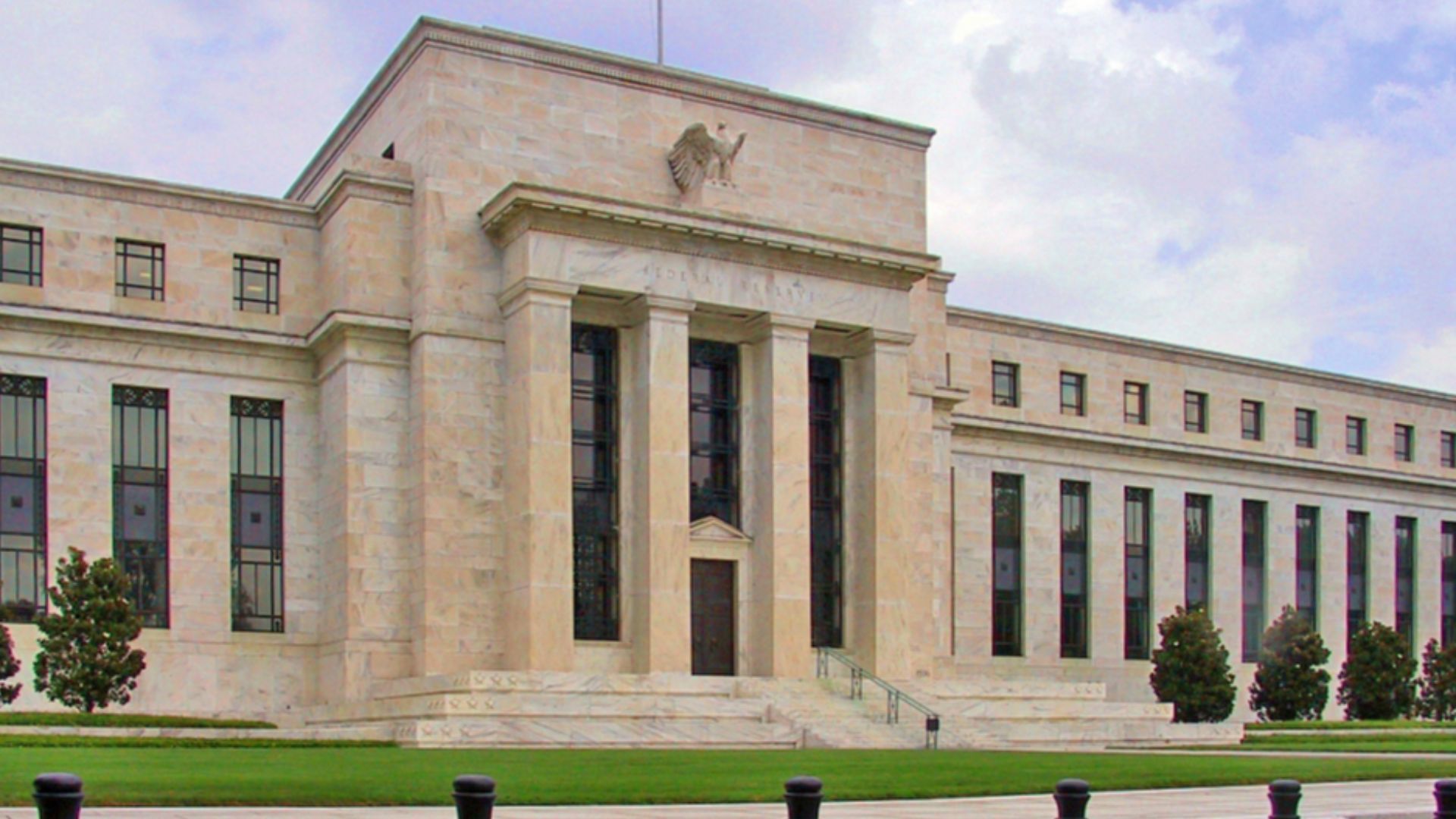
As of recent Federal Reserve data, there are well over a billion $2 bills in circulation—but that still represents less than 1% of all U.S. paper currency by volume.
So they’re not rare. Just rare enough to feel unusual.
Most Cash Drawers Don’t Have a Slot for Them
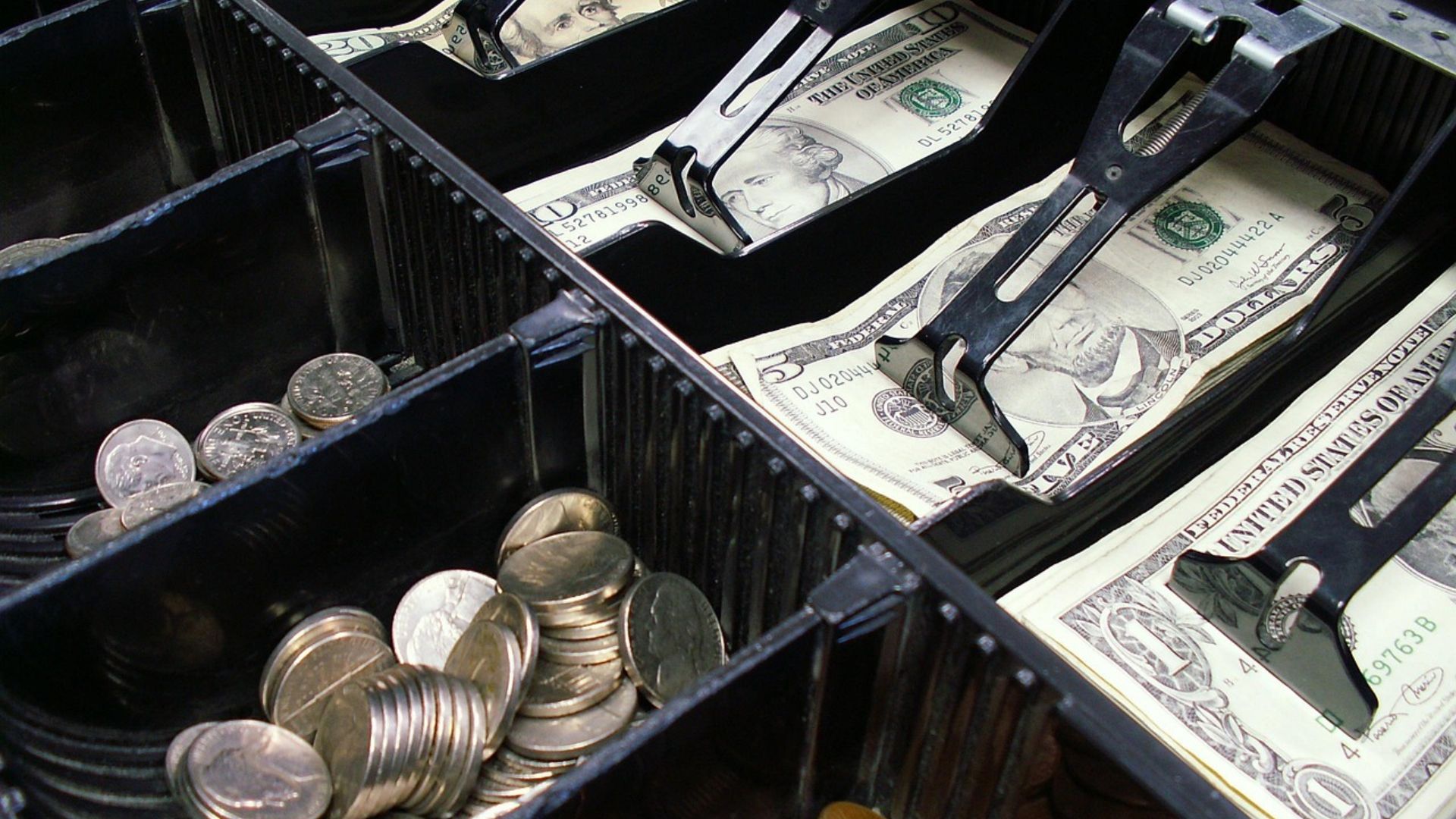
Open a typical register and you’ll see slots for $1, $5, $10, $20, $50, and $100 bills.
There’s usually no dedicated space for $2 bills. That means cashiers often tuck them under the drawer or in an unused slot—another reason for the pause.
Unfamiliar Bills Trigger Fraud Training
Retail employees are trained to watch for counterfeit money.
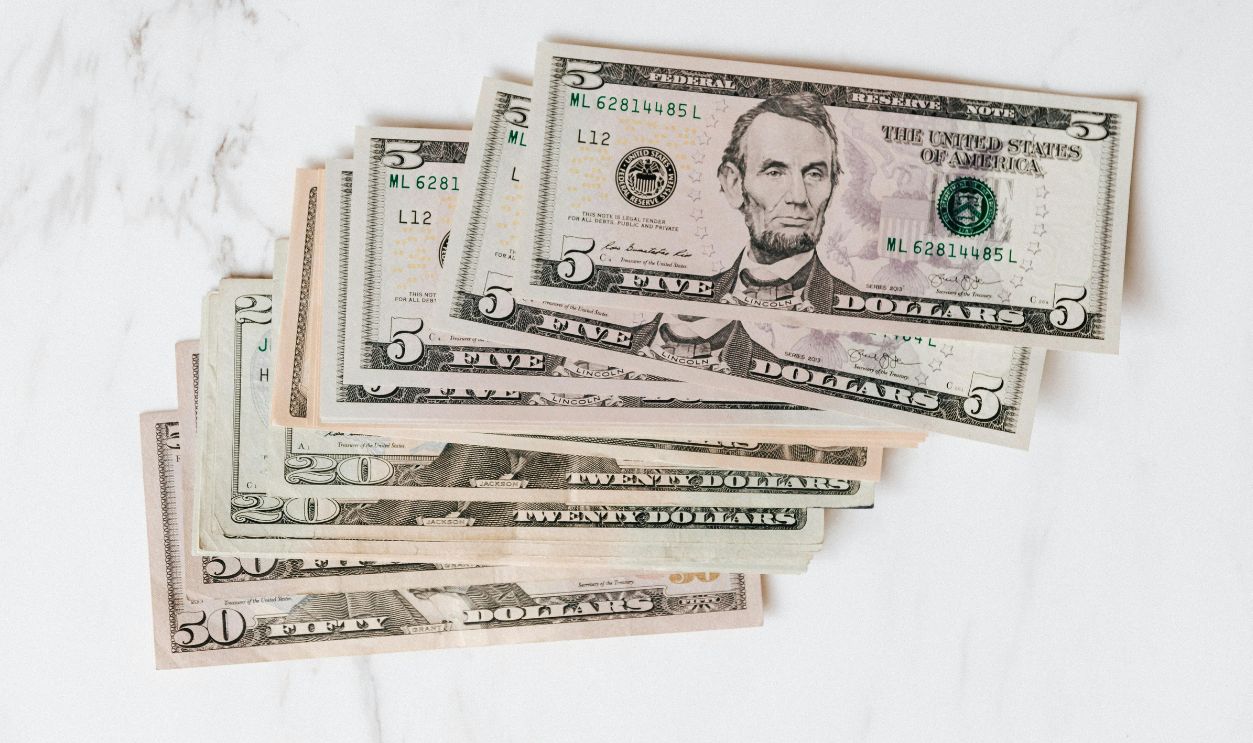
When something out of the ordinary appears—like a $2 bill—it can trigger that training reflex. Even though counterfeit $2 bills are far less common than fake $20s or $100s, the unfamiliar look causes scrutiny.
 Karolina Grabowska www.kaboompics.com, Pexels
Many People Think They’re Worth More Than $2
A surprising number of Americans believe $2 bills are valuable collector’s items.
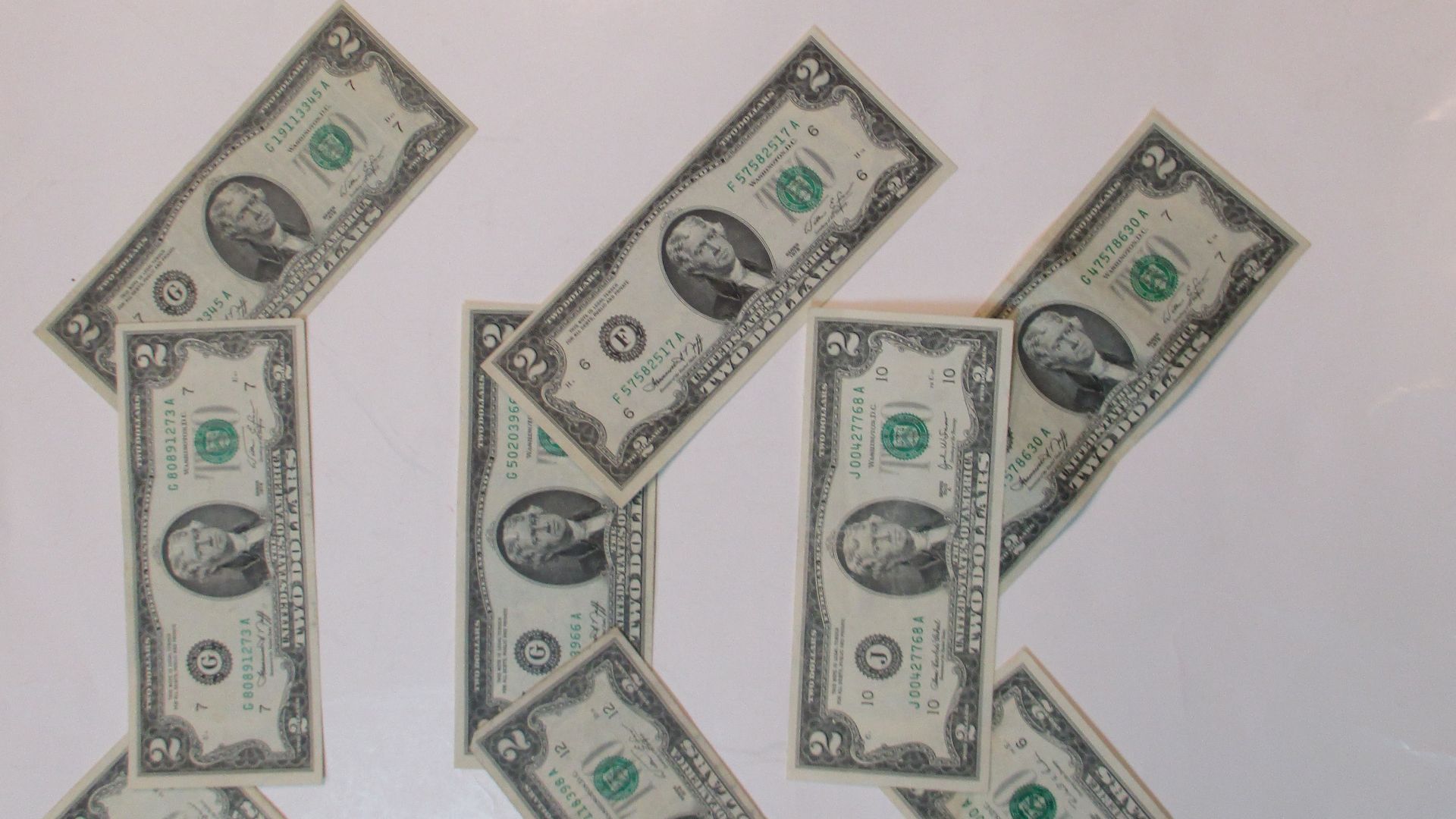
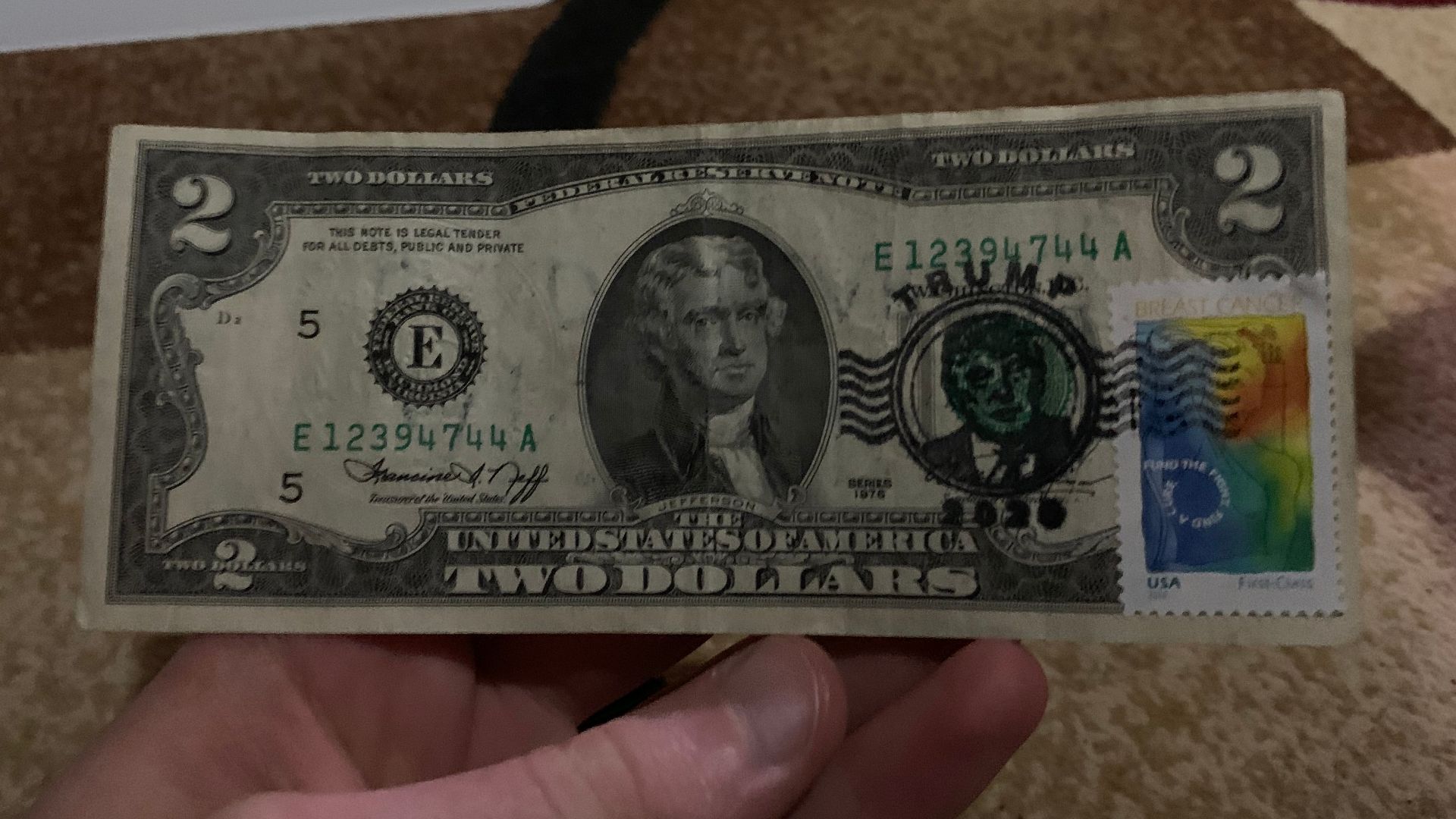
In reality, most modern $2 bills (especially those printed after 1976) are only worth face value unless they’re uncirculated, have printing errors, or feature rare serial numbers.
 Ink in the trashy2, Wikimedia Commons
Urban Legends Made Them Seem Suspicious
Over the years, rumors have claimed $2 bills are linked to scams, secret tracking programs, or underground activity. None of that is true. They’re just regular currency. But when something feels unusual, stories tend to fill in the gaps—and those myths still linger.
 Ink in the trashy2, Wikimedia Commons
The 1976 Redesign Added to the Myth
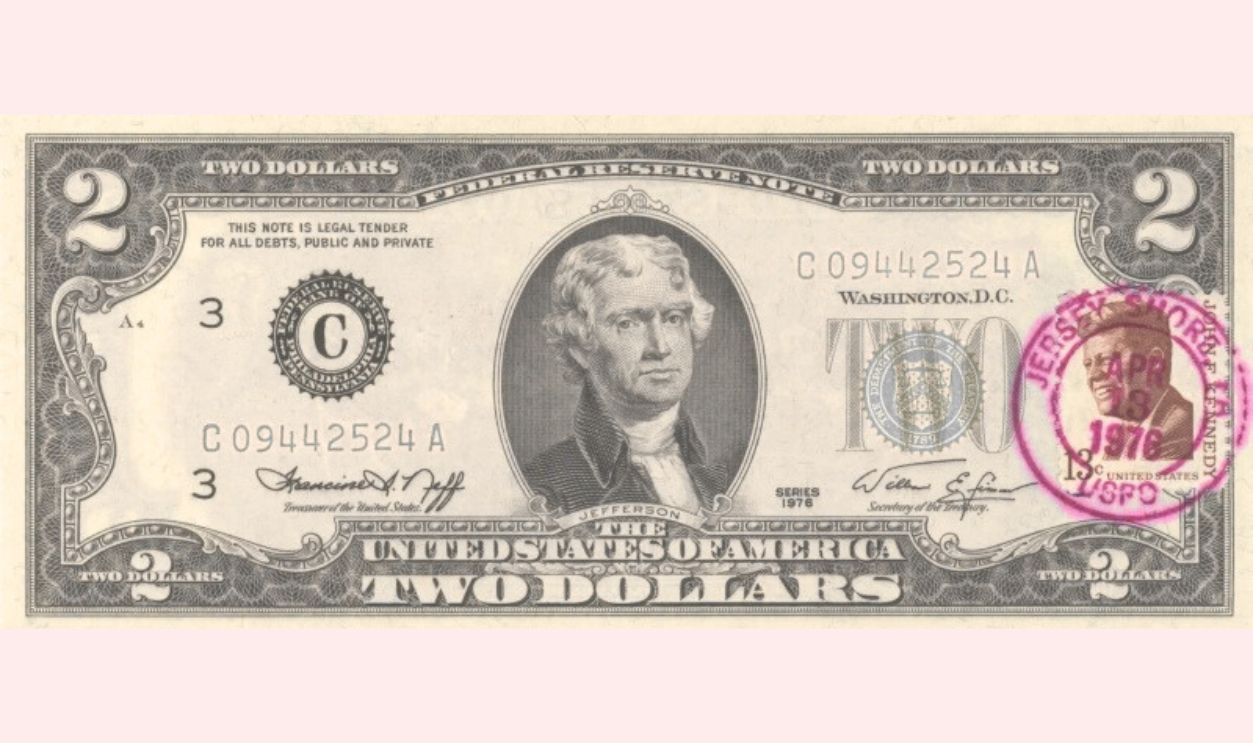
The current design was introduced in 1976 as part of the U.S. Bicentennial celebration.
Because many people first saw them around that patriotic moment, some assumed they were commemorative or limited edition—fueling the idea that they shouldn’t be spent.
 Red devil 666, Wikimedia Commons
Banks Don’t Usually Hand Them Out
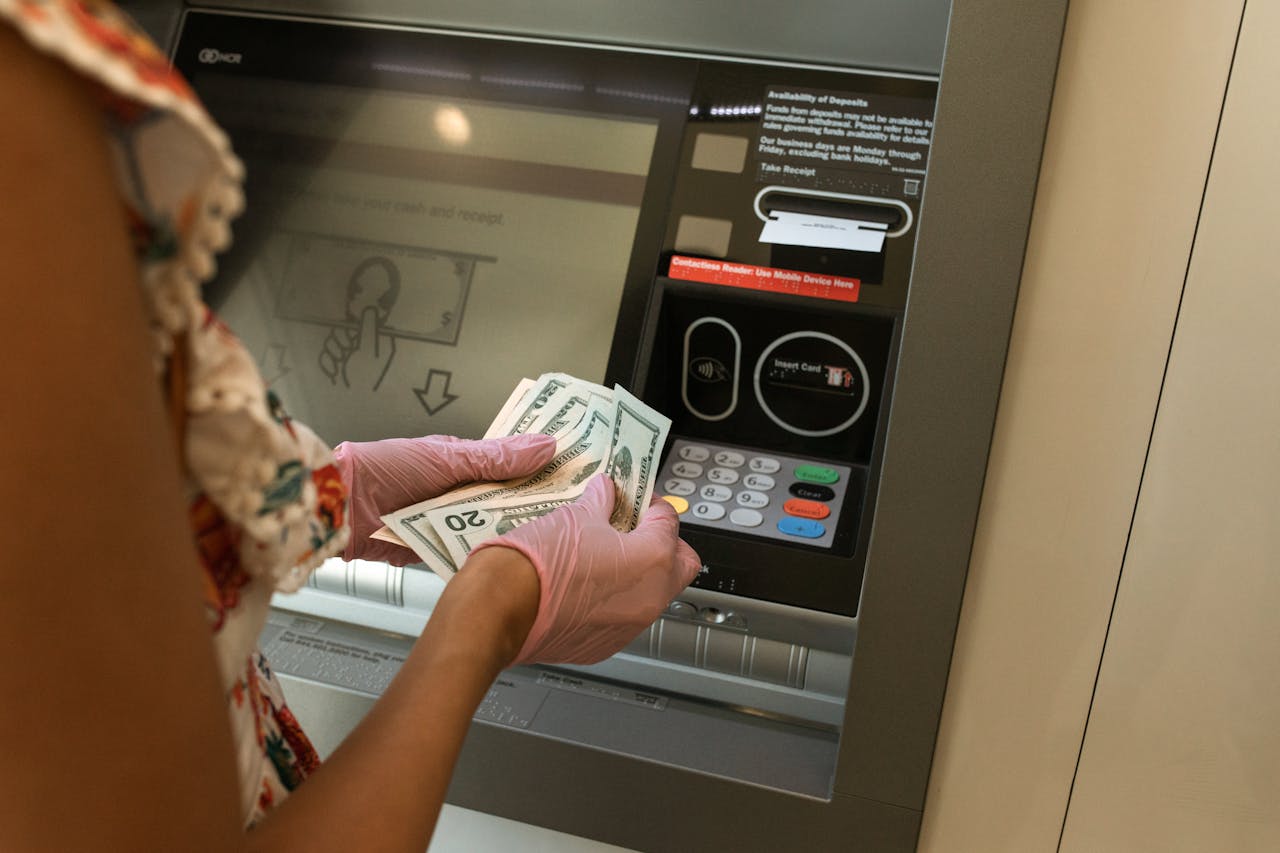
You rarely get $2 bills in change or from ATMs.
Most banks only carry them if customers specifically request them. That limited distribution keeps them out of everyday circulation—and keeps cashiers unfamiliar with them.
They Circulate Less Because People Hoard Them
Economists call this Gresham’s Law: when people think certain money is “special,” they hold onto it.
Many Americans save $2 bills instead of spending them, believing they’ll be worth more someday. That hoarding behavior keeps them from circulating normally.
 Freysteinn G. Jonsson, Unsplash
Some Stores Have Actually Refused Them
There have been documented cases of businesses mistakenly rejecting $2 bills, assuming they’re fake.
In a few instances, police were even called—only for officers to confirm the bill was legitimate. It’s rare, but it happens.
 Ximenajuregui, Wikimedia Commons
They Look Slightly Different
The back design—with its detailed engraving of John Trumbull’s painting—stands out compared to other bills.
If you don’t see it often, it can look unfamiliar enough to raise suspicion, even though its security features are standard for its era.
Security Features Are Older Style
Unlike most other bills, the $2 note hasn’t been updated with modern security threads or color-shifting ink.
That older look can make it feel outdated—even though it’s completely valid U.S. currency.
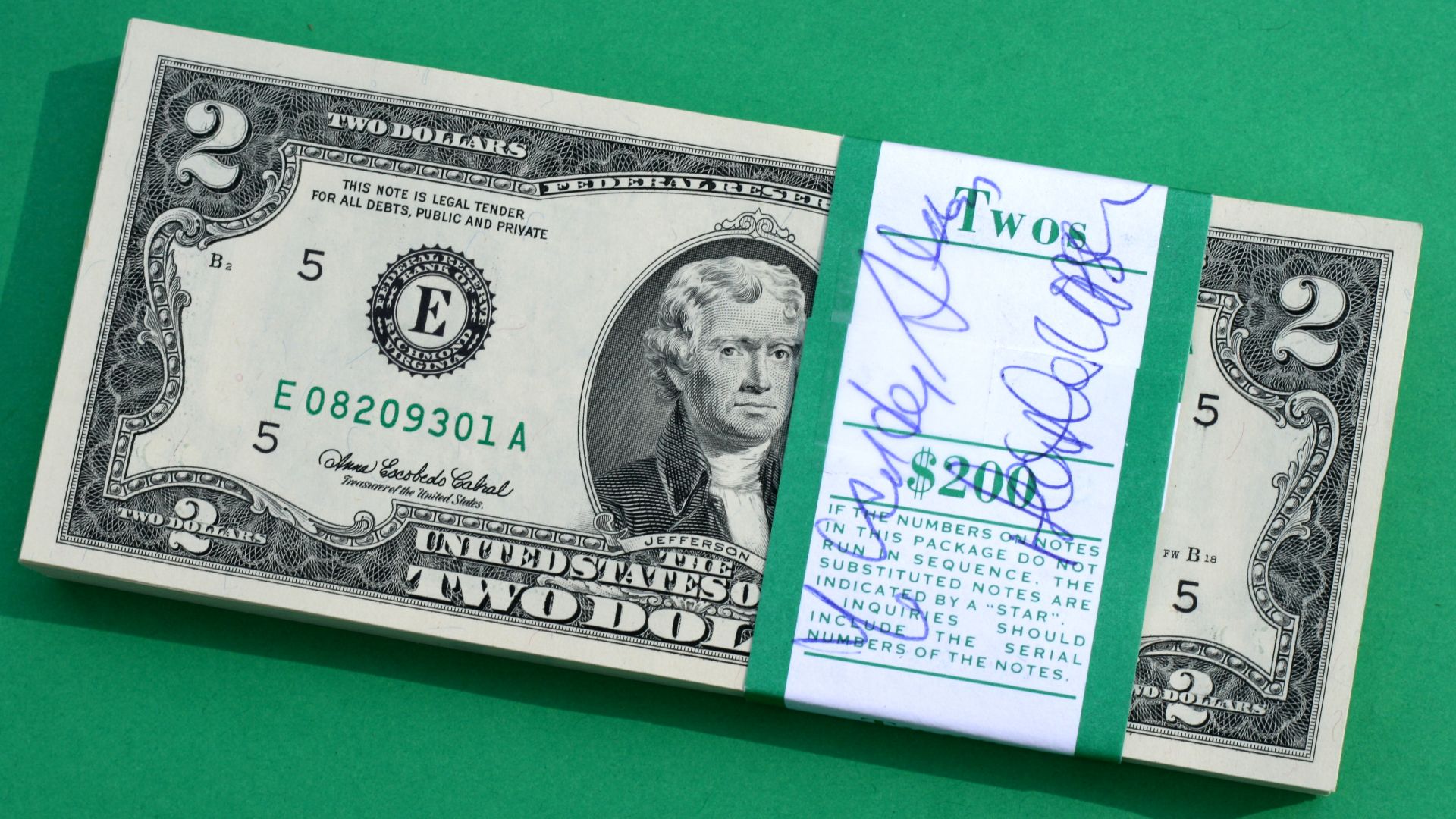 Ildar Sagdejev (Specious), Wikimedia Commons
Cashiers Don’t Want to Make a Mistake
Retail workers are responsible for accepting legitimate money.
If they accidentally accept counterfeit currency, the loss often falls on the store. So when something unusual appears, caution is safer than speed.
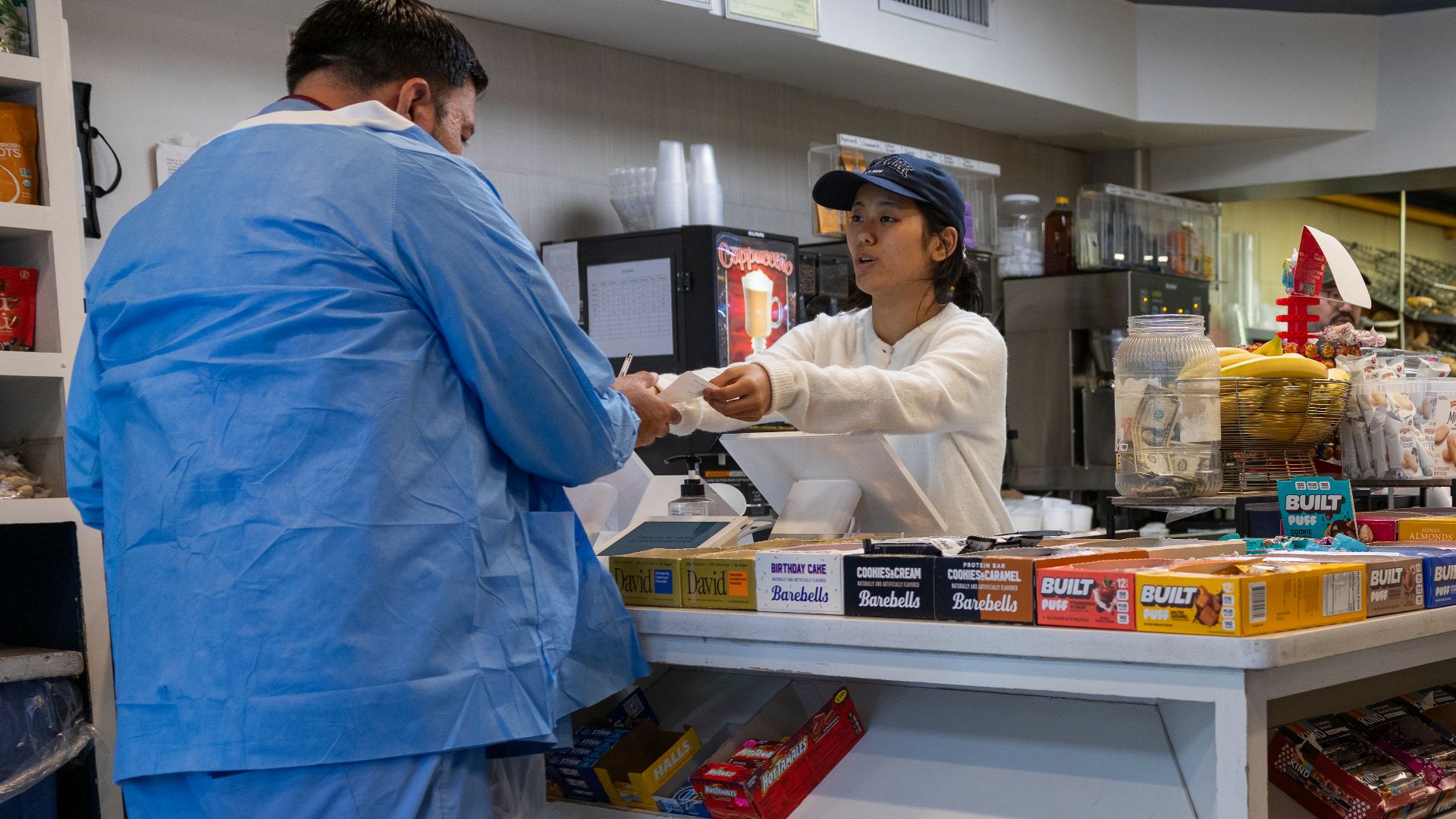
It Slows Down the Line
Even a 10-second pause can feel long at checkout.
When a cashier double-checks a $2 bill or calls a supervisor, it draws attention. That social spotlight makes the moment feel more dramatic than it actually is.
They Show Up in Very Specific Places
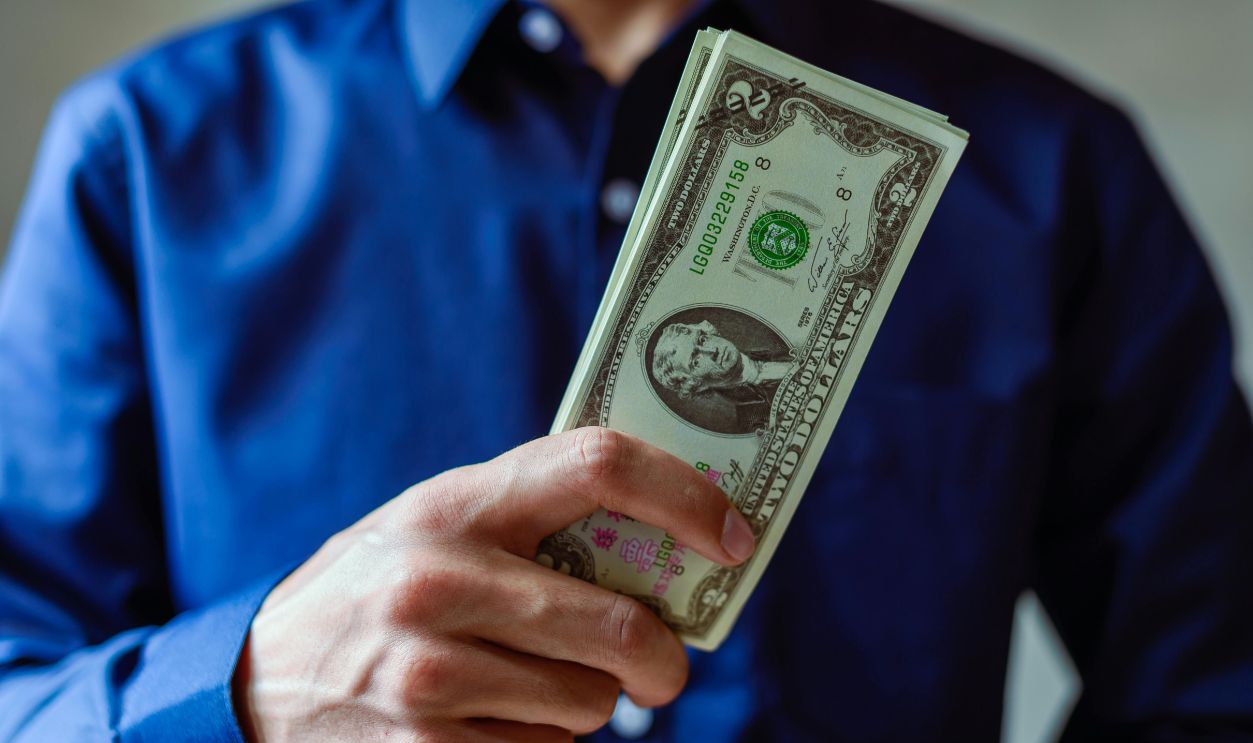
You’re more likely to see $2 bills at events, novelty purchases, or certain live entertainment venues where they’re used for tipping because they stand out. That concentrated use keeps them circulating in pockets of the economy—but not in everyday retail. And that contrast makes them feel unusual at checkout.
There Are Over a Billion in Circulation
Federal Reserve data shows more than a billion $2 notes circulating in the U.S.
That may sound like a lot—but compared to tens of billions of $1 and $20 bills, it’s a drop in the bucket.
They’re Perfectly Spendable
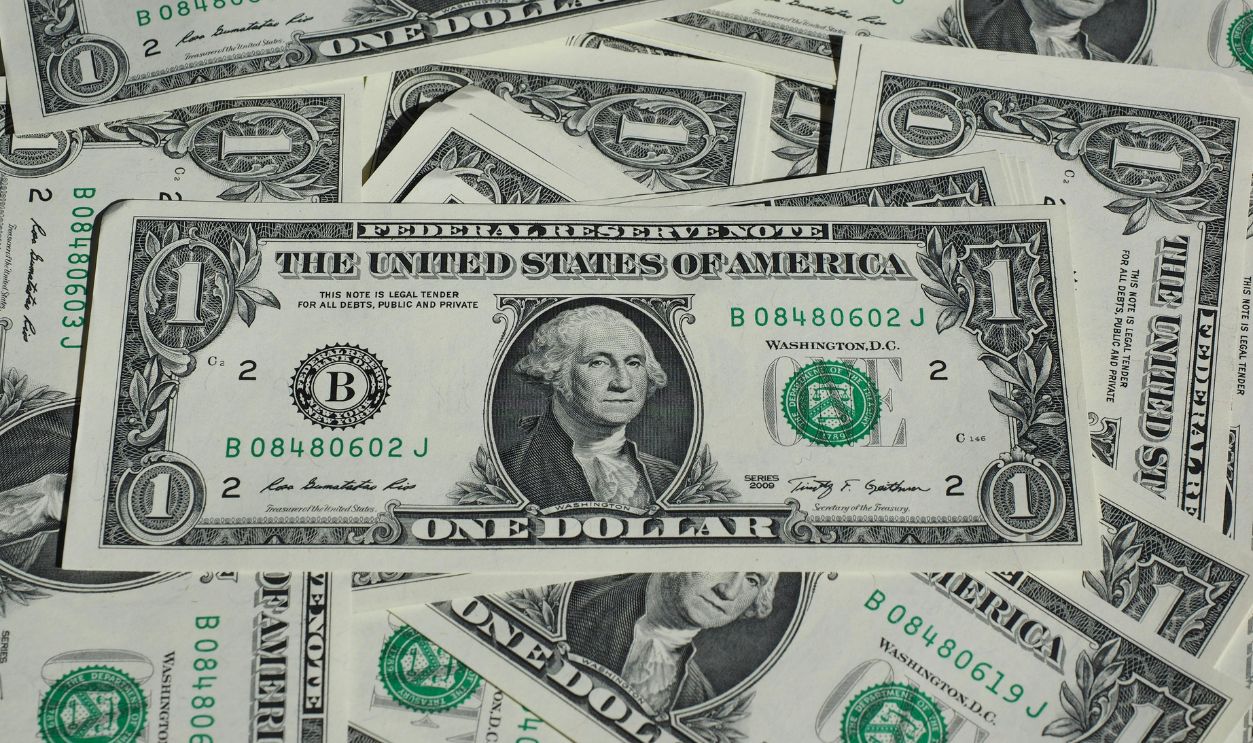
There is no law preventing businesses from accepting $2 bills.
They are full legal tender for all debts, public and private. If a store refuses them out of confusion, it’s usually a knowledge issue—not a legal one.
The Real Reason Behind the Awkwardness
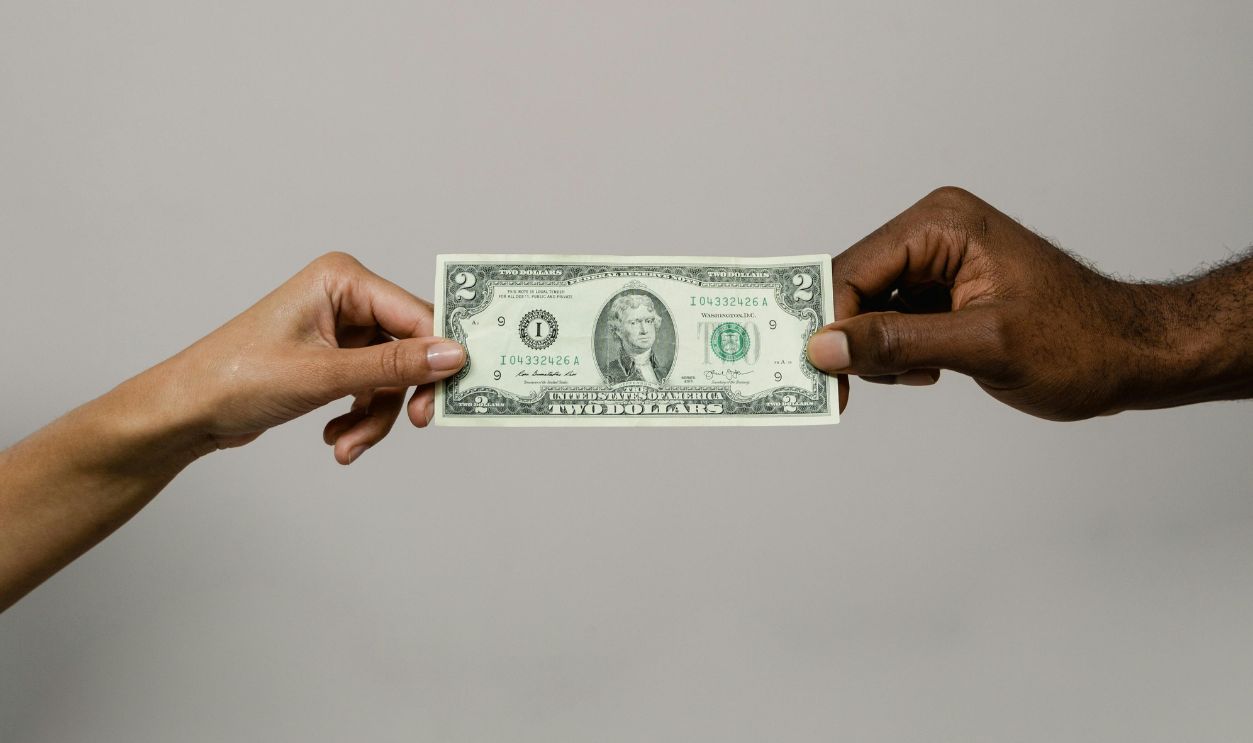
It comes down to psychology.
We’re wired to question what we don’t see often. $2 bills fall into that gray area—not rare enough to be collectible, not common enough to feel normal.
And that tiny bit of uncertainty is what makes checkout feel strange.
 Sascha Grosser, Wikimedia Commons
Should You Use One?
Absolutely.
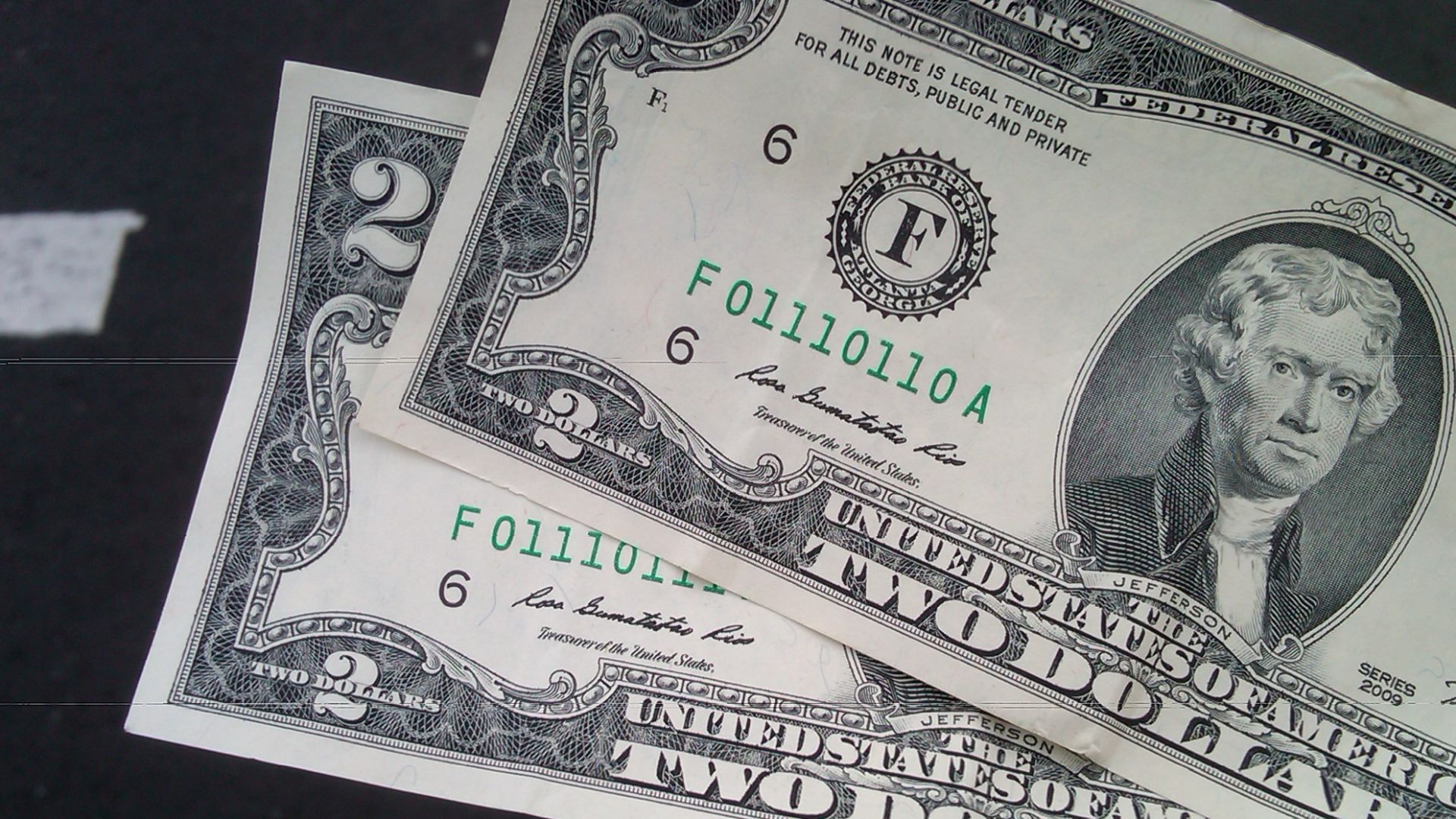
If you want to spend a $2 bill, go for it. Just expect a second look and maybe a brief pause. You might even spark a short conversation.
And honestly? That’s part of the fun.
 Anthony Inswasty, Wikimedia Commons
You Might Also Like: