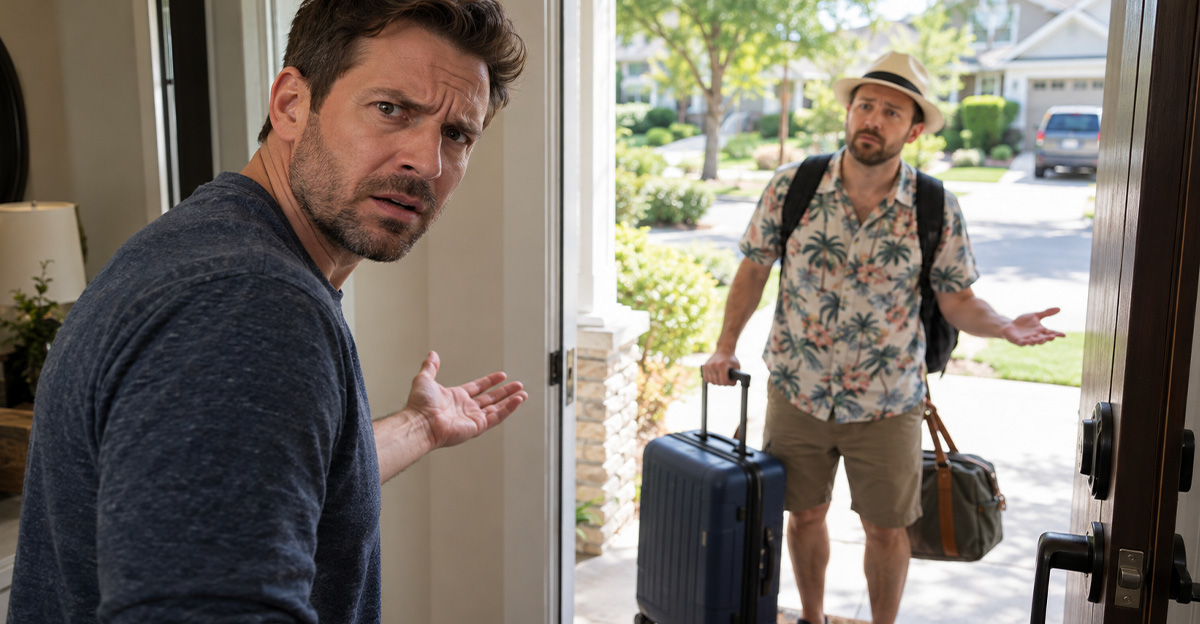
The Doorbell No Homeowner Wants
Imagine answering the door and finding a cheerful family carrying suitcases. They insist they rented your house for the weekend. There is only one slight problem: you have never rented your house to anybody. Unfortunately, fake rental listings are a very real scam, and homeowners can get dragged into the mess without knowing it.
How This Scam Usually Works
Fraudsters often copy photographs, addresses, and descriptions from legitimate real-estate advertisements, then create convincing rental listings using their own contact information. Some invent listings entirely. The Federal Trade Commission says scammers commonly collect deposits, application fees, or rent before disappearing.

Your House Is Not Suddenly A Rental
The encouraging news is that somebody posting your address online does not magically turn your home into a rental property. Under basic U.S. agency law, someone generally needs actual or apparent authority to enter agreements on your behalf before those agreements can bind you. A random scammer obviously has a serious authority problem.

Do Not Let Strangers Inside
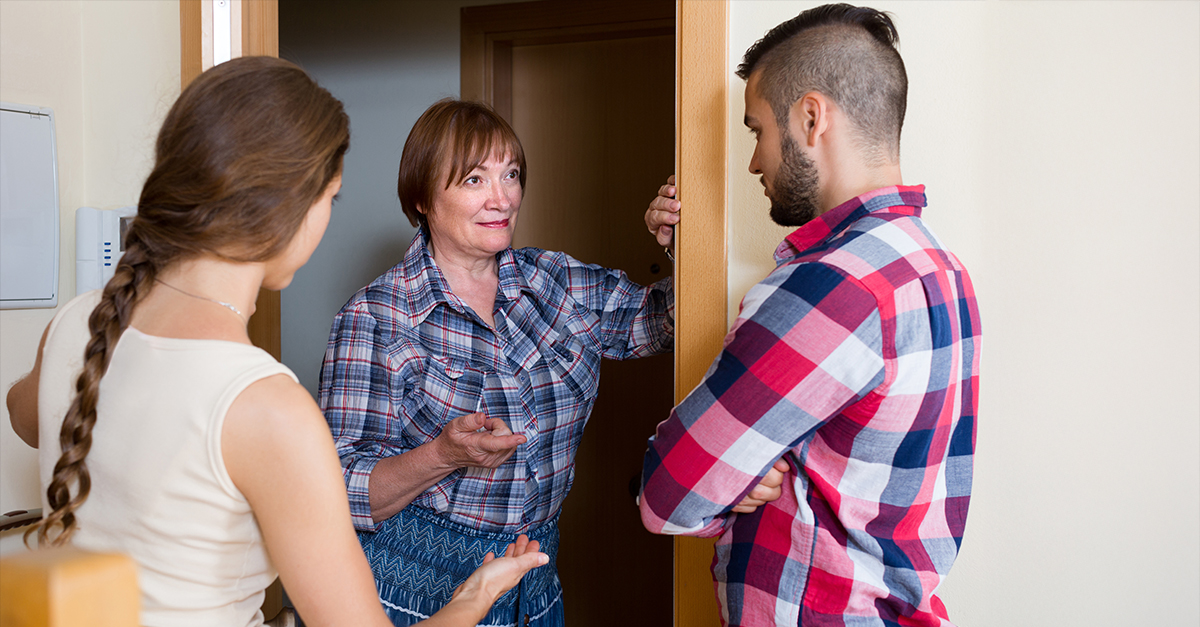
Even when the people on your porch seem perfectly innocent, do not let them inside to “sort things out.” They may genuinely have been scammed, but you do not know them. Explain through the door, doorbell camera, or another safe position that the property was fraudulently listed and that you never authorized the rental.

Be Kind To The Duped Guest
The visitors are probably victims too. They may have paid hundreds or thousands of dollars and arrived expecting a vacation instead of a fraud investigation. Calmly tell them to contact the booking service and their payment provider immediately. Giving them the listing information you have may also help them dispute the transaction.
Save The Evidence Before It Disappears
Before reporting the fake advertisement, take screenshots. Capture the property photographs, description, price, supposed host's name, phone numbers, messages, booking dates, and URL. Scammers can remove listings quickly. That evidence may become useful when dealing with the platform, police, insurers, banks, or an attorney.
 https://kaboompics.com/, Pexels
Search Your Own Address
Put your full street address into several search engines and major rental platforms. You may discover that the scammer has posted your house more than once. The FTC specifically recommends searching rental addresses online because duplicate listings with different owners, prices, or contact information are a common warning sign.

Report The Listing To The Platform
Use the platform's fraud or safety-reporting system rather than simply messaging the fake host. State clearly that you own or lawfully occupy the property, have never listed it for rent, and want the fraudulent listing removed. Include proof of ownership only through the company's legitimate support channels and only when necessary.

Put Everything In Writing
Telephone conversations are useful, but written records are better. Save emails, support-ticket numbers, chat transcripts, and dates. If guests keep appearing after you notified the company, your paper trail shows exactly when the platform learned of the problem and what happened afterward. That can become important if the situation escalates.

Ask For More Than One Takedown
Removing one advertisement may not finish the job. Ask the platform to search for duplicate accounts, copied photographs, and additional listings using your address. Fraudsters often reuse the same material. You want the address itself flagged internally if the service has a procedure for preventing another unauthorized listing from immediately appearing.

Make A Police Report
If strangers are repeatedly arriving, somebody has tried to enter the property, or money is being collected using your address, consider filing a report with local police. The FTC specifically recommends reporting rental scams to local law enforcement as well as the website carrying the advertisement.

Tell The FTC And State Attorney General
The FTC also asks consumers to report rental-listing fraud through ReportFraud.ftc.gov and recommends notifying the relevant state attorney general. One report may not produce an immediate knock on a scammer's door, but reports help authorities identify patterns involving the same people, accounts, payment methods, and platforms.

File With The FBI If Money Was Stolen
Because these schemes operate online, the FBI's Internet Crime Complaint Center can also be relevant, particularly when money has been transferred. The FBI advises rental-scam victims to preserve communications, contact their financial institution quickly after sending money, and submit an IC3 complaint.

Can The Fake Booking Bind You?
Usually, a scammer cannot create a legitimate landlord-tenant or vacation-rental agreement on your behalf merely by pretending to own your house. Agency law generally requires authority from the principal, or circumstances created by the principal that reasonably make someone appear authorized. A stranger stealing your address normally has neither.

A Fake Lease Does Not Grant Real Rights
Someone showing you a confirmation email does not automatically gain the right to enter or occupy your property. Property and landlord-tenant laws differ by state, however, so if anyone actually moves in, gains access, refuses to leave, or produces suspicious legal paperwork, contact local law enforcement and a local attorney promptly rather than improvising.

You Usually Do Not Owe The Guest's Refund
If a traveler sent $1,500 to a fraudster claiming to rent your house, that normally does not mean you received $1,500 or owe it back. Their payment dispute generally belongs with the scammer, booking platform, bank, or payment provider. Do not voluntarily accept responsibility for a transaction you never authorized.

But Yes, The Scam Can Still Cost You
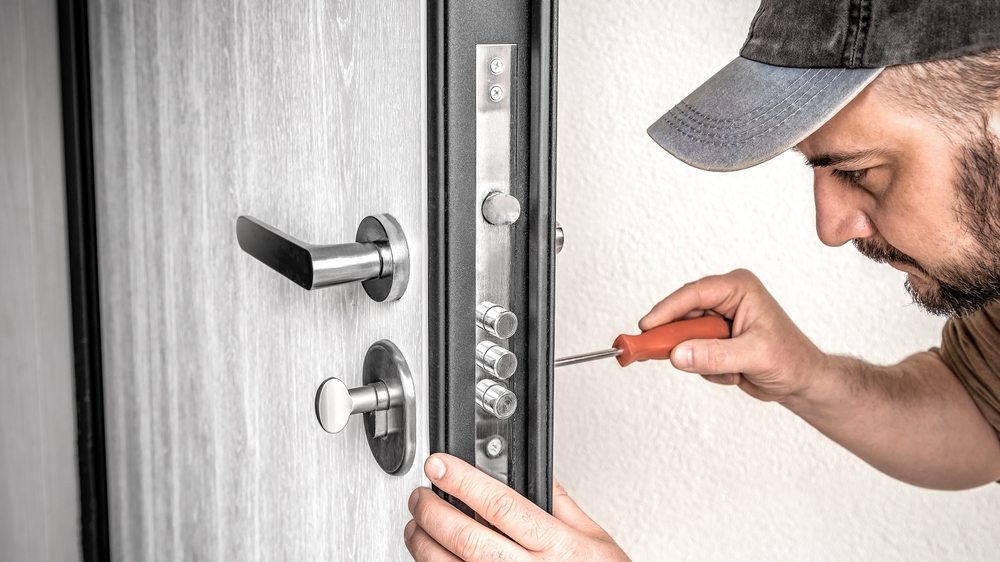
This is where the answer becomes irritating. Even when you owe the fake renter nothing, the scam can generate expenses. You might replace locks, install cameras, repair damaged landscaping, hire an attorney, miss work dealing with visitors, or pay an insurance deductible after property damage. Fraud can be expensive without creating a valid rental contract.
Watch For Property Damage
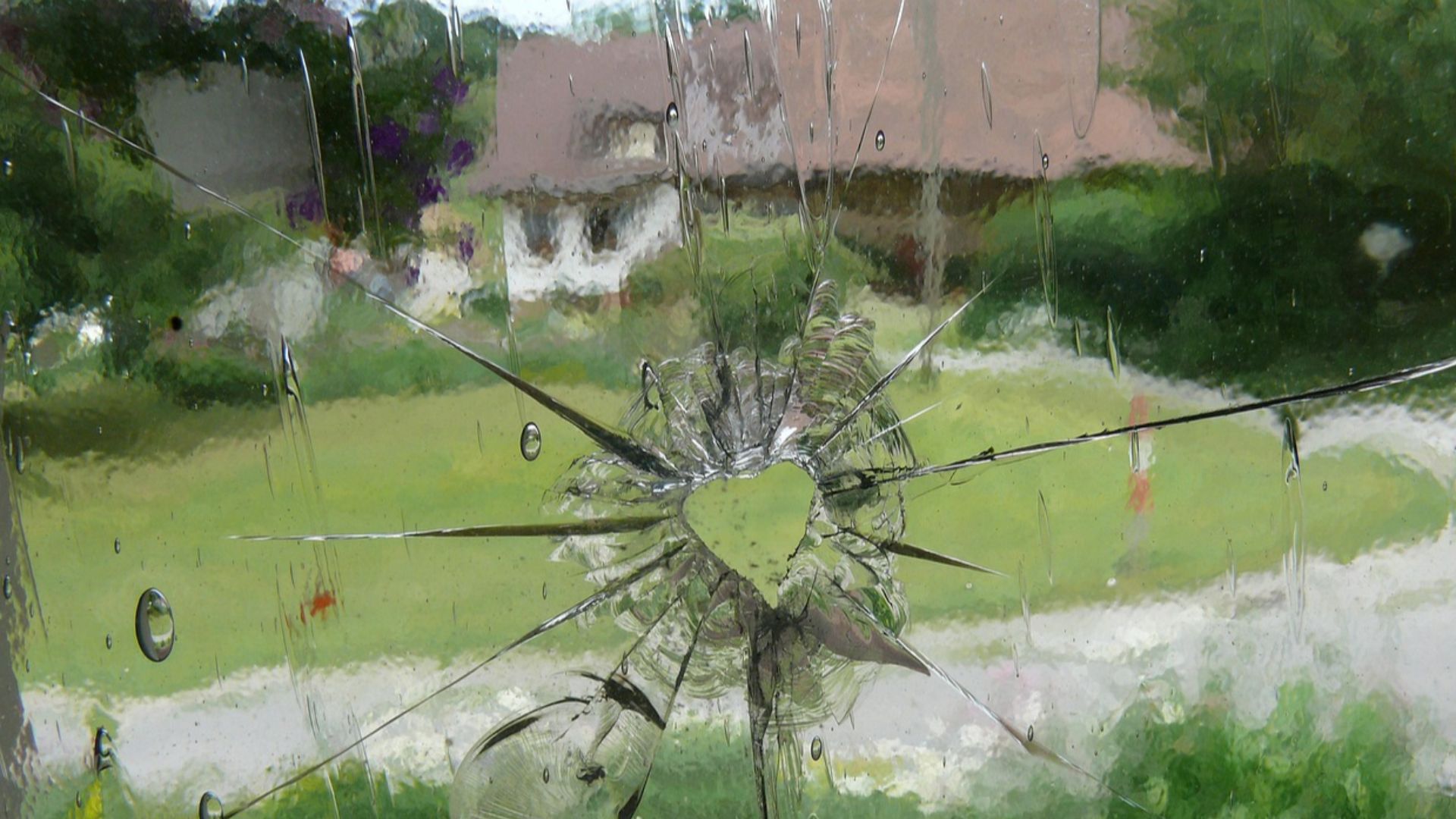
Most confused guests will simply leave. Others may become angry after discovering their vacation money vanished. Document any damaged doors, gates, windows, landscaping, or vehicles immediately. Avoid physical confrontations. U.S. trespass and premises-liability rules vary substantially by state, particularly concerning injuries and the amount of force a property owner may lawfully use.
Lock Down Compromised Accounts
If the fake advertisement contains information that was never publicly available, investigate how the scammer obtained it. Change passwords on real-estate, email, cloud-storage, and rental accounts, enable multifactor authentication, and review login activity. A stolen listing is annoying; a compromised email account can become a much larger financial headache.

Consider Identity Theft Protections
If the fraudster is also using your name, financial information, identification, or Social Security number, treat the situation as potential identity theft. The FTC says credit freezes are free and can prevent new credit accounts from being opened in your name. IdentityTheft.gov also provides individualized recovery steps.

Do Not Pay To Make The Problem Go Away
A fake guest may understandably demand reimbursement on your doorstep. Do not hand over cash merely because you feel bad for them. You could lose money without ending the dispute. Instead, direct them toward the booking platform, their bank or credit-card company, law enforcement, and the FTC while preserving your own documentation.

A Simple Sign Can Prevent Confusion
If visitors keep appearing, a temporary notice near the entrance can help: the property is privately occupied, is not available for rent, and any online rental advertisement is fraudulent. Keep it polite. The goal is not to turn your front porch into Fort Knox, but to stop confused travelers before they start unloading luggage.
Cameras Can Create A Useful Record
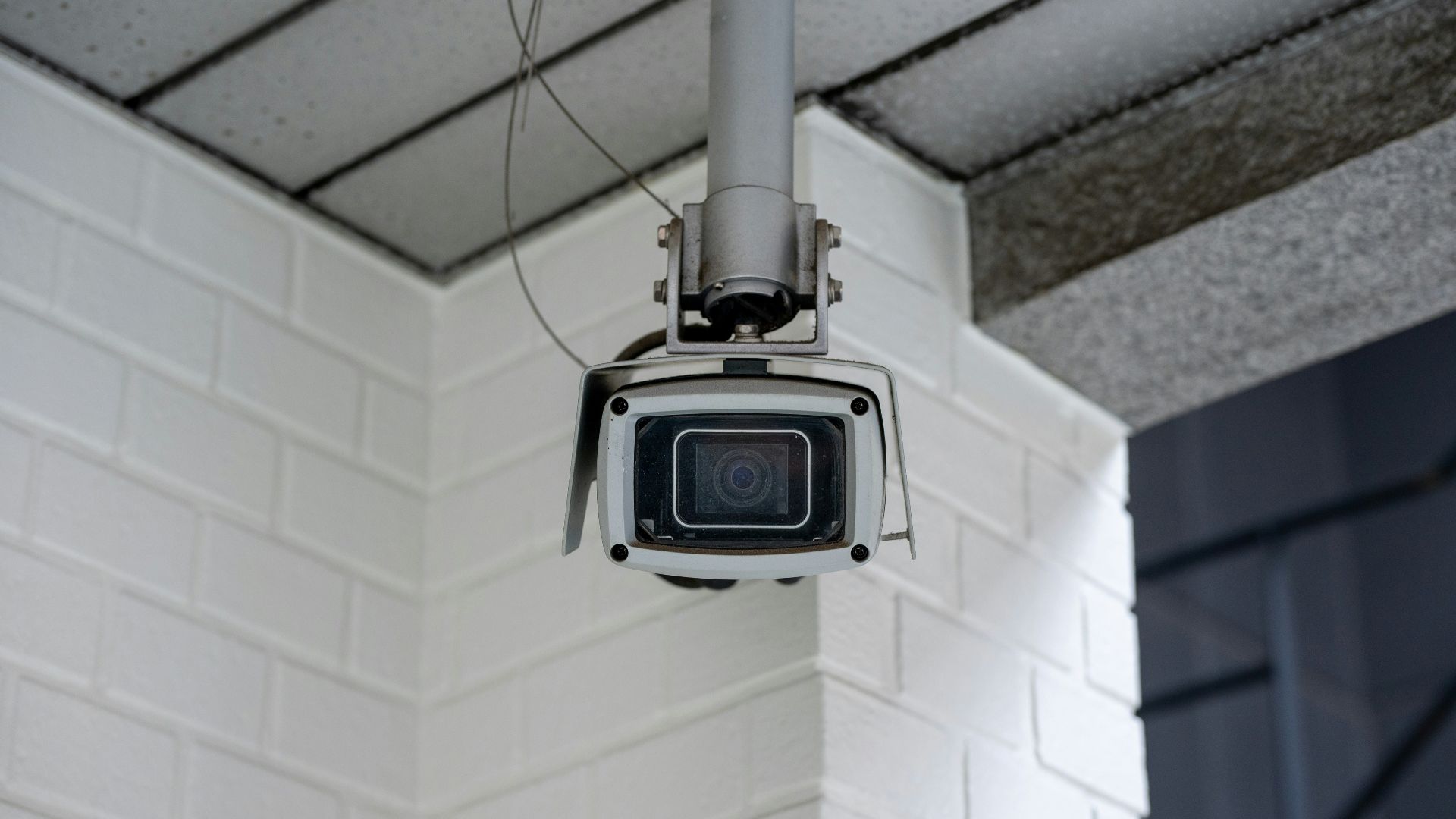
A video doorbell or exterior security camera can document repeated arrivals, suspicious vehicles, attempted entry, and conversations with supposed renters. Follow your state's privacy and audio-recording laws, particularly if recording sound. Save important clips rather than assuming a cloud service will preserve them indefinitely.
Tell Your Insurer When Damage Is Possible
If the situation has already caused damage or appears likely to escalate, review your homeowners policy and consider contacting your insurer. Coverage depends on the policy and circumstances, so do not assume every scam-related expense will be reimbursed. Your insurer can explain deductibles, exclusions, and documentation requirements before another incident occurs.

Suing The Booking Site Is Not Simple
It can be tempting to assume the website must pay because the fraudulent advertisement appeared there. That question is much more complicated. Federal law, including Section 230, can protect online services from certain claims based on third-party content, while other claims involving a platform's own conduct may raise different issues.

When A Lawyer Becomes Worth It
Consider speaking with a local attorney if the platform repeatedly ignores documented reports, guests continue arriving, somebody enters or occupies the property, you suffer substantial losses, or you receive legal demands from renters. State consumer-protection, property, contract, and negligence laws vary, so personalized advice matters once real money is at stake.

The Bottom Line
A scammer cannot normally turn your house into a legitimate vacation rental simply by uploading a few photographs and collecting somebody else's money. Still, fake listings deserve quick action. Preserve evidence, report the advertisement, document every incident, protect your accounts, and escalate when necessary. Your house may not be for rent, but your attention certainly is valuable.

You May Also Like:
Old Grocery Brands That Lost Shelf Space When Families Started Cutting Costs
1970s Shopping Habits That Would Feel Totally Foreign Today—Which Would You Actually Bring Back?