Are You Liable For The Broken Windows Of An Unmarked Police Car As A Firefighter?
The bill arrived days after the fire was out, the smoke had cleared, and the adrenaline had faded, and staring at it felt almost unreal because it was charging me personally for damage caused while doing my job. I kept rereading the line item for a broken window, trying to understand how a routine fireground decision somehow turned into a personal financial problem.
The Call That Went Sideways
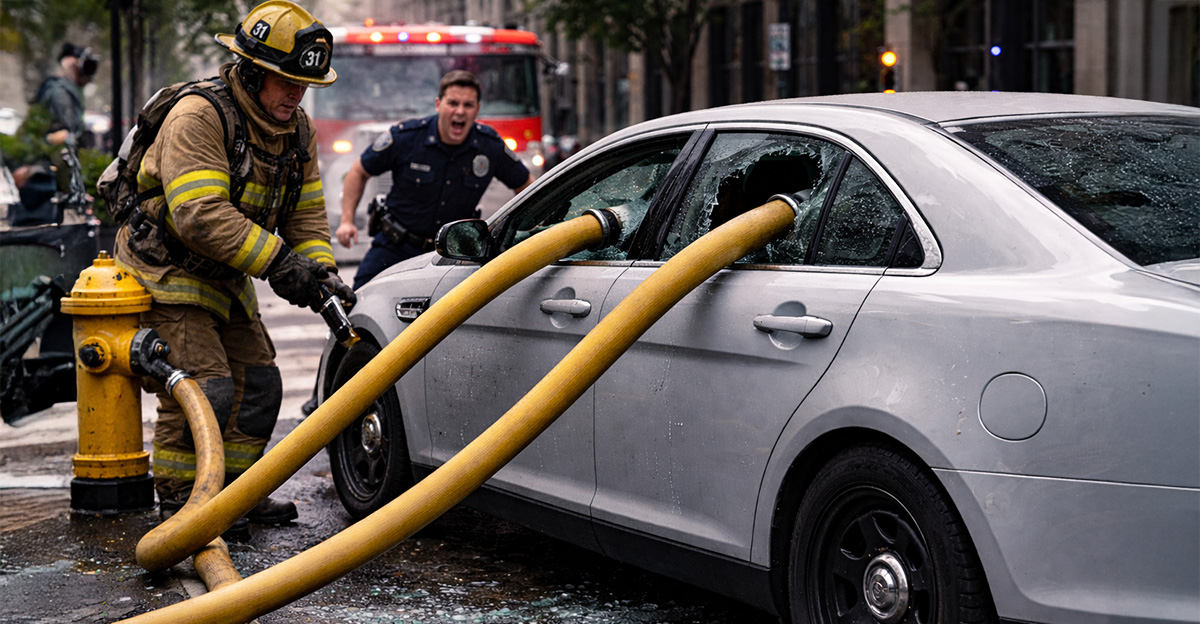
It was a standard emergency call, the kind where seconds matter and decisions are made with muscle memory rather than debate. In the chaos of the scene, I pushed the hose line through a car window to gain access and knock down heat, which is a move drilled into firefighters from day one. Only later did I learn that the vehicle wasn’t just any car, but an unmarked police vehicle parked nearby.
Why This Happens More Than You Think
Emergency scenes are unpredictable environments where cars, fences, doors, and windows often become obstacles rather than protected property. Unmarked police cars are designed to blend in, which means they are visually indistinguishable from civilian vehicles when smoke is rolling and visibility is limited. Firefighters are not expected to pause lifesaving operations to determine vehicle ownership.
The Big Legal Question
The moment you receive a bill like this, the obvious question becomes whether you are personally responsible for paying it. That question feels especially heavy when the damage happened during a call you were legally required to respond to.

Acting Within The Scope Of Duty
The most important concept in situations like this is whether you were acting within the scope of your official duties. If you were responding to an active fire, performing a recognized firefighting tactic, and following your training, the law generally treats your actions as those of your employer, not you as an individual. That distinction exists specifically to protect emergency workers from personal liability.
The Doctrine Of Necessity
There is also a long-standing legal principle called the doctrine of necessity, which allows property damage if it prevents greater harm. Breaking a window to fight a fire is exactly the kind of action courts consider necessary under emergency conditions. The alternative, allowing fire to spread unchecked, would be far worse.

Governmental Immunity Basics
Most states provide some form of governmental immunity that shields public employees from personal lawsuits when acting in good faith. This protection exists because society does not want firefighters second-guessing emergency decisions out of fear of personal financial consequences. Good faith mistakes are not treated as personal misconduct.
Who Actually Gets The Bill
Even when responders are protected, property damage still needs to be paid for by someone. In most cases, that responsibility falls on the city, municipality, or a government insurance pool rather than the individual firefighter. A bill addressed to you does not automatically mean you owe it.

Fire Department Policies Matter
Many fire departments have policies that explicitly state damage caused during emergency operations is covered by the department or municipality. Some departments actively discourage firefighters from paying out of pocket because it can interfere with insurance claims and legal protections. Checking your department’s policies is an important early step.

Unmarked Police Cars Complicate Things
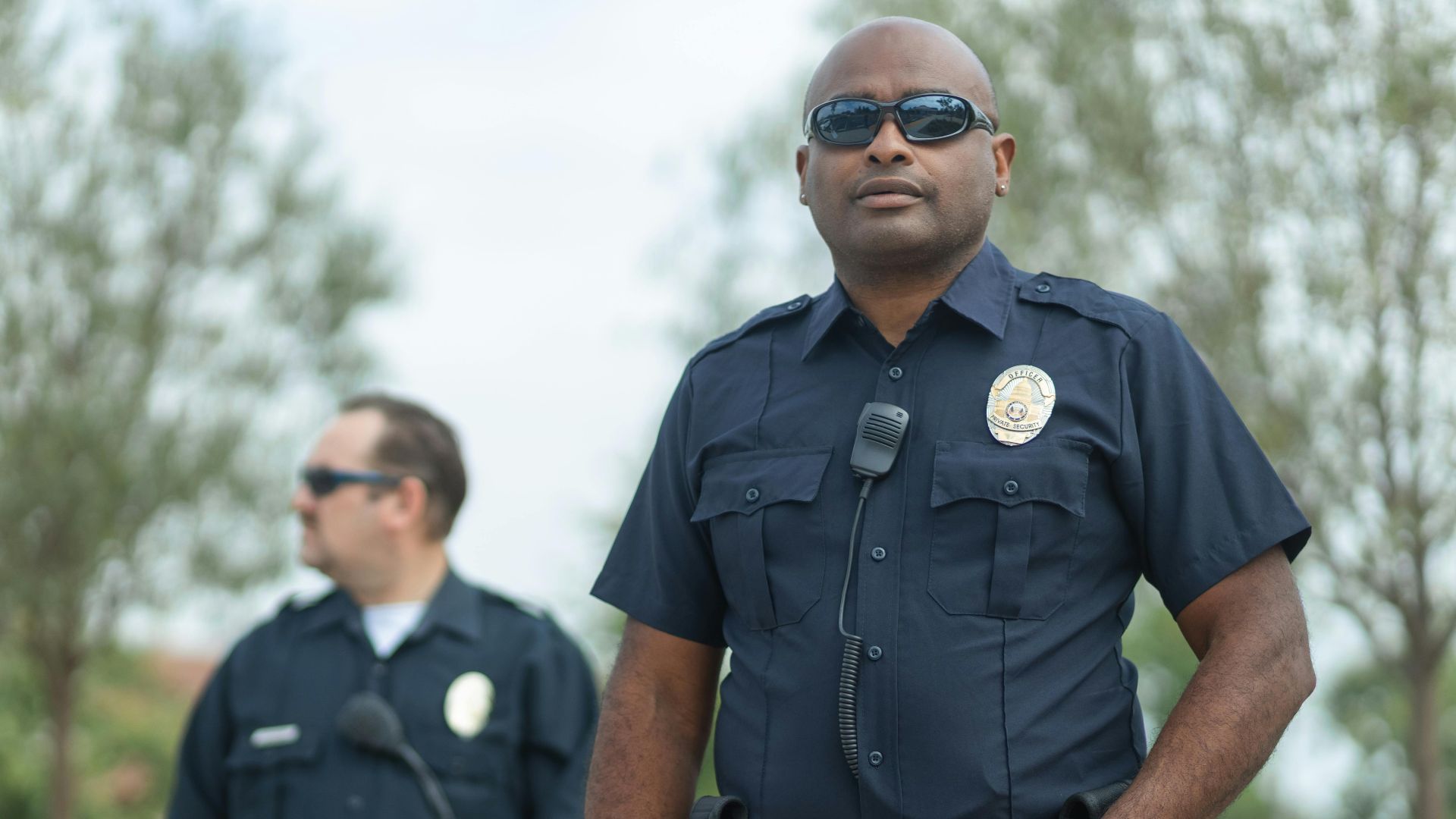
An unmarked police car may sound unusual, but legally it does not change much. If the vehicle was not clearly identifiable and was parked in or near a fireground, the responsibility does not shift to the firefighter. Fire scenes are not controlled parking environments.
When Police And Fire Are Both The Government
In many cities, both the fire department and police department fall under the same municipal umbrella. In those cases, the bill often represents internal accounting rather than an actual attempt to collect money from an individual. It is essentially the government arguing with itself.
Negligence Versus Emergency Judgment
The legal system makes a sharp distinction between emergency judgment and negligence. Emergency judgment includes fast decisions made under pressure, even if they result in property damage. Negligence requires behavior that is reckless, intentional, or completely outside accepted practice.
Your Personal Liability Risk
For firefighters acting appropriately during a call, personal liability risk is extremely low. Cities understand that holding individuals financially responsible would undermine public safety and morale. That reality drives most outcomes behind the scenes.

Indemnification And Defense
Many municipalities are legally required to indemnify their employees for actions taken during official duties. This means the city covers legal defense and financial responsibility if a claim arises. You are rarely expected to navigate this alone.

Insurance Enters The Chat
Municipal insurance policies typically cover property damage caused during emergency response. When police vehicles are involved, their insurance may pay first and then seek reimbursement through internal channels. This process usually excludes the firefighter entirely.

Subrogation Explained Simply
Subrogation is the insurance industry’s version of arguing over the check. Insurers negotiate with each other to determine who ultimately pays, and those discussions happen far away from the firehouse. You are not meant to be involved in that process.

Claims And Appeals Process
If you receive a bill, the worst thing you can do is ignore it or panic. The correct move is to forward it to your supervisor or the city’s risk management office. Most claims are resolved once they reach the appropriate department.

Deadlines And Paperwork
There are timelines involved, but they are designed for institutions, not individuals. As long as you report the incident promptly and accurately, you are doing your part. Documentation protects everyone involved.

What To Say (And Not Say)
When responding to questions, it is important to stick to factual descriptions of the incident. Avoid language that sounds like admitting fault or regret for performing your duties. Let policy and law speak for you.

Real World Outcomes
In the vast majority of cases, firefighters do not end up paying these bills personally. The claim is either withdrawn, reassigned, or absorbed by the municipality. Actual personal payment is extremely rare.
When You Might Actually Owe
Personal responsibility usually only arises if the firefighter was off-duty, acting outside protocol, or caused damage unrelated to the emergency. If none of those apply, the odds are strongly in your favor. This distinction matters.
 Fractal Pictures, Shutterstock
How To Push Back Politely
A calm, professional response directing the claim to city risk management is often all it takes. Clear communication prevents escalation. There is no need for confrontation.

Small Claims Or Lawyer?
Most cases never reach a courtroom or small claims filing. If legal representation is required, it is typically provided by the city or union. Hiring a personal attorney is rarely necessary.
Emotional Whiplash After The Call
Receiving a bill after saving lives feels jarring and unfair. That emotional reaction is normal and understandable. It does not mean the system is actually against you.

Prevention Tips For Next Time
While you cannot prevent all damage, thorough documentation can reduce future confusion. Clear reports help clarify why actions were taken. Good records are quiet allies.

The Bottom Line In Plain English
If you damaged a vehicle while fighting a fire and acting within your duties, you almost certainly do not have to pay for it personally. This is an administrative and insurance issue, not a personal debt. The law recognizes the realities of emergency response.

When In Doubt, Take It Up With The City
Firefighters are expected to act decisively in moments where hesitation can cost lives. The legal system is built to support those decisions, not punish them after the fact. If you get a bill like this, take a breath, pass it along to the right people, and trust that the system usually works it out.
You May Also Like:
Your Car Is Secretly Threatening Your Life With These Hidden Dangers
How To Get The Best Gas Mileage In 2026, According To Experts
New companies are using AI to successfully appeal their denied health insurance claims.