
When “It’s Just Paperwork” Suddenly Feels Huge
At first, being named executor can sound like an honor. A sign of trust. Then reality kicks in. If your gut says “this feels like too much,” that reaction matters. But it's probably best to starts with understanding what an executor actually does.

What An Executor Actually Does
Executors don’t just sign papers. They manage the entire estate process. That can include locating assets, paying debts, filing tax returns, distributing property, and dealing with courts. Studies show executors spend hundreds of hours on these tasks, and probate commonly stretches close to a year or longer, even for relatively straightforward estates.

Why State Laws Can Change The Entire Job
Executor duties aren’t one-size-fits-all in the U.S. Each state sets its own probate rules, deadlines, fees, and paperwork requirements. Some states allow streamlined processes, while others require court filings and approvals that stretch the role out for months—or longer.

How State Differences Can Affect Your Stress Level
Where the estate is located can determine how much time, liability, and hands-on work is involved. Bond requirements, creditor notice rules, and executor compensation laws vary widely. The same estate can be relatively simple in one state and overwhelming in another.

Why The Country Matters Even More
The executor role differs significantly between countries. In the U.S., court procedures and creditor rules often drive the workload. In Canada, executors must also handle final tax filings and obtain clearance certificates before distributing assets, which can significantly delay the process and increase responsibility.

The Emotional Load Is Often The Hardest Part
This role isn’t just logistical. You’re handling your parent’s final wishes while managing your own grief. That combination can feel overwhelming, especially if siblings or relatives disagree. Surveys show that more than one-third of families experience conflict tied to estate issues, often because expectations weren’t clearly planned ahead.

Time Commitment Is Usually Underestimated
Many people assume it’s a short task. In reality, estates can take six months to well over a year to resolve. Executors often juggle court filings, creditor notices, and follow-up paperwork over time. What sounds manageable upfront can quietly become a long-term obligation.

Family Dynamics Can Get Complicated Fast
Money changes relationships. Even close families can experience tension once estates are involved. Executors often become the point person for questions, complaints, and suspicions. Research consistently shows that lack of estate clarity is a major driver of family disputes after a death.

You’re Personally Responsible If Things Go Wrong
Executors are legally responsible for following the will and state laws. Mistakes—like missed deadlines or improper distributions—can create legal issues. While will challenges are relatively rare, they do happen, and executors are often pulled directly into those disputes when they arise.

You Don’t Need To Say Yes Just Because You’re Asked
Many people feel obligated to accept out of guilt or family expectations. But serving as executor is voluntary. Declining doesn’t mean you don’t care. It means you’re being honest about your limits—and that’s responsible, not selfish.

It’s Okay To Be Honest About Your Capacity
You don’t need a dramatic explanation. Saying you’re worried about time, stress, or emotional readiness is enough. Most parents want their estate handled smoothly, not at the cost of their child’s well-being.

Suggesting A Backup Or Professional Is Reasonable
If you’re unsure, you can suggest naming a backup executor or a professional fiduciary. Many estates use attorneys or trust companies to handle details, especially when assets or family situations are complex.
You Can Still Support Without Being Executor
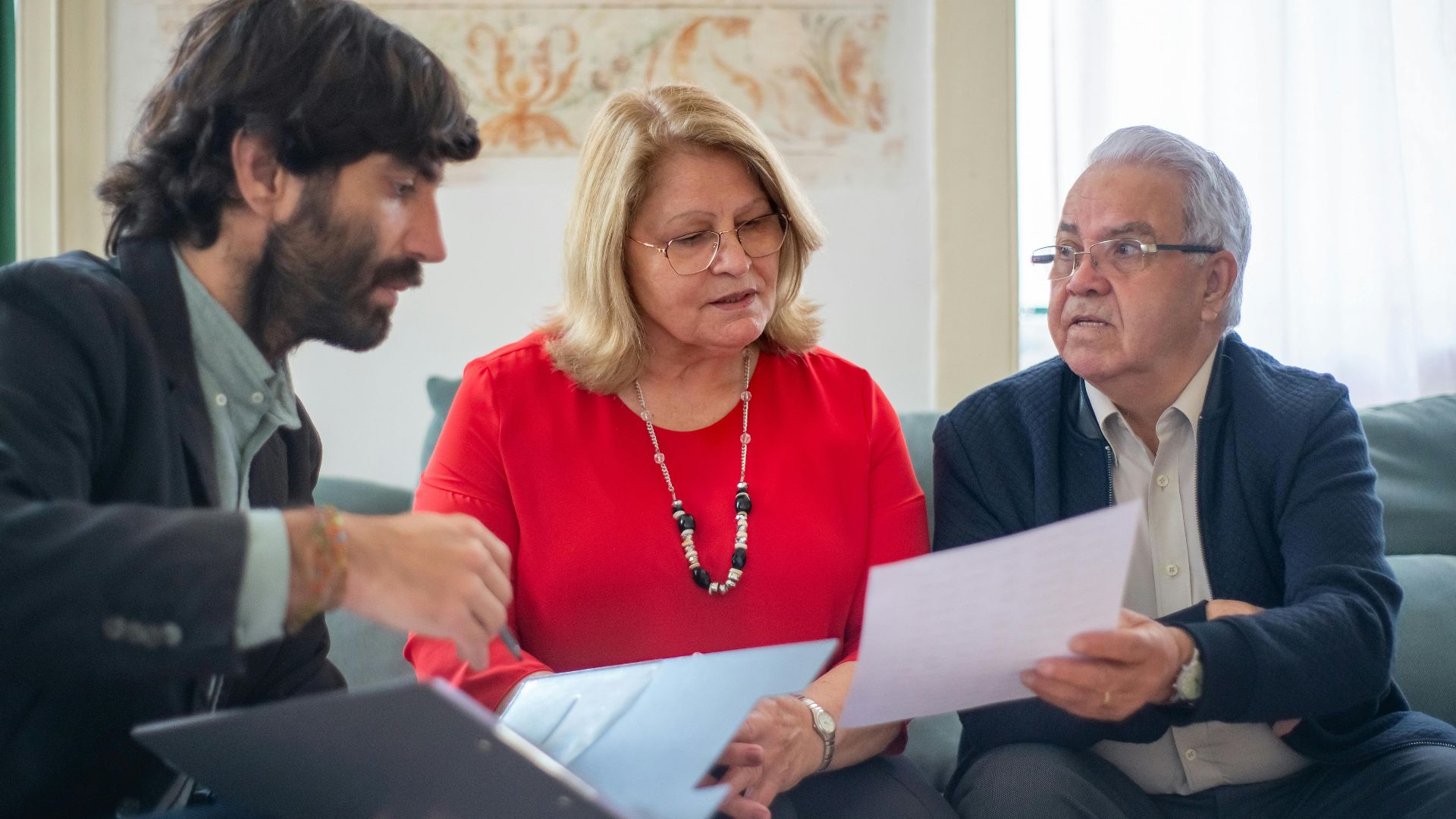
Declining the role doesn’t mean stepping away entirely. You can help organize documents, attend meetings, or support whoever is appointed. Executor is just one role—there are many ways to be involved without carrying full responsibility.

If You’re On The Fence, Ask Questions First
Before deciding, ask what assets are involved, whether a lawyer is already planned, and how complex the estate is. A simple estate looks very different from one involving businesses, property, or blended families.

Anxiety Now Is A Warning Sign, Not A Flaw
If thinking about this already feels overwhelming, listen to that. Executors frequently report the role taking far more time and energy than expected. Your discomfort now may be your instincts protecting you from burnout later.

There’s No “Perfect” Executor Choice
Families sometimes assume there’s an obvious answer. In reality, the best executor is someone willing and able—not just available by default. Recognizing you may not be that person is thoughtful, not disappointing.

How To Start The Conversation Gently
You can lead with appreciation. Acknowledge the trust she’s showing. Then explain your concerns calmly. Framing it as wanting her wishes handled properly—not avoiding responsibility—keeps the focus on her peace of mind.

What You Might Say, In Plain Language
Something simple works: you’re honored she trusts you, but you’re worried about the time, stress, or legal responsibility involved. Letting her know now gives her time to choose the best option without pressure.

This Is A Planning Conversation, Not A Crisis
Talking about executors is part of estate planning—not a rejection or emergency. Addressing it early is actually helpful. It allows changes without emotional urgency or last-minute decisions.

You Can Revisit The Decision Later
Even if you decline now, circumstances change. Health, finances, and support systems evolve. Estate plans can be updated. This doesn’t have to be a forever answer.
 John Guccione www.advergroup.com, Pexels
Choosing What Protects Everyone
The goal isn’t to prove responsibility—it’s to make sure things run smoothly when emotions are high. Sometimes that means stepping back so professionals can step in.

Trust Doesn’t Mean Obligation
Your mother’s trust in you is meaningful. But trust also includes believing you’ll speak up when something feels wrong. Being honest now is often the most respectful response.

It’s Okay To Protect Your Own Well-Being
Grief is hard enough without added legal pressure. Choosing not to be executor doesn’t mean you’re weak—it means you’re self-aware. That awareness can prevent resentment, mistakes, and unnecessary stress later.

The Right Answer Is The One You Can Live With
There’s no universally correct choice here. What matters is making a decision you can handle emotionally, practically, and mentally—both now and when the time eventually comes.

You Might Also Like: