
Medicare Covers A Lot, But The Gaps Can Be Expensive
Getting a Medicare card can feel like you’ve got all your bases covered when it comes to your health. Then the dental bill arrives, a rehabilitation stay starts charging hundreds per day, or a supposedly routine doctor visit produces an unexpected balance. Some of Medicare’s biggest surprises aren’t obscure technicalities at all; they’re the everyday healthcare expenses people understandably assumed would be covered.
Routine Dental Checkups, Cleanings, And Fillings
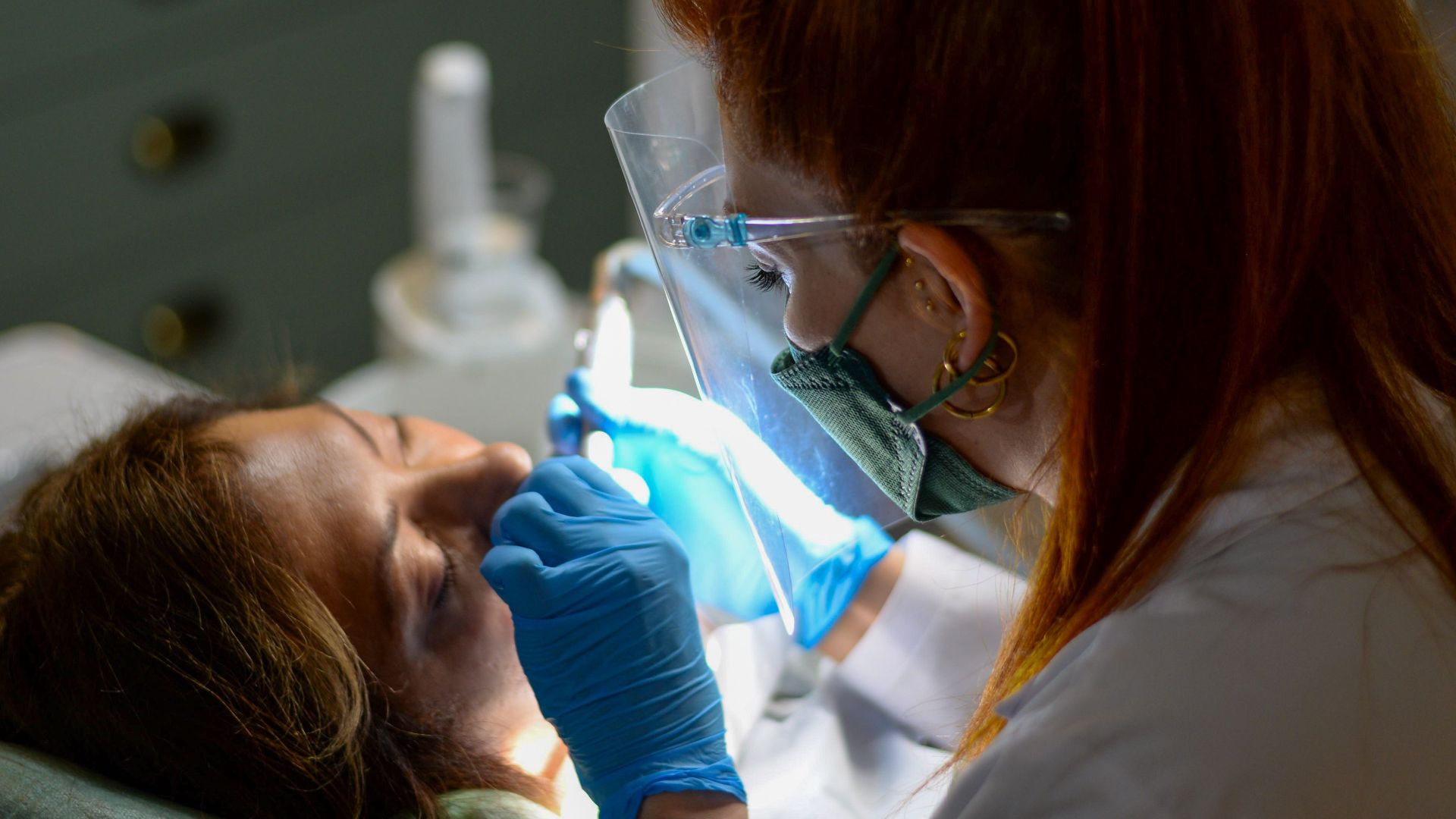
Original Medicare generally doesn’t cover routine dental services such as cleanings, fillings, and ordinary tooth extractions. Medicare has expanded coverage for certain dental procedures that are closely connected to covered medical treatment, such as dental work required before some transplants or cancer treatments. Those exceptions are important, but they don’t turn Medicare into everyday dental insurance.
Monthly Premiums After Retirement
Most beneficiaries don’t pay a premium for Part A because of their work history, but that can create the mistaken impression that Medicare itself is free. The standard Part B premium is $202.90 per month in 2026, and higher-income beneficiaries can pay more. Part D coverage, Medicare Advantage plans, and Medigap policies can each bring additional premiums depending on the coverage selected.

Prescription Costs Even With A Drug Plan
Part D coverage can dramatically reduce prescription exposure, but it doesn’t make every medication free. For 2026, out-of-pocket spending on covered Part D meds is capped at $2,100, so patients can still spend a significant amount before reaching that protection. The Medicare Prescription Payment Plan can spread qualifying costs throughout the year, but it doesn’t actually reduce the underlying price.

Dentures And Dental Implants
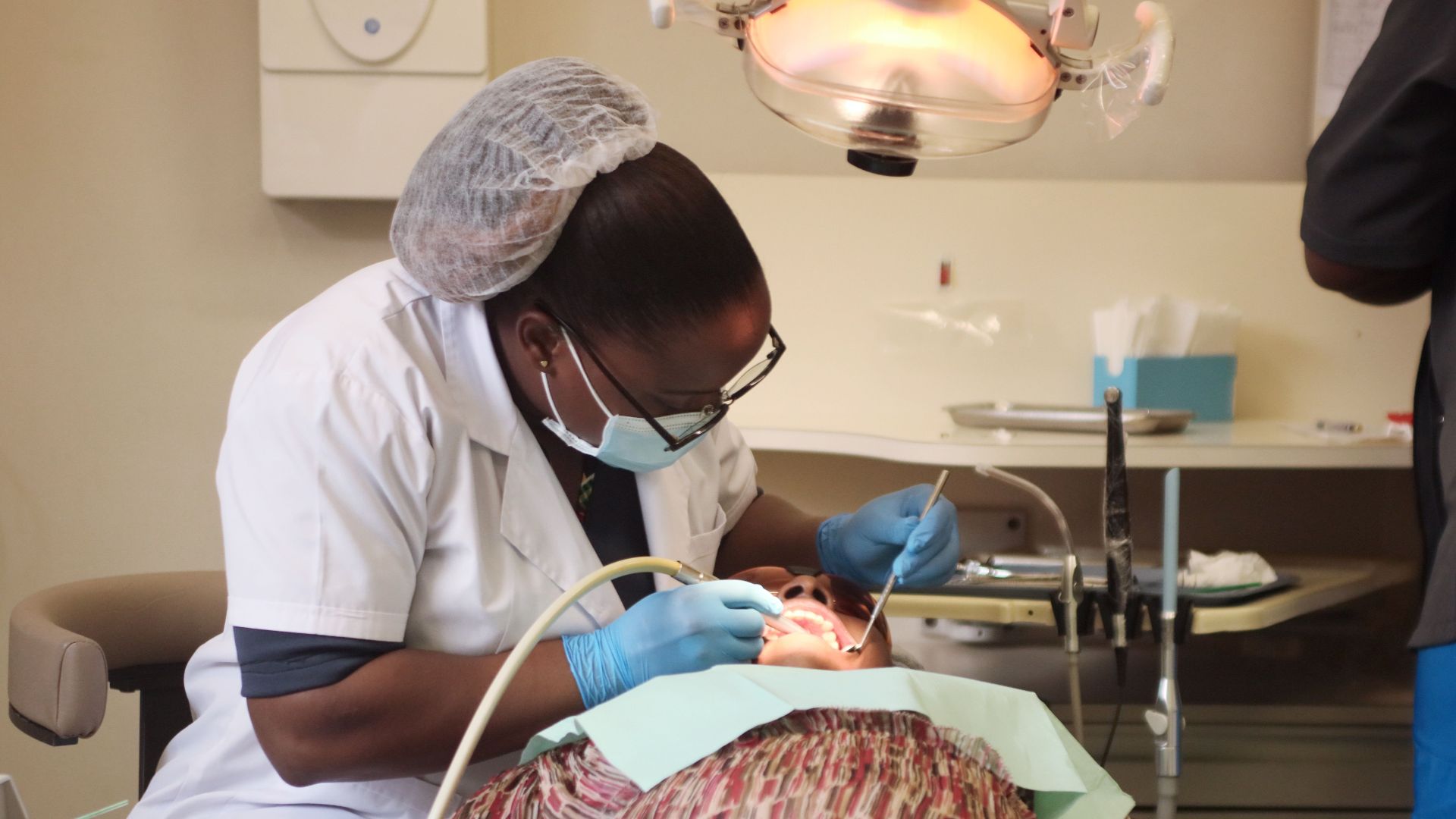
Losing teeth can affect eating, speech, and quality of life, yet Original Medicare generally doesn’t cover dentures or dental implants. That can leave retirees facing thousands of dollars in expenses even when replacing the teeth feels medically essential. Some Medicare Advantage plans include dental benefits, but their allowances, provider networks, and annual limits can vary considerably.
Routine Eye Exams And New Glasses
Original Medicare generally doesn’t cover routine eye exams performed to prescribe eyeglasses or contact lenses, and it usually doesn’t pay for the glasses themselves. There’s an important cataract exception: Part B covers one pair of standard-frame glasses or one set of contact lenses after each cataract surgery that implants an intraocular lens. Outside exceptions like that, routine vision expenses can remain largely out of pocket.

Hearing Aids And Fitting Appointments
Hearing aids can cost thousands of dollars, which makes Medicare’s treatment of them especially surprising. Original Medicare doesn’t cover hearing aids or the exams performed specifically to fit them, although Part B can cover diagnostic hearing and balance testing under qualifying circumstances. Some Medicare Advantage plans add hearing benefits, but Parts A and B alone don’t provide a general hearing-aid benefit.
 James Musallam, Wikimedia Commons
Long-Term Nursing Home And Assisted Living Care
One of the most expensive misconceptions about Medicare is that it will pay indefinitely when someone can no longer live independently. Medicare generally doesn’t cover long-term custodial care, including help with bathing, dressing, eating, and other activities of daily living, whether that care is received in a nursing home, assisted living facility, or the community. Medicaid, long-term care insurance, personal assets, or family resources often become much more important.

Hiring Someone To Help At Home Every Day
Medicare does offer a home health benefit, but it isn’t the equivalent of hiring a full-time caregiver. It can cover qualifying part-time or intermittent skilled nursing, therapy, and limited home health aide services when requirements are met. It generally won’t pay for 24-hour home care, housekeeping unrelated to the care plan, or personal assistance when that’s the only service someone needs.

The Later Weeks Of A Skilled Nursing Facility Stay
Even when Medicare approves a skilled nursing facility stay, coverage becomes expensive surprisingly quickly. In 2026, qualifying Original Medicare beneficiaries generally pay nothing for covered days 1 through 20, but days 21 through 100 carry a $217 daily coinsurance. After day 100 of the benefit period, Medicare’s SNF coverage ends, and coverage can stop earlier if skilled care is no longer medically necessary.

Rehabilitation After A Hospital “Observation” Stay
Spending several nights in a hospital doesn’t automatically mean someone was admitted as an inpatient. Under Original Medicare’s traditional SNF rules, a qualifying hospital stay generally requires at least three consecutive inpatient days, and time spent in observation or the emergency room before formal admission doesn’t count. Patients can therefore leave the hospital needing rehabilitation only to discover that the stay they thought qualified them for SNF coverage didn’t.

The Patient’s Share Of Doctor Visits And Outpatient Treatment
Original Medicare Part B generally leaves beneficiaries paying 20% of the Medicare-approved amount for many doctor and outpatient services after meeting the deductible. In 2026, the Part B deductible is $283. More importantly, Original Medicare itself has no annual out-of-pocket maximum, which means repeated 20% charges can become substantial without Medigap or other supplemental coverage.

A Hospital Deductible That Comes Around Again
The Part A hospital deductible doesn’t operate like a typical once-per-calendar-year deductible. It applies by benefit period. In 2026, that deductible is $1,736, meaning someone can potentially encounter it more than once in a year if separate hospital episodes create separate benefit periods.

Hospital Outpatient Facility Charges
Seeing a specialist or having a procedure in a hospital outpatient department can cost differently from receiving apparently similar care in a physician’s office. Medicare patients may owe their usual share of the clinician’s bill plus a separate hospital copayment. Medicare itself warns that outpatient services delivered in hospital settings can cost beneficiaries more than the same care elsewhere.

A Prescription That Isn’t On The Plan’s Drug List
Medicare drug plans maintain formularies, which are lists of medications they cover. A doctor can prescribe a perfectly legitimate drug that someone’s particular Part D plan doesn’t include or subjects to special requirements. Patients may need to try a covered alternative or ask the plan for a coverage exception rather than assuming the pharmacy will simply bill Medicare.

A Traditional Annual Physical
This distinction catches plenty of new Medicare beneficiaries off guard. Medicare covers a yearly Wellness visit designed around prevention planning, health risks, and certain screenings, but that isn’t the same thing as a traditional comprehensive routine physical. Original Medicare specifically lists routine physical exams among services it generally doesn’t cover.

Extra Services During A “Free” Wellness Visit
The Medicare Wellness visit itself can cost nothing when the provider accepts assignment, but the appointment can become chargeable when additional issues are addressed. Tests, treatments, or separately billed services performed during the same visit may trigger the Part B deductible and coinsurance. If the added service isn’t covered by Medicare at all, the patient could be responsible for the full charge.

Ambulance Bills
A medically necessary ambulance ride can be covered by Part B, but that doesn’t mean it’s free. After the Part B deductible, patients generally owe 20% of the Medicare-approved amount. Medicare also generally covers ambulance transportation only when another form of transportation could endanger the patient’s health and typically limits coverage to the nearest appropriate facility capable of providing the needed care.

Medical Emergencies Outside The United States
Retirees who travel internationally can be surprised to discover that Original Medicare usually stops at the border. There are narrow exceptions, including certain emergencies near the U.S. border and qualifying travel through Canada between Alaska and another state. Some Medigap policies provide limited foreign emergency coverage, but travelers shouldn’t assume an ordinary Medicare card works like worldwide travel insurance.

Wheelchairs, Walkers, And Other Medical Equipment
Medicare can cover qualifying durable medical equipment such as walkers, wheelchairs, hospital beds, and certain other devices, but “covered” still doesn’t necessarily mean free. After the Part B deductible, beneficiaries generally pay 20% of the Medicare-approved amount when the supplier accepts assignment. The doctor and supplier also need to meet Medicare’s enrollment and coverage requirements.
 Centre for Ageing Better, Pexels
Adult Diapers And Incontinence Supplies
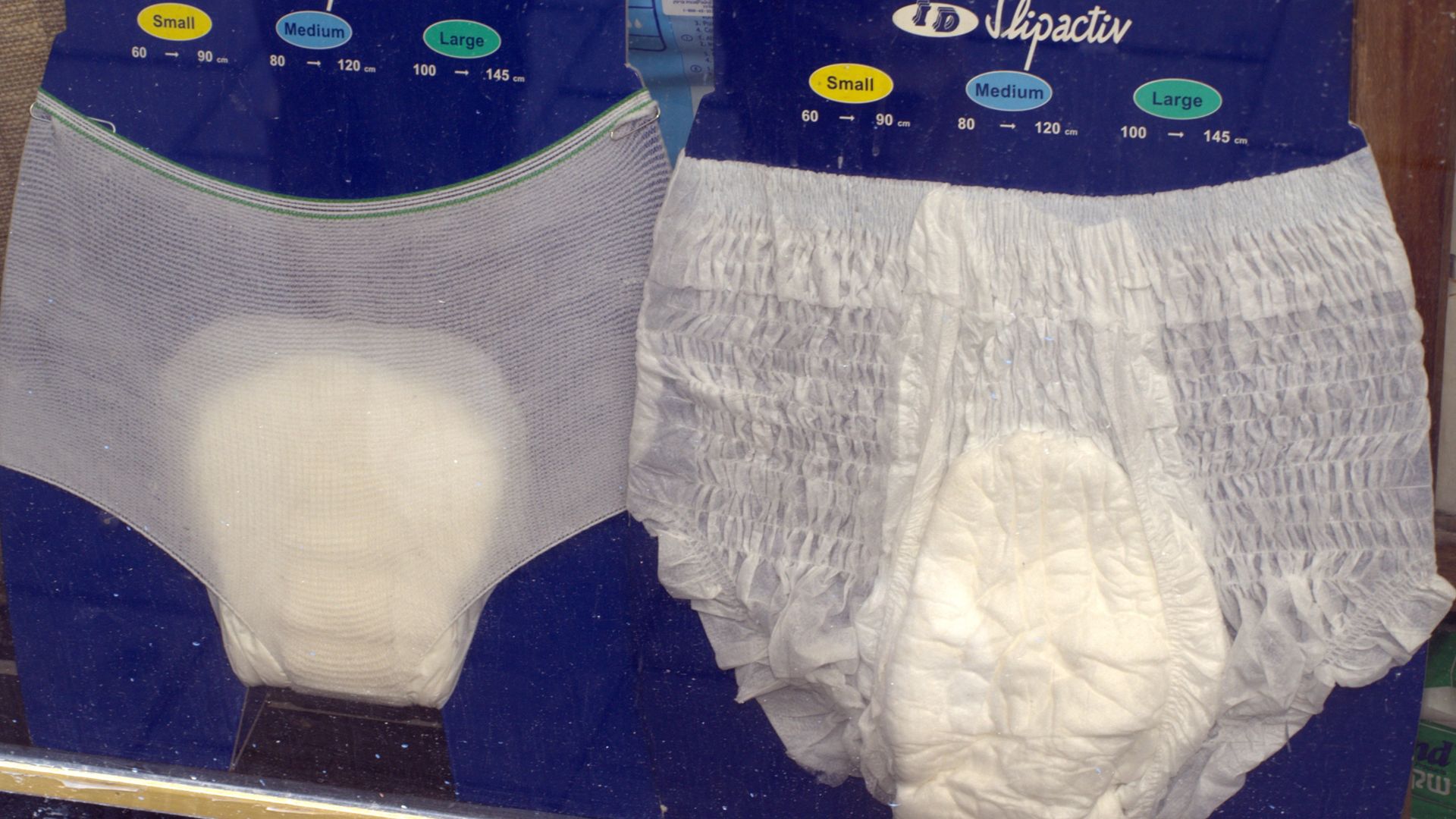
Incontinence products can become a significant recurring expense for someone who needs them every day. Original Medicare doesn’t cover adult diapers or ordinary incontinence supplies, even when they’re necessary to manage an ongoing medical condition. Unless another insurance program or benefit helps, the individual generally pays the entire cost.
 David Shankbone, Wikimedia Commons
Routine Toenail Trimming And Foot Maintenance
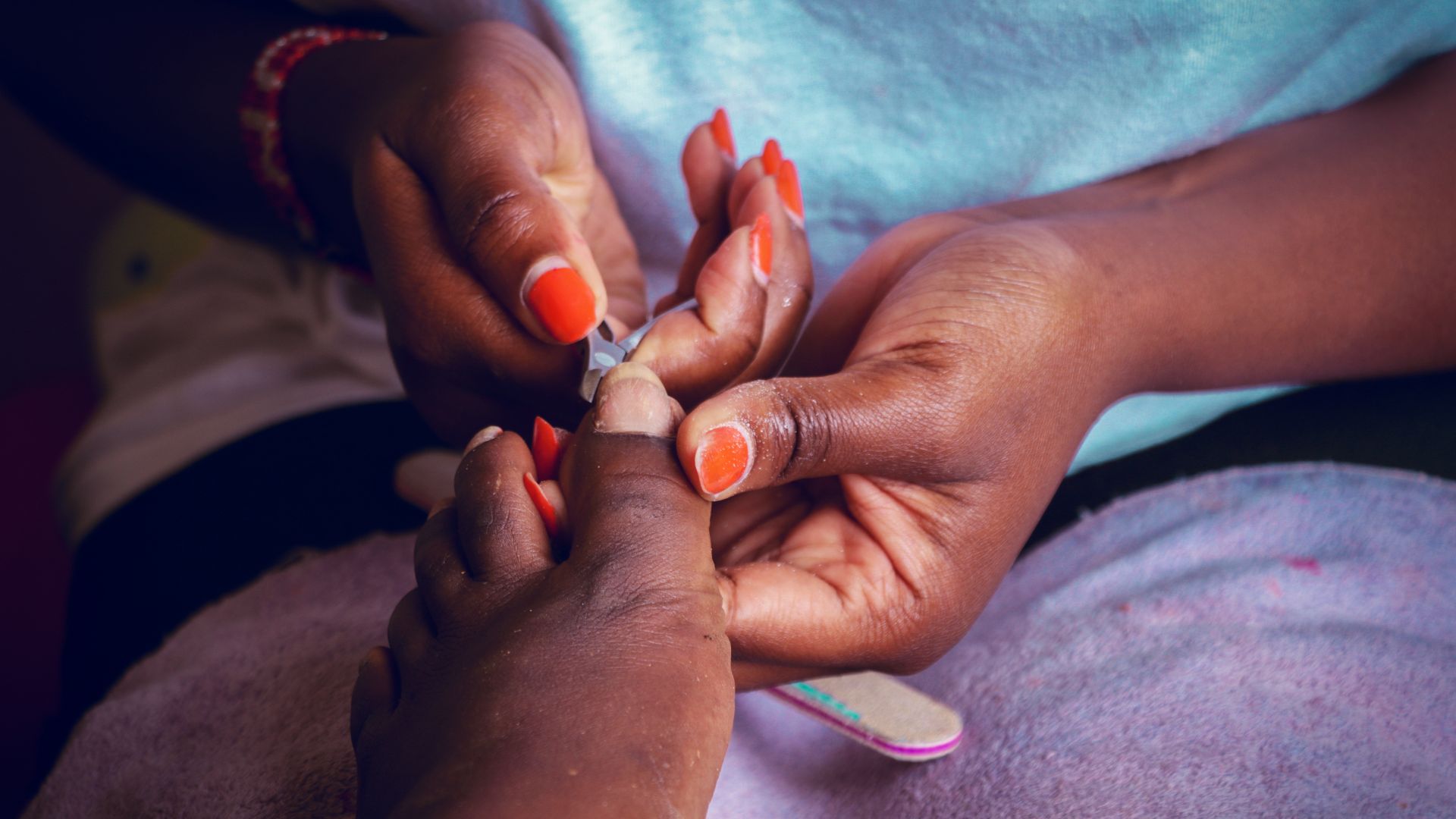
Having a podiatrist perform the service doesn’t automatically make it Medicare-covered care. Medicare generally excludes routine toenail clipping, callus and corn removal, and other ordinary preventive foot maintenance. It does cover medically necessary treatment for qualifying foot injuries and diseases, along with some limited foot-care benefits for people with certain medical conditions.
Membership Fees At A Concierge Medical Practice
A physician may participate in Medicare while also operating a concierge or retainer-based practice. Medicare can still pay for covered medical services under the normal rules, but it doesn’t pay the separate membership fee charged for access to the practice or non-covered amenities. Patients need to distinguish between what the membership buys and what Medicare is actually being billed for.

Appointments With Doctors Who Have Opted Out Of Medicare
A doctor can formally opt out of Medicare and enter into private contracts with patients. When that happens, Medicare generally won’t pay for services from that provider even when the same service would ordinarily be covered, except in certain emergency situations. Patients may have to pay the doctor directly under the terms of the private agreement.

Out-Of-Network Care Under Medicare Advantage
Medicare Advantage changes the provider-access rules considerably. A doctor can “accept Medicare” and still be outside someone’s particular plan network. HMO members generally need to use network providers for non-emergency care or risk paying the full bill, while PPO members can usually go out of network but commonly pay a higher share.

Room And Board While Receiving Hospice Care
Medicare’s hospice benefit can cover an extensive range of care related to a terminal illness, but it doesn’t automatically turn a nursing home or residential hospice stay into free housing. If someone lives in a nursing home or similar facility while receiving hospice services, ordinary room and board can remain their responsibility. Medicare can cover qualifying short-term inpatient hospice care or respite care arranged by the hospice team, but that’s different from paying for ongoing residence.

You May Also Like:
The Quiet Money Drains That Retirees Don't Realize Are Eating Their Savings
Bills Retirees Should Recheck Every Year Before They Drain Their Fixed Income
Changing Social Security Rules In 2026 Could Take Some Americans By Surprise