The Most Dangerous Bills May Be The Ones You’ve Stopped Looking At
The bills you’ve paid for years can be the easiest ones to overlook. They renew automatically, rise a little at a time, and rarely feel urgent enough to challenge. But by retirement, that kind of autopilot spending can quietly drain hundreds or even thousands of dollars a year.

Medicare Advantage Or Part D Coverage
Medicare plans can change their premiums, drug formularies, deductibles, copays, pharmacies, and provider networks from one year to the next. A plan that was a bargain when you enrolled may become surprisingly expensive without you changing anything. Medicare’s annual Open Enrollment period is designed partly for this reason, so compare your current plan against available alternatives instead of letting it renew automatically.

Medigap Premiums
Medigap coverage can provide valuable protection from out-of-pocket medical bills, but premiums typically rise over time. Review the increase every year and compare it with what similar coverage costs in your area. Be careful about cancelling or switching, though, because outside certain protected enrollment periods, medical underwriting may affect whether you can obtain a new policy or what you’ll pay.

Prescription Drug Costs
Even if your prescriptions haven’t changed, what you pay for them can. Drug-plan formularies, pharmacy networks, copays, and negotiated prices can shift from year to year. Run your current medications through Medicare’s Plan Compare tool annually rather than assuming last year’s cheapest plan is still the best one.

Homeowners Insurance
Home insurance premiums have climbed sharply in many parts of the country, and automatic renewal makes those increases easy to absorb without questioning them. The National Association of Insurance Commissioners recommends reviewing coverage annually. Compare quotes, deductibles, replacement-cost coverage, discounts, and whether your current limits still fit the home you actually own.

Auto Insurance
Retirement can completely change the way you use a car. If you no longer commute five days a week and your annual mileage has dropped dramatically, make sure your insurer knows. Shop competing quotes as well, because staying with the same company for years doesn’t guarantee you’re still getting its best price.

Collision And Comprehensive Coverage On An Older Car
Coverage that made perfect sense when a vehicle was worth $30,000 deserves another look when it’s worth $5,000. That doesn’t mean every retiree should drop collision or comprehensive coverage, but compare the annual premium and deductible with the car’s current value. You don’t want to spend years paying heavily to insure a relatively small potential payout.

Life Insurance Premiums
Life insurance may have been essential while you were working, raising children, or paying a mortgage. Decades later, the original need may have disappeared while the premium remains. Review why you still own the policy, what benefits it provides, whether anyone still depends on your income, and what cancelling or altering the policy would actually mean before making changes.

Long-Term Care Insurance
This is one bill that shouldn’t be cancelled simply because the premium increased. Long-term care policies can become much more valuable as you age, and replacing one later may be difficult or impossible. If premiums rise, ask the insurer about reducing benefits, adjusting inflation protection, or changing other features before abandoning coverage completely.

Property Taxes
Property taxes can become one of the largest expenses for retirees who own their homes outright. Many states, counties, and municipalities offer exemptions, credits, freezes, deferrals, or other relief for qualifying older homeowners. Those programs can have income limits or application deadlines, so rechecking local eligibility each year can be worth real money.

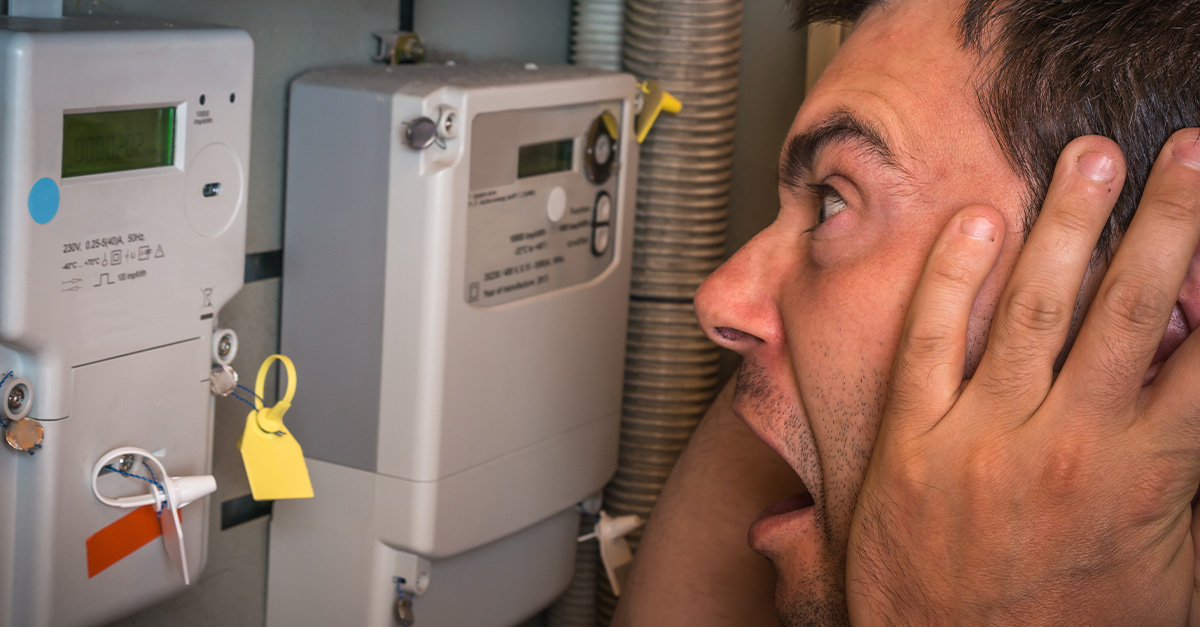
Electricity And Gas Bills
A utility plan you signed up for years ago may no longer be the cheapest available option. Depending on where you live, you may have choices involving time-of-use pricing, budget billing, efficiency programs, or assistance for lower-income households. Compare actual annual spending instead of judging the bill by one unusually mild month.

Water And Sewer Charges
Water bills can creep upward without attracting the same attention as electricity or insurance. Check for unexplained increases, outdated estimated readings, leaking toilets, dripping fixtures, and municipal senior-discount programs. A slow household leak can waste water for months while looking like nothing more than a gradually rising bill.

Internet Service
Retirees sometimes keep the high-speed internet package they needed when several people were working, gaming, and streaming in the house. Once the household changes, that premium tier may be unnecessary. Look at your actual needs, equipment rental fees, promotional rates that have expired, and competing plans at least once a year.

Cellphone Plans
Unlimited data sounds reassuring, but many retirees spend much of their time connected to home Wi-Fi and use relatively little cellular data. Review several months of actual usage before renewing the same expensive plan. Older-adult discounts, smaller carriers, prepaid service, and lower-data plans can all be worth comparing.

Cable And Satellite TV
Traditional television bills have a habit of growing through equipment charges, sports fees, regional fees, extra boxes, and expired promotional rates. If you’re only watching a handful of channels, calculate what those channels are effectively costing you. Calling to negotiate, downsizing the package, or changing how you watch television can produce substantial savings.

Streaming Services
Streaming was supposed to be the cheaper alternative to cable, but five or six subscriptions can recreate the bill surprisingly quickly. Services also raise prices and introduce new tiers over time. Rotate subscriptions according to what you’re actually watching rather than paying every service every month just in case something interesting appears.

Other Automatic Subscriptions
News sites, genealogy services, cloud storage, antivirus software, photo services, apps, audiobooks, meal memberships, and countless other subscriptions can disappear into a credit-card statement. AARP has specifically warned retirees about these kinds of “money leaks.” Review a full year of statements because annual subscriptions are especially easy to forget.
 daily_creativity, Shutterstock
Bank Fees
Monthly account charges, ATM fees, overdraft fees, paper-statement charges, and other banking costs are particularly frustrating because many consumers have alternatives. A retiree with stable deposits or retirement payments may qualify for fee waivers or a different account type. Paying $10 or $15 every month simply because you’ve banked there for decades deserves another look.

Credit Card Annual Fees
A premium travel card might have made sense when you were flying constantly for work. If retirement has changed your spending and travel patterns, a $95, $250, or larger annual fee may no longer produce enough value. Review every benefit you actually used during the previous year before paying the fee again.

Home Security And Monitoring
Alarm systems, camera storage, medical-alert features, and home-monitoring services can be worthwhile, particularly for older adults living alone. But contracts often accumulate equipment rentals and premium features that aren’t being used. Compare the current bill with newer plans and ask whether older equipment charges can be removed without sacrificing the protection you want.

Gym, Warehouse, And Other Memberships
Memberships are cheap when they’re used and expensive when they’re forgotten. A warehouse club that once served a family of five may make less sense for a two-person retired household, while a gym you rarely visit is simply another automatic withdrawal. Review club memberships, roadside assistance, professional organizations, and other recurring dues together once a year.

The Second Car
This isn’t a single bill, which is exactly why the cost can hide. A second vehicle means another insurance premium, registration, maintenance schedule, set of tires, depreciation, and possibly parking expense. Once commuting disappears, couples who rarely need two cars at the same time may discover that keeping the extra vehicle costs far more than occasional rentals or rideshares would.
 Lolostock - Apex Studios, Shutterstock
Fixed Income Makes “Set It And Forget It” Expensive
Retirement doesn’t mean cutting every pleasure or endlessly chasing the cheapest service. It does mean being suspicious of bills that increase year after year while providing exactly the same thing. Pick one month annually to review Medicare coverage, insurance, utilities, communications, subscriptions, fees, and memberships. Finding even a handful of expenses that no longer fit your life can free up money without changing the retirement you actually enjoy.

You May Also Like:
Money Moves That Make Sense At 55 But Can Backfire At 70
Common “Small” Expenses That Can Drain A Paycheck Faster Than Big Purchases
Money-Saving Habits From The 20th Century That Still Work Better Than Most Budgeting Apps