What Shoppers Overpay For
Ever wonder why some of the most ordinary items in your grocery cart come with surprisingly high price tags? It’s not always about what goes into them. Sometimes, you’re paying extra for convenience, clever packaging, or simply because stores know you’ll buy them anyway. And some of the biggest markups are hiding in plain sight.
 BearFotos, Shutterstock Images
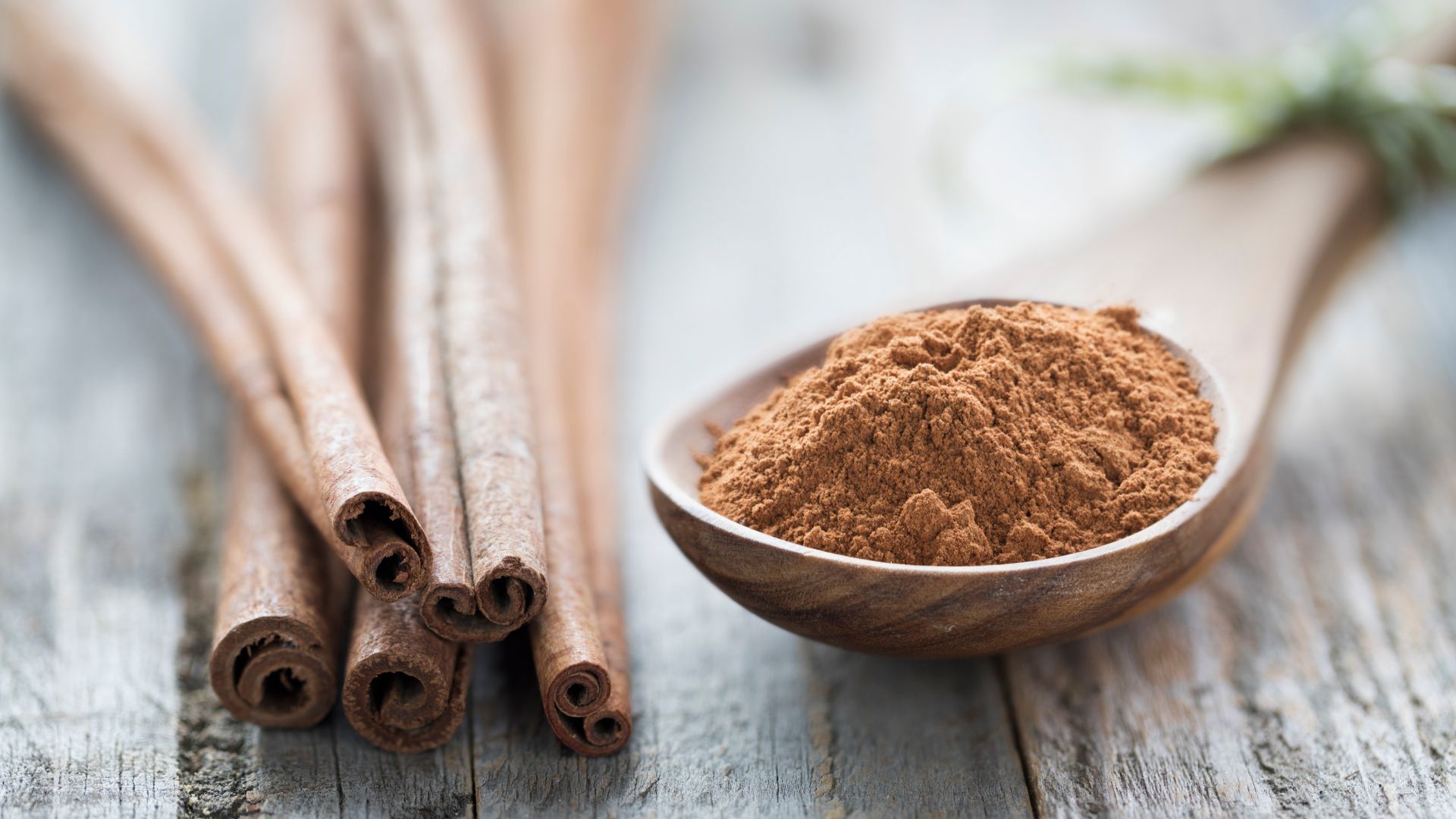
Ground Cinnamon
Despite its humble origin, ground cinnamon is often priced at a staggering premium. One pound can cost more than $7 according to Tridge, even though bulk cinnamon is a lot cheaper. Retailers rely on packaging and small sizing to drive up profit margins, especially in conventional supermarket spice aisles.
 Kjokkenutstyr, Wikimedia Commons
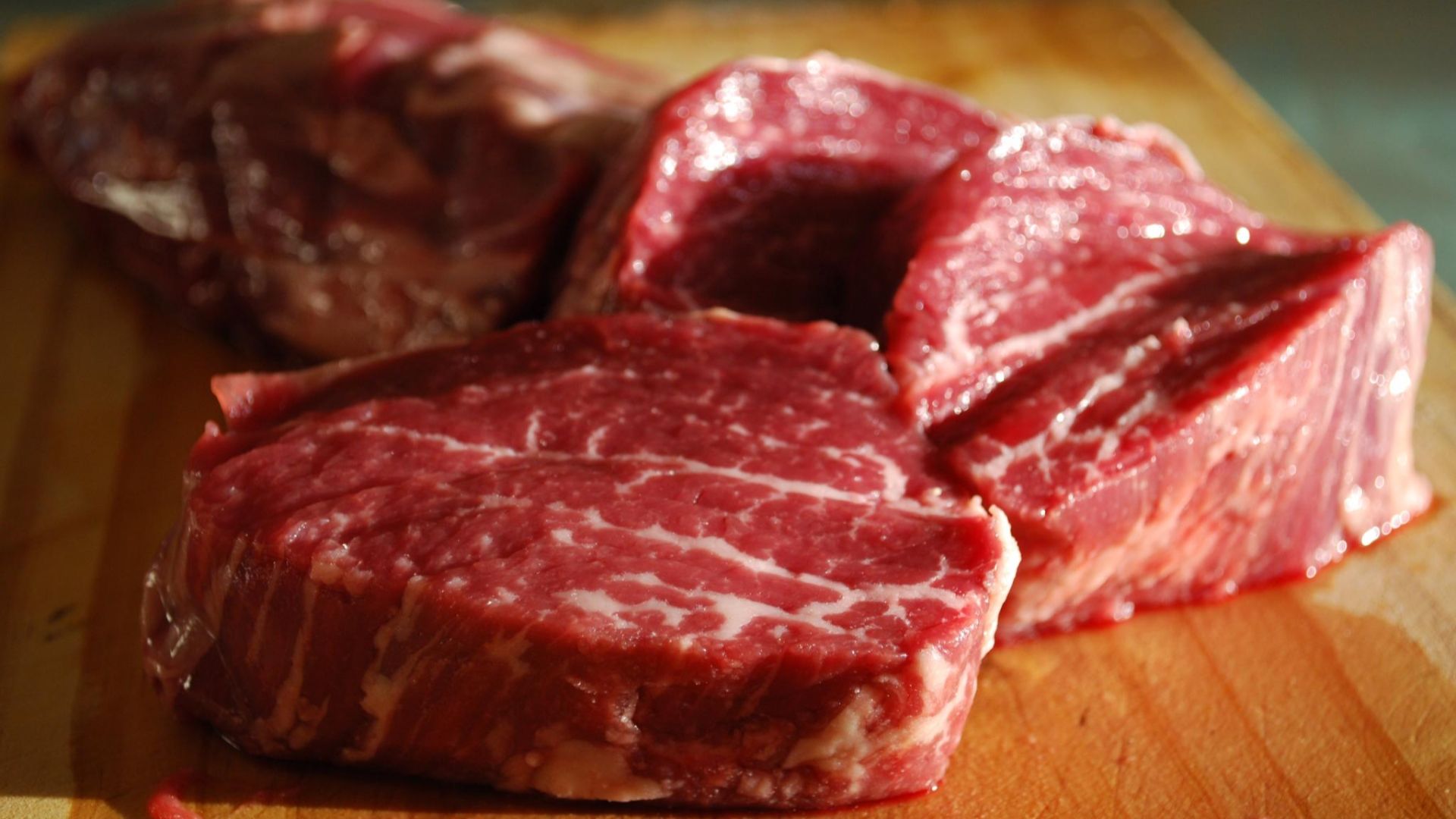
Grass-Fed Beef
Framed as a more natural and humane choice, grass-fed beef is positioned as a premium product. As per The Butcher Shoppe, it often sells for $2 to $3 more per pound than grain-fed cuts, not solely due to longer grazing periods or land use. The higher price reflects growing demand for ethical sourcing, more than actual production costs.
 Alpha from Melbourne, Australia, Wikimedia Commons
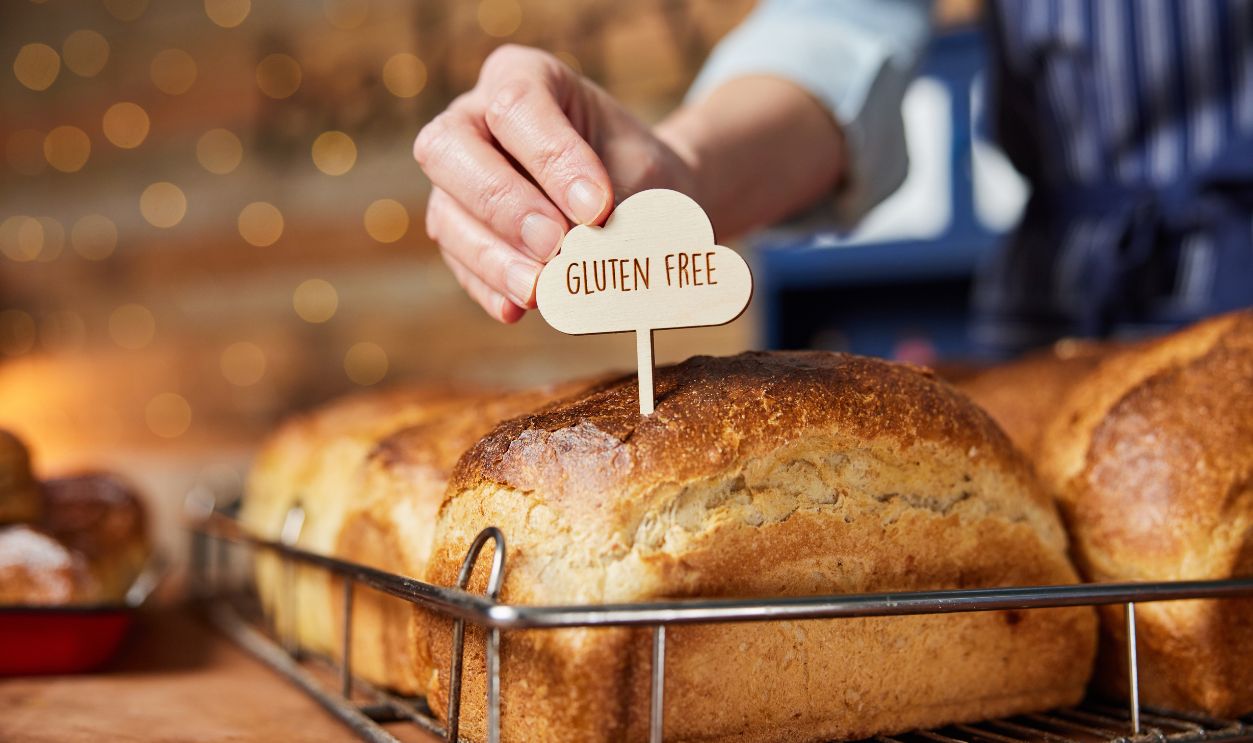
Gluten-Free Bread
Gluten-free bread can cost nearly twice as much as its wheat-based counterpart, despite using inexpensive ingredients like rice or potato flour. The premium exists because manufacturers serve a diet-specific market with fewer choices. Limited competition and specialized labeling contribute to consistent markup in both frozen and fresh aisles.
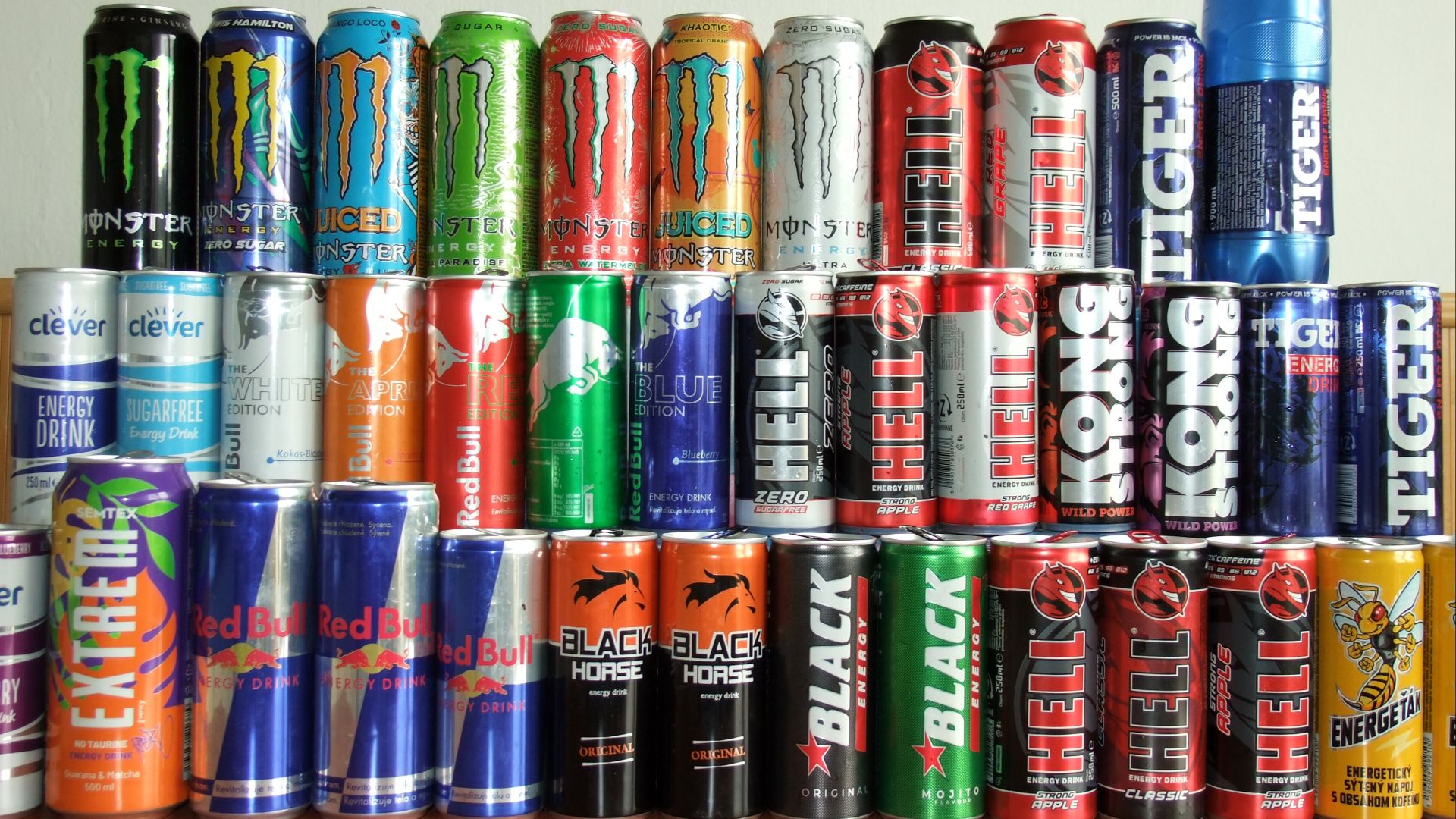
Energy Drinks
Most energy drinks contain inexpensive ingredients like caffeine, sugar, and B-vitamins, yet retail prices are often around $3 per can, according to Teacher Power. What consumers really pay for is the extreme lifestyle marketing and eye-catching packaging. These emotional triggers allow retailers to mark up products that cost mere cents to manufacture.
 Oto Zapletal, Wikimedia Commons
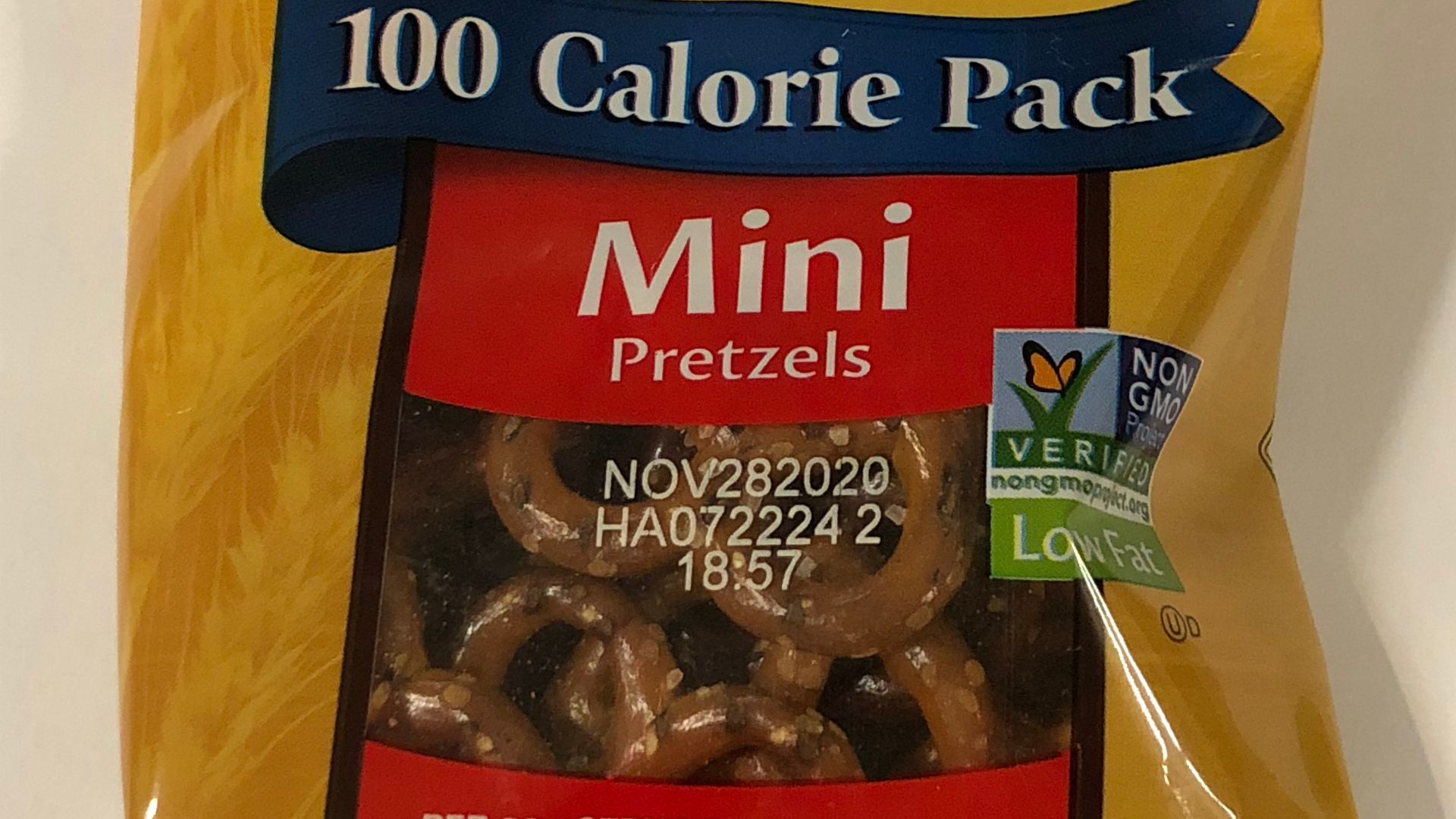
Single-Serve Snack Packs
Mini packs of pretzels, crackers, or dried fruit are marketed as portion-controlled and portable, appealing to busy consumers. The convenience of individually wrapped snacks leads to price-per-ounce rates that far exceed bulk alternatives. Stores profit significantly from the illusion of moderation and the consumer’s desire for grab-and-go ease.
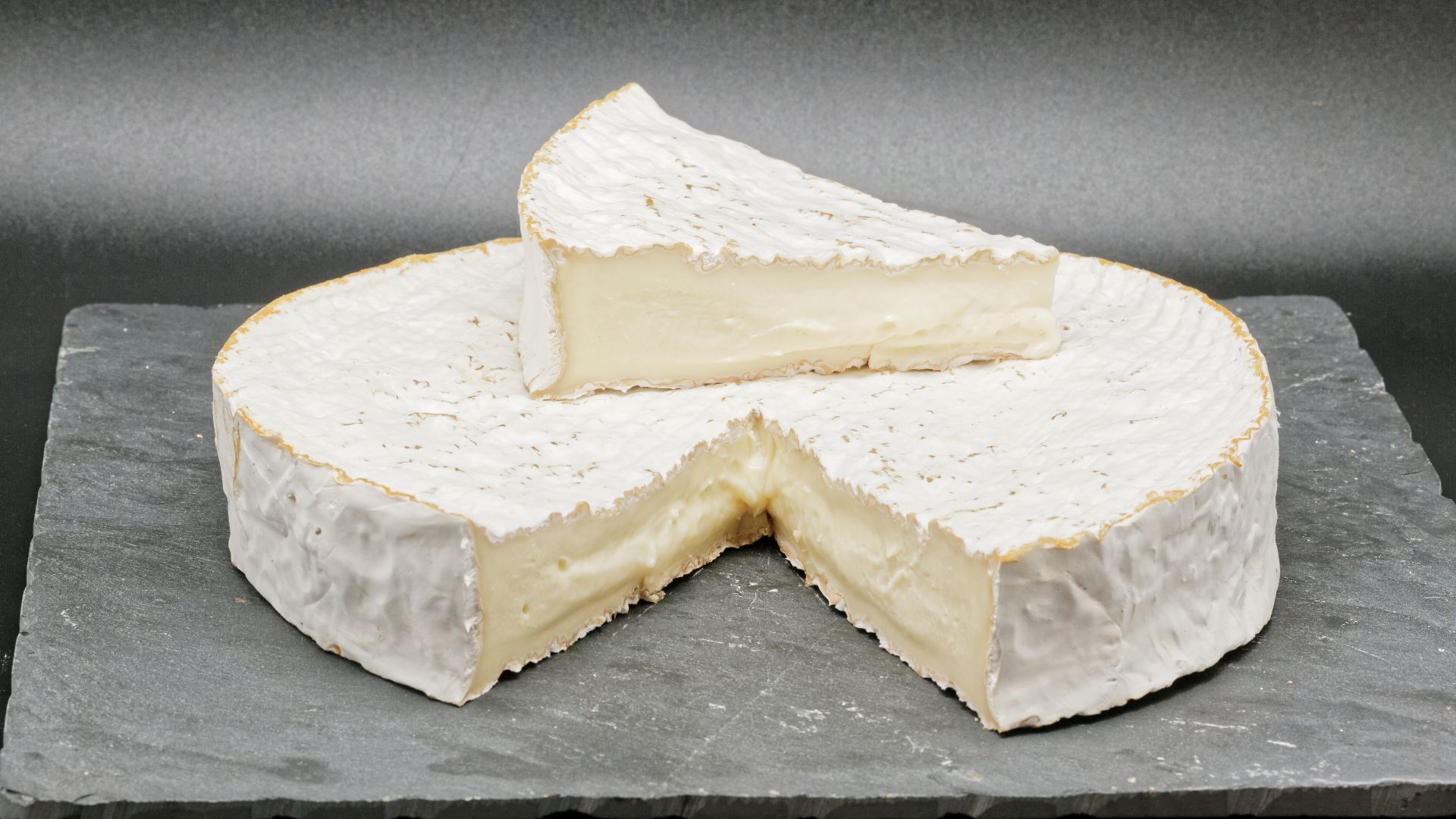
Imported Cheese
Sold in compact wedges and wrapped in gourmet branding, cheeses like Brie and Manchego command high prices. Import tariffs and long-distance shipping contribute to costs, but it’s their upscale reputation that drives margins. Retailers use this artisanal image to justify markups well beyond their logistical expenses.
 Thesupermat, Wikimedia Commons
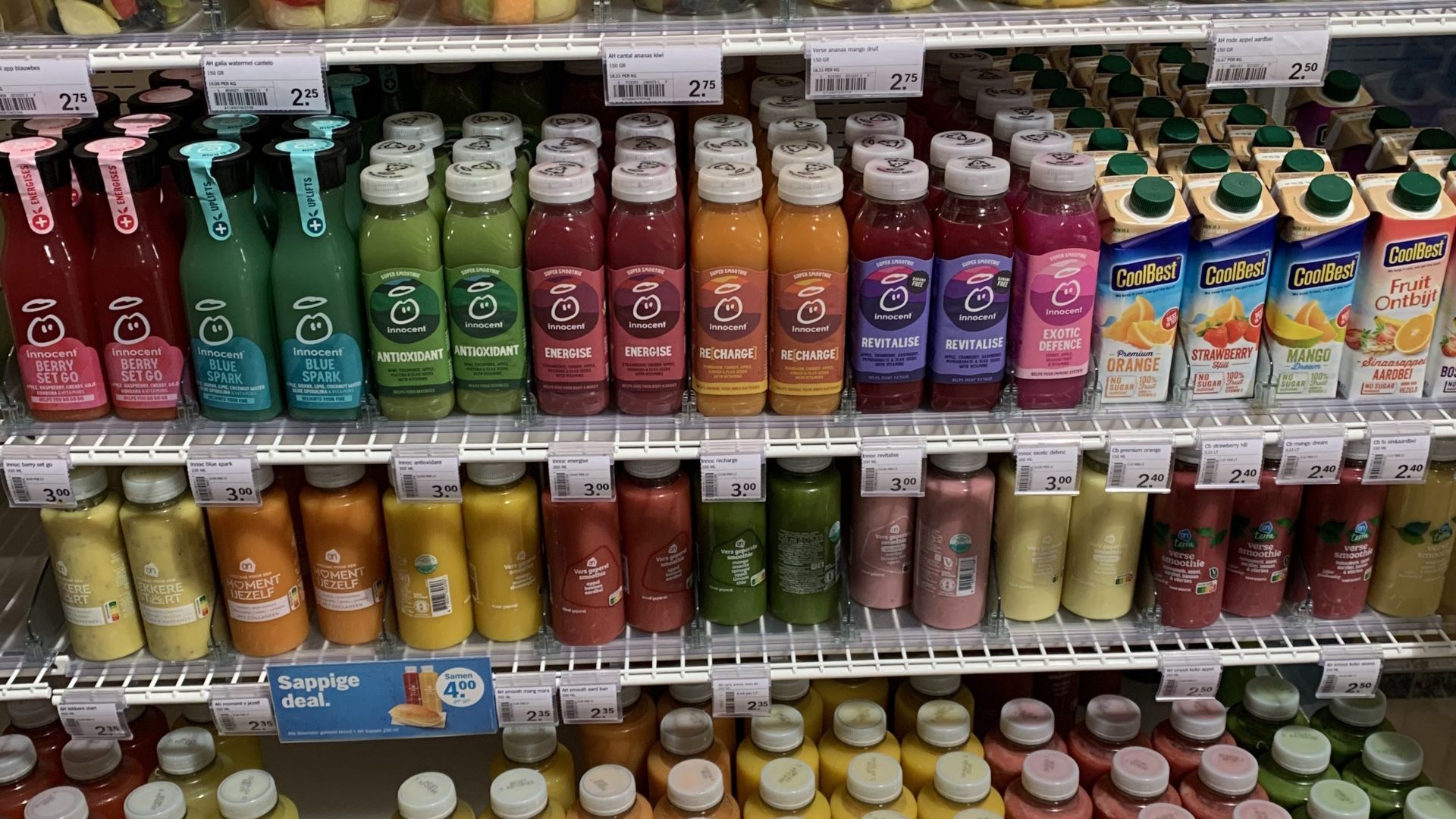
Frozen Smoothies
These colorful frozen blends of fruit, greens, and sometimes protein powders are priced like luxury snacks. While the ingredients are basic and inexpensive when bought separately, their appeal lies in portioning and wellness marketing. Many consumers pay a steep premium to avoid measuring and prepping smoothies from scratch.
 Miriamhealy, Wikimedia Commons
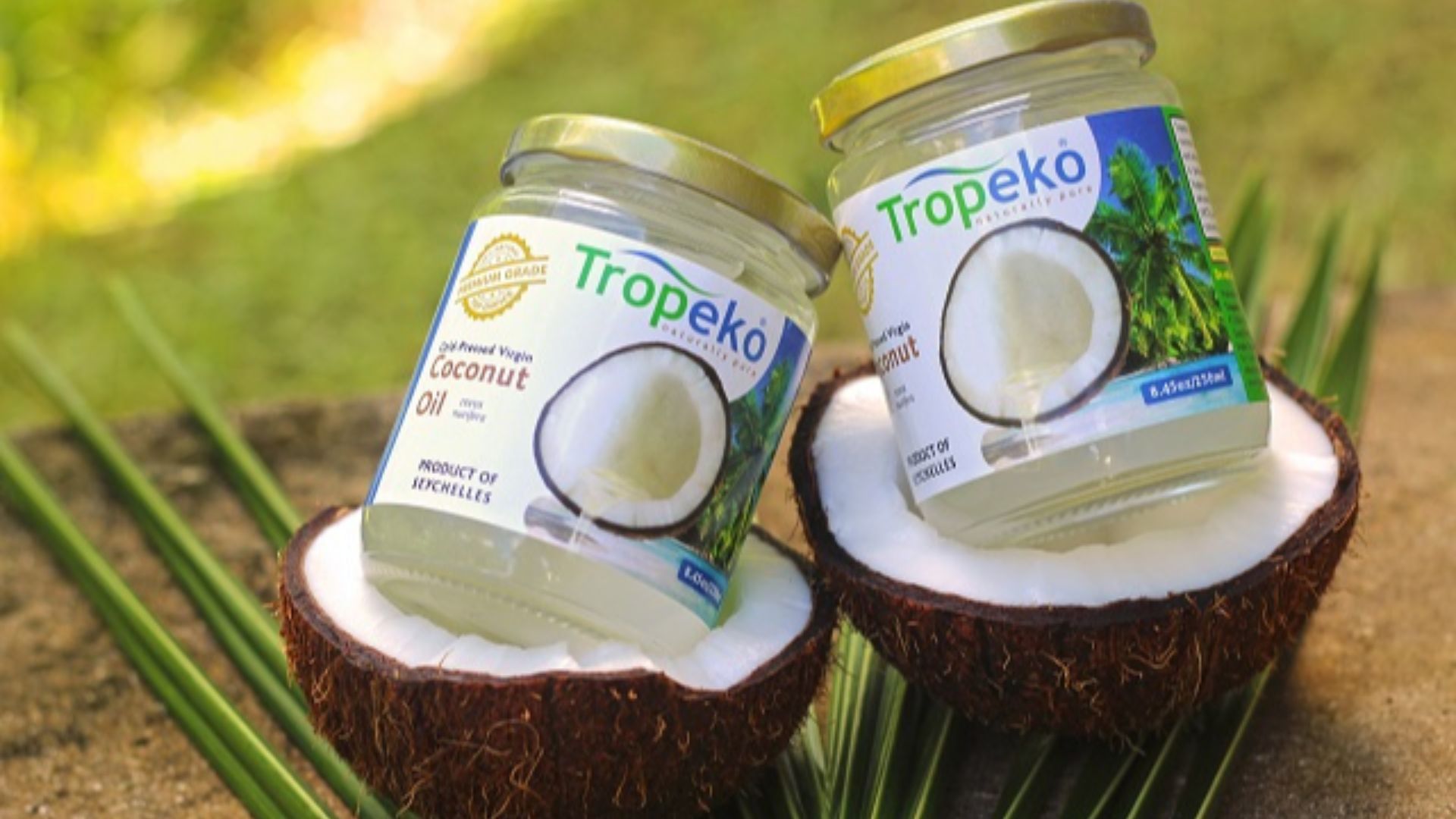
Coconut Oil
Coconut oil has gone from a basic kitchen staple to a trendy superfood, and its price tag has followed suit. Although it's produced in countries like the Philippines and Indonesia, where production costs can be relatively low, shoppers often pay a premium for it. Much of that comes down to clever marketing, health-conscious consumers, and the idea that anything labeled “pure” or “natural” must be worth the extra money.
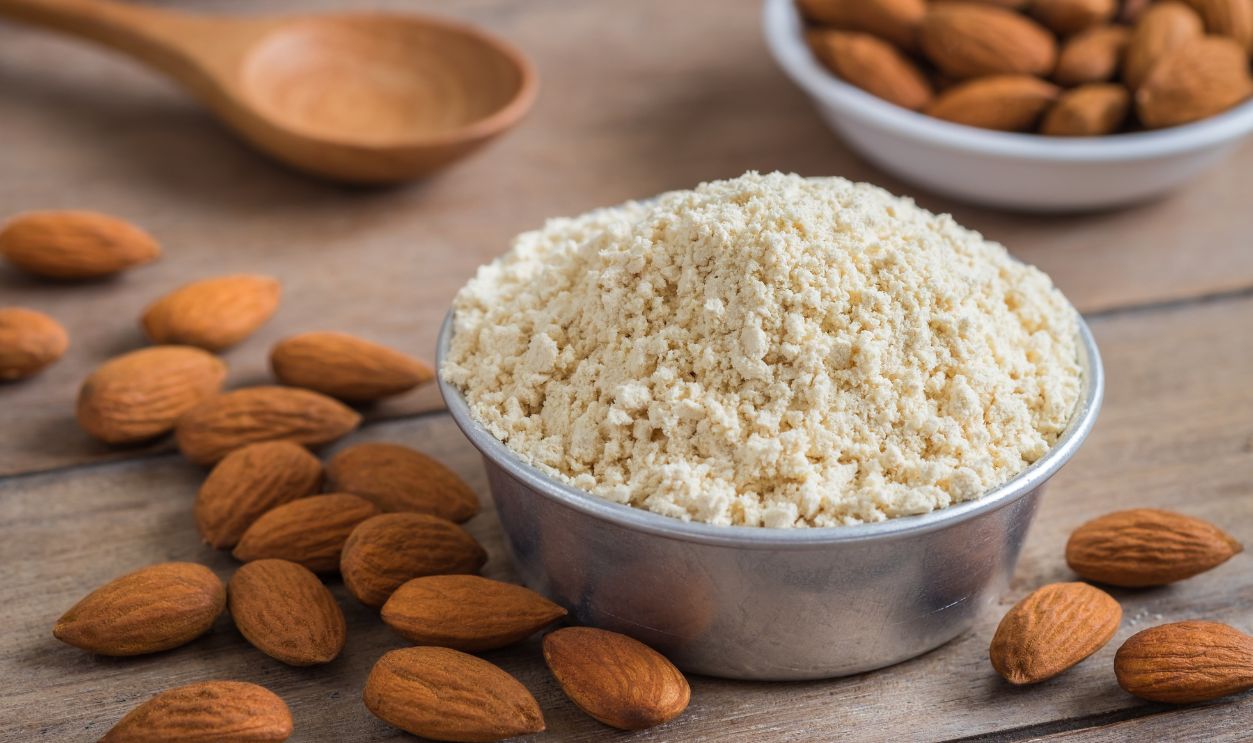
Almond Flour
Almond flour carries a significant markup due to both its source and its market demand. Made from blanched, finely ground almonds, it’s labor-intensive and requires large volumes of nuts. With almonds already being a high-value crop, their transformation into a specialty flour makes it a premium-priced staple in health-conscious households.
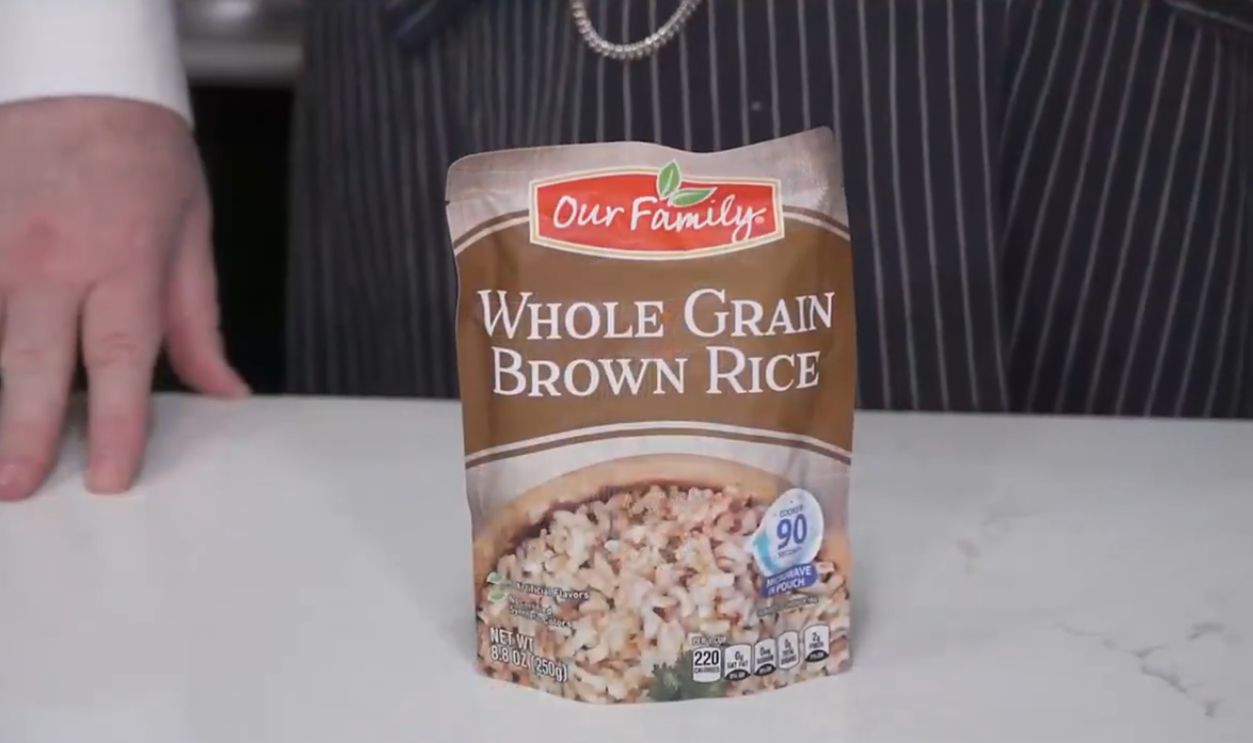
Microwavable Rice Packs
Although plain white rice is one of the cheapest food items per serving, a single portion of microwavable packs can cost up to $2 at Walmart and similar stores. What drives the markup is packaging and the promise of time-saving convenience. These factors allow retailers to reframe a low-cost pantry item as a high-convenience product.
Rotisserie Chicken
Usually priced low at warehouse clubs like Costco, rotisserie chicken is sometimes sold at a loss to attract shoppers. However, at many supermarkets and convenience grocers, they carry a notable markup. Added seasoning and placement in the hot-food section help justify pricing well above the cost of raw poultry.
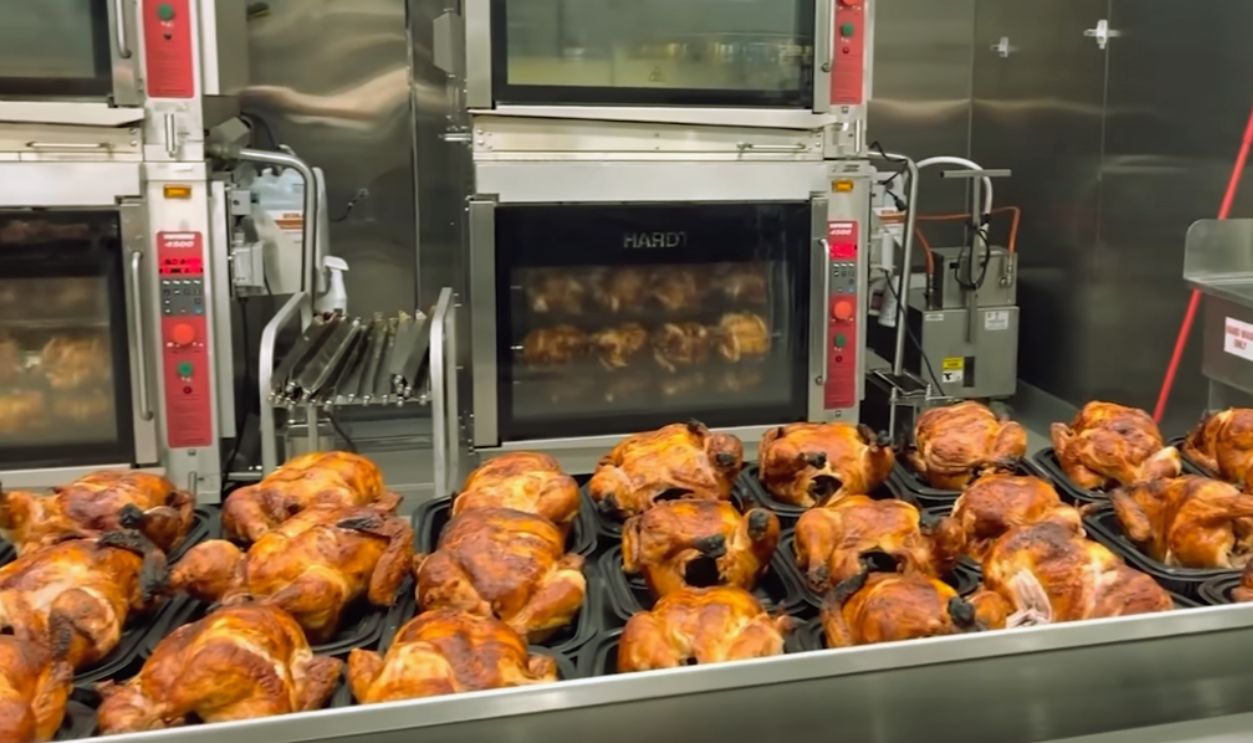 How Are Rotisserie Chickens So Cheap? by Weird History Food
Plant-Based Meat Alternatives
Built from soy or fungal proteins, meat substitutes like Beyond Meat and Impossible Foods use inexpensive ingredients. Yet they’re often priced on par with or higher than beef. The premium comes from their positioning, driven by sustainability messaging and a growing appetite for environmentally responsible alternatives.
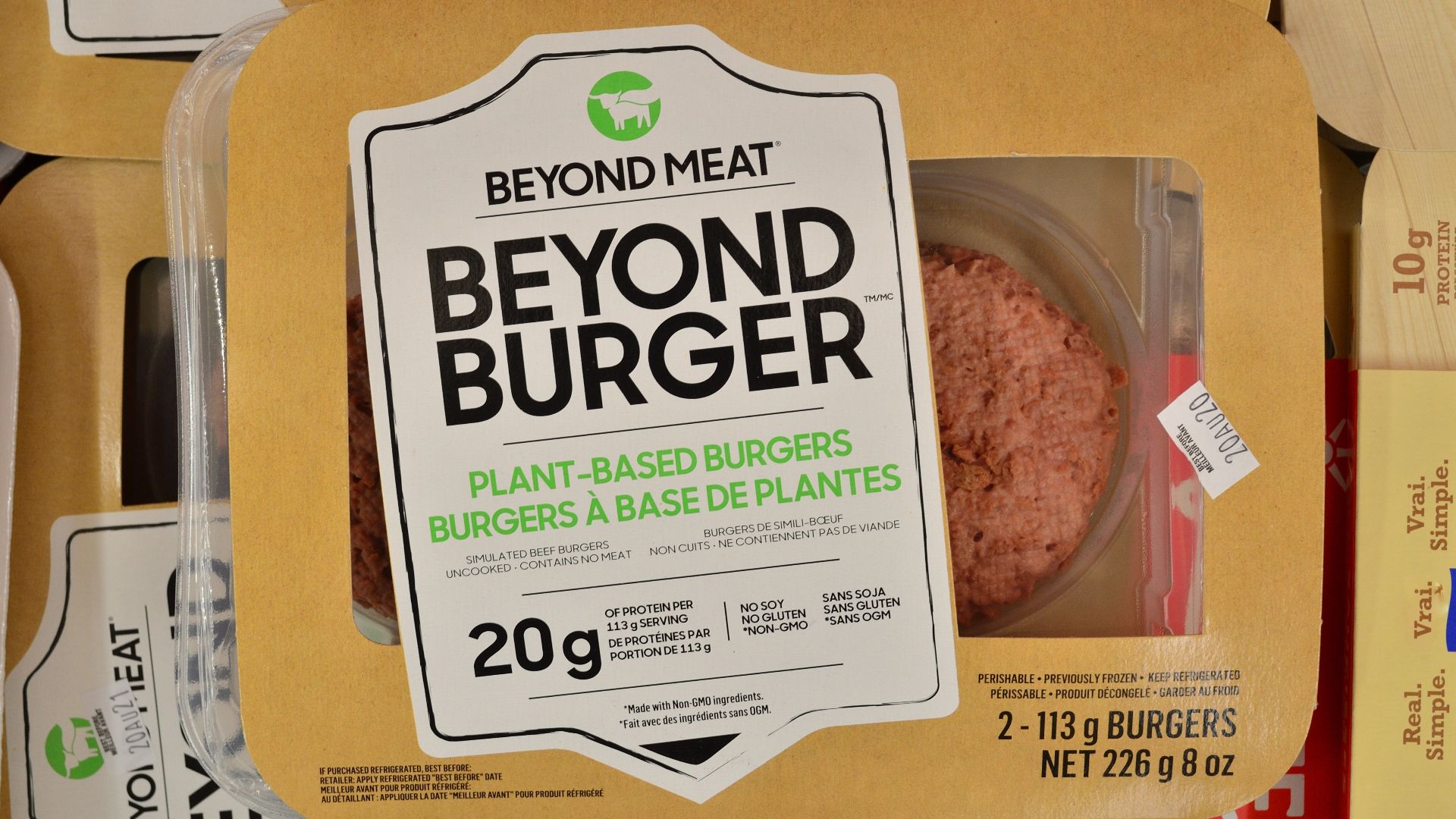 Raysonho @ Open Grid Scheduler / Scalable Grid Engine, Wikimedia Commons
Cold-Pressed Juices
Many pay too much for cold-pressed juices due to short shelf life and low-yield extraction methods. While the process preserves nutrients, it also limits scale. Combine that with health-focused branding, and retailers use freshness as justification for one of the steepest beverage markups in grocery stores.
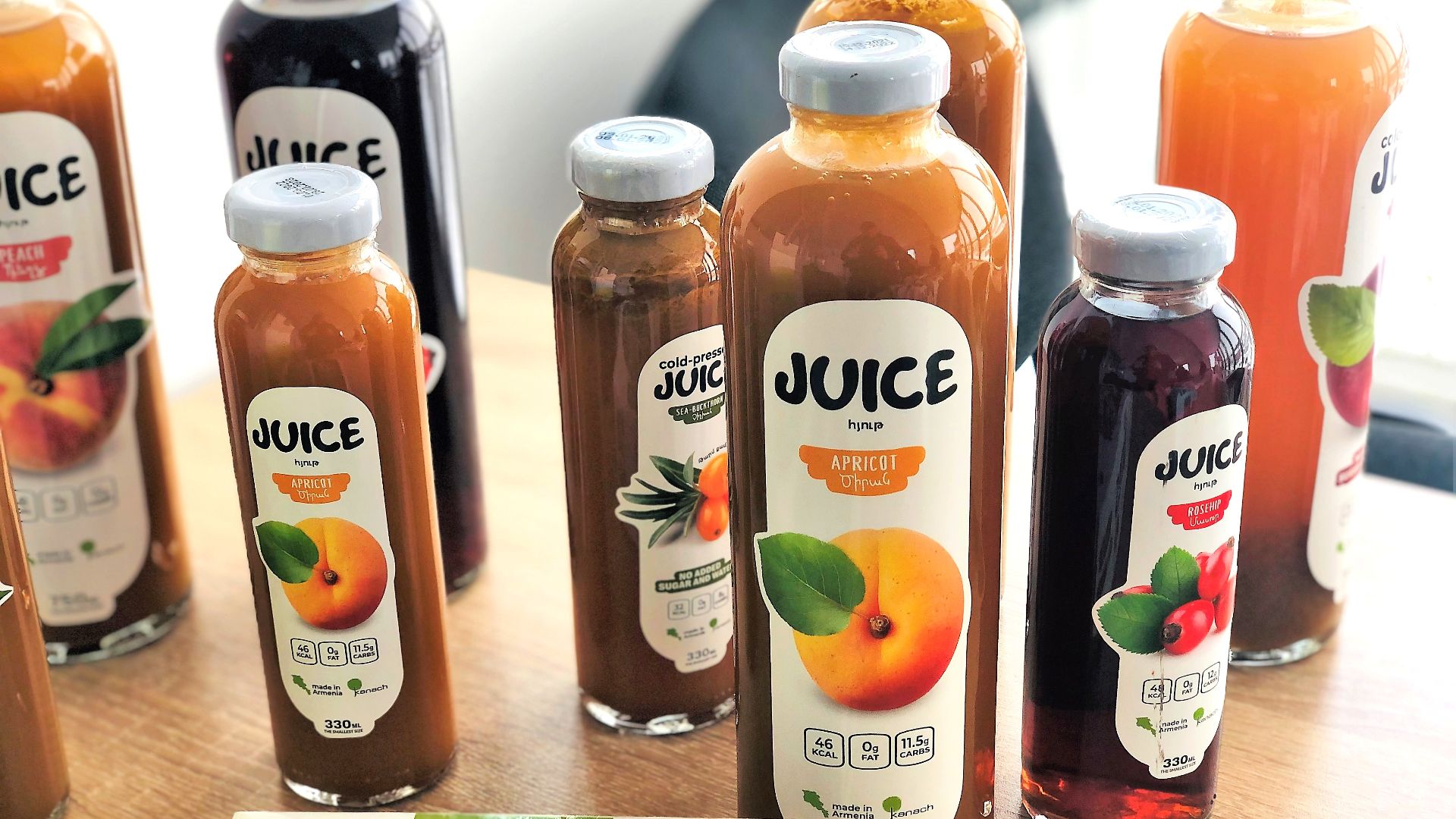 Narek Avetisyan /Narek75/, Wikimedia Commons
Cereal
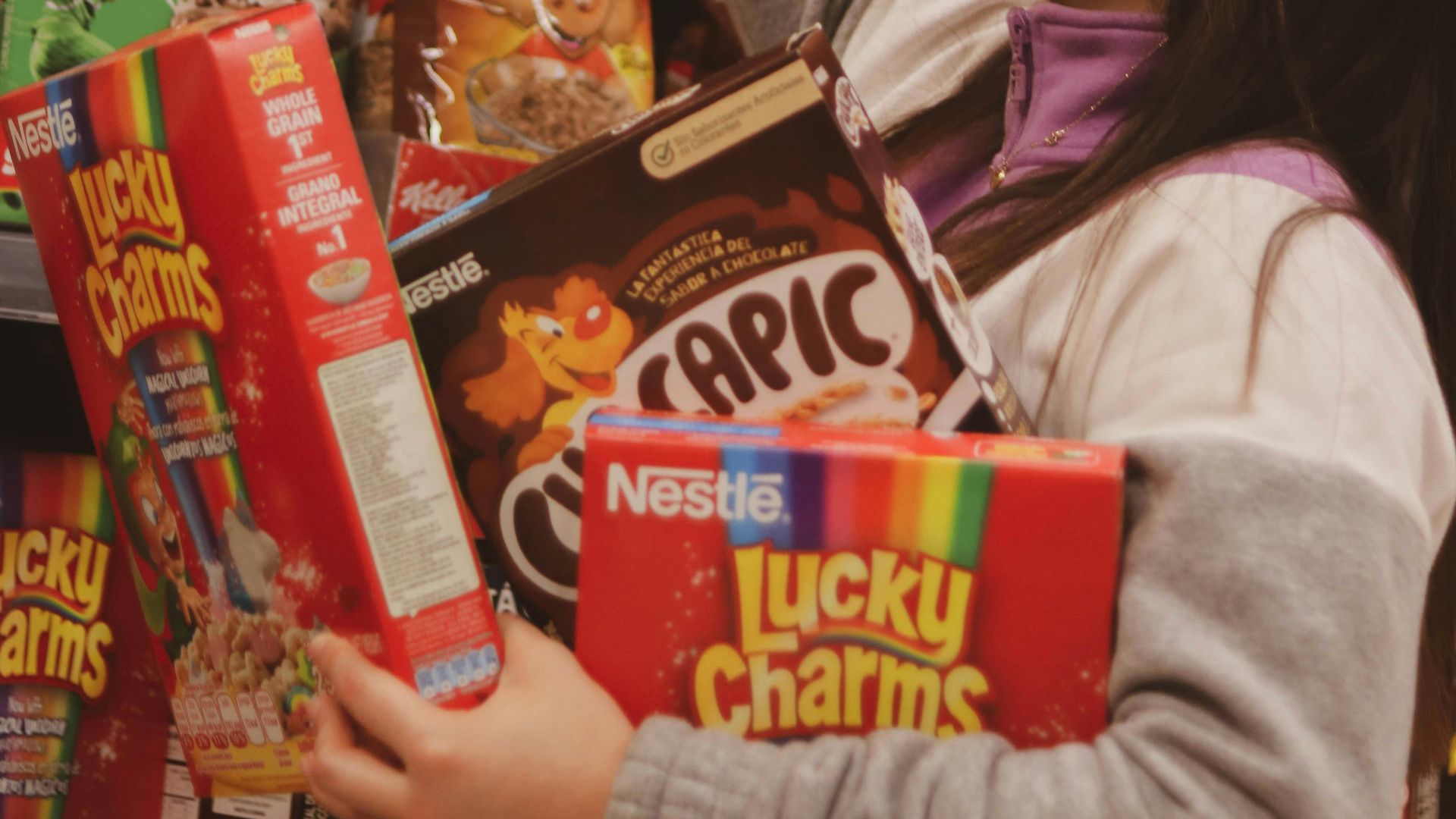
Name-brand breakfast cereals often cost more per box, even though their core ingredients—corn, wheat, or oats—are extremely cheap. The true cost driver is branding and advertising. Companies spend heavily to capture consumer loyalty, and those marketing costs are passed along to shoppers at the register.
Smoked Salmon
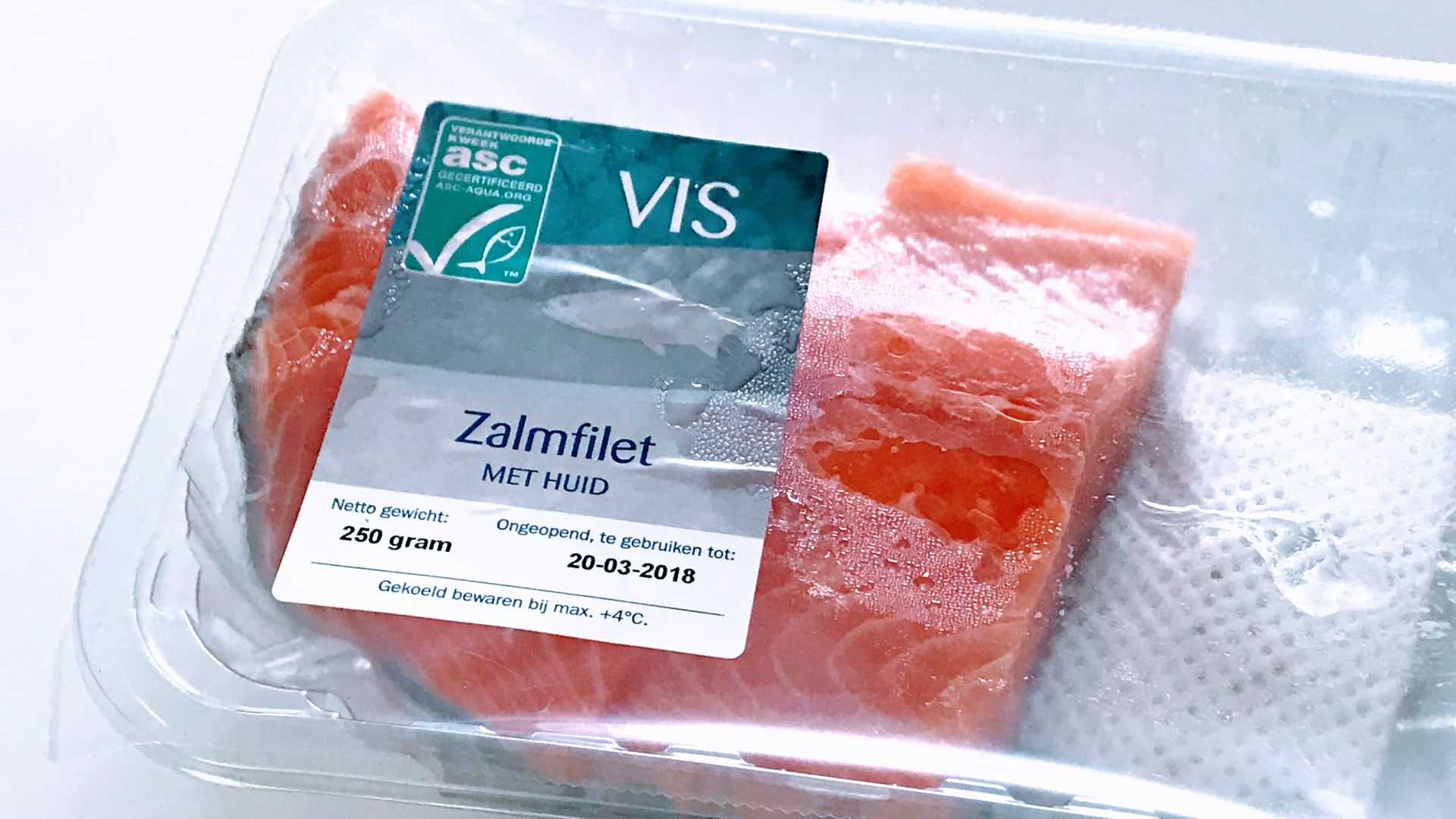
Smoked salmon might come in a small, sleek package, but its price tag can be anything but small. Some premium varieties sell for more than $75 per pound, making this brunch favorite a surprisingly expensive indulgence. Between the refrigeration requirements, short shelf life, and fancy reputation, smoked salmon often commands prices that put ordinary frozen seafood to shame.
Canned Soup
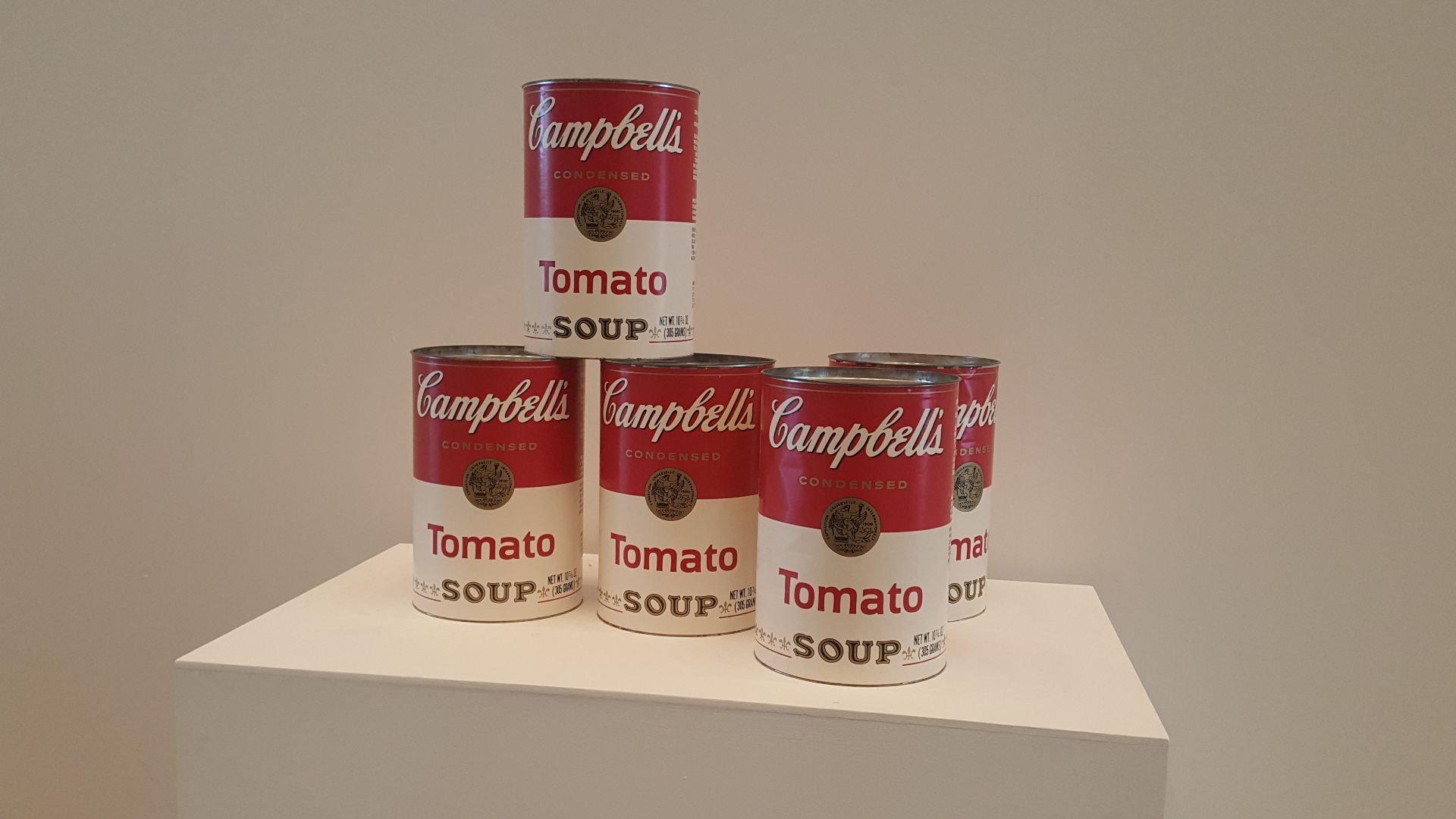
Canned soup is mass-produced with long shelf life and low-cost ingredients, yet name-brand varieties are often priced at $2 per can at Walmart. Packaging and perceived comfort drive up the cost. The markup is particularly stark when compared to the cost of homemade soup using the same components.
Pre-Cut Fruit
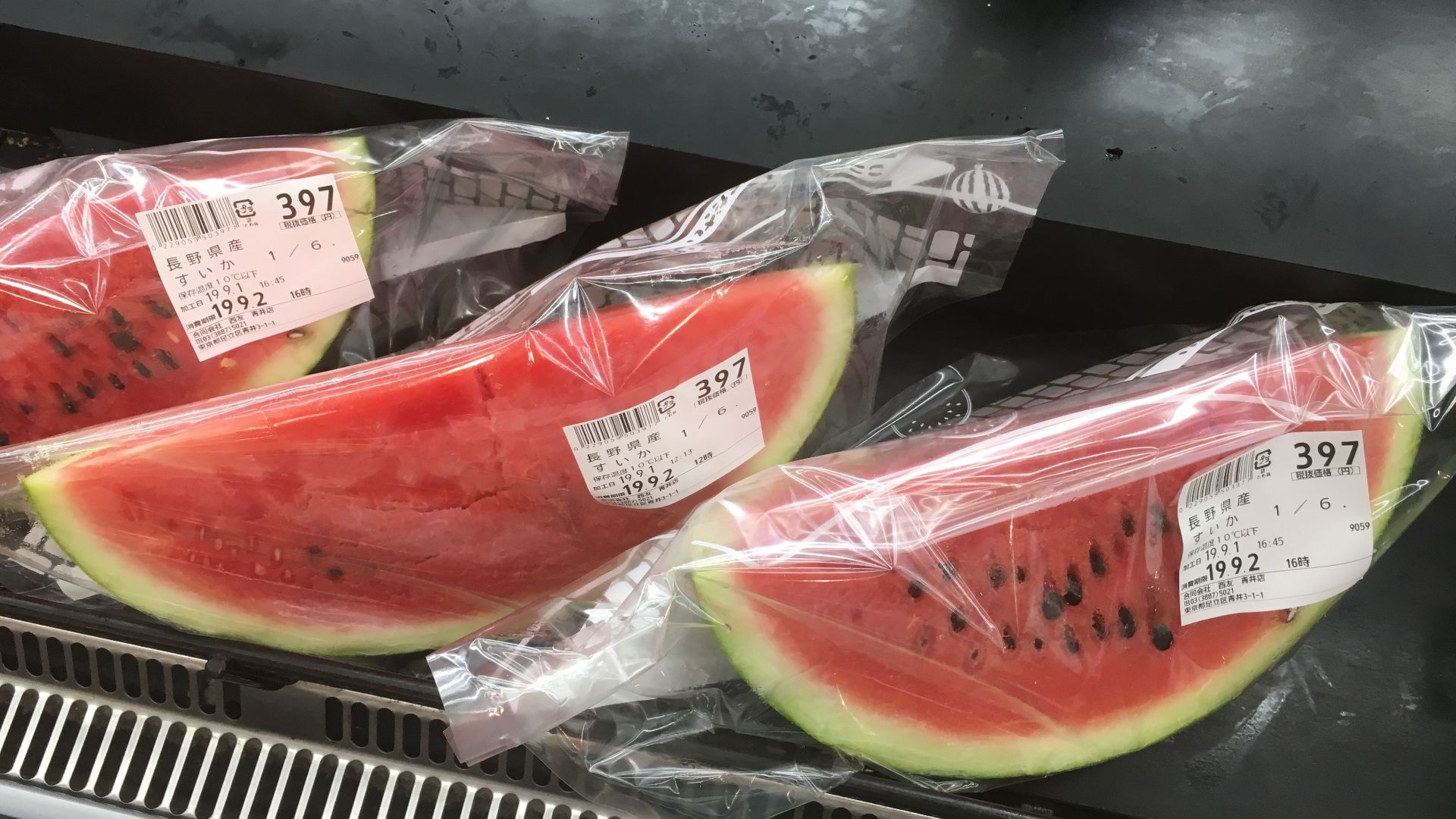
A container of sliced pineapple or melon can cost three to four times more than buying the whole fruit. The price reflects labor, packaging, and refrigeration, not the fruit itself. Retailers bank on time-starved shoppers who value convenience over cost and turn everyday produce into high-margin grab-and-go offerings.
Bagged Salad Mixes
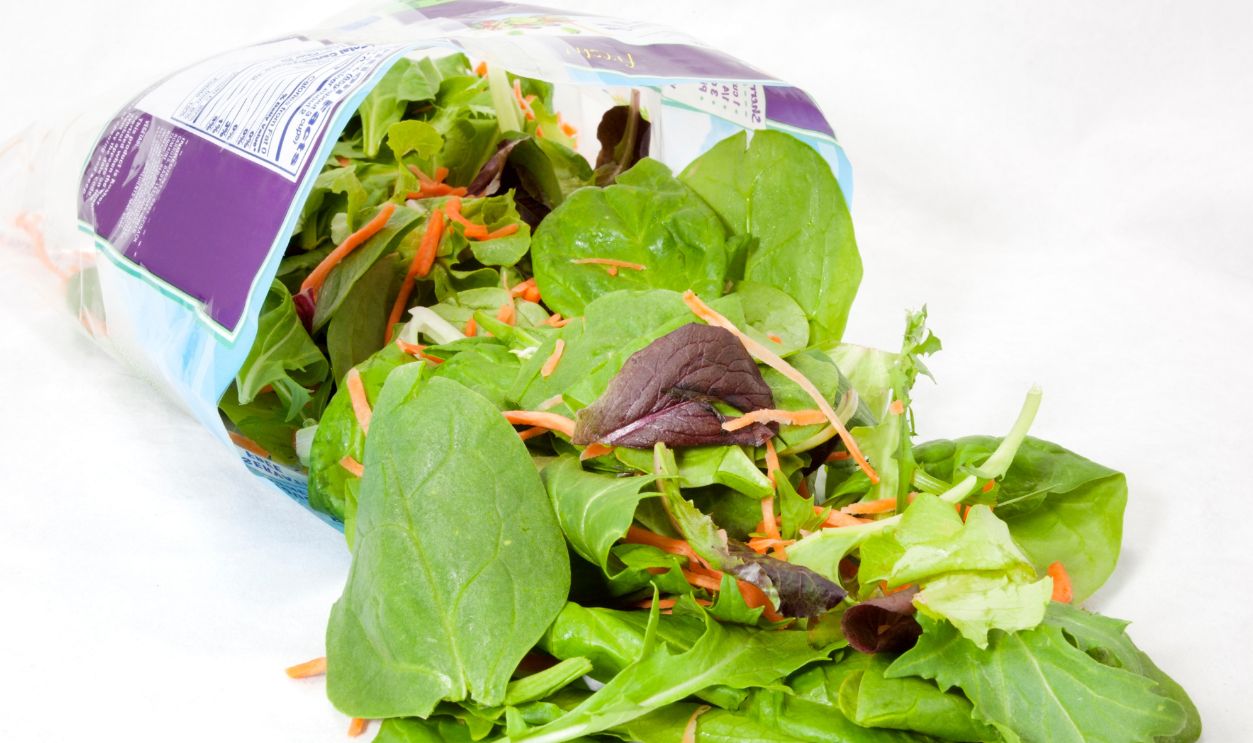
They often contain simple greens like romaine, spinach, or iceberg, yet bagged salad mixes can retail for around $4 per bag at Walmart. Pre-washing and gas-flushing to extend shelf life all factor into the cost. However, the markup remains steep compared to buying bulk greens and preparing them at home.
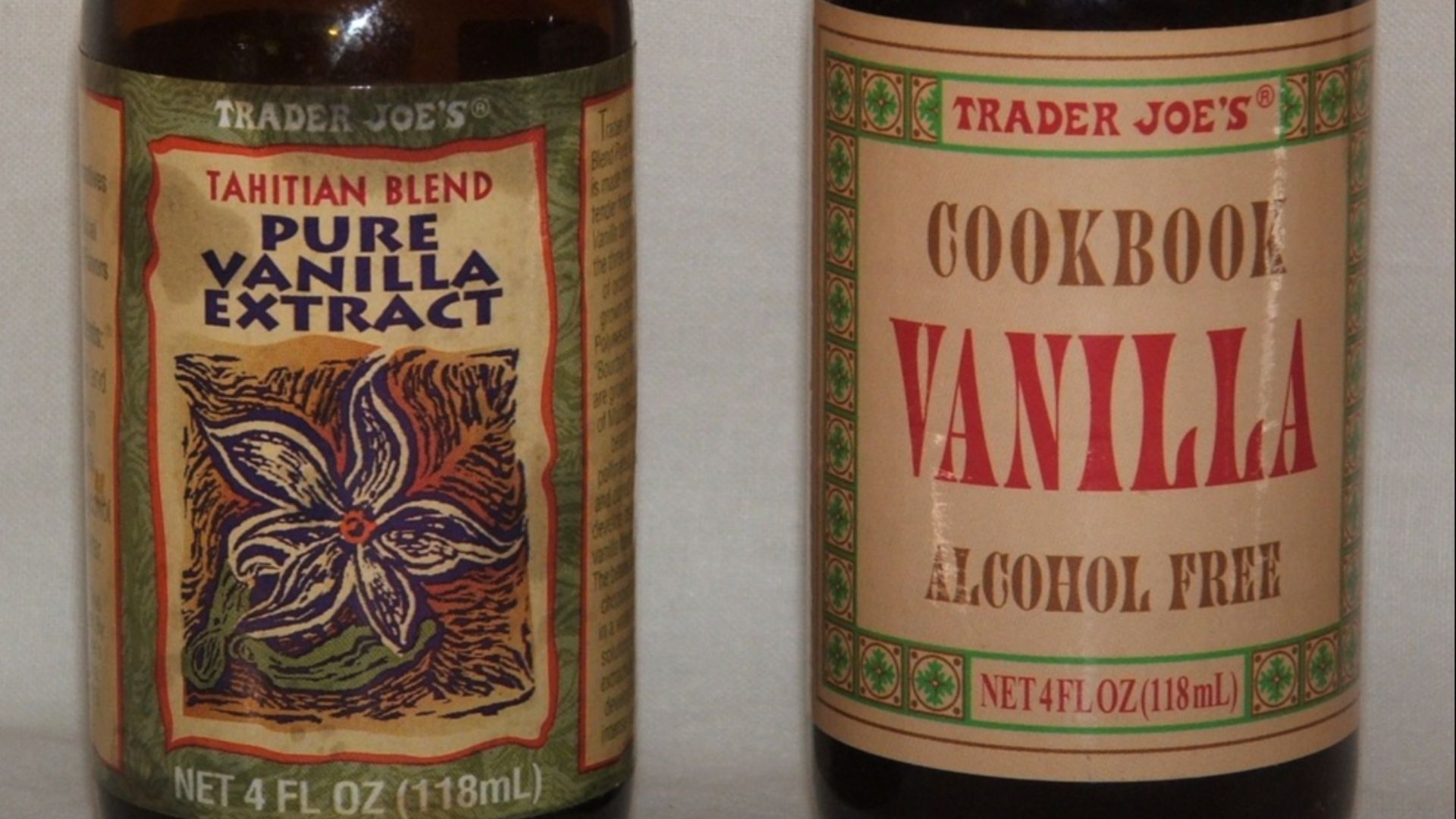
Vanilla Extract
Pure vanilla extract is often overpriced due to fluctuating supply and intense global demand. Madagascar, which produces 80% of the world’s vanilla, faces climate disruptions and crop thefts, which push prices up. Meanwhile, consumers seeking "all-natural" flavoring continue paying premium rates, despite the availability of synthetic alternatives.
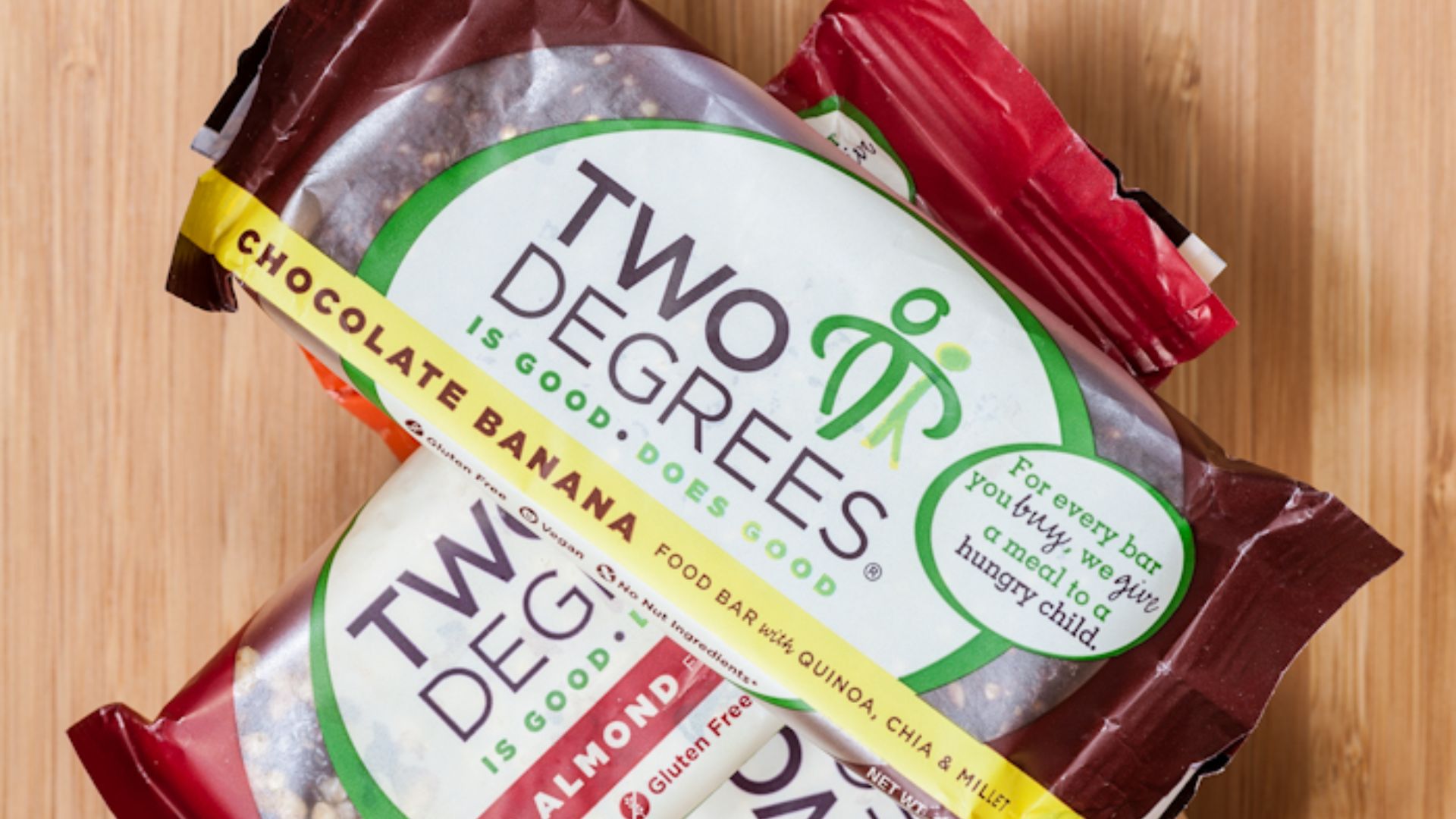
Protein Bars
Marketed as performance-enhancing and diet-friendly, protein bars are priced well above their actual ingredient value. Despite relying on affordable staples like oats and protein isolates, many carry a rather high price tag. The real driver is strategic labeling—“plant-based,” “low-carb,” and similar claims that justify a functional food price point.
 MrDeniseRichards, Wikimedia Commons
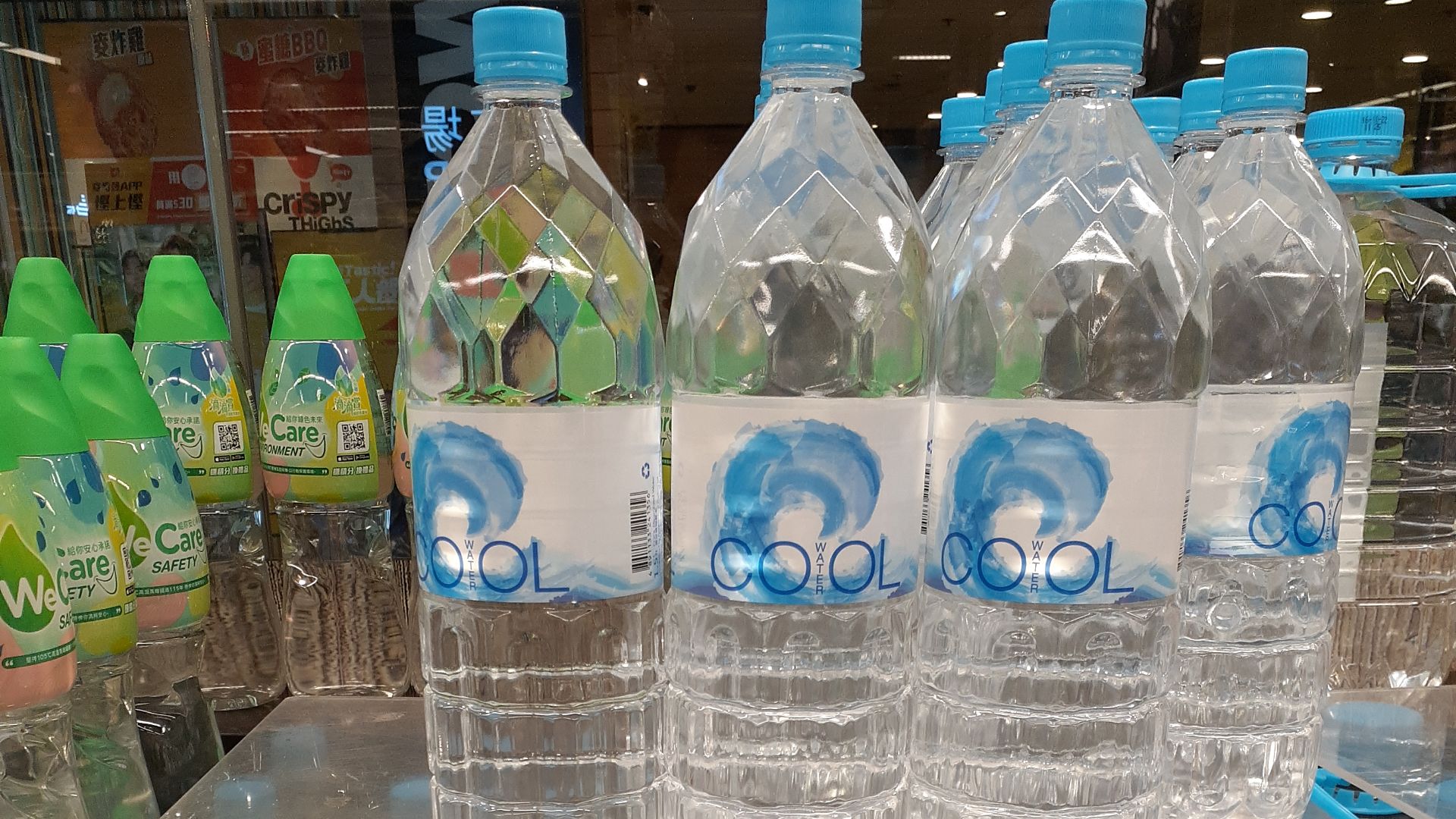
Bottled Water
As per Market Research, bottled water is marked up as much as 4,000%. The liquid inside is often just filtered municipal tap water, which costs fractions of a cent to produce. Yet, packaging and brand perception transform it into a multi-billion-dollar industry with staggering per-unit profit margins.
 NAS RoaASVIA JOOO, Wikimedia Commons
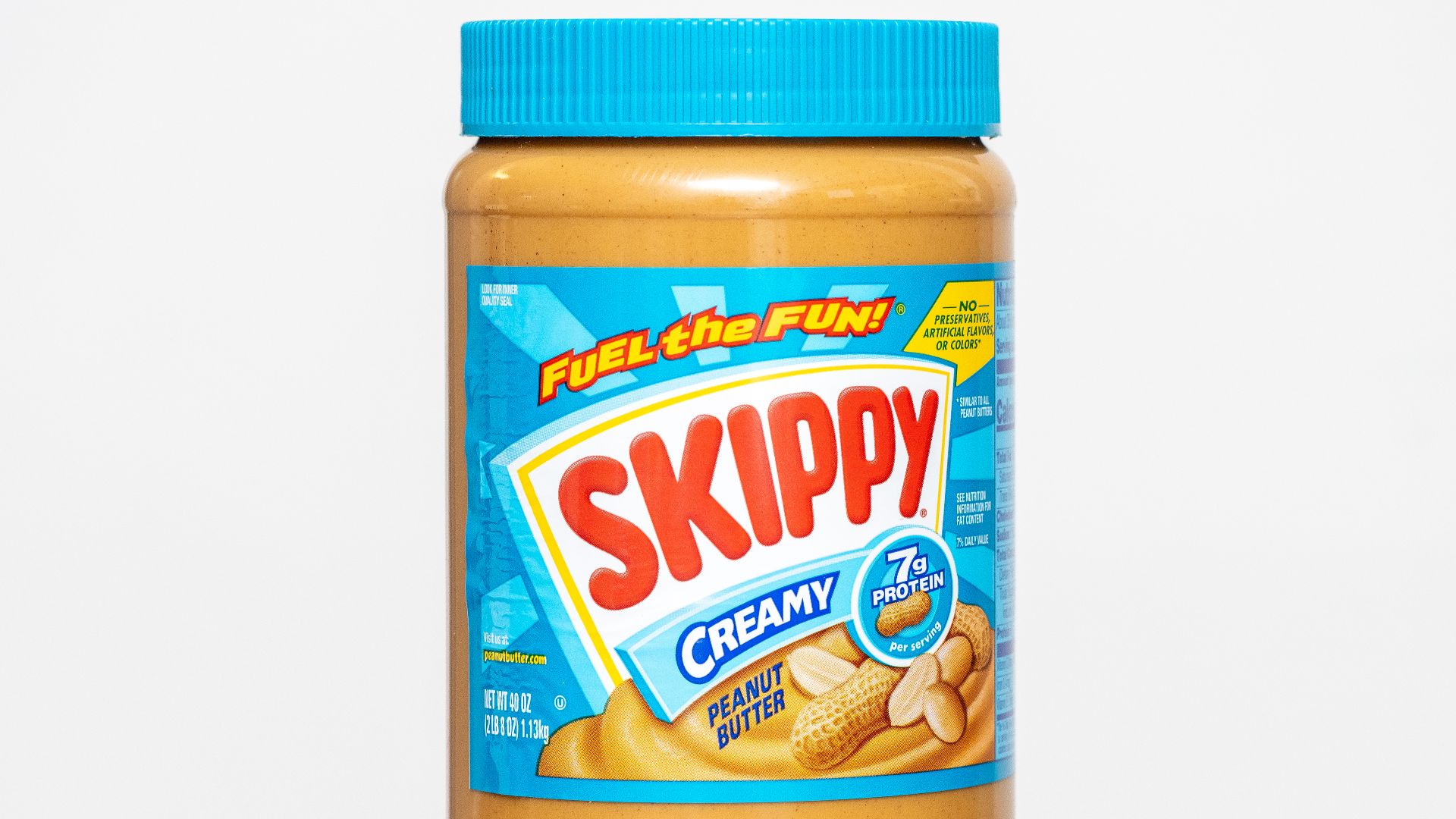
Peanut Butter
Just adding “natural” or “organic” to peanut butter’s label can double the price, even though peanuts remain inexpensive. The increase stems from perceived health value and specialty processing, like oil separation or glass packaging. These elements let stores justify a markup on an already staple household item.
 ajay_suresh, Wikimedia Commons
Pre-Mixed Seasoning Blends
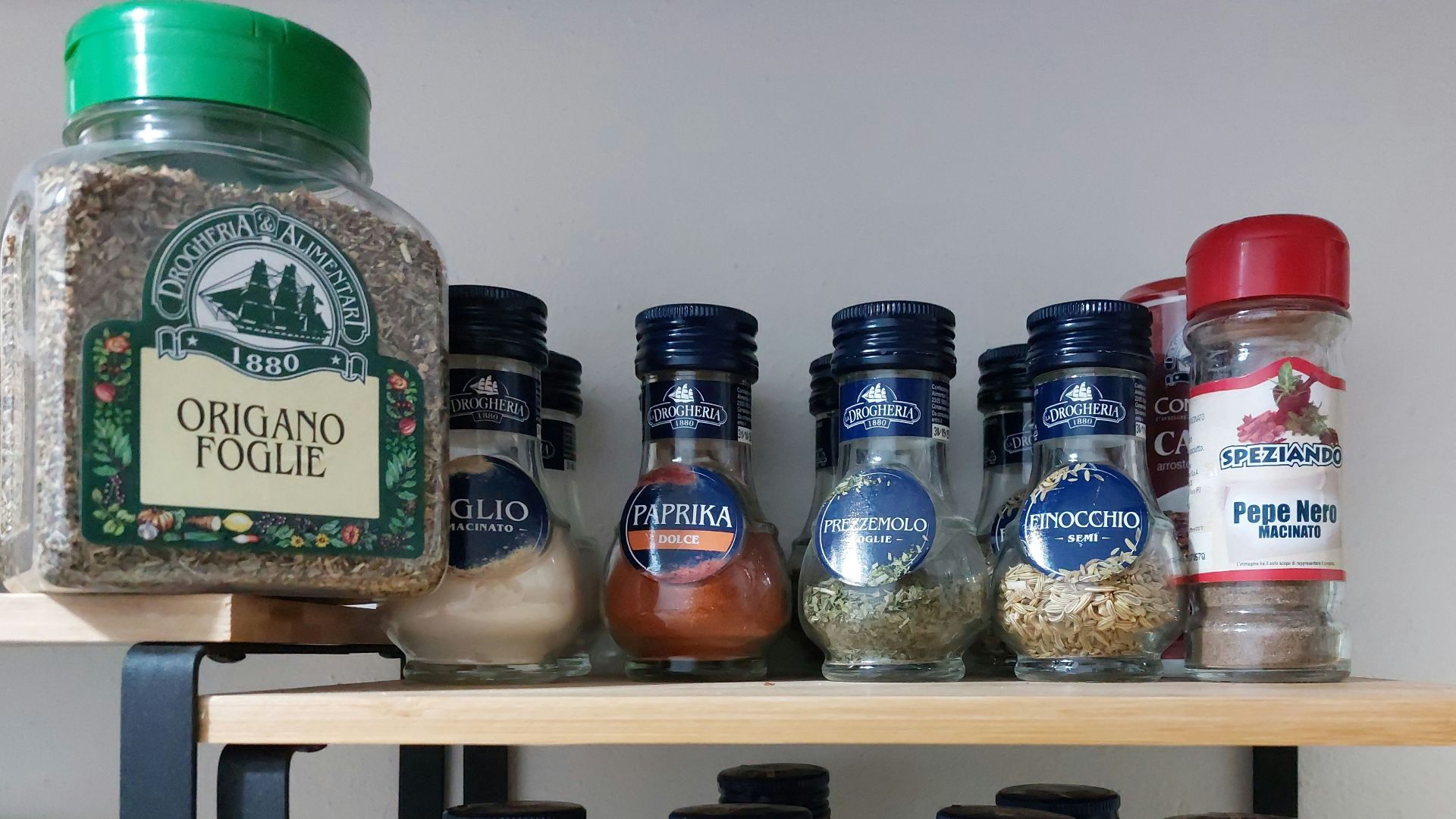
Those little packets of taco seasoning and Italian spice blends might save you a few minutes in the kitchen, but you could be paying a hefty premium for the convenience. Most contain inexpensive ingredients like garlic powder, paprika, and dried herbs that you probably already have in your pantry. Buy them pre-mixed in tiny packets, though, and the price per ounce can be several times higher than buying the spices separately.
 Anna.Massini, Wikimedia Commons
Organic Chicken
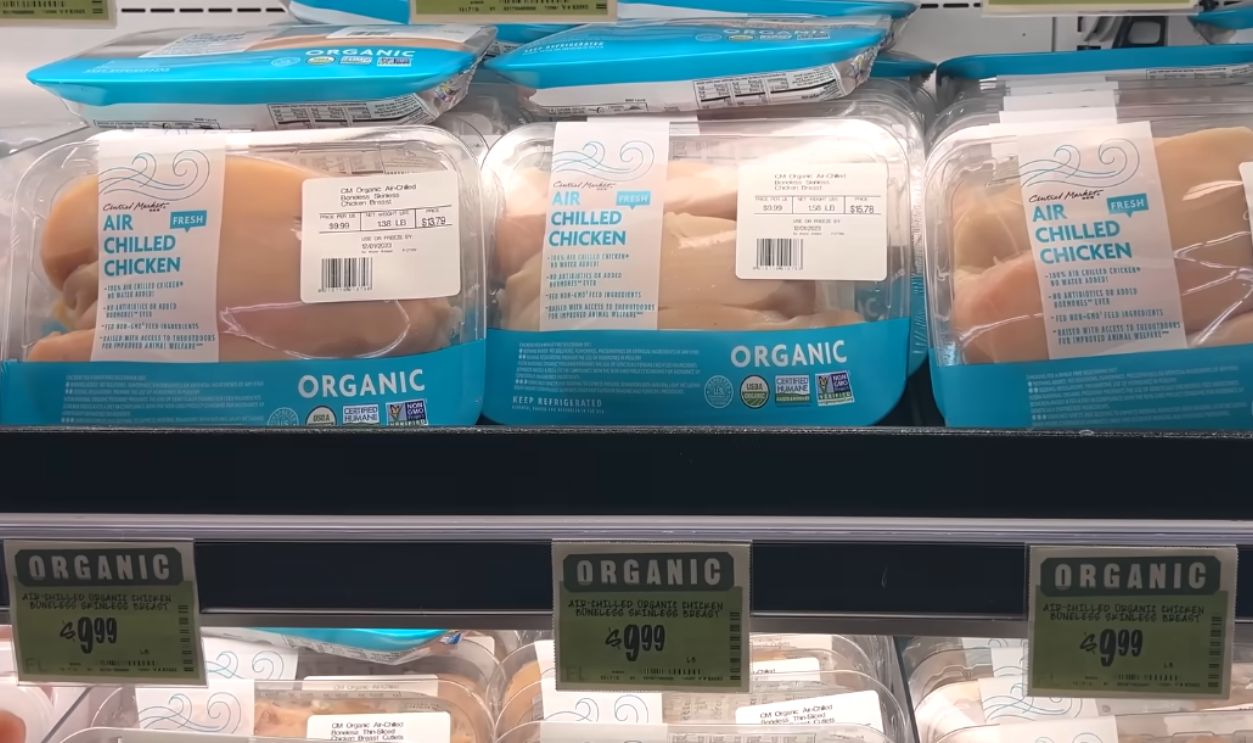
USDA-certified organic chicken is raised without antibiotics, fed organic grain, and given more time to grow—factors that increase production costs. Yet the price premium isn’t purely about farming practices. Retailers bank on consumer trust in the “organic” label, using health perceptions to justify higher prices for a familiar staple.
 Is expensive Chicken actually worth it? by Ethan Chlebowski
Shellfish
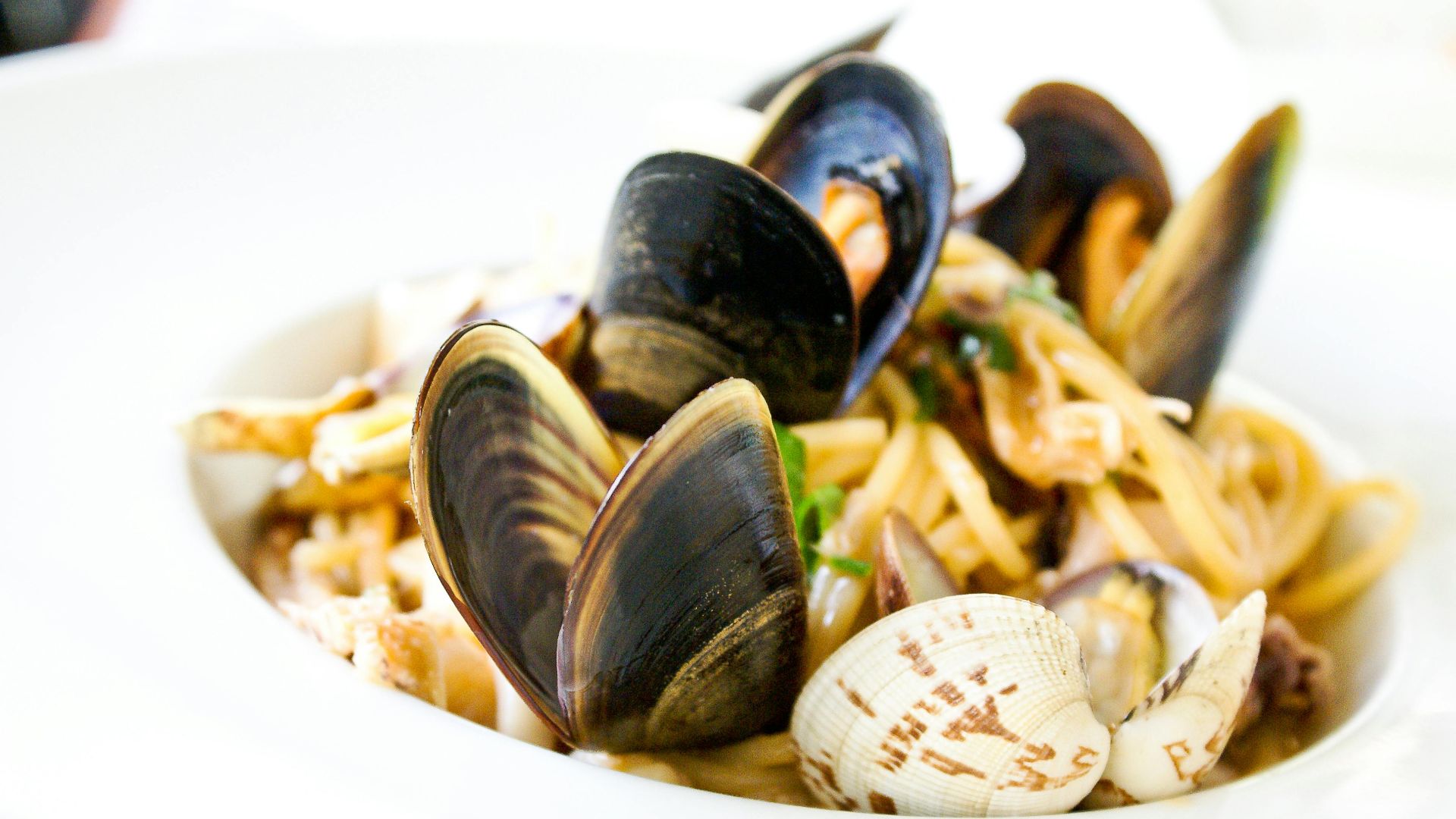
Items like scallops and shrimp require complex handling, with all the harvesting, rapid freezing, and sometimes de-veining or shelling—all of which raise costs. Import regulations and spoilage risk add layers of expense. Supermarkets price these products steeply, especially when pre-cooked or seasoned, and position them as indulgent, restaurant-style options for home cooks.