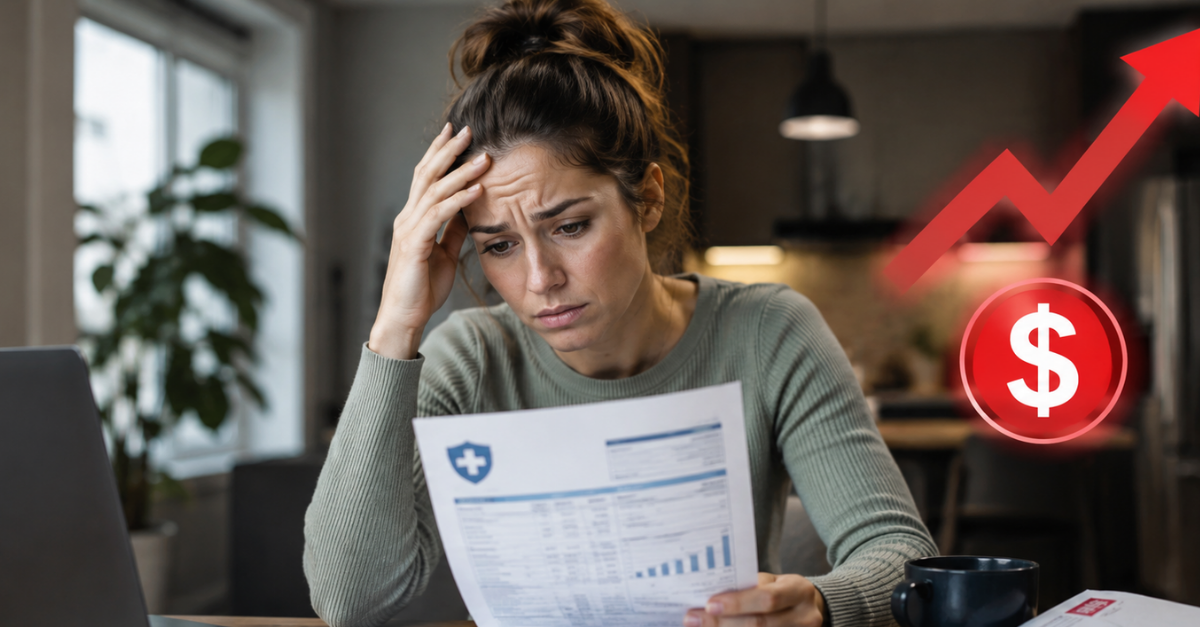
A Surprise Bill Nobody Wants
Opening your renewal notice and seeing a much higher insurance premium can be a nasty surprise. Whether it's car, home, or health insurance, many people have been dealing with rising costs in recent years. The good news is that a higher premium does not necessarily mean you're out of options.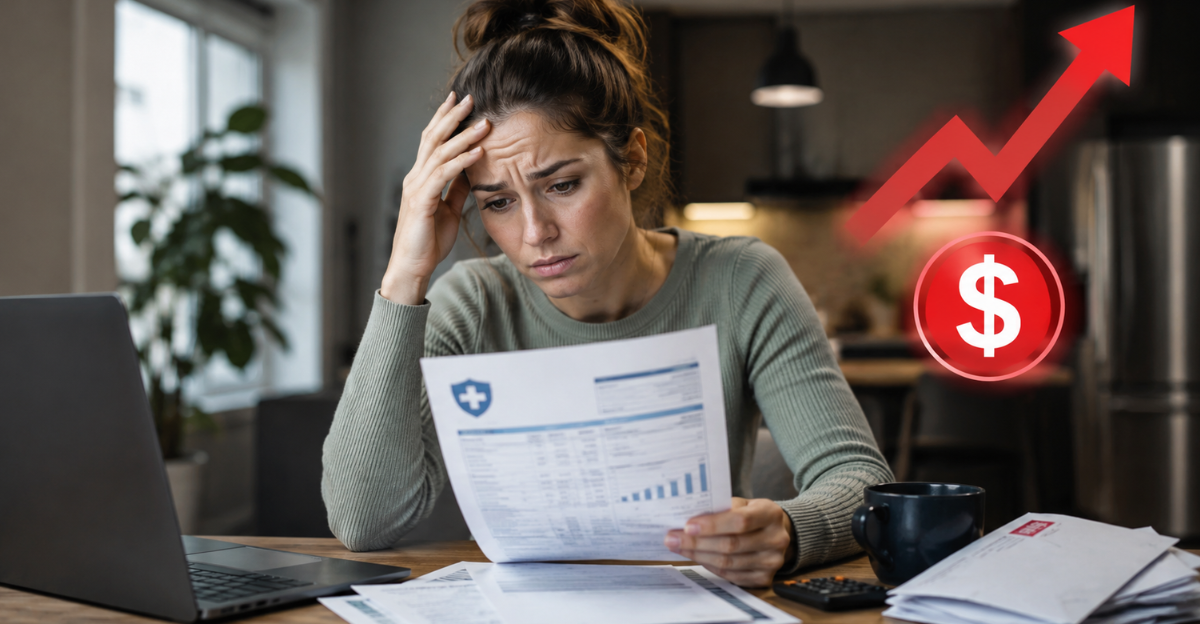 Factinate LTD
You're Probably Not The Only One
When premiums jump, it's easy to assume the insurance company is targeting you specifically. In reality, insurers often raise rates for large groups of customers at the same time because their overall costs have gone up. That means your increase may have very little to do with your personal situation.

Inflation Affects Insurance Too
Insurance companies pay for repairs, replacements, and medical bills when claims happen. When the prices of cars, building materials, labor, and healthcare rise, insurers usually pass some of those higher costs along to customers through premium increases.

Weather Disasters Are Getting Expensive
Major storms, wildfires, floods, and other natural disasters have become a significant factor in insurance pricing. When insurers pay out billions of dollars in claims after severe weather events, those costs often affect premiums for many policyholders.

Where You Live Matters
Your ZIP code can have a surprisingly large impact on what you pay. Areas with higher rates of accidents, theft, severe weather, or expensive repair costs are often considered riskier, which can result in higher premiums.

Personal Changes Can Affect Your Rate
Sometimes a premium increase is tied to something specific in your own history. Traffic tickets, accidents, insurance claims, adding a driver to your policy, or changes in other rating factors can all contribute to a higher bill.

Homeowners Have Been Hit Especially Hard
Many homeowners have seen significant premium increases over the past few years. Rising construction costs, expensive weather-related claims, and higher rebuilding expenses have made home insurance more costly in many parts of the country.

Car Insurance Isn't Getting Cheaper Either
Vehicle repairs cost more than they used to, and modern cars often contain expensive technology that must be replaced after an accident. Even drivers with spotless records have seen premiums rise because insurers are facing larger claim costs across the board.
Health Insurance Costs Continue To Rise
Health insurance has also become more expensive for many consumers. Rising healthcare costs, prescription drug expenses, and increased demand for medical services have all contributed to higher premiums.

Read Your Renewal Carefully
Before assuming there's nothing you can do, take a close look at your renewal paperwork. The documents may explain changes in your coverage, deductibles, discounts, or policy terms that contributed to the increase.

Double-Check For Errors
Insurance companies are not immune to mistakes. Make sure your policy information is accurate and that no incorrect drivers, vehicles, claims, or coverage details have been added to your account.

Pick Up The Phone
A quick call to your insurer can sometimes provide answers that aren't obvious from the paperwork. Representatives may be able to explain the increase, review your coverage, and point out discounts you aren't currently receiving.

Shop Around Before Renewing
One of the most effective ways to lower your costs is comparing quotes from multiple insurance companies. Rates can vary dramatically between insurers, even when the coverage is nearly identical.

Loyalty Doesn't Always Save Money
Many people assume sticking with the same company for years guarantees the best deal. Unfortunately, that's not always true. Some long-time customers discover they can save a substantial amount simply by getting quotes from competitors.

Ask About Discounts
Insurance companies offer a surprising number of discounts. Bundling policies, maintaining a clean driving record, installing safety devices, enrolling in paperless billing, or completing approved programs can all potentially reduce your premium.

Consider A Higher Deductible
Choosing a higher deductible often lowers your premium because you're agreeing to pay more out of pocket if a claim occurs. Just make sure you have enough savings available to cover that deductible if you ever need to use your insurance.

Review Your Coverage Needs
As your circumstances change, some coverages may no longer make sense. For example, owners of older vehicles sometimes reevaluate whether certain optional coverages are still worth the cost.

Don't Cut Too Deep
While reducing coverage can save money, it can also leave you exposed when something goes wrong. The goal should be finding the right balance between affordability and protection rather than simply choosing the cheapest policy possible.

Check With Your State Insurance Department
If you don't understand why your rates increased or believe something is incorrect, your state's insurance department may be able to help. These agencies oversee insurance companies and often provide consumer assistance.

Look For Financial Assistance Programs
If health insurance is the issue, you may qualify for subsidies or premium assistance depending on your income and household situation. Reviewing your eligibility could significantly lower your monthly costs.

Make Insurance Reviews A Yearly Habit
Many people simply renew their policies without looking at alternatives. Taking time once a year to review your coverage, compare quotes, and check for discounts can help prevent unpleasant surprises.
You Probably Have More Options Than You Think
A sudden premium increase can feel overwhelming, especially when money is already tight. However, reviewing your policy, shopping around, asking about discounts, adjusting deductibles, and exploring available assistance programs can often make coverage more affordable. Before giving up or canceling your insurance altogether, it's worth taking a little time to see what options are available.

You May Also Like: