The Problem Usually Isn’t One Huge Splurge
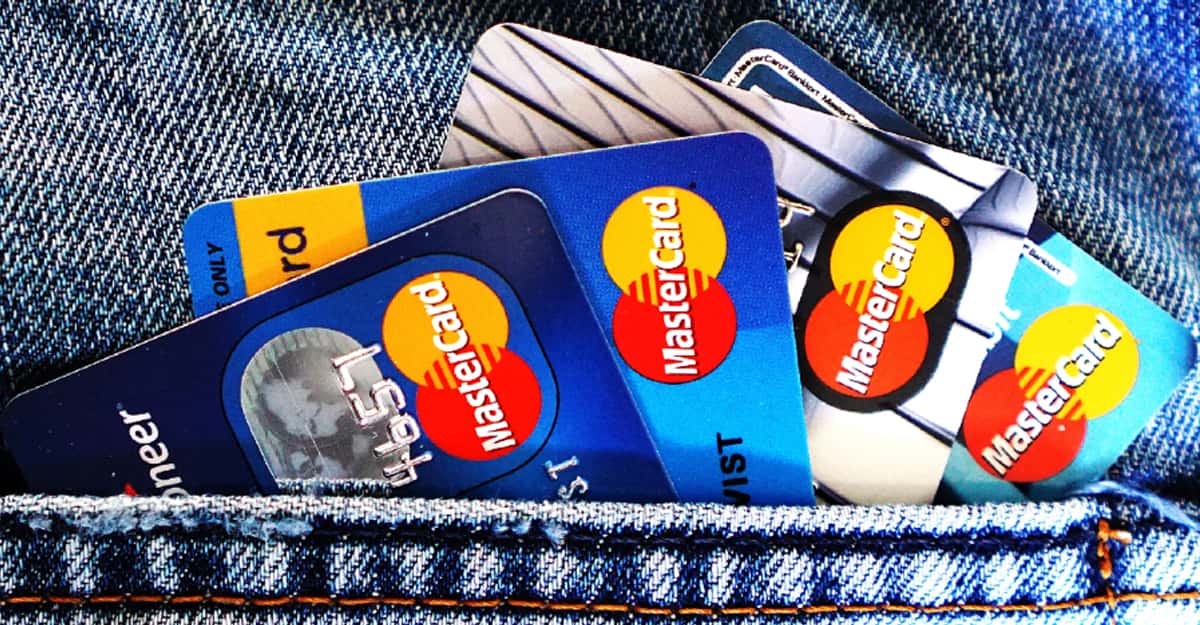
Most people notice a $1,500 television or an expensive vacation because the hit to the bank account is obvious. The harder spending to catch is the $8 charge here, $15 fee there, and $25 convenience purchase that barely registers in the moment. None of these expenses is necessarily a financial disaster on its own, but repeated often enough, they can quietly consume hundreds of dollars every month.
Unused Gym Memberships
A $30 or $40 gym membership feels inexpensive compared with boutique fitness classes. It’s expensive if you haven’t been in three months. If the membership isn’t being used, cancelling it isn’t admitting failure. It’s simply stopping payment for a service you aren’t receiving.

Lottery Tickets And Small Bets
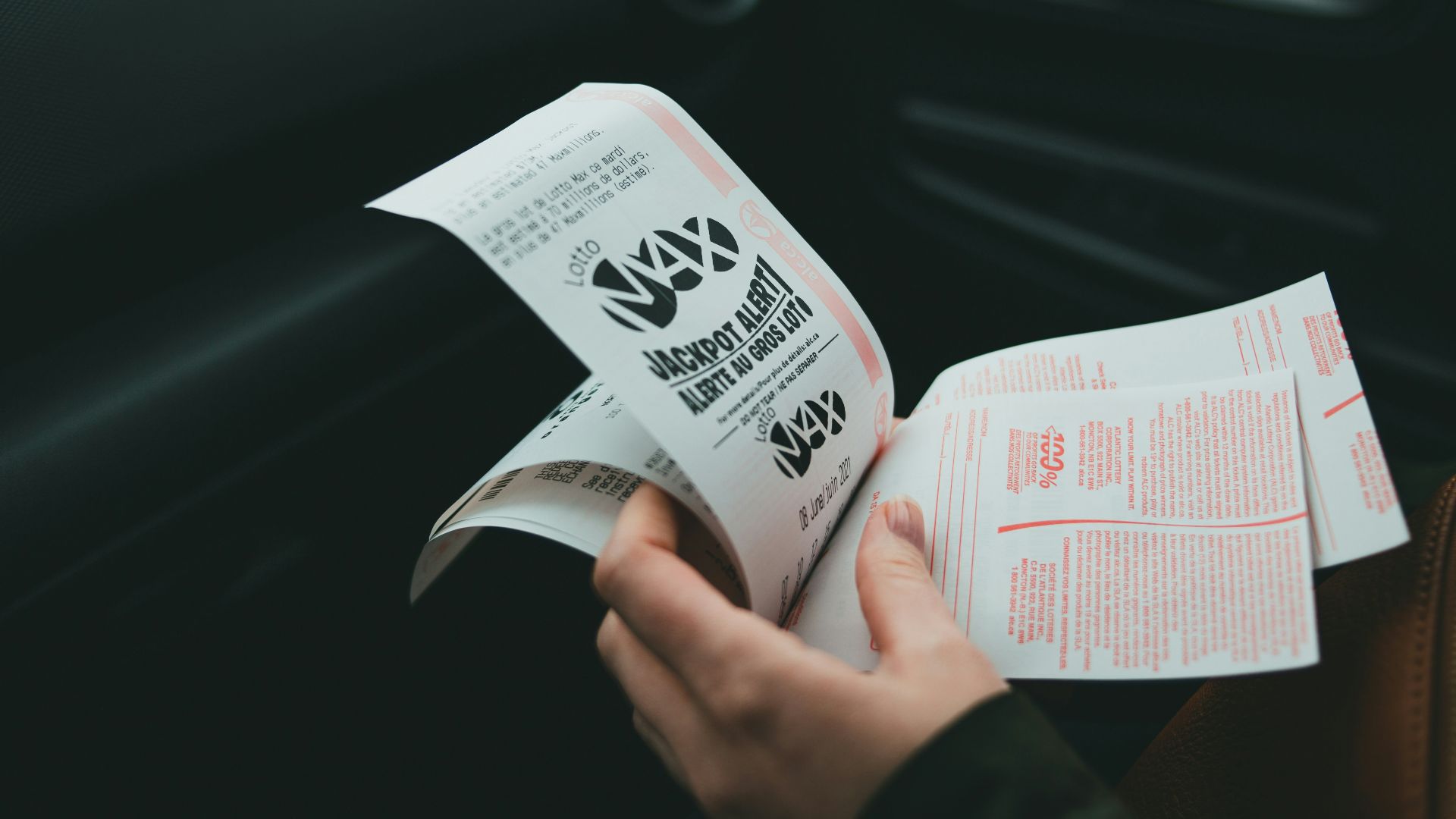
A few dollars on a lottery ticket, sports wager, office pool, or scratch card can feel like entertainment rather than spending. Frequency is what changes the math. A habit that costs $10 several times a week can consume more money than a larger entertainment purchase you would’ve thought about much more carefully.
Daily Coffee Runs
A $4 or $5 coffee doesn’t sound serious, especially when it gets you out the door in the morning. Buy one five days a week, though, and it becomes a meaningful monthly expense before food or pastries enter the picture. You don’t have to eliminate coffee shops entirely, but making most drinks at home and treating purchased coffee as an occasional expense can make a noticeable difference.

Food Delivery Fees
The menu total is only the beginning when dinner comes through a delivery app. Delivery charges, service fees, tips, small-order fees, and sometimes higher menu prices can push an ordinary meal well beyond what it would’ve cost to pick it up yourself. Consumer Reports has noted that third-party delivery services may also charge higher per-item prices, making convenience more expensive than it first appears.

Takeout Lunches At Work
A $12 or $15 lunch can feel reasonable because it’s not a fancy restaurant meal. Repeating it every workday is a different story. Packing lunch even two or three days a week can cut the expense substantially without requiring someone to brown-bag every meal forever.

Convenience-Store Snacks And Drinks
A bottled drink, protein bar, or bag of chips bought individually usually costs far more per serving than the same product purchased at a grocery store. The amounts are small enough that people rarely track them. Keeping a few snacks and drinks at work, in a bag, or in the car can eliminate a surprisingly expensive habit.
 Joshua Rawson-Harris, Unsplash
Bottled Water
Buying a bottle because you forgot one isn’t a problem. Buying bottled water almost every day can become one, especially when tap water is safe and readily available. A reusable bottle turns a repeated convenience purchase into a one-time expense.

Subscription Creep
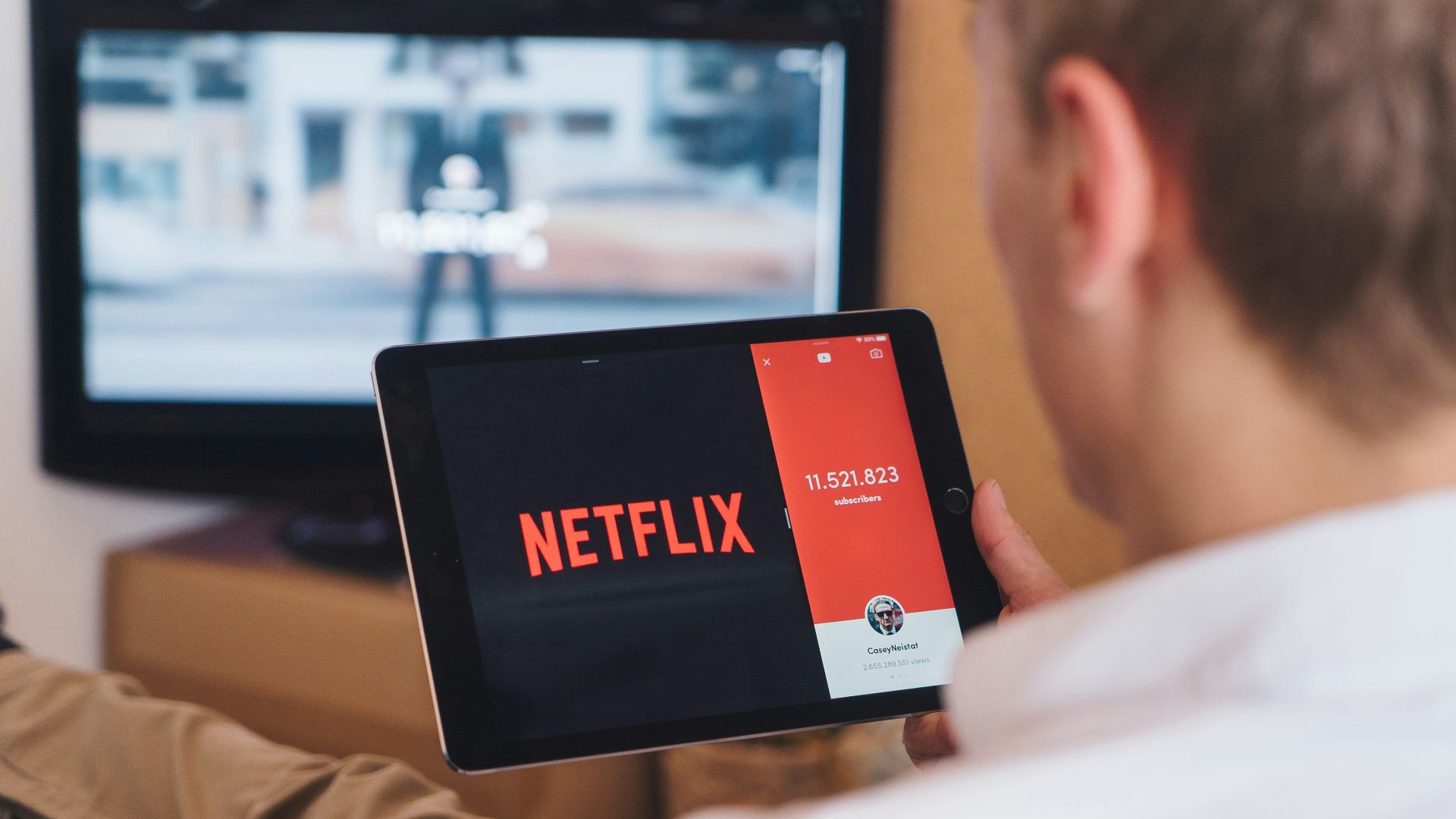
One streaming service may cost less than dinner out, which makes signing up feel harmless. The problem starts when video, music, cloud storage, apps, games, news, fitness programs, and premium memberships all renew automatically. A subscription audit every few months can uncover services you’ve forgotten you’re still paying for.
Free Trials You Forget To Cancel
A free week or month is cheap only if you remember when it ends. Many trials automatically convert into paid subscriptions, and that first charge can easily go unnoticed. Set a calendar reminder the day you sign up, not the day before you think you’ll remember to cancel.

App Store Purchases
A $1.99 upgrade or $4.99 add-on barely feels like spending money. Games, photo apps, productivity tools, dating apps, and mobile services can turn those tiny transactions into a recurring category of their own. Check app-store purchase history occasionally because these charges are easy to lose inside a credit-card statement.
 Karthik Balakrishnan, Unsplash
In-App Game Purchases
Virtual currency, extra lives, cosmetic items, and battle passes are designed to break larger spending into small transactions. That can make a $60 month of gaming feel like six unrelated $10 purchases. If this category regularly surprises you, set a fixed entertainment budget before opening the game.

Bank Account Fees
A monthly checking-account fee can seem unavoidable simply because it’s always been there. Depending on the account, though, changing banks, meeting a minimum balance, qualifying for a waiver, or switching to a no-fee option may eliminate it. NerdWallet notes that monthly account charges, ATM fees, overdrafts, and other banking costs can add up surprisingly quickly.

Out-Of-Network ATM Fees
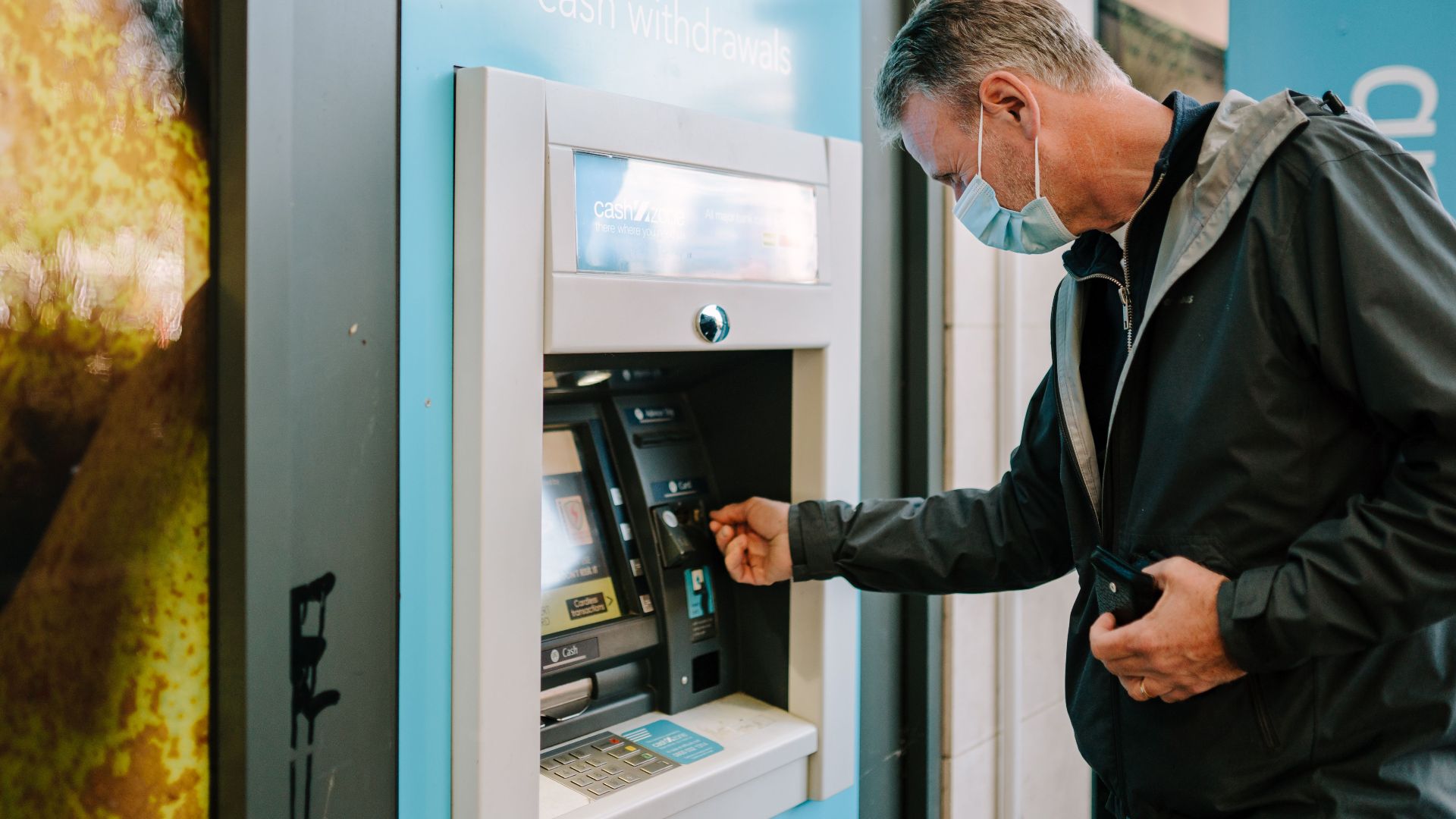
Paying a few dollars to access your own money is easy to shrug off when you need cash immediately. If both the ATM operator and your bank charge a fee, one withdrawal can become much more expensive than expected. Planning cash withdrawals or using an in-network ATM avoids paying for something that usually doesn’t need to cost anything.
 Centre for Ageing Better, Pexels
Overdraft Fees
An inexpensive debit purchase can become extremely expensive when it pushes an account below zero. The CFPB has found that small purchases have historically generated a significant share of overdraft charges, meaning a modest transaction can trigger a fee larger than the purchase itself. Keeping a small buffer and setting low-balance alerts can help prevent that.

Credit Card Interest On Small Balances
Carrying $200 or $300 may not feel like serious debt, which makes it easy to leave on a card month after month. Interest keeps charging until the balance is gone, and new purchases can make it harder to catch up. Small balances deserve the same urgency as larger ones because they can become larger surprisingly quickly.

Credit Card Late Fees
Forgetting a due date can turn a routine bill into an unnecessary expense. Automatic minimum payments and payment reminders can prevent that even if you prefer to pay the full statement manually. The easiest fee to recover from is usually the one you never incur.
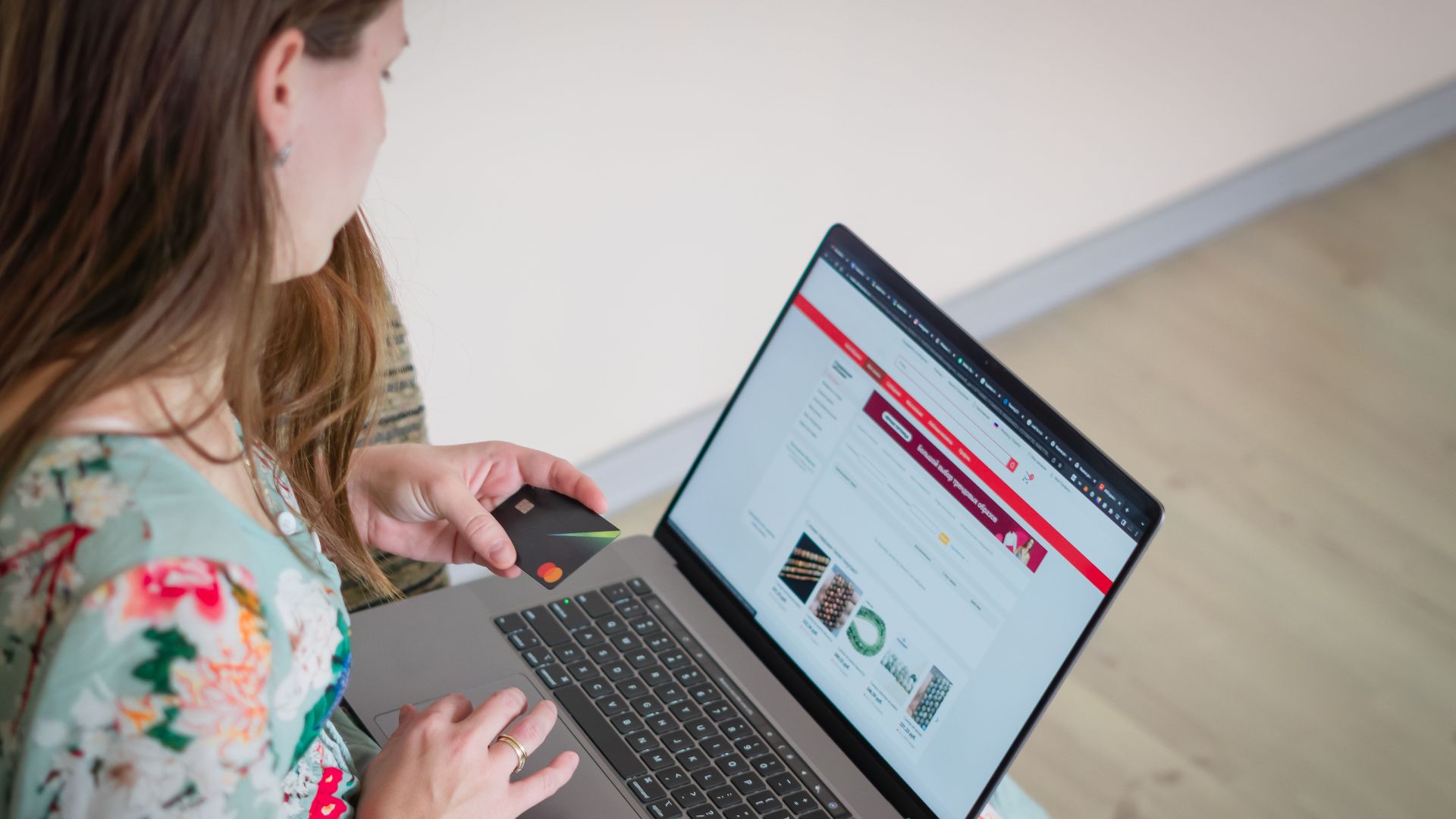
Buy Now, Pay Later Purchases
Four payments of $25 can feel much cheaper than spending $100, even though you’re still committing $100 of future income. The danger grows when several installment plans overlap. The CFPB notes that some BNPL arrangements can also lead to late, overdraft, or insufficient-funds costs when automatic payments arrive and there isn’t enough money available.

Extended Warranties On Small Electronics
Paying $15 or $25 to protect a modest purchase doesn’t sound excessive. But buying protection plans repeatedly on headphones, kitchen gadgets, toys, and electronics can cost more than occasionally replacing something that breaks. Consumer Reports warns that extended warranties may duplicate coverage consumers already have.

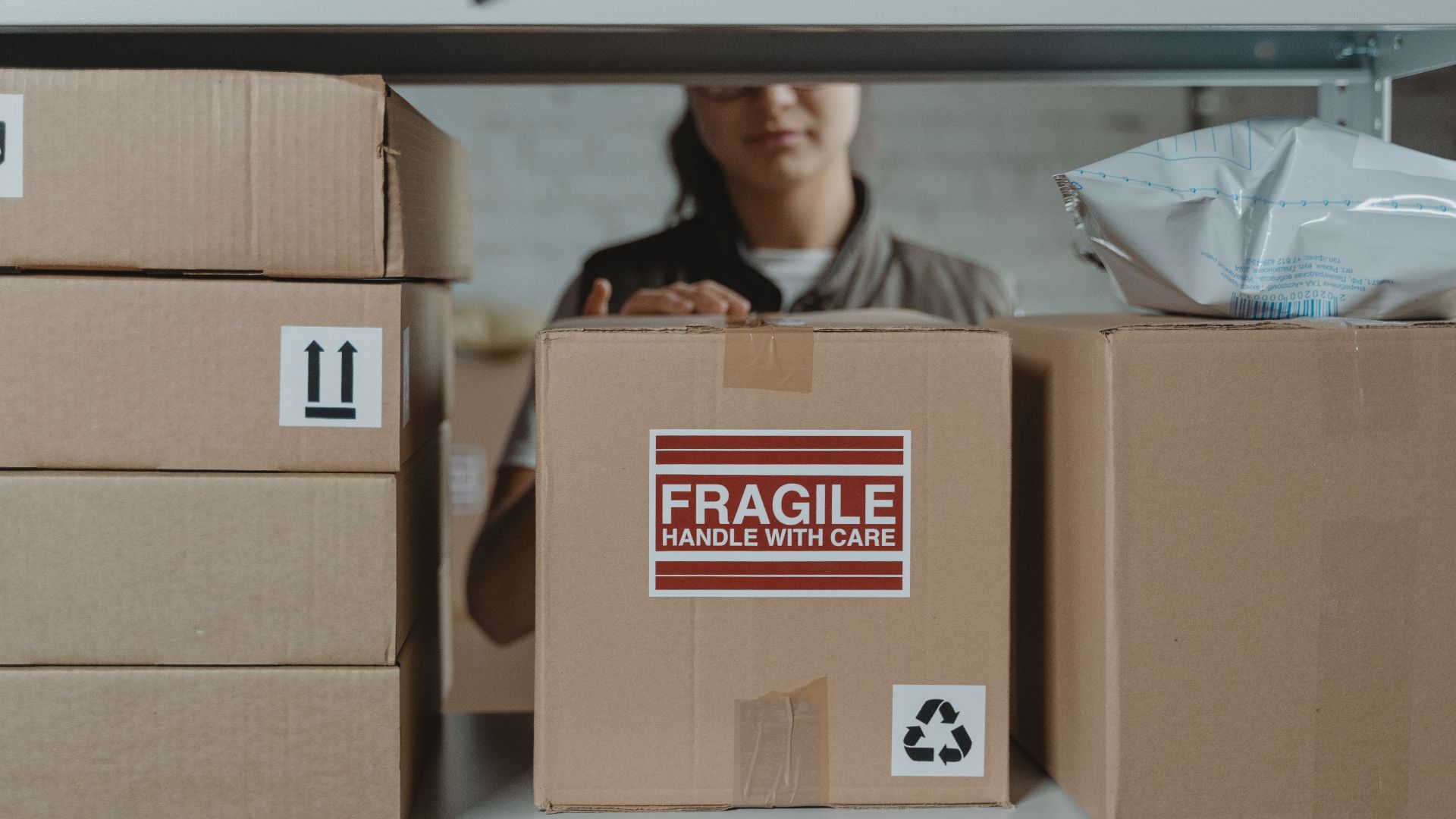
Shipping Charges
Paying $6 or $8 for shipping feels minor when you want one item immediately. Do that several times a month and it becomes a surprisingly expensive convenience. Combining purchases, meeting a legitimate free-shipping threshold, or simply waiting until you need several things can cut the cost.

Online Return Fees
Retailers increasingly charge for return shipping or deduct handling costs from refunds. Ordering several sizes “just to see” can therefore carry a real financial cost. Before buying, check the return policy instead of assuming every online return is free.
Grocery Delivery Markups
Grocery delivery can save time, but the added cost isn’t always limited to a visible delivery fee. Prices may differ from those in the physical store, and memberships or service charges can increase the total further. Consumer Reports recommends calculating the real value of grocery-delivery memberships rather than assuming convenience automatically equals value.

Pre-Cut Produce
Chopped onions, sliced fruit, spiralized vegetables, and pre-portioned snacks save preparation time, but you’re paying for that labor and packaging. Sometimes the convenience is completely worth it, especially for people with limited time or mobility. When it becomes the default for every ingredient, though, the premium can quietly inflate the grocery bill.

Single-Serving Packages
Tiny bags, cups, and bottles are convenient for lunches and portion control, but they often cost more per ounce than larger packages. Buying a larger container and portioning it yourself usually costs less. Unit pricing is the quickest way to see whether convenience packaging is quietly doubling the price.

Impulse Purchases At Checkout
Candy, drinks, batteries, magazines, cosmetics, and small gadgets are placed near checkout because shoppers are already mentally done comparing prices. A $3 impulse purchase barely matters once. Repeating it every shopping trip turns it into a real budget category.

Premium Gas When The Car Doesn’t Require It
If an owner’s manual says regular gasoline is acceptable, routinely buying premium may provide little or no meaningful benefit for that particular vehicle. The price difference at each fill-up looks small, but over a year it can add up considerably. Follow the manufacturer’s fuel requirement rather than automatically assuming higher octane is better.

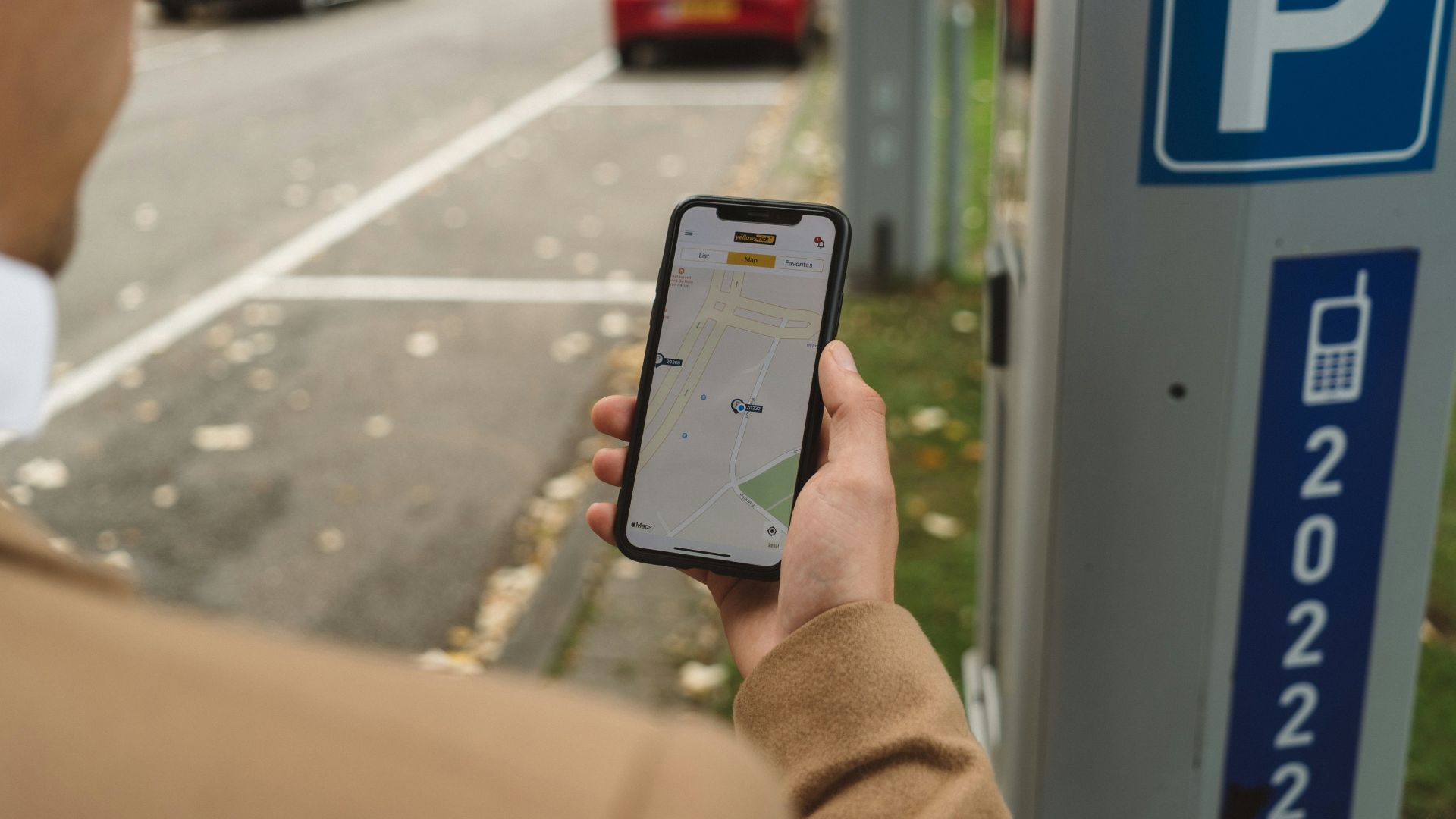
Parking Apps And Meter Extensions
Paying another $2 through an app feels easier than risking a ticket. But repeated short parking sessions, convenience charges, and overestimating how much time you need can quietly add up. When practical, compare daily rates, transit, validated parking, or free alternatives instead of repeatedly feeding a meter.
Ride-Hailing For Very Short Trips
A short ride may not look expensive on the confirmation screen, but repeated rides for distances that could reasonably be walked, cycled, or covered by transit can become a major monthly expense. Surge pricing makes the effect even stronger. The problem isn’t using ride-hailing, but treating it as the automatic choice.

“Just One Drink” At Restaurants
A drink can add a surprisingly large percentage to the final restaurant bill once taxes and tips are included. Add cocktails, wine, coffee, or soda every time you eat out and the recurring cost becomes substantial. Choosing water occasionally can reduce the bill without changing the meal itself.

Convenience And Service Fees
Concert tickets, event bookings, hotel reservations, food orders, and online purchases can all carry charges that appear only near checkout. Consumer Reports has documented cases where ticket convenience and other fees significantly increase the advertised price. Always make decisions based on the final checkout total, not the headline number.

Small Purchases Become Expensive Through Repetition
The lesson isn’t that nobody should buy coffee, order dinner, use a gym, or pay for convenience. Small pleasures are part of a realistic budget. The danger is spending on autopilot because each individual charge looks too minor to matter. Track the recurring ones, eliminate the costs you barely value, and keep the small expenses that genuinely make life better. A paycheck usually isn’t drained by one $5 purchase. It’s drained by the same $5 purchase happening over and over without anyone noticing.

You May Also Like:
Grocery Store Items Everyone Was Buying In The 70s—But By The 80s Had Disappeared From Store Shelves
Wasteful Expenses That Are Keeping You Poor, According To Warren Buffett