Times Are Tough And Grocery Lists Get Cut
Grocery lists used to feel almost automatic. Milk, eggs, paper towels, cereal, coffee, snacks, detergent, and a few favorite treats went into the cart without much debate. Now, more shoppers are pausing in the aisle, comparing prices, switching to store brands, or quietly deciding they can live without something for another week.
The cuts are not always dramatic, but they add up. Has your go-to grocery list changed over time?
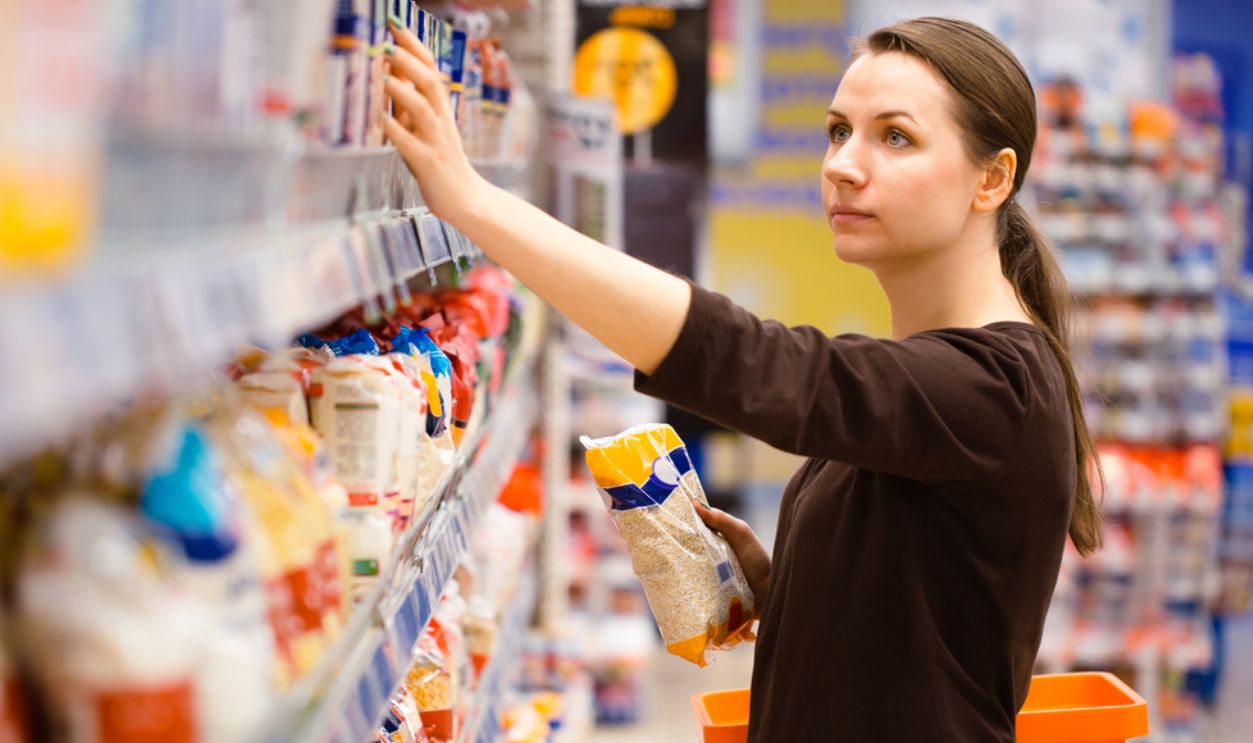
Name-Brand Cereal Is Losing Its Guaranteed Spot
Cereal used to be one of the easiest things to toss into the cart, especially for busy mornings. But name-brand boxes have become easier to question when cheaper store versions sit right beside them. Families are stretching breakfast with oatmeal, toast, eggs, or bulk bags instead. The cereal aisle still looks familiar, but loyalty is weaker.
 Vladyslav Starozhylov, Shutterstock
Paper Towels Are Becoming More Of A Luxury
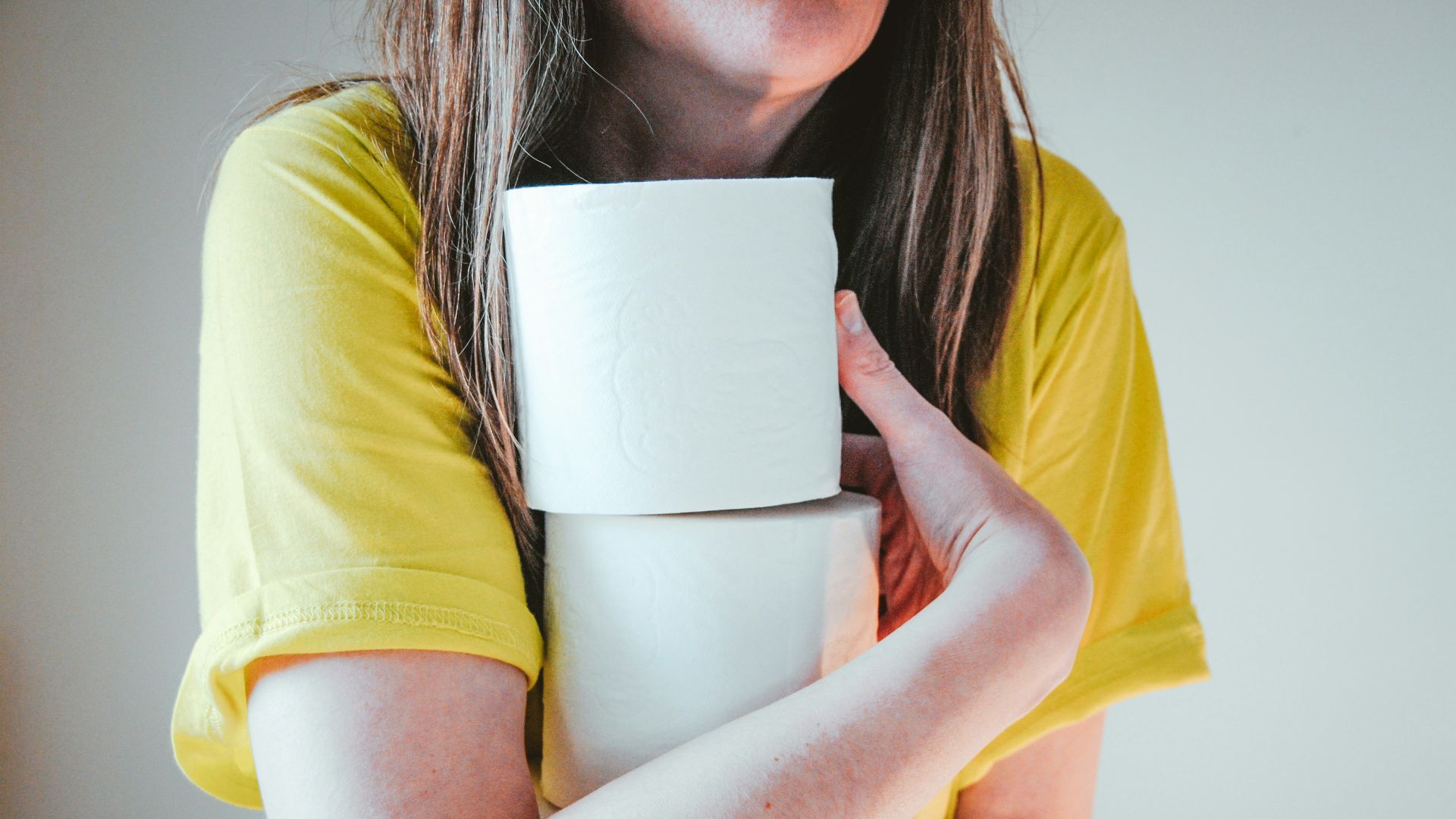
Paper towels once felt like a basic household staple, but many people are realizing how quickly a multi-pack disappears. Some households are switching to washable cloths, dish towels, or cheaper single rolls for messes that truly need them. It is a small change, but it turns a throwaway habit into a budget decision.
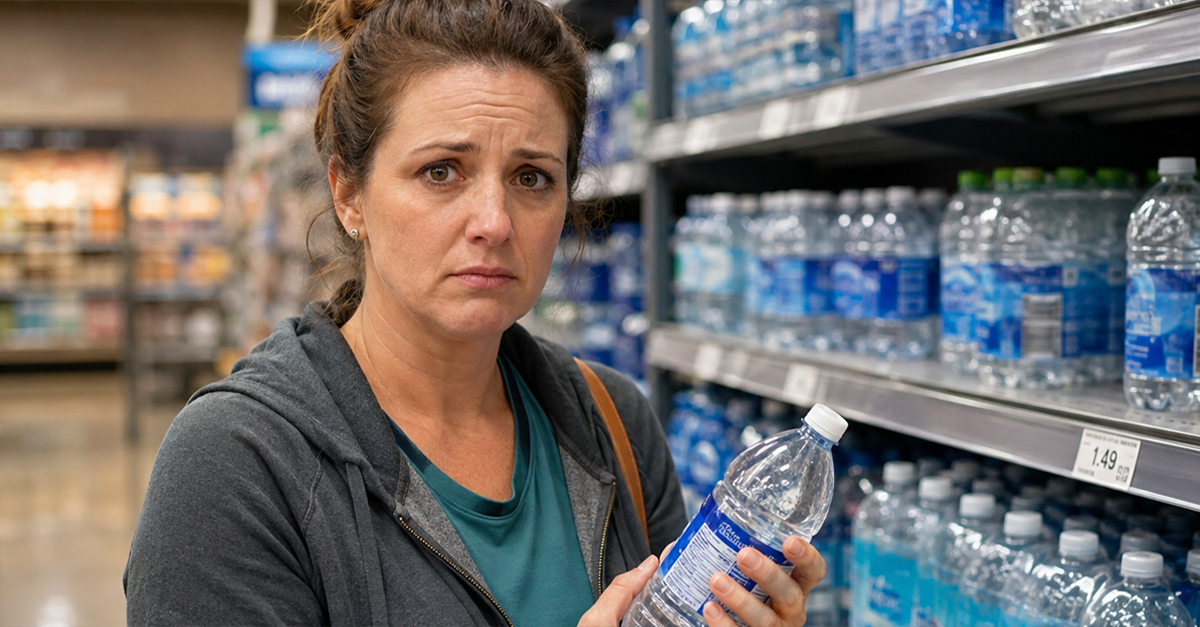
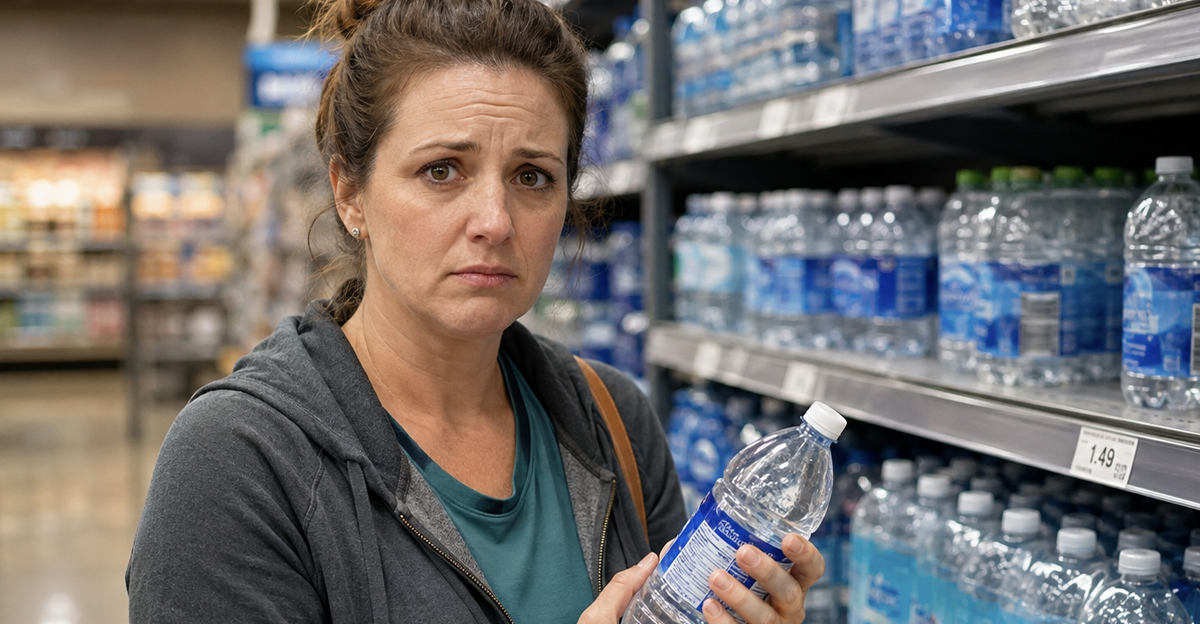
Bottled Water Is Getting Harder To Justify
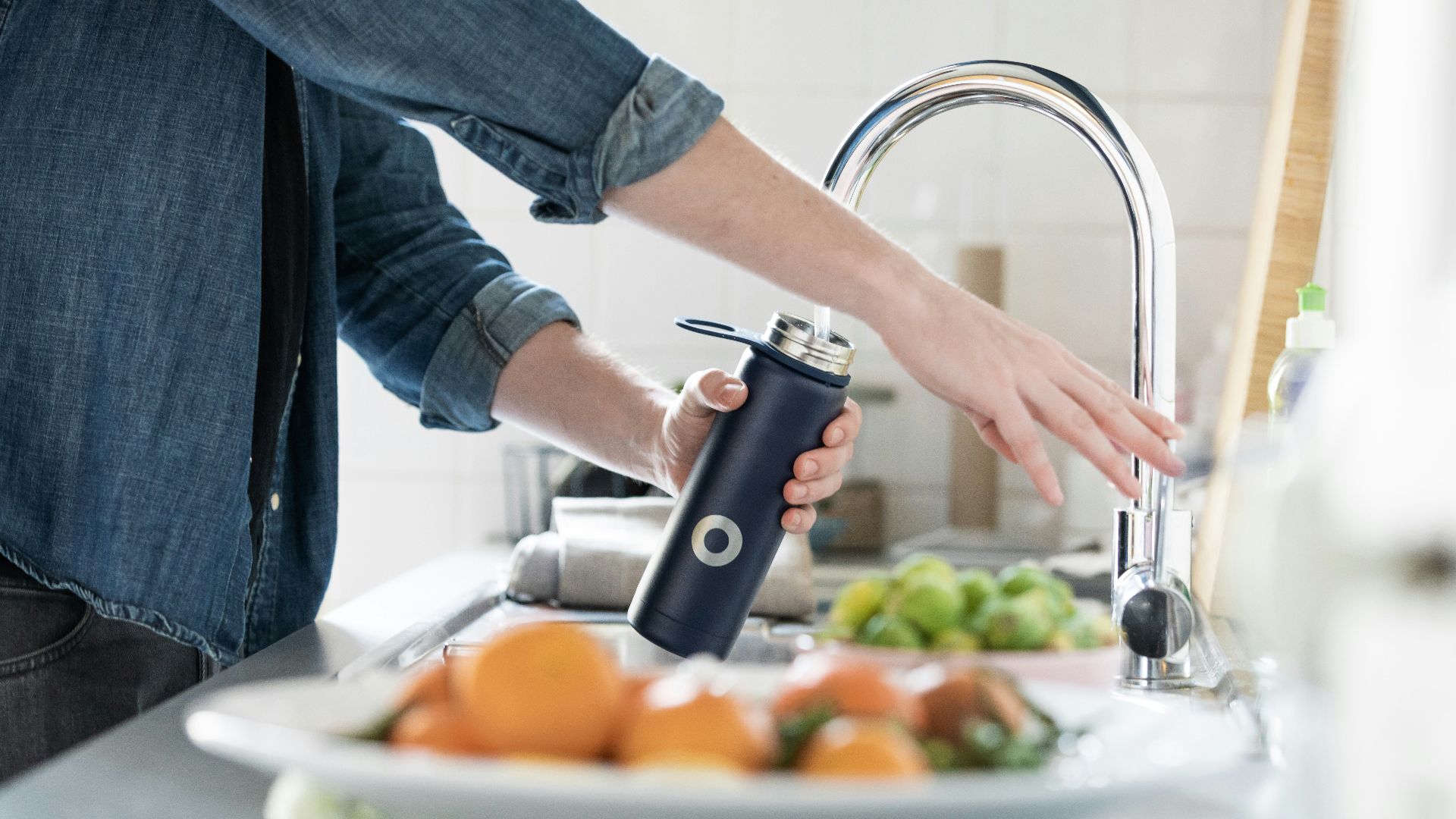
For households with safe tap water, bottled water is one of the first things people reconsider. Cases are heavy, bulky, and increasingly expensive compared with filters or reusable bottles. Many shoppers still buy it for emergencies, road trips, or taste, but fewer treat it as an automatic weekly purchase.
Soda And Sparkling Drinks Are Quietly Shrinking
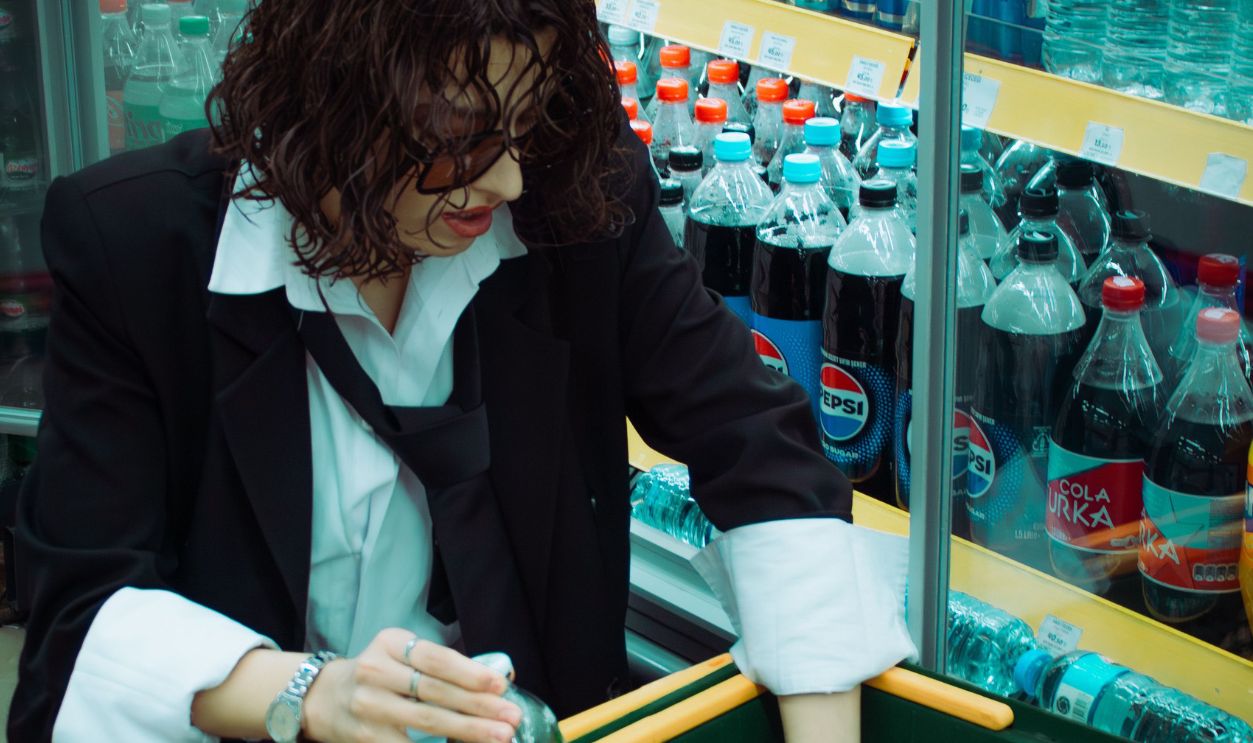
Soft drinks, flavored waters, and sparkling beverages can make a grocery cart feel expensive fast. Some people are cutting them entirely, while others wait for sales, buy fewer cans, or switch to store brands. The habit is not gone, but it is becoming more deliberate than it used to be.
Snack Packs Are Losing Their Convenience Advantage
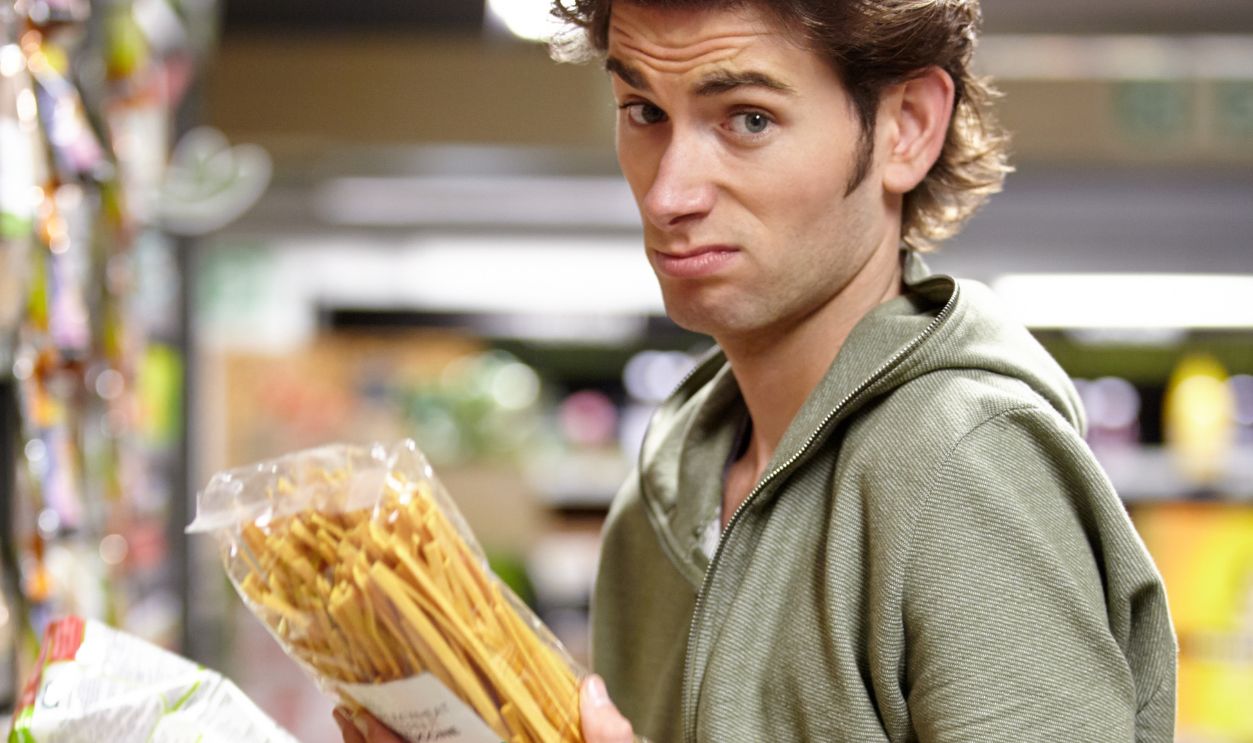
Individually wrapped chips, cookies, crackers, and lunchbox snacks are convenient, but that convenience costs money. Parents are increasingly comparing the price per ounce and realizing bulk bags stretch further. The trade-off is a little more prep, but the savings can be obvious after just a few grocery trips.
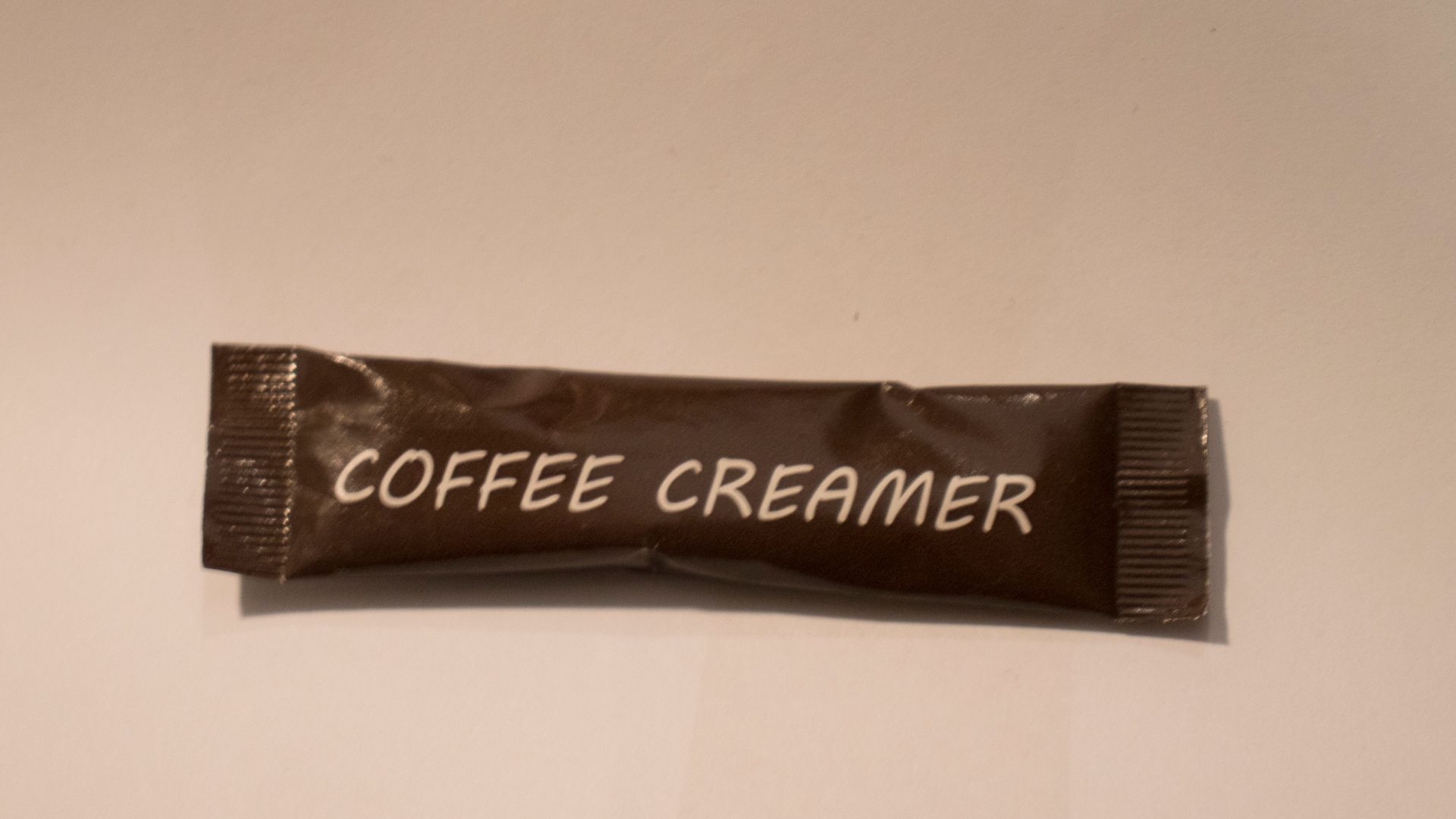
Fancy Coffee Creamers Are Easier To Skip
Coffee creamer became a small daily pleasure for many households, especially with seasonal flavors and café-style options. But when grocery budgets tighten, flavored creamers can look more like a treat than a staple. Some shoppers are going back to milk, half-and-half, or plain coffee until the next sale appears.
 WanderingTrad, Wikimedia Commons
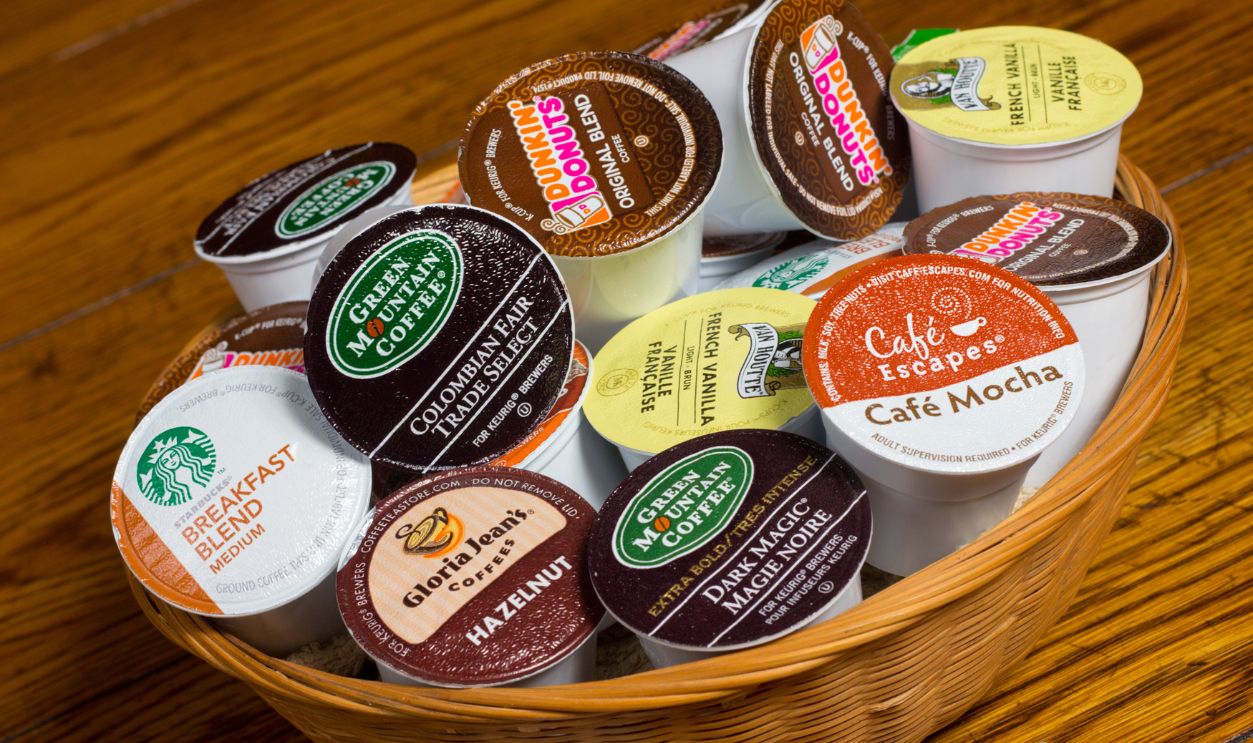
Coffee Pods Are Being Reconsidered
Single-serve coffee pods are fast and tidy, but they are often more expensive per cup than ground coffee. People who once loved the convenience are switching back to drip machines, reusable pods, or larger bags of coffee. It is not always glamorous, but it makes the morning routine cheaper.
Fresh Berries Are Becoming A Sometimes Food
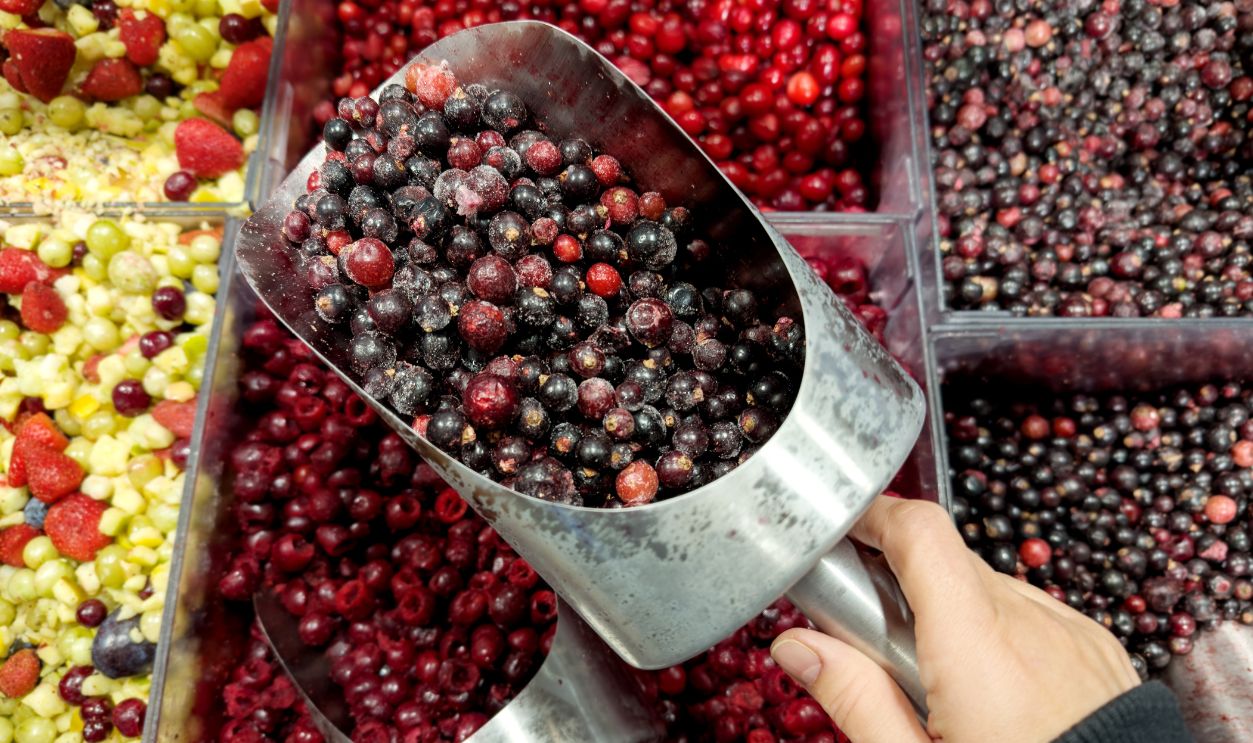
Berries are healthy, beautiful, and easy to love, but they can be painfully expensive and spoil quickly. Many shoppers now buy them only on sale, switch to frozen berries, or choose cheaper fruit like apples and bananas. The goal is not to abandon fresh produce, but to avoid watching money mold in the fridge.
Bagged Salads Are Facing Tougher Competition
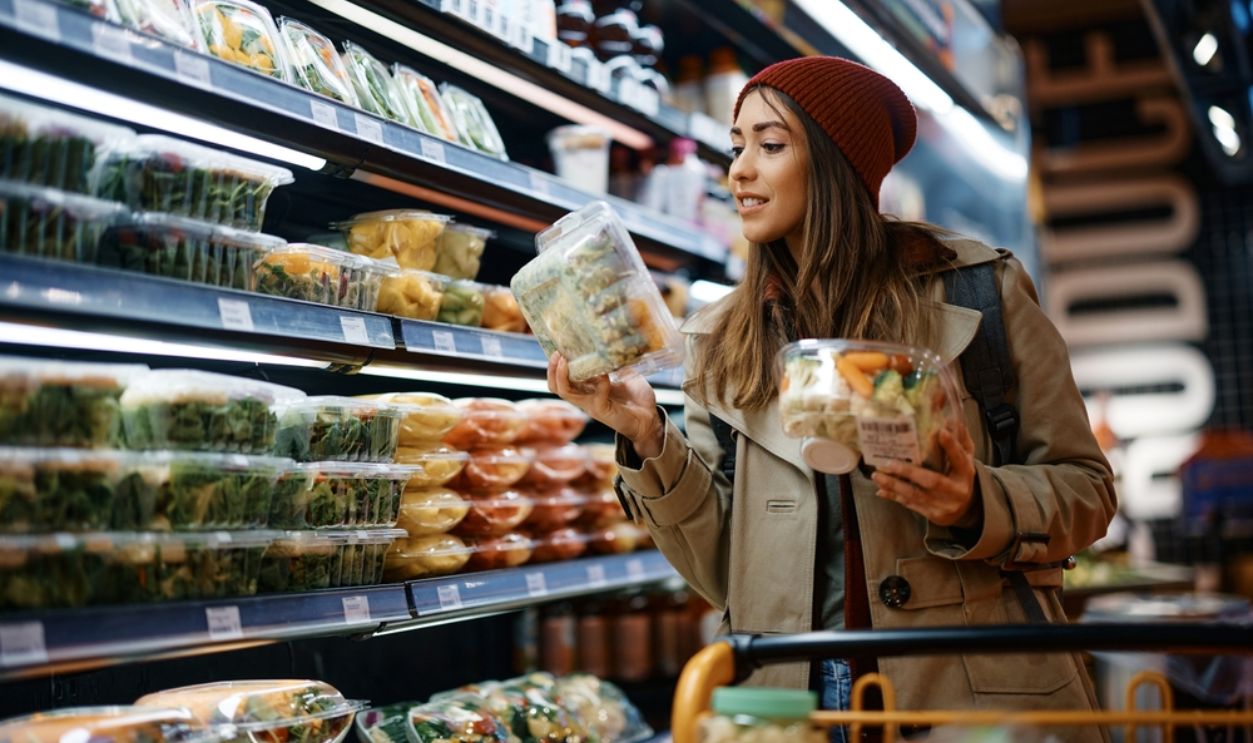
Prewashed salad kits save time, but their prices and short shelf lives make them harder to justify. Some shoppers are buying whole heads of lettuce, cabbage, carrots, or spinach instead. Others skip salad kits entirely when they know the week will be too busy to finish them before they wilt.
Deli Meat Is No Longer An Automatic Lunch Staple
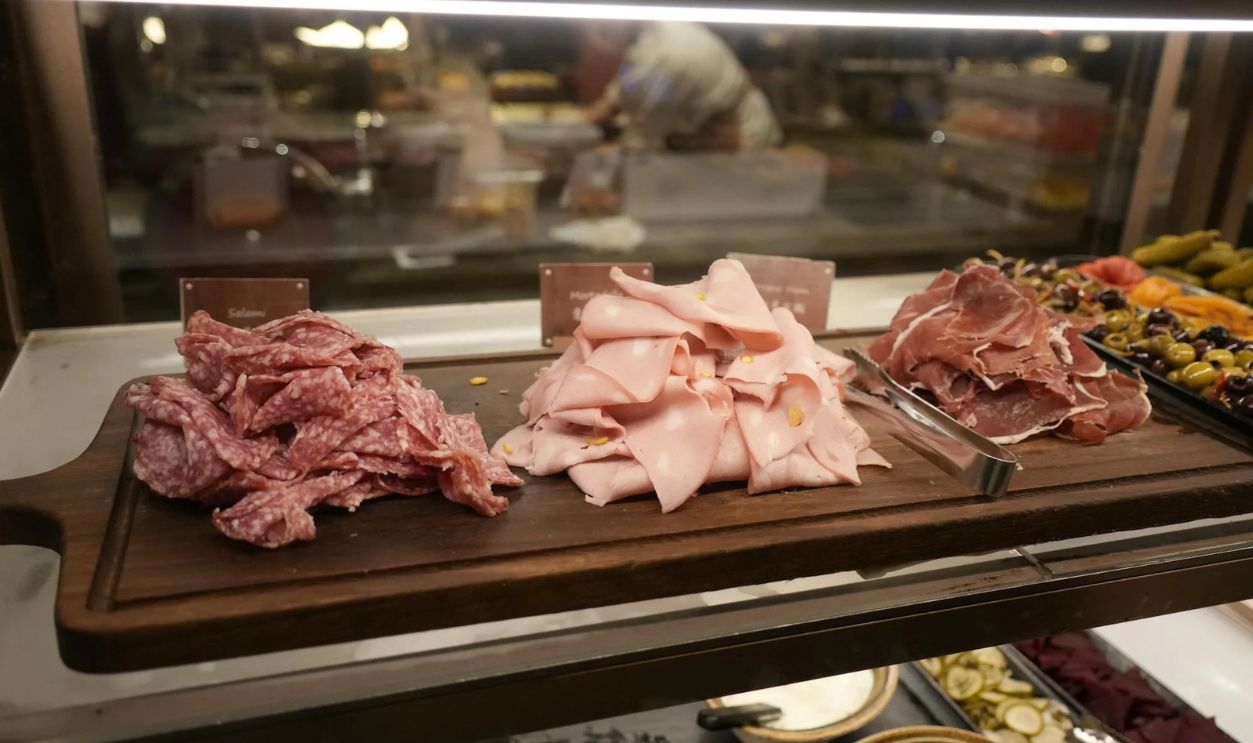
Deli meat has long been a sandwich default, but prices have pushed many households to rethink lunch. Leftover chicken, tuna, eggs, peanut butter, beans, or homemade spreads can stretch further. Sandwiches are not disappearing, but the old habit of buying a pound of sliced meat every week is easier to question.
Steak And Premium Beef Are Moving To Special Occasions
Many people still love steak, roasts, and higher-end cuts of beef, but they are less likely to treat them as ordinary weeknight food. Ground meat, chicken thighs, pork, beans, lentils, and eggs are often doing more of the heavy lifting. Beef has not vanished from the table; it has become more strategic.
Chicken Breasts Are Losing Ground To Cheaper Cuts
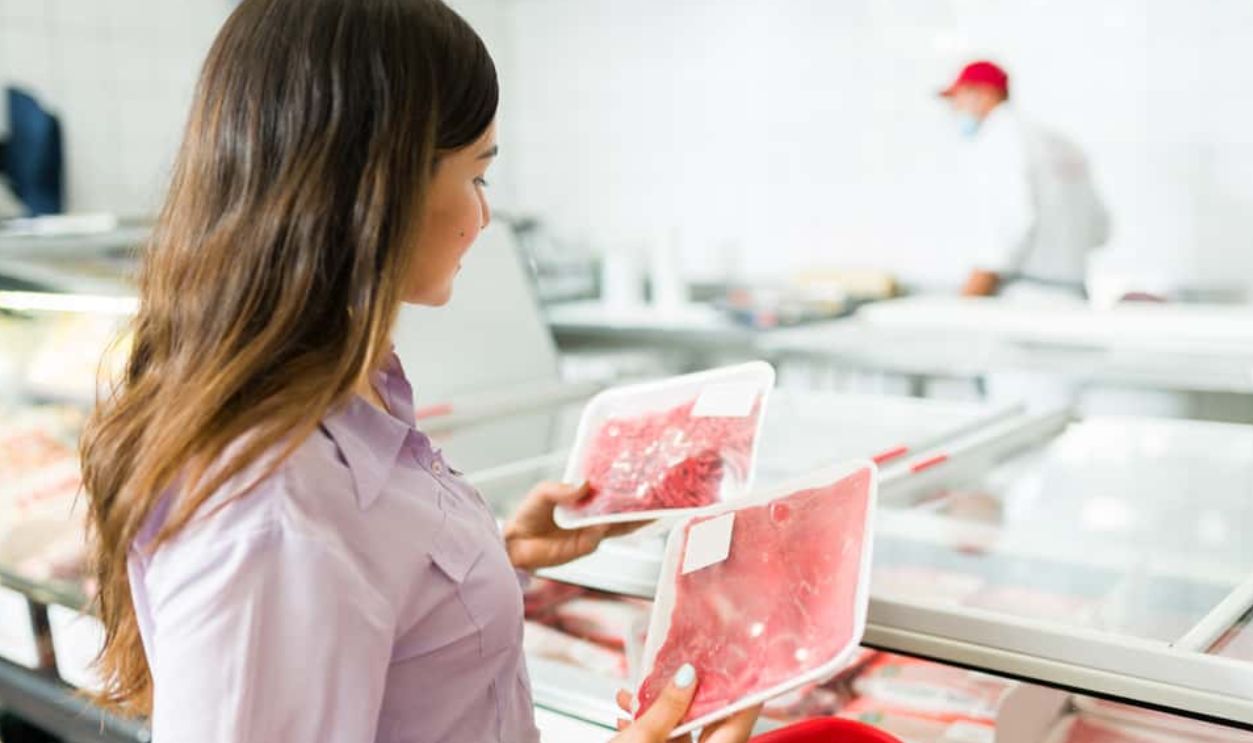
Boneless, skinless chicken breasts are convenient, but thighs, drumsticks, whole chickens, and bulk packs often offer better value. Shoppers trying to reduce costs are getting more comfortable with cuts that require a little extra cooking knowledge. The family protein plan is becoming less about habit and more about price per meal.

Cheese Is Being Bought More Carefully
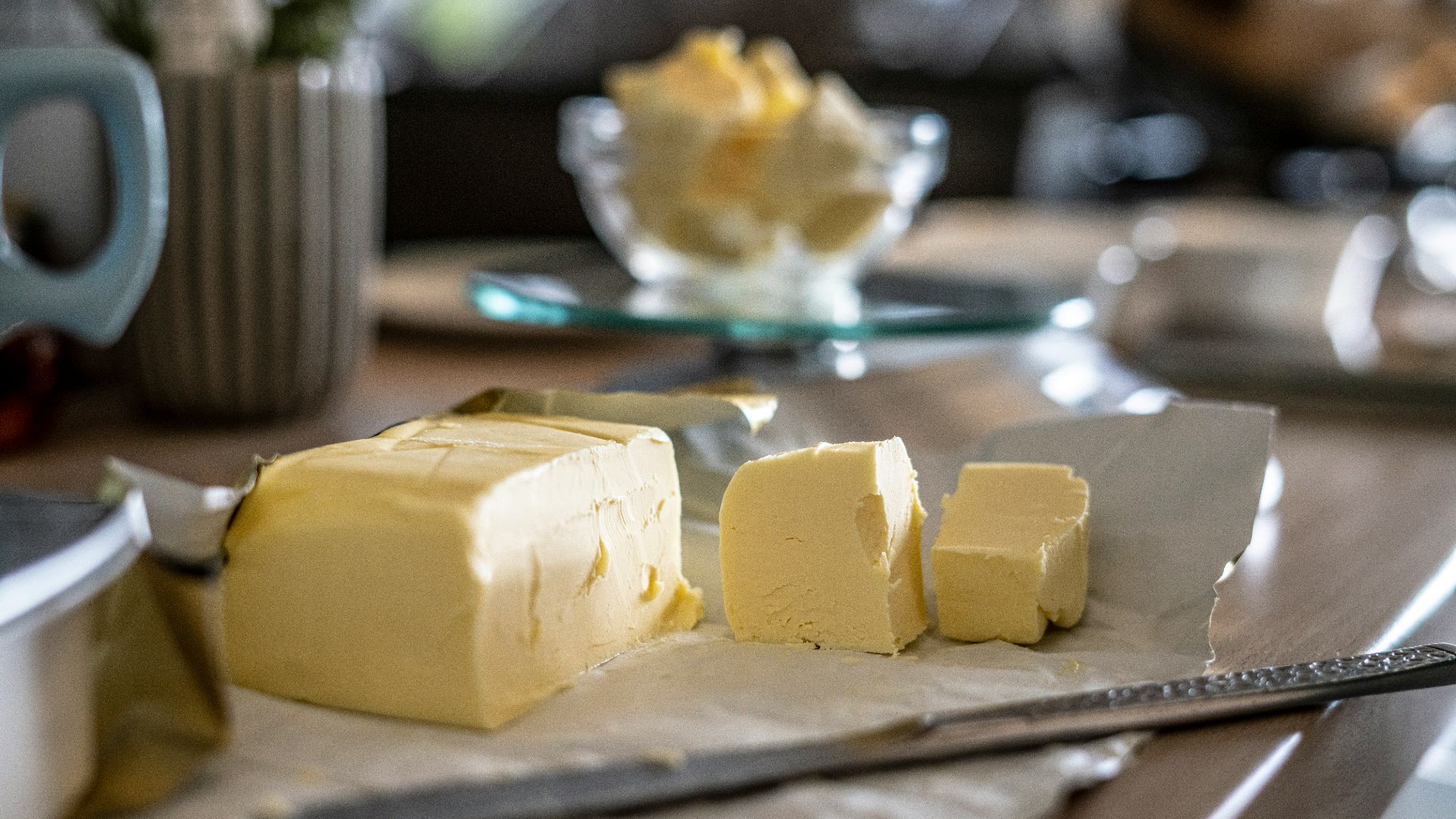
Cheese once felt like a harmless add-on: slices for sandwiches, shredded bags for tacos, blocks for snacking. Now, many shoppers notice how quickly it inflates the total. Some buy smaller amounts, shred blocks themselves, wait for sales, or skip specialty cheeses. The charcuterie-board era has met the grocery-budget era.
Eggs Are No Longer Taken For Granted
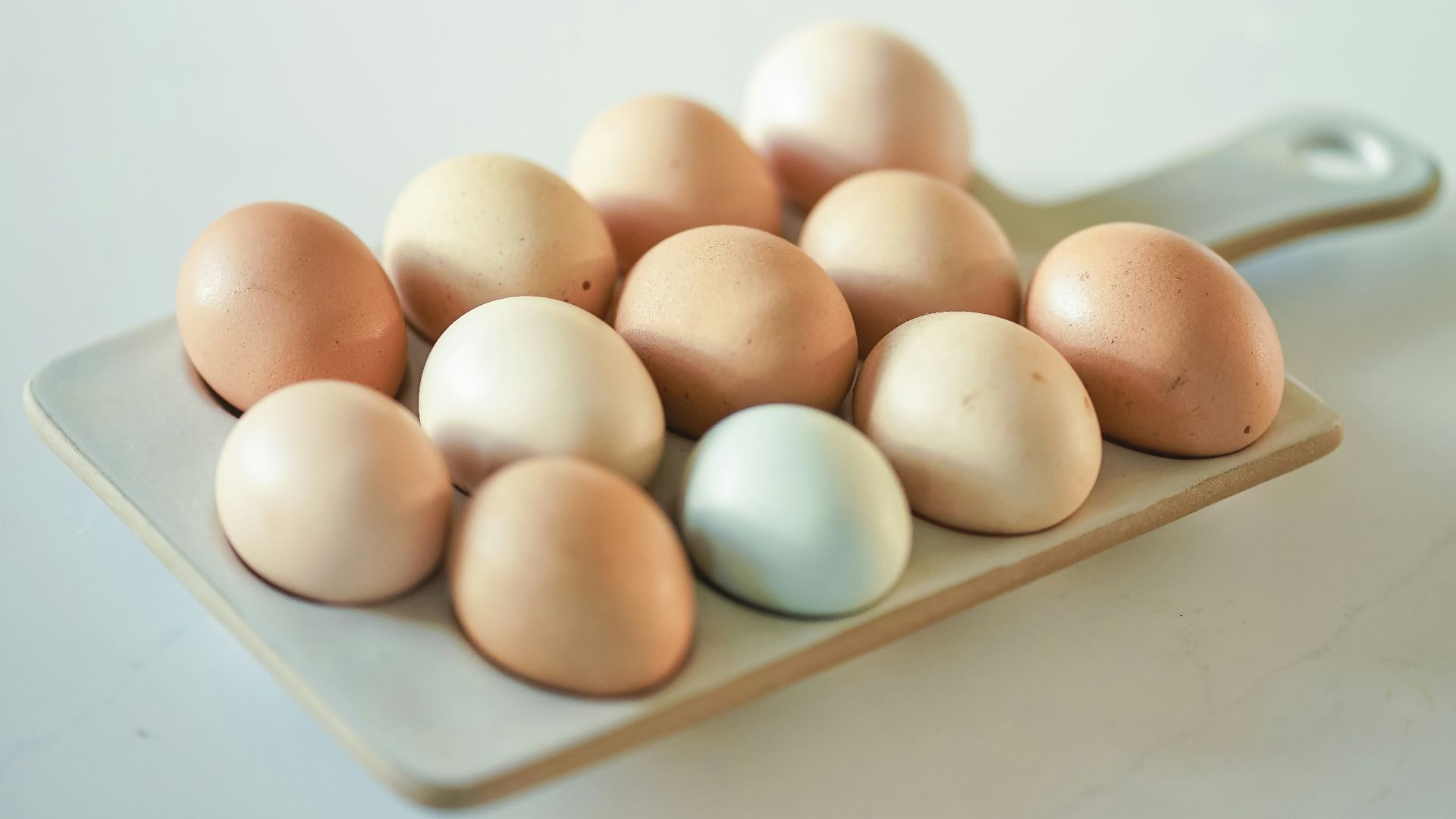
Eggs remain one of the most useful foods in the kitchen, but recent price swings changed how people think about them. Instead of assuming eggs are always the cheapest protein, shoppers compare them week to week. Some stretch them with oatmeal, beans, yogurt, or leftovers when the carton price jumps.
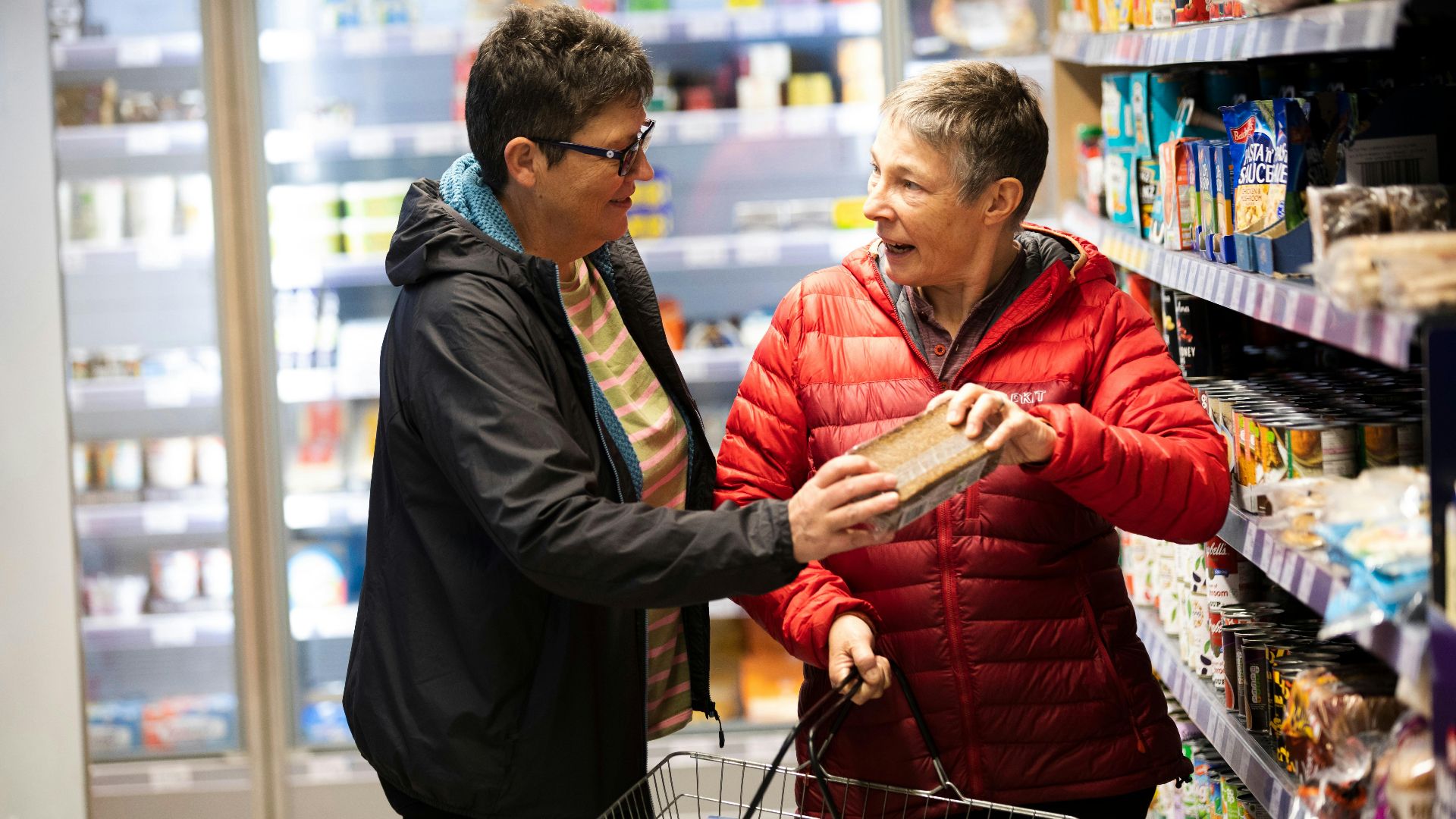
Bakery Bread Is Losing Out To Cheaper Loaves
Fresh bakery bread is one of those small pleasures that makes groceries feel nicer. But when budgets tighten, shoppers often go back to basic sandwich loaves, store brands, tortillas, or homemade bread. The artisan loaf still tempts people, but it is no longer immune from the “do we really need this?” test.
 Centre for Ageing Better, Pexels
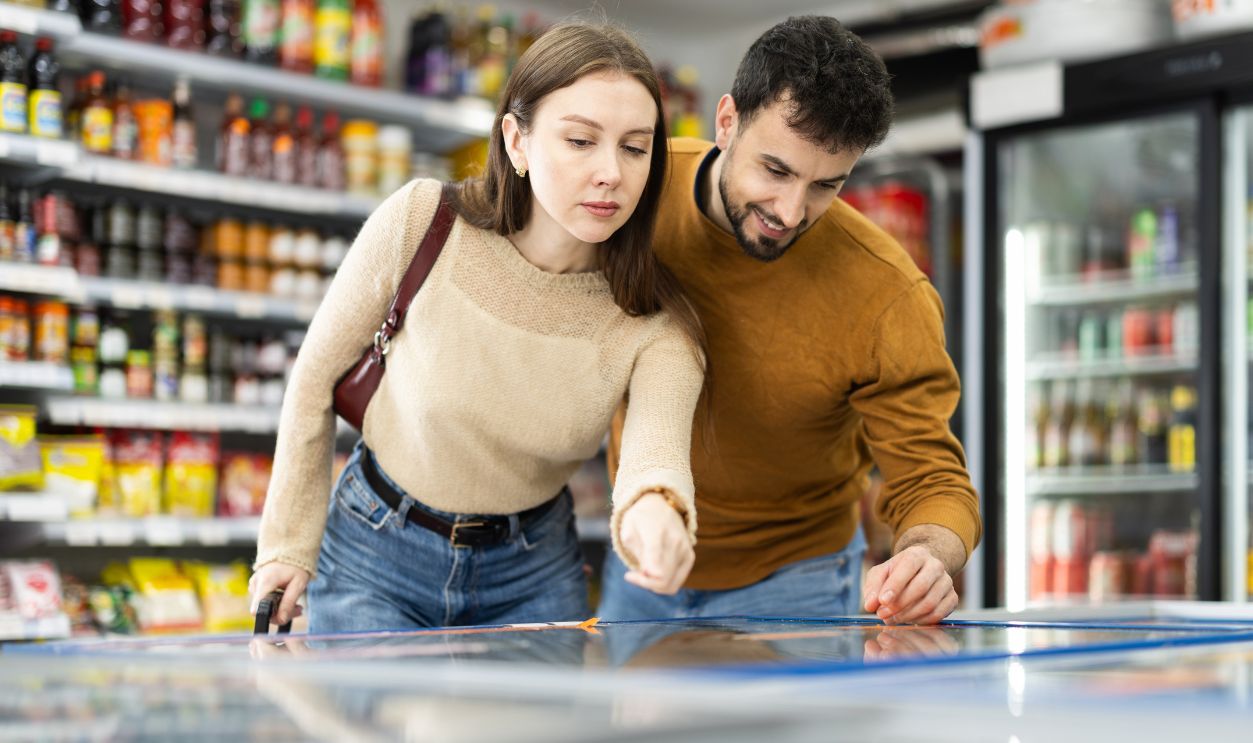
Frozen Meals Are Becoming Less Of A Backup Plan
Frozen dinners, skillet meals, and prepared entrées are useful on tired nights, but they can cost more than cooking from basics. Some households now keep only a few emergency options and rely more on rice, pasta, beans, frozen vegetables, and leftovers. Convenience is still valuable, but it has a stricter limit.
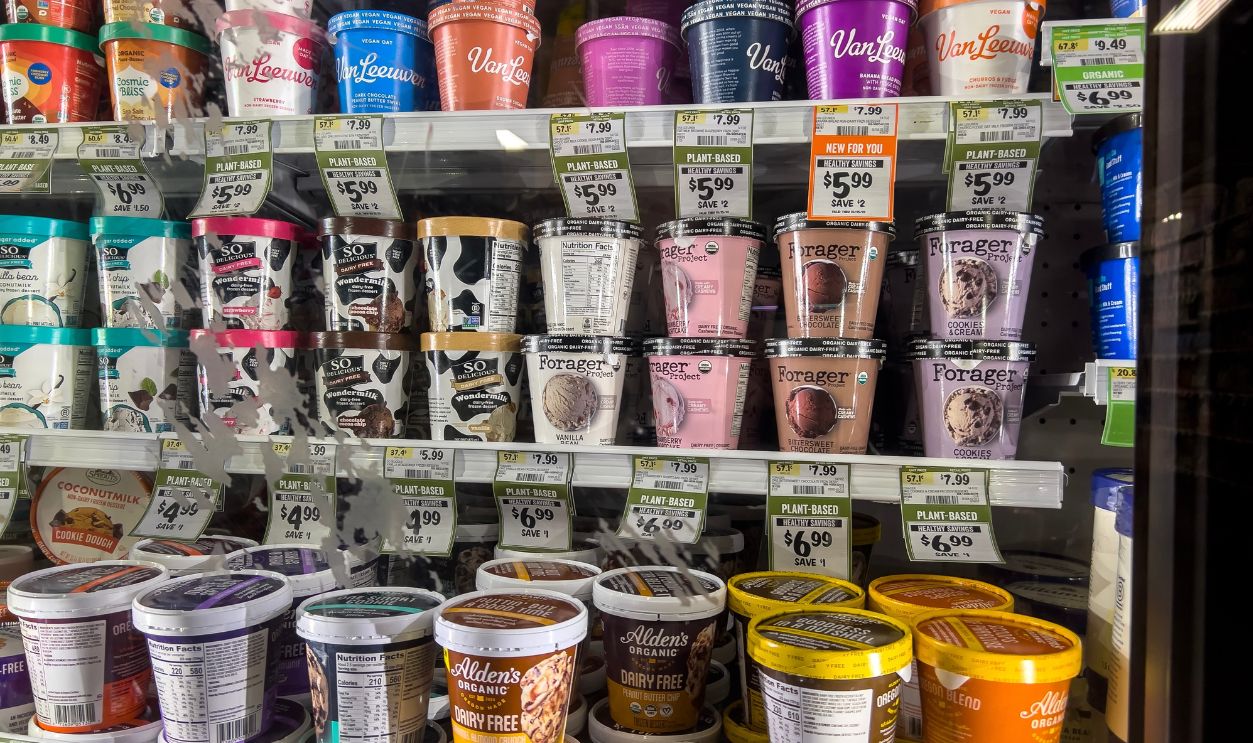
Ice Cream Is Turning Back Into A Treat
A tub of ice cream used to be an easy comfort buy. Now, premium pints and novelty bars can feel surprisingly expensive for something that disappears quickly. People are buying store brands, waiting for promotions, or skipping dessert altogether. The freezer aisle still calls, but shoppers are answering less often.
 Colleen Michaels, Shutterstock
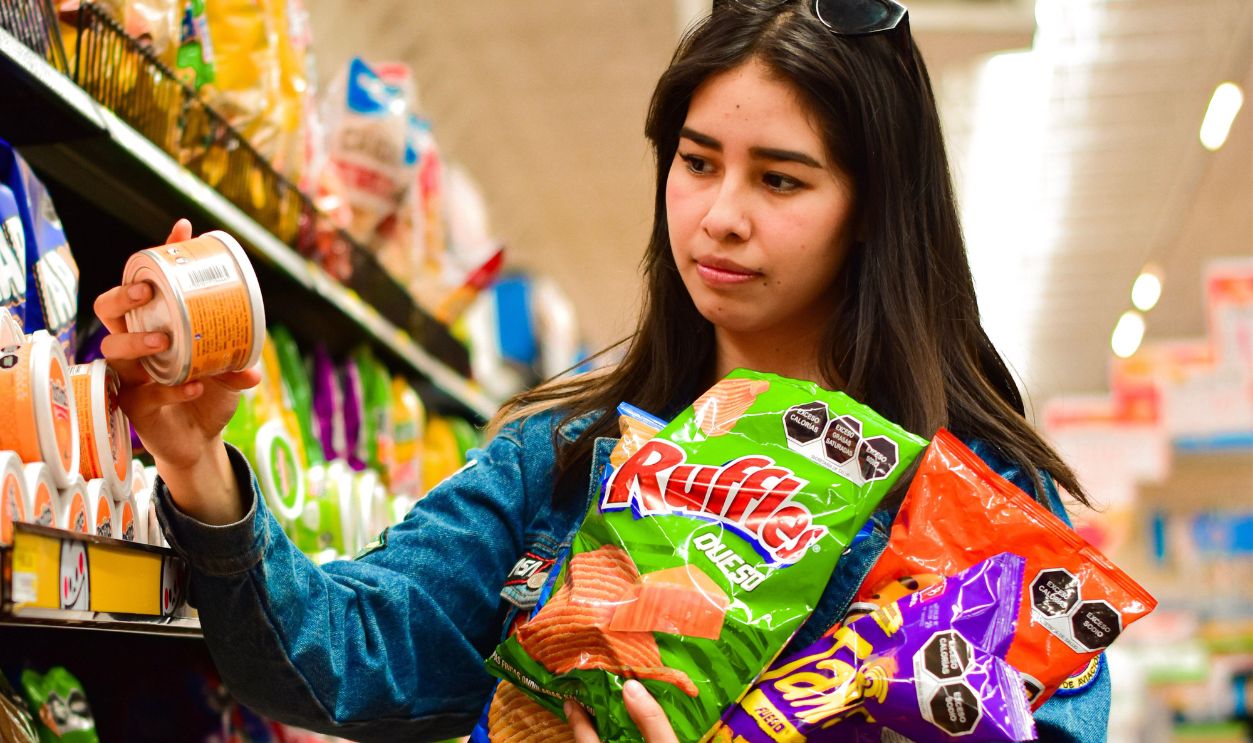
Chips Are Getting Harder To Toss In The Cart
Chips may be one of the clearest examples of “quiet cutting". A bag feels casual until the price looks too high for mostly air and crunch. Some people buy popcorn kernels, pretzels, crackers, or store brands instead. Others simply stop keeping chips at home unless guests are coming over.
Juice Is Being Diluted Or Dropped
Juice can feel like a family staple, especially for kids, but it is often expensive and disappears fast. Some households are watering it down, buying frozen concentrate, switching to fruit, or serving water more often. It is the kind of small change that barely feels like a sacrifice once everyone adjusts.
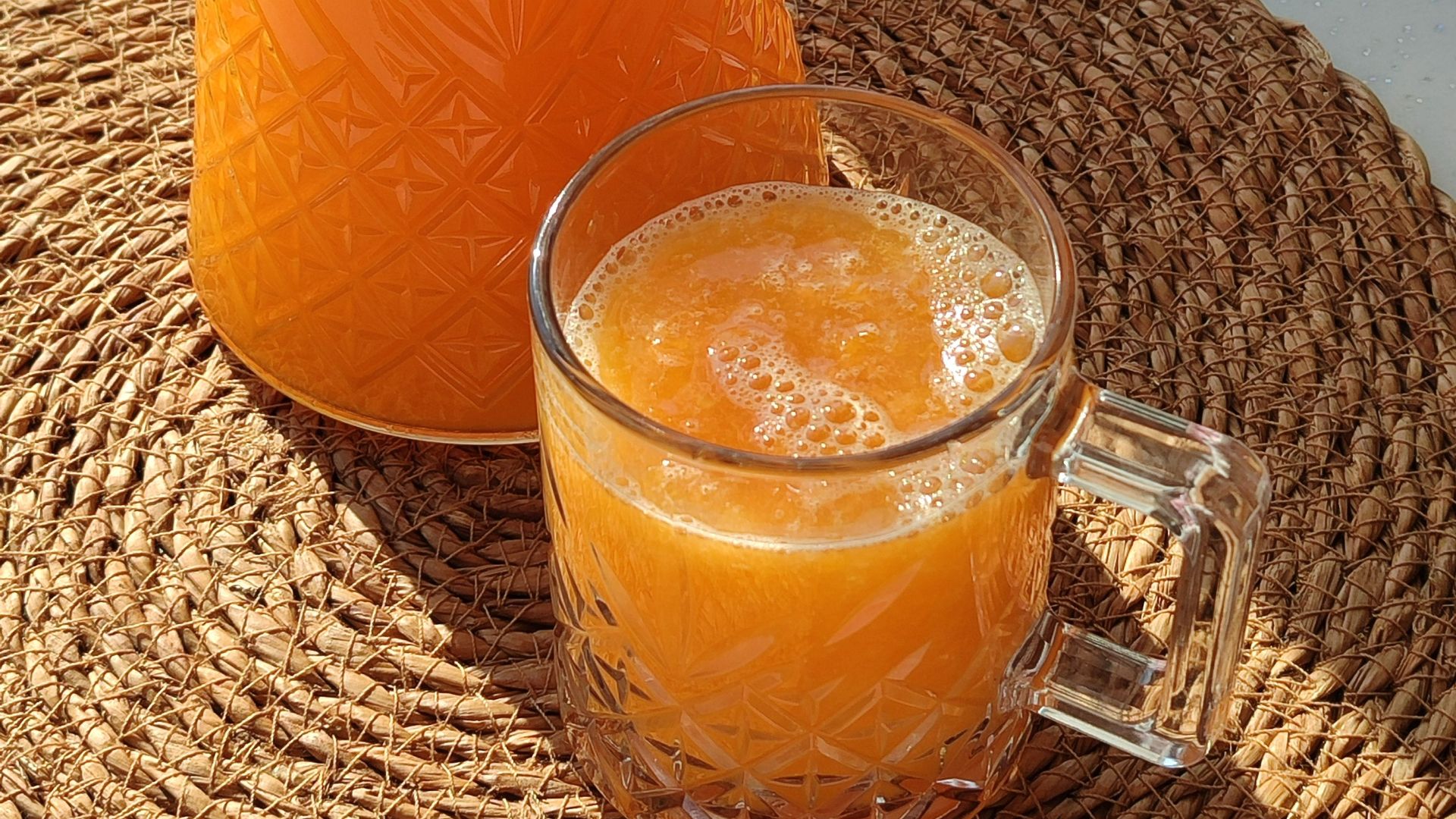
Paper Plates And Disposable Cups Are Being Left Behind
Disposable plates, cups, and cutlery are convenient, especially for busy families, but they are also easy to cut. More people are saving them for parties, guests, or stressful weeks instead of everyday meals. Doing the dishes is annoying, but it is cheaper than buying something designed to be thrown away.
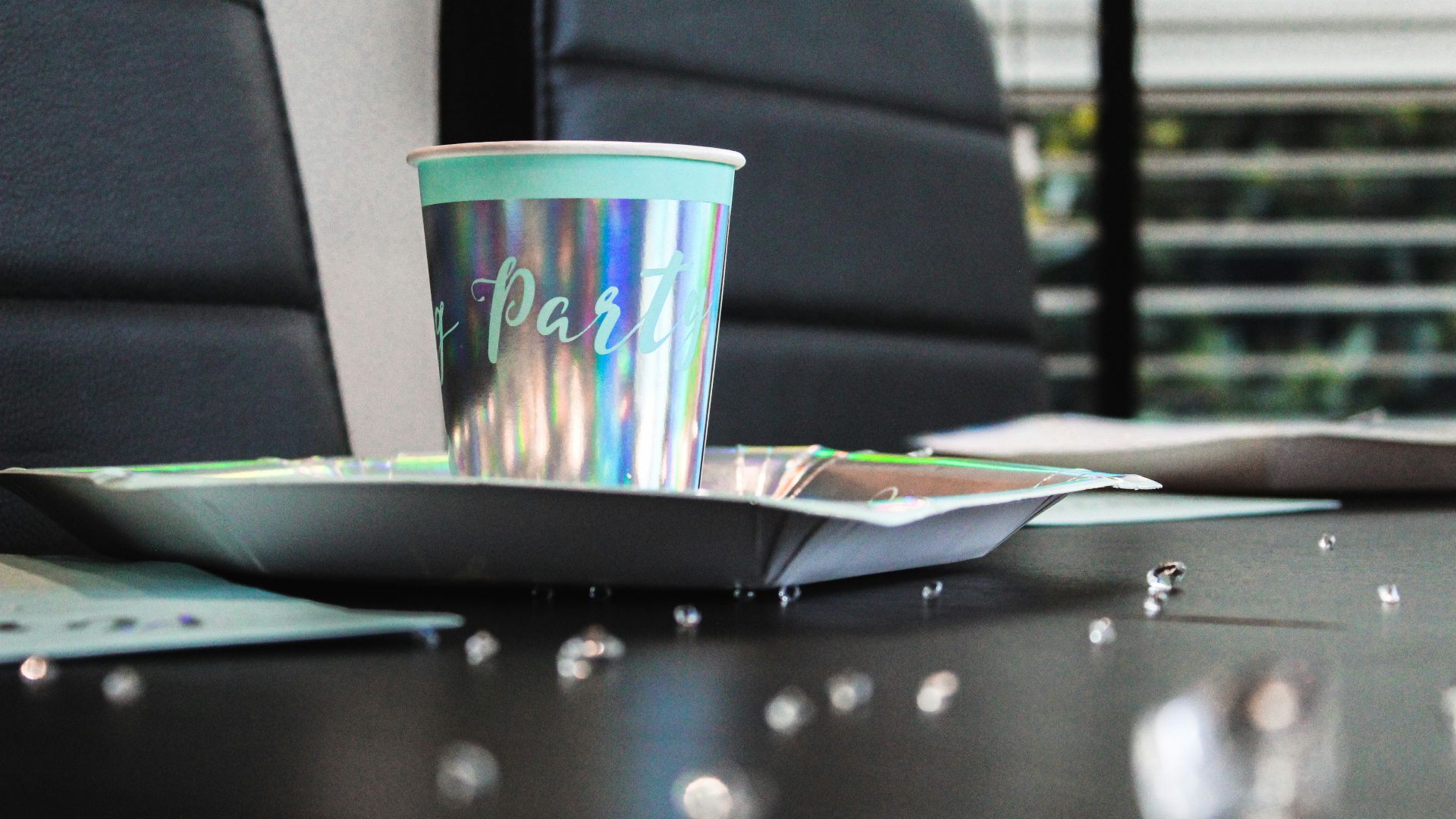
Laundry Extras Are First On The Chopping Block
Detergent may be non-negotiable, but scent beads, dryer sheets, fabric softener, and specialty boosters are easier to reconsider. Many households are simplifying laundry to the basics. Clothes still get clean, the bill gets a little smaller, and the laundry shelf stops looking like a beauty counter.
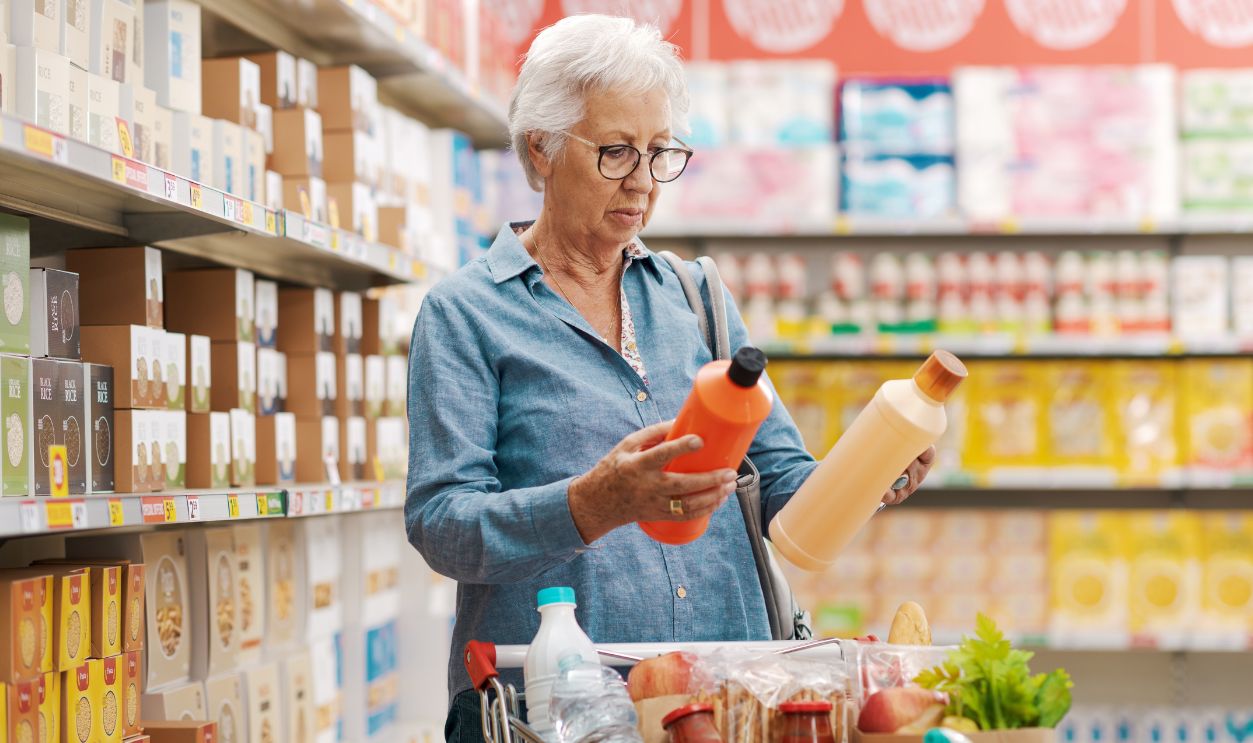
Cleaning Sprays Are Being Replaced By Basics
Specialty sprays for glass, counters, bathrooms, stainless steel, and floors can add up quickly. Some shoppers are returning to concentrated cleaners, vinegar solutions, baking soda, dish soap, or multipurpose products. The cleaning aisle offers endless choices, but budget-minded households are asking how many bottles they truly need.

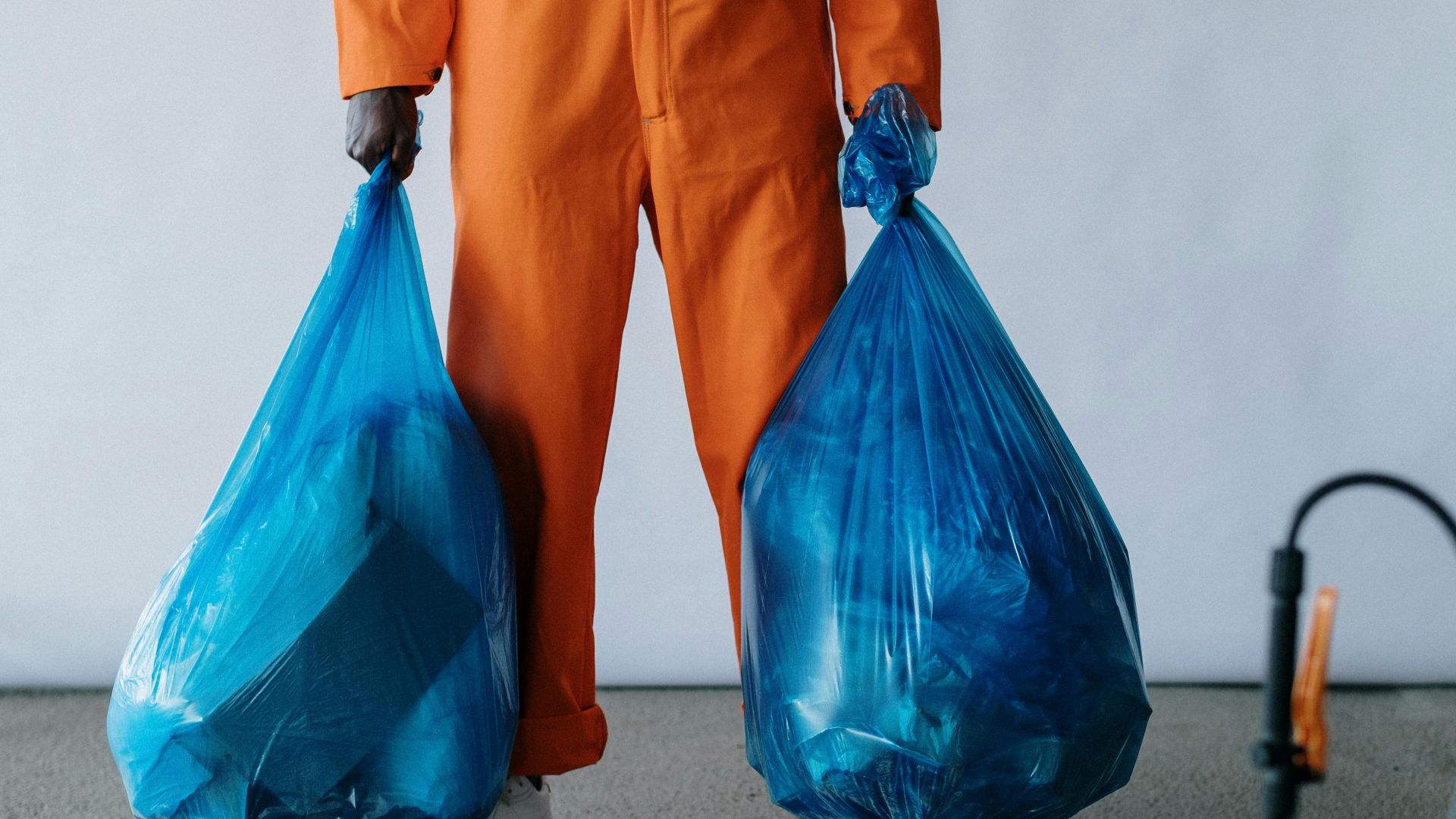
Trash Bags Are Being Stretched Further
Trash bags are not exciting, but they are expensive enough that people notice. Some households are using smaller bins, reusing store bags where allowed, composting more food scraps, or waiting until bags are truly full. Nobody enjoys thinking this hard about garbage, but that is exactly where budgets are heading.
Personal Care Multipacks Are Being Replaced By Store Brands
Shampoo, body wash, toothpaste, deodorant, and razors are household staples, but brand loyalty is weaker when the price gap is obvious. Store brands and simpler products are becoming more attractive. People may still splurge on one favorite item, but the entire bathroom cabinet is getting a quiet audit.
 StockPhotoDirectors, Shutterstock
Pet Treats Are Being Scaled Back
Pet food is usually protected because animals need consistent care, but treats, toppers, and specialty extras are easier to reduce. Some owners are buying fewer novelty snacks or making simple homemade options with vet-safe ingredients. Pets may still be spoiled, but the treat budget is not as carefree as it once was.

Organic Versions Are Being Chosen More Selectively
Many shoppers still care about organic food, but they are becoming more selective. Instead of buying every organic option, they may prioritize a few items and buy conventional versions of the rest. The decision is less about giving up values and more about making them fit inside a realistic budget.
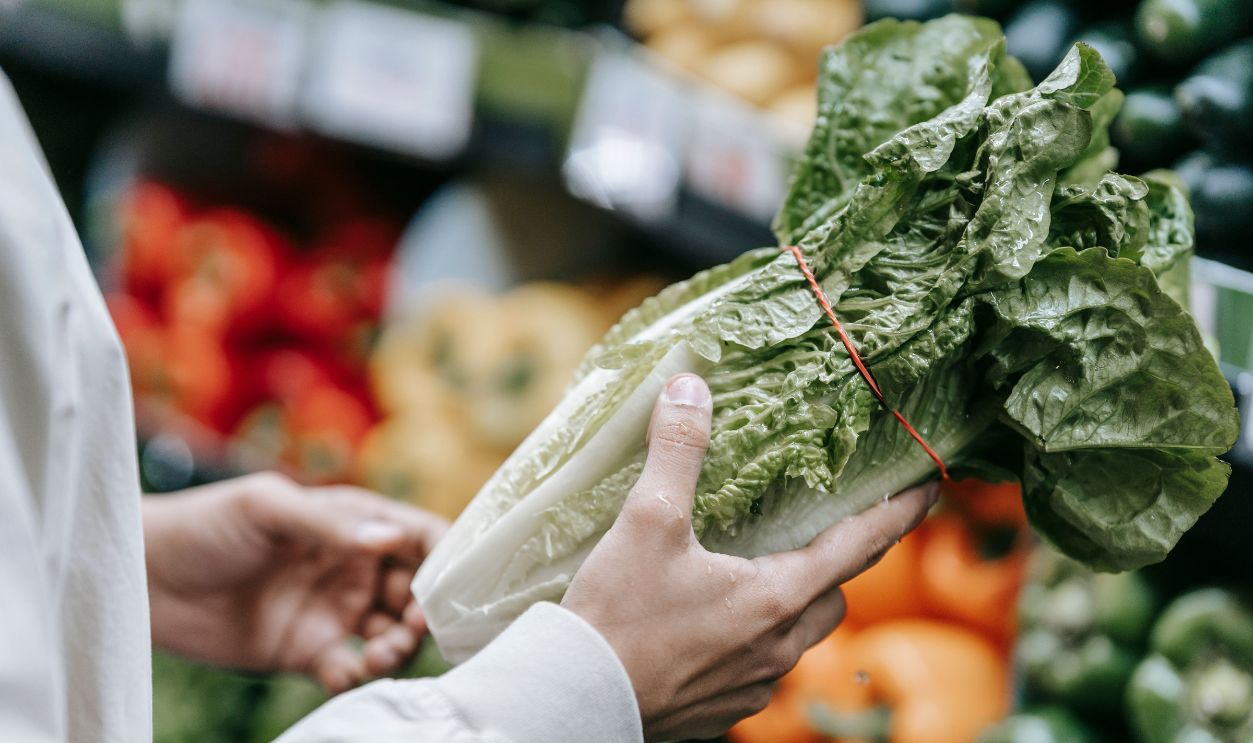
Bulk Buying Is Becoming More Strategic
Bulk shopping can save money, but only if the household actually uses everything. People are becoming more cautious about giant packs of snacks, produce, sauces, or toiletries that may go stale, spoil, or sit unused. The new rule is simple: a bargain is only a bargain if it does not become clutter or waste.
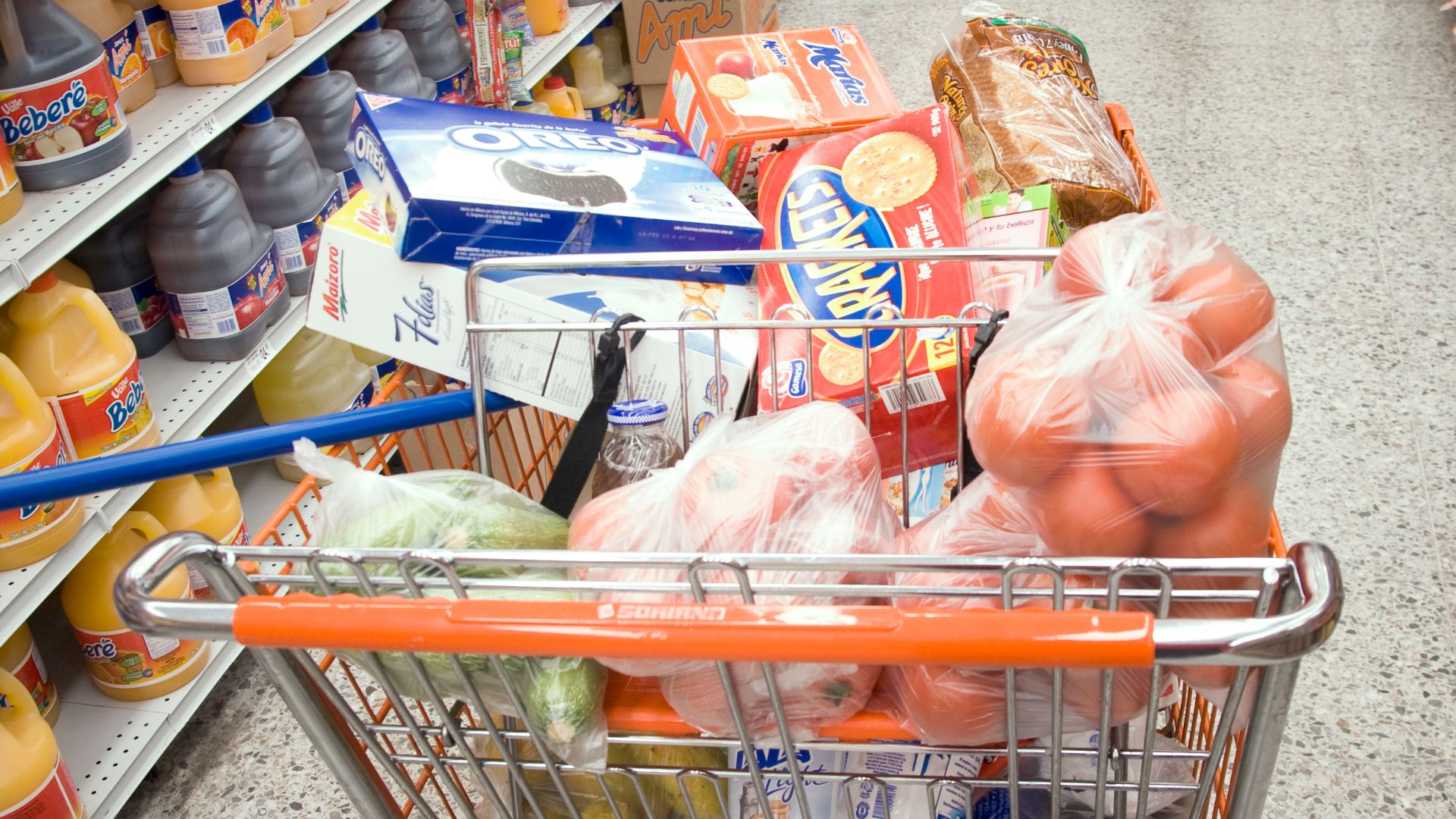 sari dennise from México, D.F., México, Wikimedia Commons
Store Brands Are Becoming The New Default
One of the biggest shifts is psychological. Store brands used to feel like the backup choice for some shoppers. Now, they are often the first choice, especially for pantry basics, dairy, cleaning products, and frozen foods. When the quality is close enough, the cheaper label wins without much drama.
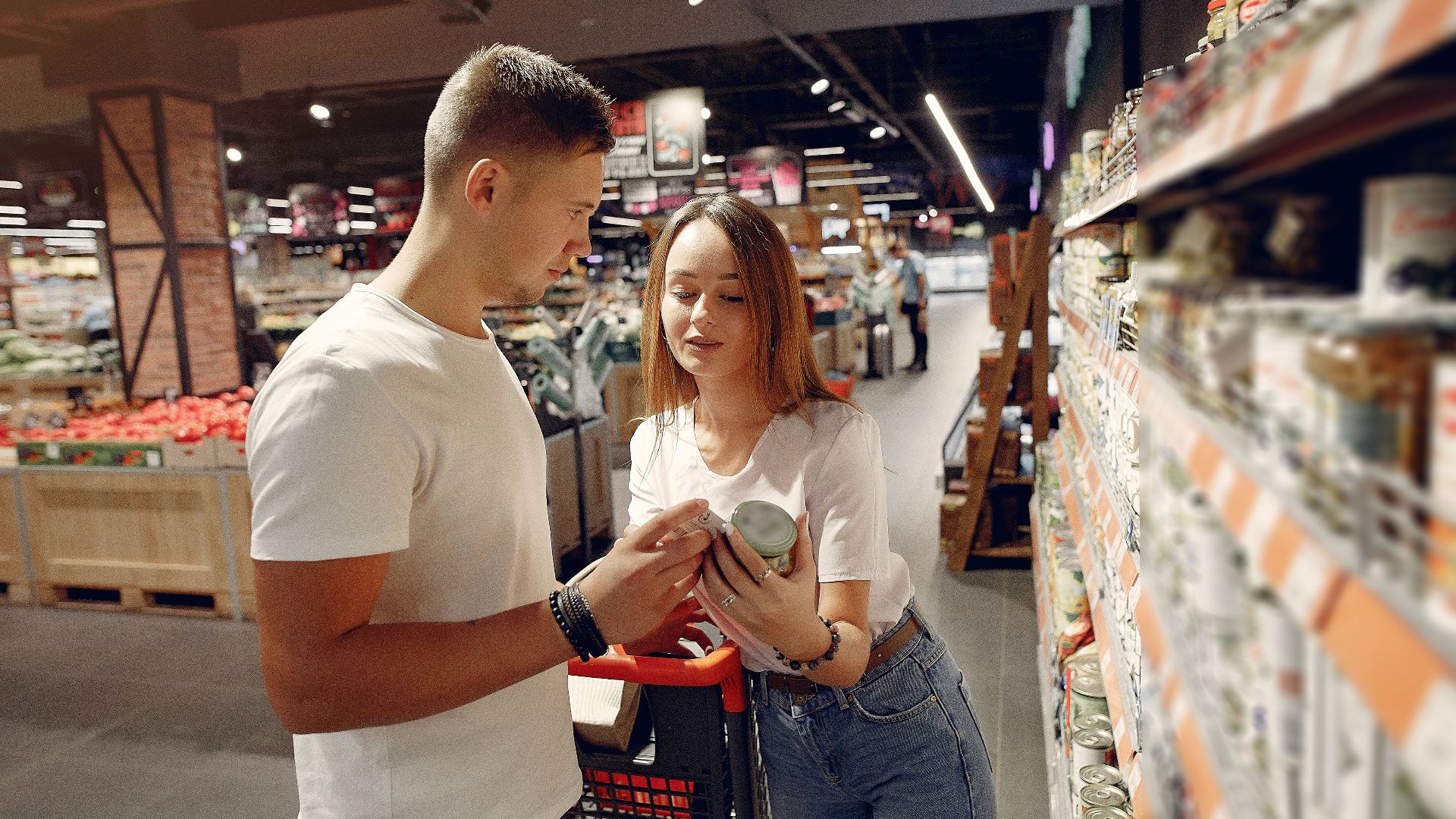
Impulse Buys Are Being Cut Before Staples
Many grocery lists are not changing because families want fewer things. They are changing because shoppers are protecting the basics by cutting the extras. Seasonal cookies, checkout candy, fancy drinks, prepared foods, and “just because” treats are often the first to go. The cart may look normal, but the fun items are thinner.
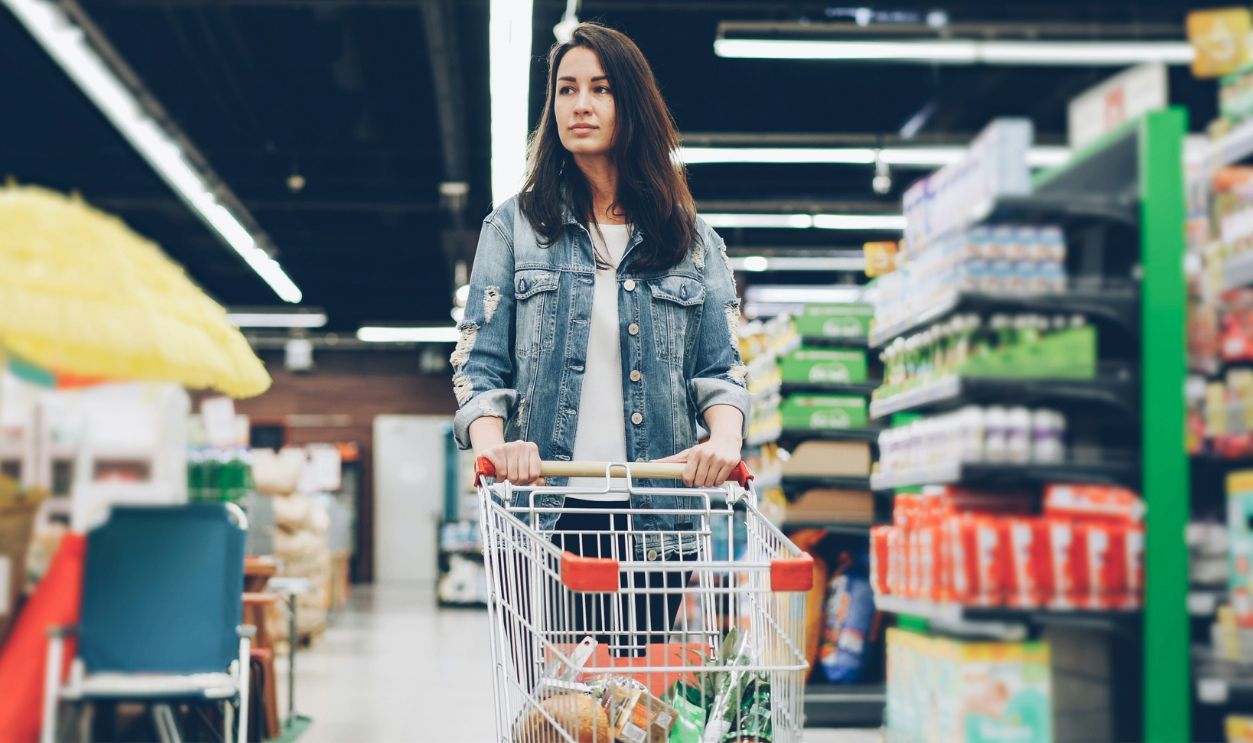
Grocery Lists Are Becoming More Like Budgets
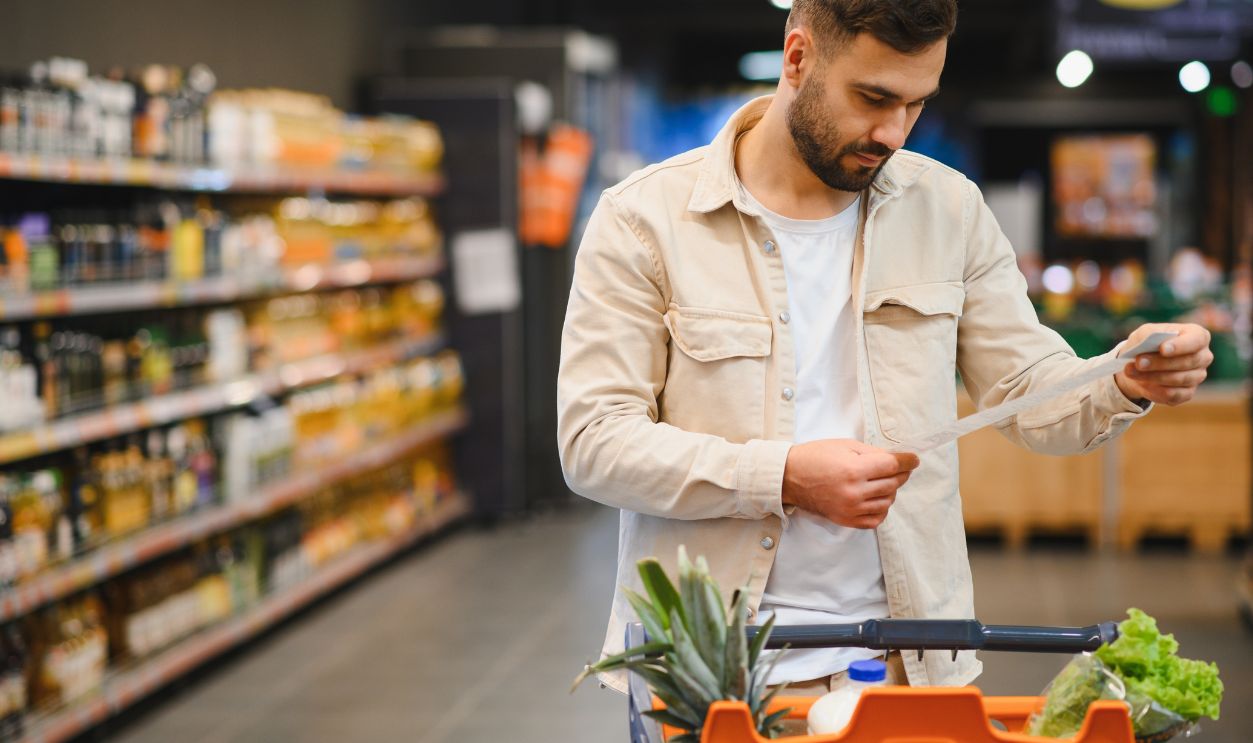
The biggest change is not any single item. It is the way people shop. More households are checking flyers, using loyalty apps, comparing unit prices, planning meals around sales, and asking whether each item earns its place. The old grocery list was about what the house needed. The new one is also about what the budget can survive.
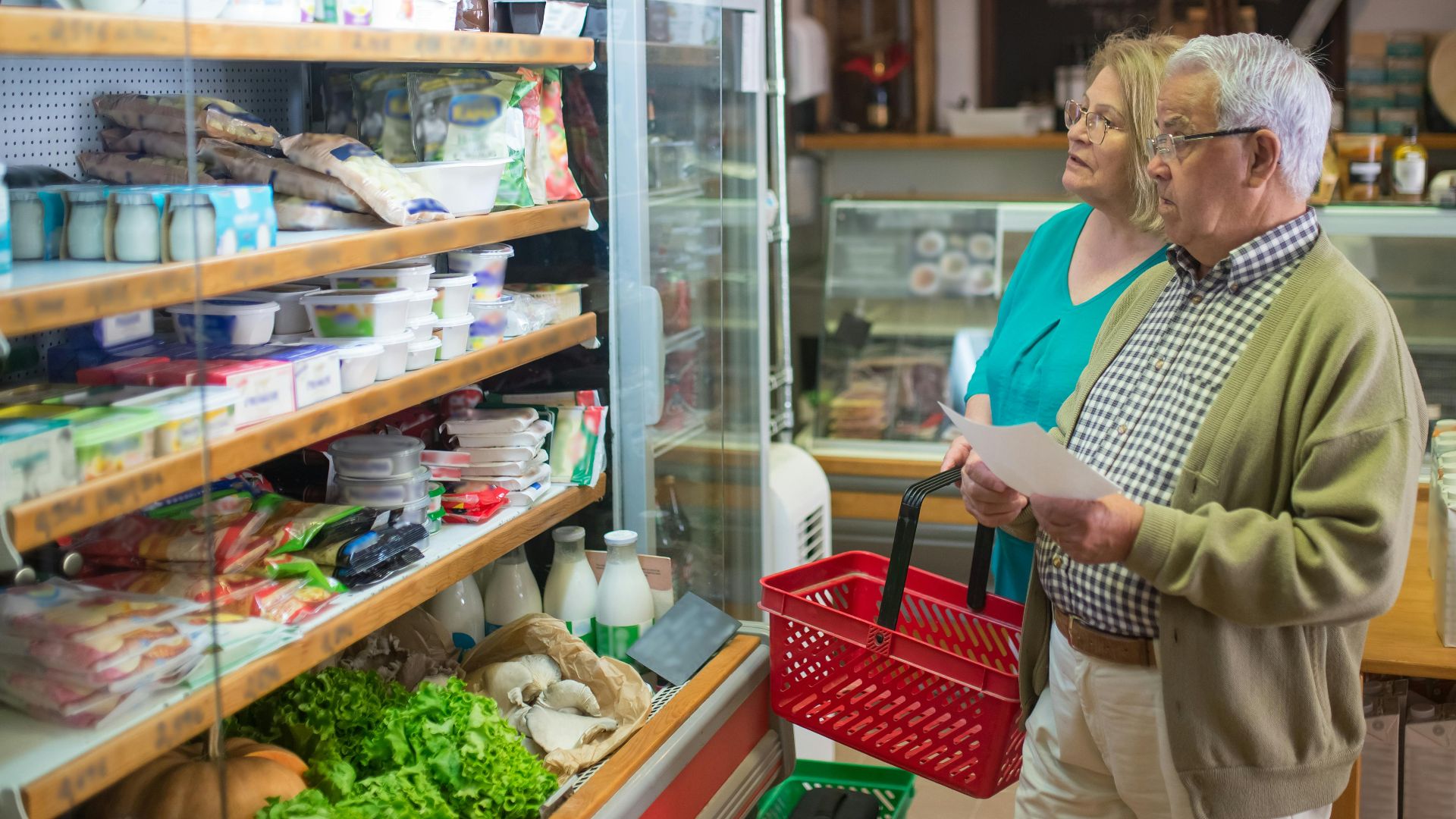
Has Your Grocery List Changed Yet?
For many people, the answer is yes, even if they have not said it out loud. Maybe it is fewer snacks, cheaper coffee, less beef, no paper plates, or more store brands. These cuts are not always dramatic enough to feel like sacrifice, but they reveal something real: everyday staples are no longer invisible purchases. They are choices.
 Hryshchyshen Serhii, Shutterstock
You May Also Like:
Never-Ending Payments: Why They're Bad And How To Sidestep Them
Financial Illiteracy Is Really Costing Americans