
What Do You Do If The Bill Says You Showed Up, But You Know You Canceled The Appointment?
Few bills are more irritating than paying for something you didn’t receive—especially when you’re positive you canceled it. If your father is staring at a hefty “no-show” charge despite remembering that cancellation call, don’t reach for the checkbook yet. There are several ways to reconstruct what happened and challenge the fee.
First, Don’t Assume The Bill Is Correct
Medical billing systems make mistakes. The Consumer Financial Protection Bureau recommends checking that a medical bill was calculated correctly and that you actually owe it before paying. So treat that $200 or $300 no-show fee as a claim that needs verifying—not an unquestionable commandment carved onto a billing statement.

Yes, Doctors Can Charge No-Show Fees
Unfortunately, simply saying, “But he never saw the doctor!” may not erase the charge. Medical practices can have policies charging patients for missed or late-canceled appointments. The American Medical Association’s ethics guidance says practices should clearly notify patients in advance about fees for missed appointments or appointments not canceled according to practice policy.
 Pinotgris at English Wikipedia, Wikimedia Commons
Find The Exact Cancellation Policy
Before arguing about whether Dad canceled, find out what actually counted as canceling. Did the office require 24 hours’ notice? Forty-eight? Did cancellations have to be made by phone rather than through an automated text? Ask for the version of the cancellation policy that applied when the appointment was booked.

Look For Proof He Accepted The Policy
Ask the practice where and when your father agreed to the fee. It might appear in new-patient paperwork, an electronic consent form, the patient portal, or an appointment confirmation. If the office can’t demonstrate that the policy was disclosed, that gives you another reasonable point to raise in your dispute. The AMA recommends advance notification of these fees.

Build A Timeline Before Calling Anyone
Write down the appointment date, scheduled time, approximate cancellation date, and how your father remembers canceling. Did he call from home? Was he at work? Did someone answer? Even fuzzy details can become surprisingly useful once you compare them against phone records, emails, text messages, and the medical office’s records.

Check His Cellphone Call History
This could be your strongest evidence. Search your father’s recent calls for the doctor’s office number. A call several days before the appointment—especially one lasting long enough for an actual conversation—is meaningful supporting evidence. Screenshot the call showing the number, date, time, and duration before older call history disappears.

Download Older Phone Records
Can’t find the call on the phone itself? Log into his wireless carrier account. Detailed billing records may contain outgoing call dates, times, numbers, and durations stretching further back than the phone’s recent-call screen. They won’t prove exactly what he said, but they can prove the cancellation call happened.

Search His Text Messages
Many practices now send automated appointment reminders. Search for the doctor’s name, hospital system, short code, appointment date, and words like “cancel” or “reschedule.” A message saying the appointment was canceled is gold. Even an unanswered cancellation text may help show your father tried to follow the practice’s instructions.

Search His Email, Too
Type the doctor’s name into his email search bar and check his trash folder while you’re there. Look for booking confirmations, cancellation confirmations, rescheduling notices, or automated appointment reminders. An email saying “Your appointment has been canceled” turns a he-said-she-said dispute into a much easier conversation.
 Stephen Phillips - Hostreviews.co.uk, Unsplash
Open The Patient Portal
Patient portals can be evidence treasure chests. Check messages, upcoming and past appointments, visit history, billing correspondence, and notifications. If he used the portal to cancel or messaged the office about rescheduling, save screenshots or PDFs showing the dates. Don’t assume those messages will remain conveniently visible forever.

See What His Calendar Says
Your father’s Google, Apple, Outlook, or paper calendar may provide another clue. Perhaps he deleted the appointment after canceling it or added a replacement date. Calendar evidence probably won’t win the argument alone, but combined with a phone call and other records, it helps create a convincing timeline.
Check For A Replacement Appointment
Did your father cancel because he rescheduled? That can be especially useful. If another appointment was booked during the same phone call, the timing may support his account. Ask the practice when the replacement appointment was created and which employee or system created it. Those details can help reconstruct the conversation.

Ask Anyone Who Was There
Maybe your father remembers making the call while you were driving together, or your mother remembers him saying, “Okay, they canceled it.” A witness isn’t as powerful as an electronic confirmation, but write down what that person remembers while memories are fresh. Supporting details can strengthen the overall dispute.

Ask For The Practice’s Appointment History
Now turn the detective work around. Ask the office for its scheduling history for that appointment, including whether it was marked canceled, rescheduled, confirmed, or no-show. Also ask whether staff entered notes around the time your father says he called. Their own computer system may contain the missing piece.

Request His Medical And Billing Records
HIPAA gives patients important rights to access copies of their health information, including medical and billing information maintained by covered providers. Your father can request relevant records rather than simply accepting whatever the billing representative says over the phone. Providers generally cannot refuse access merely because a bill remains unpaid.

Specifically Ask About Scheduling Notes
Don’t just request “everything” and hope the useful page magically appears. Separately ask the scheduling or billing department whether there are appointment-status changes, staff notes, timestamps, or cancellation entries associated with the appointment. Depending on the practice’s software, employees may be able to see details patients cannot see themselves.

Ask Whether Calls Are Recorded
Plenty of businesses record customer-service calls, and some medical systems do as well. Ask whether the scheduling line records calls and whether a recording from the date in question still exists. Don’t assume you’re legally entitled to every internal recording; simply request that the practice preserve and review it as part of the dispute.

Check The Appointment Reminders
Automated reminder systems can accidentally help your case. If your father supposedly remained scheduled for Tuesday, did the office send Monday’s usual reminder? Conversely, did reminders suddenly stop after his cancellation call? Neither proves what happened by itself, but inconsistencies may provide additional evidence worth pointing out.
 Aleksandra Sapozhnikova, Unsplash
Ask What Their System Says Happened
Instead of beginning with, “Your office made a mistake,” try asking the employee to read the appointment history aloud. What time was it marked as a no-show? Was it ever changed to canceled and changed back? Is there a note attached? Asking precise questions often produces more useful information than launching straight into battle mode.

Put The Dispute In Writing
Phone calls are useful; written disputes create records. Send a secure portal message, email, or letter explaining that your father disputes the no-show charge because he canceled on a specific date. Attach screenshots of call logs, texts, emails, or other proof and ask the practice to investigate and remove the fee.

Keep The Message Short And Factual
You don’t need a 12-page legal manifesto. State the appointment date, fee, cancellation date, method used to cancel, and evidence attached. Then request a written response. Avoid speculation and accusations. “Our records show a six-minute call to your scheduling department at 10:42 a.m.” is much stronger than “Someone there obviously messed up.”

Escalate Past The First Representative
The first billing employee may simply see “NO SHOW — $250” and have no authority to change it. Ask politely for a billing supervisor, office manager, or practice manager. Someone higher up may have access to better records—and may also have discretion to waive a disputed fee.

Ask For A Courtesy Waiver If Proof Is Incomplete
Sometimes the evidence gets you to “probably canceled” rather than “case closed.” Don’t give up. If your father has been a reliable longtime patient with no history of missed appointments, ask the manager to waive the fee as a one-time courtesy. A practical resolution can be better than winning a philosophical argument.

If The Card Was Charged, Contact The Issuer
If the office already charged a credit card, your father can contact the card issuer and explain that he disputes the fee. CFPB guidance recommends reporting disputed credit-card charges promptly. Certain formal billing-error protections have timing requirements, including a 60-day window for written notices in covered situations, so don’t procrastinate.

Don’t Ignore A Collection Notice
If the practice sends the fee to a third-party debt collector, respond rather than tossing the letter into the kitchen drawer of doom. Federal debt-collection protections cover medical debts, and consumers can dispute debts with collectors. The FTC advises reviewing validation information carefully and disputing debts you don’t owe.

Medicare Doesn’t Automatically Make The Fee Invalid
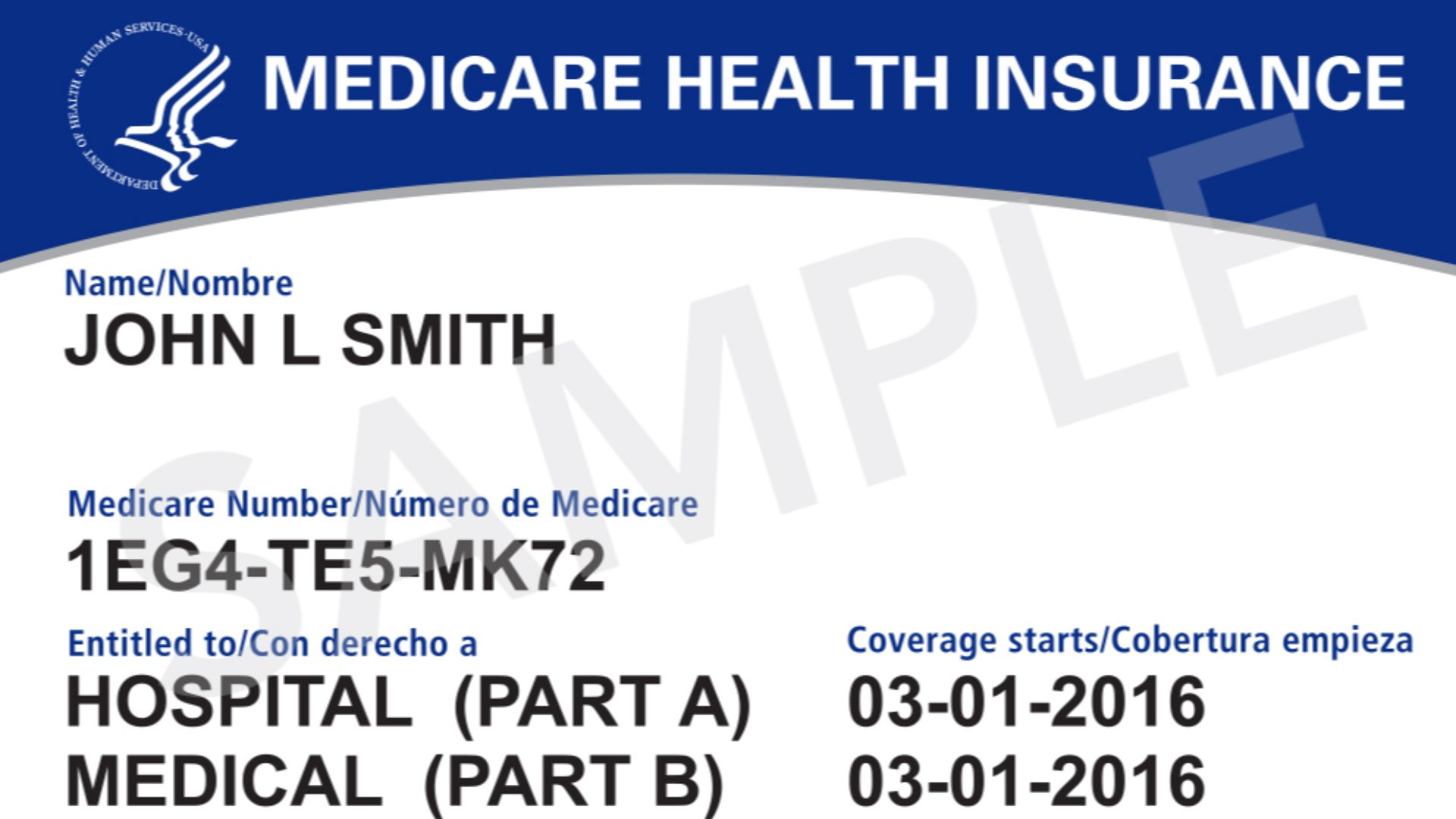
If your father has Medicare, don’t assume that alone eliminates a missed-appointment fee. CMS says physicians and suppliers may charge Medicare beneficiaries for missed appointments if the policy does not discriminate against Medicare patients and applies to non-Medicare patients as well. Medicare itself does not pay the missed-appointment charge.
 https://www.medicare.gov, Wikimedia Commons
Next Time, Create A Cancellation Paper Trail
The best defense against the next dispute is wonderfully boring documentation. Cancel through a portal or email whenever possible. If he calls, write down the employee’s name and cancellation number and request written confirmation. Screenshot everything. Because when a $300 no-show bill appears six months later, “I definitely remember calling” is much less satisfying than “Here’s the receipt.”

You May Also Like:
Inflation Problems Boomers Faced In The 70s And 80s That Millennials Can’t Even Imagine