The Ending Started Much Earlier
Borders once seemed unbeatable, with enormous selections and inviting stores built for browsing. Its collapse was not simply the result of e-books. Years of strategic decisions left the bookseller exposed when shopping habits changed.
 Ildar Sagdejev, Wikimedia Commons
It Began In Ann Arbor
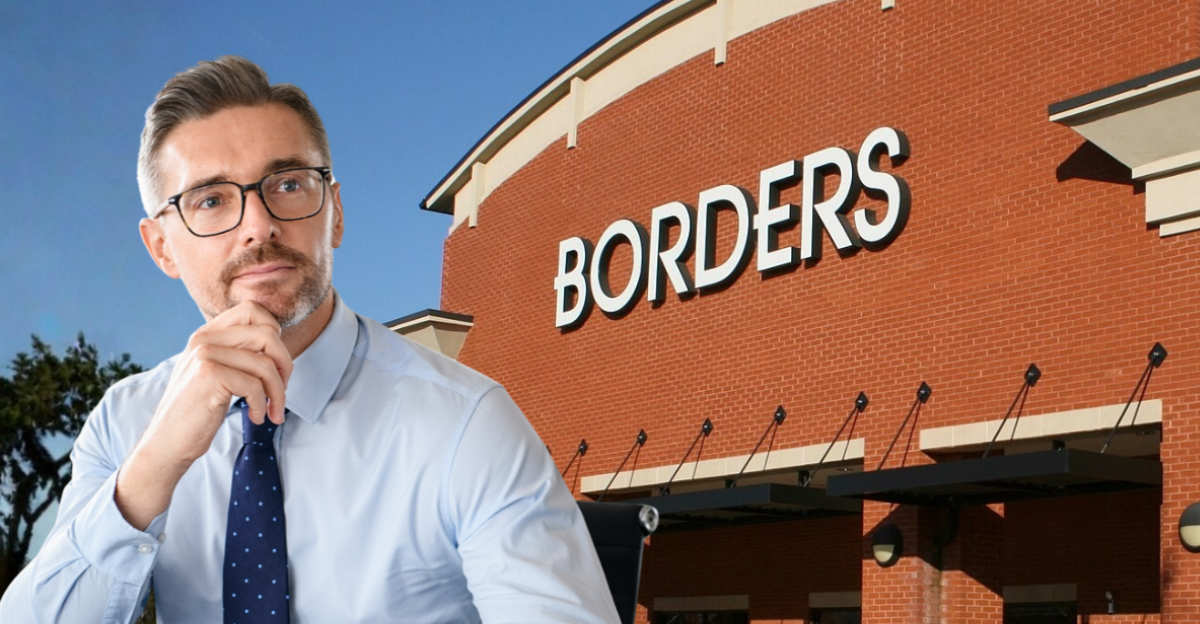
Brothers Tom and Louis Borders opened an 800-square-foot used-book shop in Ann Arbor, Michigan, in 1971. Their business grew from a local favorite into a national name. At first, its advantage was knowing books exceptionally well.
Software Became Its Secret Weapon
Louis Borders developed sophisticated inventory software during the 1970s. It helped predict demand and choose stock for different locations before retail analytics became commonplace. That technical sophistication initially helped Borders stand apart.
 ullstein bild Dtl., Getty Images
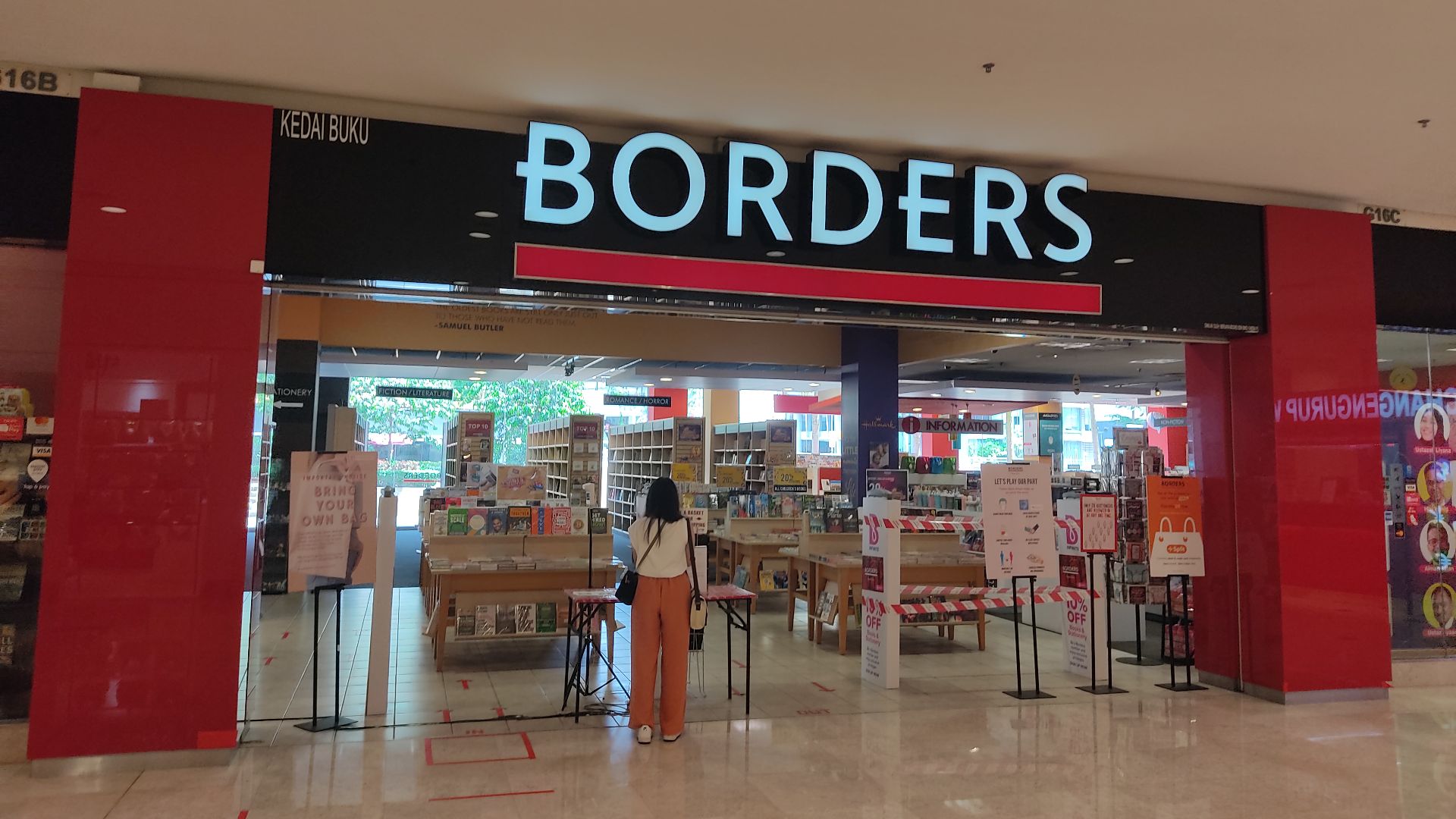
Selection Made The Stores Special
Borders offered the variety that smaller competitors struggled to match. By 2010, superstores carried about 81,000 book titles on average. A visit could feel like browsing an entire library rather than shopping for one bestseller.
Expansion Found A Champion
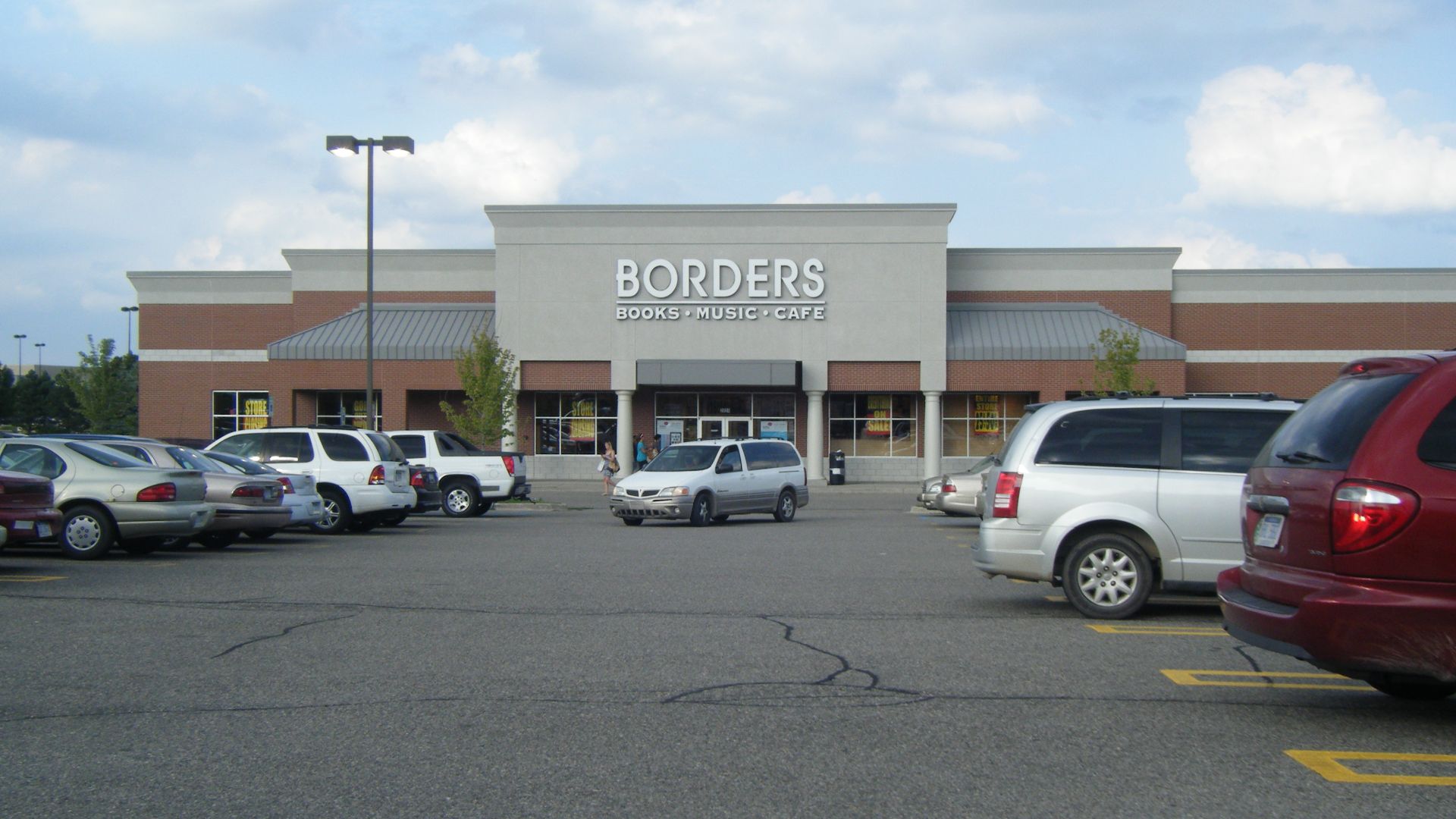
Robert DiRomualdo joined as chief executive in 1988 and accelerated the company's growth. Borders expanded beyond Michigan. A format built around enormous selections now seemed ready for shopping districts across the country.
Kmart Changed The Equation
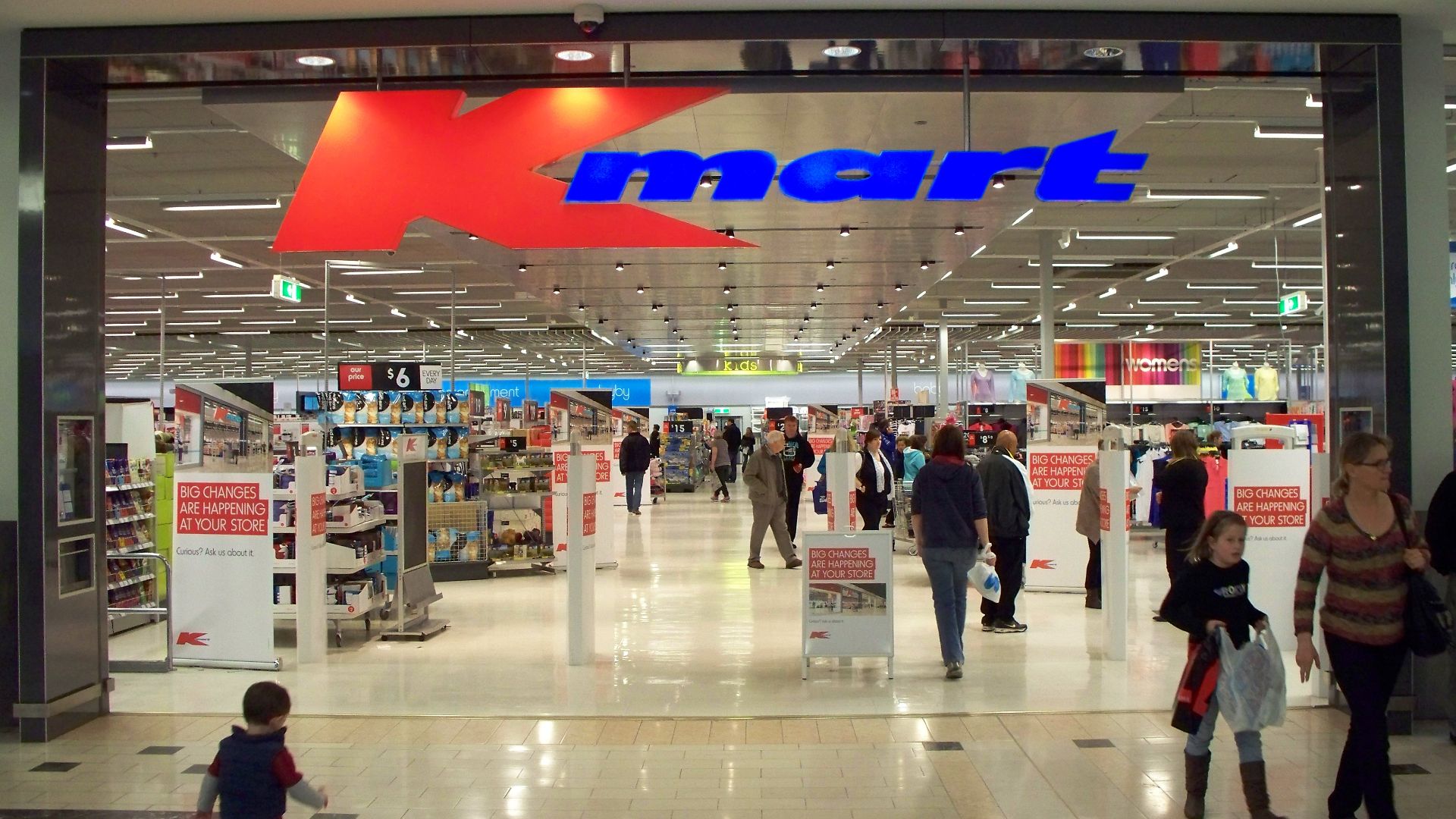
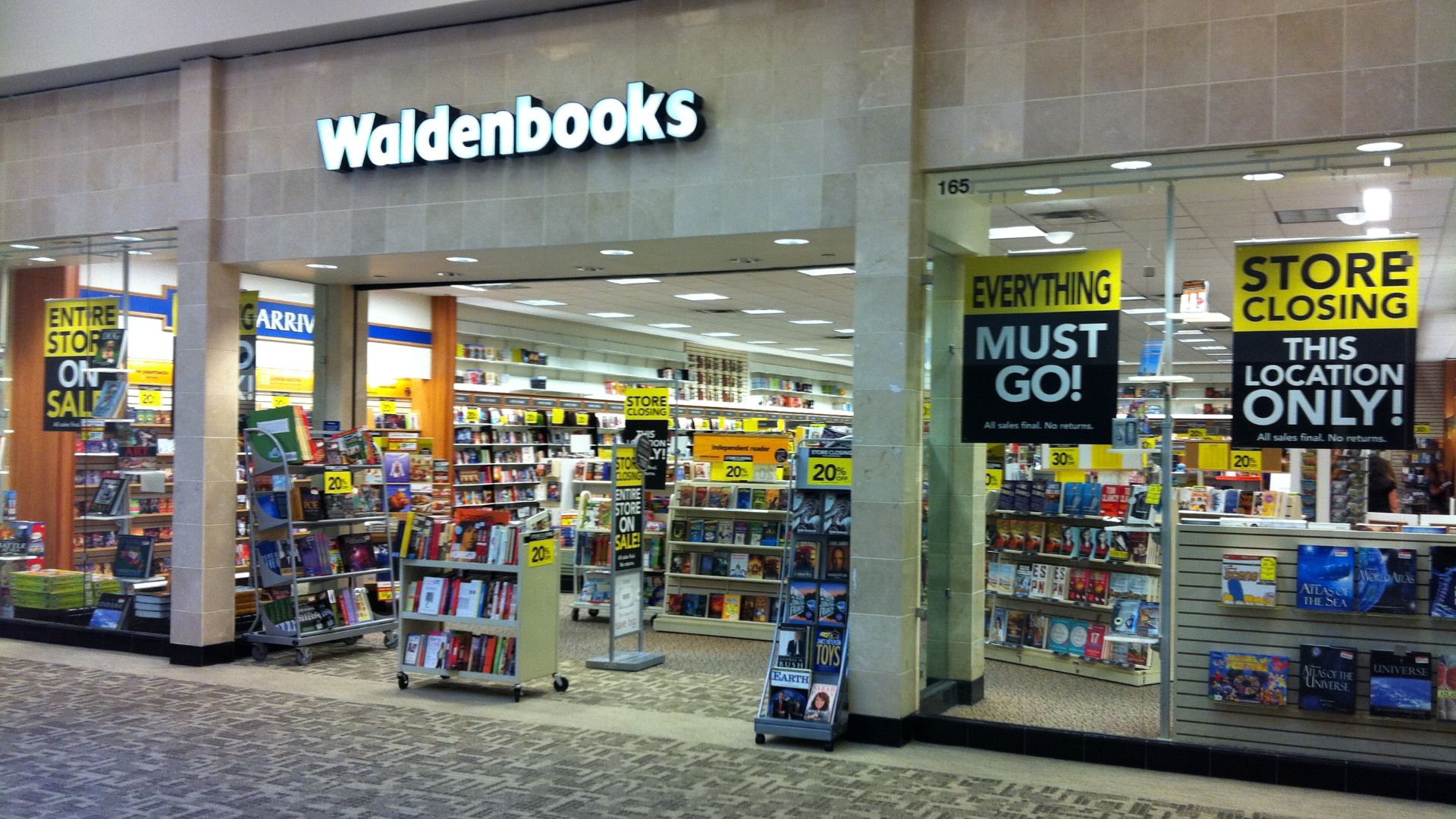
Kmart purchased Borders in 1992 and combined it with Waldenbooks, the mall-bookstore chain it already owned. Borders had just 21 large stores at the time. The deal expanded the company's reach and organizational complexity.
 Mr Stan Zemanek, Wikimedia Commons
Wall Street Entered The Story
In 1995, Borders Group separated from Kmart and became publicly traded. The chain now faced expectations for growth as well as customer satisfaction. Its inventory operation remained admired, but opening stores increasingly drove its expansion.
 Chris Li chrisli, Wikimedia Commons
The Superstore Boom Accelerated
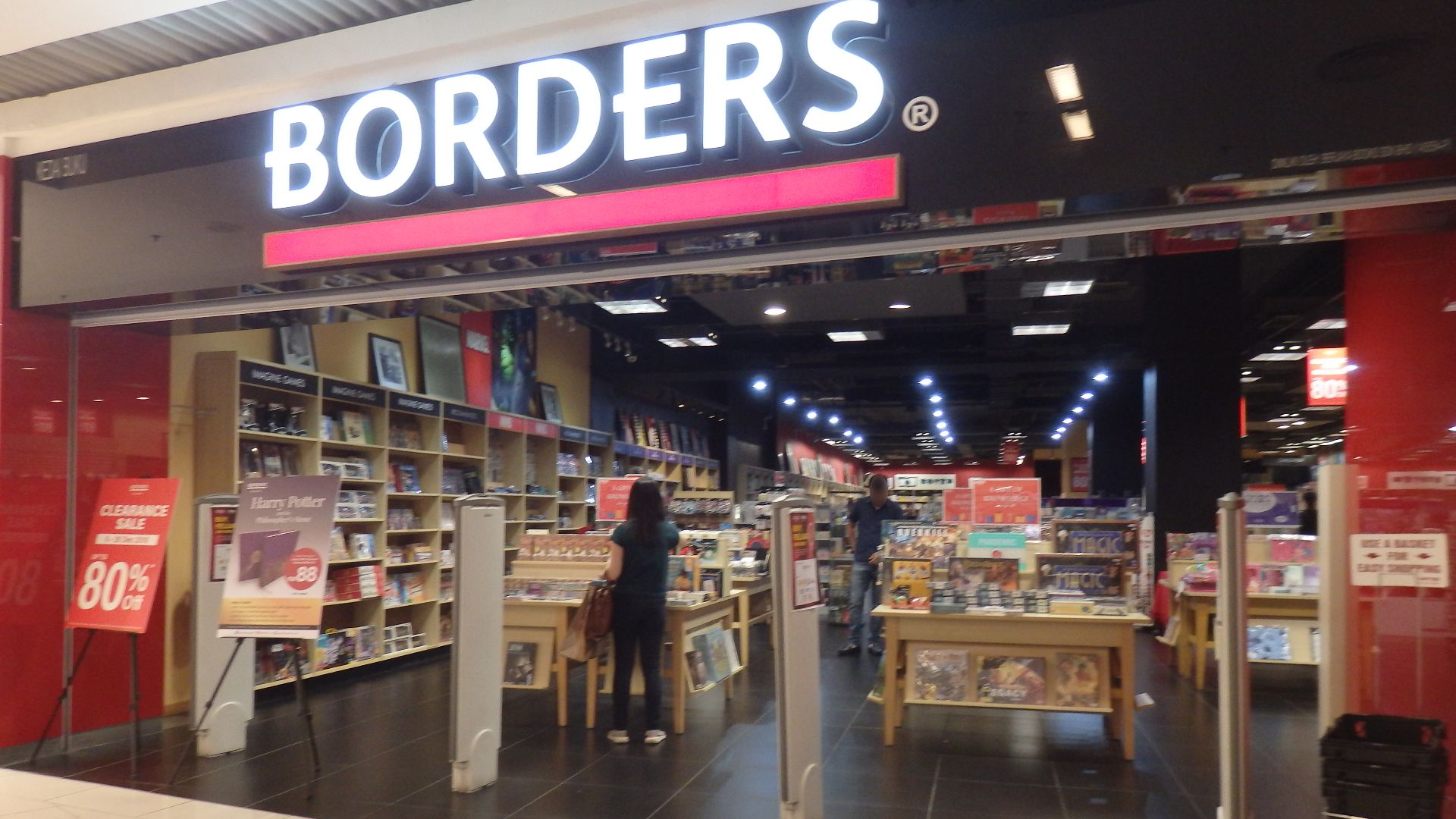
Between early 1998 and early 1999, Borders added 52 superstores, expanding that format by more than a quarter. Larger locations helped create a national brand. They also committed the company to substantial ongoing store expenses.
 Bindydad123, Wikimedia Commons
Waldenbooks Became Another Challenge
The company also inherited a huge network of smaller Waldenbooks locations, many inside malls. As shopping patterns shifted, that network required major downsizing. Borders closed 112 Walden locations during 2008 alone, long before liquidation.
 Mike Kalasnik, Wikimedia Commons
Music Looked Like Easy Growth
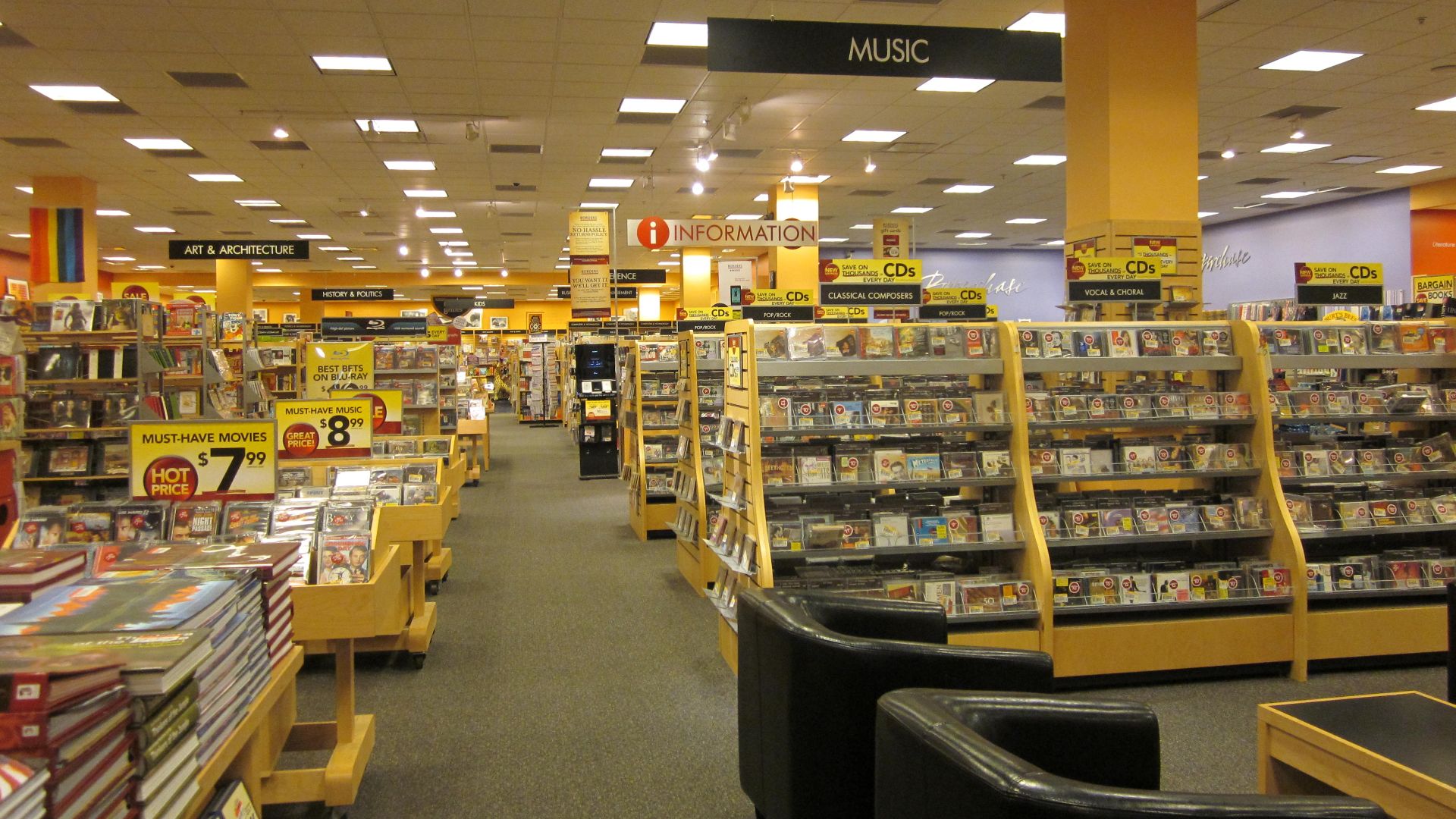
Borders began adding music and movies in 1991, later making discs a major part of its superstores. The strategy broadened its offerings. But it also tied shelf space to physical formats facing technological disruption.
 BrokenSphere, Wikimedia Commons
Then Music Sales Started Sliding
The warning signs were measurable. Borders reported a 13.2% decline in music sales during 2007, despite substantial revenue in that category. Digital music increasingly threatened a retail investment the company had heavily emphasized.
 Infrogmation of New Orleans, Wikimedia Commons
Cafes Sold More Than Coffee
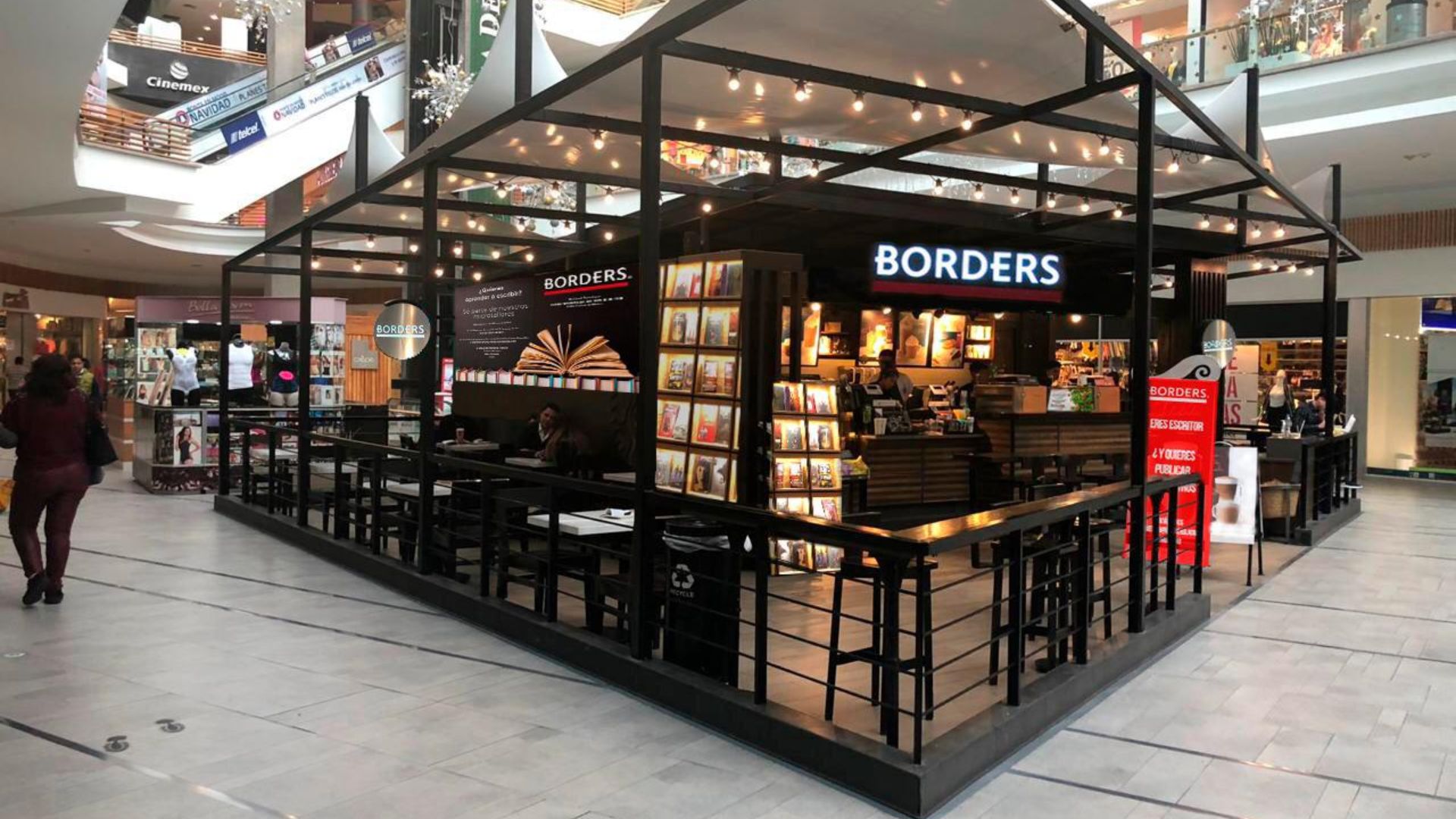
The chain encouraged customers to linger instead of leaving quickly. In 2004, Borders agreed to bring Seattle's Best Coffee cafes into its stores. The atmosphere was appealing, but comfortable browsing did not guarantee purchases.
 Estrogenbugen, Wikimedia Commons
Borders Was Online Surprisingly Early
Borders launched its own online store in 1998, so it did not ignore the internet from the beginning. The crucial mistake came later. Just as online bookselling gained importance, the company abandoned its independent retail operation.

Amazon Took The Online Business
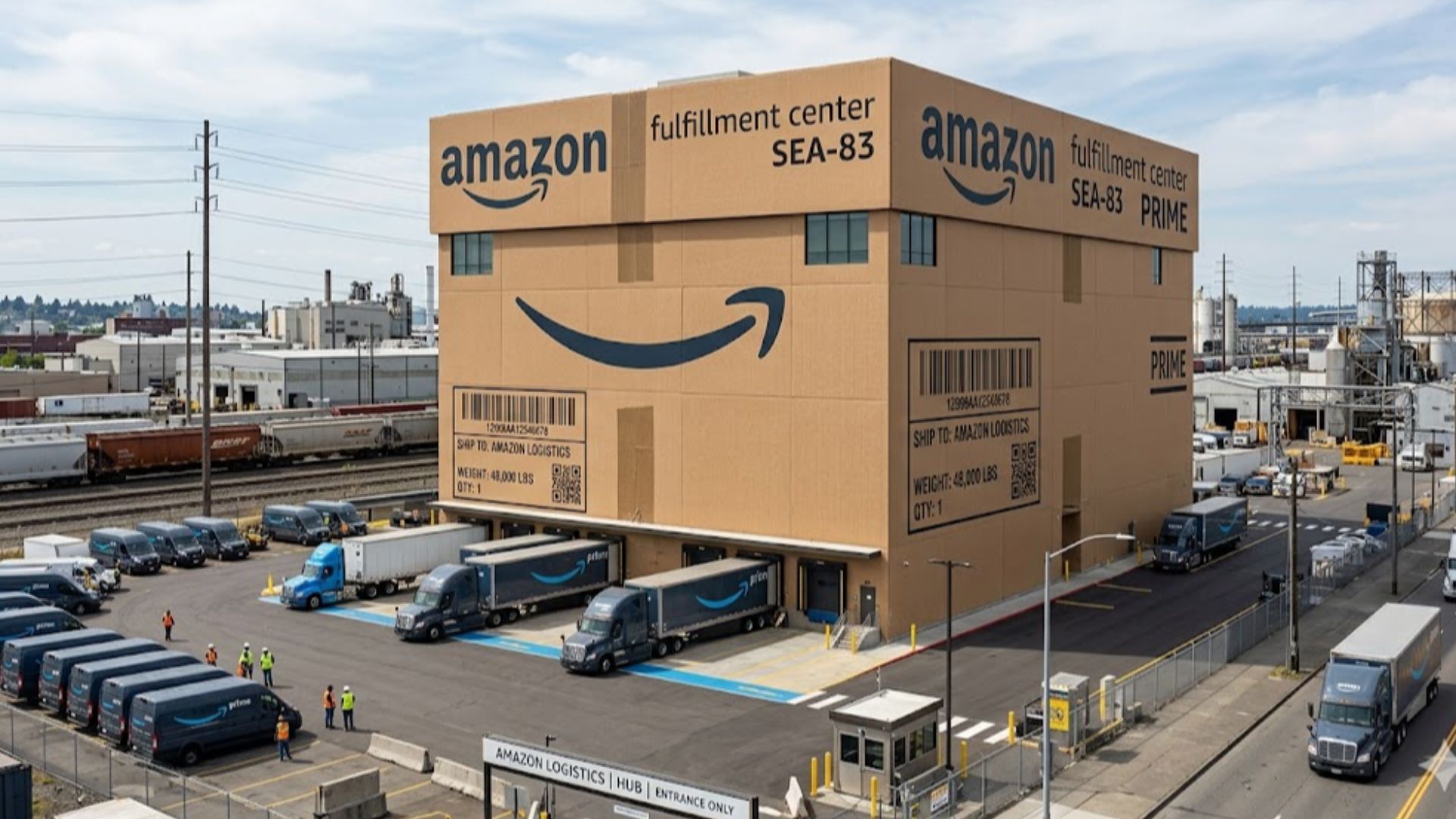
In August 2001, Borders switched its website sales to an Amazon-operated service. An arrangement that simplified online operations also put a competitor at the center of Borders' digital business. The partnership continued for nearly seven years.
Amazon Controlled The Checkout
Borders' own securities filings spelled out the arrangement: Amazon set customer prices, fulfilled orders and retained payments. Borders received referral fees. That made Borders.com a storefront without the control over transactions enjoyed by an independent online retailer.

The Independent Website Returned Late
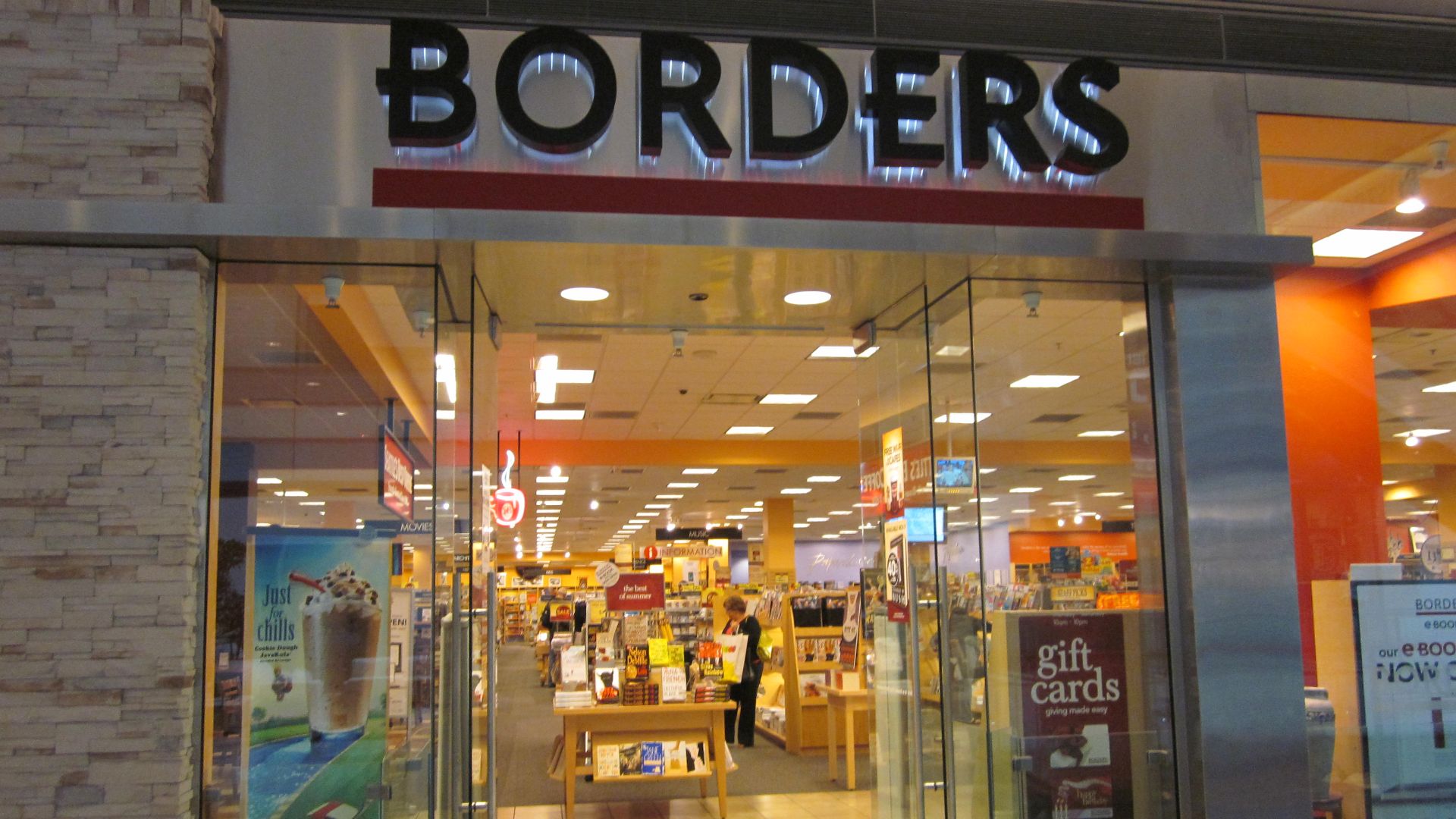
Borders relaunched its own e-commerce website in May 2008. By then, Amazon had spent years developing its position in online bookselling. Borders had to rebuild a direct digital operation while simultaneously managing its sprawling physical stores.
 BrokenSphere, Wikimedia Commons
Browsing No Longer Meant Buying
An NPR report in 2011 interviewed customers who examined books at Borders but purchased them from Amazon. The pattern illustrated a damaging retail problem. Store staff and shelf space could help make a sale that happened elsewhere.

Overseas Ambitions Were Reversed
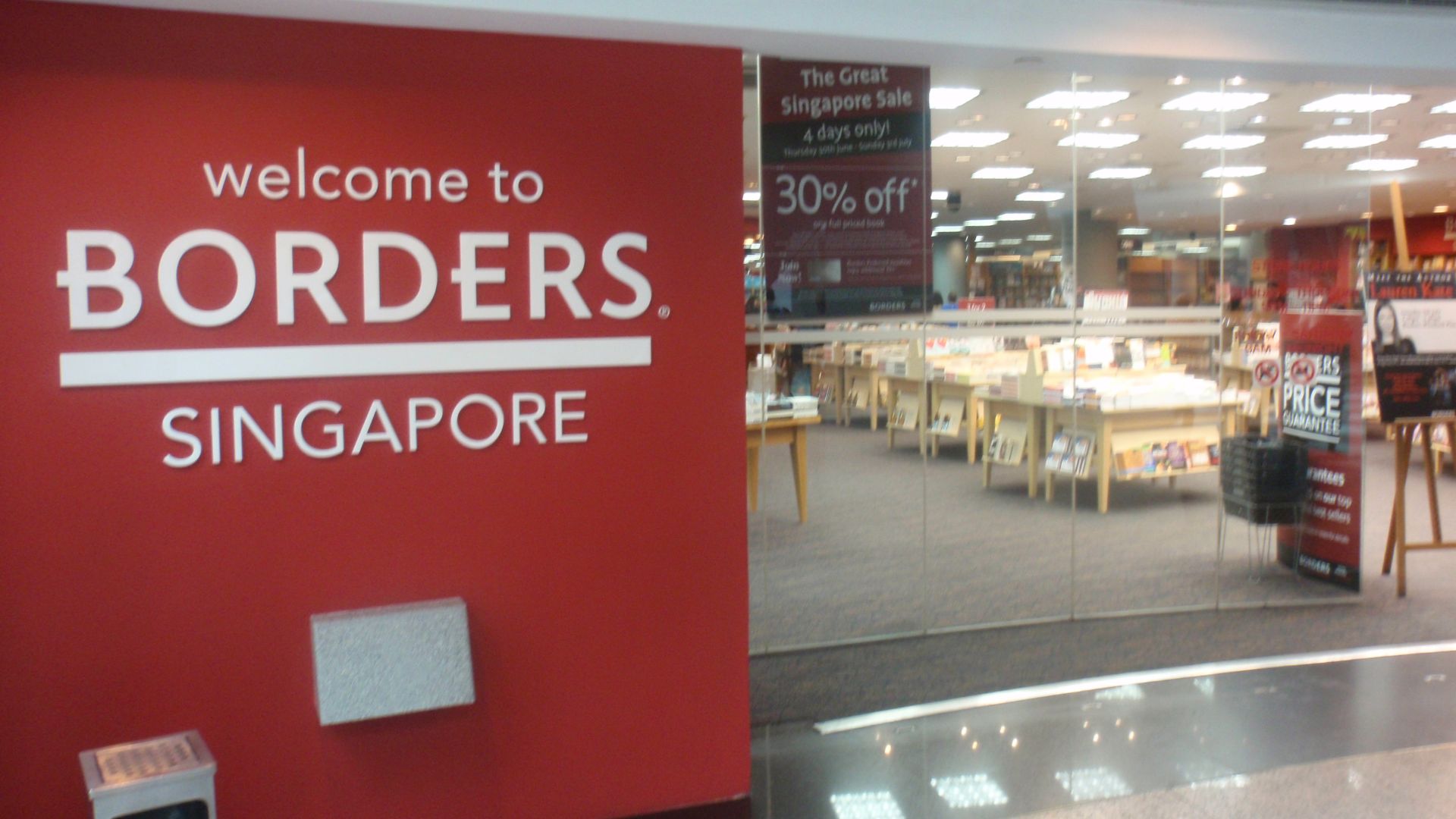
Borders expanded abroad, but eventually retreated to focus on its American operations. It sold its United Kingdom and Ireland bookstores in 2007, followed by Australia, New Zealand and Singapore in 2008. International growth no longer offered an easy escape.
Reinvention Focused On Stores
Borders introduced redesigned concept stores in 2008, hoping to freshen its shopping experience. The effort showed that management recognized a need for change. Yet new physical layouts could not replace the digital capabilities the business increasingly needed.
 Bindydad123, Wikimedia Commons
Millions Of Members Weren't Enough
Borders Rewards began in 2006 and reached nearly 42.2 million enrolled customers by January 2011. Its paid Rewards Plus tier offered substantial discounts. Popular membership benefits, however, could not prevent declining store traffic and worsening financial results.
E-Readers Changed The Rules
Amazon released the Kindle in 2007, and Barnes & Noble developed the Nook. E-books moved competition beyond store selection and printed-book prices. Borders had no comparably established device-and-book ecosystem of its own when that market grew.
 James Tarbotton jamestarbotton, Wikimedia Commons
Kobo Was A Late Response
Borders introduced a digital bookstore through Kobo in 2010 and promoted Kobo readers in its stores. That finally gave customers an electronic reading option. Unfortunately, Borders was entering a market where rivals had already developed substantial head starts.

Bigger Stores Became Bigger Burdens
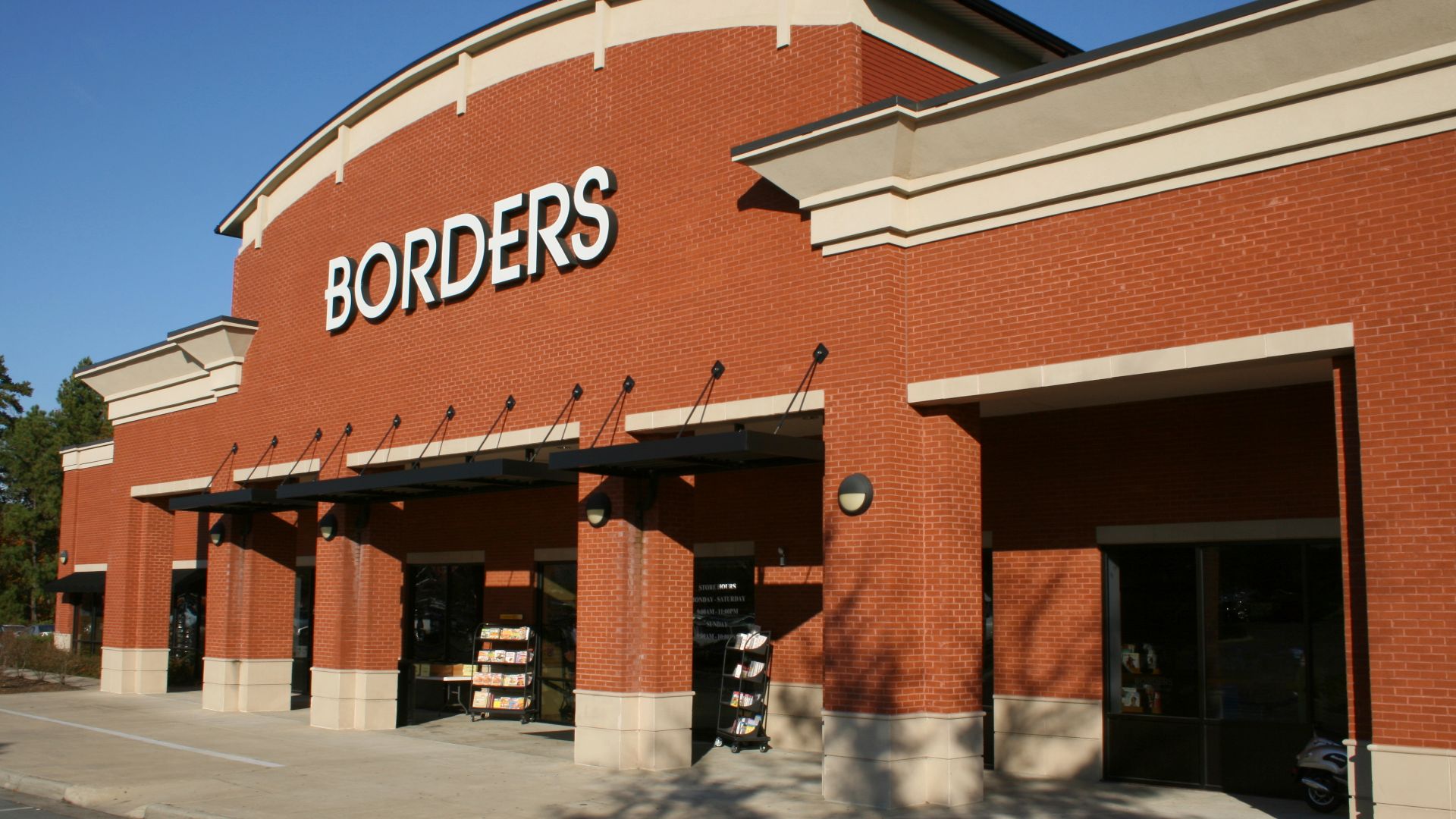
In 2010, a Borders superstore averaged approximately 24,500 square feet. Such stores needed steady sales to support rent, staffing and inventory. As purchases moved elsewhere, an impressive physical footprint became an increasingly expensive commitment.
 Ildar Sagdejev (Specious), Wikimedia Commons
Sales Productivity Kept Falling
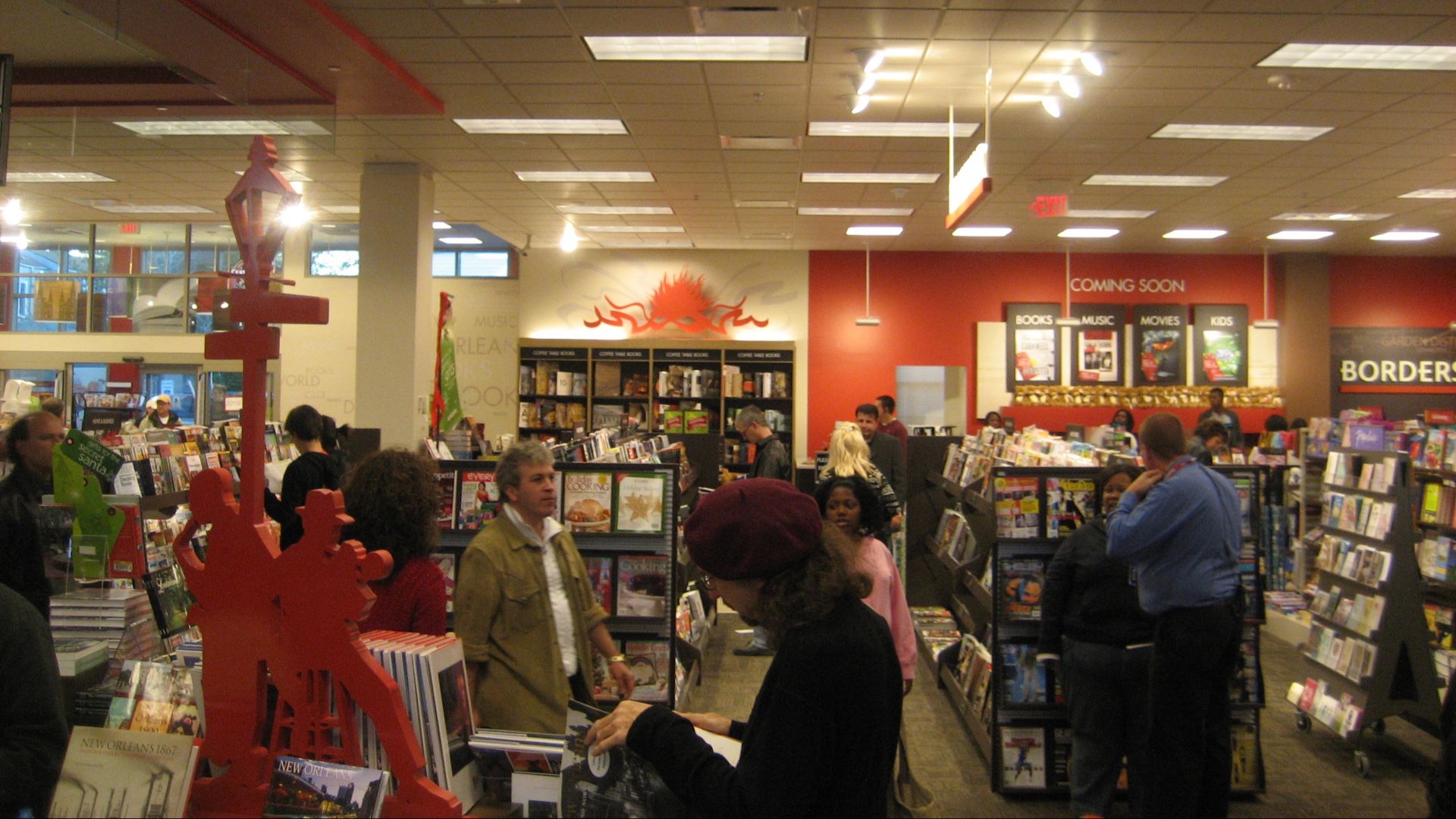
Sales per square foot reveal the problem. Borders superstores averaged $261 in 1997 but just $173 in 2009, according to reporting based on company filings. The chain was getting substantially less revenue from space that still carried operating costs.
 Infrogmation of New Orleans, Wikimedia Commons
Discounts Ate Into Margins
Promotions could attract customers, but they also squeezed earnings. Borders reported a gross margin of 16.6% in fiscal 2010, down from 22.2% the year before. Its filings specifically identified greater promotional discounting among the pressures.
 Bindydad123, Wikimedia Commons
The Financial Results Turned Ugly
Borders lost $300.3 million from continuing operations in fiscal 2010. Comparable-store sales fell 10.5%, while annual revenue shrank to about $2.27 billion. The decline was no longer just about missed digital opportunities; it threatened the company's survival.
Debt Narrowed Its Options
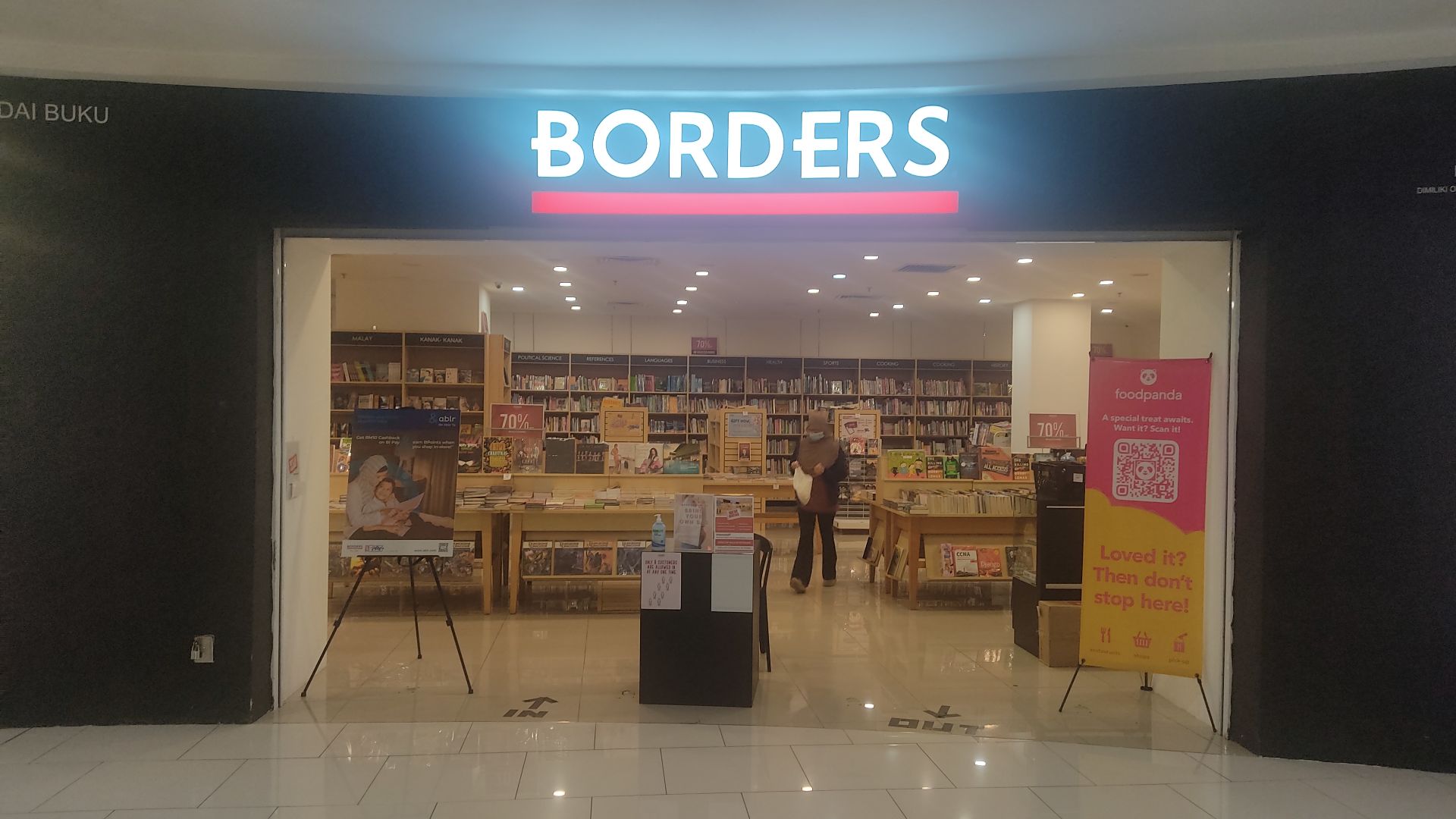
Borders carried $554 million in debt at the end of 2007, according to Publishers Weekly. Management cut stores and inventory while seeking financing. Those moves bought flexibility, but did not restore the growth needed for a durable turnaround.
 BrokenSphere, Wikimedia Commons
Publishers Stopped Shipping Books
By late 2010, Borders was delaying payments to publishers and other suppliers to conserve cash. Its annual report said vendors then stopped shipments. That damaged the central promise of the chain: reliably stocked shelves filled with books worth discovering.
Bankruptcy Couldn't Save The Chain
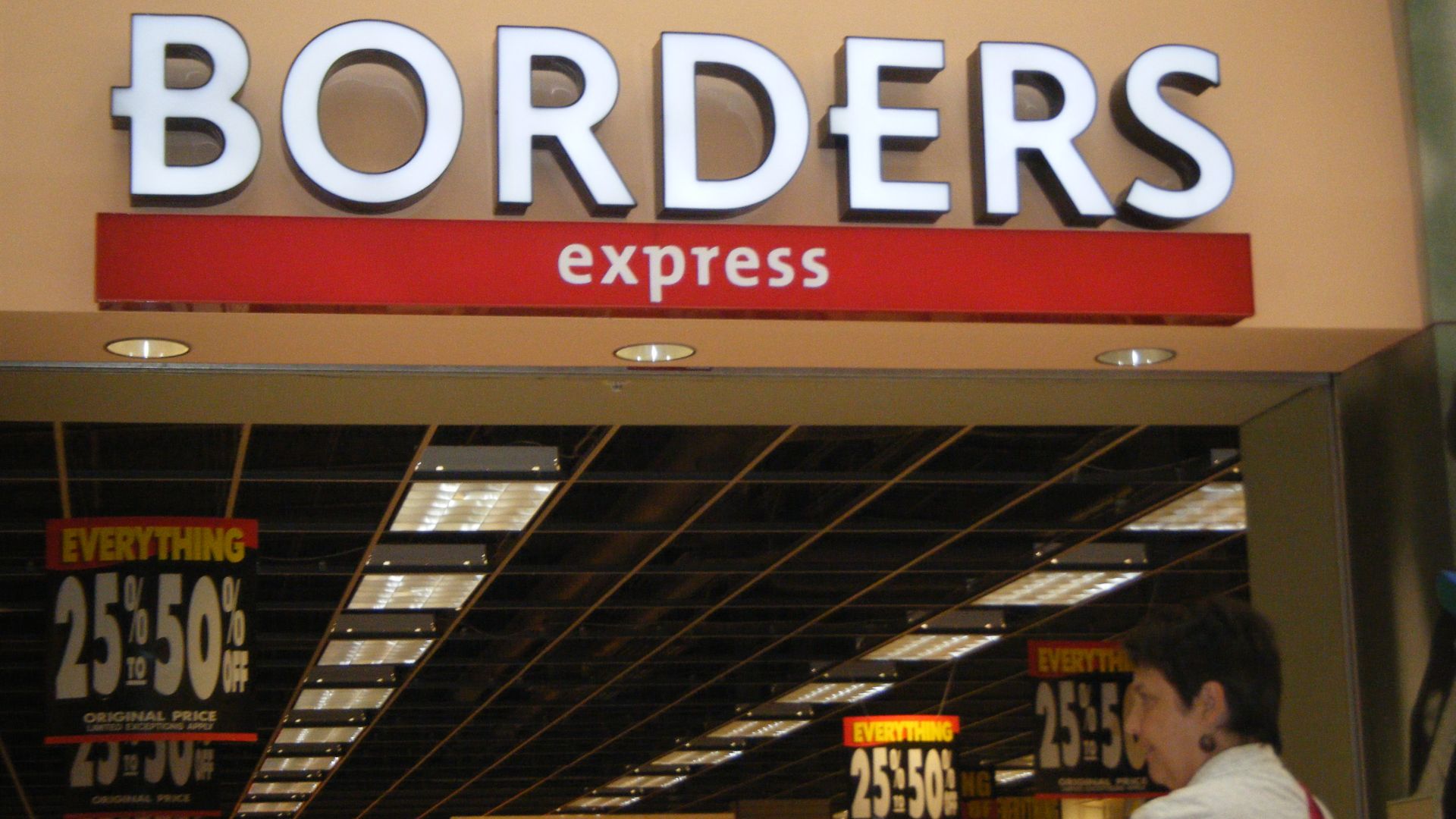
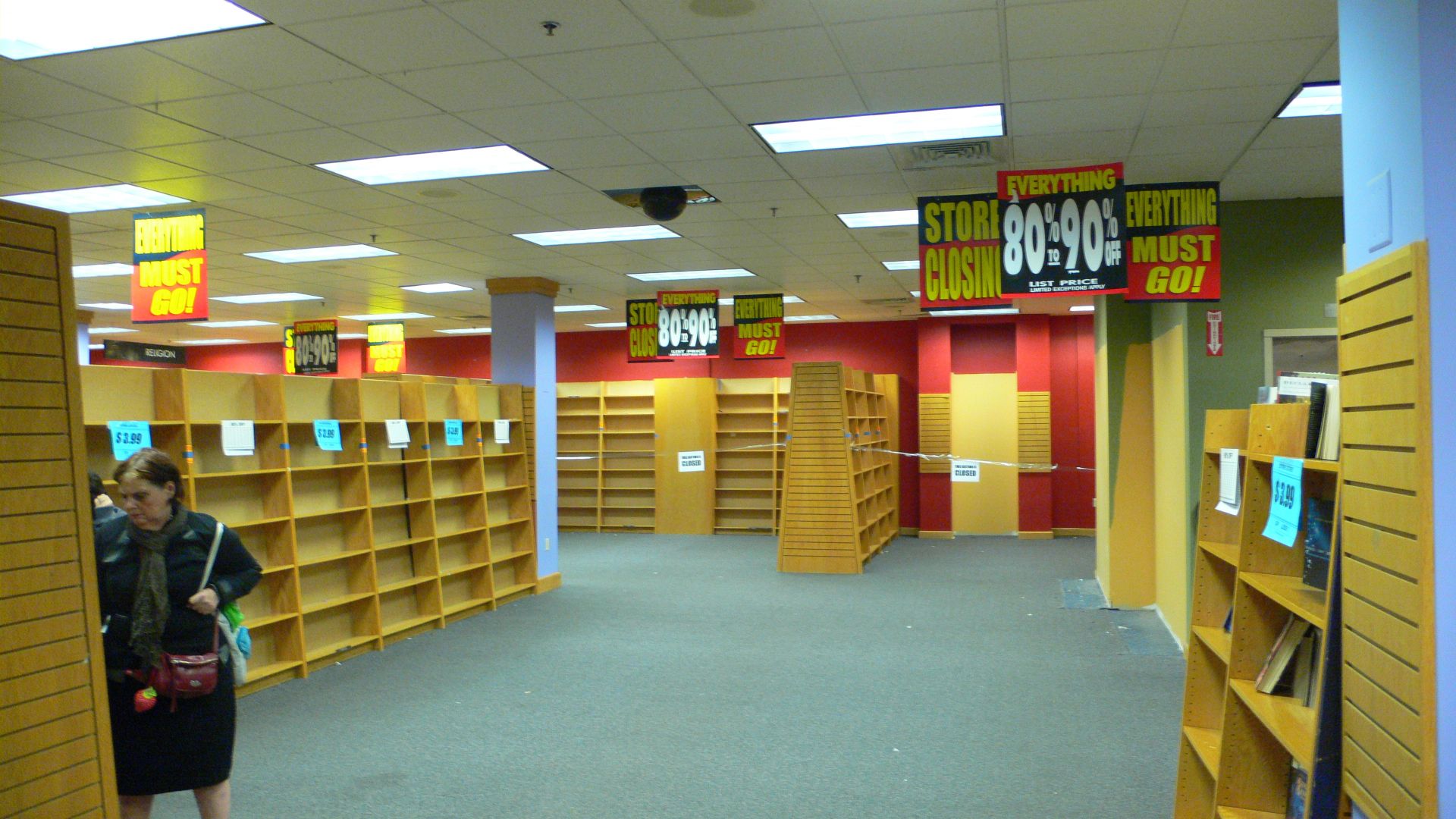
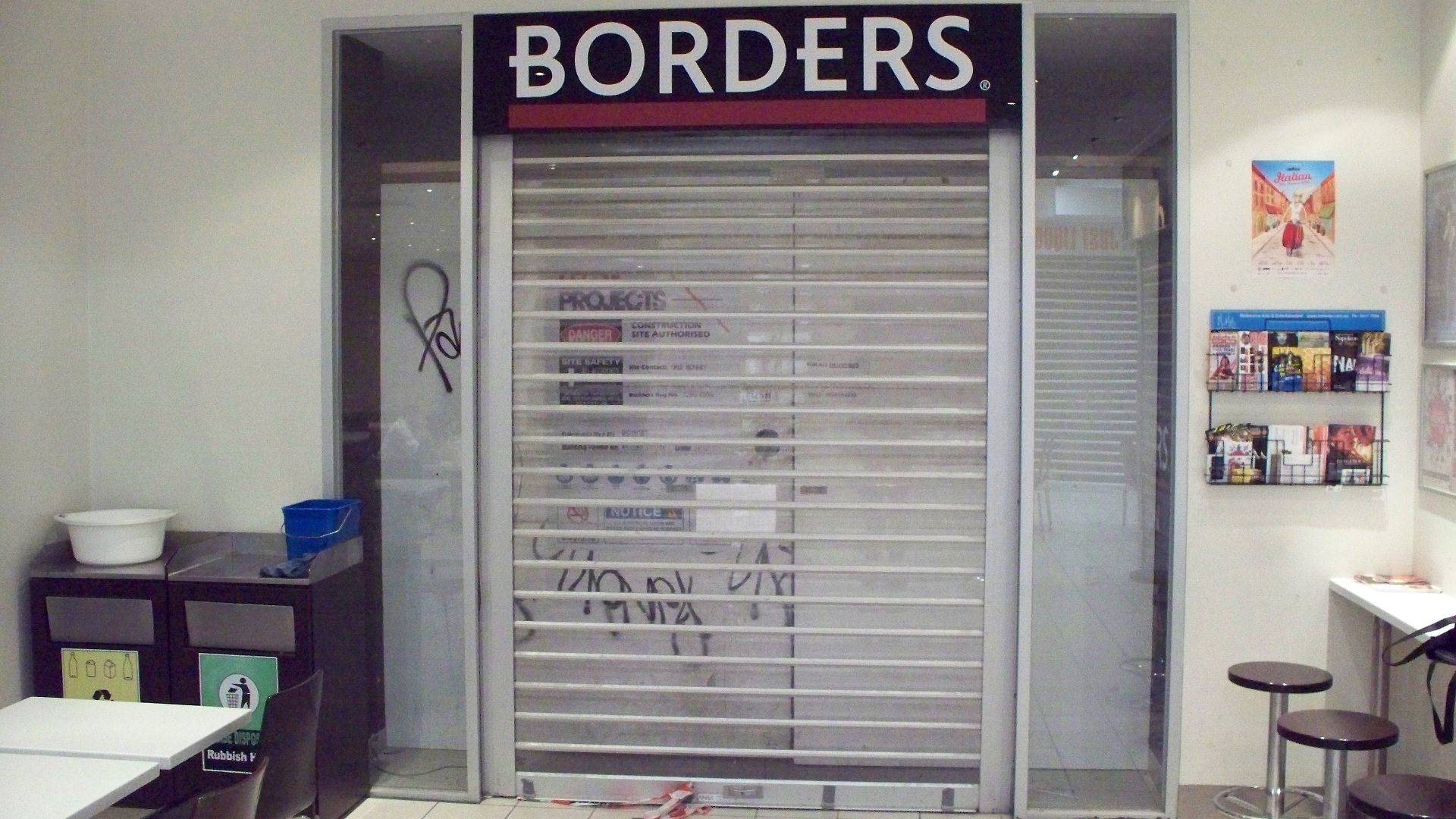
Borders sought Chapter 11 protection on February 16, 2011, initially planning a smaller chain. A rescue sale failed, and liquidation followed that July. The remaining 399 stores closed, affecting roughly 10,700 workers. The former giant had run out of chapters.
 Mr Stan Zemanek, Wikimedia Commons
You May Also Like:
Vending Machines In The 60s And 70s Sold Things You'd Never Expect Today—Did You Buy Any Of Them?
Grow Your Money: A Beginner's Guide To Trading Stocks