How Sales And Discounts Actually Make Us Spend More

How Sales And Discounts Actually Make Us Spend More


March 29, 2026 | J. Clarke

How Sales And Discounts Actually Make Us Spend More


When Deals Start Calling The Shots

There’s just something about a big red “SALE” sign that messes with your brain a little. Suddenly, spending money feels less like spending—and more like winning. But here’s the catch: those discounts that seem like they’re helping you save are often doing the exact opposite. A lot of the time, they’re quietly nudging you to spend more than you ever planned.

Let’s break down how that actually happens.

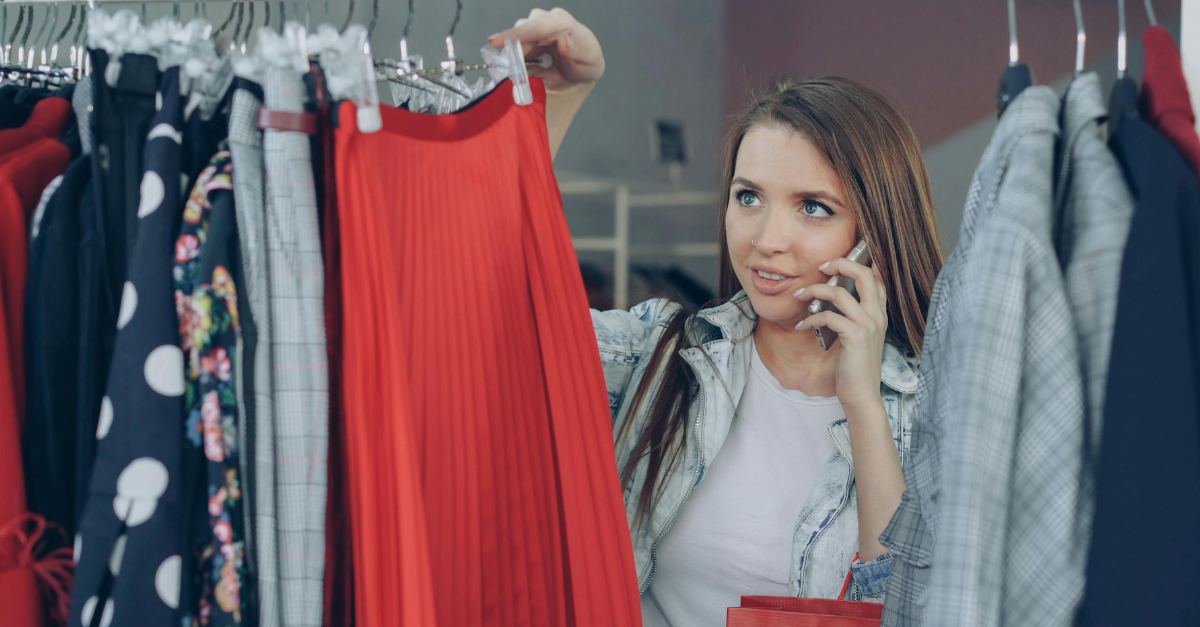
woman-shopping-for-clothes-in-fashion-Vitaly Gariev, pexels.com

Advertisement

The Illusion Of Saving Money

Sales have a funny way of making you feel responsible—even when you’re not. You see that discounted price and immediately focus on what you’re “saving,” not what you’re spending. But at the end of the day, money is still leaving your account.

Stylish young woman sitting with shopping bags, showcasing a '50% Off' sale sign.Gustavo Fring, Pexels

Advertisement

Anchoring Tricks Your Brain

Ever notice how stores always show the original price next to the sale price? That’s not random. It sets a mental baseline so the discount feels way better than it actually is—even if you never would’ve paid full price anyway.
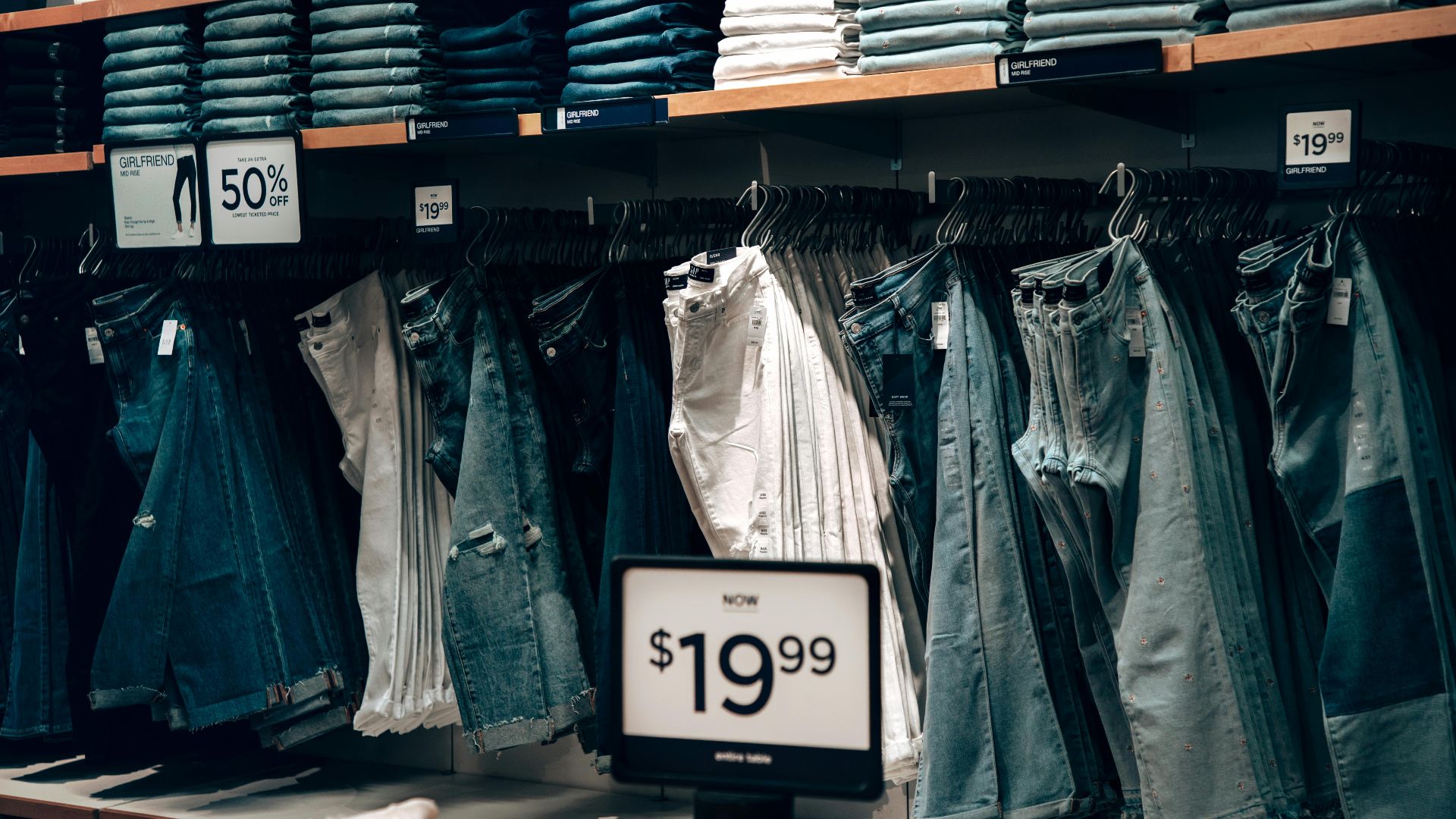
Explore a stylish denim collection at a boutique in Miami, showcasing jeans with discounts.On Shot, Pexels

Advertisement

Limited-Time Offers Create Urgency

Countdown timers and “today only” deals are basically designed to rush you. They make you feel like you need to decide right now or you’ll miss out. And when you’re rushed, you’re way more likely to buy without thinking it through.
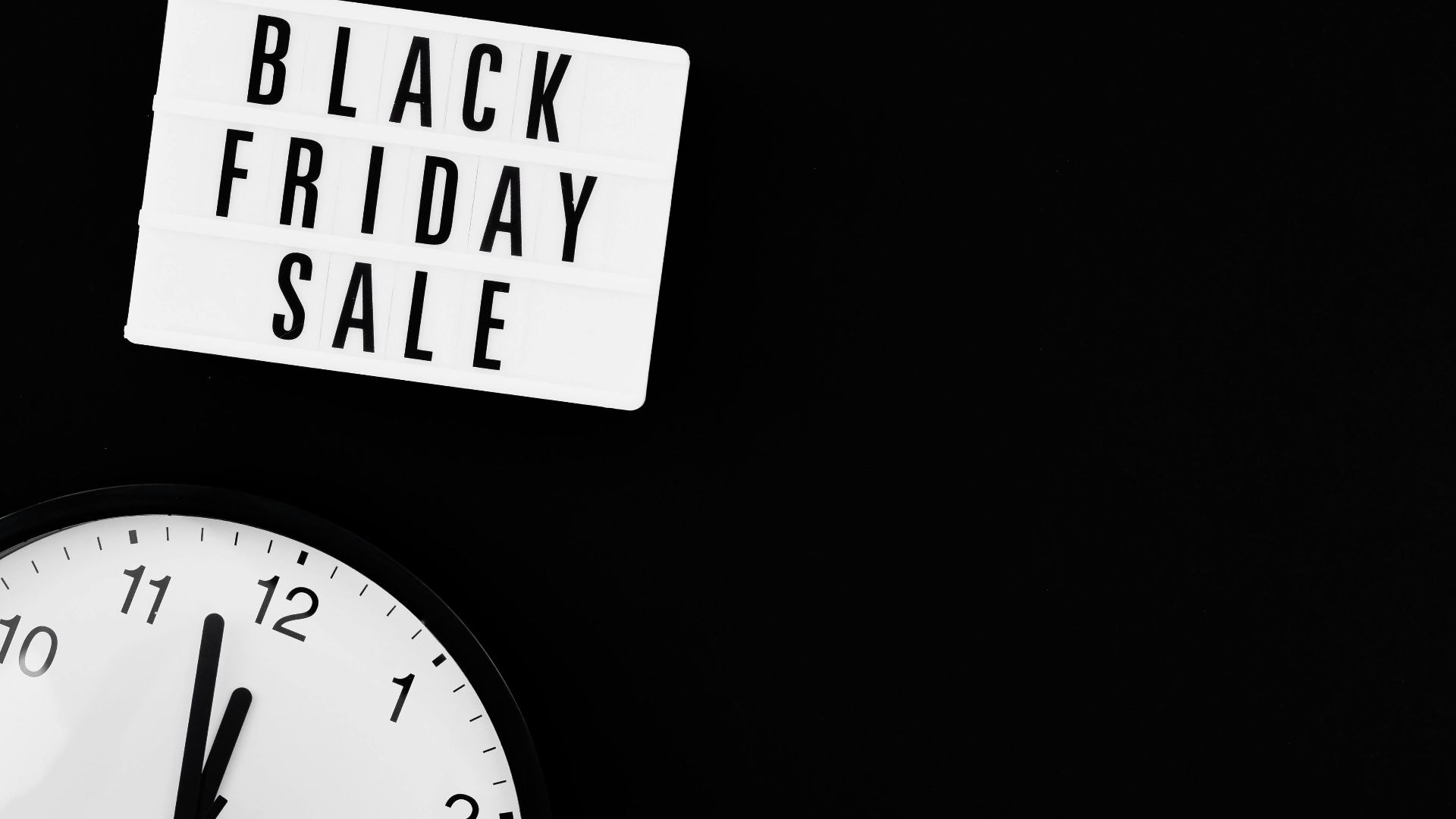
Minimalist Black Friday sale sign with clock on black background for promotions.www.kaboompics.com, Pexels

Advertisement

“Buy More, Save More” Isn’t Always Saving

Those deals sound smart…until you realize you’re spending more just to qualify for the discount. If you weren’t planning to buy that much in the first place, you’re not saving—you’re just spending extra.

shallow focus photography of woman holding shopping bags during dayfreestocks, Unsplash

Advertisement

Coupons Encourage Extra Spending

Coupons feel like free money, but they usually come with strings attached. You often end up buying something just to “use” the coupon. And suddenly, you’ve spent money you weren’t planning to spend at all.
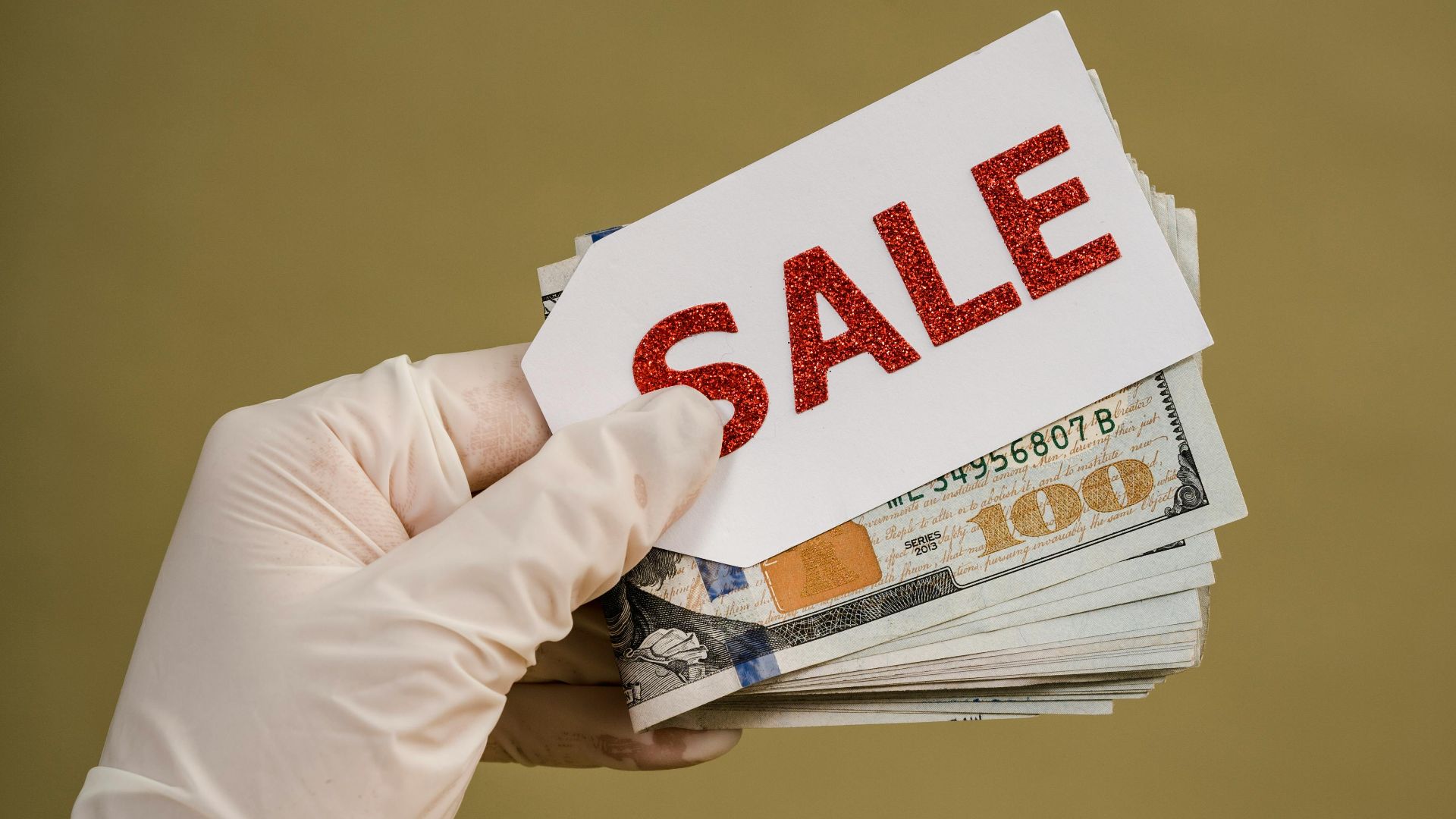
A gloved hand holds a stack of cash and a sale sign, symbolizing discount offers.Sora Shimazaki, Pexels

Advertisement

Free Shipping Thresholds Push You Further

We’ve all done it—adding random stuff to the cart just to hit free shipping. It feels like you’re avoiding a fee, but really, you’re just spending more to justify it. Retailers know exactly what they’re doing with those thresholds.

A deliveryman wearing a face mask holding a package in front of a van outdoors.Pavel Danilyuk, Pexels

Advertisement

The “Deal High” Feels Rewarding

Getting a good deal actually feels good. Like, genuinely rewarding. That little rush can make you want to chase that feeling again—which leads to more impulse purchases.

Ethnic female friends in casual clothes holding shopping bags and looking at goods while standing on street and smilingSam Lion, Pexels

Advertisement

Sales Make Non-Essentials Feel Necessary

Something you didn’t care about yesterday suddenly feels urgent today—just because it’s on sale. It shifts your thinking from “Do I need this?” to “This is too good to pass up.” And that’s where things get slippery.
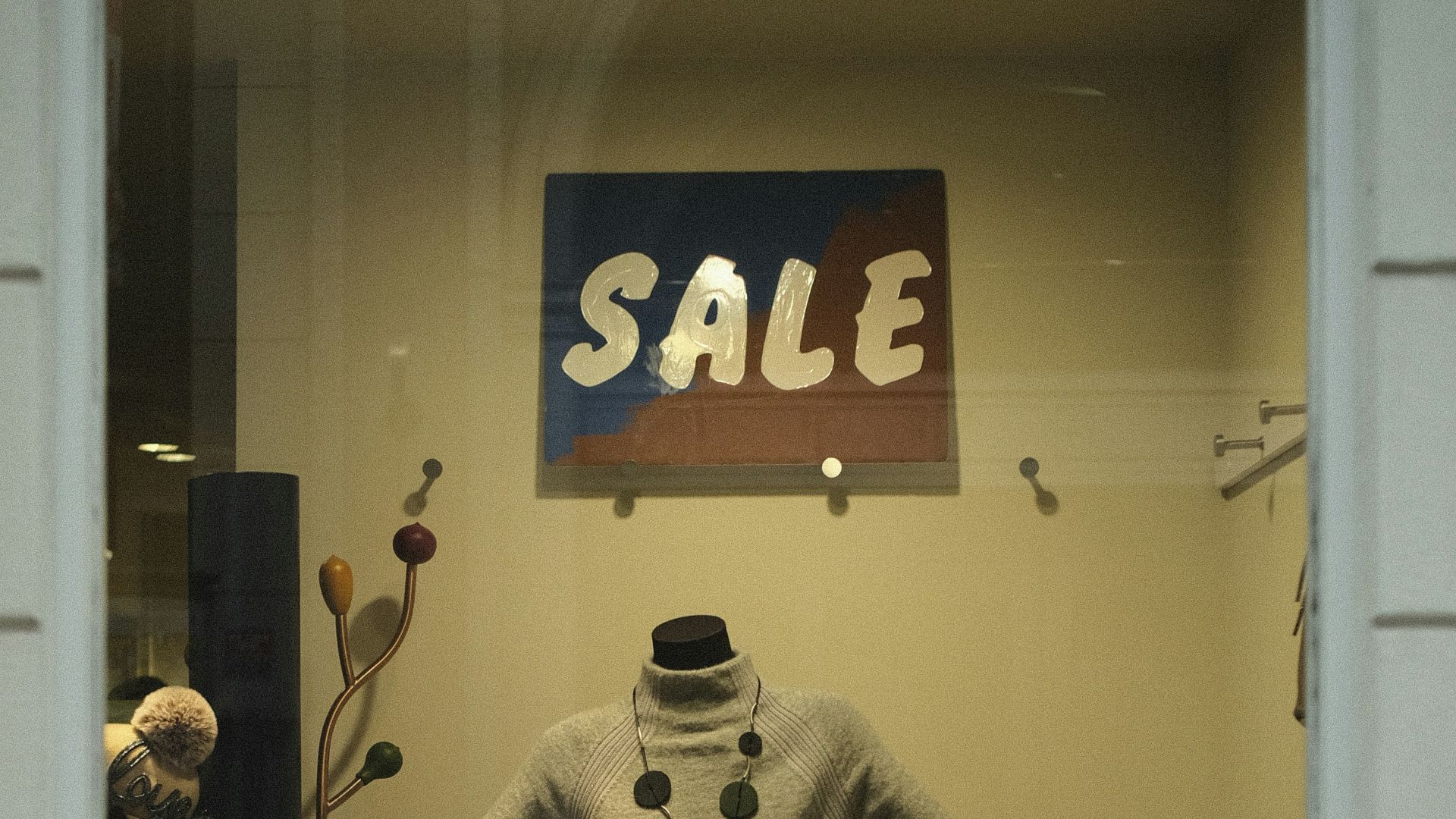
Mannequin in store window with sale signOur Latest Number, Unsplash

Advertisement

Price Framing Changes Perception

“Save $50” just sounds better than “Save 10%,” even if it’s the same thing. Stores know how to phrase discounts so they feel bigger and more exciting. That little wording tweak can make a big difference in how you react.
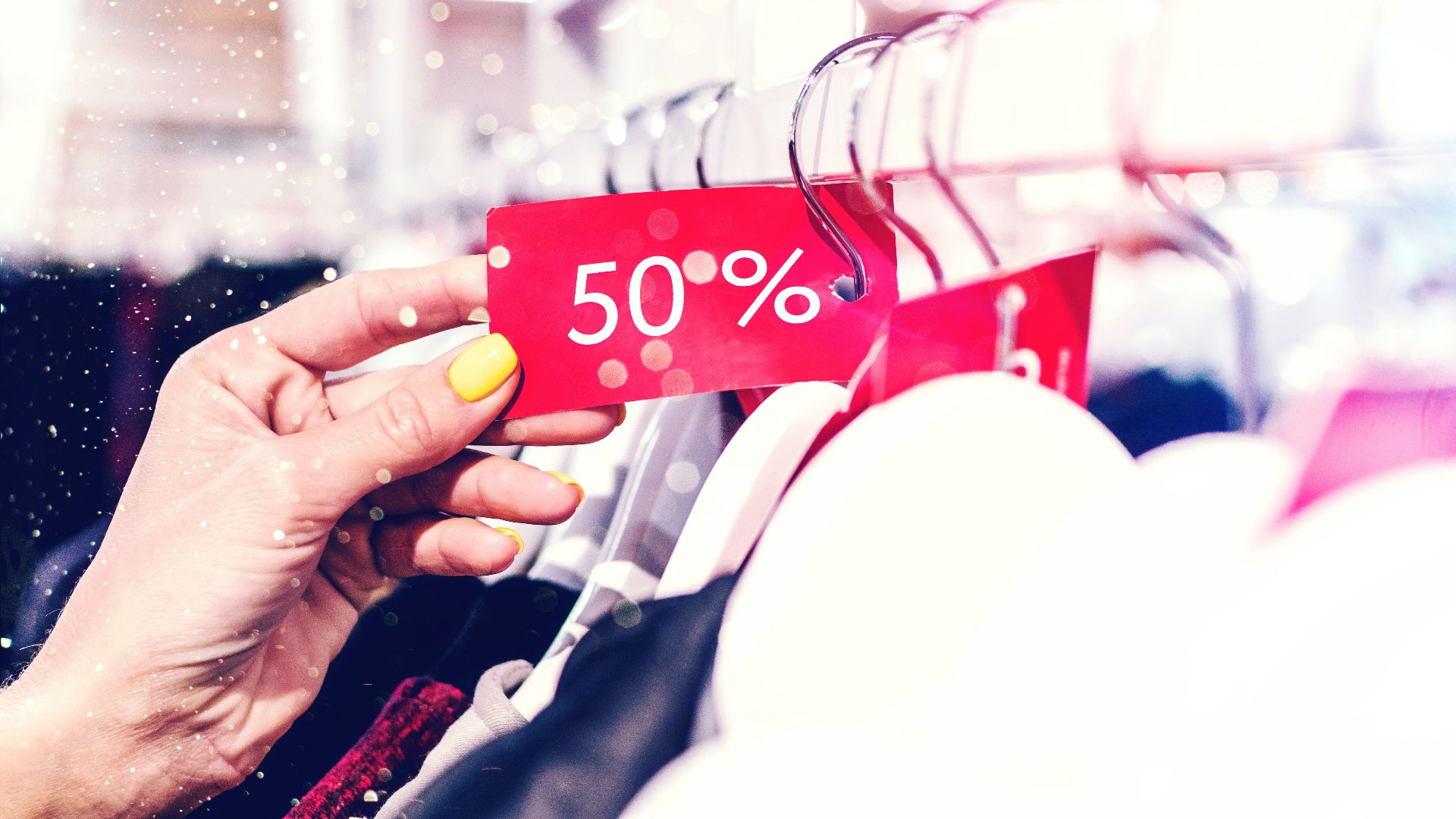
person holding red and white love print gift wrapperArtem Beliaikin, Unsplash

Advertisement

Stockpiling Creates False Value

Buying in bulk during a sale feels like planning ahead. But having more often means using more. So instead of saving, you might just be going through things faster.

photo of woman holding white and black paper bagsfreestocks, Unsplash

Advertisement

The Fear Of Missing Out Takes Over

FOMO hits hard when deals feel limited or exclusive. You start thinking about how much you’ll regret not buying it—rather than whether you actually need it. That emotional pressure can push you into quick decisions.

Close-up of a woman expressing shock and surprise with wide eyes and open mouth.Engin Akyurt, Pexels

Advertisement

Discounts Lower Your Spending Guard

When something is cheaper than usual, it feels like less of a risk. You don’t question it as much. But a bunch of small, “harmless” purchases can add up faster than you think.
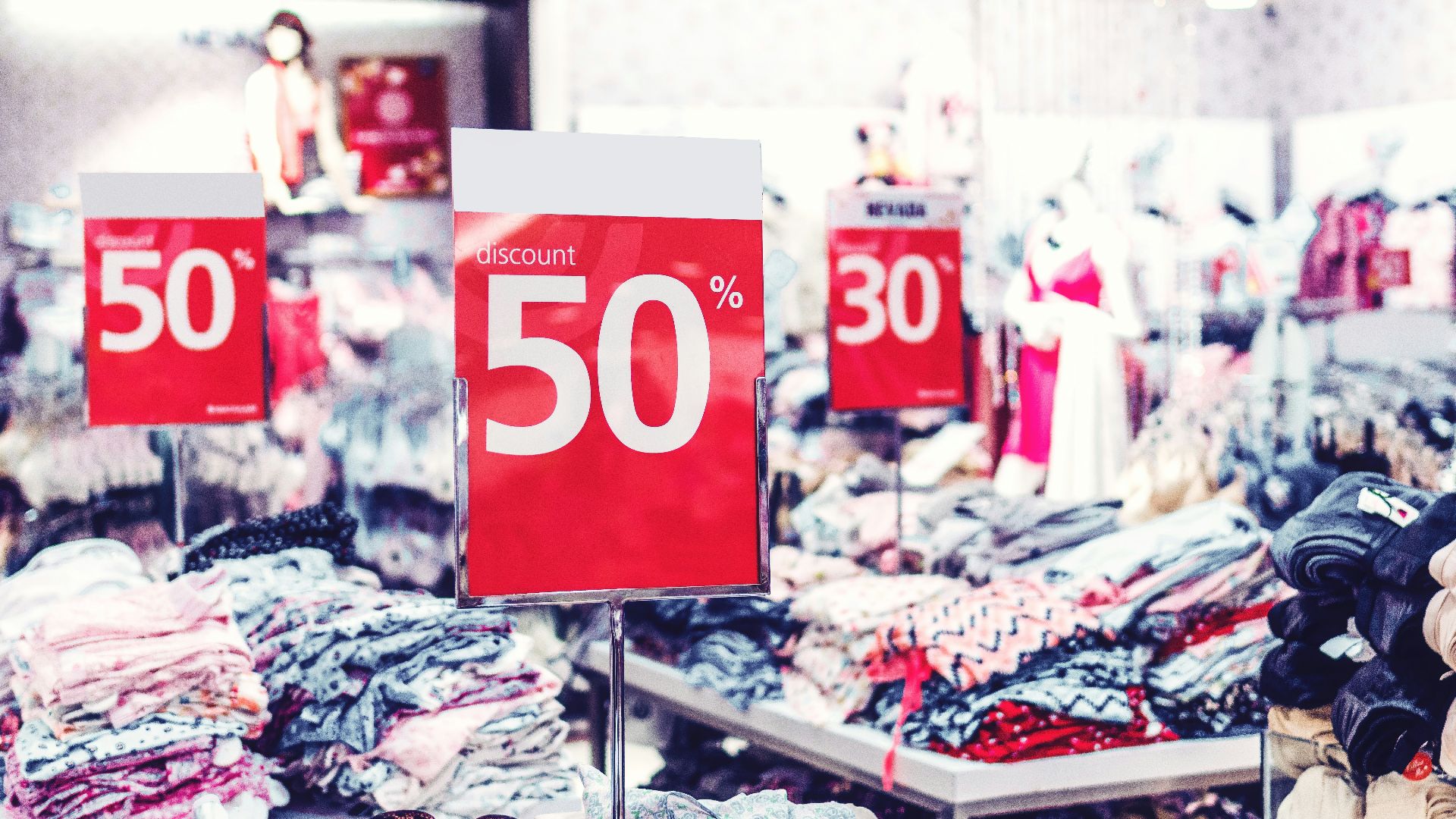
50% discount signArtem Beliaikin, Unsplash

Advertisement

Loyalty Programs Keep You Spending

Points, rewards, member pricing—it all sounds great. And it is…if you were going to shop there anyway. But more often, it just keeps you coming back and spending more to feel like you’re earning something.

Excited woman holding colorful shopping bags, enjoying a shopping spree.Max Fischer, Pexels

Advertisement

The “It’s Only…” Mentality Adds Up

It’s only $5. It’s only $10. That thinking feels harmless in the moment. But stack enough of those “onlys” together, and suddenly you’ve spent way more than you expected.

Two women exchanging gifts outside, embodying joy and friendship in a festive setting.Tim Douglas, Pexels

Advertisement

Comparison Shopping Can Backfire

Trying to find the best deal can actually lead to more spending. The more you browse, the more things you see—and the more tempted you get. What started as one purchase can easily turn into three.
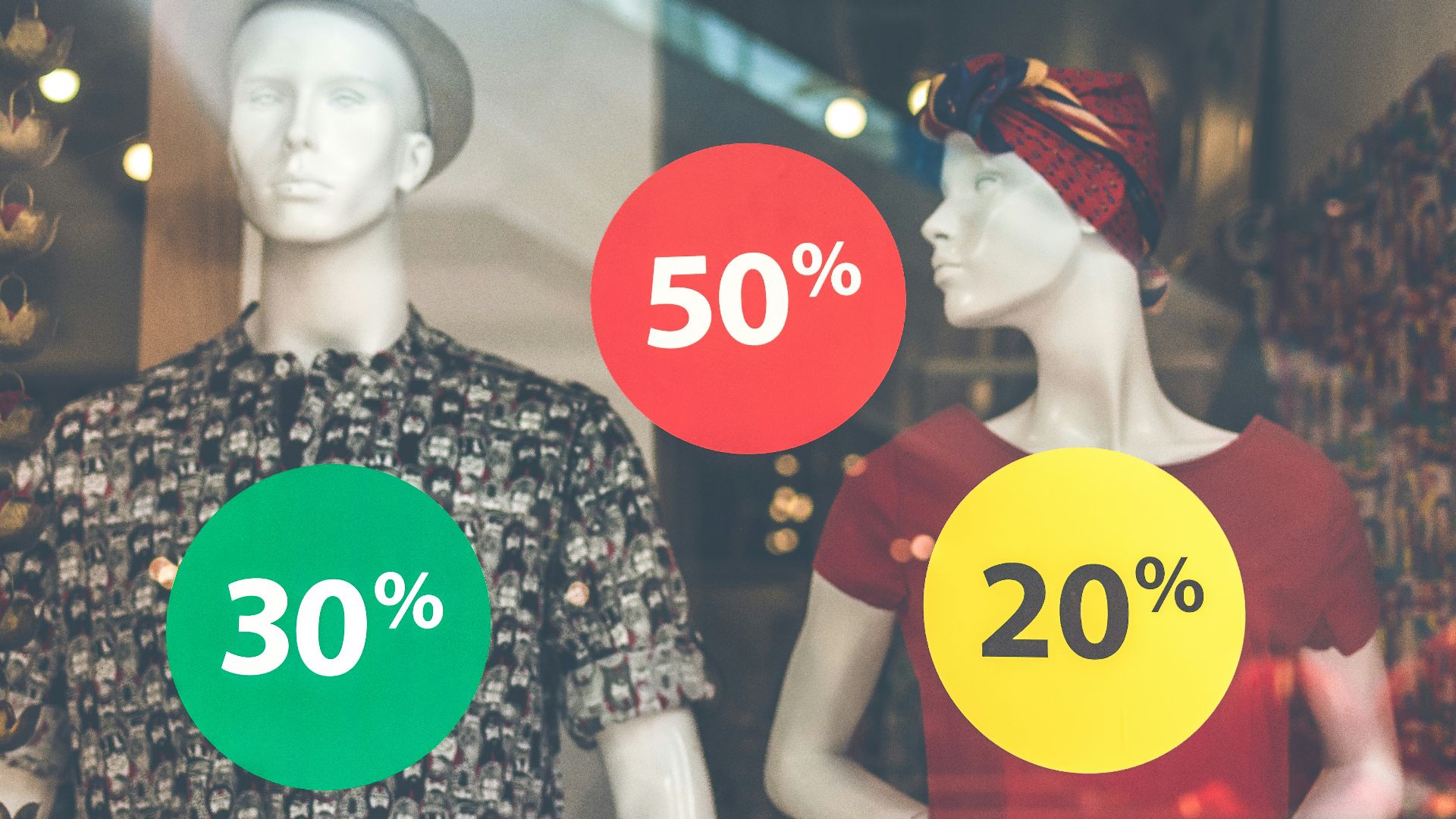
two male and female mannequin wearing clothesArtem Beliaikin, Unsplash

Advertisement

Bundles Make You Buy Unwanted Items

Bundles look like a great value at first glance. But they often include stuff you wouldn’t have bought on its own. So you end up paying for extras just to feel like you got a deal.
a row of clothes on a lineMax Harlynking, Unsplash

Advertisement

Emotional Spending Gets Justified

Sales give you an easy excuse to treat yourself. You tell yourself it’s okay because it’s discounted. But that logic can quickly turn into a habit.

Two women smiling and holding shopping bags outdoors, enjoying a sunny day.Sam Lion, Pexels

Advertisement

Retailers Design Stores To Highlight Deals

Everything—from bright signs to where items are placed—is intentional. Stores are set up to draw your eye straight to the discounts. The more you see them, the harder they are to ignore.
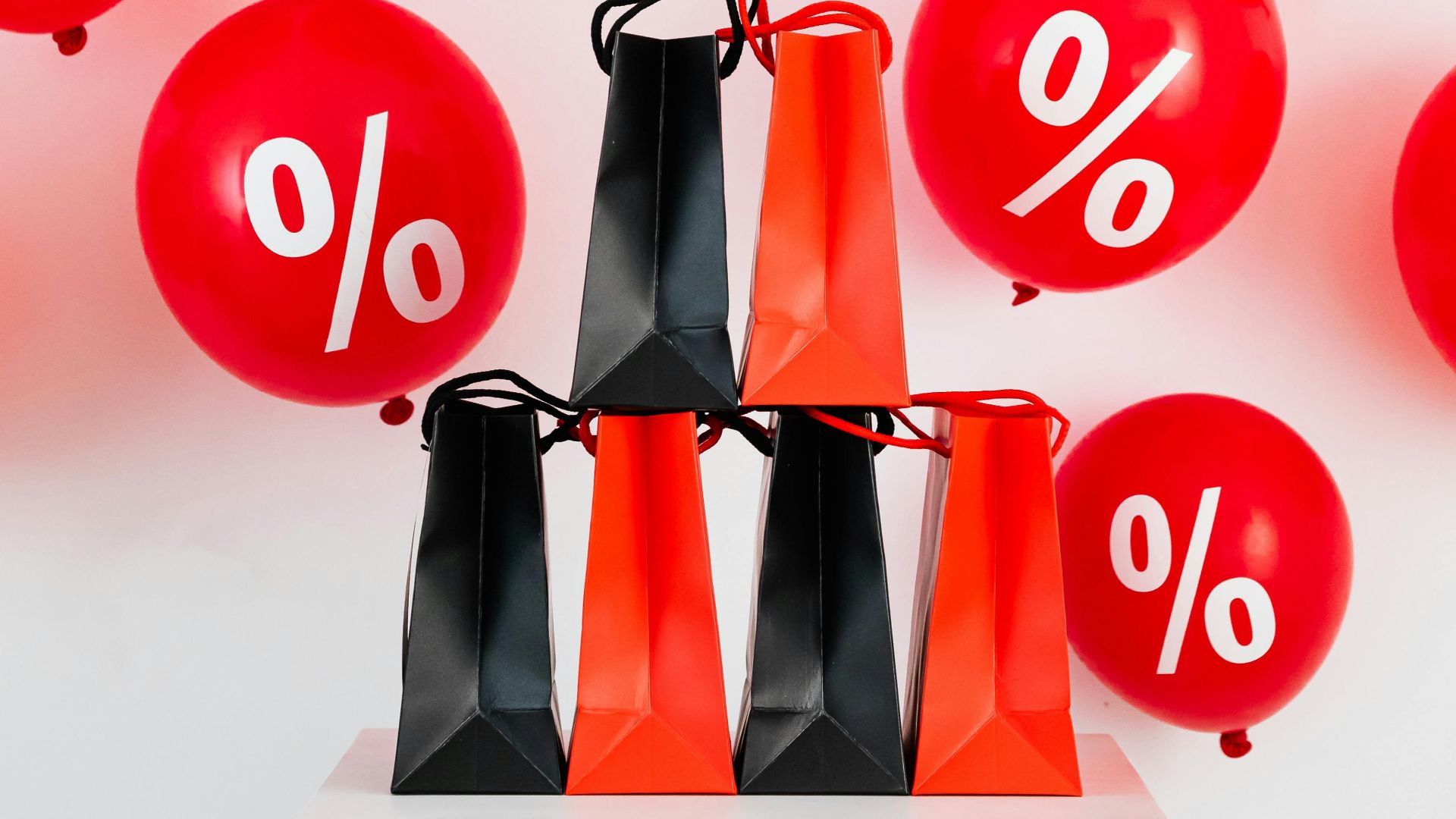
Vibrant red balloons with percentage signs and shopping bags for sales event.www.kaboompics.com, Pexels

Advertisement

Spending Feels Smarter Than It Is

Buying something on sale feels like making a smart move. But spending money isn’t the same as saving money. That subtle difference is where a lot of people get tripped up.
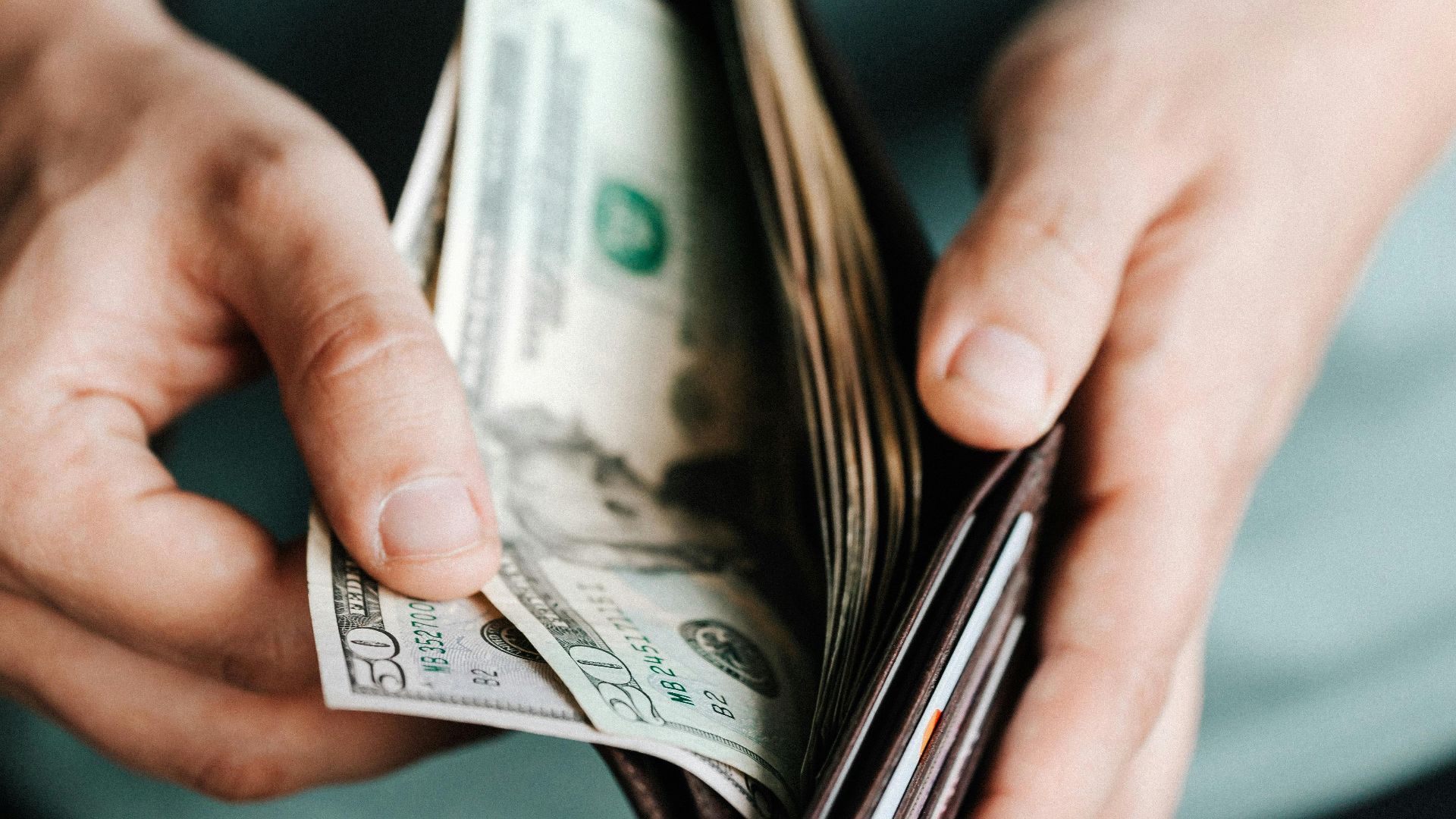
Close-up of hands holding a wallet with cash, depicting financial management.www.kaboompics.com, Pexels

Small Discounts Add Up To Big Spending

Saving a few bucks here and there feels harmless. But if it leads to more frequent purchases, those “savings” can actually cost you more in the long run.

Woman holding a discount-tagged white shirt during Black Friday sale indoors.Gustavo Fring, Pexels

Advertisement

The Real Goal Is Getting You To Buy

At the end of the day, sales aren’t about helping you—they’re about getting you to spend. Every discount is designed to nudge you a little closer to checkout. Once you realize that, those deals start to feel a lot less irresistible.

And honestly, sometimes the best deal is just not buying it at all.

Two smiling women holding shopping bags in a stylish clothing store.Vitaly Gariev, Pexels

Advertisement

You May Also Like:

I finally broke up with my boyfriend, but my landlord refuses to remove me from our lease. Now I can’t rent anywhere else. Is that legal? What do I do?

A Guide To Building Your Emergency Fund

Source: 12


READ MORE

Desk Job

The desk job isn't looking so safe anymore, and the trades are filling the gap

Something is quietly shifting in the American workforce. Professionals who spent years in offices are trading keyboards for tool belts, and the numbers behind that decision are more serious than most people realize.
March 2, 2026 Jane O'Shea

A $10 flea-market find turns out to be a photo of Billy the Kid—one worth millions because of who else is pictured: The man who shot him.

He didn’t think much of it when he bought the old photo for $10 at a flea market. But under the dust and scratches lay something remarkable—a rare glimpse of the legendary Billy the Kid. Yet what stunned historians most wasn’t the outlaw himself…it was the man sitting right next to him.
October 29, 2025 Jesse Singer

10 Hidden Expenses That Are Draining Your Wallet Every Month

Even the most careful budgeters can end up wondering where their money went at the end of the month. Very often it's the small, recurring expenses that quietly add up over time.
May 6, 2025 Miles Brucker

10 Money Habits Of People Who Retire Before 40

Retiring at 40 isn't a pipe dream, and you don't have to be a tech genius, Wall Street bro, or pro athlete to do it. But you have to follow the habits of those who've done it before.
April 15, 2025 Penelope Singh

Once-Boring Postage Stamps That Are Now Jackpot To Collectors

A postmark here, a printing slip there—history has a way of hiding value in plain sight. Some stamps grew from ordinary mail carriers into cultural icons, now ranking among the world’s most sought-after collectibles.
September 16, 2025 Alex Summers
corporateinternal

10 Shocking Corporate Meltdowns

Major corporations seem so stable. That's why shocking corporate meltdowns are so compelling. Here are 10 of the worst ever.
June 14, 2023 Eul Basa


Disclaimer

The information on MoneyMade.com is intended to support financial literacy and should not be considered tax or legal advice. It is not meant to serve as a forecast, research report, or investment recommendation, nor should it be taken as an offer or solicitation to buy or sell any securities or adopt any particular investment strategy. All financial, tax, and legal decisions should be made with the help of a qualified professional. We do not guarantee the accuracy, timeliness, or outcomes associated with the use of this content.


Dear reader,


It’s true what they say: money makes the world go round. In order to succeed in this life, you need to have a good grasp of key financial concepts. That’s where Moneymade comes in. Our mission is to provide you with the best financial advice and information to help you navigate this ever-changing world. Sometimes, generating wealth just requires common sense. Don’t max out your credit card if you can’t afford the interest payments. Don’t overspend on Christmas shopping. When ordering gifts on Amazon, make sure you factor in taxes and shipping costs. If you need a new car, consider a model that’s easy to repair instead of an expensive BMW or Mercedes. Sometimes you dream vacation to Hawaii or the Bahamas just isn’t in the budget, but there may be more affordable all-inclusive hotels if you know where to look.


Looking for a new home? Make sure you get a mortgage rate that works for you. That means understanding the difference between fixed and variable interest rates. Whether you’re looking to learn how to make money, save money, or invest your money, our well-researched and insightful content will set you on the path to financial success. Passionate about mortgage rates, real estate, investing, saving, or anything money-related? Looking to learn how to generate wealth? Improve your life today with Moneymade. If you have any feedback for the MoneyMade team, please reach out to [email protected]. Thanks for your help!


Warmest regards,

The Moneymade team