
When Freedom Meets Fine Print
You finally did it—you bought the most gloriously over-the-top lawn ornament imaginable: a towering, gleaming golden bald eagle. It’s bold, it’s proud, and honestly, it makes your house feel like it should have its own national anthem. But just as you’re admiring your handiwork, a letter from your HOA shows up, politely informing you that “patriotic displays” aren’t allowed. Suddenly, your front yard feels less like a celebration and more like a legal battleground. So… can you actually fight this?

The All-American Lawn Dream
For a lot of homeowners, the front yard isn’t just grass—it’s a form of self-expression. Some people keep it tidy and minimal, others go wild with garden gnomes and flamingos, and then there are folks like you who go full patriotic spectacle. A golden bald eagle isn’t subtle, but that’s kind of the point. It’s not just decoration—it’s personality, pride, and maybe a little bit of showing off.

Enter The HOA Rulebook
Then comes the HOA, armed with rules, bylaws, and a surprisingly strong opinion about your landscaping choices. HOAs exist to keep neighborhoods looking consistent and, in theory, to protect property values. That means they often regulate everything from paint colors to fence heights. So while your eagle might feel like harmless fun, to the HOA, it might look like a violation waiting to happen.

“Patriotic Displays” — A Vague Target
The phrase “patriotic displays” is doing a lot of heavy lifting here. It sounds specific, but it’s actually pretty vague. Does it mean flags? Statues? Red, white, and blue flower beds? HOAs often rely on this kind of language because it gives them flexibility—but that flexibility can make things frustratingly unclear for homeowners trying to follow the rules.
First Amendment To The Rescue… Right?
Your first instinct might be to wave the Constitution like a legal shield. After all, freedom of expression is kind of a big deal. Surely you can’t be told what you can and can’t display on your own property, right? Unfortunately, it’s not quite that simple, and this is where things start to get a little less patriotic and a little more contractual.

HOAs Are Not The Government
Here’s the key issue: the First Amendment protects you from government restrictions—not from private organizations. And your HOA, despite how powerful it may feel, is considered a private entity. That distinction matters a lot legally, because it means your constitutional argument doesn’t automatically apply the way you might hope.

What You Signed Matters
When you bought your home, you likely agreed to a set of rules called CC&Rs—Covenants, Conditions, and Restrictions. Most people skim these (or let’s be honest, completely ignore them), but they’re legally binding. If those documents include restrictions on displays, then you’ve essentially agreed to play by those rules, even if you didn’t realize it at the time.

But Wait—There Are Exceptions
Before you start drafting a farewell speech for your eagle, there are a few potential lifelines. Not all HOA rules are ironclad, and there are situations where state or federal laws can override them. It’s not a guaranteed win, but it does mean you’re not completely out of options just yet.

The American Flag Protection Angle
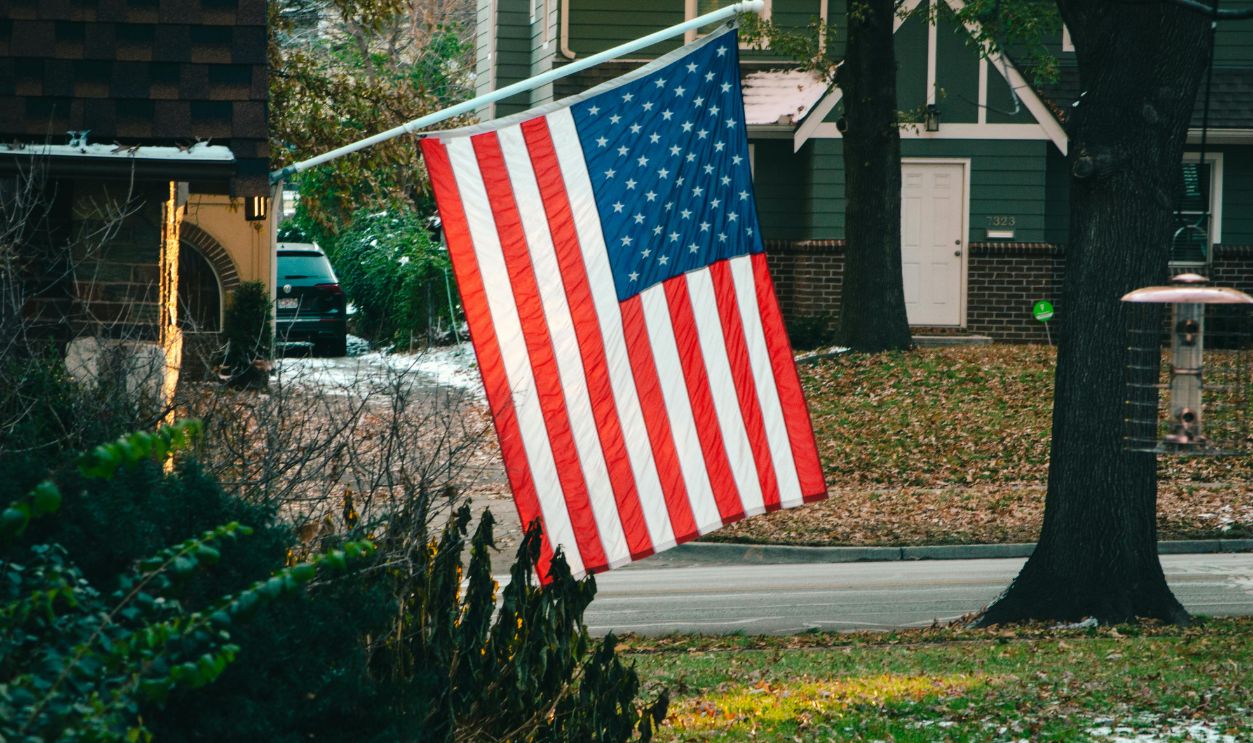
Federal law does protect your right to display the American flag, even in HOA communities. That’s a big deal—but it comes with limits. HOAs can still regulate things like size, placement, and how it’s displayed. And unfortunately, your golden eagle statue doesn’t neatly fall into the “flag” category, no matter how patriotic it feels.

State Laws Might Help
Some states go a bit further than federal law and offer broader protections for patriotic expression. Depending on where you live, there might be statutes that give you more room to argue your case. It’s worth doing a little digging, because local laws could end up being your strongest ally in this situation.

Is A Bald Eagle “Patriotic”?
Here’s where things get interesting—and maybe a little philosophical. A bald eagle is undeniably a national symbol, but does that automatically make your statue a “patriotic display” under HOA rules? It’s not as clear-cut as a flag, which means there’s some room for interpretation, and that gray area could work in your favor.

Arguing Ambiguity
If the rule itself is unclear, you may have a legitimate argument. Courts don’t always look kindly on vague restrictions, especially if they’re being enforced inconsistently. If your HOA can’t clearly define what counts as a violation, you might be able to challenge their decision based on that lack of clarity.

Selective Enforcement—A Common Loophole
Take a stroll around your neighborhood and keep your eyes open. Are there flags? Seasonal decorations? Anything even remotely patriotic? If other homeowners are getting away with similar displays, you may have a case for selective enforcement, which can seriously weaken the HOA’s position.

The Power Of Precedent
Consistency matters when it comes to HOA enforcement. If they’ve allowed similar decorations in the past—whether intentionally or not—that history can help your argument. HOAs are expected to apply rules evenly, not pick and choose when to enforce them based on personal preferences.

Negotiation Over Litigation
Before you go full courtroom drama, it’s worth trying a simpler approach: talking it out. HOA boards are made up of people, and sometimes a calm, reasonable conversation can go further than a legal threat. You might be surprised at how often disputes get resolved with a little communication.

Offer A Middle Ground
Maybe the issue isn’t the eagle itself, but how it’s presented. Is it too big? Too shiny? Too front-and-center? Offering to make adjustments—like moving it or downsizing—can show good faith and make the HOA more willing to compromise.

The Cost Of Fighting Back
Let’s be real—legal battles are expensive, time-consuming, and stressful. Even if you’re technically in the right, the process might not be worth it for a lawn ornament. It’s important to weigh the emotional satisfaction of winning against the practical costs of getting there.

When To Call A Lawyer
If things escalate—like fines, threats, or official enforcement actions—it may be time to bring in a professional. A real estate attorney can help you understand your rights and figure out whether the HOA is acting within its authority or overstepping its bounds.

The Court’s Likely Perspective
Courts generally lean toward enforcing HOA rules, especially if they’re clearly written and part of a signed agreement. However, they’re not blind to unfairness. If the rules are vague or applied inconsistently, judges may be more open to siding with the homeowner.

Emotional Versus Legal Arguments
It’s easy to feel personally attached to your eagle—it’s awesome, after all—but emotional arguments don’t carry much weight in legal settings. What matters are the actual rules, the wording of your agreement, and how those rules are being enforced.

Community Politics Matter
HOAs aren’t just rulebooks—they’re communities. The people running them are your neighbors, and their decisions can be influenced by feedback. Attending meetings, voicing your opinion, and staying involved can sometimes be more effective than any legal strategy.

Changing The Rules From Within
If enough homeowners think the “no patriotic displays” rule is too restrictive, it can potentially be changed. HOA rules aren’t permanent—they can evolve over time. It takes effort and cooperation, but it’s absolutely possible.

The PR Strategy
Sometimes, a little neighborhood buzz can help your case. Without turning it into a full-blown spectacle, getting others to see your perspective can build support. After all, your eagle might be controversial today, but tomorrow it could be someone else’s harmless decoration on the chopping block.

Knowing When To Let It Go
As frustrating as it is, there are times when the easiest solution is to relocate the eagle. The backyard, patio, or even inside your home can still let you enjoy it without dealing with HOA headaches.

A Lesson In Fine Print
If nothing else, this situation is a reminder of how important it is to understand HOA rules before making bold design choices. What feels like a harmless purchase can quickly turn into a complicated issue if it conflicts with the fine print.

So, Can You Fight It?
Yes—but probably not under the First Amendment alone. Your best arguments will come from contract interpretation, state laws, and whether the HOA is applying its rules fairly and consistently.

Freedom, With Conditions
Living in an HOA community often means balancing personal expression with shared standards. It’s a trade-off—one that works for some people and drives others absolutely crazy.

The Final Verdict
Your golden bald eagle may not have a guaranteed legal defense, but it’s not completely grounded either. With the right mix of strategy, persistence, and maybe a little diplomacy, you might just keep it proudly perched. Just remember: in the world of HOAs, even freedom sometimes needs prior approval.

You May Also Like: