
I have over $5,000 in change—but I just heard banks don’t accept coin rolls anymore. What am I supposed to do with all this change now?

I have over $5,000 in change—but I just heard banks don’t accept coin rolls anymore. What am I supposed to do with all this change now?


March 31, 2026 | Jesse Singer

I have over $5,000 in change—but I just heard banks don’t accept coin rolls anymore. What am I supposed to do with all this change now?


A Jar Full of Regret (And Quarters)

You saved your loose change for years: coins from coffee runs, parking meters, and random pockets all went into a big jar (or two or three). Now it’s added up to over $5,000. But just when you're ready to cash in, you hear something confusing: banks might not even take coin rolls anymore. It's real money, so what's the deal? And if it's true, what are you supposed to do now with all that change?

Teller refuses rolled coins at bankFactinate

Advertisement

Wait… Aren’t Coins Legal Tender?

Coins are legal tender in both the U.S. and Canada—but not in unlimited amounts. In the U.S., there’s actually no federal law forcing businesses to accept cash at all, meaning they can refuse coins entirely. In Canada, smaller coins are only legal tender up to about $10, and $1 or $2 coins up to around $25—anything above that can legally be refused.

Pile of shiny gold and silver cryptocurrency coins on a wooden table.RDNE Stock project, Pexels

Advertisement

It’s Not Just a U.S. Thing—The UK Has Rules Too

The UK has its own limits. For example, 1p and 2p coins are only legal tender up to 20p total, while 5p and 10p coins are capped at £5. Like in the U.S., businesses can still refuse coins for everyday purchases, which surprises a lot of people.
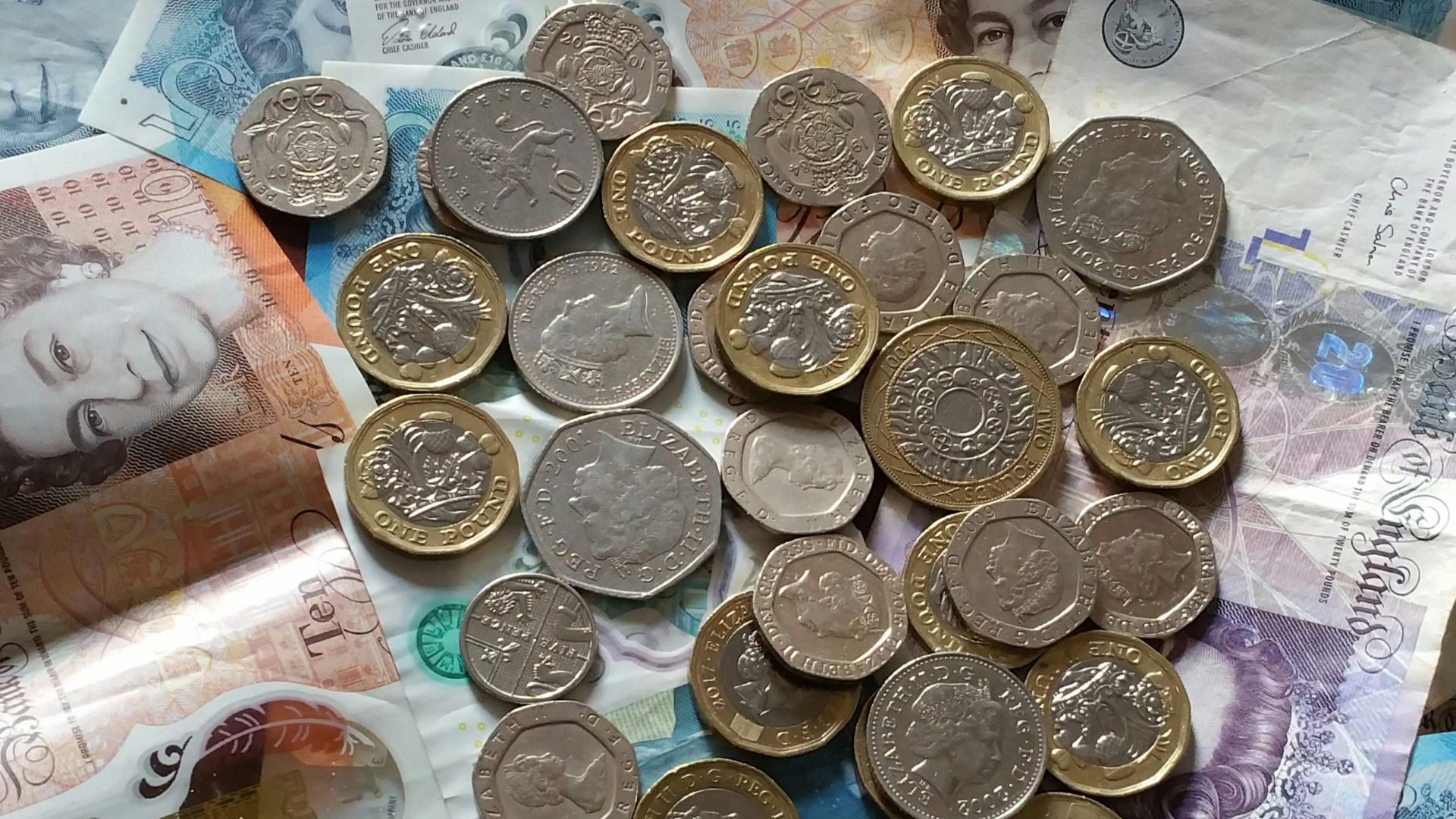
A detailed image of British Pound Sterling coins and banknotes, perfect for finance-related projects.Alaur Rahman, Pexels

Advertisement

So That Means They Can Refuse Them?

Yes. “Legal tender” only applies to settling debts—not everyday purchases or deposits. That means banks and businesses can legally refuse large amounts of coins, even if they’re technically valid currency.

A barista in a striped apron working diligently at a cafe counter, using a point-of-sale system.Mizuno K, Pexels

Advertisement

So Can Banks Actually Refuse Coin Rolls?

They can—and many do. Some banks no longer accept rolled coins at all, while others only accept them from account holders or at select branches with the right setup. In some cases, they’ll even cap how much you can bring in per visit.

Cheerful young cafeteria worker pointing at paper while speaking with anonymous coworker with smartphone in daytimeTim Douglas, Pexels

Advertisement

Why Would Banks Stop Accepting Coins?

Handling coins is expensive. Counting, verifying, transporting, and storing them takes time and staff. With fewer people using cash overall, many banks have decided it’s just not worth the effort anymore.

A businesswoman in vintage attire counts coins in a retro office setting.MART PRODUCTION, Pexels

Advertisement

Coin Machines Quietly Disappeared

Many banks removed coin-counting machines in the mid-2010s due to maintenance costs and accuracy issues. Without them, branches simply aren’t equipped to handle large coin deposits anymore.

Two adults counting money in an office with a tech-themed background.Tima Miroshnichenko, Pexels

Advertisement

Rolled Coins Still Need Re-Counting

Even neatly rolled coins aren’t trusted at face value. Banks often have to re-count them to verify totals, since mistakes—or even intentional miscounts—happen more often than you’d think.

A bearded businessman wearing suspenders counts coins at a vintage workspace, embodying retro office style.MART PRODUCTION, Pexels

Advertisement

Policies Can Vary—Even Within the Same Bank

One branch might accept your coins, while another won’t—even within the same bank. It often comes down to staffing, available equipment, and how busy that location is. Calling ahead can save you a wasted trip and a lot of frustration.

Young woman engaging in a phone call outdoors, capturing a moment of modern communication.Andrea Piacquadio, Pexels

Advertisement

Some Banks Still Accept Coins (With Conditions)

Certain banks will still take rolled coins—but usually only if you’re a customer. They may limit how much you can deposit per visit, require specific wrappers, or only process coins on certain days depending on the branch.

People in masks interacting at a cinema counter, highlighting the new normal during COVID-19.Pavel Danilyuk, Pexels

Advertisement

Credit Unions Might Be Your Best Bet

Smaller institutions like credit unions are often more flexible with coin deposits. They tend to focus more on member service and may still accept rolled coins or offer basic counting options, especially for long-time members.

A smiling receptionist with a tablet assists a patient at a medical facility reception desk.Cedric Fauntleroy, Pexels

Advertisement

Even Businesses Get Charged for Coins

Using a business account isn’t always a free workaround. Many banks charge cash-handling fees for larger deposits and may set monthly limits before additional fees start to apply, especially for coin-heavy transactions.

An adult woman with a surprised expression looks at a receipt at her desk.www.kaboompics.com, Pexels

Advertisement

Coin Counting Machines Still Exist

You’ll still find coin-counting machines in grocery stores and big retailers, usually near the entrance. They’re quick and easy to use—but they charge a fee unless you choose a gift card option instead.
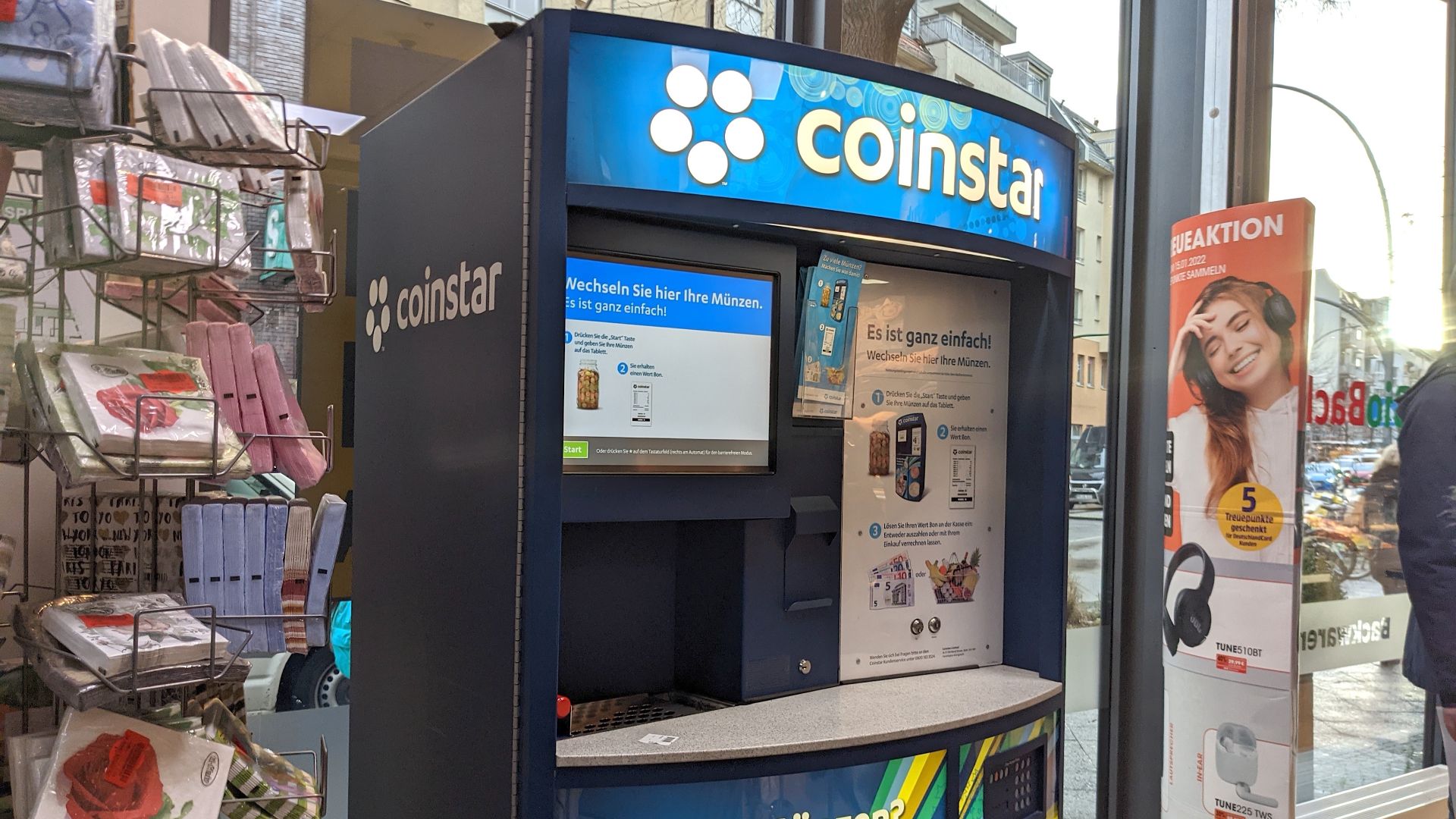
A machine used to exchange coins in an Edeka supermarket in BerlinNicbou, Wikimedia Commons

Advertisement

The Fee Is Higher Than You Think

Most machines charge around 11.9%. That means if you dump $5,000 in coins, you could lose nearly $600 just in fees—basically the price of a decent weekend getaway, gone instantly.

An adult man calculates expenses, using a laptop and documents at a desk in a home office setting.Tima Miroshnichenko, Pexels

Advertisement

There’s a Way Around the Fee

Many machines offer a no-fee option if you choose a gift card instead of cash. These are typically for major retailers or restaurants, making it a practical workaround if you already shop there regularly.

A woman carefully selects a greeting card from a store display.Jennifer Gentner, Pexels

Advertisement

Not All Coins Will Be Accepted

Machines and banks may reject coins that are bent, corroded, dirty, or foreign. If your stash has been sitting for years, expect a small pile to get kicked back during the counting process.
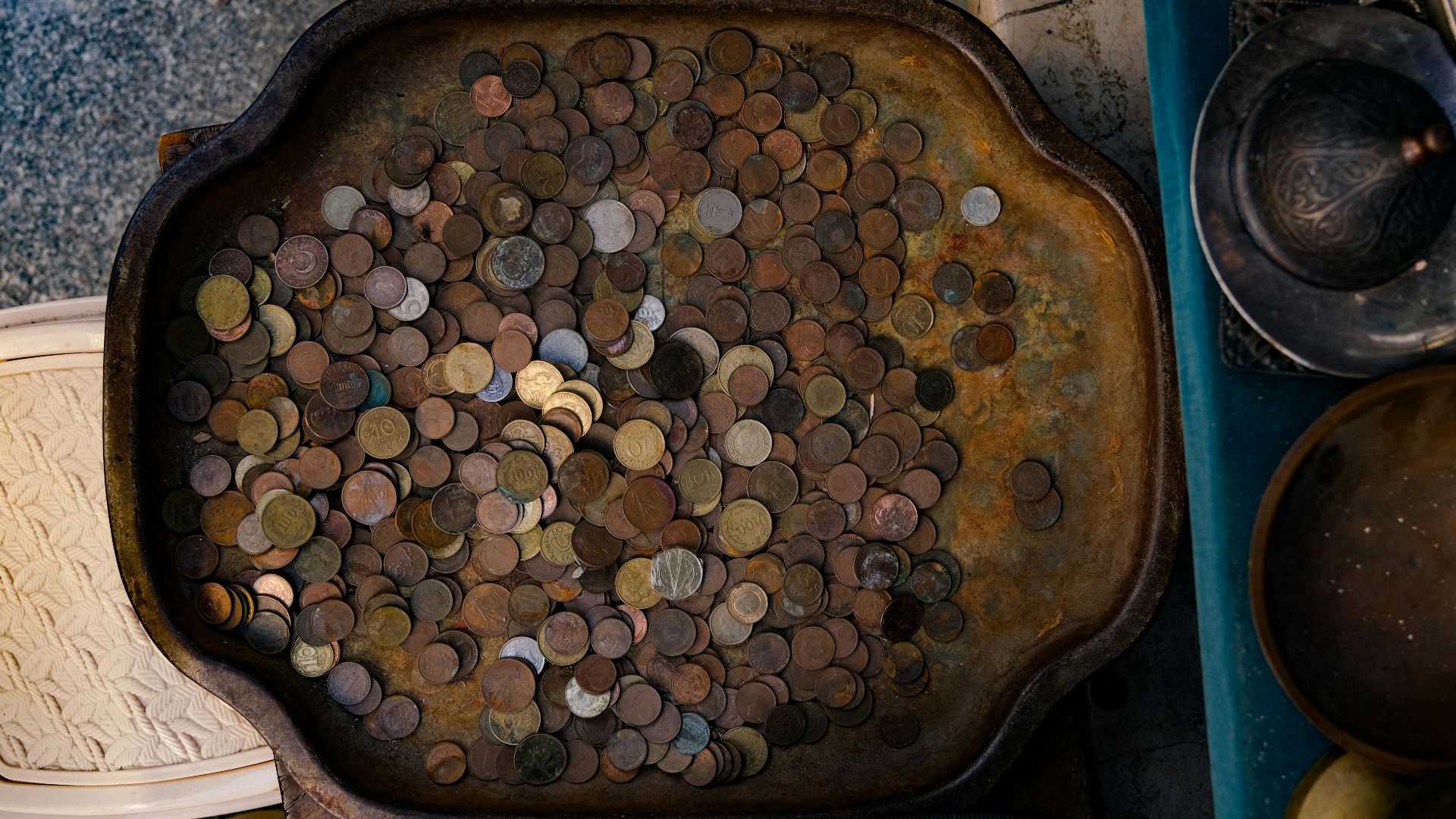
A rustic tray filled with various vintage coins, showcasing rich metallic textures and patterns.Yasar Baskurt, Pexels

Advertisement

Some Banks Send Coins Away to Be Counted

Even if a bank accepts your coins, they might not process them on-site. Instead, they send them to a central facility—and you may not see the money in your account for several days, sometimes even a week.

A tote bag filled with cash and coins symbolizing cryptocurrency wealth on a wooden table.RDNE Stock project, Pexels

Advertisement

Retailers Might Take Small Amounts

Some stores will accept rolled coins for smaller purchases. But trying to pay a large bill entirely in coins will likely get refused—or at least slow things way down.

Female cashier with tattoos helps a customer with a transaction at a cafe counter.Andrea Piacquadio, Pexels

Advertisement

Self-Checkout Can Help (Slowly)

Self-checkout machines accept coins, letting you chip away at your stash over time. It’s not fast—but if you consistently use them, you can work through hundreds of dollars without paying a fee.

A woman with a mask shops and weighs groceries in a modern supermarket setting.Gustavo Fring, Pexels

Advertisement

Spending Them Gradually Still Works

Using coins for everyday purchases—groceries, transit, vending machines—may not be exciting, but it’s effective. Over time, your pile shrinks without costing you anything.
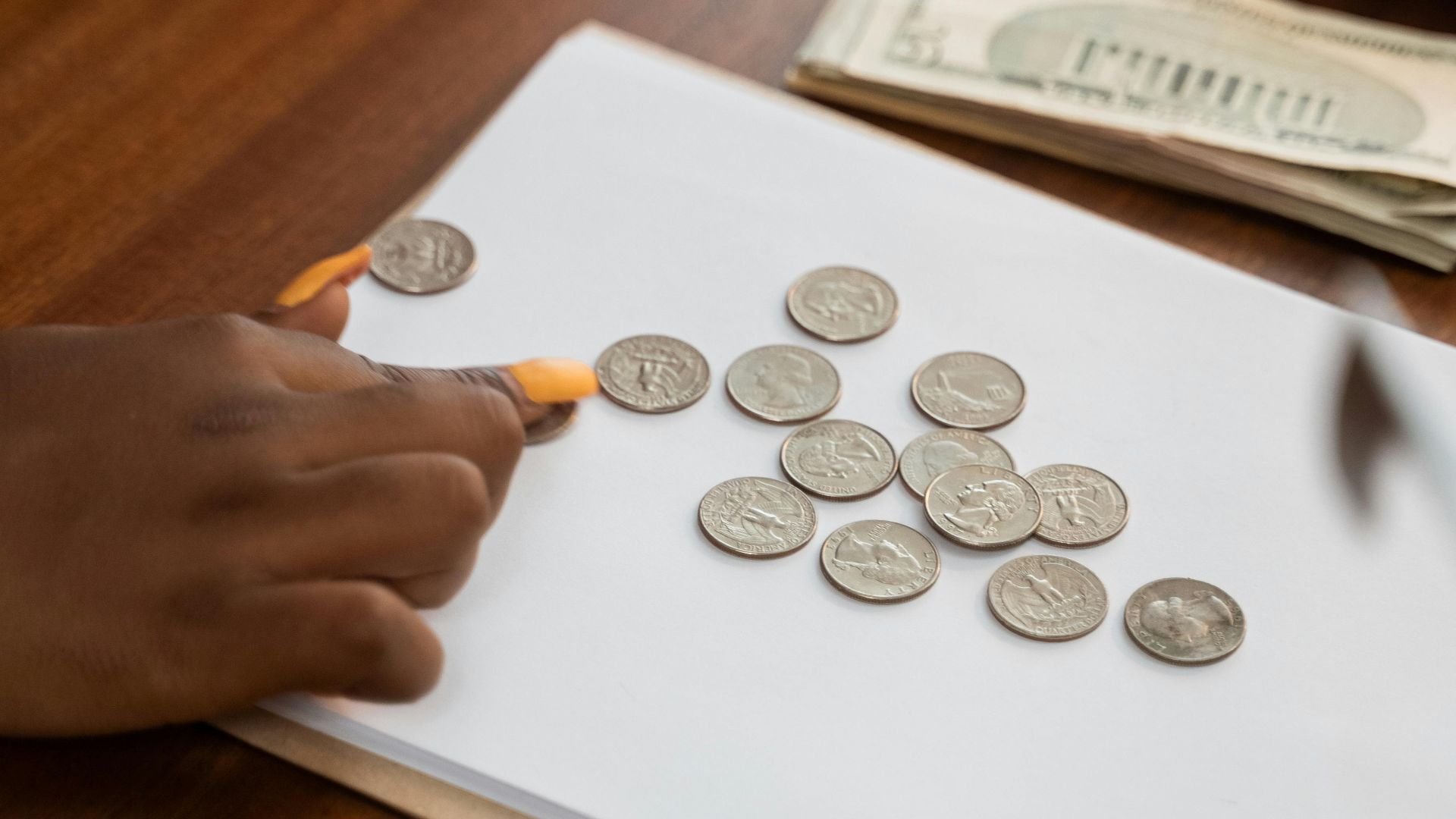
Close-up of diverse hands counting coins on a wooden table, highlighting teamwork and finance.MART PRODUCTION, Pexels

The Coin Shortage Irony

During the pandemic, there was actually a coin shortage because fewer coins were circulating. Businesses needed coins—but still didn’t want to handle large deposits, creating a strange mismatch.
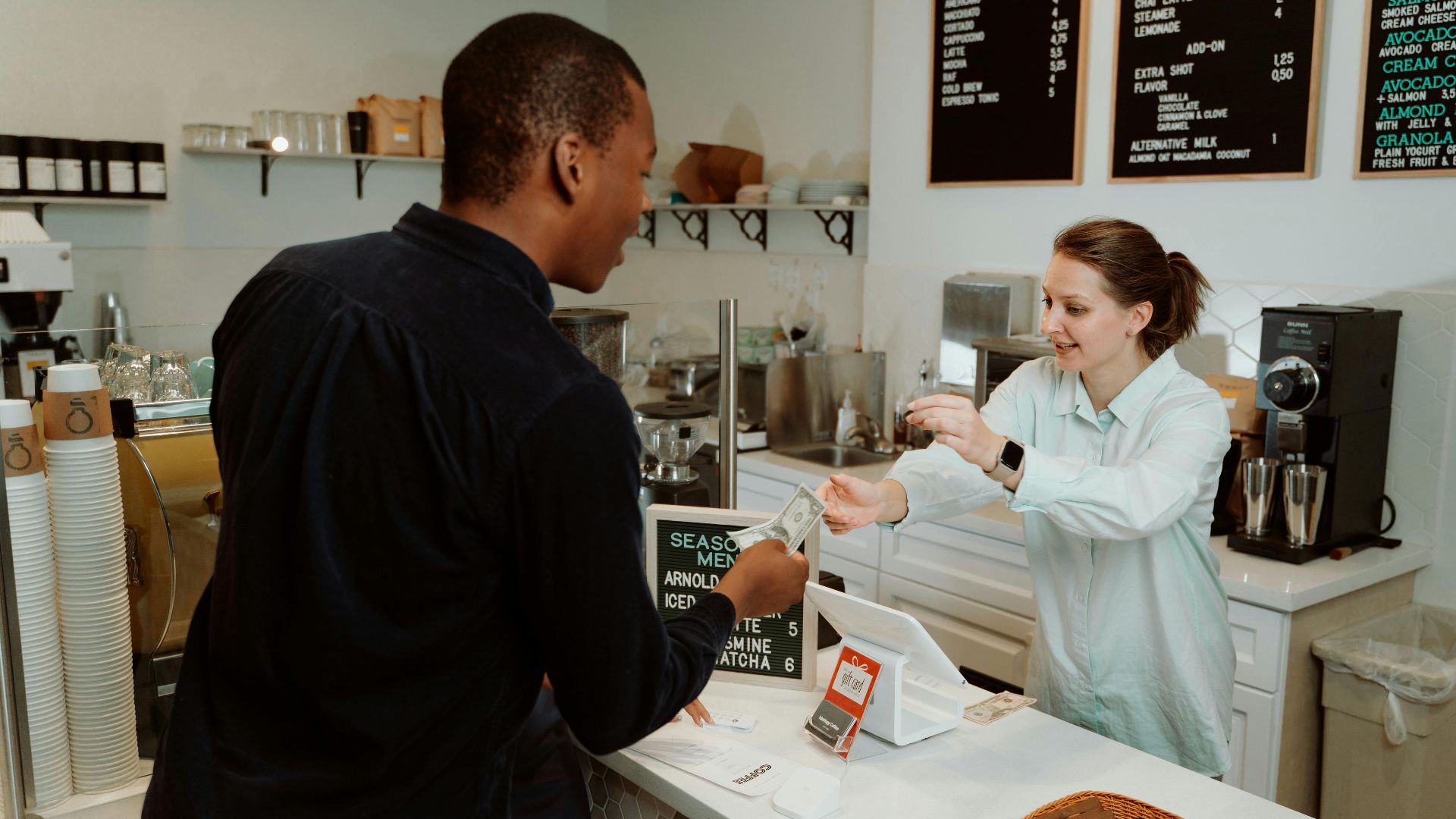
A customer pays for coffee at a café counter, transaction with barista.RDNE Stock project, Pexels

Advertisement

Why People End Up With So Much Change

Coins are easy to ignore. Tossing them in a jar feels harmless, but over time, they quietly add up. The real shock comes when you try to convert them back into usable money.

Black piggy bank surrounded by a variety of coins on a white surface, symbolizing savings and finance.cottonbro studio, Pexels

Advertisement

The Best Way to Handle $5,000 in Coins

Your smartest move is a mix: call your bank first, try a credit union, use a coin machine (preferably for gift cards), and spend smaller amounts gradually. There’s no perfect solution—but combining methods saves you the most money.

Close-up of hands organizing gold Bitcoin coins on a sofa, symbolizing digital currency management.www.kaboompics.com, Pexels

Advertisement

Good News—You Won’t Owe Taxes

Converting coins into cash isn’t taxable. It’s already your money—just in a less convenient form.
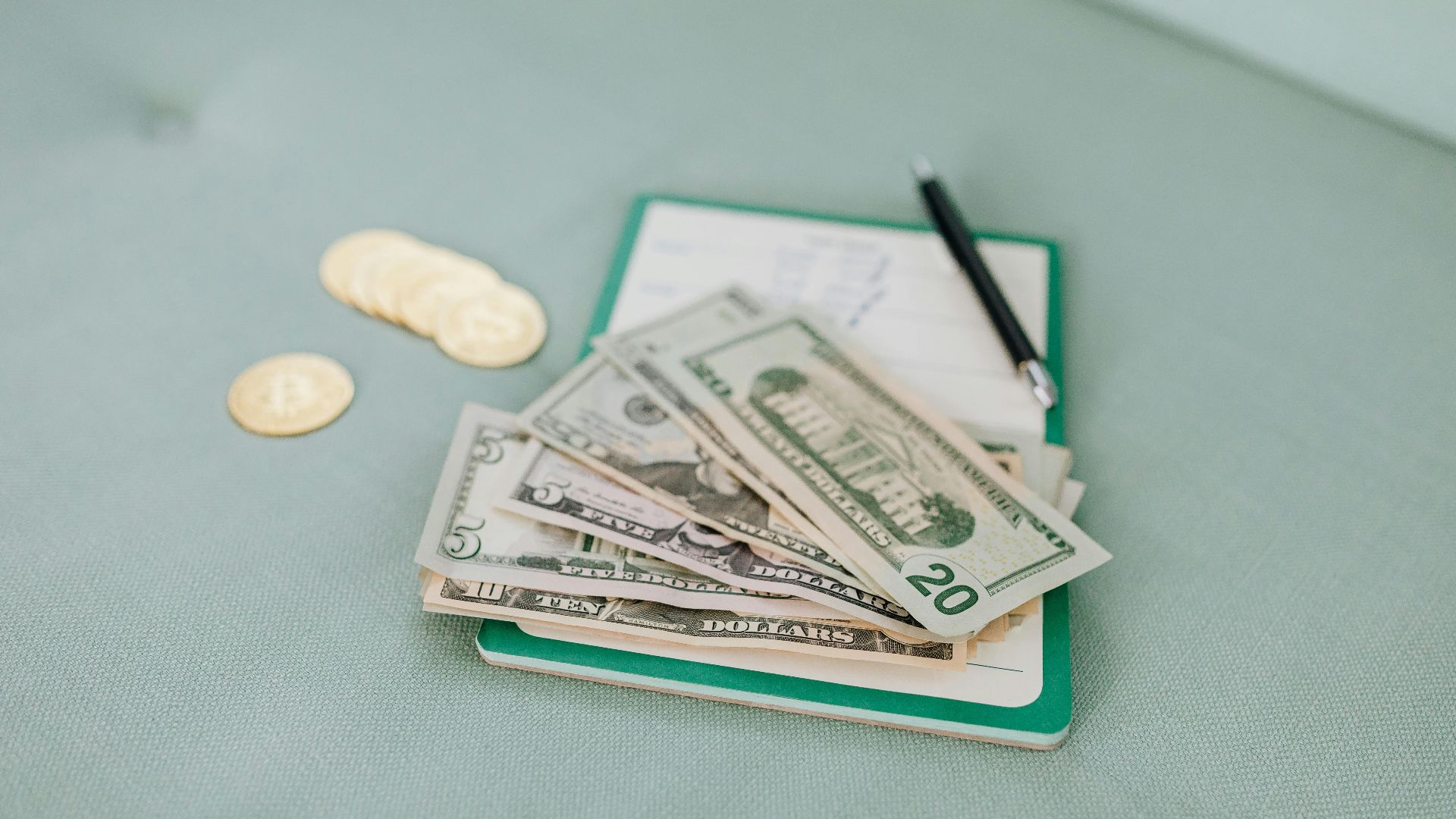
Close-up of American dollar bills and coins on a journal with a pen, representing budget planning.www.kaboompics.com, Pexels

Advertisement

The Bottom Line on Your Coin Stash

Having $5,000 in change is impressive—but turning it into usable money takes effort today. Banks haven’t completely stopped accepting coins, but they’ve made it inconvenient enough that you’ll need a plan.

A young child collects coins into a jar on a wooden floor, symbolizing savings.cottonbro studio, Pexels

Advertisement

It’s Still Your Money—Just Harder to Use

At the end of the day, your coins haven’t lost value. The challenge is finding the easiest, cheapest way to turn them into something you can actually spend.

A happy trader hugging a bag of cash and cryptocurrency coins, symbolizing investment success.RDNE Stock project, Pexels

Advertisement

You Might Also Like:

I recently found a bag full of what appears to be legitimate cash. There must be $50,000 in here. Can I use it to pay my down payment for a house?

Where Do You Land On The Retirement Wealth Pyramid? Most People Get It Wrong

Sources:  123


READ MORE

I'm trying to sell my house but my neighbour never mows his lawn or cleans up his property, and it's affecting the value of my home. What can I do?

Curb appeal doesn’t stop at your property line, and unfortunately, your neighbor’s overgrown lawn or junk pile can absolutely hurt your sale price. But what can you do about it?
December 11, 2025 Jesse Singer
Credit Card

Ways to Improve Your Credit Score Fast

Stuck in a credit rut? A low credit score can feel like a roadblock but, hey, it’s not unsalvageable. There are things you can do that’ll boost your score and your confidence pronto.
December 20, 2024 Miles Brucker
Golf

11 Leisure Time Activities Of The World’s Richest People

Apart from business deals, bank accounts, and monitoring the stock market, some billionaires have hobbies that are surprisingly down-to-earth—or outright unexpected. So, what are the richest people’s favorite hobbies?
December 24, 2024 Peter Kinney

Surprising Things That Decrease Your Property Value

If you’re trying to sell your home, there are many things that can decrease your property value—but even the experts were surprised by potential buyers’ biggest turn-off.
December 4, 2025 JK

I bought a house with a shared fence. My neighbor doesn't take care of his side and now he wants me to pay for his upgrades. What are my options?

Buying a house with a shared fence might seem simple—it's just a fence what could go wrong? Well, it's all fun and games until your neighbor neglects their side and suddenly wants you to pay for upgrades.
December 19, 2025 Jesse Singer

Rare And Expensive Pokémon Cards Still Hiding In People's Closets

The world of Pokémon card collecting has grown from a childhood hobby into a high-stakes game for serious collectors, investors, and nostalgic fans alike. From one-of-a-kind tournament trophies to mysterious misprints and elusive promos, these cards are the crown jewels of the Pokémon Trading Card Game.
December 8, 2025 Quinn Mercer


Disclaimer

The information on MoneyMade.com is intended to support financial literacy and should not be considered tax or legal advice. It is not meant to serve as a forecast, research report, or investment recommendation, nor should it be taken as an offer or solicitation to buy or sell any securities or adopt any particular investment strategy. All financial, tax, and legal decisions should be made with the help of a qualified professional. We do not guarantee the accuracy, timeliness, or outcomes associated with the use of this content.


Dear reader,


It’s true what they say: money makes the world go round. In order to succeed in this life, you need to have a good grasp of key financial concepts. That’s where Moneymade comes in. Our mission is to provide you with the best financial advice and information to help you navigate this ever-changing world. Sometimes, generating wealth just requires common sense. Don’t max out your credit card if you can’t afford the interest payments. Don’t overspend on Christmas shopping. When ordering gifts on Amazon, make sure you factor in taxes and shipping costs. If you need a new car, consider a model that’s easy to repair instead of an expensive BMW or Mercedes. Sometimes you dream vacation to Hawaii or the Bahamas just isn’t in the budget, but there may be more affordable all-inclusive hotels if you know where to look.


Looking for a new home? Make sure you get a mortgage rate that works for you. That means understanding the difference between fixed and variable interest rates. Whether you’re looking to learn how to make money, save money, or invest your money, our well-researched and insightful content will set you on the path to financial success. Passionate about mortgage rates, real estate, investing, saving, or anything money-related? Looking to learn how to generate wealth? Improve your life today with Moneymade. If you have any feedback for the MoneyMade team, please reach out to [email protected]. Thanks for your help!


Warmest regards,

The Moneymade team