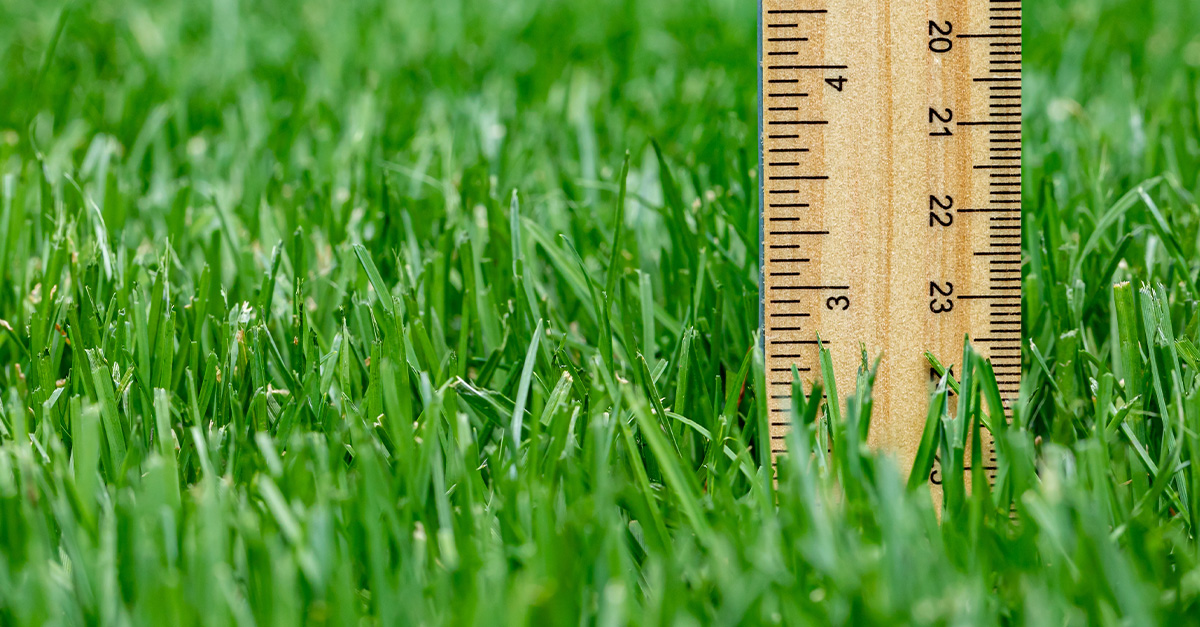
When The Grass Gets Political
After a brutal drought, letting your lawn grow a little longer can feel less like laziness and more like common sense. But in many HOA neighborhoods, grass height is treated like a community-wide emergency, and that can leave homeowners wondering whether they really have to mow just because the rules say so.

Why This Feels So Ridiculous
You are not imagining the absurdity. Last summer everyone was told to conserve water, protect landscaping, and avoid stressing already struggling yards, and now your reward is a warning letter because your lawn looks a bit too wild for the board’s taste.
 Prasannanossam3, Wikimedia Commons
The Annoying Short Answer
Yes, your HOA may be able to fine you for grass that is too tall, but only if its governing documents clearly give it that power. In most cases, the answer comes down to what the HOA rules actually say, how they define lawn maintenance, and whether they follow the right process before issuing a penalty.

Your HOA Is Not The Government
An HOA cannot usually make up rules on the fly just because someone on the board hates “messy” grass. Its power normally comes from a set of binding documents, like the declaration, covenants, bylaws, and community rules, which homeowners agree to follow when they buy into the neighborhood.

The Real Boss Is The Rulebook
If your HOA documents say lawns must be kept neat, trimmed, or below a certain height, the board probably has some authority here. If the language is vague, though, there may be room to argue that a slightly longer lawn after a drought is still maintained and does not amount to neglect.

“A Little Longer” Is Doing A Lot Of Work
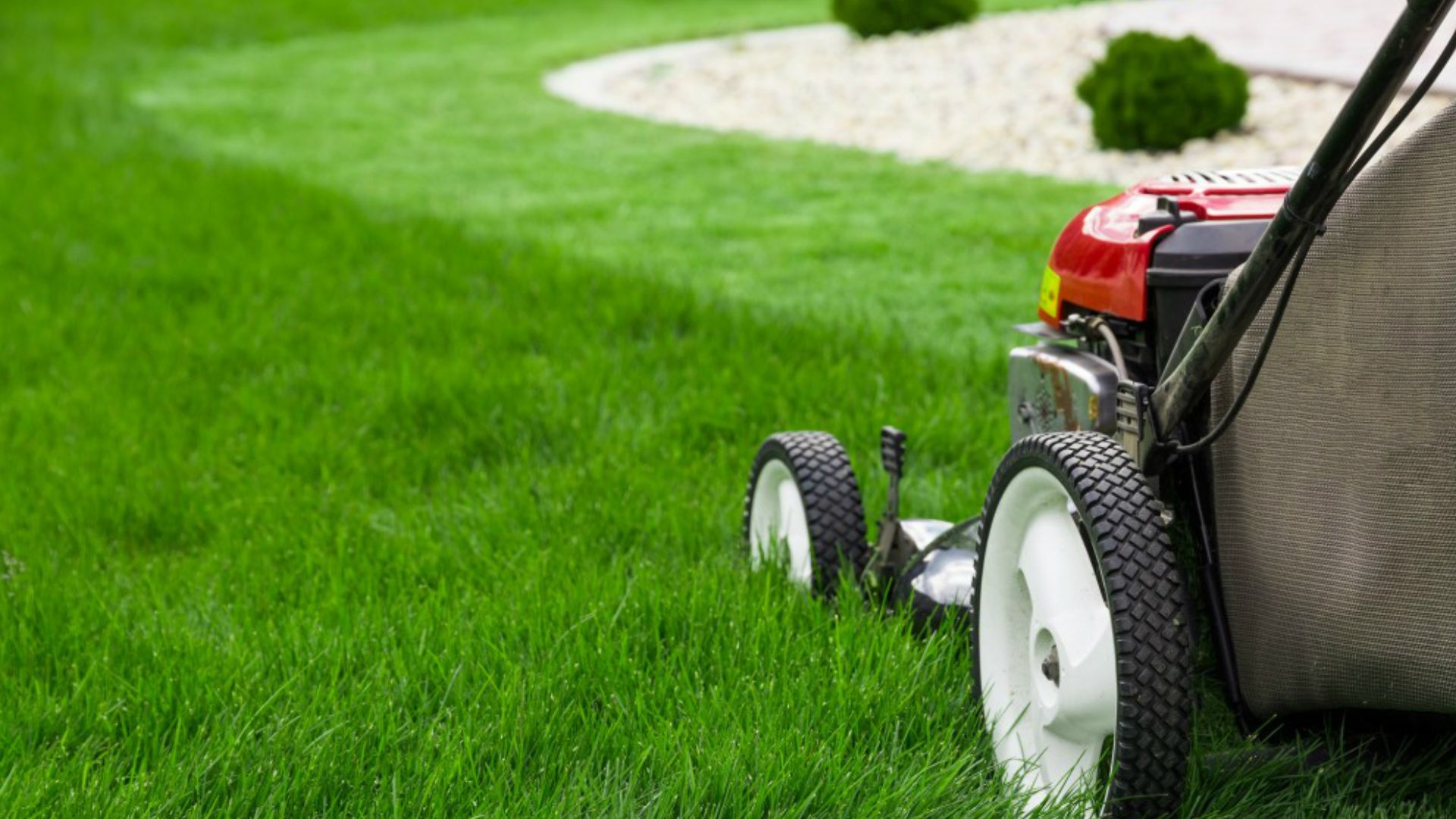
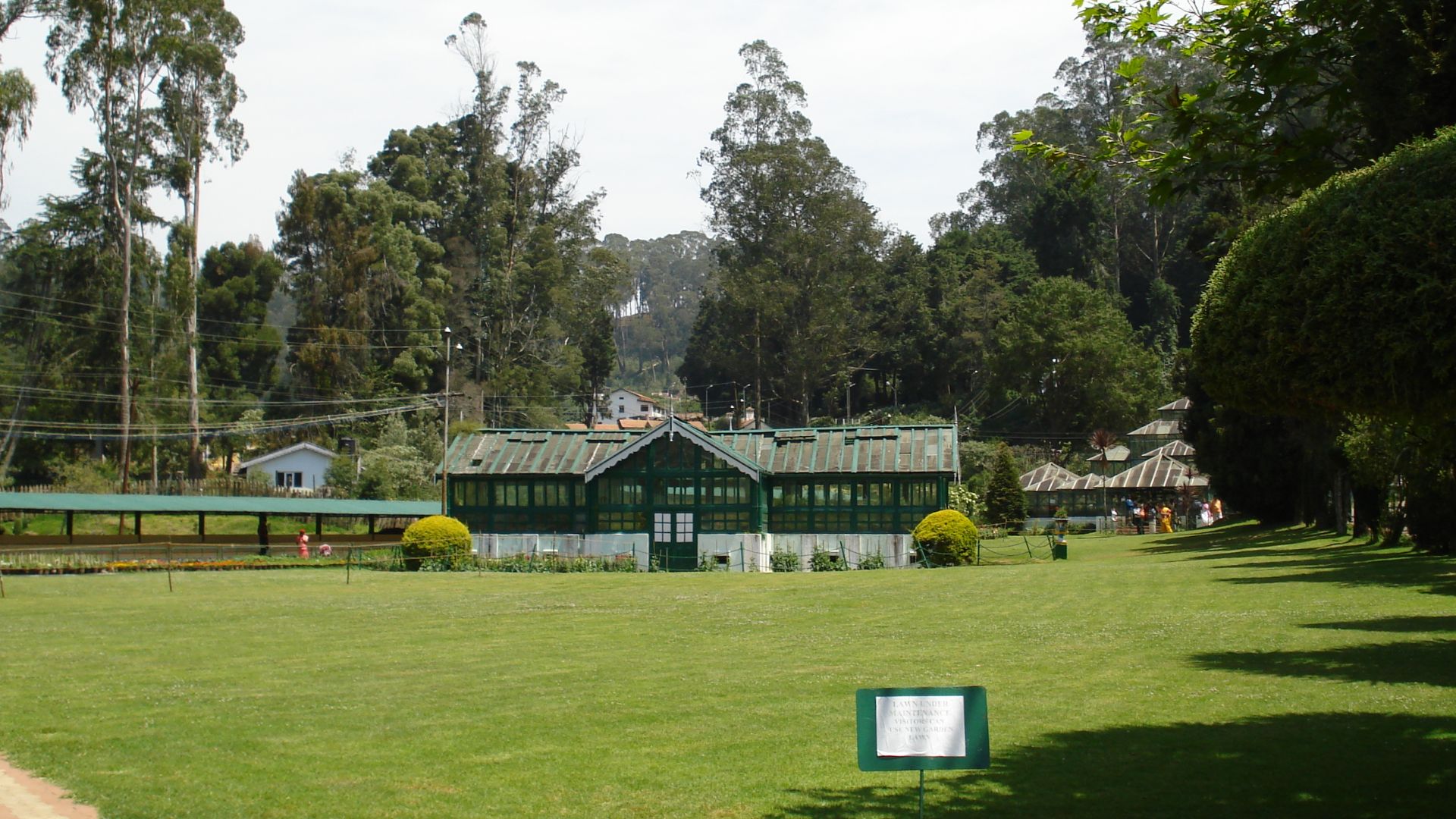
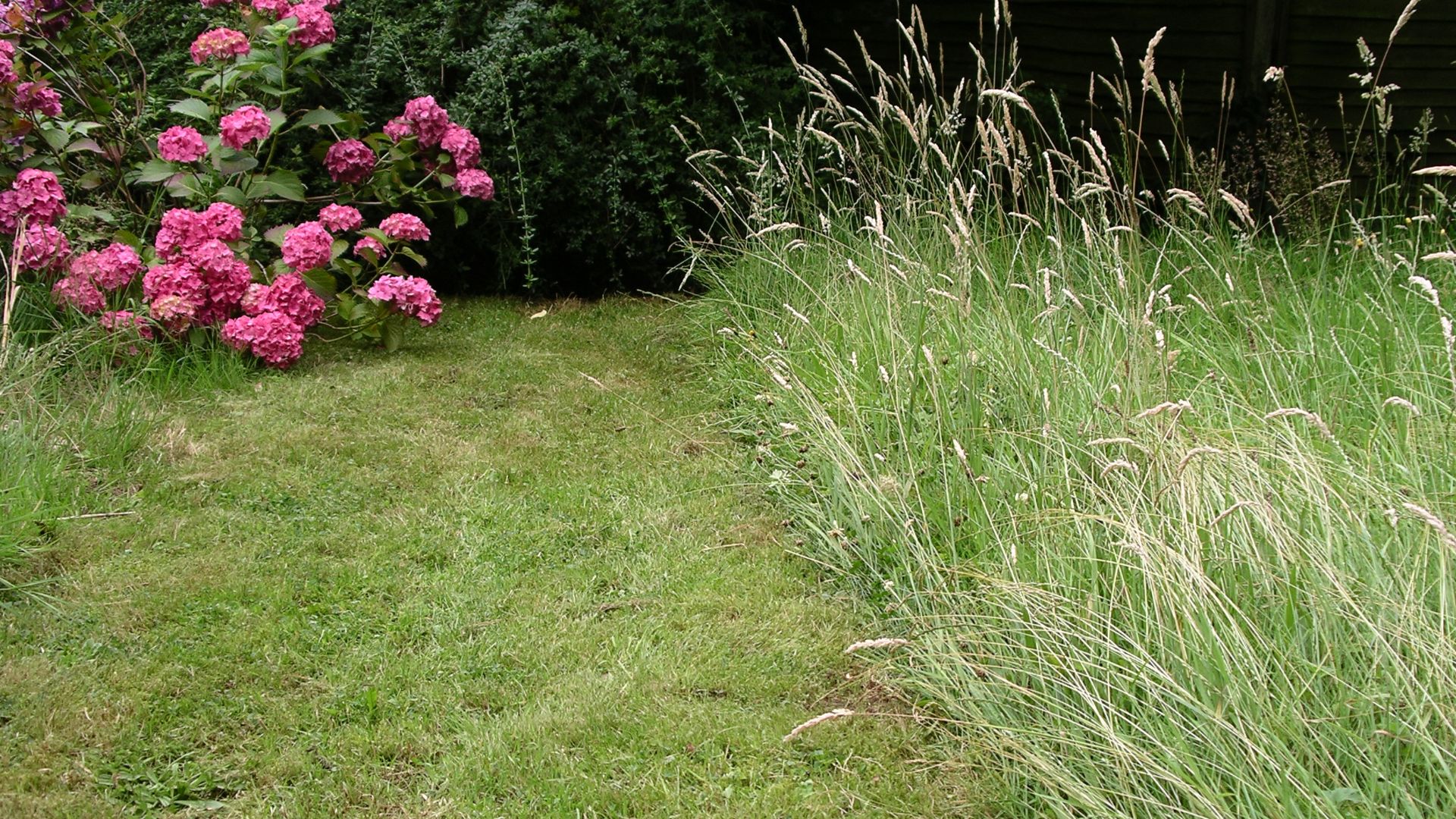
This is where everything gets messy. A lawn that is two inches taller than usual is very different from one that looks abandoned, and many disputes turn on that exact difference, because “overgrown” can mean one thing to a homeowner and something far more dramatic to a zealous HOA inspector.
Why HOAs Care So Much Anyway
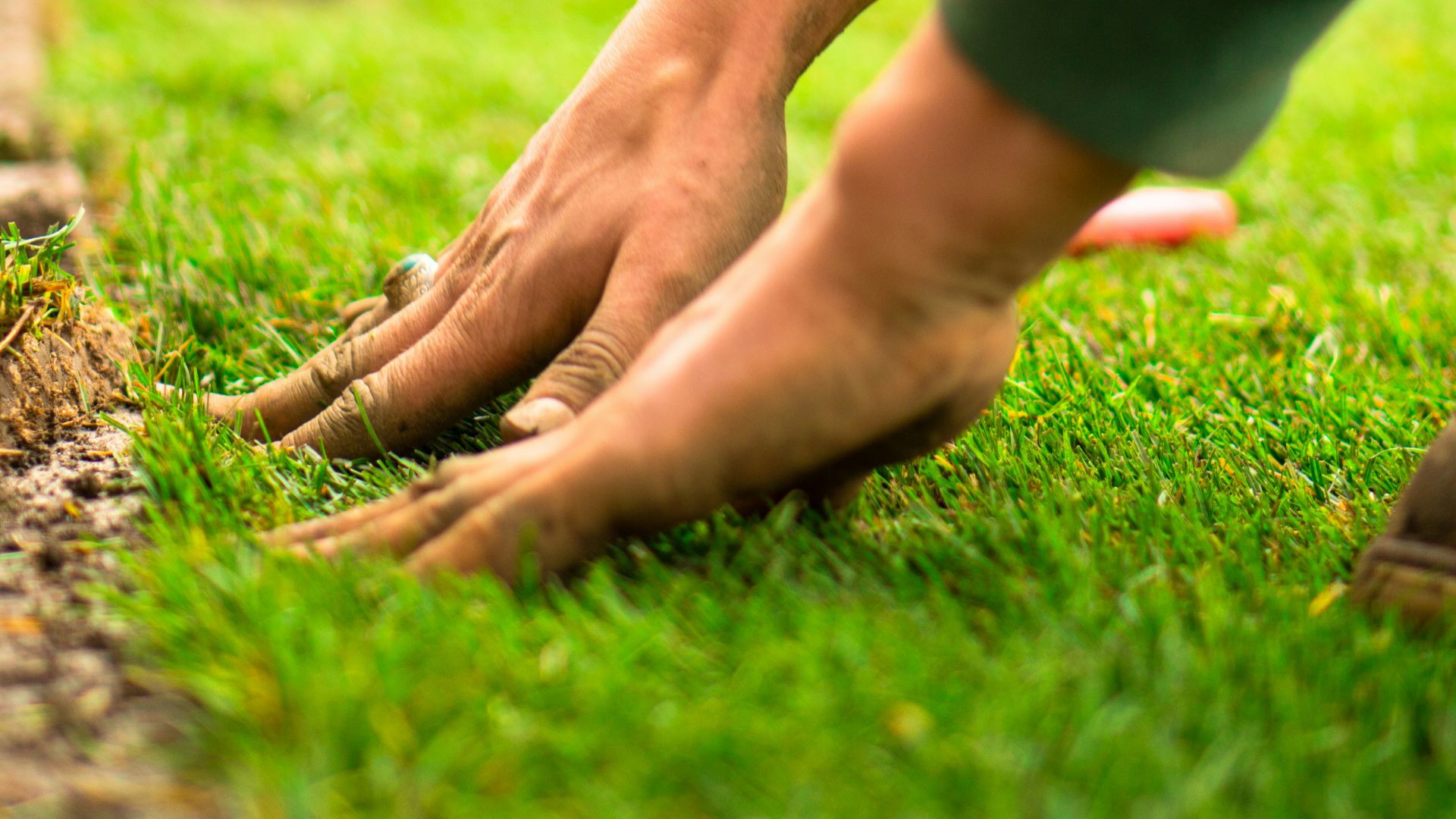
From the HOA’s point of view, lawn rules are about curb appeal, property values, pests, and keeping the neighborhood looking consistent. Whether or not you agree, boards often believe that if they let one yard slide, the whole block will soon look like a nature preserve with mailboxes.
Drought Changes The Conversation
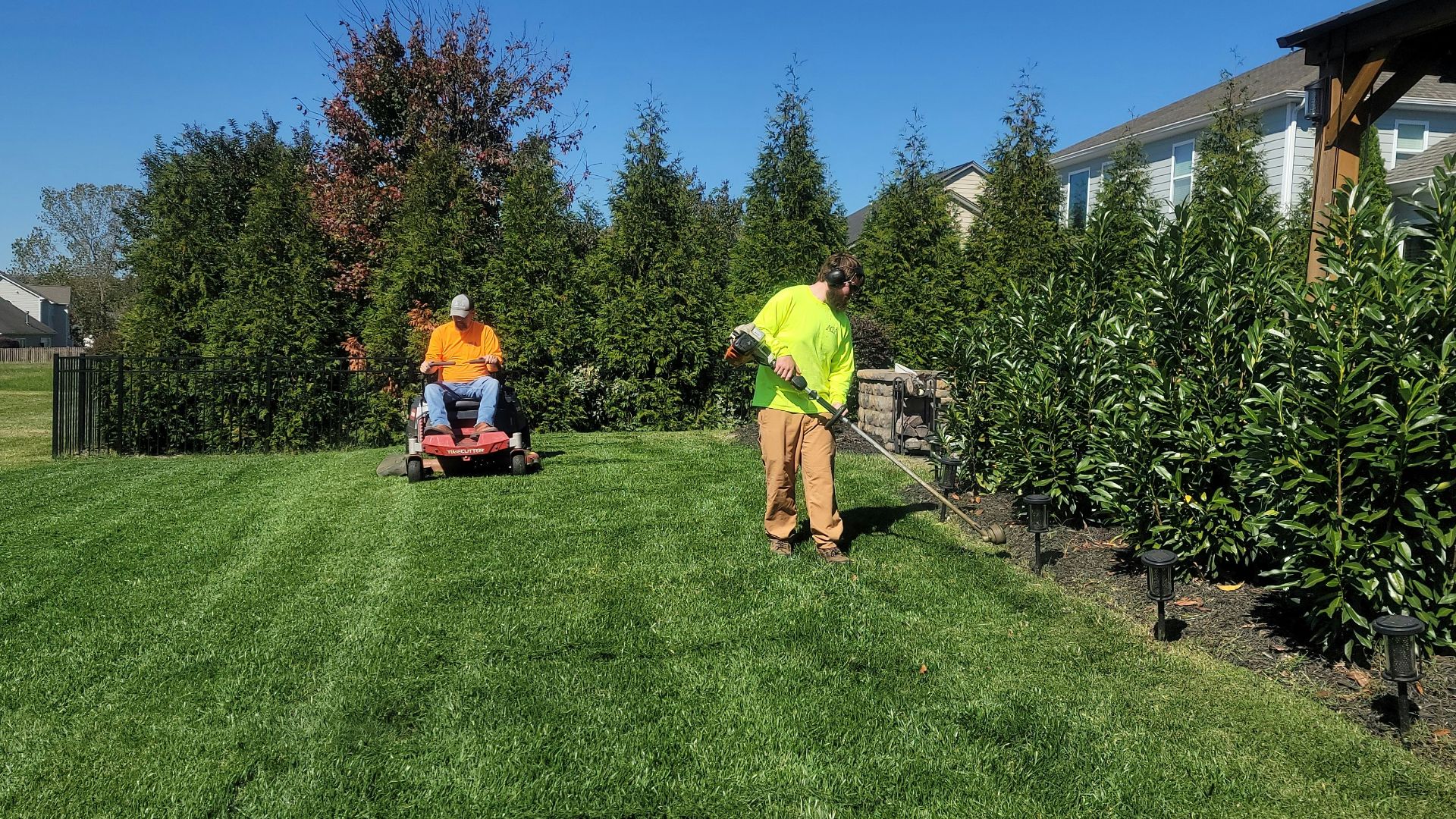
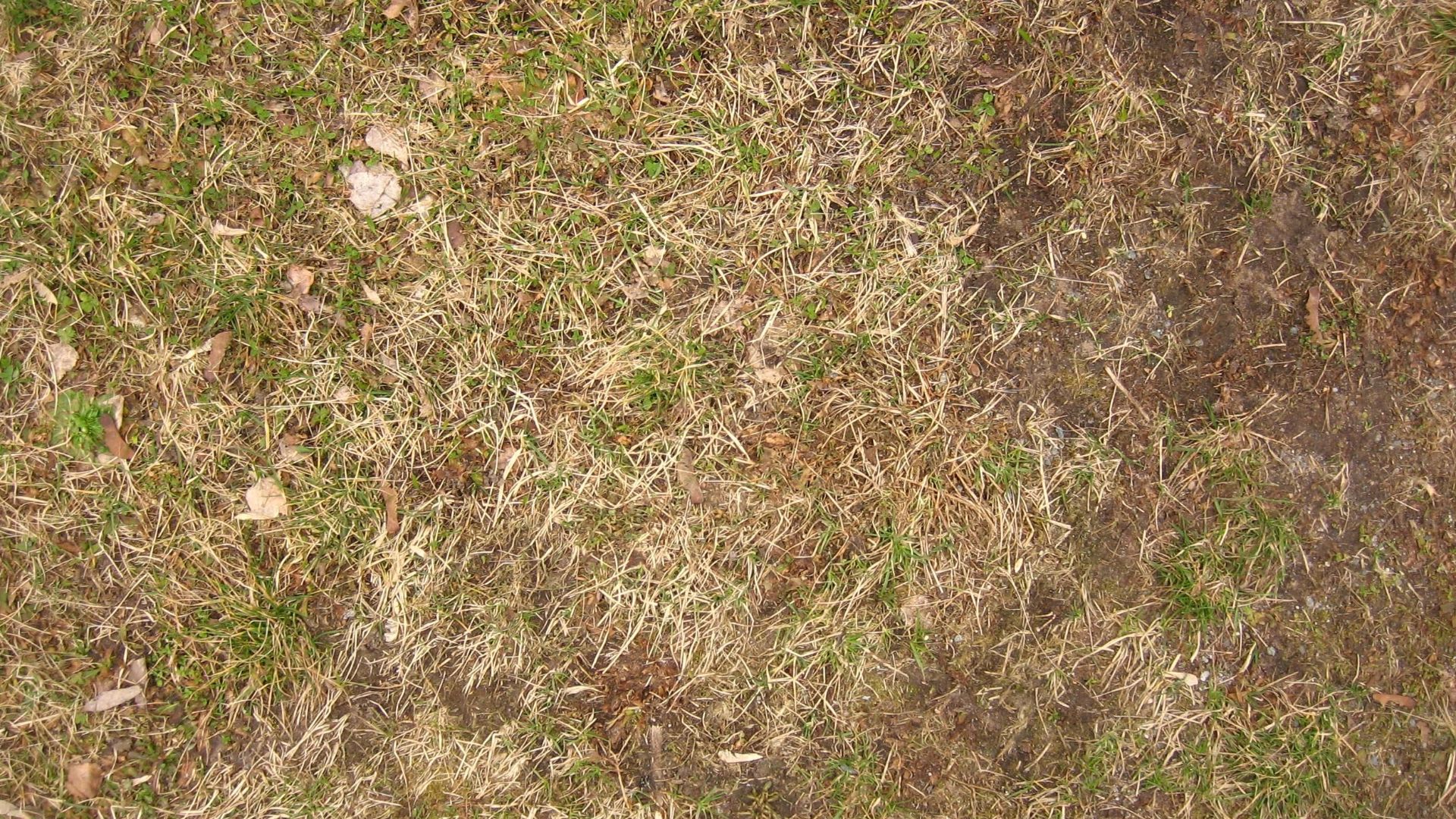
A drought gives homeowners a stronger argument that traditional lawn expectations should bend a little. Longer grass can help shade the soil, reduce evaporation, and protect the yard from heat stress, which makes your decision sound less like rebellion and more like basic lawn survival.
 Titus Tscharntke, Wikimedia Commons
But Common Sense Does Not Always Win
Unfortunately, HOAs are not famous for rewarding practical nuance. Even if your longer grass is helping the lawn recover, the board may still focus on appearance first, especially if neighbors have started complaining or the community has a long history of strict enforcement.
 Balaji Kasirajan, Wikimedia Commons
State And Local Rules Can Matter Too
This is where things get interesting. Some states and cities have pushed water-wise landscaping, native planting, or drought-tolerant lawn alternatives, and in a few places HOAs cannot flatly ban those choices if they comply with local law and broader conservation policies.
 Snowmanradio, Wikimedia Commons
Your Lawn Might Be More Protected Than You Think
If your longer lawn is part of a genuine drought-conscious approach, you may have more leverage than someone who simply stopped mowing in June. In some communities, homeowners can point to conservation rules, approved landscaping standards, or environmental protections that limit how strict an HOA can be.

Read The Violation Letter Carefully
Before panic-mowing out of pure rage, look closely at the notice you received. It should usually tell you what rule you supposedly broke, what you need to do, when you need to do it, and what happens if you ignore it, and sloppy notices can sometimes help your case.

Due Process Still Matters
Even when an HOA can enforce a rule, it usually has to follow its own procedures. That may include notice, a chance to fix the issue, and sometimes a hearing before a fine becomes official, so the board does not always get to jump straight from “tall grass” to “pay up.”
Selective Enforcement Is A Big Deal
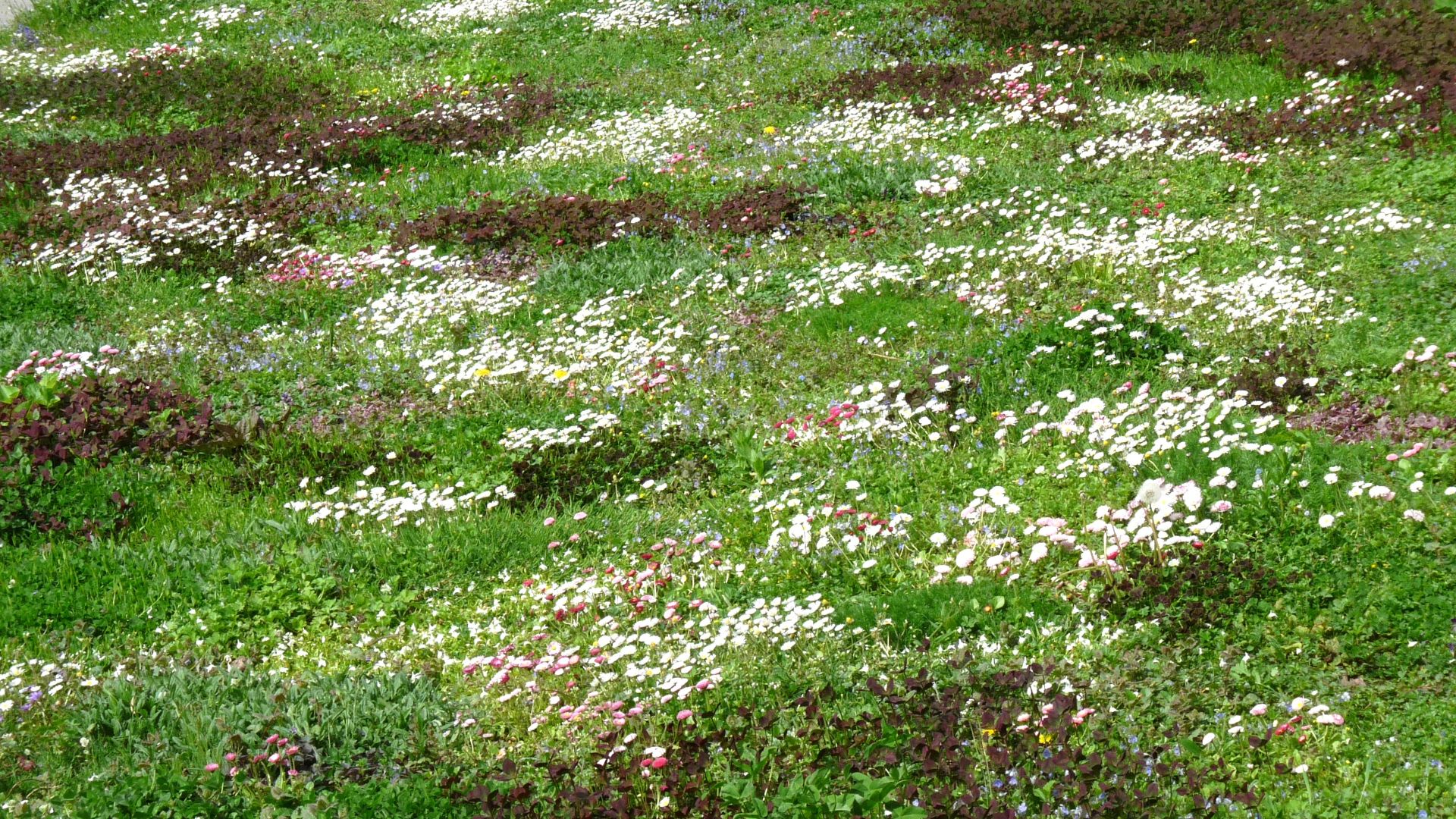
If your lawn is being targeted while three other yards on the same street are also shaggy and somehow escaping punishment, that matters. HOAs generally need to enforce rules consistently, and uneven treatment can give homeowners a solid argument that the board is being arbitrary.
 Solstice2015, Wikimedia Commons
The Neighbor Complaint Factor
A lot of HOA drama starts with one irritated neighbor and a quick email to management. If your lawn has become the talk of the cul-de-sac, the board may feel pressure to act, even if the grass is only mildly unruly and your yard is nowhere near disaster territory.

Photos Are Your Best Friend
Take clear photos of your yard, especially if it looks healthy, intentional, and not truly overgrown. It also helps to photograph nearby homes if similar lawn conditions exist elsewhere, because nothing strengthens a selective enforcement argument like visual proof that your grass is not uniquely scandalous.

Ask For The Exact Standard
If the notice says your lawn must be “maintained” but never explains what that means, ask for specifics. A board may sound very confident in a warning letter, but once you request the exact height limit or written maintenance standard, the issue can suddenly become much less clear-cut.

Communication Can Save You A Headache
Sometimes the smartest move is the least dramatic one: explain that you let the grass grow slightly to protect it after the drought and that you are trying to avoid damaging the lawn. A calm, reasonable message can occasionally turn a looming fine into a short extension or a warning only.
 LinkedIn Sales Solutions, Unsplash
This Is A Great Time To Request An Exception
If your HOA has any process for architectural requests, landscaping approvals, or hardship exceptions, use it. Framing your lawn choice as temporary, intentional, and environmentally responsible gives the board something formal to consider instead of forcing the whole dispute into a mow-or-else showdown.

Native And Low-Water Landscaping Changes Everything
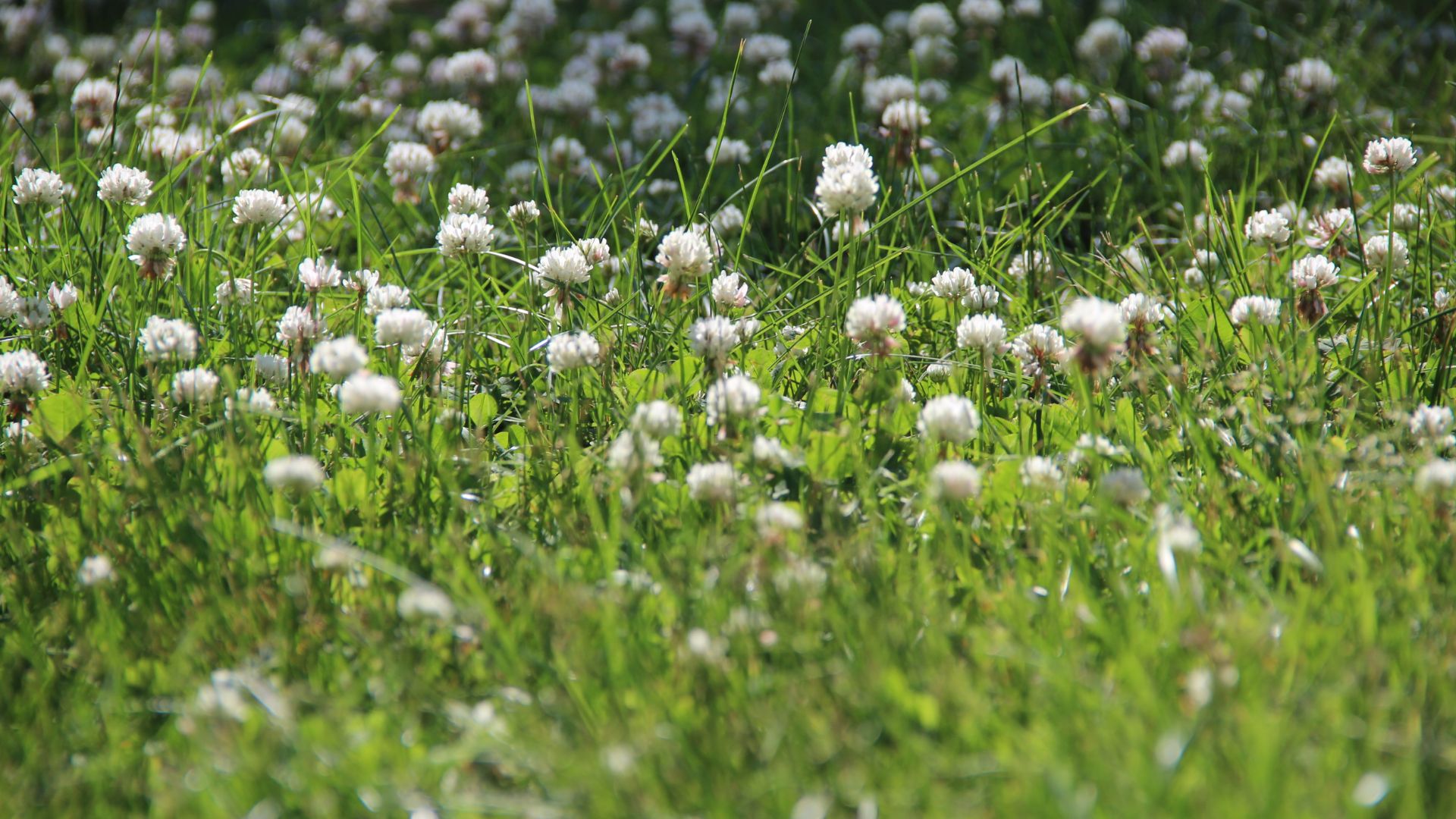
If this fight has made you hate turf grass altogether, you are not alone. Many homeowners are replacing thirsty lawns with clover, native plants, rock gardens, mulch beds, or drought-tolerant designs, though you still need to check whether your HOA allows those options before tearing everything out.
 NY State IPM Program at Cornell University from New York, USA, Wikimedia Commons
Fines Are Not Always Immediate Or Unlimited
Homeowners often imagine one warning letter leading instantly to financial ruin, but HOA fines usually follow a schedule laid out in the governing documents or enforcement policy. That does not make them fun, but it does mean there is often a structure, and sometimes room to challenge the amount.

Can The HOA Actually Put A Lien On Your Home?
That possibility scares people for good reason, but it usually does not happen overnight. Whether unpaid fines can turn into a lien depends heavily on state law and the HOA’s authority, and that is one reason small lawn disputes should not be ignored just because they feel petty.

When It Makes Sense To Push Back
If the rule is vague, the notice is defective, enforcement is inconsistent, or your area protects water-wise landscaping, it may be worth contesting the violation. You do not have to roll over just because the letter sounds official, especially when the facts are more complicated than “grass bad, mower good.”

When It May Be Smarter To Mow
Sometimes the fastest path to peace is simply trimming the lawn and moving on. If the rule is clear, the deadline is short, and the fine is real, you may decide that winning the principle is not worth weeks of emails, board hearings, and simmering neighborhood resentment.

If You Want To Fight, Be Strategic
Go in with documents, photos, dates, and a calm explanation instead of a speech about tyranny. HOA boards tend to respond better to homeowners who look organized and solution-focused, and even a frustrating dispute can go your way if you show that you understand both the rules and your rights.

A Lawyer Might Be Worth It In Some Cases
If the fines keep growing, the board is ignoring its own procedures, or the issue ties into state protections for drought-friendly landscaping, a quick consultation with a local attorney can be money well spent. You do not need legal backup for every mowing spat, but sometimes the grass battle gets serious.

The Bottom Line On Your Post-Drought Lawn
So, can your HOA really fine you for letting your lawn grow a little after a drought? Possibly, yes, but not automatically and not without support in the rules, proper enforcement, and respect for any state or local protections that may be on your side. In other words, the mower may not be your only option.
 Look Up Look Down Photography, Unsplash
You May Also Like: