
This Is Not A Normal Dormant-Card Problem
A phone call revealing you have a maxed out credit card you didn't know sounds like a true financial nightmare. While federal rules generally prohibit inactivity fees on ordinary consumer credit-card accounts, under the right (wrong?) circumstances, it is true that a consumer can be left with a large debt that they never noticed growing.

Start With The Account, Not The Caller
Do not assume the person calling you is really connected to the card issuer. Debt-collection scams can involve debts you do not recognize and callers who pressure you for personal information. Verify the account independently before sending money or sharing bank details.
 Krakenimages.com, Shutterstock
Inactivity Fees Are Specifically Prohibited
Federal Regulation Z says card issuers cannot impose a fee just because an account was inactive. That means the bank cannot legitimately fill an unused card with years of dormancy penalties. If someone gives that explanation, ask for a written itemization immediately.

An Annual Fee Is Different
A card can still have a legitimate annual or other periodic fee if the account terms allow it and the fee was properly disclosed. Federal rules treat annual fees differently from inactivity fees. Your original agreement and later change notices matter here.

A Small Legitimate Balance Can Grow
If a valid annual fee or other authorized charge posted and went unpaid, interest and permitted late charges could increase the balance over time. That is different from the issuer inventing spending. You need the statement history to see exactly how the balance developed.

The Issuer May Have Closed The Card
Long periods of nonuse do not guarantee that an account stays open forever. Regulation Z allows creditors to terminate an account that has been inactive for at least three consecutive months. So first confirm whether this account is still open, closed, sold, or in collection.
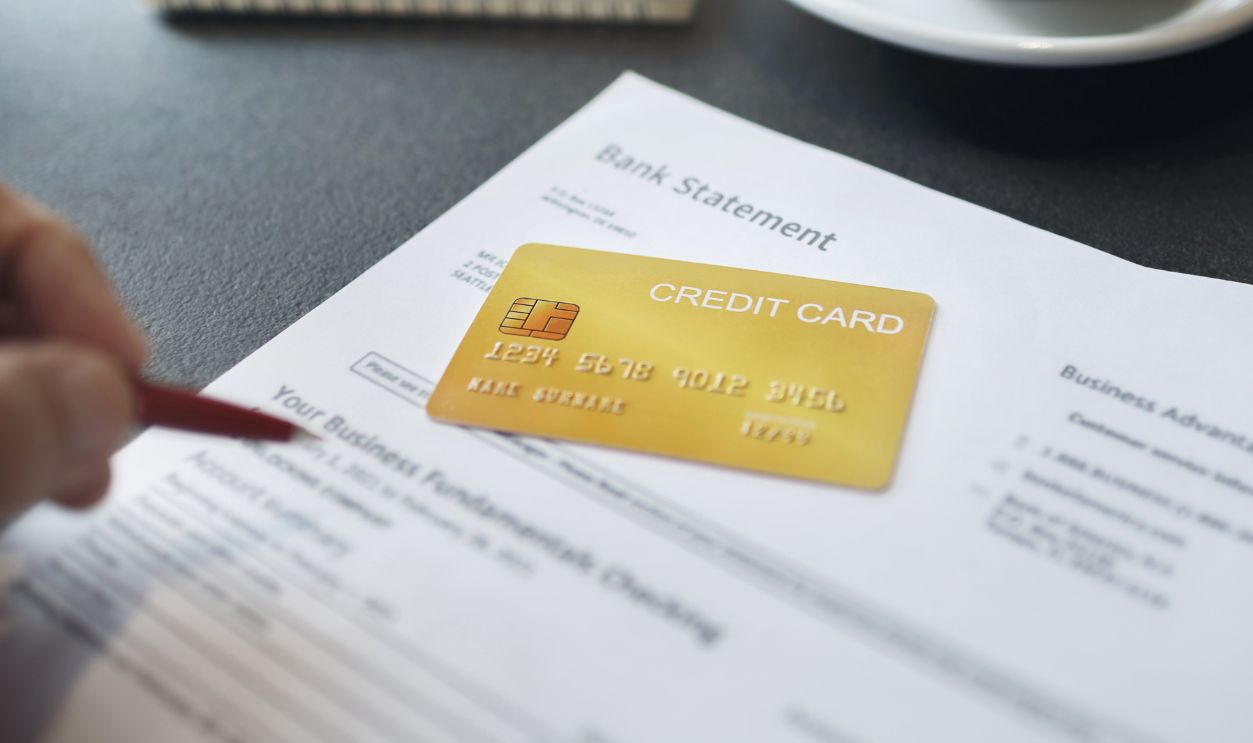
A Maxed Balance Points To Transactions
If the balance is near the credit limit, ask what transactions created it. Purchases, cash advances, balance transfers, recurring charges, legitimate account fees, and unauthorized activity leave a paper trail. “You forgot the card” is not an adequate explanation for the number.

Identity Theft Is A Real Possibility
An unfamiliar balance on an old account can be a warning sign of identity theft or account takeover. The CFPB advises consumers to watch for charges, accounts, inquiries, and balances they do not recognize. Treat the situation as potential fraud until you verify it.

Do Not Pay Just To Stop The Calls
A surprise call can make a quick payment feel like the easiest solution. Resist that impulse until you know who is calling and what the debt represents. The CFPB advises consumers not to provide sensitive financial information until they have verified the debt and collector.
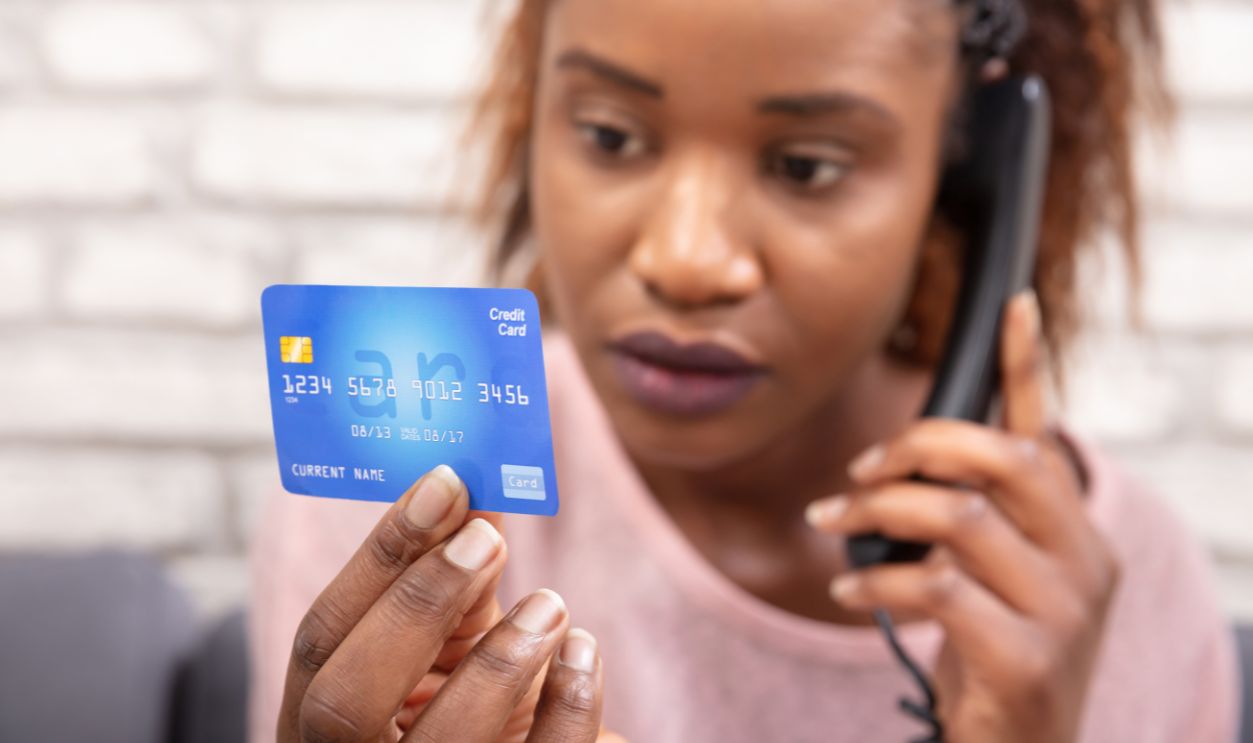
Call The Issuer Using A Trusted Number
Contact the card issuer through its official website, a statement you already possess, or another independently verified channel. Do not rely on a phone number supplied by an unexpected caller. Ask whether the account exists and whether the caller is authorized to collect it.

Ask For The Full Transaction History
Request statements showing the first transaction that created a balance and every later charge, fee, payment, credit, and interest entry. The goal is to identify the exact point where the account stopped matching your memory. Save electronic copies before anything changes.

Check Where Statements Were Going
Ask the issuer which mailing address, email address, and phone number were attached to the account during the disputed period. An unexplained change can help reveal an account takeover. It can also explain why you never saw statements or fraud alerts as the balance grew.

Pull All Three Credit Reports
Get your reports from Equifax, Experian, and TransUnion through the federally authorized Annual Credit Report website. The FTC says free online reports from each bureau are available weekly. Compare all three because the information reported to each bureau may differ.

Look Beyond This One Card
Do not stop after finding the suspicious credit card. Review your reports for unfamiliar accounts, inquiries, addresses, and incorrect balances. The CFPB specifically identifies those items as potential identity-theft warning signs, and another fraudulent account may already be hiding nearby.

Secure The Existing Account Immediately
If the issuer confirms unauthorized activity, tell it promptly and ask how it will secure the account. The CFPB recommends contacting the card provider immediately after spotting suspicious charges. Replacing the card or account number can help prevent additional transactions from posting.

Federal Liability Is Usually Limited
Federal law sharply limits a cardholder’s liability for unauthorized credit-card use. If the physical card was used before you reported it missing, liability is generally capped at $50. If only the account number was stolen, the CFPB says you generally have no liability.
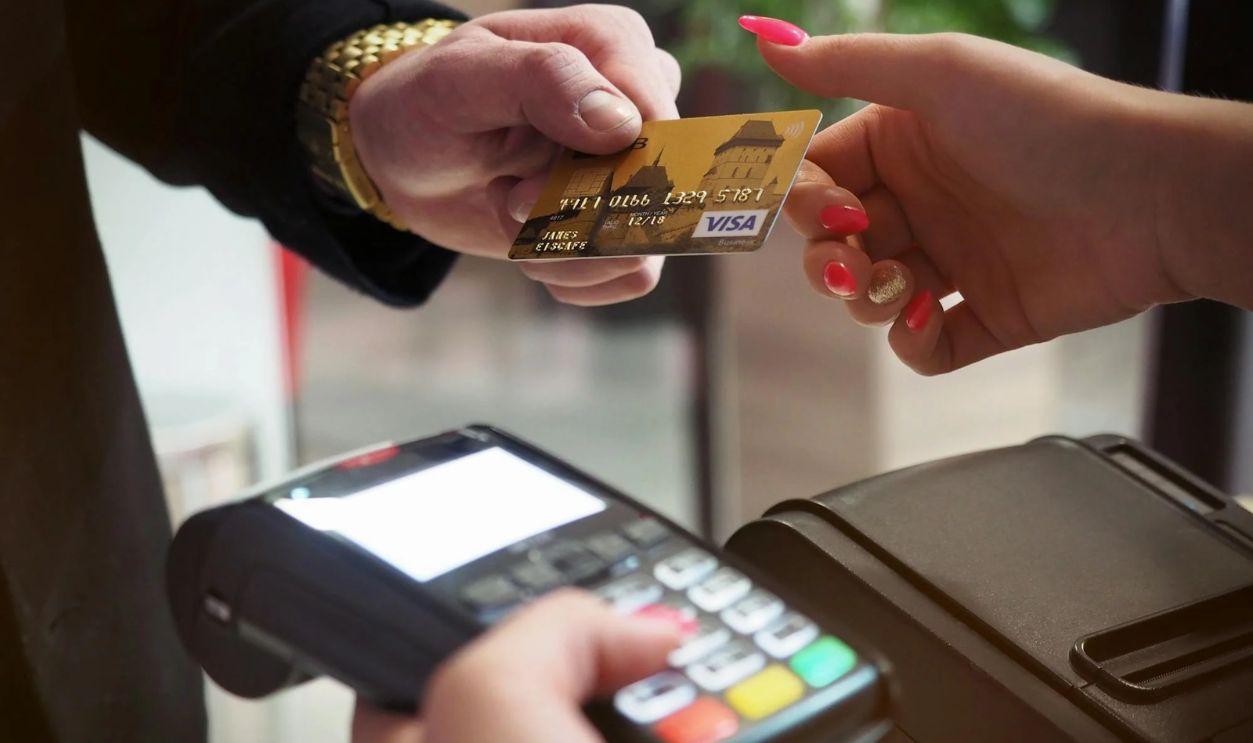
Put The Billing Dispute In Writing
Calling is useful, but do not stop there. To preserve federal billing-error protections, the CFPB says you should send a written notice within 60 calendar days after the charge appeared on your statement. Follow the issuer’s billing-dispute instructions and keep a copy.

You Do Not Pay The Disputed Amount Yet
During a qualifying billing-error investigation, you generally do not have to pay the disputed amount or related charges. You must still pay any undisputed portion of the bill on time. The issuer also has deadlines for acknowledging and resolving the written dispute.

Create An FTC Identity Theft Report
If the charges are fraudulent, report the identity theft through the FTC’s federal identity-theft reporting site. It creates an Identity Theft Report and a personalized recovery plan from the information you provide. That report can support later requests involving creditors and credit bureaus.

Freeze Your Credit If Fraud Is Suspected
A credit freeze can make it harder for thieves to open new accounts in your name. The FTC says freezes are free, do not affect your credit score, and remain until you lift them. You must contact all three nationwide credit bureaus to place freezes.

Understand What A Freeze Cannot Do
A freeze is preventive, not a complete cure. The CFPB warns that freezing your credit does not stop an identity thief from taking over an account that already exists. That is why you still need to secure this credit-card account directly with the issuer.

A Fraud Alert Is Another Option
If you suspect identity theft, you can also place an initial fraud alert. The FTC says an initial alert lasts one year and tells businesses to verify your identity before opening new credit. Contacting one nationwide credit bureau is enough to trigger alerts at the others.
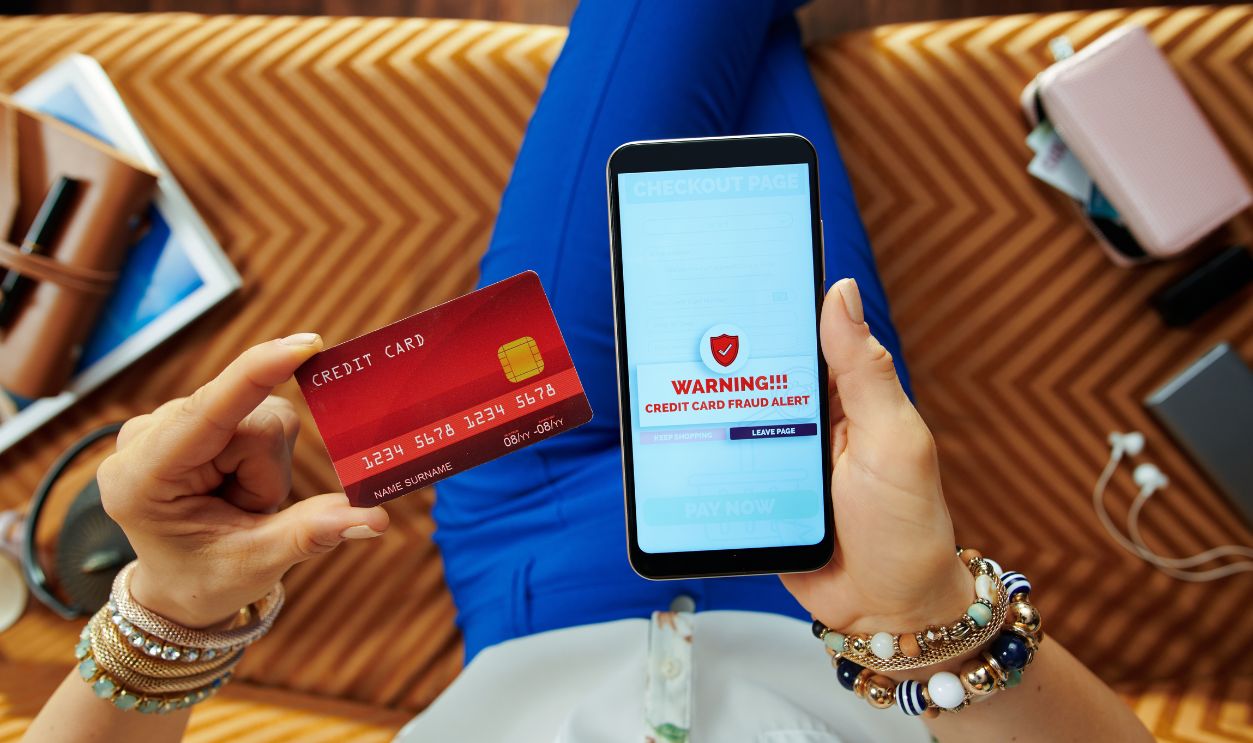
Challenge Bad Credit-Report Information
If this fraudulent balance appears on your credit reports, dispute it with the reporting companies. Also dispute it with the business that supplied the information. The CFPB says identity-theft victims can request a block by providing an identity-theft report, proof of identity, and a letter identifying fraudulent items.

If It Is A Collector, Demand Validation
A debt collector generally must provide validation information about the debt, including the creditor, account details, current amount, and an itemization showing interest, fees, payments, and credits. That notice also tells you the deadline for disputing the debt. Read it before paying.

Use The 30-Day Dispute Window
If you do not believe the collection debt is yours, dispute it in writing within the validation period. The CFPB says a timely written dispute generally requires the collector to pause collection of the disputed amount until it provides verification. Keep proof that you sent it.

Old Debt Needs Extra Caution
Because this card dates back to college, the debt may be old even if the calls are new. Statutes of limitations on collection lawsuits vary by state and debt type. The FTC warns that in some states a payment or written acknowledgment can restart the limitations period.
 Mladen Mitrinovic, Shutterstock
Keep A Paper Trail
Save statements, letters, screenshots, dispute confirmations, and notes from every call. Record dates, times, company names, telephone numbers, and what each person said. The CFPB specifically recommends keeping debt-collection records because they can matter during disputes, complaints, or court proceedings.

The Bottom Line Is Verify, Then Act
No, a bank cannot simply max out a dormant card because you failed to use it. A real balance must be tied to transactions or lawful account charges, and unauthorized use has federal protections. Verify the issuer, dispute fraud quickly, secure your credit, and never pay a mystery balance blindly.
You May Also Like:
Grocery Store Items From The 1970s That No One Remembers—Seriously, Do You Remember Even 5 Of These?

Sources: 1, 2, 3, 4, 5, 6, 7, 8, 9, 10, 11, 12, 13, 14, 15, 16, 17, 18, 19, 20