The Paranoid Pivot
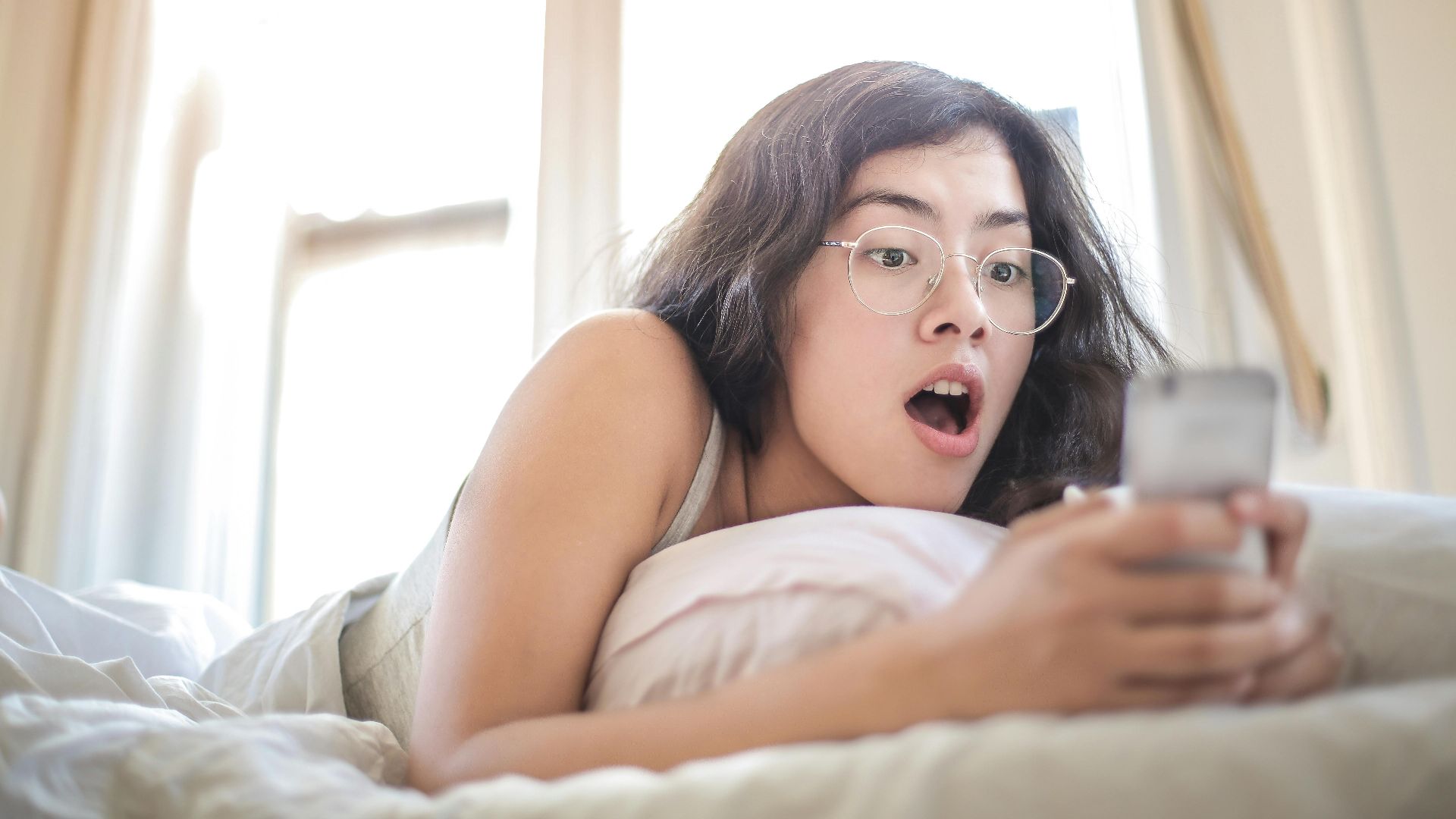
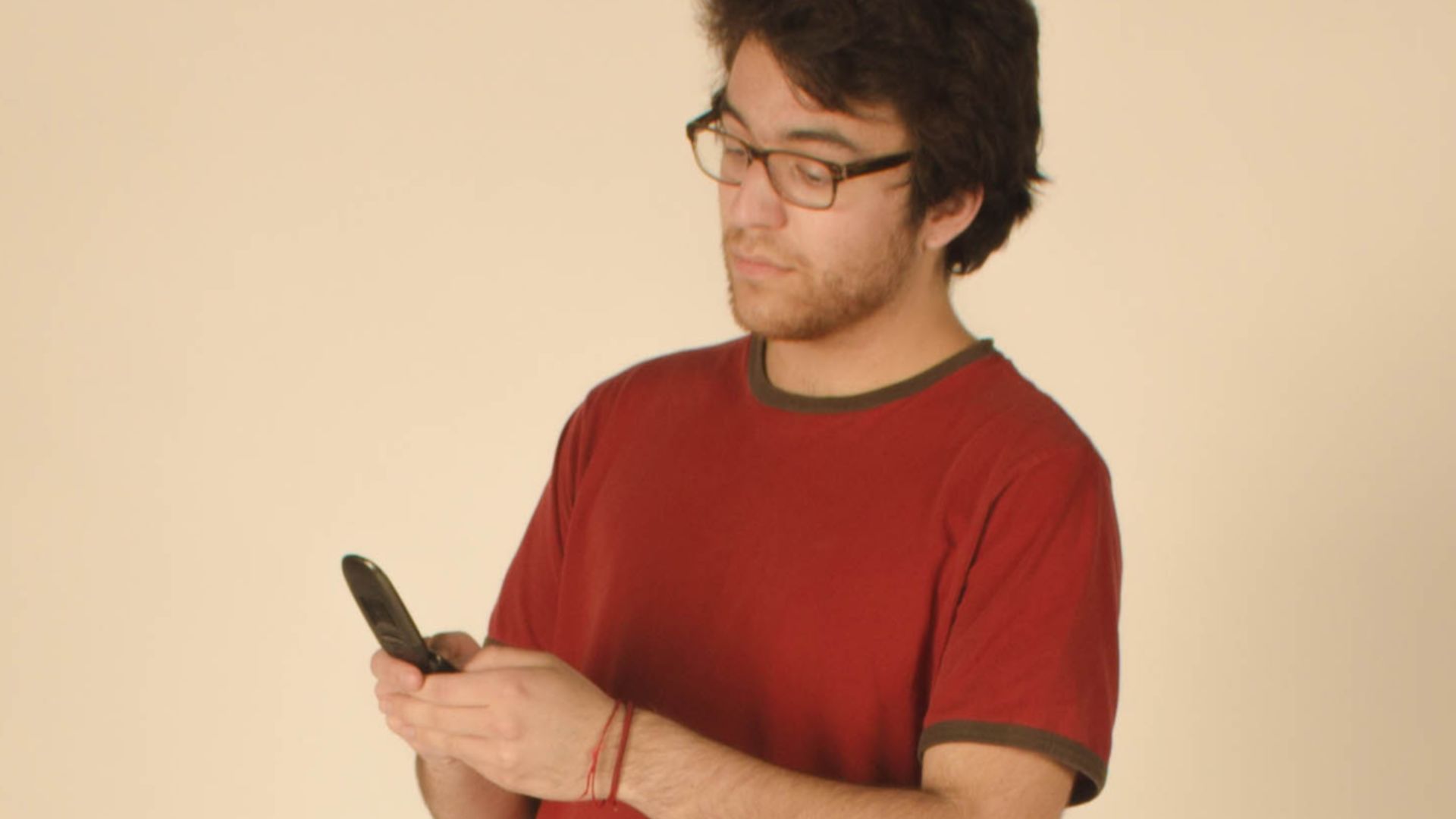
I used to joke that my phone knew me better than my closest friends. It served up suspiciously accurate ads, seemed to wake when I said certain words, and always felt a little too present. So I made a dramatic move: I swapped my smartphone for a flip phone and decided to find out whether simpler really means safer.
Why This Fear Feels So Real
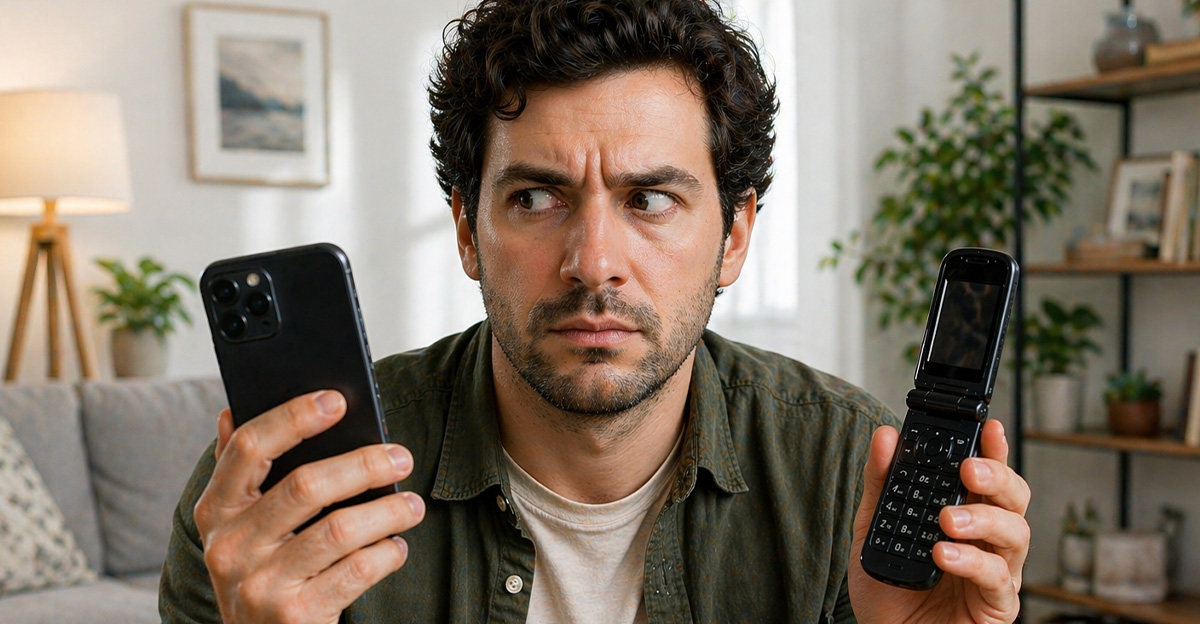
Let’s be honest: the idea of a phone quietly eavesdropping is creepy because it feels possible. Modern phones already track location, app activity, searches, and shopping habits. Once you notice how targeted everything becomes, it is not hard to imagine your microphone joining the party.
The Ad That Started My Spiral
My breaking point was classic. I mentioned hiking boots in a casual conversation, never typed it, never searched it, and later saw an ad for trail gear. Was my phone listening? Maybe. Was it coincidence mixed with other tracking? Also maybe. Either way, my trust was gone.
Why A Flip Phone Seemed Like A Clean Escape
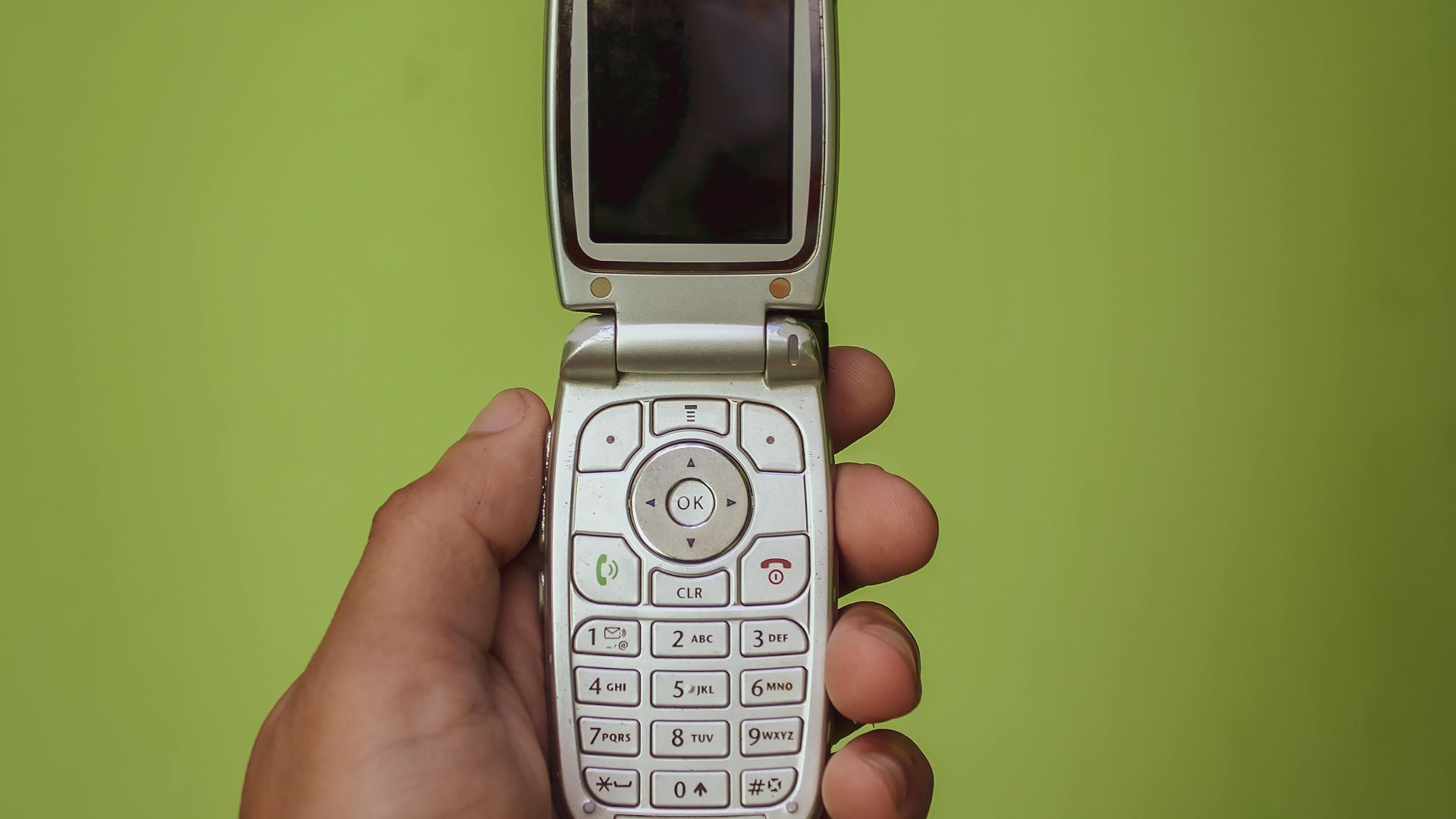
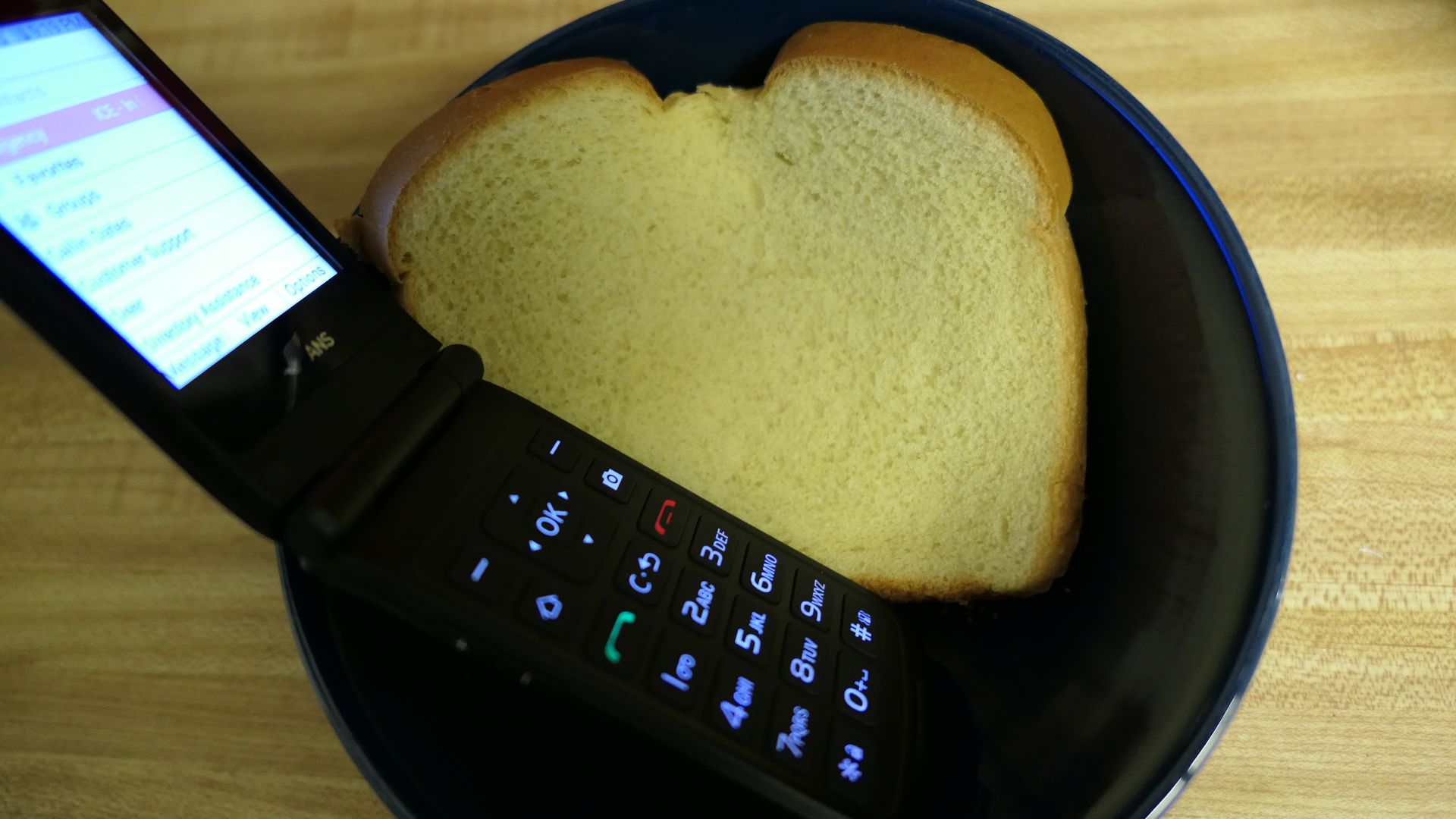
The flip phone felt like the anti-chaos option. Fewer apps, fewer sensors, fewer updates, fewer ways to be watched. It represented a stripped-down digital life, like swapping a smart TV for a radio. Less magic, sure, but also less mystery, which suddenly sounded very comforting.
The First Day Felt Weirdly Peaceful
Using a flip phone again felt like stepping into a calmer timeline. No buzzing group chats, no endless notifications, no temptation to scroll while waiting in line. I checked messages, made calls, and moved on. For the first time in years, my pocket felt quiet.
What A Flip Phone Usually Cannot Do
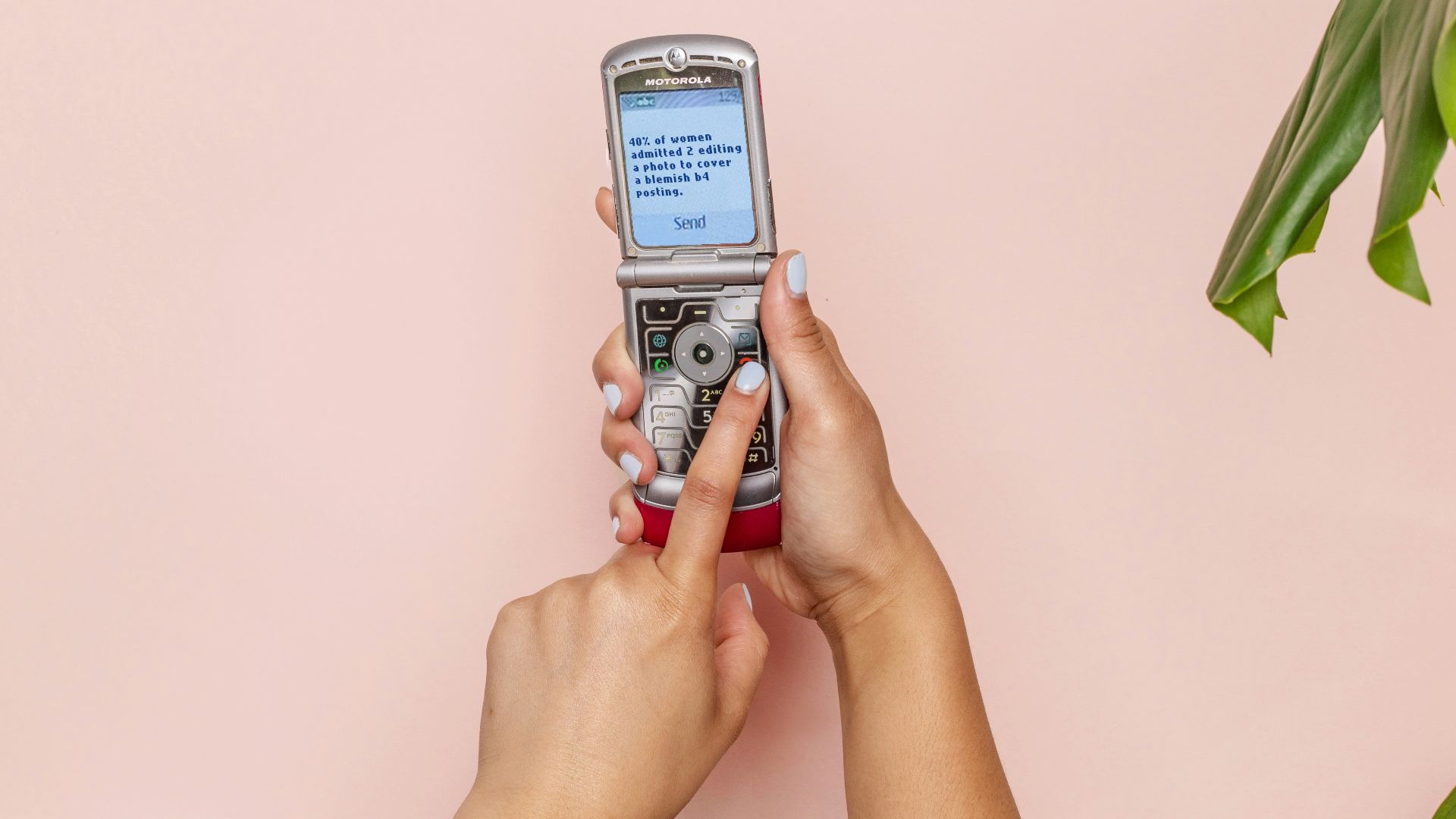
Most flip phones are limited by design, and that is part of the appeal. They often lack always-on app ecosystems, fancy voice assistants, detailed app permissions, and nonstop background syncing. That means fewer opportunities for the kind of deep data collection that smartphones are built to support.
Fewer Apps Means Fewer Privacy Leaks
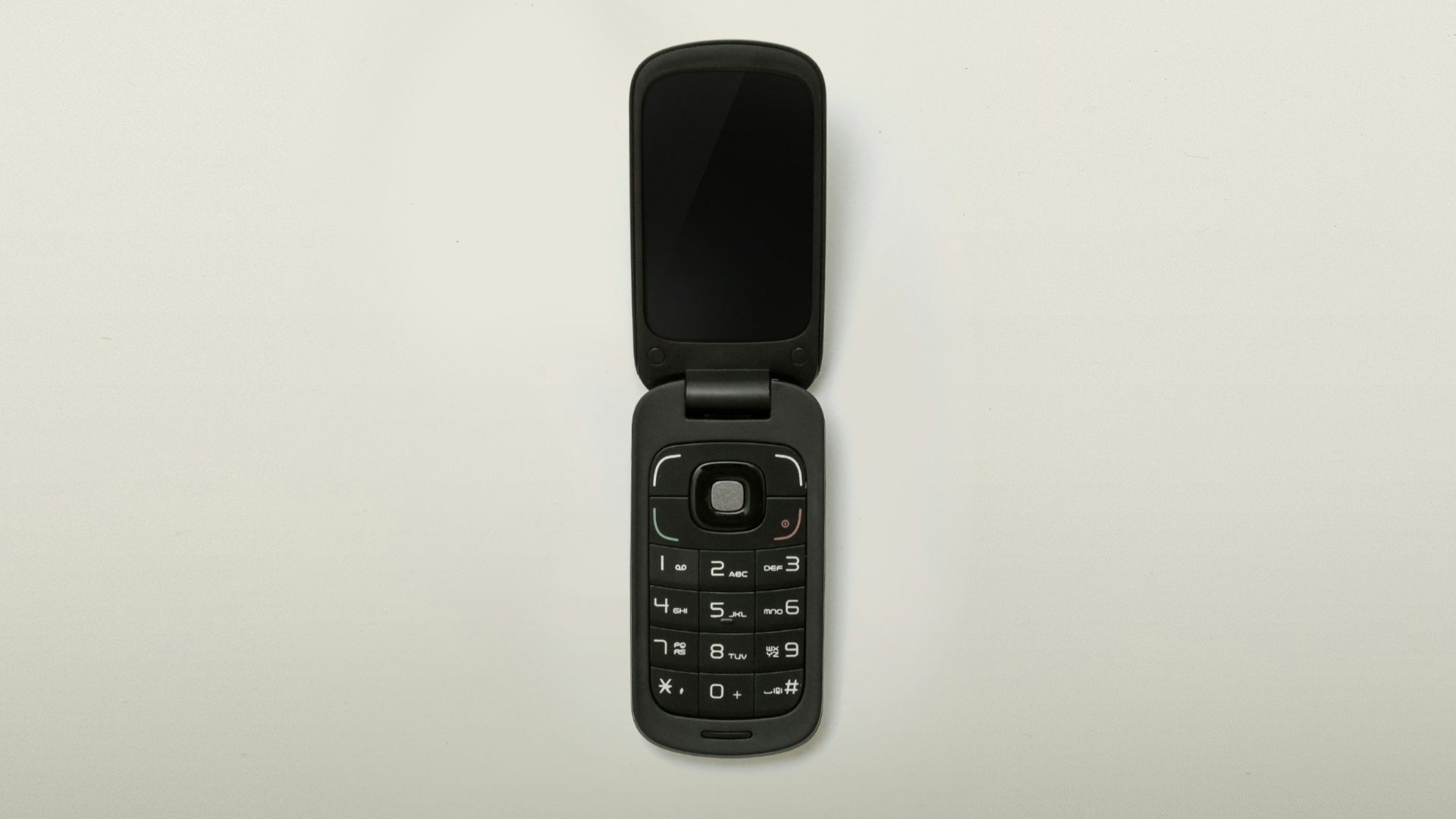
A smartphone is basically a crowded mall of apps, each asking for access to your microphone, camera, contacts, location, and sometimes your patience. A flip phone usually avoids that mess. If there are no social apps quietly harvesting behavior, there are simply fewer doors to lock.

But Simpler Does Not Mean Invisible
This is where the fantasy needs a reality check. A flip phone can still connect to cell towers, store texts, log calls, and share information with carriers. It may collect less data than a smartphone, but it does not become a privacy invisibility cloak just because it snaps shut.

Is Your Phone Really Listening All The Time
Probably not in the dramatic movie-villain sense. Constantly recording millions of people would be technically messy, expensive, and legally explosive. In most cases, what feels like “listening” is a cocktail of location data, search history, app behavior, contacts, and scary-good prediction engines doing their job.
Why Smart Devices Still Feel Unsettling
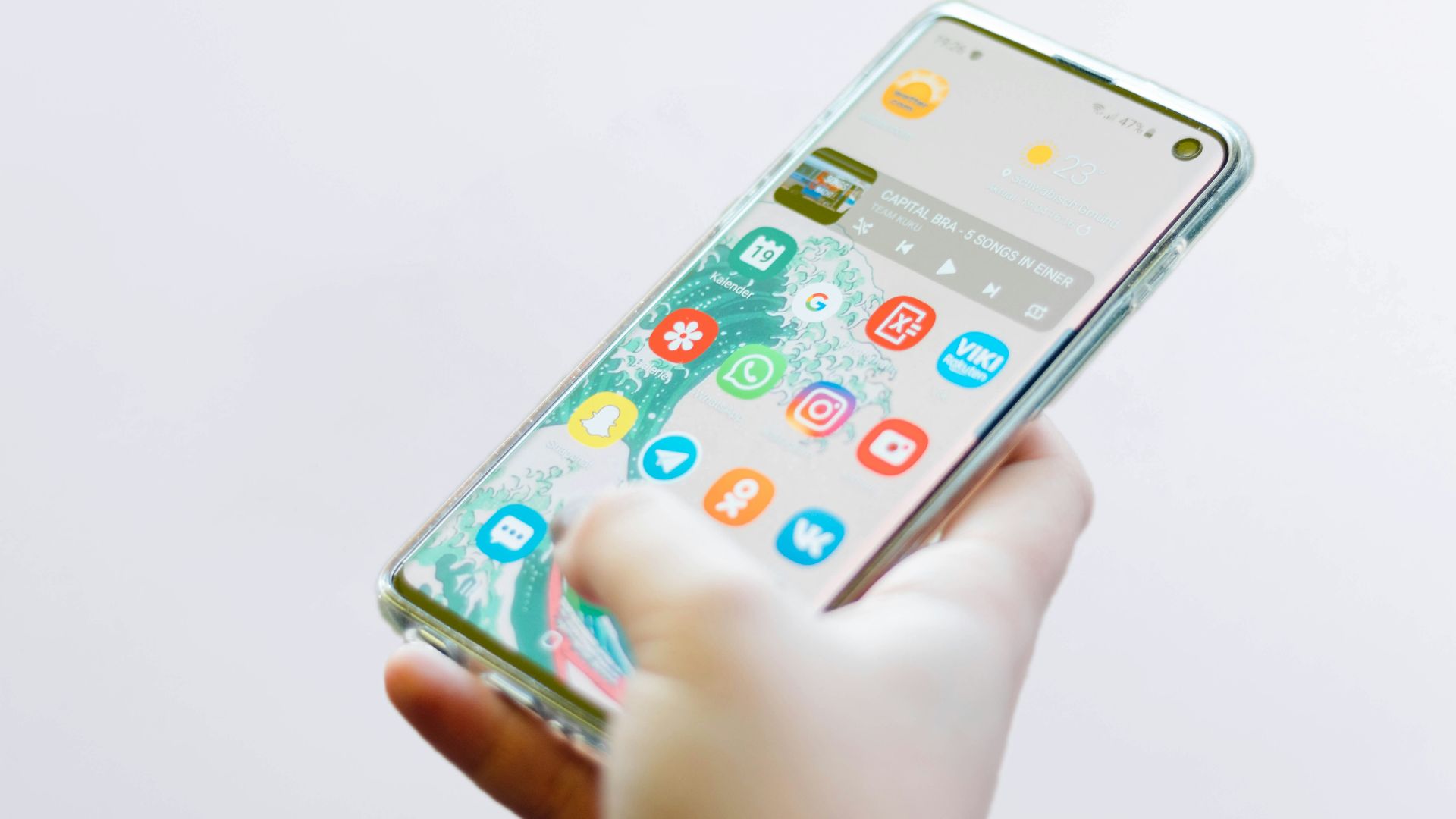
Even if your phone is not literally transcribing lunch conversations, it can still know a lot. It knows where you sleep, where you work, what you buy, who you call, and how long you linger on posts. That level of profiling can feel just as invasive.
The Voice Assistant Problem
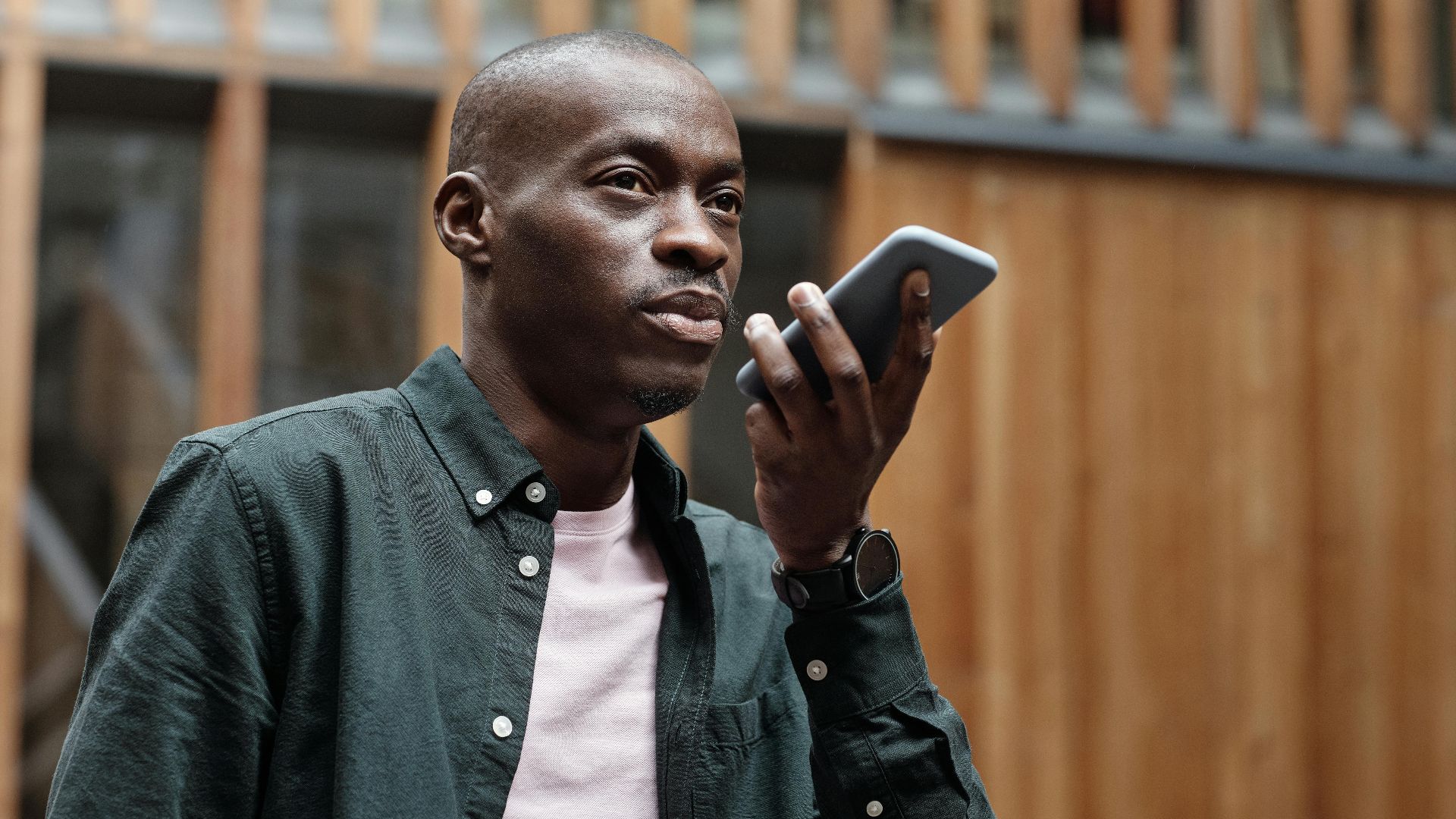
On smartphones, voice assistants are one of the biggest reasons people stay suspicious. They are designed to listen for wake words, and that alone can make users uneasy. A basic flip phone often skips these features entirely, which removes one major source of that “someone’s listening” feeling.
Microphones Are Not The Whole Story
Privacy panic often focuses on microphones because they are dramatic, but the quieter forms of tracking are often more powerful. Your location, browsing habits, app usage, Bluetooth signals, and purchase history can paint a startlingly detailed picture of your life without anyone hearing a single word.
My Flip Phone Felt Safer Mostly Because It Was Boring
And I mean that as a compliment. It did not want my attention every three minutes. It did not suggest reels, track workouts, or gently lure me into doomscrolling. The device was boring in the best possible way, and boring technology can feel wonderfully non-invasive.

The Trade-Off Hit Me Fast
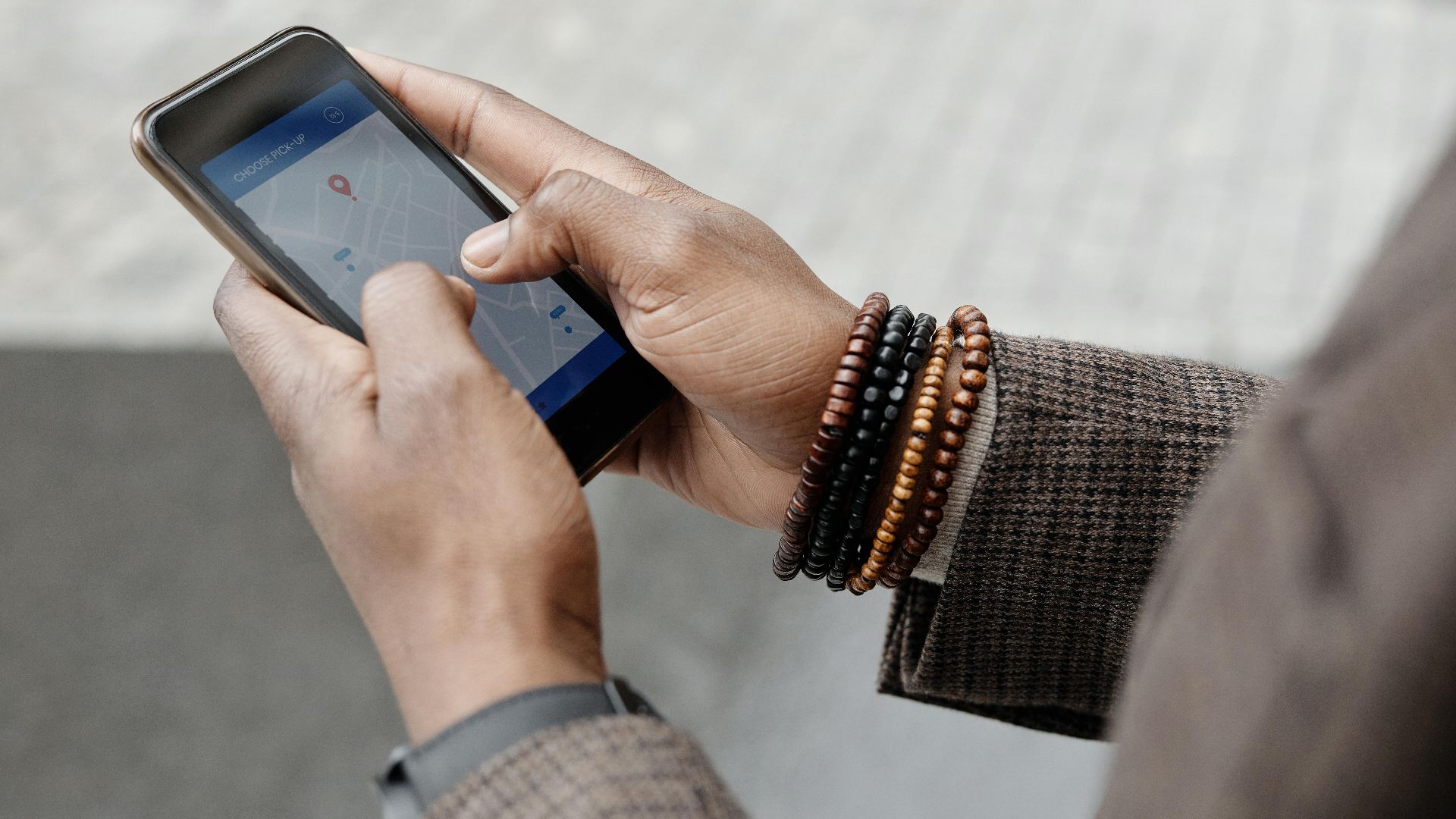
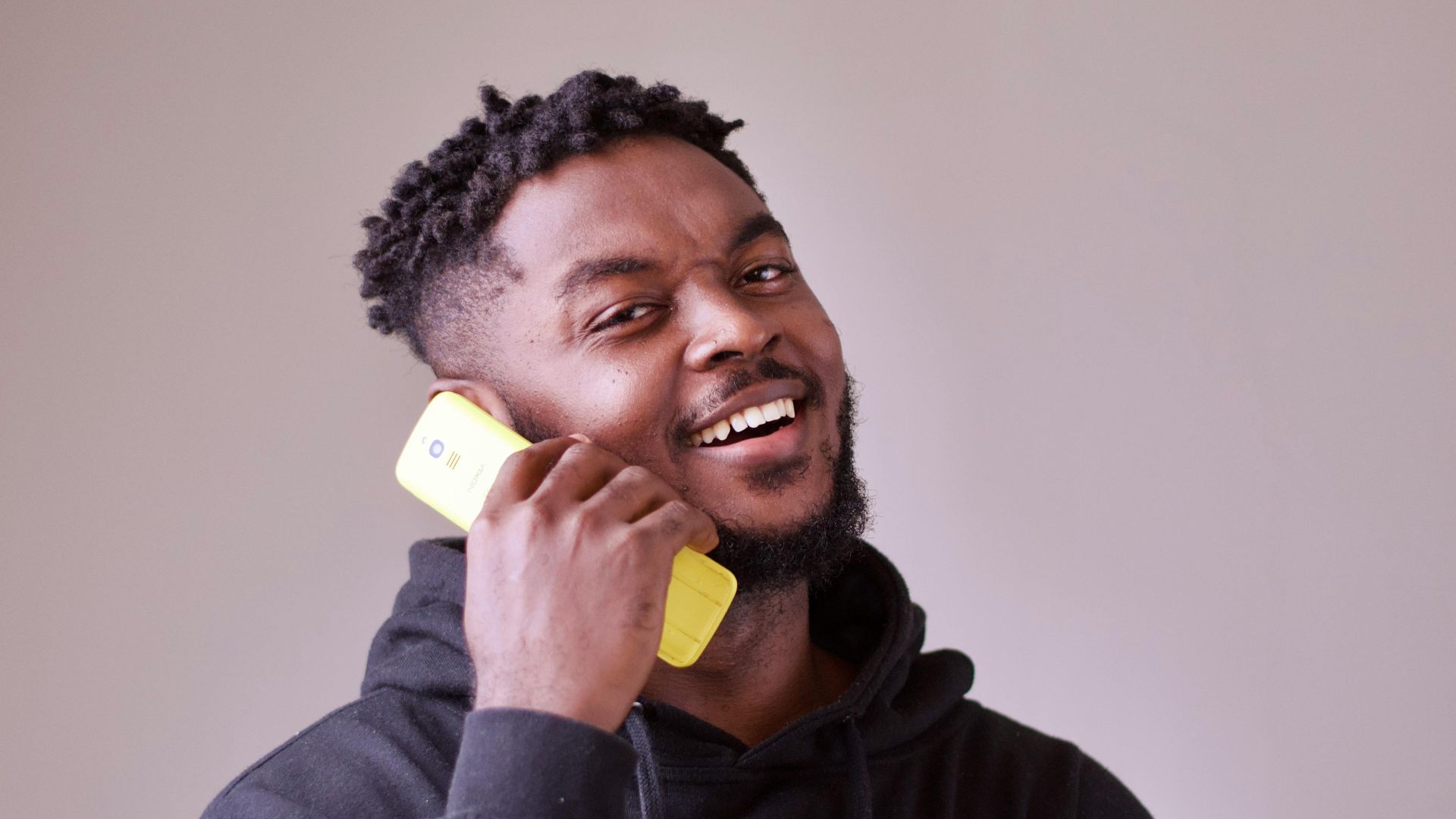
Of course, safety came with friction. Maps became trickier, ride-sharing disappeared, two-factor authentication got annoying, and group planning turned into a mess. I was more private, maybe, but also less convenient, less connected, and occasionally the least informed person in any social situation.
 Emmanuel Jason Eliphalet, Pexels
Convenience Is The Price Of Smart Everything
We rarely admit this, but convenience is built on data. Your smartphone works so smoothly because it remembers, predicts, suggests, syncs, and tracks. That magic comes from access. A flip phone cuts much of that away, which can feel freeing until you are trying to find a dentist.
Who Actually Sees Less When You Downgrade
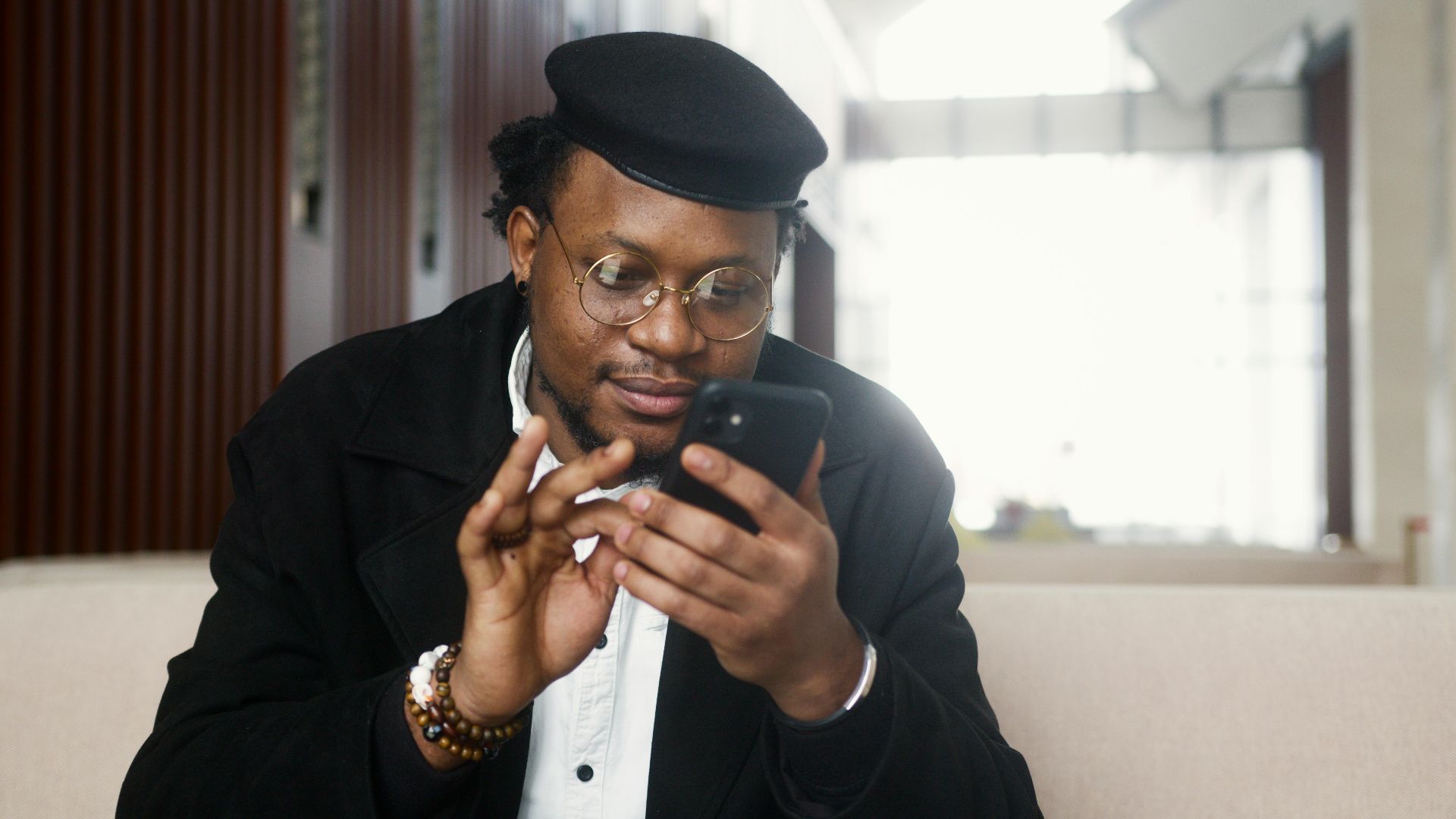
App developers, ad networks, data brokers, and social platforms generally get a lot less from a basic phone lifestyle. That is meaningful. If your main concern is commercial tracking and hyper-personalized advertising, using a flip phone can absolutely reduce your digital exhaust in everyday life.
Who Still Sees Plenty
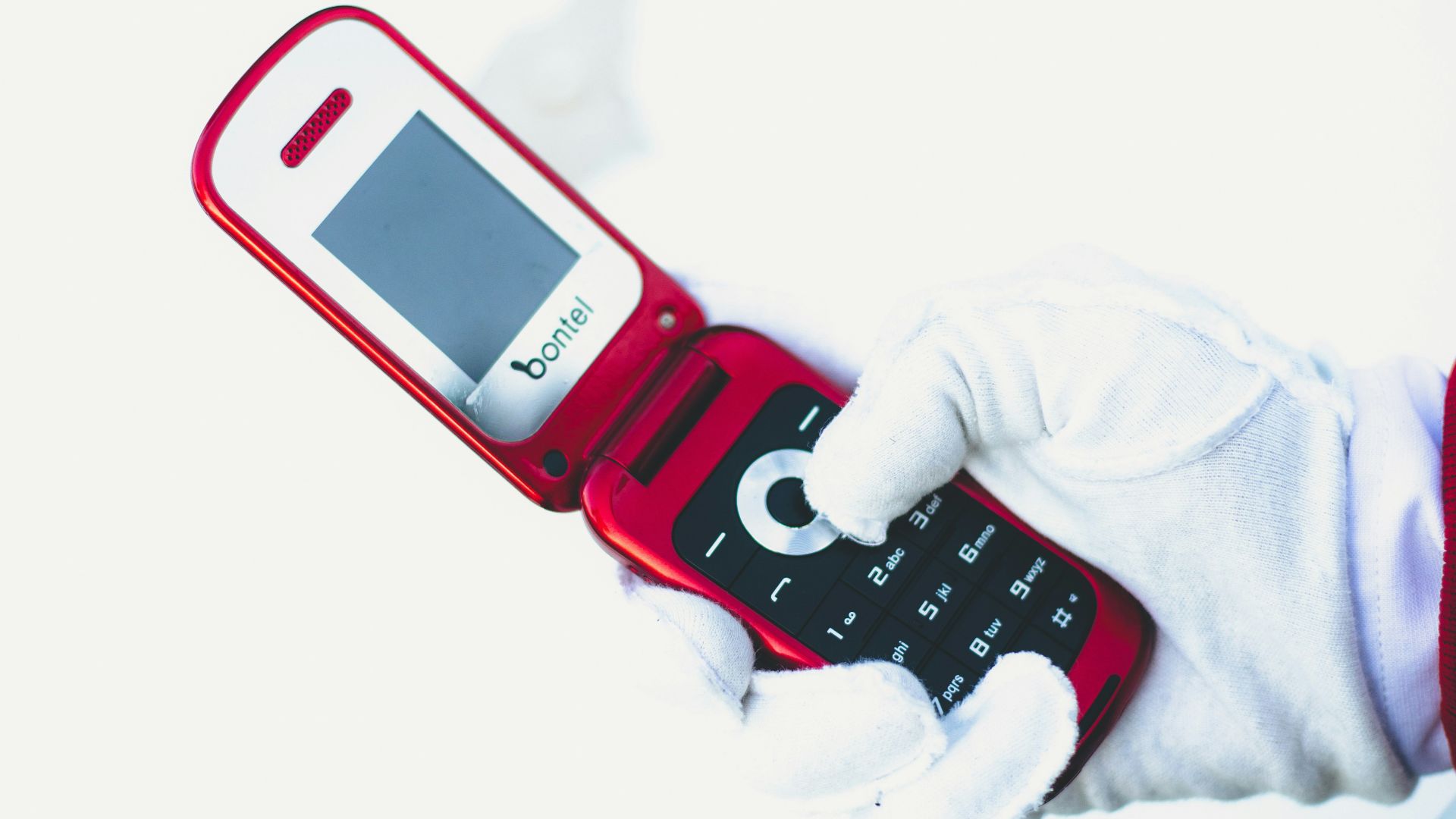
Your carrier still knows plenty, and anyone with access to your account or message history may still have a window into your life. If the concern is surveillance at the network level, a flip phone is only a partial fix. Smaller footprint, yes. Total privacy, no.
Old Tech Has Its Own Risks
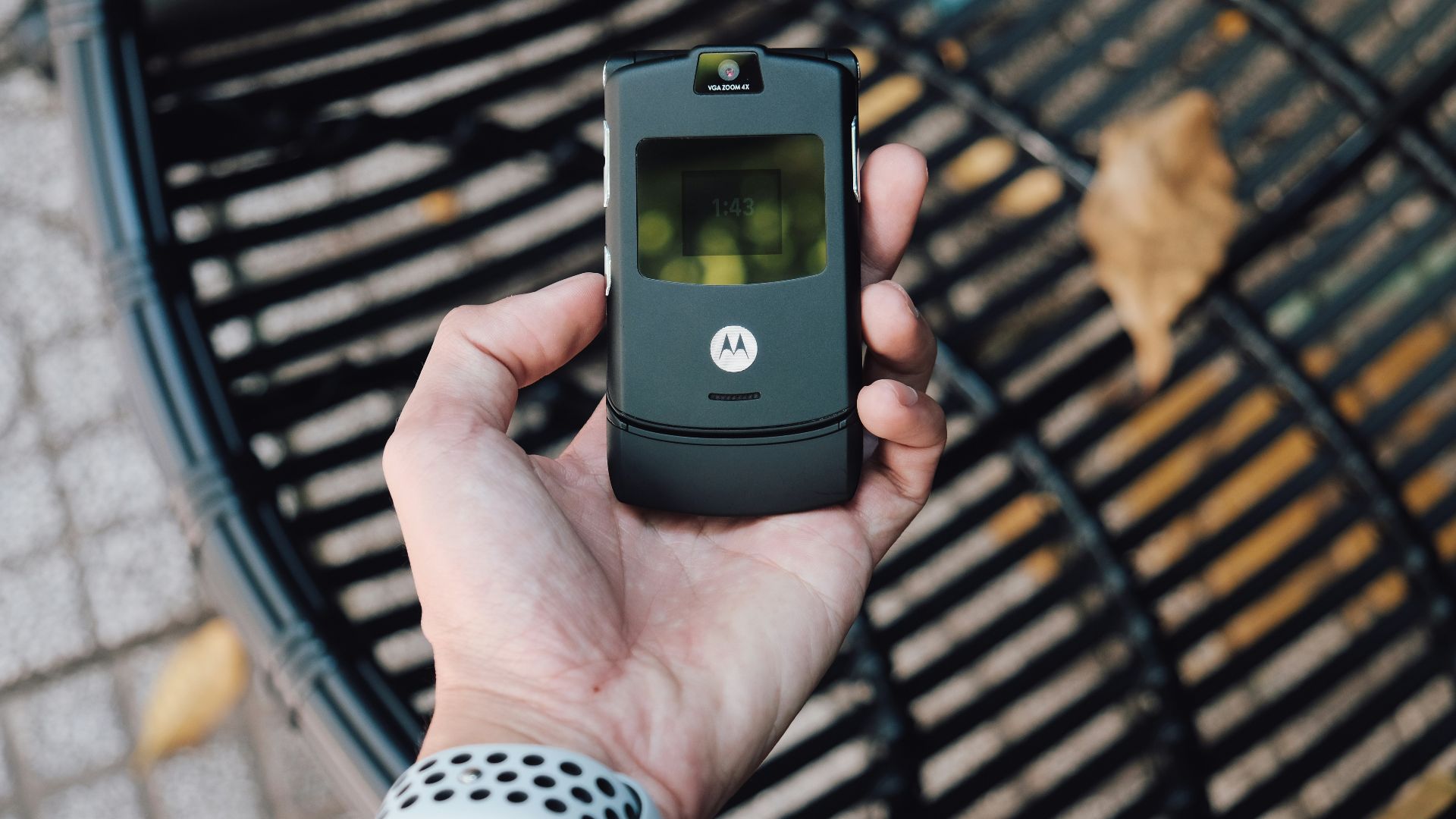
Here is the part nobody romanticizes: older or simpler phones are not automatically security champions. Some lack modern protections, strong encryption, frequent updates, or robust authentication tools. A less capable device may collect less data while also being worse at defending the data it does hold.
Privacy Is Also About Habits
Switching phones helped me notice something uncomfortable: the device was only half the issue. The other half was me. Clicking every link, reusing passwords, leaving Bluetooth on, sharing too much online, and trusting random apps had created a privacy mess long before I bought the flip phone.
The Middle Ground Is Less Glamorous But Smarter
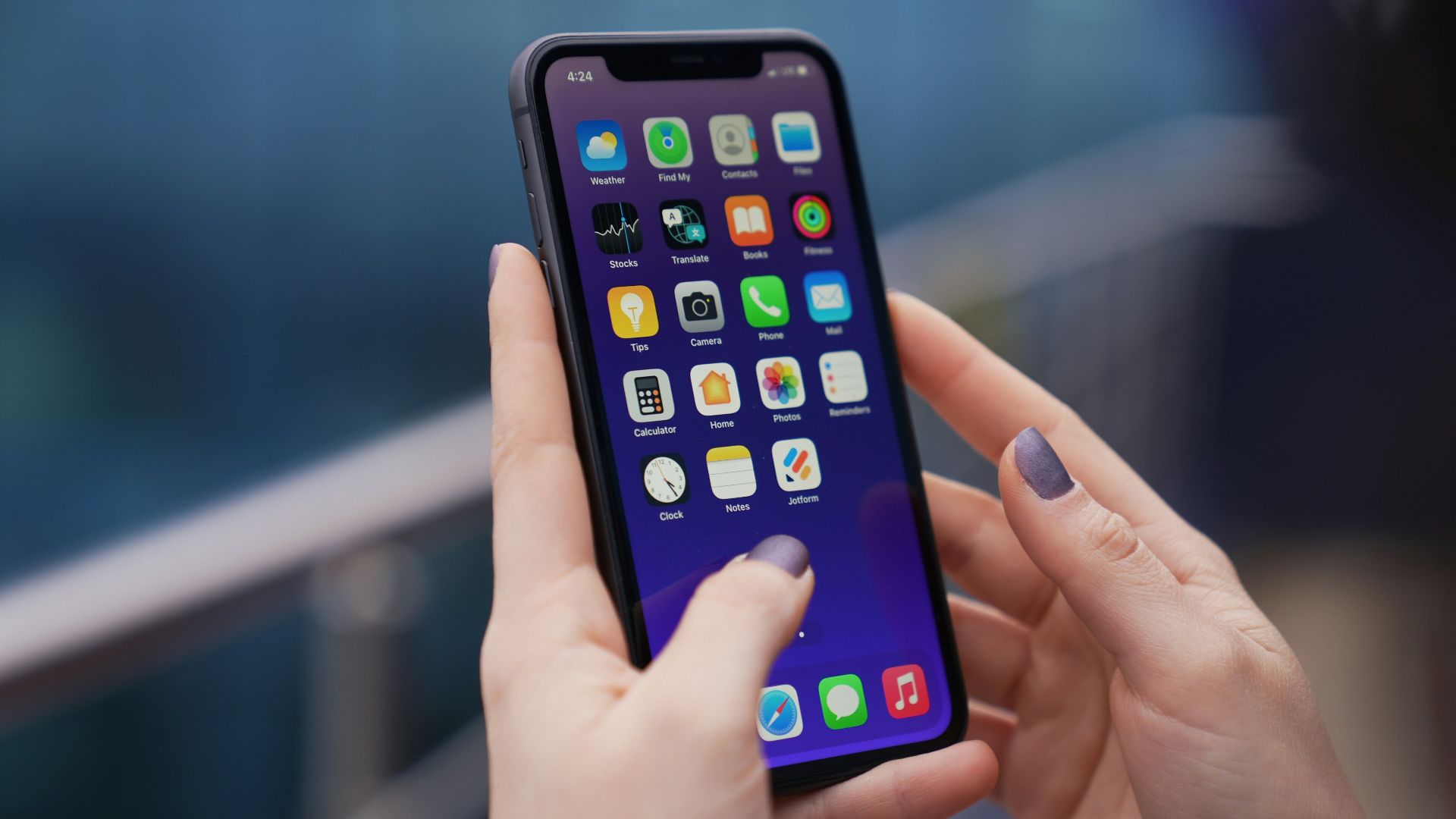
A flip phone is one solution, but it is not the only one. You can disable microphone access for unnecessary apps, turn off ad personalization, limit location sharing, review permissions, delete unused apps, and skip voice assistants. That path is less dramatic, but often more practical.
What Felt Best About The Switch
More than security, the flip phone gave me psychological relief. It created distance from the digital circus and made me feel less watched, even when the actual privacy gains were only partial. Sometimes peace of mind matters too, especially when tech starts feeling like a clingy roommate.
What Felt Worst About The Switch
Still, there were days when the experiment felt like self-sabotage. I missed navigation, quick camera access, mobile banking, and frictionless communication. Privacy became harder to separate from inconvenience. I was not just rejecting surveillance capitalism. I was also rejecting tools I genuinely relied on.

So, Is A Flip Phone Safer
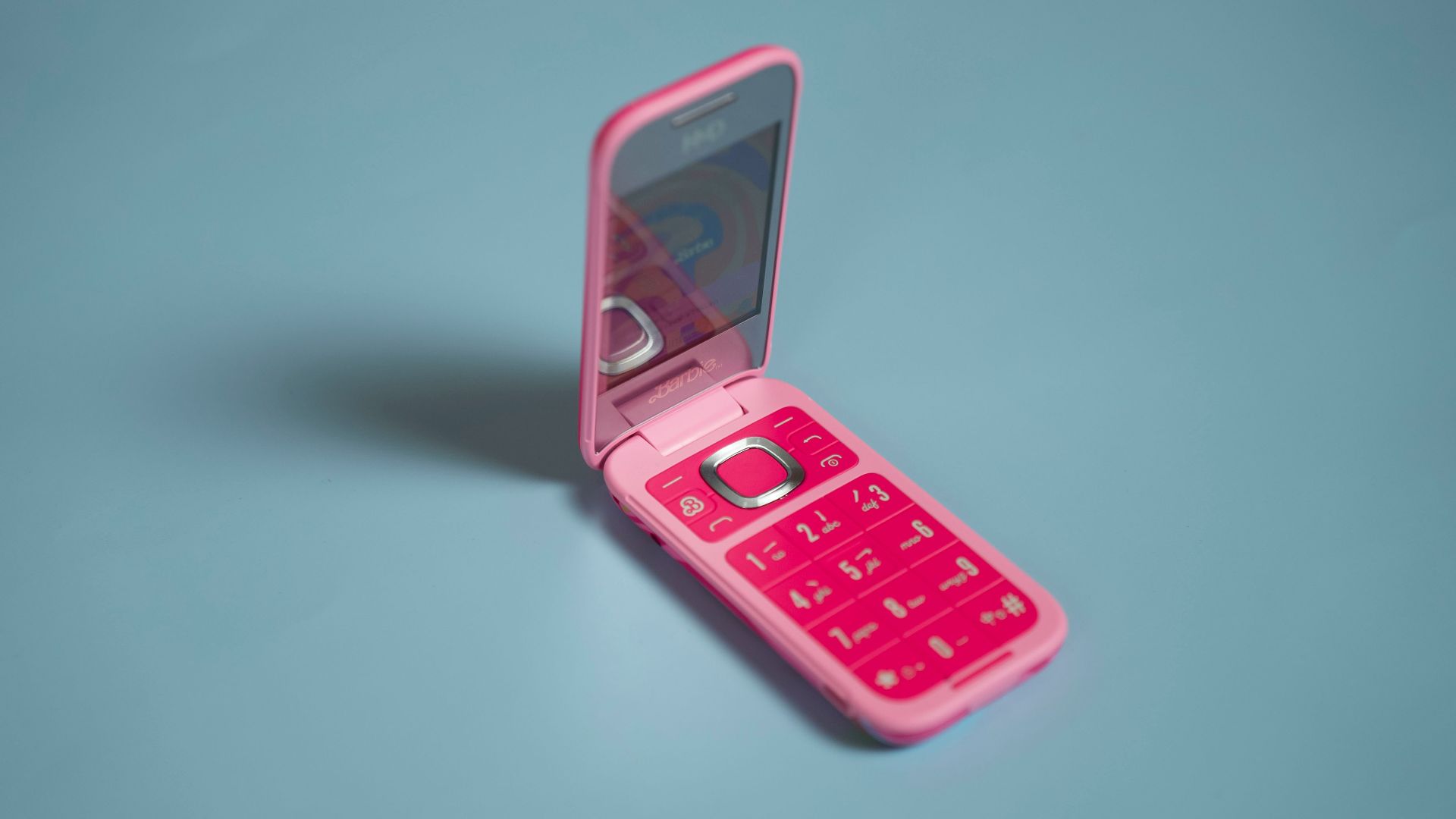
In a narrow sense, yes. A flip phone is often safer from app-based tracking because it usually has fewer apps, fewer background processes, and fewer smart features collecting data. But safer does not mean private in every sense, and it definitely does not mean untouchable.
It Depends On What Scares You Most
If you are worried about creepy ads, excessive app permissions, and the feeling that your phone knows too much, a flip phone can help. If you are worried about carriers, law enforcement access, phishing, weak passwords, or poor security habits, the answer is more complicated.
The Best Privacy Upgrade Might Be Restraint
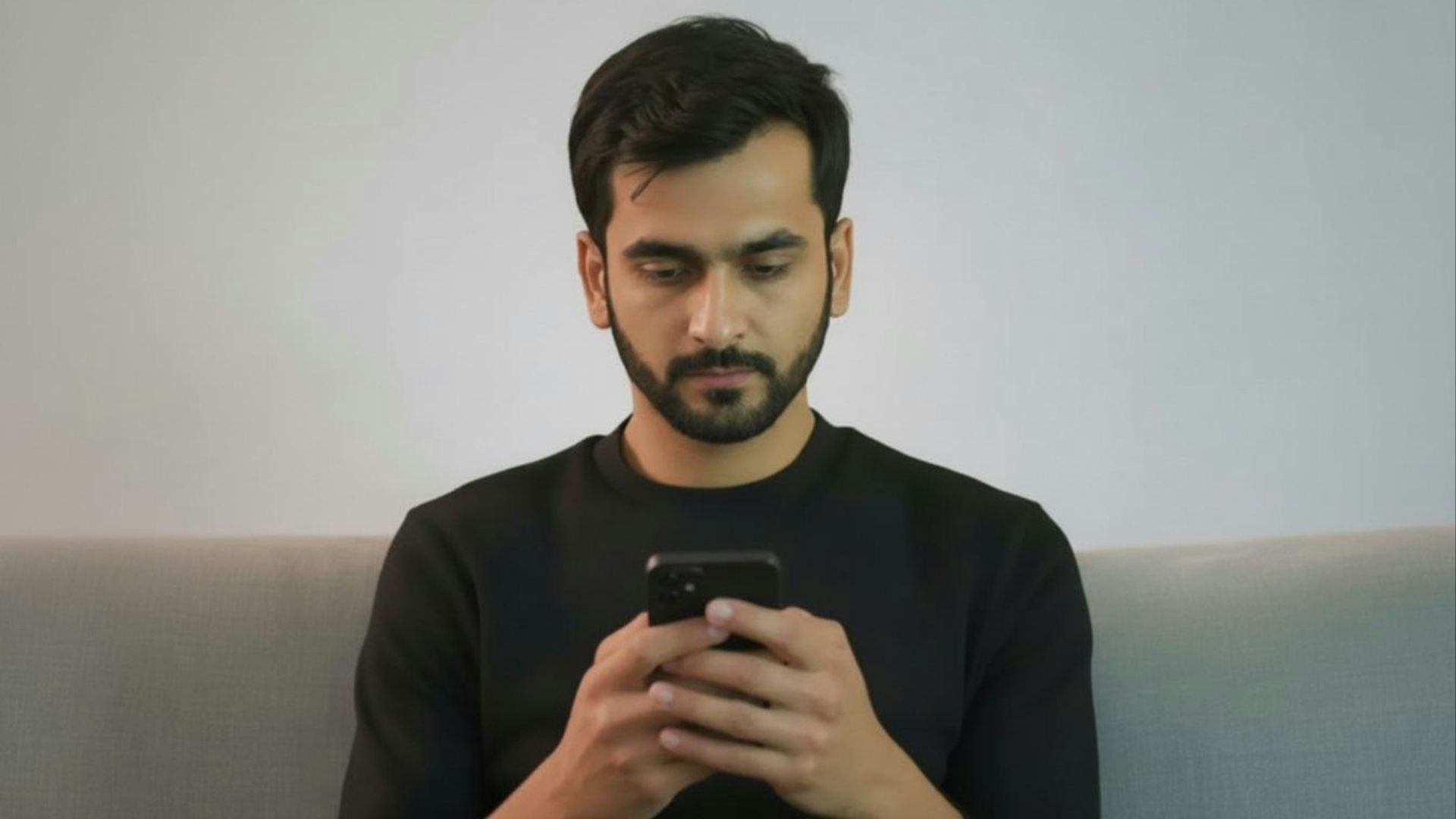
After all this, I realized the smartest move is not always going full retro. Sometimes it is setting boundaries with the device you already own. Make your smartphone dumber. Fewer apps, fewer permissions, fewer alerts, fewer accounts. Privacy often improves when your digital life gets less crowded.
Why The Flip Phone Still Taught Me Something
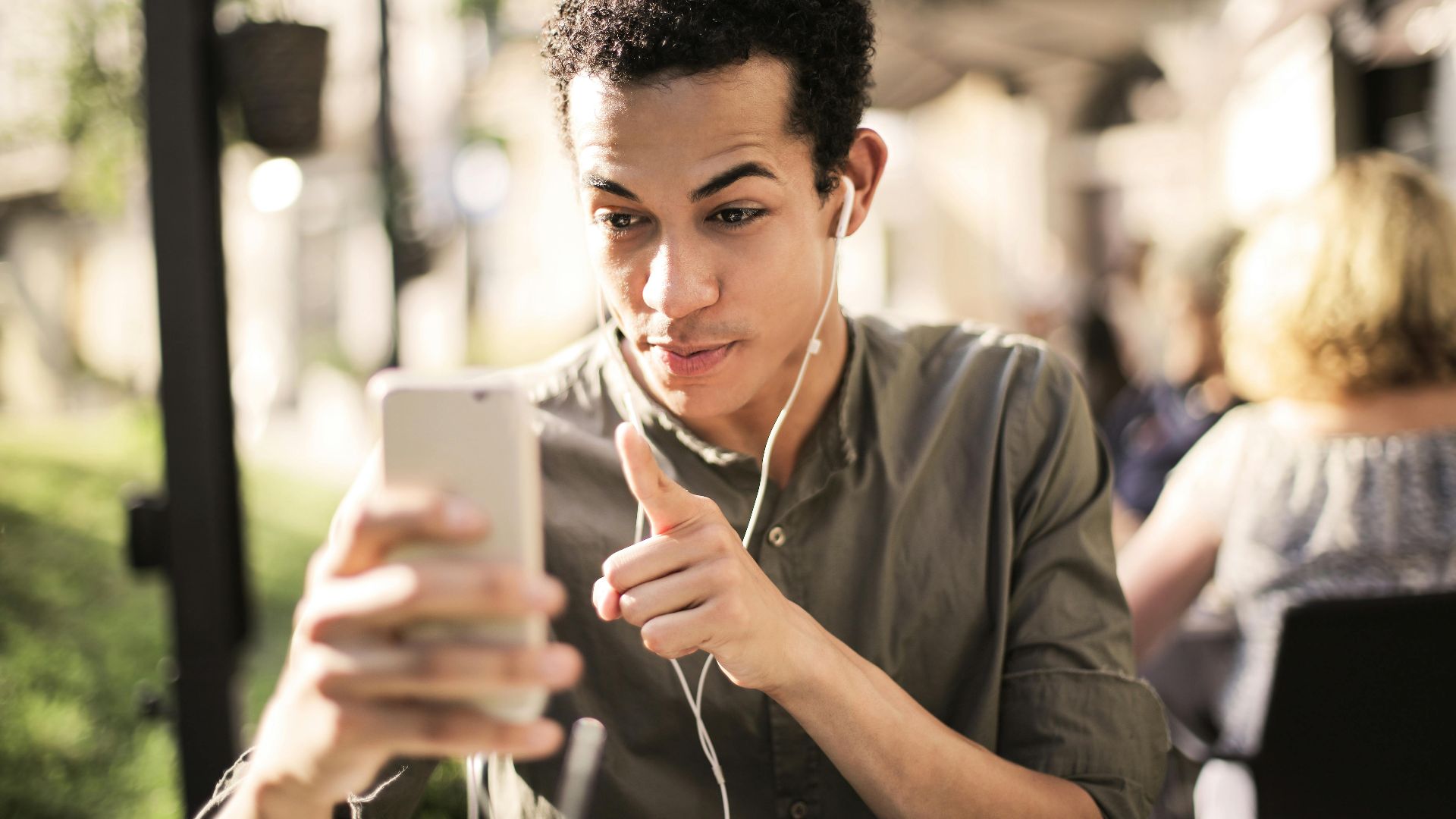
Even if I do not stay with it forever, the experiment changed how I think about technology. It reminded me that every convenience comes with a cost, and every “smart” feature deserves a little suspicion. That alone made the flip phone worth carrying around.
 Saad Shah Khagga, Wikimedia Commons
Closing The Phone, Opening My Eyes
So, is a flip phone safer? Usually, a bit. Is it a magical shield against surveillance? Not even close. But it can reduce some tracking, calm your nervous system, and force better habits. In a world of hyperconnected gadgets, that small snap shut can feel surprisingly powerful.
You May Also Like:
My coworker says he writes off everything as a business expense, even groceries. Is that even legal?