
The Claim That Makes Tax Pros Wince
If your coworker says he writes off everything, including groceries, you're right to raise your eyebrows. In most cases, groceries are a personal expense, and personal expenses are not deductible as business expenses under IRS rules. The basic point is simple: Calling something a business expense does not make it one. The question is: When can you make it count?

What the IRS Actually Allows
The IRS says a deductible business expense must be both ordinary and necessary for your trade or business. That standard comes straight from IRS guidance for self-employed people and small businesses. Ordinary means common and accepted in your line of work, and necessary means helpful and appropriate for the business.

Why Groceries Usually Do Not Count
For most people, groceries are just everyday personal living costs. The IRS generally treats food bought for yourself or your household as a nondeductible personal expense. If you are stocking your kitchen at home, that does not become a tax break just because you answered a few emails over breakfast.

The Exception People Mix Up
Some business meal costs can be deductible, but that is not the same as deducting groceries for personal use. IRS Publication 463 explains the rules for travel, meals, gifts, and car expenses, including when meals tied to business travel may qualify. Even then, the expense has to meet specific rules and is not a free pass to deduct your weekly grocery haul.

Business Meals Are Not the Same as Grocery Shopping
A meal with a client, customer, or employee may qualify in some cases if it is not lavish or extravagant and has a real business purpose. The IRS has also said that the taxpayer, or an employee, generally must be present when food or drinks are provided. That is a very different thing from buying coffee, cereal, and frozen dinners for your household and trying to pass it off as a business move.

Travel Changes the Rules, but Only a Bit
If you are traveling away from your tax home for business, meal costs can sometimes be deductible. The key phrase is away from home, which has a technical tax meaning and usually involves an overnight or sleep-rest requirement. Regular meals in your hometown are still personal expenses, even if you work for yourself.

When Food Is Actually Inventory
If you run a restaurant, catering business, food truck, or meal-prep company, groceries may be deductible because they are ingredients or inventory used to make products for sale. In that case, the food is part of the business itself, not a personal household cost. The whole issue comes down to what the food is for and whether the records back it up.

Office Snacks Are a Different Category
Food bought for employees or customers in an office can be treated differently from groceries for personal use. Depending on the situation, some of those costs may be deductible as meals, small employee benefits, or office expenses under current rules. But buying sandwich supplies for yourself at home is still not the same as stocking a break room.

The Tax Code Has Long Drawn This Line
The divide between business and personal expenses is nothing new. Section 262 of the Internal Revenue Code generally blocks deductions for personal, living, or family expenses. Taxpayers have been on notice for a long time that personal grocery bills are usually off limits.

What Counts as Tax Fraud
Claiming deductions you know are false can move from careless tax reporting into civil fraud or even criminal tax fraud. The IRS Criminal Investigation division regularly warns that intentionally filing false returns can lead to serious penalties and prosecution. Bragging about fake write-offs may sound slick at lunch, but it can get very expensive under audit.

The Penalties Are Real
The IRS can impose accuracy-related penalties when taxpayers underpay because of negligence or substantial understatement. In more serious cases, the civil fraud penalty can equal 75% of the part of the underpayment tied to fraud. Interest can pile up on top of that, turning a fake deduction into a much bigger bill.

Criminal Cases Are Not Rare Myths
The Justice Department and the IRS have gone after business owners who claimed personal expenses as business deductions. Every case depends on its facts, but the pattern is familiar: personal spending gets mixed into company books, deductions get overstated, and investigators follow the paper trail. The danger is not just the grocery receipt. It is the false return and the intent behind it.

Documentation Matters
The IRS expects taxpayers to keep records showing what was purchased, when, where, why, and for whom. Publication 463 lays out recordkeeping rules for many meal and travel expenses, and general IRS business guidance says records should support every deduction claimed. If your coworker cannot explain a purchase beyond saying everybody does it, that is not documentation.

A Receipt Does Not Make It Deductible
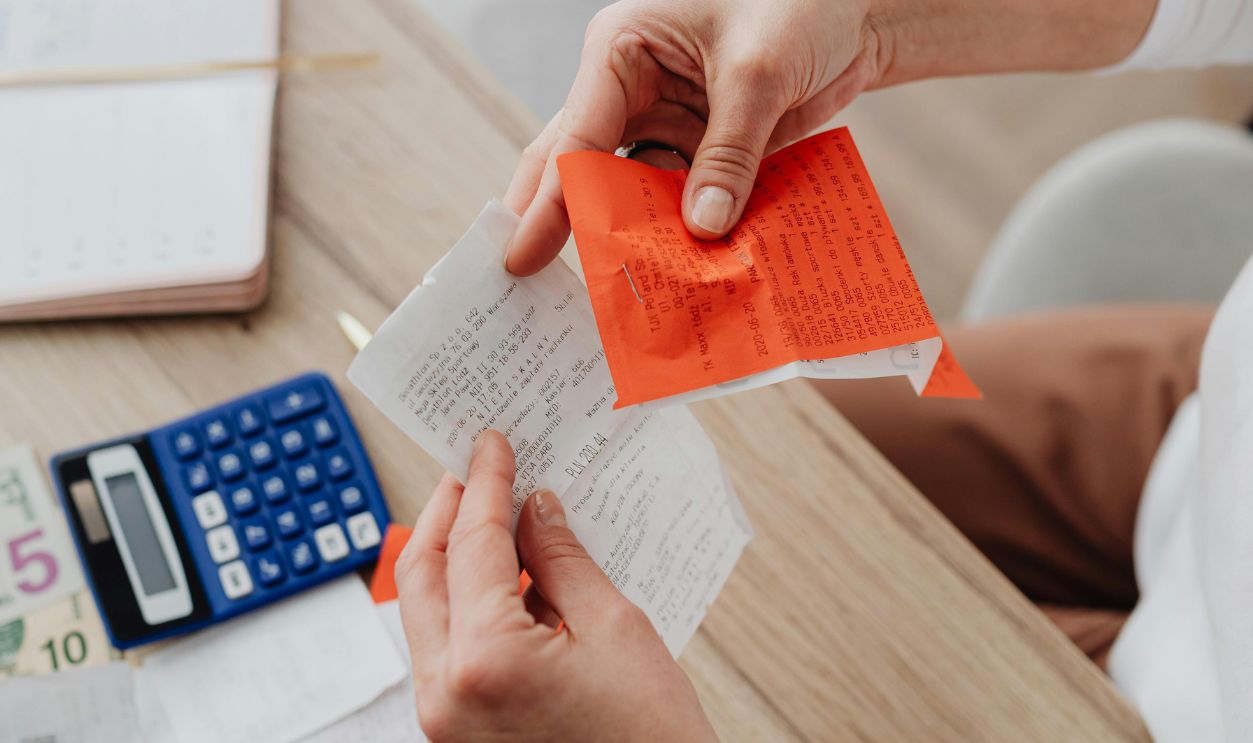
People often act like a receipt is all they need. It is not. A receipt proves you spent money. It does not prove the expense was ordinary, necessary, and tied to the business.
Self-Employed People Face More Temptation
Freelancers and side hustlers often blur the line between work and personal life because they use the same phone, car, home, and bank card for everything. That is exactly why the IRS puts so much weight on separating personal and business expenses. Mix them together, and you can create a bookkeeping mess and a tax problem at the same time.

Working From Home Did Not Make Dinner Deductible
Remote work led plenty of people to assume that everyday household costs now count as business expenses. For most employees, unreimbursed employee expenses are not deductible on federal returns under current law, and meals at home are still personal. Even for self-employed people with a home office, groceries usually stay on the personal side of the line.

The Home Office Rule Is Narrow Too
The IRS does allow a home office deduction in some cases for self-employed taxpayers, but the space must be used regularly and exclusively for business. That rule is strict, and it does not spill over into deducting family groceries. A valid home office deduction does not turn your fridge into a tax shelter.

Client Meals Need a Real Business Reason
To deduct a business meal, you generally need a clear business discussion or a real business relationship involved. The expense also cannot be lavish or extravagant under the circumstances. Buying lunch because you were hungry while thinking about work is not the same as taking a client out to discuss a contract.

Entertainment Rules Got Tougher
The Tax Cuts and Jobs Act changed how many entertainment expenses are treated, and the IRS later clarified how food and drinks are handled when entertainment is involved. In 2020, the IRS issued final regulations under Section 274 explaining which meal expenses may still be deductible. These details matter because many taxpayers wrongly assume anything loosely tied to networking counts.

The Temporary Restaurant Break Was Not About Groceries
Congress temporarily allowed a 100% deduction for certain business meals provided by restaurants in 2021 and 2022. That change got a lot of attention and caused plenty of confusion. It applied to qualifying restaurant meals, not routine grocery shopping for personal use.

State Tax Rules May Vary, but the Core Idea Does Not
Some state tax rules differ from federal rules, but the basic line between personal and business expenses stays the same. If a cost is clearly personal, relabeling it usually does not help at either level. Federal rules are still the main guide for judging whether a grocery write-off story holds up.

Who Usually Gets Burned First
Tax trouble often starts with people who are sloppy, overconfident, or both. Small deductions repeated over time can add up fast, especially if bookkeeping software or a preparer carries them into a return without much review. Someone who proudly says he deducts everything may really be advertising weak records and a shaky audit defense.

How to Check Whether an Expense Passes the Smell Test
Ask a few basic questions. Was the purchase directly tied to earning business income, common in the industry, properly documented, and clearly not personal? If the story falls apart under those questions, it probably does not belong on a tax return.

What to Do If You Are Tempted to Copy Him
Do not take tax advice from a coworker whose main credential is confidence. Read IRS guidance, keep clean records, and ask a qualified CPA, enrolled agent, or tax attorney before claiming unusual deductions. One bad habit copied from a loud coworker can turn into years of amended returns, penalties, and stress.

If You Own a Business, Build Better Habits
Use separate bank accounts and credit cards for business spending. Categorize expenses as they happen instead of trying to justify them months later at tax time. Good systems make real deductions easier to claim and bogus ones easier to avoid.

The Bottom Line on Grocery Write-Offs
Is it legal to write off groceries as a business expense? Usually no, unless the food is genuinely tied to business use, such as inventory, qualifying business meals, or another narrow exception backed by records and IRS rules. For most people, groceries are personal expenses, and pretending otherwise is the kind of shortcut that can lead to a long conversation with the IRS.
 ANTONI SHKRABA production, Pexels