The $2 Bill Surprise
You saved $2,000 in $2 bills, marched into the bank, and expected a smooth deposit. Instead, the teller said no. That feels ridiculous, because yes, $2 bills are real U.S. currency and legal tender.

Yes, $2 Bills Are Legal Tender
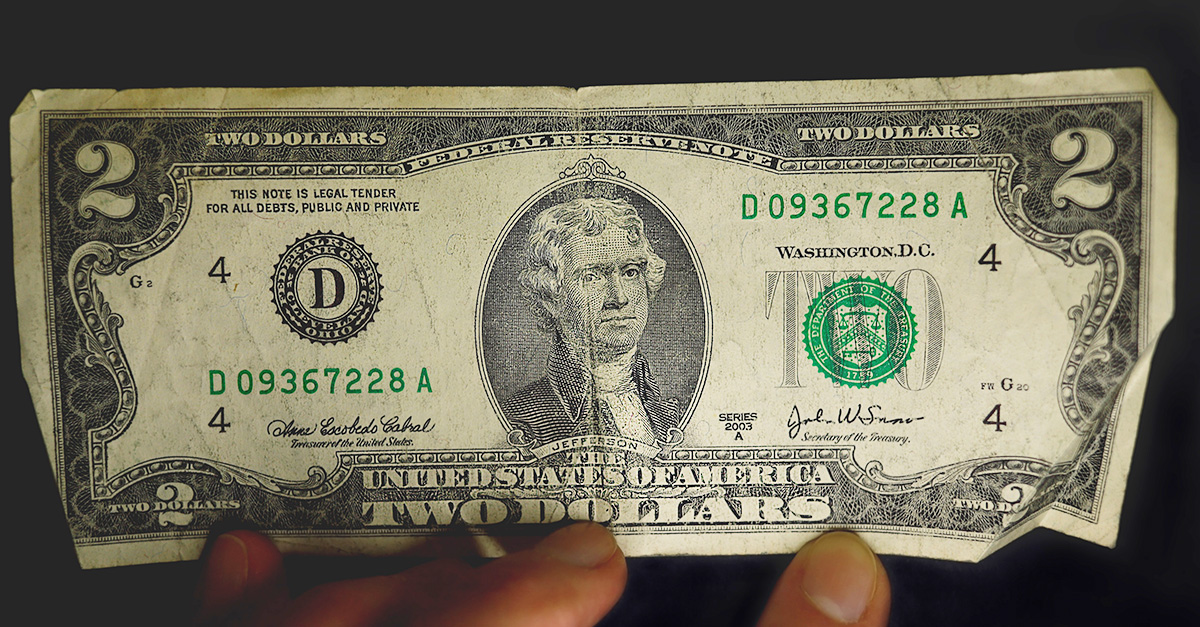
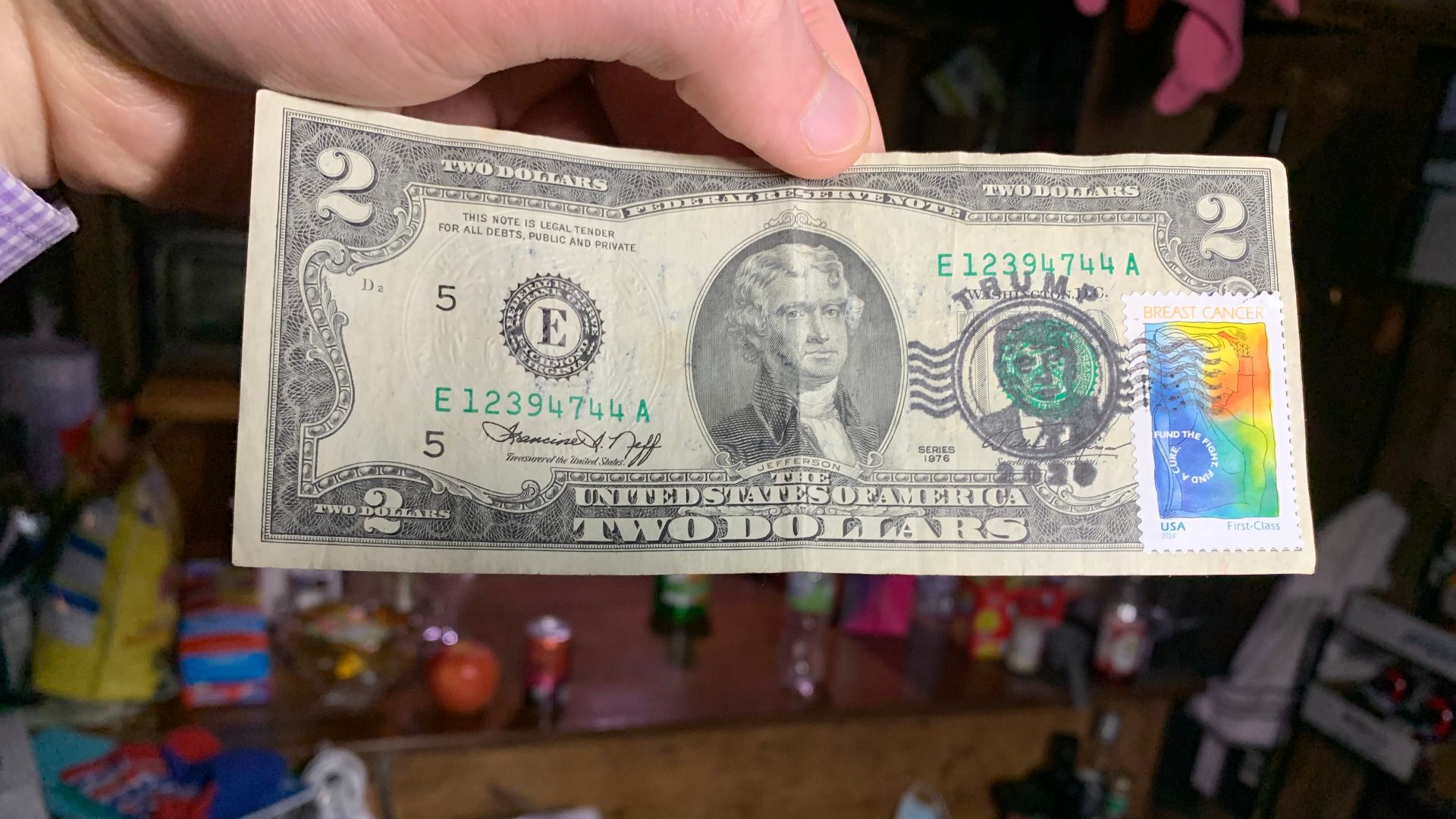
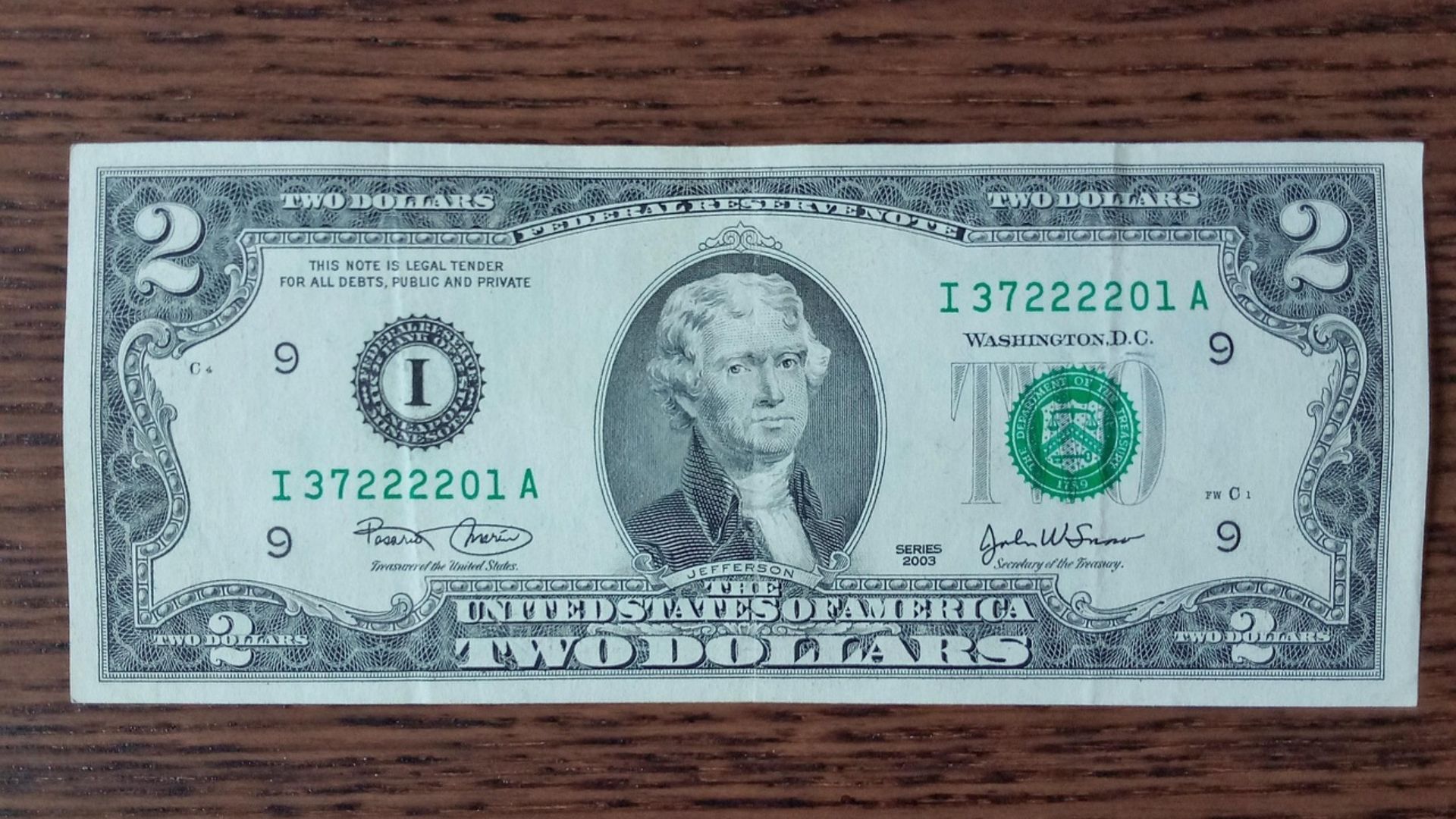
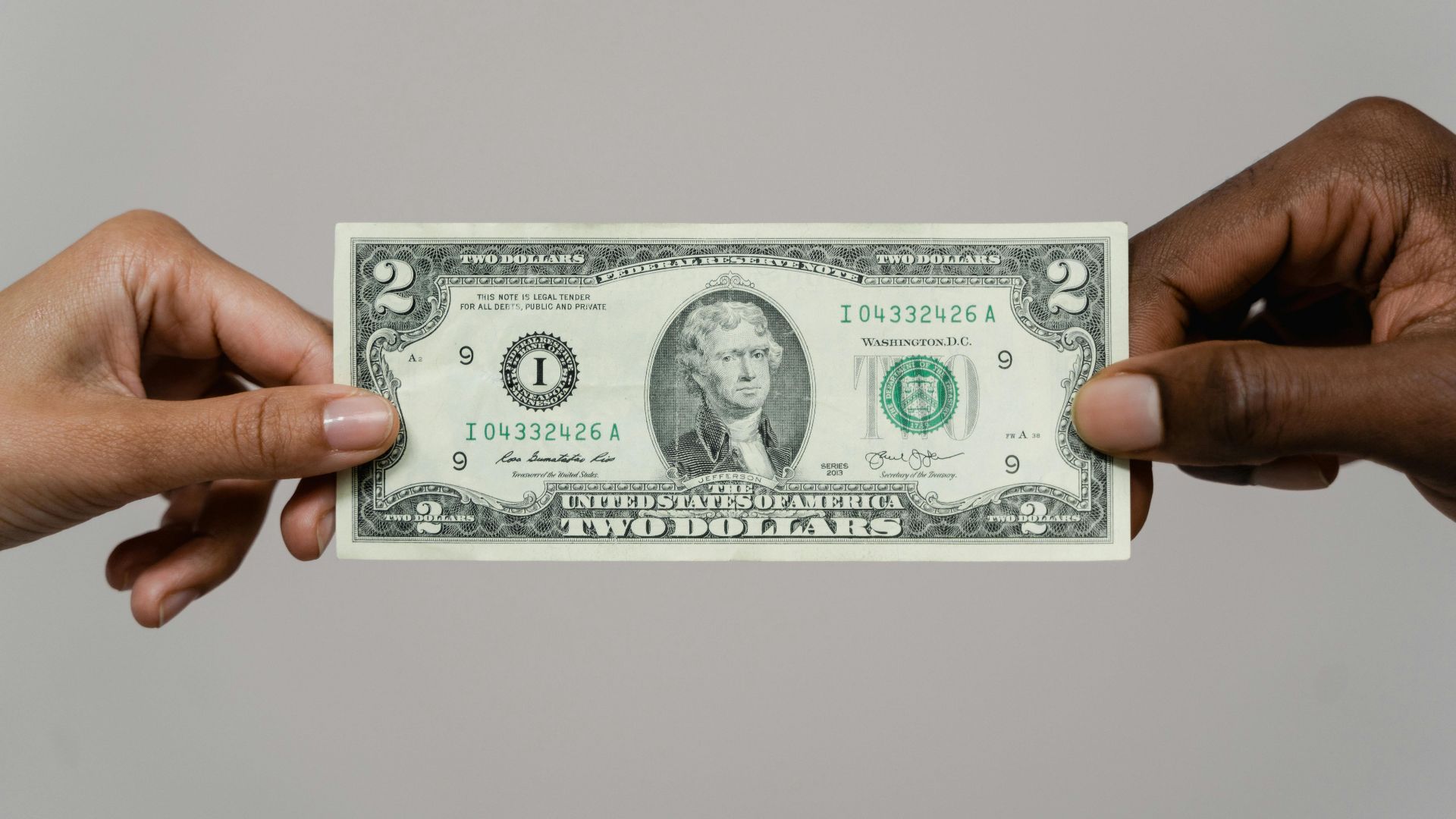
The $2 bill is a current U.S. denomination, featuring Thomas Jefferson and the Declaration of Independence on the back. Federal law says U.S. coins and currency are legal tender for debts, taxes, dues, and public charges.
So Why Did The Bank Refuse?
The issue probably was not the denomination itself. The bank may have worried about counterfeit risk, counting workload, deposit procedures, or whether the bills were damaged, bundled strangely, or suspicious under internal policies.

Legal Tender Does Not Mean Automatic Acceptance
This is the confusing part: “legal tender” does not always mean every business or bank must accept every cash payment in every situation. The Federal Reserve says private businesses can set cash policies unless state law says otherwise.

Banks Have Rules Too
Banks are not cash-eating robots. They follow internal rules, anti-money-laundering policies, counterfeit checks, teller limits, and reporting requirements. A stack of 1,000 unusual bills may trigger extra caution.

Your Money Is Still Money
A $2 bill is worth $2. Not $1. Not “fake.” Not “collector money only.” Unless it is counterfeit or badly damaged, your $2 bills are valid U.S. currency.

The Teller May Simply Be Unfamiliar
Because $2 bills are uncommon in daily use, some workers rarely handle them. That can lead to confusion. It sounds silly, but unusual money can make people pause.

Ask For A Manager
Your first move should be calm and boring: ask for a branch manager. Do not argue at the window. Say, “These are U.S. $2 bills, and I would like to deposit them. What is the bank’s policy?”

Bring Your Account Information
Banks are more comfortable accepting cash from known customers. Bring your debit card, ID, and deposit slip. If you are not a customer, the bank may be less willing to help.

Sort And Count The Bills
Make the deposit easy. Face all bills the same direction, count them clearly, and bundle them in stacks. A messy shoebox of Jeffersons is funny at home, less funny at a teller station.

Ask About Cash Deposit Limits
Some branches limit how much loose cash they will process immediately. They may require an appointment, commercial teller service, or a delayed verification process.

Try Another Branch
One branch’s refusal may not represent the whole bank. Call another branch and ask whether they accept large deposits of $2 bills. Get the manager’s name before going.

Use Your Bank’s Main Support Line
Call customer service and explain the situation. Ask them to confirm whether $2 bills can be deposited and whether the branch should process them.

Do Not Spend Them All In Frustration
It may be tempting to buy groceries with 1,000 $2 bills just to prove a point. Funny? Yes. Efficient? Absolutely not. Deposit strategy beats chaos.

Watch For Rare Bills
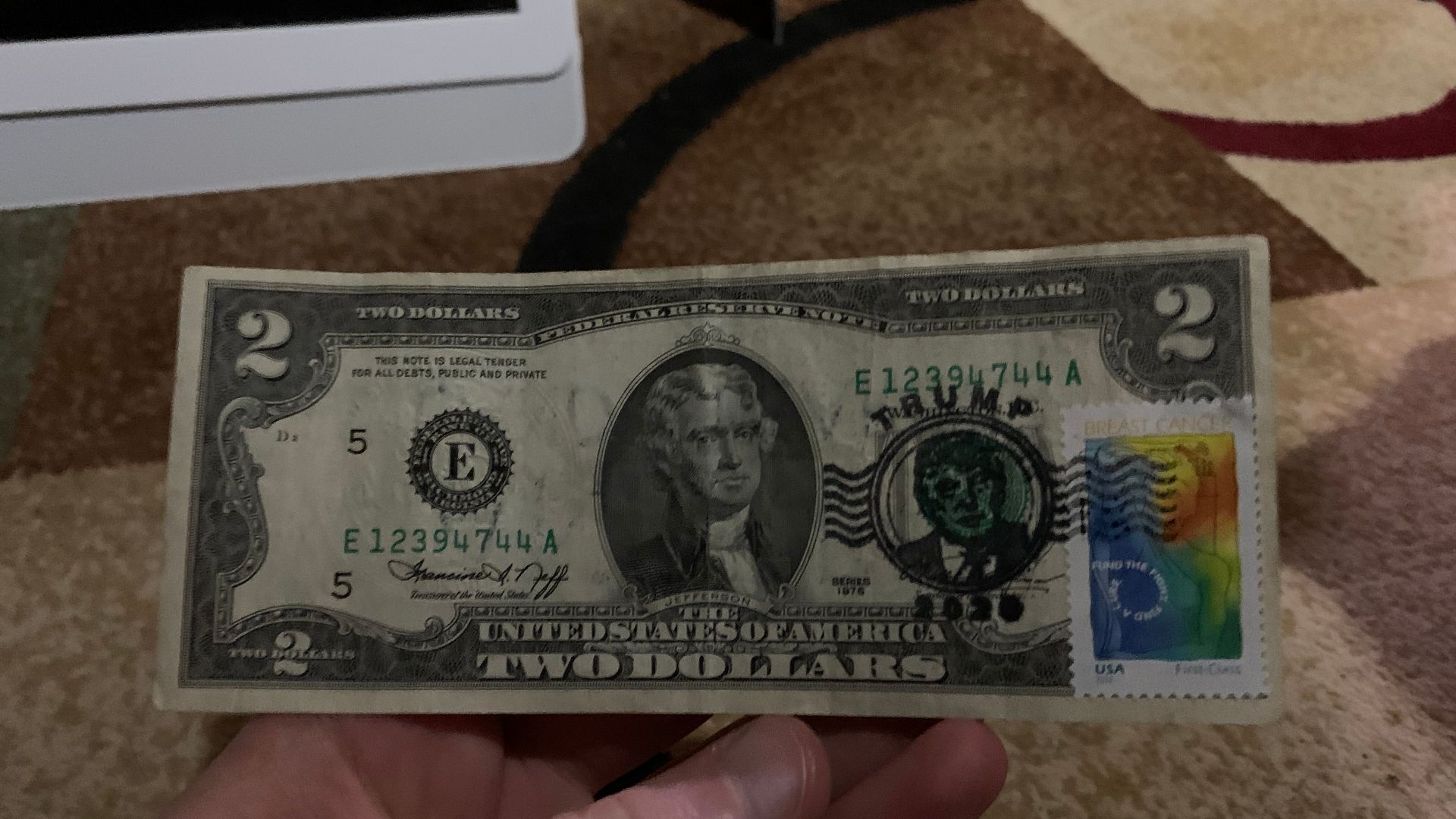
Before depositing everything, check for unusual older notes, star notes, printing errors, or crisp uncirculated bills. Some $2 bills may be worth more than face value to collectors.
Most Are Worth Face Value
Do not assume every $2 bill is a treasure. Many modern $2 bills are simply worth $2. The real win here is that you saved $2,000.
Damaged Bills Are Different
If bills are torn, burned, moldy, or badly stained, the bank may reject them. Mutilated currency can sometimes be redeemed through official channels, but that is a separate process.
Counterfeit Concerns Can Happen
A bank can examine suspicious bills before accepting them. That does not mean you did anything wrong. It means the bank wants to verify the money.

Ask For The Refusal In Writing
If the bank still refuses, politely ask for the policy in writing. This often encourages a clearer answer. It also gives you something useful if you escalate.

Escalate Within The Bank
Contact the bank’s regional manager or corporate complaint line. Include the date, branch, amount, and what you were told. Keep it factual, not fiery.

Consider A Different Bank
If your bank will not accept valid cash from an account holder, that is a customer-service problem. Another bank or credit union may handle the deposit more sensibly.

Deposit In Smaller Batches
You might avoid drama by depositing $200 or $400 at a time. It is slower, but it may fit branch workflow better and reduce teller hesitation.

Use $2 Bills For Fun Spending
Keep some for tips, gifts, birthdays, or lucky-money envelopes. People remember $2 bills. They make ordinary cash feel oddly delightful.
But Do Not Store Savings Only In Cash
Cash savings can be lost, stolen, or damaged. Once deposited, your $2,000 can earn interest, pay bills, or sit safely in an insured account.
The Big Lesson
You were right: $2 bills are legal U.S. money. But banks may still require proper handling, verification, or escalation before accepting a large pile of them.

What To Say Next Time
Try this: “I’d like to deposit $2,000 in U.S. $2 bills. They are sorted and counted. Can you process this today, or should I make an appointment?”

The Bottom Line
Your $2 bills are real. Your savings are real. The refusal was likely about policy, process, or confusion—not the value of the money. Stay calm, escalate politely, and make the bank explain itself.

You May Also Like:
My friend says you should always carry a balance on your credit card to build credit. Is that true?