
Someone signed a check over to me, but no bank will cash it. I thought that was allowed—what’s going on?

Someone signed a check over to me, but no bank will cash it. I thought that was allowed—what’s going on?


April 30, 2026 | Jesse Singer

Someone signed a check over to me, but no bank will cash it. I thought that was allowed—what’s going on?


Why Won’t Anyone Cash This?

You’ve got a check. It’s signed over to you. Your name is on it. It feels like it should be simple—walk into a bank, get your money, done. But instead, you keep getting turned away. So what’s actually going on here?

Older lady at bank with checkFactinate

Advertisement

The Situation Feels Straightforward

Someone gave you a check and signed it over to you. It’s filled out properly, endorsed, and clearly meant for you. We all remember when this kind of thing happened all the time—and cashing it wasn’t a problem at all at most banks.
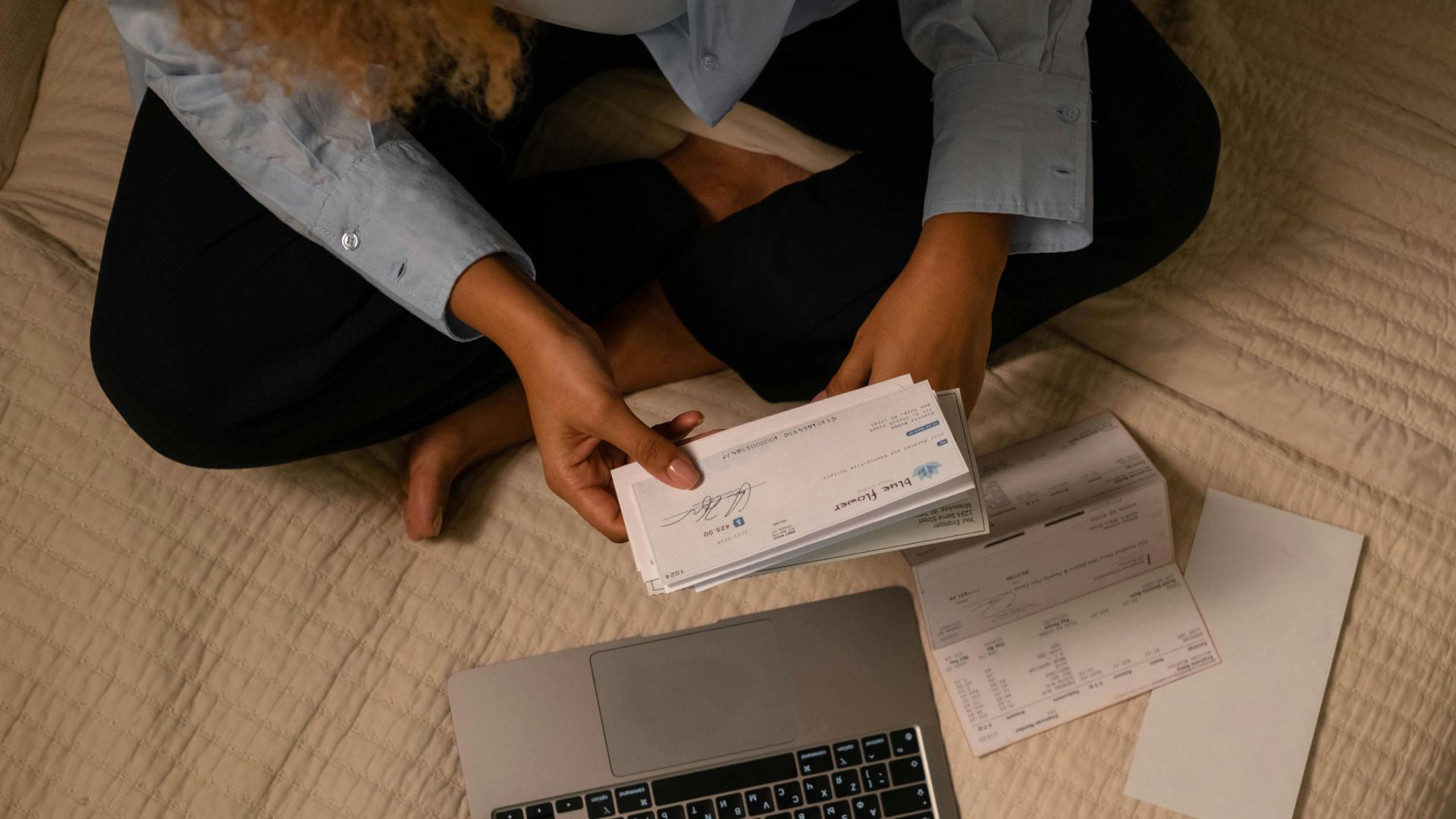
Overhead view of woman organizing finances on bed with laptop and checks.cottonbro studio, Pexels

Advertisement

This Is Called a Third-Party Check

What you’re holding is known as a third-party check. That means the original recipient signed it over to someone else—you. It’s essentially a check that’s been passed from one person to another after it was originally issued to someone else.

a woman looking at a computer screenJonathan Borba, Unsplash

Advertisement

It Sounds Like It Should Be Fine

Third-party checks are technically legal in the U.S. There’s no federal law banning them outright at the national level. So your assumption that it should work isn’t wrong—it’s just not the full story anymore based on how checks have traditionally worked for decades.

a woman with pink hair is looking at a laptopParabol | The Agile Meeting Tool, Unsplash

Advertisement

Banks Don’t Have to Accept Them

Here’s the key issue: banks are not required to cash third-party checks under current banking rules. Even if everything looks valid, they can still refuse. And these days, many of them do by default without exceptions.
a woman sitting on a couch using a laptop computerAnnie Spratt, Unsplash

Advertisement

Federal Rules Don’t Help Here

There are federal rules around checks called Regulation CC, but they mostly deal with how quickly deposited funds must be made available after processing. They don’t require banks to cash checks—especially for non-customers or third-party checks.

Elderly woman in green jacket using a tablet indoors, showcasing technology use in modern lifestyles.RDNE Stock project, Pexels

Advertisement

Even That Bank Can Say No

Even if the check is drawn from a specific bank, that bank still doesn’t have to cash it for you if you’re not a customer. That surprises a lot of people the first time it happens.

A Tired Woman using a LaptopMART PRODUCTION, Pexels

Advertisement

Fraud Is the Biggest Reason

Third-party checks are considered high-risk in modern banking systems. It’s easier to fake signatures, pressure someone into signing, or pass along a bad check without detection. From a bank’s perspective, there’s more that can go wrong quickly.

Side view of surprised elderly female with cellphone covering mouth against cabinet and plant at homeTeona Swift, Pexels

Advertisement

Fraud Has Been Rising

Check fraud has been increasing in recent years, with billions of dollars in attempted and actual losses reported annually across the U.S. financial system. That’s pushed banks to tighten policies and avoid anything that adds extra verification risk.

Woman in Blue Denim Jacket Holding Laptop While CookingElina Fairytale, Pexels

Advertisement

If Something Goes Wrong, The Bank Pays

If a check turns out to be fraudulent or bounces after being cashed, the bank can be financially responsible in certain situations—especially if they cashed it for someone who isn’t their customer. That risk makes them extra cautious today.

Professional woman in discussion over a financial graph in an office setting.Pavel Danilyuk, Pexels

Advertisement

A Signature Isn’t Always Enough

Even a properly signed endorsement doesn’t guarantee a bank will accept it under current policies. The decision still comes down to the bank’s internal risk rules, not just what’s written on the check itself.
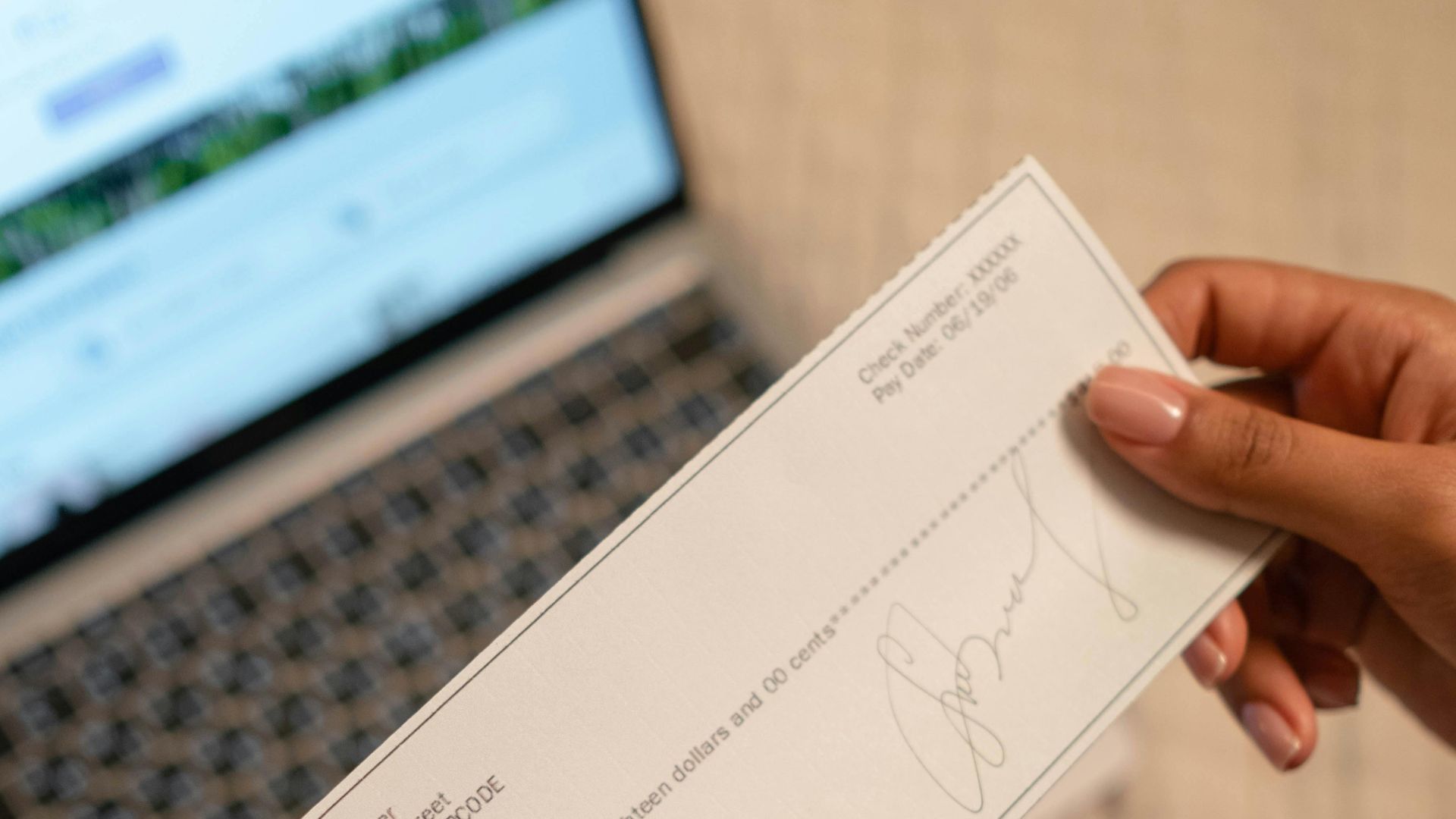
Individual holding a cheque over laptop, signifying online banking or financial transaction.cottonbro studio, Pexels

Advertisement

There’s More Than One Kind of “Approval”

A simple signature on the back isn’t the same as a verified endorsement or guarantee. Some transactions require additional verification steps that most people don’t even know exist until they’re denied, depending on the bank’s internal policies and risk controls.

Thoughtful young woman posing indoors with hand on face.Alexey Demidov, Pexels

Advertisement

Policies Have Tightened Over Time

Years ago, it was more common for banks to accept these types of checks without much hesitation. But with rising fraud and stricter internal policies, many banks have quietly stopped allowing them altogether.

A Woman Looking a LaptopYan Krukau, Pexels

Advertisement

Some Banks Won’t Even Consider It

A lot of major banks now have blanket policies: no third-party checks, period, regardless of circumstances. It doesn’t matter how small the amount is or how legitimate it looks at first glance.

A classy interaction between a gentleman and a waiter at a stylish vintage bar setting.cottonbro studio, Pexels

Advertisement

Others Only Allow It in Rare Cases

Some banks will still accept them, but only if both people are present with valid ID, the check is deposited instead of cashed, and you’re an existing customer. Even then, approval isn’t guaranteed.

Elderly woman sitting at a table using a laptop, relaxing in a cozy home setting.cottonbro studio, Pexels

Advertisement

Being a Customer Matters More Than You Think

Walking into a random bank and asking them to cash a check is already difficult today. Add in a third-party endorsement, and the answer is almost always going to be no without hesitation.
Modern busy city street in dark eveningZeeshaan Shabbir, Pexels

Advertisement

Even Check-Cashing Stores May Refuse

Places that specialize in cashing checks sometimes won’t take third-party checks either due to risk. The fraud concern applies to them too, and their policies are often just as strict as banks.
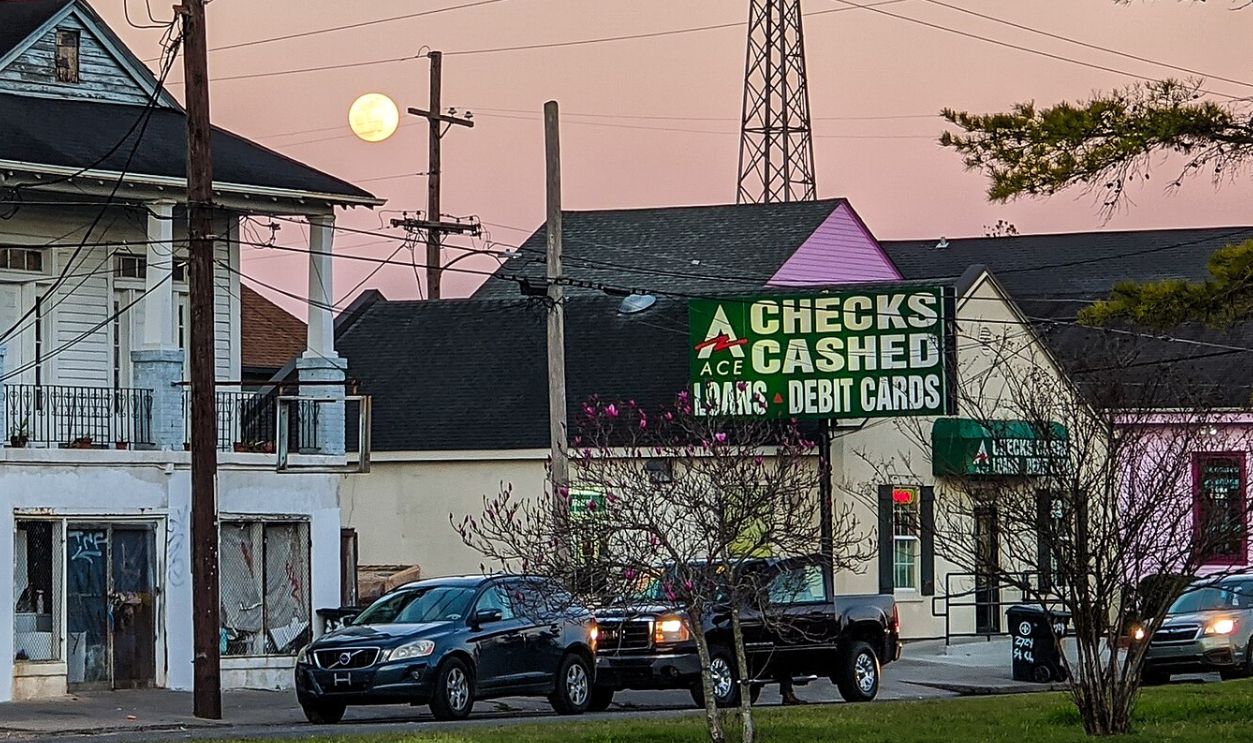
File:Moon Over Check Cashing - St. Claude Avenue, New Orleans.jpgBart Everson, Wikimedia Commons

Advertisement

Mobile Deposit Usually Won’t Work Either

Most mobile banking apps will usually reject third-party checks during the deposit process. Since both parties can’t be verified digitally at once, the system flags or blocks the deposit entirely.

Young Woman Enjoying Smartphone OutdoorsAnna Shvets, Pexels

Advertisement

Fees Can Make It Worse

In rare cases where a bank does agree to cash it, they may charge a service fee—especially if you’re not a customer. So even when it works, it can cost you part of the check amount.

Focused woman working on laptop in a stylish home office environment, emphasizing a modern and relaxed work setting.Mikhail Nilov, Pexels

Advertisement

The Check Might Be Valid—But Still Unusable

This is the frustrating part many people don’t expect. The check itself might be completely legitimate and funded. But because of how it was signed over, you’ve ended up with something that’s hard to actually use anywhere.

A woman in a green coat leans against a brick wall, reflecting deeply outdoors.Mikhail Nilov, Pexels

There’s No Universal Rule Banks Have to Follow

Each bank sets its own policies on this type of transaction based on internal risk tolerance. There’s no universal rule requiring banks to accept them, which is why answers vary—but increasingly trend toward no.
Arrow Sign, Chimney and Building on City StreetMalcolm Garret, Pexels

Advertisement

So What Can You Actually Do?

At this point, you’ve got a few realistic options available. None are as simple as just cashing it immediately, but they can help you actually access the money without getting stuck.

Thoughtful businesswoman using tablet outside modern office building.Mizuno K, Pexels

Advertisement

Option 1: Go Back To The Original Payee

The cleanest solution is to have the person who originally received the check deposit or cash it themselves first, then give you the money directly afterward in cash or transfer.

Business colleagues engaging in a productive discussion in an office setting.Jack Sparrow, Pexels

Advertisement

Option 2: Ask For A New Check

If possible, have the original issuer cancel the first check and write a new one directly to you instead. This avoids the third-party issue entirely and removes most of the risk.

Male entrepreneur wearing formal suit sitting at table in workplace and signing documents while making successful business dealAndrea Piacquadio, Pexels

Advertisement

Option 3: Try Depositing It Instead

Some banks are more willing to deposit a third-party check into your account rather than hand you cash immediately. You may still face a hold, but it’s sometimes accepted under stricter review.

A thoughtful elderly woman wearing glasses, captured in a candid moment indoors.www.kaboompics.com, Pexels

Advertisement

Option 4: Visit Your Bank With Both People

If the person who signed it over can go with you to your bank branch and show valid ID, you may have a better chance of approval. This helps reduce the bank’s fraud risk concerns.
Two women walking in downtown Chicago on a sunny day, showcasing urban lifestyle and architecture.Airam Dato-on, Pexels

Advertisement

Option 5: Be Ready For Delays

Even if a bank accepts it, they’ll likely place a hold on the funds for several business days. That’s their way of making sure the check fully clears before giving you access.

Woman Pink Long Sleeves Using a Laptopcottonbro studio, Pexels

Advertisement

Why This Feels So Frustrating

You’re not wrong to expect this to work based on past experiences. The system technically allows third-party checks—but in practice, banks have moved away from them without most people realizing it.

Young woman in white blouse using smartphone while sitting on an orange sofa surrounded by plants.www.kaboompics.com, Pexels

Advertisement

So…Did You Do Anything Wrong?

No. You didn’t mess anything up or misuse the check. You just ran into a part of the banking system that still exists on paper, but doesn’t work the way people expect anymore.

Elderly woman outdoors with a thoughtful expression, hand on face, in natural light.Kindel Media, Pexels

Advertisement

The Bottom Line

A check signed over to you might look like money in your hand at first—but today, it’s often more like a dead end in practice. If you run into this, the fastest fix is usually getting a new check written directly to you.

A senior woman outdoors wearing a blue jacket, looking contemplative under a cloudy sky.Gantas Vaiciulenas, Pexels

Advertisement

You Might Also Like:

I tried to exchange $500 in coins at the bank, and the teller said they’d have to report it. Report what?

I'm looking for a new bank. My brother says I should go with one of the "Big 5" but my friend recommended a Credit Union. Who's right?

Sources:  123


READ MORE

Mature woman analyzing financial documents and bills

My HOA just introduced a new fee that wasn’t in the original agreement when I bought my place. Do I have to pay it?

You bought your place, signed the paperwork, and thought you had everything figured out—then your HOA suddenly rolls out a brand-new fee that no one mentioned before. It’s frustrating, confusing, and honestly feels a little unfair. The reality, though, is that HOA rules aren’t always locked in forever, and what you agreed to at the start isn’t always the final version.
April 30, 2026 J. Clarke
Angry man, Happy nurse

I bought a house when my mother was sick, expecting an inheritance. Instead she left it all to the nurse who cared for her for 5 years. What can I do?

You made a major financial decision based on what seemed like a sure thing. Then everything flipped. Your mother passed away, and instead of an inheritance, her caregiver received it all. It feels wrong, but is it actually illegal?
April 28, 2026 Jesse Singer

I've received my paycheck every 2 weeks like clockwork. Now, my boss wants to pay me only in cash. Should I ask why?

Boss suddenly wants to pay you in cash? Here’s why that can be legal, why it can also be a red flag, and what to ask before accepting your next envelope.
April 30, 2026 Jack Hawkins

I've been saving $2 bills for 2 years. I've collected $2,000. My bank refused the money. I thought $2 bills were legal tender?

A saver collected $2,000 in $2 bills, only to have the bank refuse them. Are $2 bills legal tender, and what can you do when cash gets rejected?
April 30, 2026 Jack Hawkins
boss internal

I was fired from my job six months ago due to "restructuring". Now, they're calling me daily for support. Can I insist on being paid as a consultant?

Laid off six months ago but now your old employer keeps calling for help? Here’s how to set boundaries, ask for consulting pay, and protect your time.
April 30, 2026 Jack Hawkins
Real estate agent discussing property paperwork with a couple on a porch.

We listed our house and got a full-price offer within hours—sight unseen. Should we take it or wait for better offers to come in?

You may be surprised by how quickly aggressive offers come in when you list your home.
April 30, 2026 Quinn Mercer


Disclaimer

The information on MoneyMade.com is intended to support financial literacy and should not be considered tax or legal advice. It is not meant to serve as a forecast, research report, or investment recommendation, nor should it be taken as an offer or solicitation to buy or sell any securities or adopt any particular investment strategy. All financial, tax, and legal decisions should be made with the help of a qualified professional. We do not guarantee the accuracy, timeliness, or outcomes associated with the use of this content.


Dear reader,


It’s true what they say: money makes the world go round. In order to succeed in this life, you need to have a good grasp of key financial concepts. That’s where Moneymade comes in. Our mission is to provide you with the best financial advice and information to help you navigate this ever-changing world. Sometimes, generating wealth just requires common sense. Don’t max out your credit card if you can’t afford the interest payments. Don’t overspend on Christmas shopping. When ordering gifts on Amazon, make sure you factor in taxes and shipping costs. If you need a new car, consider a model that’s easy to repair instead of an expensive BMW or Mercedes. Sometimes you dream vacation to Hawaii or the Bahamas just isn’t in the budget, but there may be more affordable all-inclusive hotels if you know where to look.


Looking for a new home? Make sure you get a mortgage rate that works for you. That means understanding the difference between fixed and variable interest rates. Whether you’re looking to learn how to make money, save money, or invest your money, our well-researched and insightful content will set you on the path to financial success. Passionate about mortgage rates, real estate, investing, saving, or anything money-related? Looking to learn how to generate wealth? Improve your life today with Moneymade. If you have any feedback for the MoneyMade team, please reach out to [email protected]. Thanks for your help!


Warmest regards,

The Moneymade team