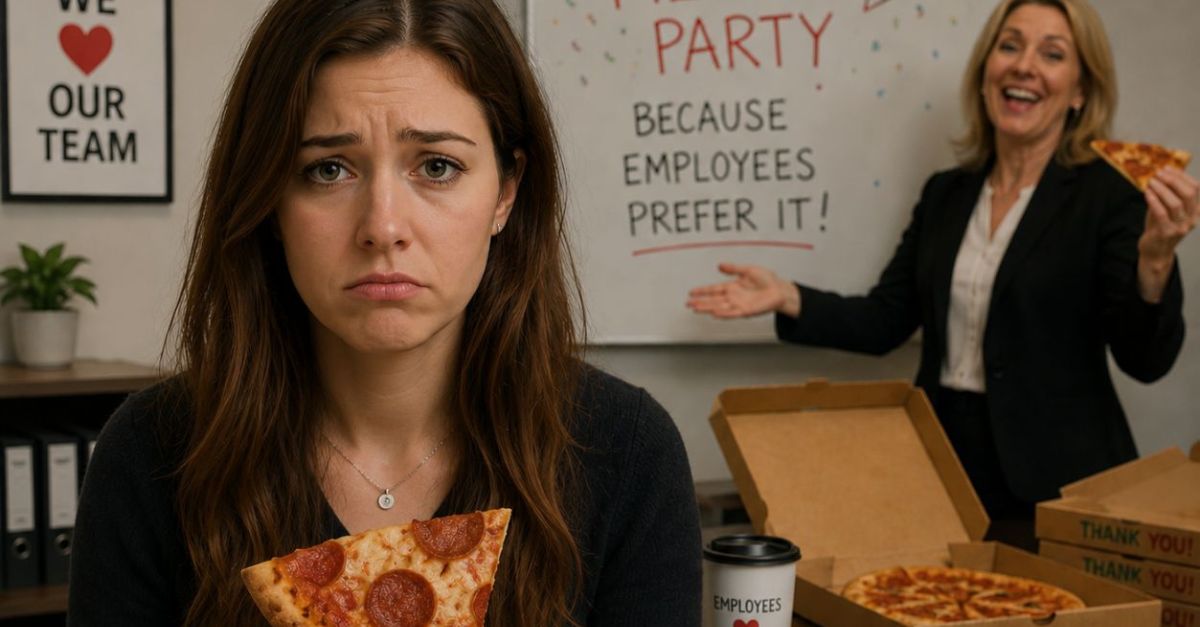
The Slice That Was Supposed To Replace A Raise
If your boss is acting like a pepperoni pizza can do the job of a pay increase, you are not imagining how ridiculous that sounds. The idea comes up often enough that it has become a workplace joke, especially when budgets are tight and morale is shaky. The short answer is that most workers are not buying it, and the data on pay, morale, and retention makes that pretty clear.
Why This Question Hits A Nerve
Pay is not just about groceries and rent. It is also one of the clearest signals an employer sends about how much it values your work. When a company swaps raises for food, swag, or forced fun, employees often see that as a downgrade dressed up as generosity.

What Workers Actually Say They Want
Pew Research Center surveyed U.S. workers in 2023 and found low pay was the top reason people quit a job in 2021. The same survey found 63% of workers said it was extremely or very important to have a job they enjoy, while 62% said the same about good pay. That matters because it shows culture and compensation both matter, but money is still central.

Raises Beat Perks In Plain English
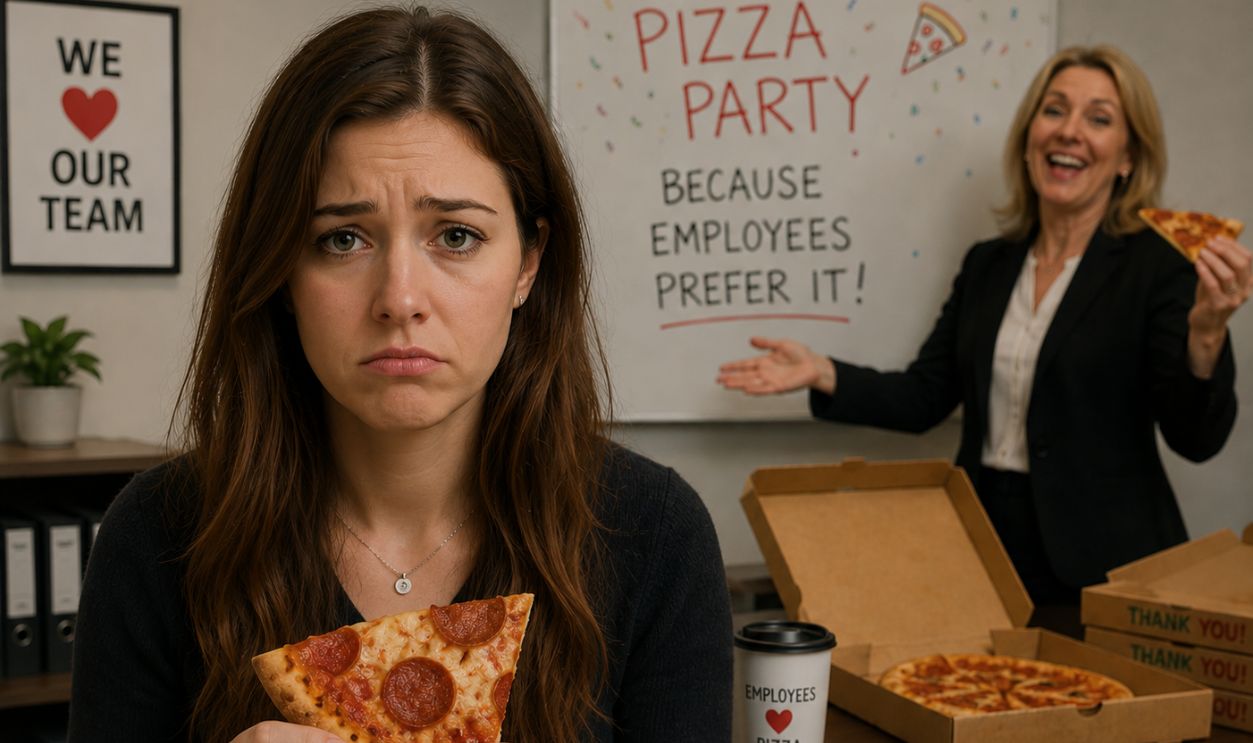
A pizza party is a perk, not compensation. Perks can be nice on top of fair pay, but they do not help with a car payment, child care bill, or rising insurance premium. When workers say they want to feel appreciated, that appreciation usually lands better when it shows up in a paycheck.

Inflation Made The Whole Debate Worse
The Bureau of Labor Statistics reported inflation surged to levels Americans had not seen in decades in 2022, pushing up the cost of basics like food, housing, and transportation. In that kind of economy, a missing raise did not feel symbolic. It felt like a direct pay cut in real terms.

Nominal Raises Can Still Leave You Behind
Even when employers do hand out raises, workers can still lose ground if wage growth does not keep up with inflation. The Economic Policy Institute has repeatedly tracked this gap, showing periods when prices climbed faster than pay. That is one reason employees tend to be deeply skeptical of noncash rewards during expensive years.

The Great Resignation Sent A Clear Message
In 2021 and 2022, workers quit in huge numbers, and compensation was a big part of the story. The U.S. Chamber of Commerce and other labor market trackers pointed to strong demand for workers, better outside offers, and changing expectations around pay and flexibility. Employers learned the hard way that gratitude speeches and pizza are easy to mock when someone down the street is offering more money.

Retention Has A Price Tag
Replacing an employee is usually much more expensive than buying lunch for the office, but it is also more expensive than many managers like to admit. The Society for Human Resource Management has cited research showing replacement costs can range from several months of pay to far more, depending on the role. If a company is trying to save money by skipping raises, high turnover can wipe out those savings fast.

Gallup Found Recognition Matters, But So Do The Basics
Gallup's workplace research has long shown that recognition, engagement, and a sense of purpose can improve performance. But Gallup does not argue that appreciation can replace fair compensation. Recognition works best as a complement to solid pay and decent management, not as a substitute for them.

Pizza Can Lift The Mood For About Fifteen Minutes
Food can create a moment of camaraderie. People like free lunch, and shared breaks can strengthen team bonds. The problem starts when leaders present a temporary treat as if it equals a permanent increase in compensation.

Employees Are Good At Spotting Spin
Workers usually know the difference between a morale event and a financial reward. A party says, “We want a fun afternoon.” A raise says, “We expect your work to keep creating value, and we are willing to share more of it.” Those are not the same message.

There Is Evidence That Benefits Matter Too
This does not mean every worker only cares about salary. Surveys from Pew and other organizations show employees also place high value on flexibility, health insurance, paid time off, and meaningful work. Still, those preferences do not erase the importance of direct pay, especially when household budgets are under strain.

Managers Sometimes Confuse Visibility With Value
A pizza party is visible. Everyone sees the boxes, smells the food, and hears the boss make a cheerful speech. A raise is quieter, but it usually matters much more because it keeps paying off long after the napkins are gone.

Why Employers Lean On Cheap Morale Boosters
Sometimes companies are genuinely under financial pressure and cannot easily increase payroll. In other cases, leaders may believe culture perks are what younger workers really want. But the available labor data does not support the idea that workers broadly prefer occasional snacks over stronger compensation.

What The Research Says About Pay And Motivation
Economists and workplace researchers have long found that money is not the only motivator, but it remains a powerful one. Pay affects effort, retention, and whether workers feel treated fairly compared with peers and outside job options. If employees think the exchange is lopsided, motivation tends to suffer.

Fairness Is Often The Real Issue
Even a generous office lunch can backfire if workers think leadership is dodging a harder conversation about wages. Fairness is a major driver of workplace satisfaction. When people feel underpaid, a forced celebration can come across as tone-deaf rather than thoughtful.

The Cost Of Living Does Not Accept Pizza Slices
Landlords want rent in dollars. Utility companies want dollars too. Employers can celebrate team spirit all they want, but workers still need cash compensation that keeps pace with real life.

There Is A Tax And Accounting Difference Too
From the employer's side, a one-time food expense is simpler and often cheaper than permanently raising wages. From the employee's side, that is exactly the problem. A recurring raise changes future earnings, while a lunch disappears by the end of the day.

What Happens To Trust When Raises Vanish
Trust can erode quickly when companies rebrand cost-cutting as employee preference. If workers hear, “You actually like this better,” while feeling financially squeezed, they may conclude leadership is out of touch or not being honest. That can do more damage to morale than skipping the party would have.

Not Every Noncash Reward Is Useless
To be fair, some alternatives to pay can meaningfully improve job quality. Better scheduling, more paid leave, child care help, stronger health benefits, and remote work options can all matter a lot. But that is a very different thing from replacing annual raises with occasional pizza.

When Pizza Parties Do Make Sense
Pizza parties can be perfectly fine when they are exactly what they claim to be. They work as a celebration after a major deadline, a small thank-you, or a social event that gives people a break. Trouble starts when management tries to sell them as proof that raises are no longer necessary.

What To Listen For From Your Boss
If a boss says employees prefer parties to raises, ask whether the company actually surveyed workers and what the results showed. Ask whether wages have kept up with inflation and market rates for similar roles. A broad claim about employee preference should be backed by real evidence, not wishful thinking.

How To Push Back Without Sounding Combative
Keep the conversation practical. You can say you appreciate team events, but compensation is a separate issue tied to retention, cost of living, and your contributions. Framing it around market pay and measurable performance can work better than arguing about whether pizza is insulting.

What To Ask For Instead
If a full raise is off the table, ask about a bonus, a salary review date, extra paid time off, a stipend, professional development funding, or a clear path to higher pay. Specific asks are usually stronger than general frustration. They also force management to respond with something more concrete than a lunch order.

If Your Company Truly Cannot Pay More
Some businesses really are stretched, and not every manager controls compensation policy. In that case, transparency matters. Employees are more likely to respect an honest explanation with timelines and alternatives than a chirpy claim that pizza is what everyone wanted anyway.

The Bigger Truth Behind The Joke
The pizza-party cliché caught on for a reason. It captures a real tension in modern work, where employers talk about culture while workers worry about bills. That mismatch turns a simple lunch into a symbol of whether a company understands what its people actually need.

So Is Anyone Actually Buying It
Some employees may enjoy the food and smile for the group photo, but that does not mean they see it as a fair trade for a raise. The best available evidence from labor surveys, inflation data, and retention research points the other way. Workers may appreciate the pizza, but most would still rather have the money.