A Lot Of Money In Small Change
Your dad spent years putting away jars, boxes, and rolls of coins. Now they're yours, and once you start adding everything up, there could be thousands of dollars sitting there. So what happens when you finally turn all that change into usable money? Does any of it need to be reported to the IRS?

Then There's That $10,000 Number
If you've ever heard that banks have to report cash transactions over $10,000, this situation might suddenly feel a little more complicated. There really is a federal reporting rule tied to that number. But what it actually means—and whether it has anything to do with owing taxes on Dad's coins—is another question entirely.

First, The Good News
Generally, property you receive as an inheritance isn't included in your federal taxable income. So if your dad left you $4,000 or $8,000 worth of coins, inheriting them doesn't normally mean you suddenly have another $4,000 or $8,000 of taxable income to report. That's reassuring, but it still doesn't settle what happens when you take those coins to the bank.

Inheriting Money Isn't The Same As Earning It
If your dad left you $1,000 in quarters, that's different from your employer paying you another $1,000. You're receiving property through an inheritance rather than earning new income, so simply becoming the owner of those coins generally isn't what creates an income-tax bill. The bigger question is whether cashing them in changes anything.

What If You Cash Them All In?
Say you count everything and discover there are $3,800 worth of pennies, nickels, dimes, and quarters. If you exchange $3,800 in ordinary coins for $3,800 in bills, you haven't suddenly earned another $3,800. You're basically changing the form of money you already own. But putting it into your bank account is where people tend to get nervous.

What If You Deposit The Money?
A few thousand dollars suddenly appearing in your checking account can feel very different from having the same amount sitting in coin jars at home. And because banks do have federal reporting obligations, it's understandable to wonder whether a large deposit automatically gets reported to the government. That's where that $10,000 number comes back into the story.

There Really Is A $10,000 Reporting Rule
Banks generally must file a Currency Transaction Report with FinCEN when certain currency transactions total more than $10,000 in a single business day. That can include deposits, withdrawals, exchanges, and certain other transactions. So yes, the rule you've probably heard about is real. But what that report actually means is where people often get confused.

A Bank Report Isn't A Tax Bill
A Currency Transaction Report doesn't mean the bank has decided your money is taxable. It doesn't turn an inheritance into income, and it doesn't mean you've done anything wrong. It's part of the federal financial-reporting system. In other words, a reported deposit and taxable income are two very different things.

And Coins Can Count As Currency
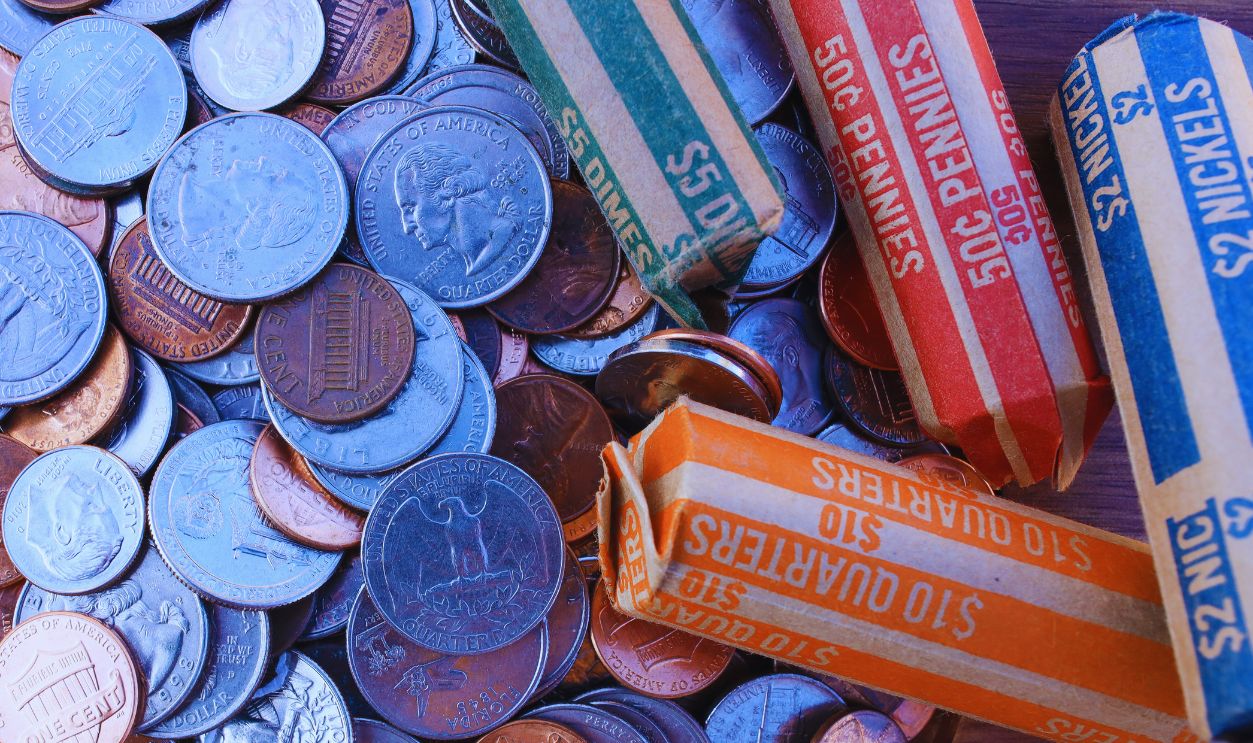
The reporting rules aren't limited to someone walking into a bank carrying stacks of $100 bills. U.S. coins can count as currency too. So if you somehow inherited enough rolled coins to cross the reporting threshold, the fact that the money comes in quarters and dimes doesn't automatically put it outside the rules.
 Andrew julian Photography, Shutterstock
But Thousands Isn't Necessarily $10,000
If your dad left $3,000, $5,000, or $8,000 in ordinary coins and that's your only relevant currency transaction that business day, you're below the more-than-$10,000 Currency Transaction Report threshold. Multiple qualifying transactions on the same business day can be combined, though. And that doesn't mean the smart move is to start arranging deposits around the number.
Don't Try To Stay Under The Limit
If you legitimately have more than $10,000 to deposit, don't intentionally break it into smaller transactions just to avoid the reporting requirement. Deliberately structuring transactions to evade federal reporting rules can itself create serious problems. An innocent inheritance doesn't need to be disguised, and trying to make it look less noticeable can accomplish the exact opposite.

Could The Bank Still Ask Questions?
Sure. A bank can ask about a transaction that looks unusual for your account, even when it's nowhere near $10,000. But "my dad saved these coins for years and I inherited them" is a perfectly reasonable explanation. A question from your bank isn't automatically an accusation, and it doesn't suddenly make the money taxable.

Keep Whatever Records You Have
If you have estate paperwork, photographs, an inventory, old receipts, or other records showing that the coins came from your dad, keep them. You may never need any of it. But if you're depositing thousands of dollars from an inheritance, having something that explains where the money came from can make life a lot easier.

So Is That Basically The End Of It?
If every jar and roll contains ordinary circulating coins worth exactly what they're stamped with, the tax story may be pretty uneventful. You inherited money, and eventually you're exchanging or depositing that money. But before you haul every last roll to the bank, there's one more thing you really should check.

Not Every Quarter Is Necessarily Worth 25 Cents
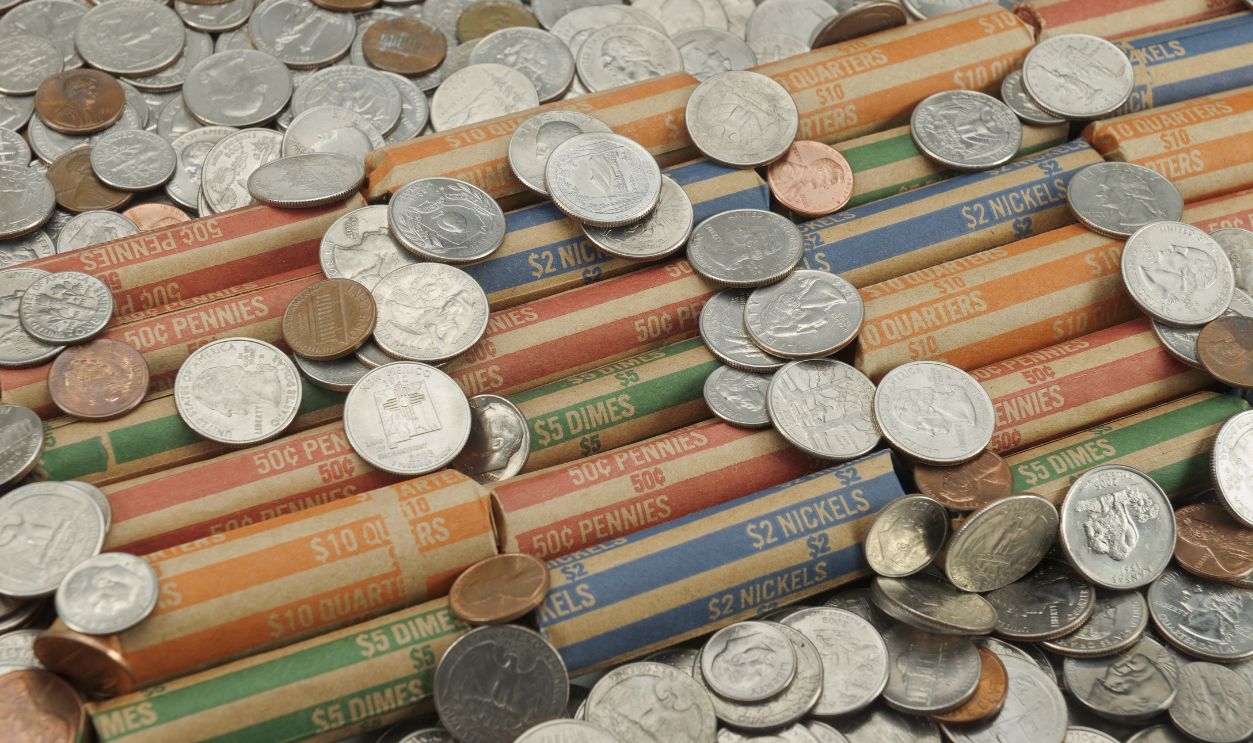
Up to this point, we've treated Dad's collection like ordinary pocket change. But if he saved coins for years, there could be older, unusual, silver, or collectible pieces mixed in. That doesn't mean you've secretly inherited a fortune. It does mean dumping everything into a counting machine before looking through it could be a mistake.
This Creates A Different Tax Question
Ordinary quarters used at face value are basically money. A collectible coin worth hundreds or thousands of dollars is different because it has a market value beyond what's stamped on it. If you eventually sell one of those coins, you're not simply exchanging currency anymore. You're selling inherited property—and that's where another IRS rule kicks in.

Meet Your Tax Basis
When inherited property is eventually sold, one of the most important numbers is its tax basis. Generally, inherited property's basis is its fair market value on the date the person died, although certain exceptions and special valuation rules can apply. It sounds like dry tax jargon, but with a valuable coin it can save you a lot of money.
 https://kaboompics.com/, Pexels
Your Dad's Original Cost May Not Matter
Suppose your dad bought a collectible coin for $100 many years ago, but it was worth $1,000 when he died. Generally, your inherited basis would be tied to that approximately $1,000 date-of-death value rather than the $100 he originally paid. And that changes the tax calculation considerably if you later sell it.
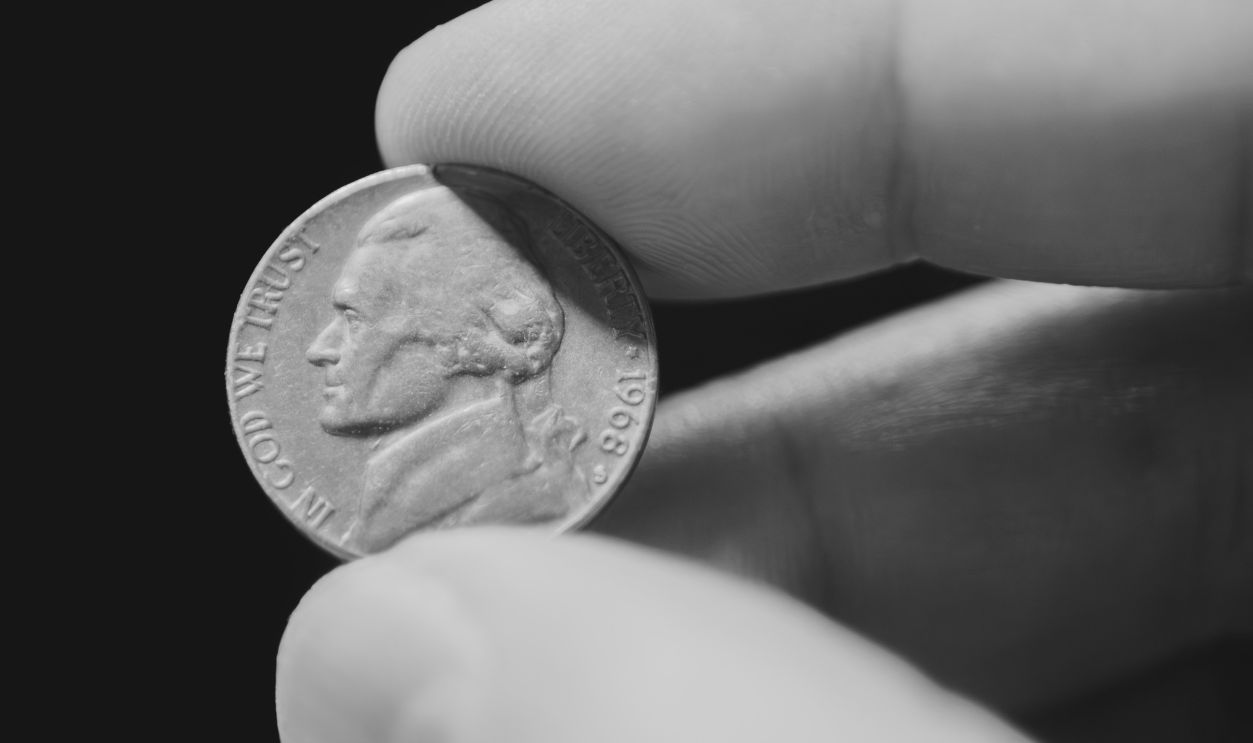
Say You Sell That Coin For $1,100
If your basis is $1,000 and you later sell the coin for $1,100, you're generally looking at roughly $100 of gain before considering other applicable adjustments—not $1,000 or $1,100 of taxable profit. That's why figuring out what valuable inherited property was worth when your dad died can become so important.
Waiting Could Make That Harder
If you discover potentially valuable coins now but don't sell them for another five or ten years, you may eventually need to establish what they were worth around your dad's date of death. Reconstructing that value years later can be much harder than documenting it while the estate and collection are still fresh.

Collectible Coins Have Their Own Tax Twist
The IRS includes certain coins in the collectibles category for capital-gains purposes. Gains on collectibles can be subject to a maximum federal long-term capital-gains rate of 28%. That's higher than the maximum long-term rates many people associate with stocks, but the word "maximum" matters quite a bit here.
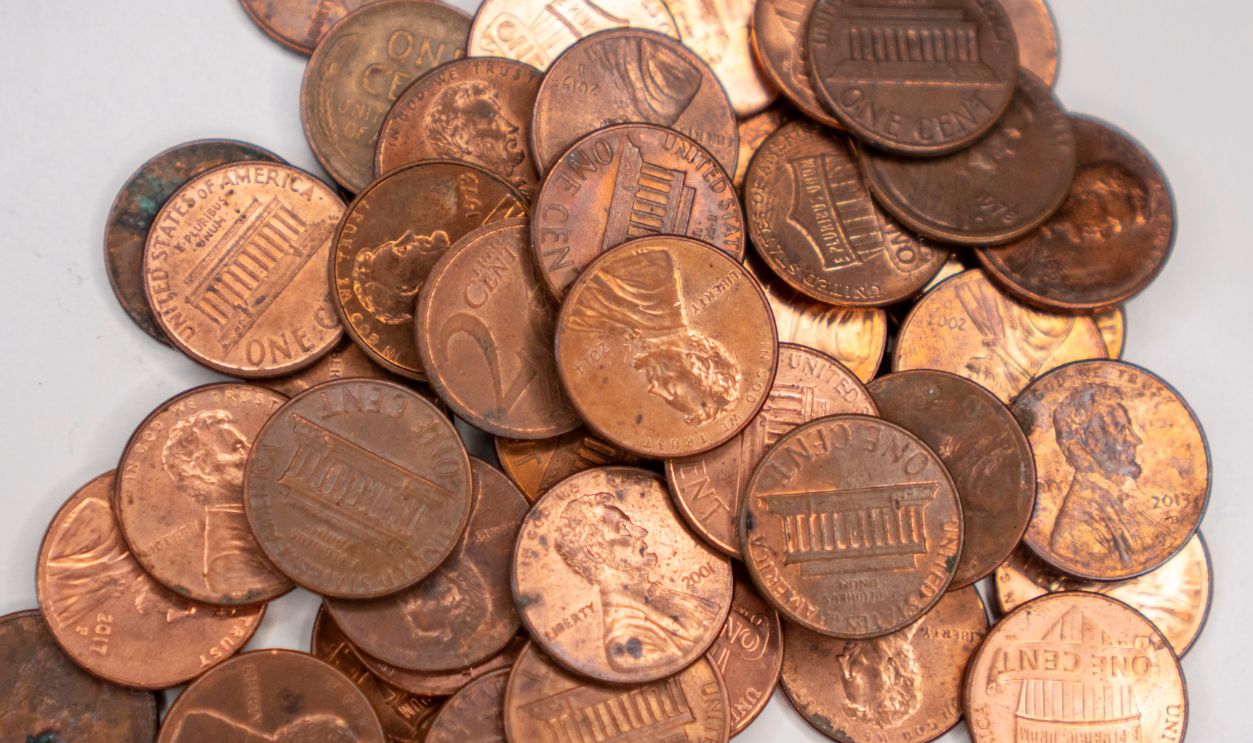
No, It Doesn't Automatically Mean 28%
Seeing "28%" online can make it sound like every dollar of profit from a collectible coin gets taxed at that rate. That's not necessarily the case. The 28% figure is a maximum rate for this category, and depending on your overall taxable income and circumstances, your effective rate on the gain could be lower.

Inherited Property Gets Another Break
Normally, whether a capital gain is short-term or long-term depends heavily on how long you owned the asset. Inherited capital assets generally receive long-term treatment regardless of how long you personally held them before selling. So even if you sell an inherited collectible relatively soon, you generally aren't automatically pushed into short-term treatment.

Selling Is Where Tax Reporting May Appear
If you actually sell valuable inherited coins and realize a gain, that's when tax-return reporting can enter the picture. Sales of capital assets may need to be reported using Form 8949 and Schedule D. Again, that's very different from simply carrying $3,000 worth of ordinary quarters into your bank and depositing them.

Don't Cash Everything In Blindly
Before taking boxes of old coins to a bank or coin-counting machine, give them at least a basic look. Anything older, individually packaged, labeled, unusually shiny, clearly separated, or otherwise treated differently by your dad deserves a second look. The goal isn't to become a coin expert. It's to avoid turning a $200 coin into 25 cents.

An Appraisal Could Be Worth It
If there appear to be genuinely valuable coins in the collection, a qualified coin dealer or appraiser may be able to tell you what you're dealing with. A professional valuation could also help document the value of inherited collectibles if you later need to establish your tax basis when they're sold.

What About Estate Tax?
Federal estate tax is separate from whether you personally report an inheritance as income. For someone who dies in 2026, the federal basic estate-tax exclusion is $15 million. That threshold applies to the broader estate calculation, not simply the value of the coin jars, so a few thousand dollars in coins by themselves generally aren't what would put an estate into federal estate-tax territory.

But The Year Of Death Matters
That $15 million figure applies to deaths in 2026. Federal estate-tax exclusion amounts change over time, so if your dad died in another year, a different amount may apply. The broader estate calculation can also involve prior taxable gifts and other factors. And depending on where he lived, state estate, inheritance, or probate rules could add another layer to the situation.

State Rules Can Be Different
Some states have estate or inheritance taxes of their own, and probate rules also vary from place to place. That doesn't mean a few jars of quarters suddenly require an army of lawyers. But if the overall estate is substantial or the coin collection turns out to be unusually valuable, getting professional advice could make sense.

What Should You Actually Do?
Start by counting the obvious everyday change and keeping anything unusual separate. Hold onto basic documentation showing that you inherited the coins. If everything is ordinary currency, cashing or depositing it generally shouldn't create taxable income by itself. If some of the coins appear valuable, figure out what they're worth before you sell or exchange them.

The Bottom Line
If your dad left behind several thousand dollars in ordinary jars and rolls of coins, you generally don't report that amount as federal taxable income simply because you inherited it. Depositing ordinary coins doesn't magically turn them into earnings either. The bigger complications come from very large currency transactions and collectible coins that may later be sold for a gain. So before you start feeding those rolls into a machine, make sure you know exactly what Dad left behind.

You Might Also Like:
Inflation Problems Boomers Faced In The 70s And 80s That Millennials Can’t Even Imagine