
The Box Is Locked, But Not Every Option Is
Your dad left a safe-deposit box in his name alone. Must everyone wait for probate? Not necessarily. Some states allow a supervised search before an executor receives formal authority.
 simona pilolla 2, Shutterstock Images
One Name Makes A Difference
A sole-name box differs from a jointly rented one. A surviving co-renter may have separate access rights. Otherwise, relatives need a state-law exception or court authorization.

The State Matters More Than The Family Tree
There is no nationwide rule for opening a deceased person's box. California, Florida, Texas, and New York take noticeably different approaches. Check which state governs the box and its procedures.

Start With The Bank, Not A Locksmith
Ask the bank branch about its deceased-renter procedure. Explain that you want to locate estate documents, not collect valuables. The bank can explain required paperwork before scheduling entry.

Ask About A Limited Search
Ask for a "search for a will or burial instructions." Some state provisions specifically address these documents. A limited search can be available even when removing everything from the box is not.

Bring Proof That Your Dad Died
Expect to prove the passing before requesting access. Florida expressly requires satisfactory proof, while California specifies acceptable documents, including a certified death certificate. Ask which documents and identification are required.
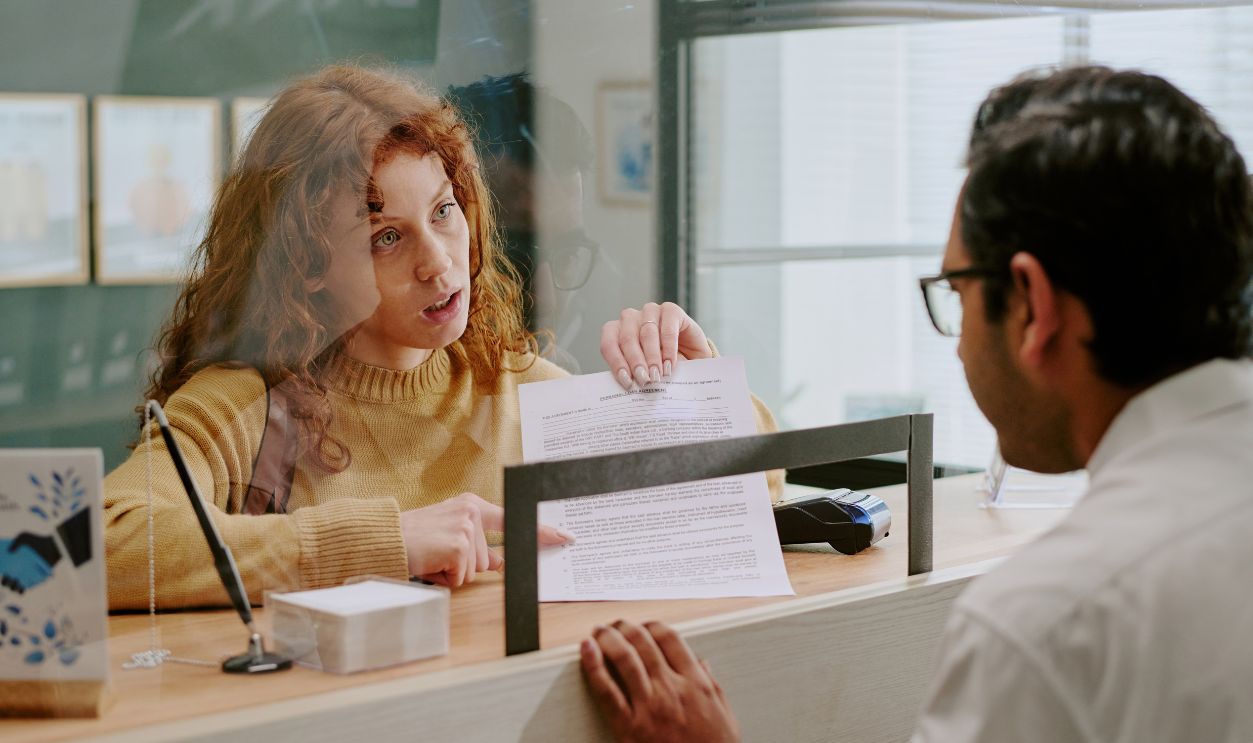
Find The Rental Agreement If Possible
Look for the rental agreement or renewal notices. The paperwork may identify the branch, box number, and any additional renters. These details help determine applicable rules and terms.

A Key Is Not Permission Everywhere
Finding the little metal key is useful, but it does not automatically grant entry. California specifically connects pre-appointment access to possession of a key. Elsewhere, a key might establish no authority.

An Old Power Of Attorney Usually Will Not Work
Perhaps you handled your dad's finances. That does not mean an old power of attorney still authorizes entry. That authority generally ends at passing, even if durable.

Being Named Executor Is Not The Same As Appointment
Your father may have named you executor without court appointment. Some states recognize a copy naming an executor for limited searches. That is not full estate authority.

California Has A Special Key Rule
California Probate Code Section 331 allows a person holding the box key to seek supervised access before estate letters are issued. Proof of passing and identification are required. It covers solely held boxes.
 United States District Court for the Northern District of California, Wikimedia Commons
California Still Restricts What Leaves
Under that California provision, a visitor may inventory the contents and remove certain documents, including wills, trust instruments, and instructions concerning remains. The bank keeps copies; other belongings remain. The exception is deliberately narrow.
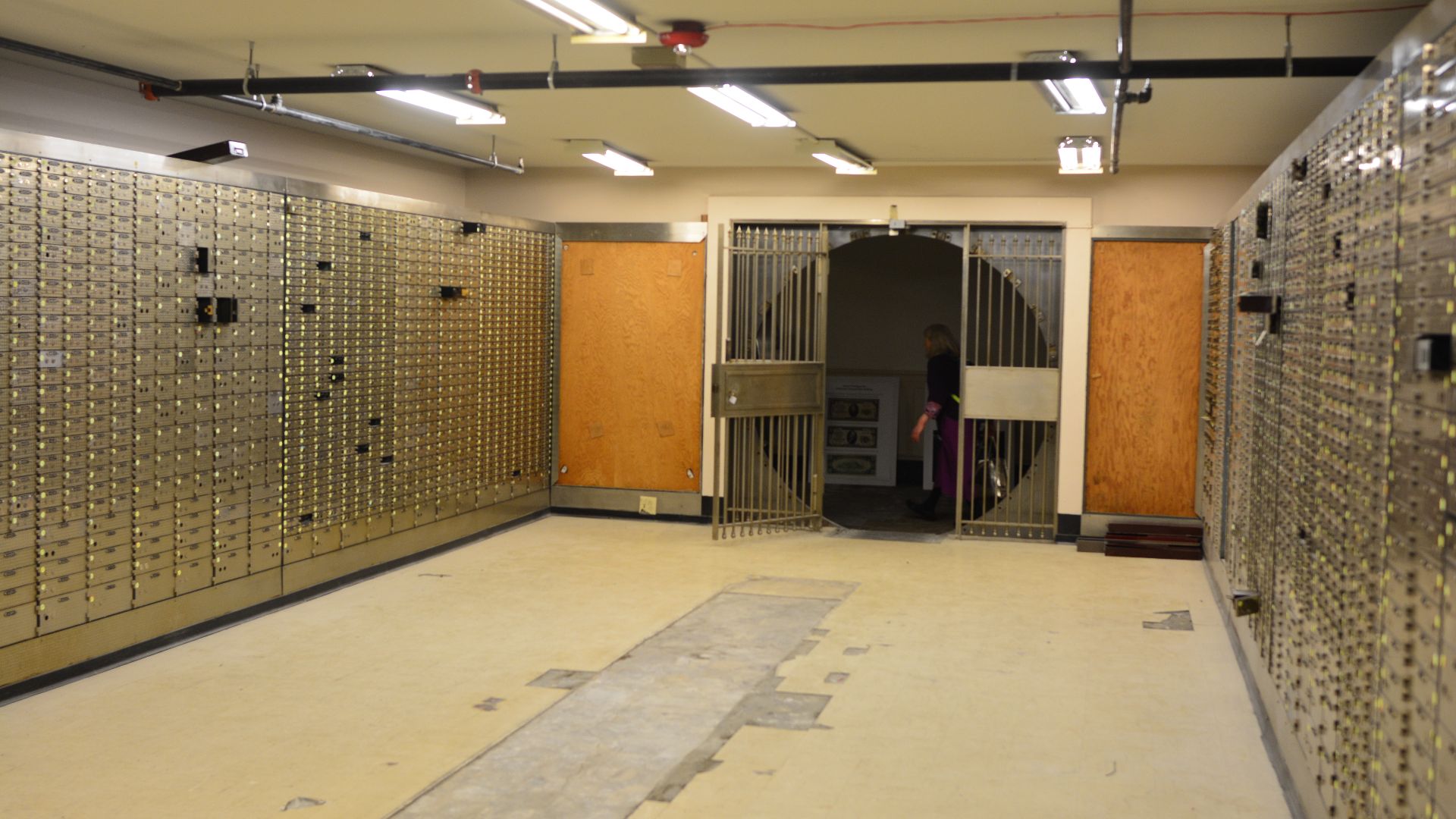 Photo by Joe Mabel, Wikimedia Commons
Florida Gives Certain Relatives A Route
Florida Section 655.935 permits a supervised search by a spouse, parent, adult descendant, or person named as representative in a purported will when no court order has been served. Valuables cannot simply be taken. Bank supervision is required.
Florida Limits The Documents Released
During that search, Florida allows delivery of a purported will to the appropriate court, burial documents or instructions to the requester, and a life-insurance policy to its named beneficiary. The bank documents each delivery. Other items remain protected.

Texas Allows A Search Without A Court Order
Texas Estates Code Section 151.003 says a bank may permit examination by the deceased person's spouse, parent, adult descendant, or named executor shown in a purported will. "May" means the bank can decline. Bank policies still matter.

Texas Requires A Supervised Examination
Even when a Texas bank allows entry without a judge's order, the examination takes place with the box provider or its representative present. Separate rules control removal of wills, burial paperwork, and insurance policies. Other items remain.

New York Offers A Court-Order Path
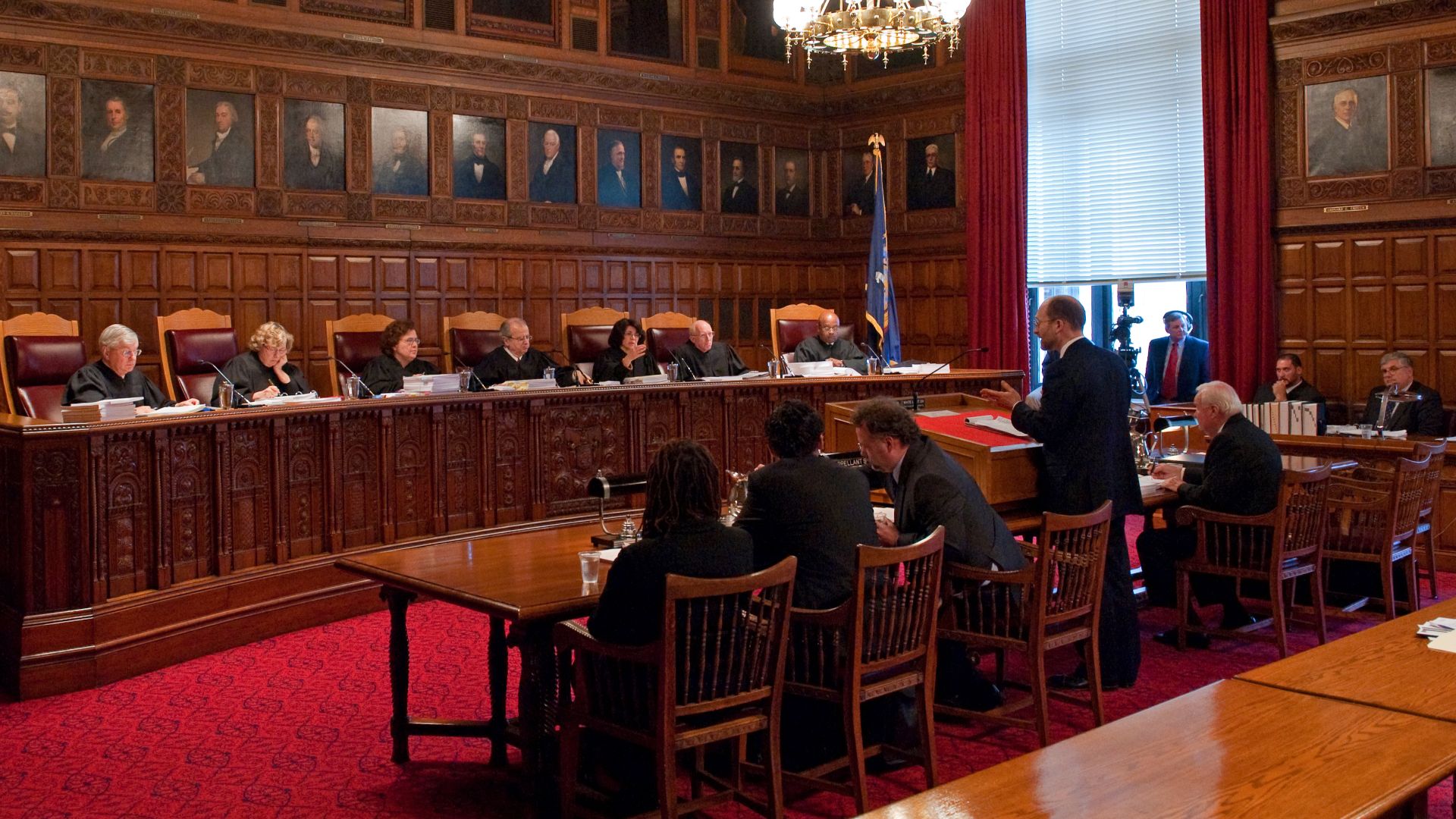
New York's Surrogate's Court Procedure Act Section 2003 permits a court to order examination when a box may hold a will, burial deed, or certain insurance policy. The order names the searcher and requires an inventory. Separate rules address certain authorized deputies and co-renters.
A Narrow Court Order Can Break The Deadlock
If the bank declines informal access, ask an estates attorney about seeking an order specifically for a document search. Texas and New York both provide court-based procedures. That does not authorize distribution.

The Bank Should Witness The Opening
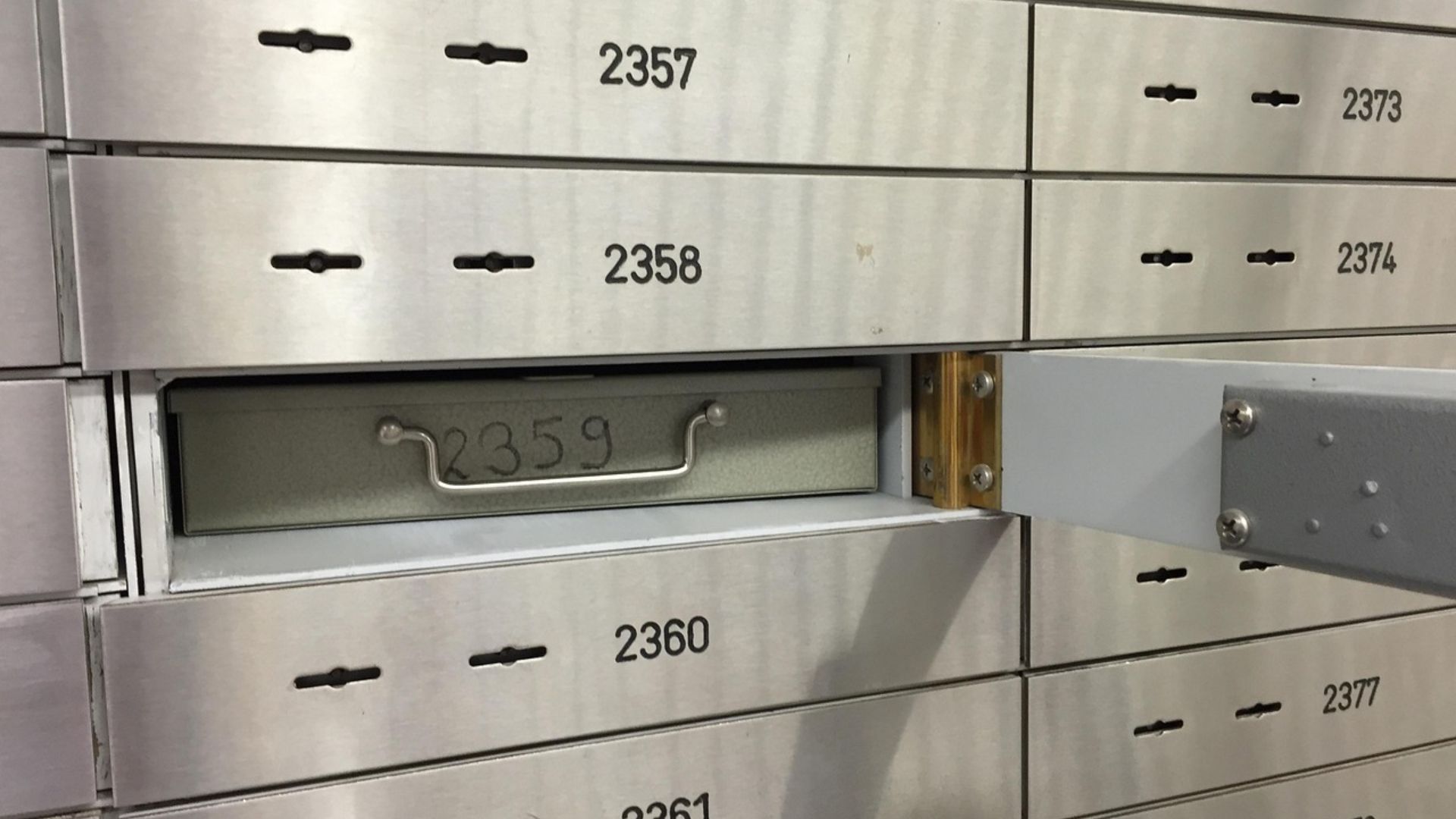
This is not a private family visit. California requires supervision by a bank employee, while Florida and Texas also impose supervised procedures. Witnesses document what is found and removed.
An Inventory Creates A Paper Trail
Write down what the box contains when the applicable procedure permits an examination. California explicitly calls for an inventory, and New York's court-order process does too. Records help the eventual representative account for property.

The Original Will Needs Special Handling
Finding a will does not mean keeping it. California directs delivery to the superior court clerk; Florida directs the bank to the probate court. Texas specifies permissible recipients and receipts.

Burial Instructions May Need Faster Attention
A box can contain documents concerning a burial plot or arrangements. California, Florida, Texas, and New York address access to certain end-of-life instructions or related papers. Say so if these are your priority.

Insurance Paperwork May Follow Another Route
A life-insurance policy can also qualify for limited retrieval under several state procedures. Florida directs delivery to the named beneficiary, while Texas permits delivery under specified conditions. The policy does not determine inheritance of other belongings.

Jewelry And Cash Are A Different Question
Seeing money, jewelry, or collectibles does not mean you may pocket them during a document search. California and Texas expressly restrict removing other contents. Leave items for the authorized estate representative.

Formal Appointment Opens A Broader Door
After a court appoints a personal representative, the authority changes. Florida requires the bank to grant access upon presentation of certified letters, subject to its initial-opening rules. The representative can administer the contents.

Even The First Full Opening Has Rules
Florida requires designated witnesses for the initial estate opening and a verified inventory. Its personal representative must file that inventory and recent entry record with the court within ten days. Limited searches are separate.

If The Box Is Gone, Check Unclaimed Property
An older box might no longer be held at its original branch. California's controller confirms that abandoned box contents can reach the state. Check bank records and the state's unclaimed-property program.

The Best First Move Is A Focused Request
Gather your dad's passing record, identification, any key, and the box details. Ask the bank whether state law permits a supervised search for essential documents. If refused, ask why and consider a limited court order.

You May Also Like:
I just found the savings bonds my parents gave me decades ago. Are they still worth anything?