
The Contractor Label That Could Cost You Thousands
You worked regular hours, answered to a manager, and handled the same responsibilities as everyone else. Yet your employer called you an independent contractor, leaving you without benefits. If that classification was wrong, you might be entitled to compensation for years of missed protections.
 PeopleImages, Shutterstock Images
A 1099 Doesn't Settle Everything
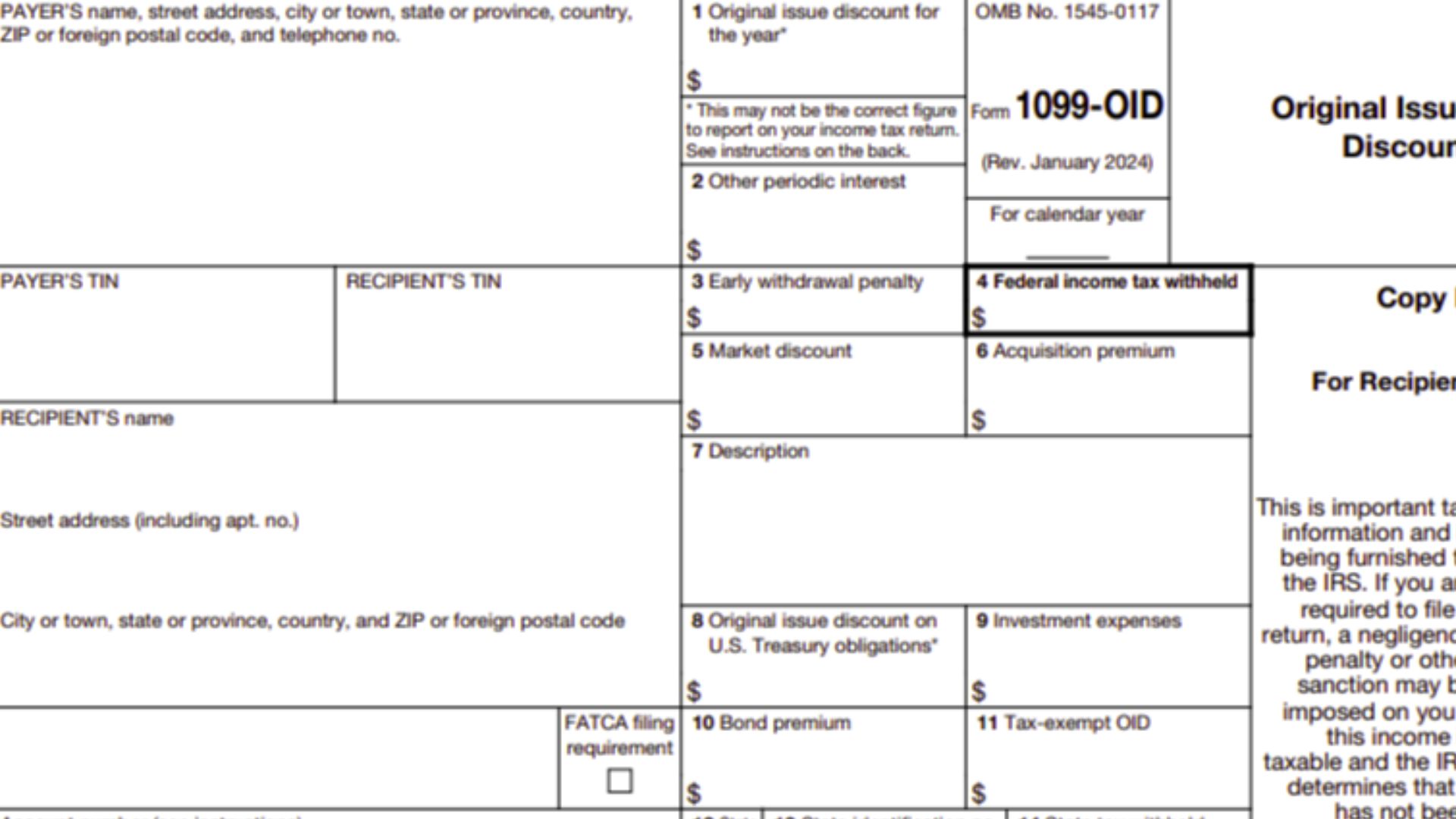
Receiving a 1099 instead of a W-2 doesn't automatically make you an independent contractor. The IRS examines the actual working relationship, including control and financial independence. Your employer's paperwork is evidence of how you were classified, not necessarily proof that the classification was correct.
 United States Department of Treasury - Internal Revenue Service, Wikimedia Commons
Signing A Contract Doesn't End The Argument
Even if you signed an independent contractor agreement, that doesn't necessarily determine your employment status. Federal authorities look beyond contractual labels. An agreement describing you as self-employed cannot override applicable employment laws when the actual working arrangement meets their definition of employment.

Who Really Controlled Your Work?
Think about who established your hours, assigned your tasks, and determined how responsibilities were completed. The IRS considers an employer's right to control the details of someone's work. Extensive supervision can support employee status, although no single circumstance necessarily decides the classification.

Were You Actually Running A Business?
Genuine independent contractors generally operate businesses of their own. Having multiple clients, making entrepreneurial investments, and exercising meaningful control over profits or losses can support independent contractor status. Simply paying your own taxes or buying equipment doesn't automatically establish that independence.

Years Of Continuous Work Could Matter
A relationship lasting several years can be relevant when examining employment status. Federal classification analysis considers whether work is continuous or project-based. A long relationship alone doesn't establish employment, but it can help distinguish an ongoing employee-like arrangement from independent business services.
 ANTONI SHKRABA production, Pexels
Your Responsibilities Also Matter
Work performed as an integral part of a company's operations can weigh toward employee status under federal wage-law analysis. Someone independently providing specialized services may have a different relationship. Authorities examine the overall economic reality rather than treating any particular occupation as automatically qualifying.
 Centre for Ageing Better, Pexels
Different Laws Can Reach Different Conclusions
Here's an important complication: employment status isn't necessarily identical under every law. Federal wage protections, employment taxes, retirement plans, and state unemployment systems have different requirements. Winning a classification dispute in one area doesn't automatically establish entitlement to every other benefit.

Federal Classification Rules Are Changing
The Department of Labor's 2024 classification rule took effect in March 2024. In May 2025, the department changed its enforcement approach, and in February 2026, it proposed replacing that rule. This changing framework makes the applicable law and relevant dates particularly important.
 US Department of Labor, Wikimedia Commons
Unpaid Overtime Could Be Your Biggest Claim
Covered, nonexempt employees generally receive overtime compensation after working 40 hours in a workweek. Independent contractors don't receive that federal protection. If you were misclassified and regularly worked longer weeks, unpaid overtime could represent a significant portion of your potential recovery.

Minimum Wage Protections Count, Too
Federal law also guarantees covered employees a minimum wage. Even contractors receiving substantial payments can encounter issues when earnings are evaluated against actual hours worked. A proper classification review can reveal minimum wage violations, particularly when employees worked extensive hours for insufficient compensation.

Those Work Expenses Deserve Another Look
Did you purchase required tools, uniforms, or equipment yourself? Under federal wage rules, employers generally cannot shift these expenses onto employees when doing so reduces their pay below required minimum wage or overtime compensation. State laws may offer additional reimbursement protections.

Back Wages May Come With Extra Damages
Recoverable compensation isn't always limited to the original unpaid wages. Under the Fair Labor Standards Act, qualifying violations can also result in liquidated damages equal to unpaid minimum wages or overtime. Whether those additional damages apply depends on the circumstances and available defenses.

Unfortunately, The Clock Keeps Running
Working somewhere for ten years doesn't necessarily mean recovering ten years of federal unpaid wages. The Fair Labor Standards Act generally allows two years for claims, extending to three for willful violations. Other claims may follow different deadlines, making prompt action important.

Vacation Pay Is A Different Story
Here's where expectations can collide with federal law. The Fair Labor Standards Act doesn't generally require employers to provide paid vacations, holidays, or sick leave. Recovering those benefits depends on applicable state laws, employment agreements, and company policies rather than employee classification alone.

Your State Might Offer More Protection
Federal requirements aren't the final word on workplace benefits. New York, for example, requires covered employers to provide sick leave, with paid leave depending on employer size and income. Your state's wage and leave laws may create rights beyond federal minimum standards.

Health Insurance Is More Complicated
Being reclassified as an employee doesn't automatically produce a refund for every medical expense or insurance premium. Eligibility depends on the employer's health plan and applicable laws. Workers should examine coverage terms, waiting periods, and whether they should have been allowed to participate.
 Summit Art Creations, Shutterstock
Large Employers Have Additional Obligations
Under the Affordable Care Act, certain employers with at least 50 full-time employees or equivalents must offer qualifying health coverage to full-time employees or potentially face tax payments. However, an employer's failure to comply doesn't automatically entitle an individual worker to retroactive cash benefits.

Your Missing Retirement Savings Could Matter
Retirement benefits can present a stronger opportunity for recovery when someone was wrongly excluded from a plan. The IRS recognizes that excluding eligible employees from a 401(k) can require corrective contributions. Eligibility still depends on the plan's provisions and applicable participation rules.

Don't Assume You Automatically Get Every Employer Match
Missing retirement contributions require an individual calculation. A 401(k) plan might include eligibility conditions, matching formulas, or other requirements. Corrective contributions may address missed participation opportunities, but they don't necessarily equal every contribution you imagine an employee would have received.
 Centre for Ageing Better, Pexels
Ask For The Actual Plan Documents
Before calculating missing benefits, obtain the relevant Summary Plan Descriptions and eligibility provisions. These documents explain participation requirements, employer contributions, and claims procedures. They can help establish whether your worker classification improperly prevented you from receiving benefits available under the plans.

A Benefits Denial Can Be Challenged
Employer-sponsored retirement and health plans generally have formal claims and appeals procedures. Retirement claimants ordinarily receive at least 60 days to appeal a denial, while health claimants generally receive at least 180 days. Review the denial notice because applicable deadlines and procedures matter.

Unemployment Insurance Could Be Another Issue
Workers classified as contractors may still qualify for unemployment insurance if state authorities determine they were actually employees. A 1099 doesn't prevent someone from applying. The state unemployment agency evaluates eligibility under its own rules, including the worker's employment history and earnings.

Workers' Compensation Shouldn't Be Forgotten
Misclassification can also affect access to workers' compensation following a workplace injury. Coverage depends on applicable state law and the circumstances of employment. Someone incorrectly labeled a contractor may have protections unavailable to genuine independent contractors, making this worth examining when injuries occurred.

Family Leave Protections May Have Been Missed
The Family and Medical Leave Act provides qualifying employees of covered employers with job-protected leave. Eligibility generally involves 12 months of employment, 1,250 hours worked during the preceding year, and workforce-size requirements. Incorrect classification could therefore affect access to protected leave.

The IRS Can Review Your Status
Workers questioning their classification can submit IRS Form SS-8 for a federal employment-tax determination. The IRS evaluates the relationship and may request information from both parties. However, this process addresses federal tax status, not every possible employment or benefits dispute.
 G. Edward Johnson, Wikimedia Commons
Your Payroll Taxes Might Need Correcting
Misclassification can also affect Social Security and Medicare taxes. IRS Form 8919 allows qualifying workers to report their share of uncollected employment taxes. Correcting earlier returns may be necessary, and tax refund deadlines apply separately from deadlines for recovering unpaid wages.

Gather Your Evidence Before Taking Action
Save contracts, invoices, payment records, schedules, work instructions, and communications showing how your job operated. Workers can contact the Department of Labor's Wage and Hour Division about potential wage violations. Federal law also prohibits retaliation for exercising protected wage-and-hour rights.

You May Also Like:
Sources: 1, 2, 3, 4, 5, 6, 7, 8, 9, 10, 11, 12, 13, 14, 15, 16, 17, 18, 19, 20, 21, 22, 23, 24