
The Inheritance Came In Euros, Yen, & Pounds — So Now What?
Learning that your grandfather left you money can bring up a lot at once. You are grieving, you are grateful, and then, right when you think you understand what is happening, somebody mentions that a big chunk of the inheritance is in foreign currency. That is usually the moment the simple version of the story disappears. Still, the answer is reassuring: yes, you can usually receive it.

The Short Answer Is Yes
In most cases, foreign currency does not stop an inheritance from reaching you. Money is money, even when it is sitting in euros, pounds, yen, or another currency you do not personally use every day. The bigger issue is not whether you can inherit it, but how it gets moved, converted, and documented before it lands in your hands.

The Will Does Not Stop Working
A will does not suddenly become less valid because some of the assets are in another currency. If your grandfather legally owned the money and clearly left it to you, it is still part of the estate. The fact that it is not all in your home currency may make things more annoying, but it does not usually change your right to receive it.

Where The Money Is Sitting Changes Things
This is where the details start to matter. There is a big difference between foreign cash stored at home, money in a bank account that holds multiple currencies, and money sitting in an account overseas. Each one can come with its own rules, forms, and delays, so the location of the funds can matter almost as much as the amount.
Probate Usually Comes Before Payment
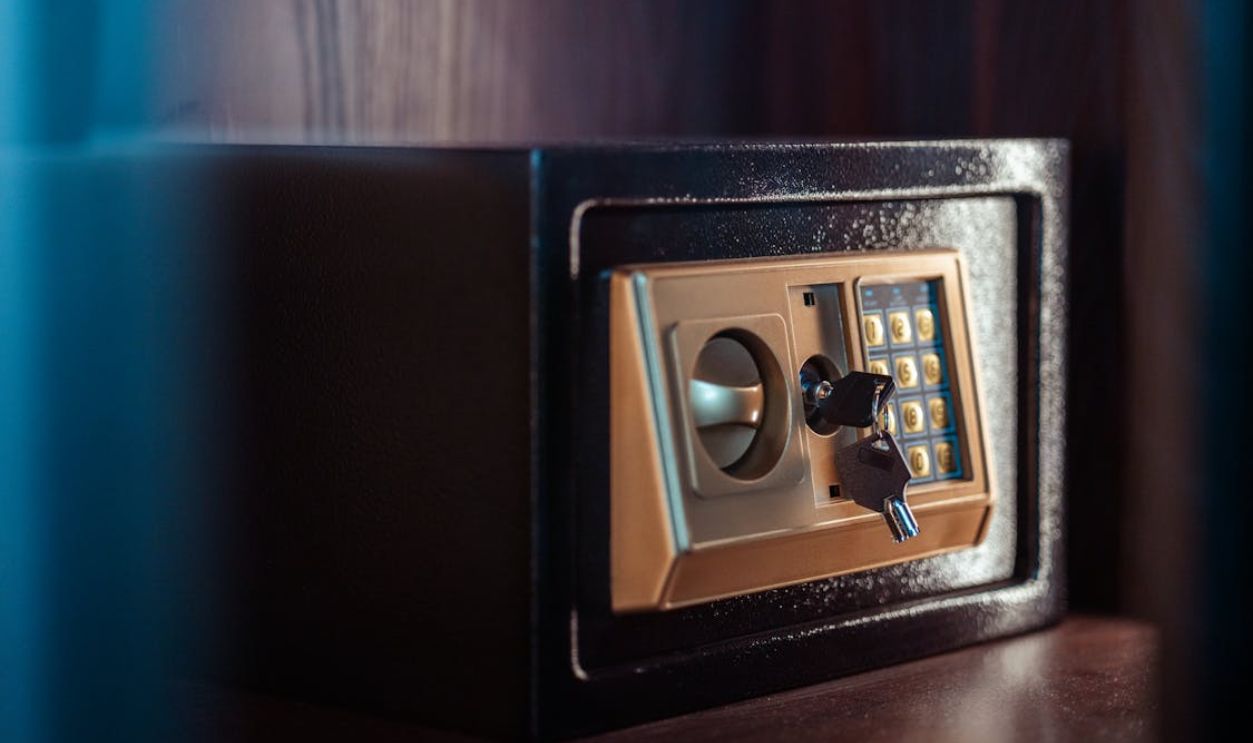
Even if the inheritance is clearly meant for you, the money does not usually move right away. The estate often has to go through probate or some kind of legal administration first. During that process, debts may need to be paid, paperwork needs to be reviewed, and the executor has to sort out what belongs to whom.

The Executor Has To Untangle It
Most of the real work falls on the executor. That person has to gather the assets, deal with financial institutions, handle estate obligations, and eventually distribute what is left. If foreign currency is involved, they may also need to arrange a transfer, get an official value for the money, or decide whether it should be converted before beneficiaries receive it.

You Might Get The Money In The Original Currency
Sometimes the easiest option is for the estate to send the funds in the same currency your grandfather held them in. That can work well if your bank accepts that currency or if you would rather wait before converting it. It gives you a little more control, which can be useful when exchange rates are moving around.

Or It May Be Converted Before You See It
In other situations, the money gets converted before it reaches you. That may happen because the estate account only works in one currency or because the bank handling the transfer does not want to deal with a foreign-currency payout. It is convenient in one sense, but it can also mean you have less say over the timing and the rate.
Exchange Rates Can Change The Story
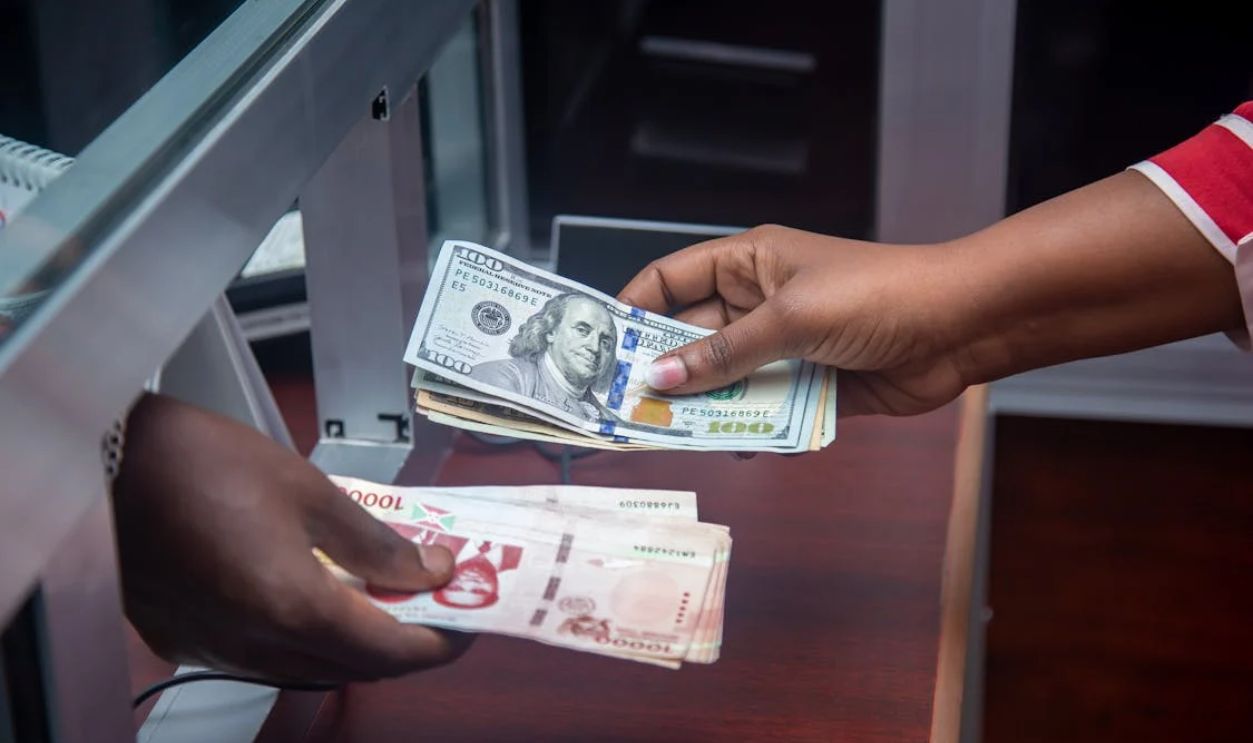
This is the part that catches people off guard. The amount your grandfather left may sound like one number when the estate is first discussed, but by the time the money is converted, the final value may look a little different. Exchange rates move all the time, and sometimes even a small swing can change the amount more than you would expect.

Fees Have A Way Of Showing Up
Once money starts crossing borders, fees seem to appear from every direction. There may be wire charges, receiving fees, conversion fees, or a weak exchange rate buried in the fine print. None of that usually prevents you from getting the inheritance, but it can shave down the amount that actually arrives.

Physical Cash Can Be More Of A Headache
If the inheritance includes actual paper money rather than funds in an account, things can get awkward. Some banks will not accept certain foreign notes, and others may only exchange limited currencies. If the cash has to be transported or deposited, that can create another set of practical problems no one thinks about until they are standing at the bank counter.

Overseas Accounts Can Slow Everything Down
When the money is in a foreign bank account, the process often becomes more paperwork-heavy. Banks in other countries may want probate documents, notarized copies, translations, or tax forms before they release anything. It does not mean the money is stuck forever. It just means the estate may need more time and patience to get through the system.

Taxes May Still Be Part Of The Picture
People hear the word inheritance and immediately hope it means no tax issues at all. Sometimes that is true, sometimes it is not. Depending on where your grandfather lived, where the money is held, and where you live, there may be estate taxes, inheritance taxes, or reporting rules that apply somewhere along the chain.

Reporting Rules Can Matter Even Without Tax
Even if you do not owe tax on the inheritance itself, you may still have to report foreign assets or large incoming transfers. That is especially true when overseas bank accounts are involved. A bank or tax authority may want to know where the money came from, how much was transferred, and when it landed.

Banks Tend To Get Curious Fast
Large foreign transfers can make banks suddenly very interested in your life story. They may ask for a copy of the will, estate papers, identification, or proof that the money came from a legitimate source. It can feel intrusive when you are already dealing with a family loss, but it is a normal part of modern banking rules.
Some Currencies Are Much Easier Than Others
A major currency like U.S. dollars, euros, or British pounds is usually easier to handle than a less commonly traded one. If the inheritance is in a currency your bank rarely deals with, you may run into worse conversion rates or fewer options for receiving the money at all.

A Multi-Currency Account Could Make Life Easier
If the amount is large enough, a multi-currency account can be genuinely helpful. It may allow you to receive the inheritance without converting it right away, which gives you more flexibility. That can be useful if you want to wait for a better rate or simply avoid being rushed into a bad exchange.

Timing Can Matter More Than You Think
When people talk about inheritance, they tend to focus on the total amount, not the timing. But with foreign currency, timing can quietly become a major factor. A small shift in the exchange rate can change the final number, so it is worth asking whether the conversion has to happen immediately or whether there is room to choose.

The Estate May Need To Put A Value On It
For legal and tax purposes, the estate may need to assign a formal value to the foreign currency at a specific point in time, often the date of death. That number is important for paperwork, but it may not be the same as what you eventually receive after delays, market changes, and fees.

Foreign Currency Does Not Cancel The Gift
Families can get nervous when they hear that money is overseas or held in another currency. It sounds dramatic, and people sometimes assume it creates a major legal problem. Usually it does not. In most cases, it simply means the inheritance is a little more complicated to administer, not impossible to receive.

Good Paperwork Can Save You A Lot Of Stress
This is one of those situations where keeping documents actually pays off. Save copies of the will, probate papers, transfer confirmations, and any records showing how the money was converted. That paperwork can help if your bank asks questions later or if you need to explain the transfer for tax or reporting purposes.

Ask Whether Conversion Is Required Right Away
One of the smartest questions you can ask is whether the money has to be exchanged immediately. Sometimes it does, but sometimes it does not. If you have a choice, you may be able to avoid a poor rate or unnecessary fees simply by understanding your options before anyone clicks the convert button.

Not Every Exchange Option Is A Good One
A lot of people assume the bank handling the estate will automatically offer the best conversion setup. That is not always true. Sometimes the simplest option is also the most expensive, especially when the rate itself is not very favorable. If you are allowed to choose, it can be worth comparing your options carefully.

Professional Help Can Be Money Well Spent
If the inheritance is sizable, spread across countries, or tied up in unfamiliar rules, professional advice can save a lot of frustration. An estate lawyer, accountant, or cross-border tax specialist may spot issues early and help keep a paperwork problem from turning into a costly mistake.

The Main Problem Is Usually Delay
For most people, the biggest issue is not losing the inheritance. It is waiting for it. Foreign currency tends to add layers to the process, and every extra step can mean more time. That can be frustrating, but it is very different from being told you cannot receive the money at all.

So Can You Still Receive It?
Yes, in most cases you absolutely can. The fact that the inheritance is in foreign currency may make the process slower, more expensive, or more complicated, but it usually does not block the inheritance itself. The real challenge is getting from “money exists” to “money is in your account” without getting tripped up by paperwork, fees, and timing.

The Bottom Line
An inheritance in foreign currency is not the kind of problem that makes the money disappear. It is the kind of problem that creates extra steps, extra questions, and probably one or two frustrating phone calls. But in most cases, the inheritance can still be paid to you. It just may take a little patience, some careful recordkeeping, and the willingness to ask a few smart questions before the money finally arrives.

You May Also Like: