A Jar Full Of History, Not Pocket Change
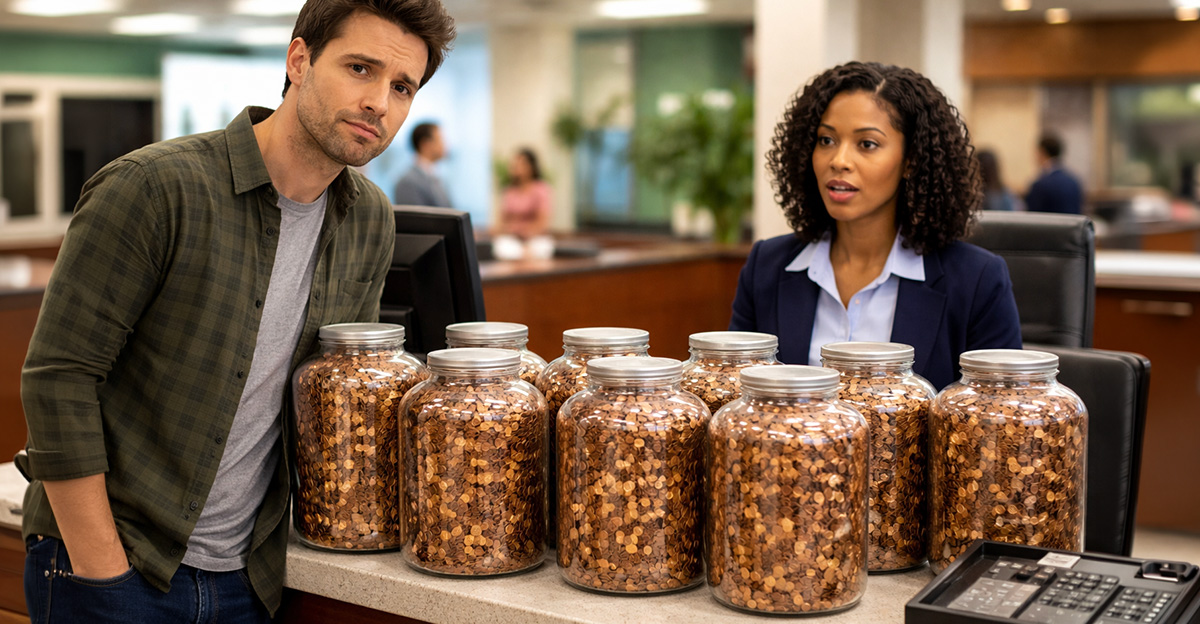
Inheriting $5,000 in pennies sounds charming until you learn they are not spendable. The good news is that “not legal tender” does not mean “worthless.” Old pennies can still have value as collectibles, metal, or historical pieces. The smart move is to treat them like an estate asset, not a pile of useless change.
First, Do Not Panic-Sell Anything
Do not assume these pennies are worthless and dump them quickly. Old coins can be worth more than face value, especially if they are rare, old, or collectible. Before doing anything drastic, slow down. You may be looking at a family keepsake with real market value hiding inside a mountain of copper.

Figure Out What “Not Legal Tender” Really Means
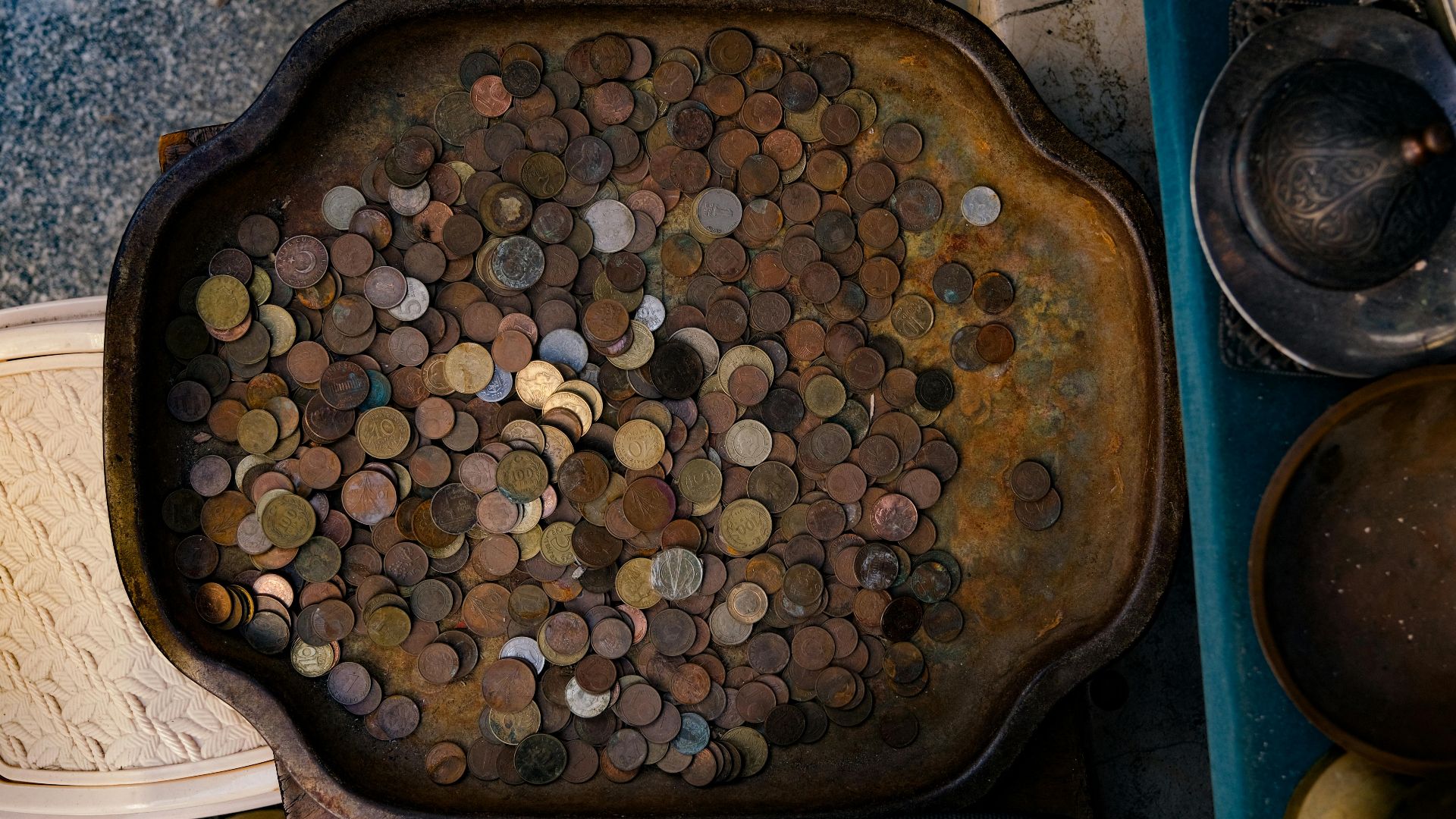
This phrase matters more than most people think. It may mean the pennies were withdrawn from circulation, replaced by a new currency, or issued by a country that changed systems. That does not mean they have no value. Many coins lose spending power long before they lose appeal to collectors.
Start With The Country Of Origin
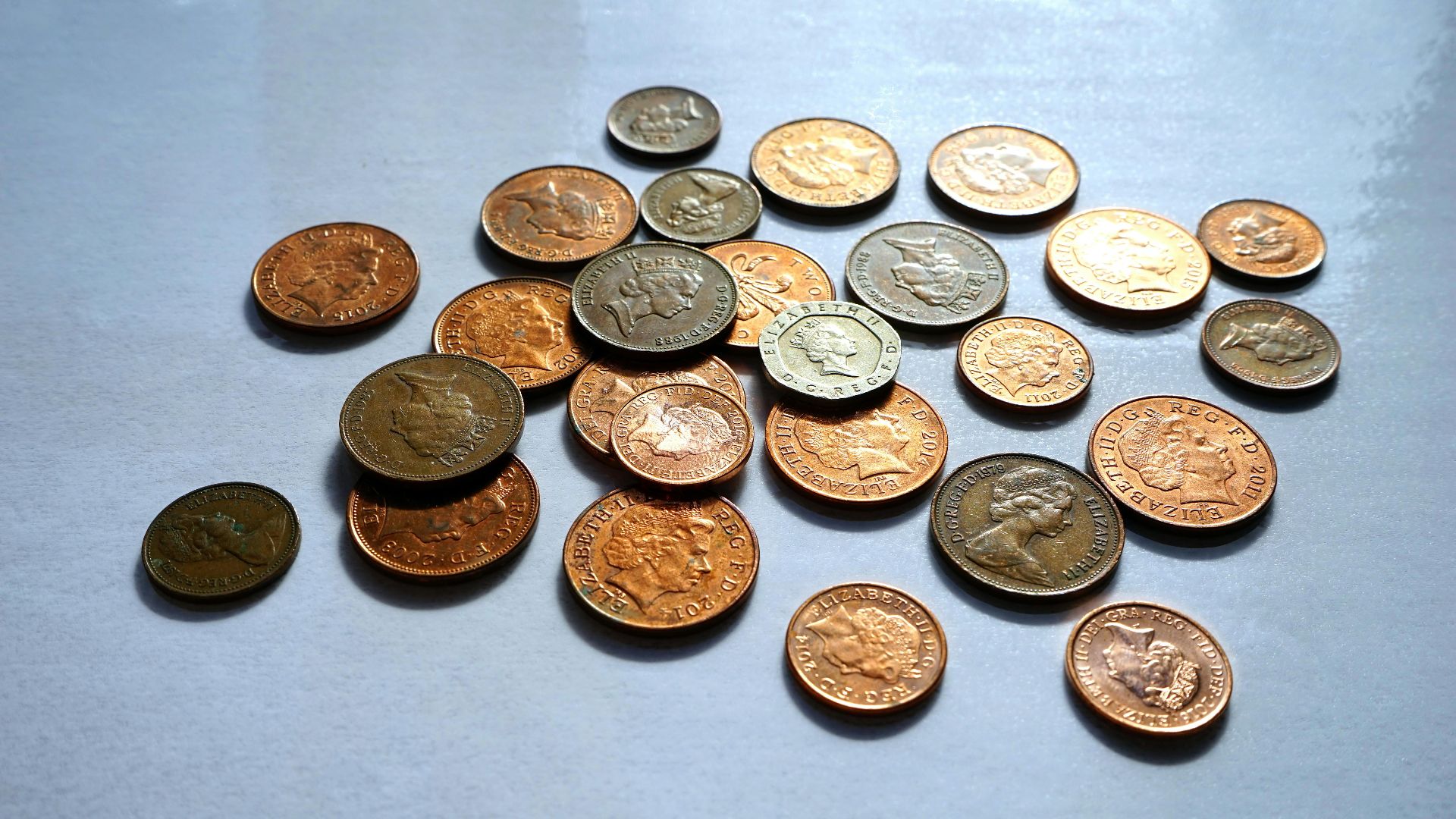
Before you can price anything, you need to know where the pennies came from. Are they British, Canadian, colonial, or from somewhere else entirely? Sort the pile by country and design. Coins from different places can vary wildly in value, and a mixed pile is much harder to understand or sell.
Look For Dates, Kings, Queens, And Symbols
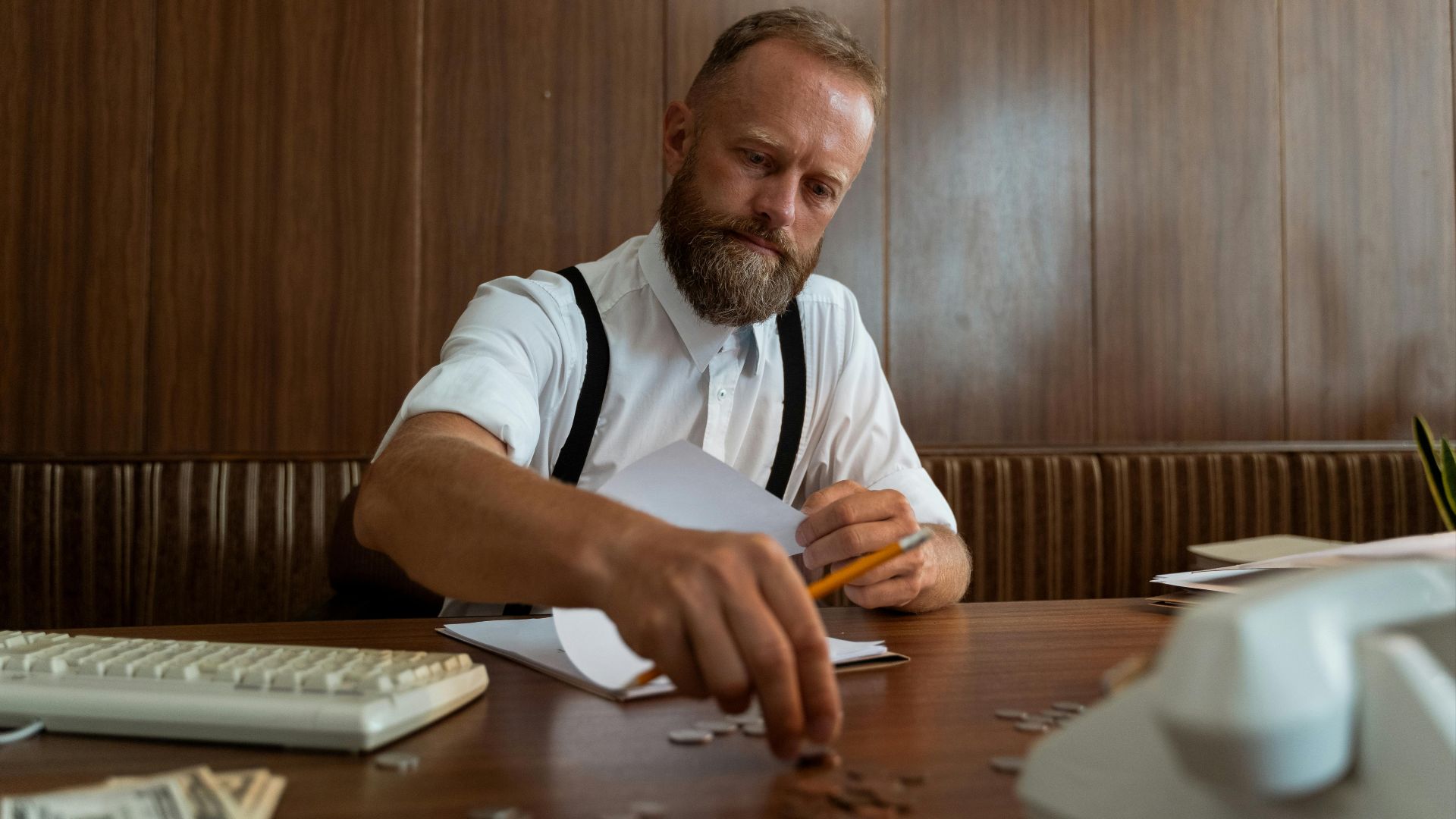
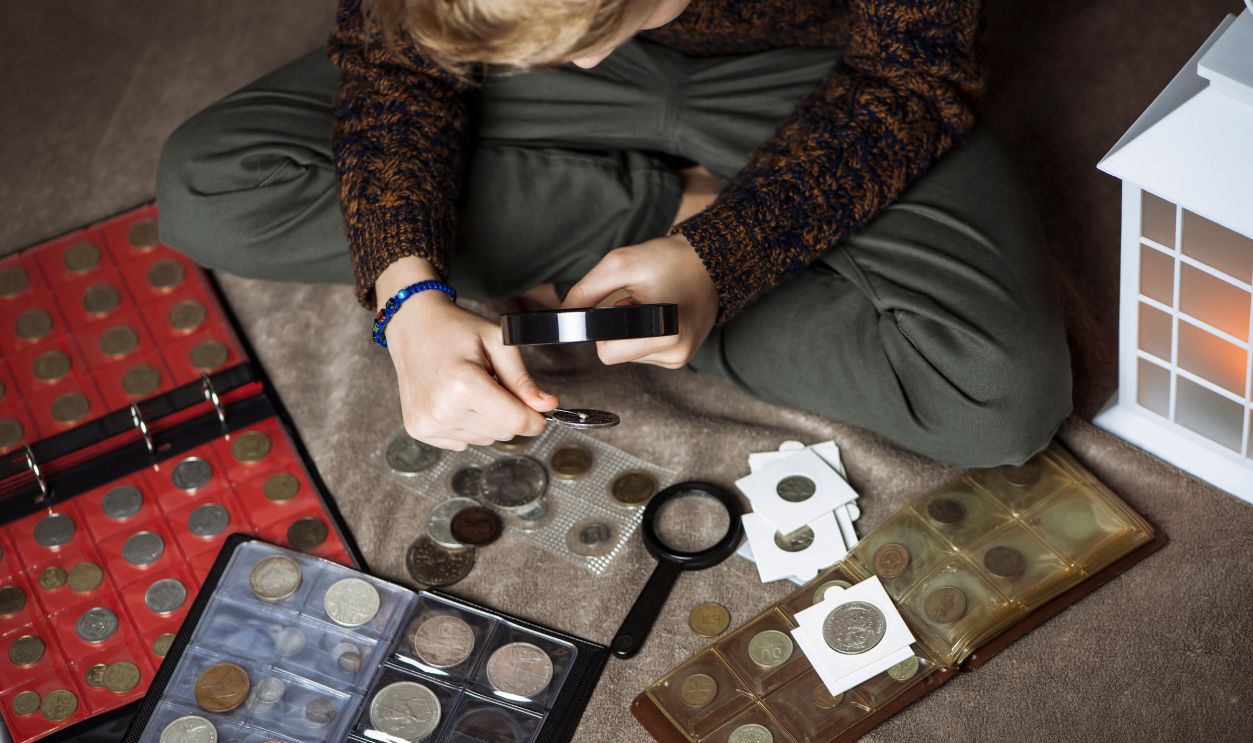
Once you know the country, start checking dates, portraits, and mint marks. A tiny difference in year or design can make a huge difference in value. Coins with older monarchs, unusual symbols, or limited designs deserve extra attention. This is where the inheritance starts to feel less like clutter and more like a treasure hunt.
Separate The Common Ones From The Interesting Ones
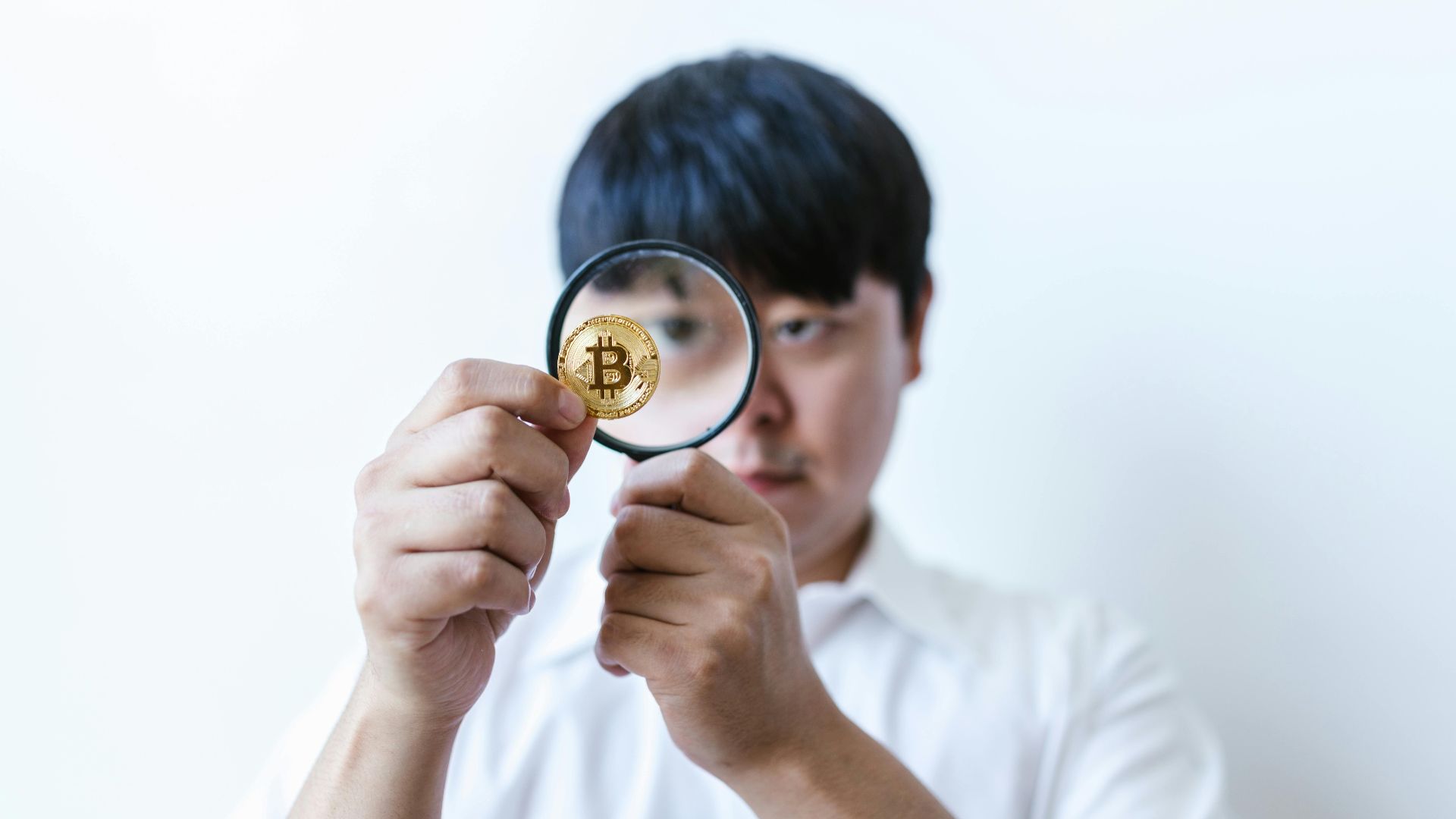
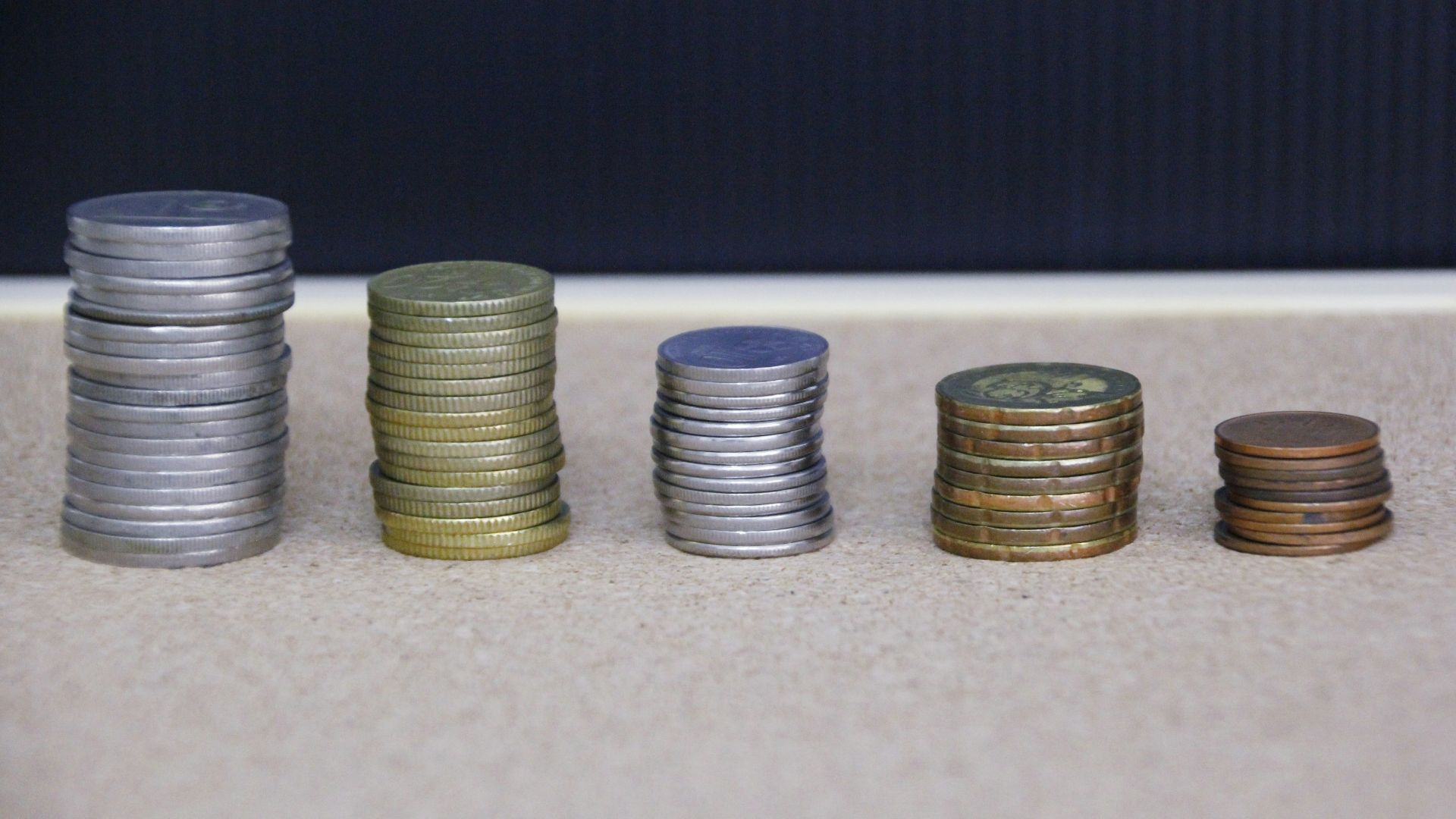
Not every penny will be special, and that is normal. Make a few simple groups: worn common coins, better-looking coins, older pieces, and anything that seems unusual. This saves time and keeps you from pricing every coin individually. Sorting first helps you focus on the pieces most likely to be worth your attention.
Do Not Clean The Coins
This is one of the most important rules in coin collecting. Cleaning old coins can destroy their value because buyers usually want original surfaces, even if they look dark or dirty. A shiny scrubbed coin may look better to you, but collectors often see it as damaged. Leave the age and patina alone.
Get A Rough Inventory
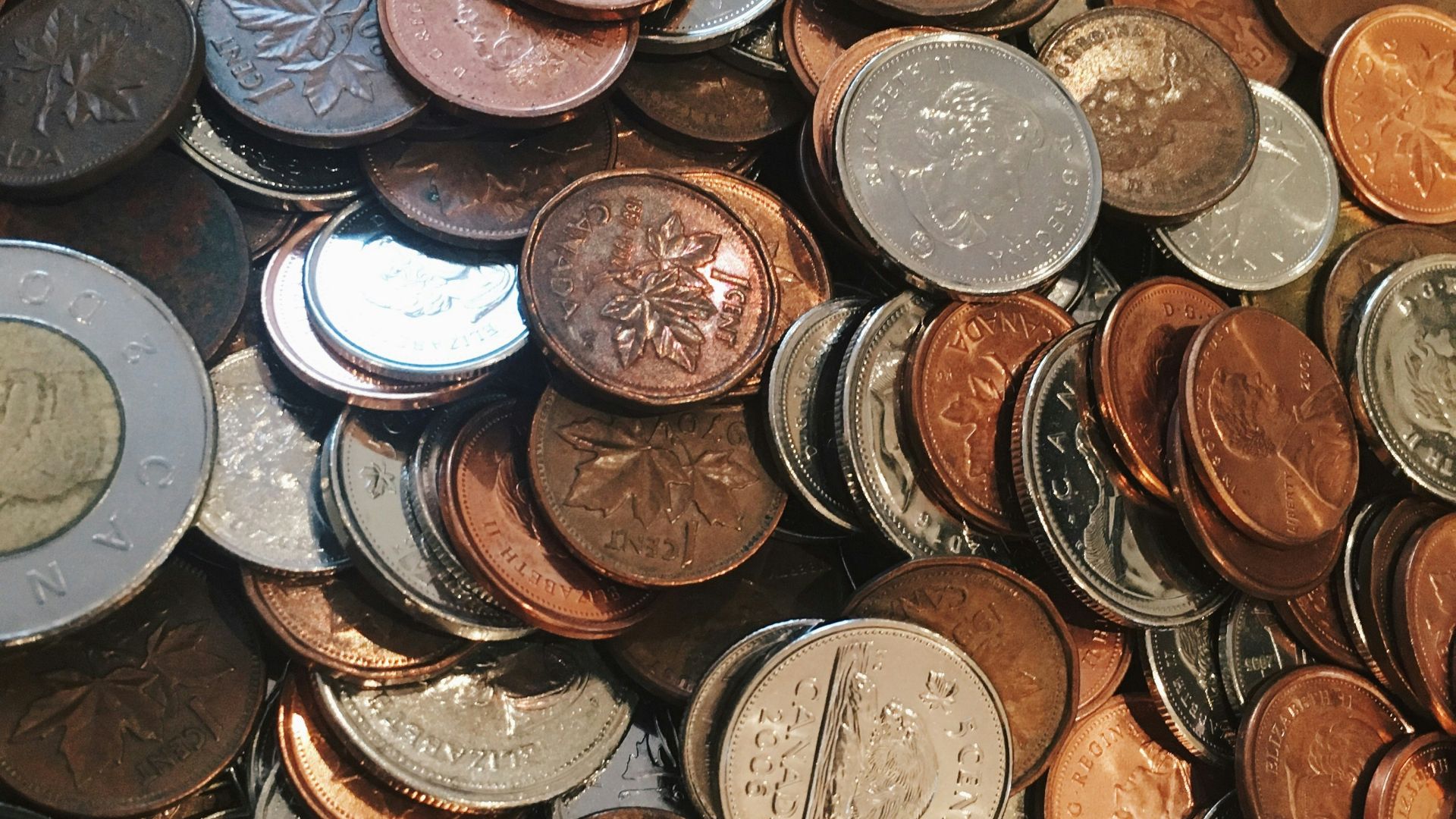
You do not need a museum-level catalog, but you do need a basic inventory. Estimate how many coins there are, how much they weigh, and how many fit each group. A simple notebook or spreadsheet works fine. Being organized will make pricing, appraisals, and future sales much easier and less stressful.

Check For Rare Dates And Mint Errors
This is where things can get exciting. Some pennies are worth more because they were minted in small numbers or struck with mistakes. Off-center designs, double images, odd lettering, or missing details can all matter. Most coins will be ordinary, but even one rare piece can change the whole value of the pile.
Condition Still Counts
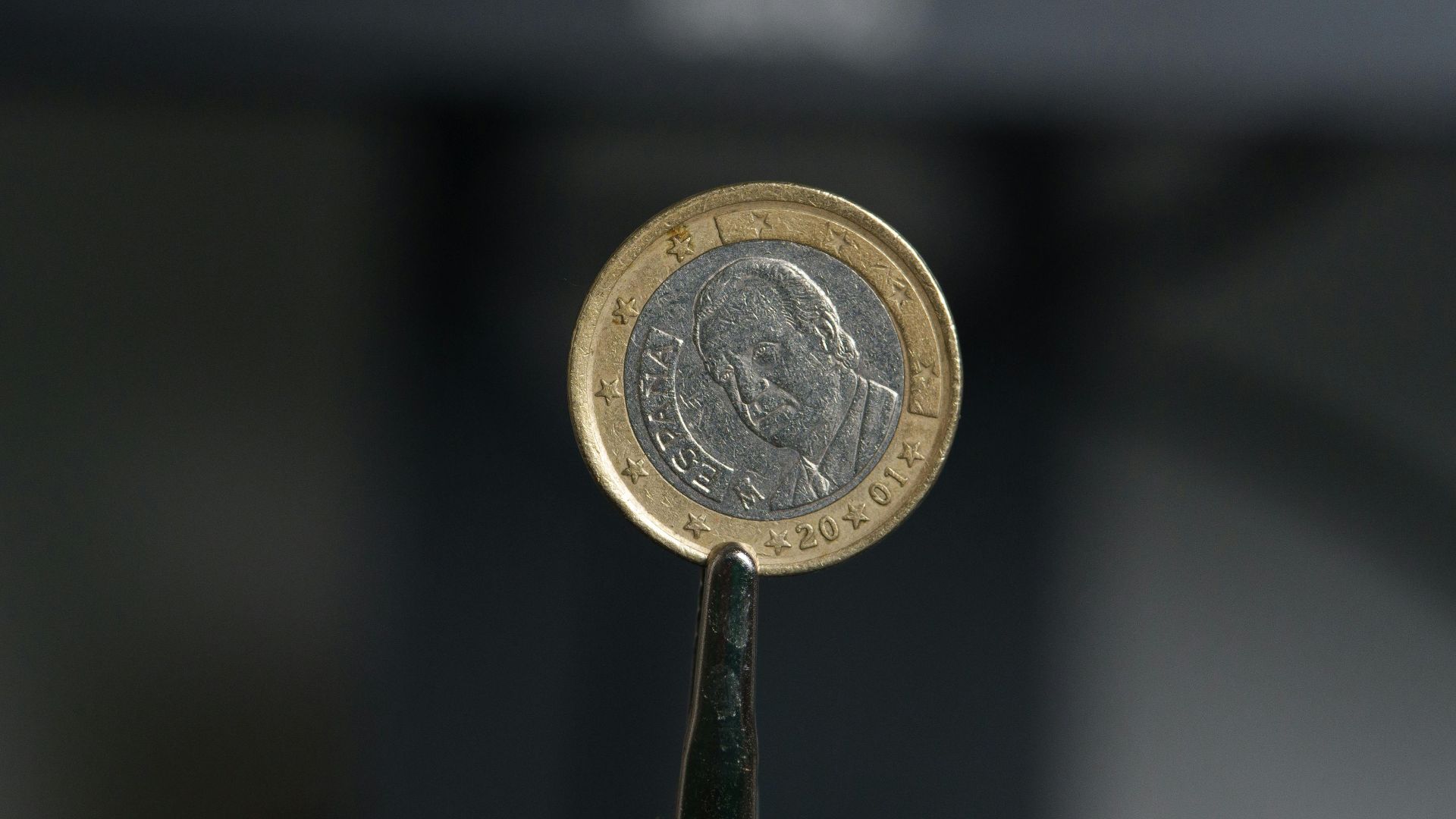
Old does not always mean valuable. Coins in better condition usually sell for more, even when they are not especially rare. Clear lettering, sharper edges, and less wear can raise the price. Coins that look badly damaged or heavily worn tend to bring less, so condition matters nearly as much as age.
Decide Whether This Is A Collection Or Bulk Metal
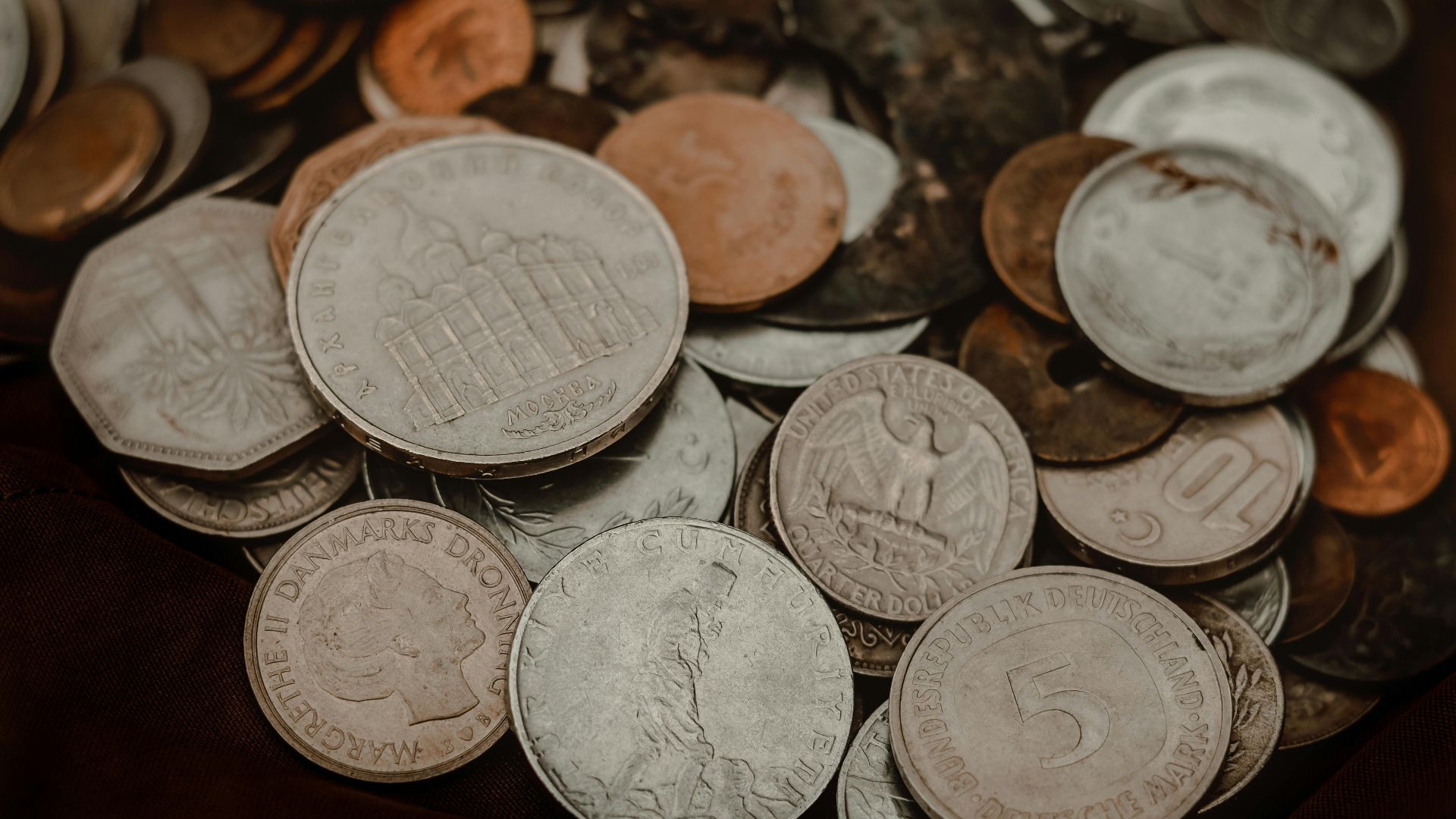
After sorting, you may realize you inherited two things at once. Some coins may have collectible value, while others are just bulk old metal. That matters because the selling strategy is different for each group. Better coins deserve careful pricing, while common pieces may be easier to sell together in lots.

A Coin Dealer Can Be Your Best Shortcut
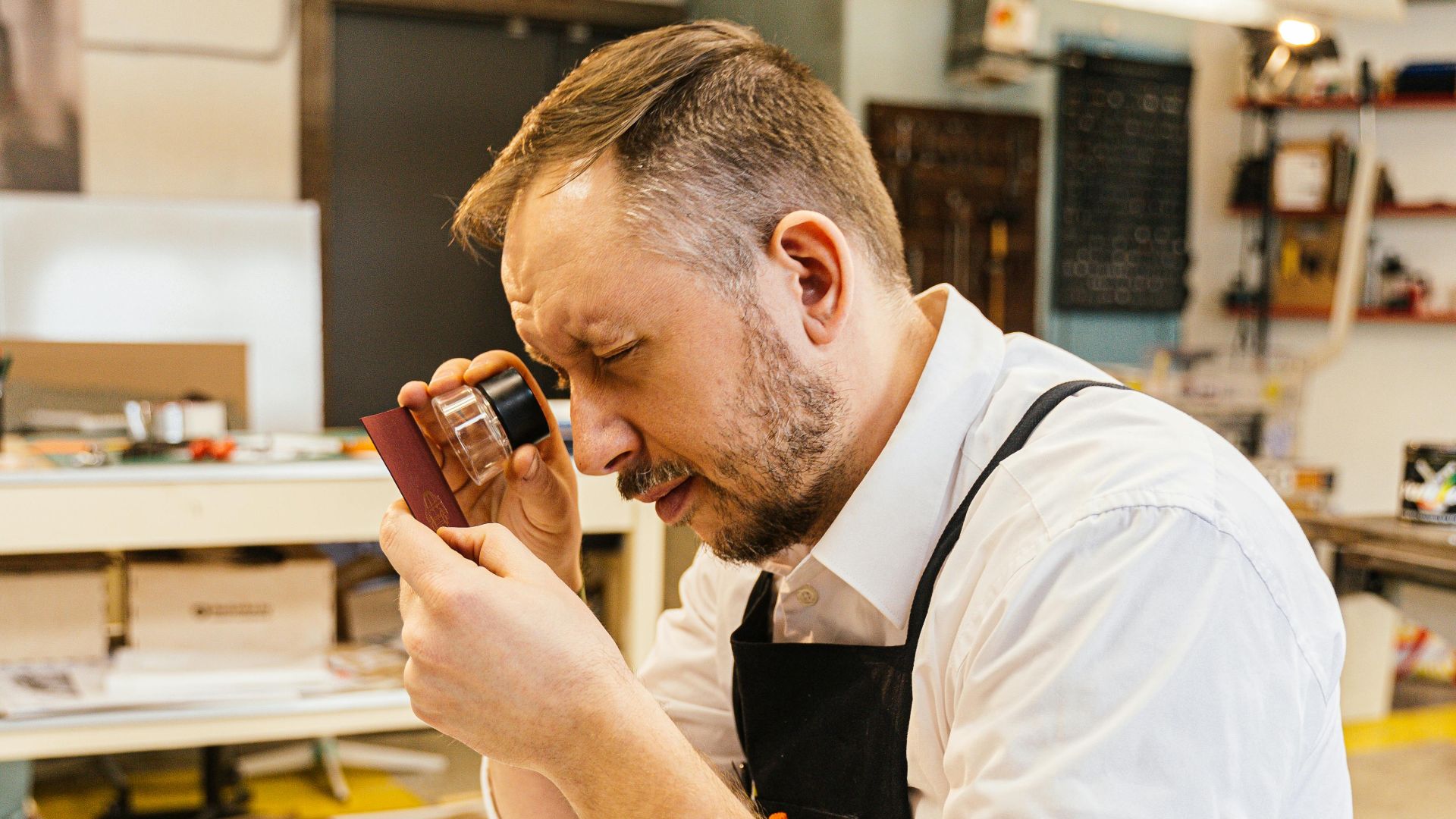
If the pile is large, a good coin dealer can save you a lot of time. An experienced dealer can quickly separate the common stuff from the valuable pieces and point out anything unusual. Just make sure the dealer is reputable. You want someone who explains their offer, not someone who rushes you into selling.
Get More Than One Opinion
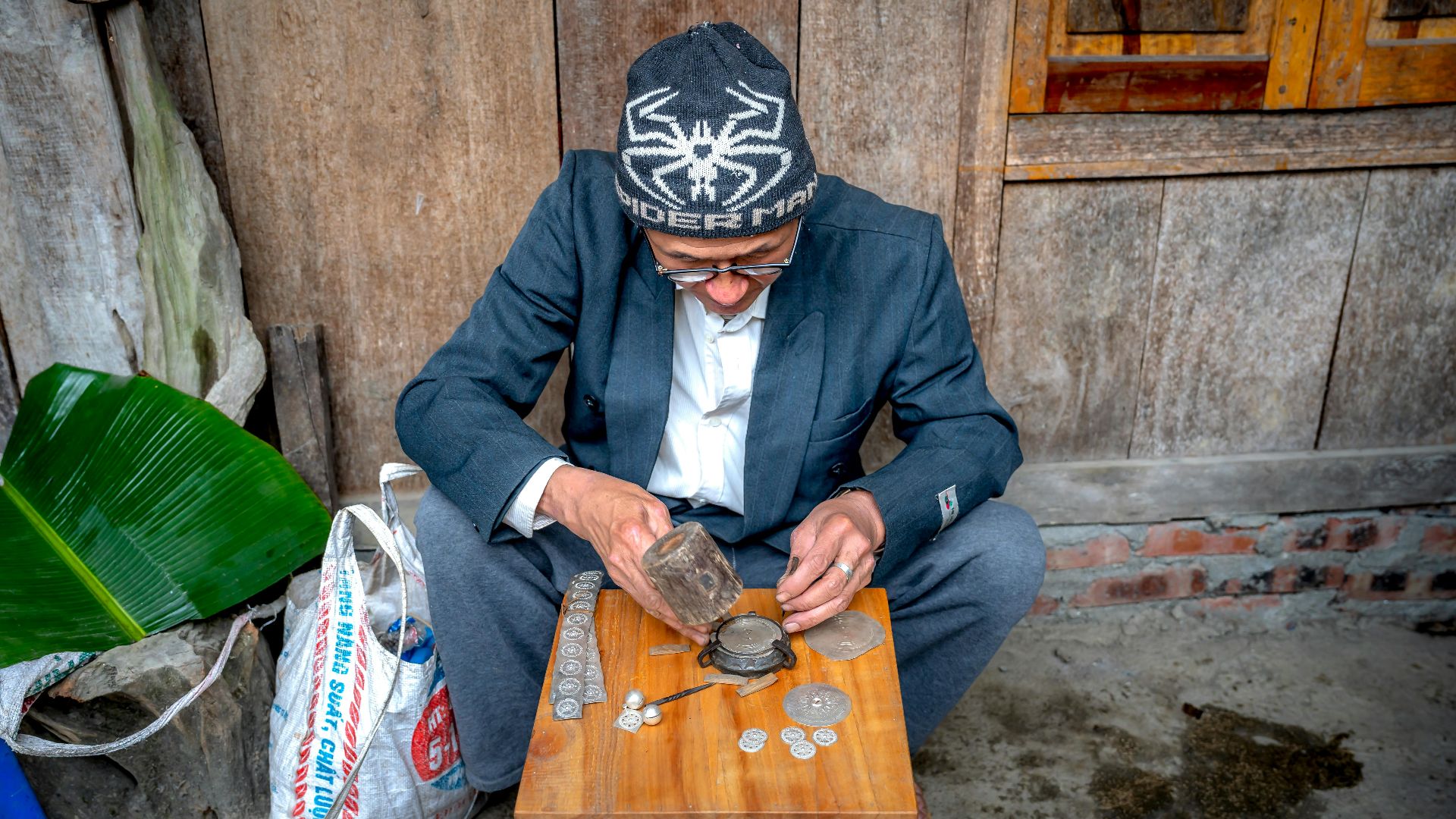
One appraisal is helpful, but two or three are better. Coin values can vary depending on the buyer, the market, and the way the coins are sold. Comparing opinions helps you spot low offers and gives you confidence if several experts highlight the same pieces as important. A second opinion is often money well spent.

Auction Houses May Make Sense For Better Pieces
If you find scarcer coins or strong collectible groups, an auction house may be the better choice. Auctions can attract serious buyers willing to pay more than a dealer buying for resale. Still, fees matter, and not every coin belongs there. The key is knowing which pieces deserve wider attention and competition.
Online Marketplaces Are An Option, But Not An Easy One
Selling coins online can sometimes bring better prices, but it takes effort. You need clear photos, accurate descriptions, secure shipping, and patience for questions and haggling. If you know what you have, it can work well. If you do not, it can be an easy way to underprice something valuable by mistake.

Banks Usually Will Not Help Much
Since these pennies are not legal tender, most banks will not simply exchange them for cash. That surprises people because coins feel official forever once they are metal and stamped. But once a coin is demonetized, it often falls outside normal banking. Your bank may offer advice, but probably not an easy solution.

Check Whether A Central Bank Redemption Program Exists
Some countries let people exchange old coins or notes for current money, but others set a deadline and close the door. That makes this an important step. If the issuing country still redeems them, that may create a value floor. If not, the collector market becomes even more important for getting your money out.

Metal Value Might Matter, But Usually Not First
It is tempting to think you can just sell the coins for copper or bronze value. Sometimes that creates a price floor, especially for older pieces with more metal content. But melting coins can be restricted or unprofitable. Collector value should almost always be checked first, since it is often worth more than scrap.
Family History Adds Emotional Value
Your grandmother probably saved these pennies for a reason. Maybe she liked the ritual, loved old coins, or simply hated throwing history away. That story will not always raise the price, but it may shape your decision. Sometimes the best move is selling most of the pile while keeping a meaningful small portion.
Keep A Few Of The Best As Mementos
Not every inheritance has to be turned into cash completely. Keeping a few of the oldest, prettiest, or most meaningful pennies can preserve the memory without leaving you stuck with buckets of metal. A small framed display or keepsake box can turn part of the collection into something personal and lasting.
Watch Out For Estate-Sale Sharks
Inherited collectibles tend to attract opportunists. Be careful around anyone who pressures you to sell fast, discourages second opinions, or insists the coins are not worth much. Honest buyers do not mind comparison shopping. If someone seems overly eager to take the pile off your hands, that is a reason to slow down.

Documentation Can Raise Confidence
If your grandmother left notes, albums, envelopes, or records about the coins, keep them. Original packaging and handwritten labels can add useful context and help support authenticity. Buyers like a good story when it is backed by evidence. Even simple notes can make the collection feel more organized and trustworthy.
Selling In Batches Can Be Smarter Than One Giant Dump
You do not need to sell everything at once. Better-condition coins, rare pieces, and interesting groups can be sold separately, while common coins can go later in bulk lots. This takes more effort, but it often leads to better returns overall. The best pieces usually should not be buried in a bargain pile.
Taxes And Paper Trails Still Matter
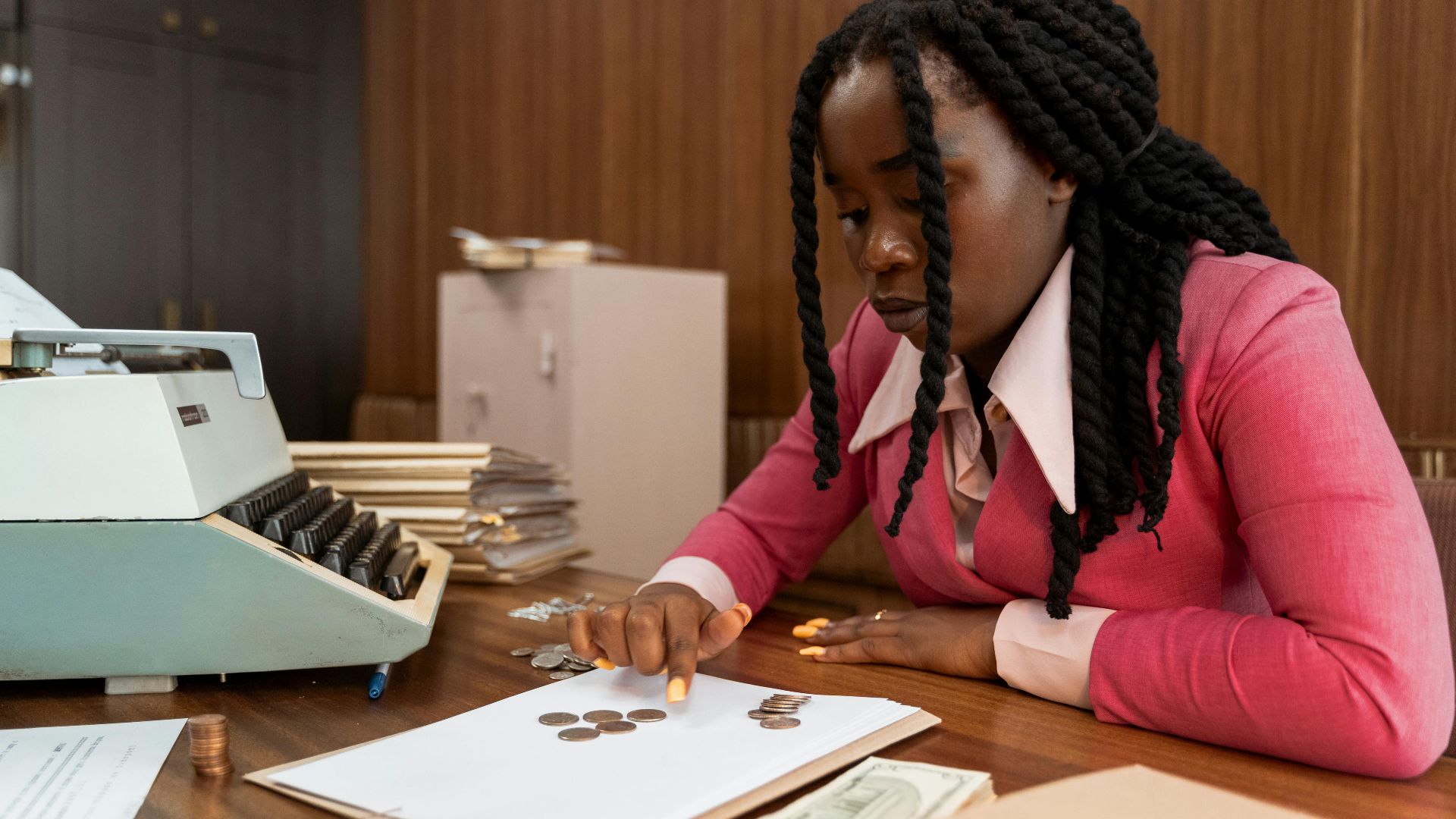
Even an inheritance like this can bring tax questions, especially if you later sell the coins for a profit. Keep records of appraisals, offers, sale prices, and fees. That makes life easier if you need to explain the numbers later. The coins may be old, but your paperwork should be neat and modern.

When In Doubt, Pay For A Proper Appraisal
If the collection looks substantial or includes older pieces, paying for a formal appraisal may be worth it. A qualified appraisal can help with estate planning, taxes, insurance, and better selling decisions. It also lowers the risk of unloading something special for too little. Sometimes spending a little protects a lot.
The Real Answer Is: Treat Them Like Assets, Not Change
This is the mindset shift that solves the problem. These are not coins to spend. They are items to identify, organize, value, and sell carefully. Once you stop viewing them as unusable money and start seeing them as collectible property, the path becomes much clearer. It is a project, but it may be a rewarding one.
A Penny For Her Thoughts, And Maybe Quite A Bit More
So what do you do with $5,000 in old pennies that are not legal tender? You sort them, research them, avoid cleaning them, get expert opinions, and sell them carefully instead of quickly. Somewhere in that pile may be real hidden value. At the very least, your grandmother left you a story and a final treasure hunt.
You May Also Like:
Mad Money's Jim Cramer Tells Everyday Investors To Stop Taking Billionaires' Advice