
The Check Always Lands On Your Table
It can seem charming at first. Your husband grabs the bill at every dinner, everyone smiles, and the night moves on. Then you get home and hear the real takeaway: money is tight, and the budget is feeling it.

When Generosity Starts Costing Too Much
This is not just about manners. It is about whether a social habit is quietly hurting your finances. If someone keeps paying for the group while also saying the household is broke, the issue is no longer just generosity. It is a money problem that needs a real conversation.

Why This Pattern Hits So Hard
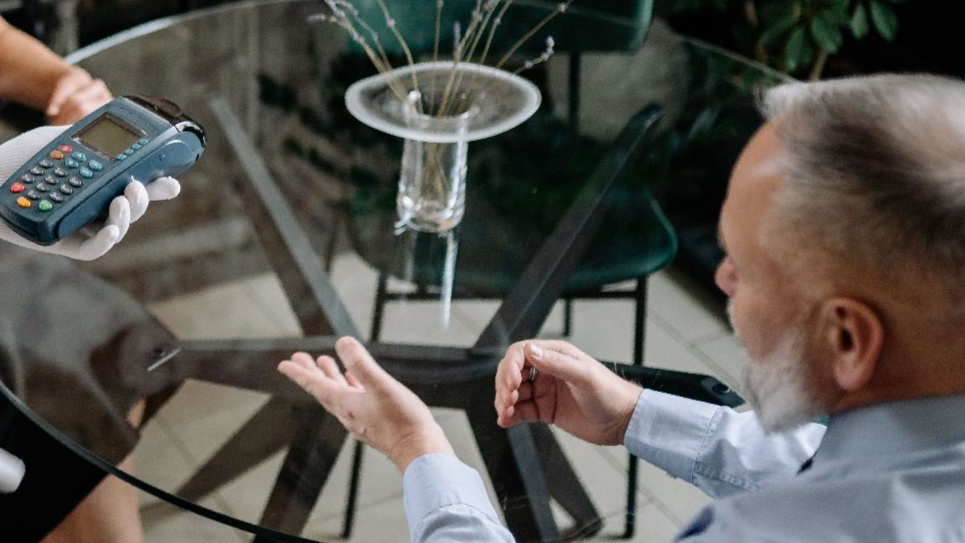
Restaurant spending is one of the easiest ways a budget can spring a leak. Small splurges feel fun and harmless, but repeated group bills can turn into a serious expense over time. The spending happens in public, but the stress shows up at home, which is why couples often end up arguing about more than just dinner.

The Numbers Behind Dining Out
The U.S. Bureau of Labor Statistics reported in September 2024 that the average consumer unit spent $3,933 on food away from home in 2023. That was a 6.2% increase from 2022. If your household is regularly covering other people too, that number can climb way past the national average in a hurry.

It Is Not Just One Fancy Night
One dinner for four or six people may not look like a disaster. The problem is when it keeps happening. An extra $120 tab twice a month adds up to $2,880 a year, and that is before birthdays, drinks, and tip-heavy celebration dinners even enter the picture.

Why People Keep Paying Anyway
Money habits are often emotional before they are practical. Some people pay because it makes them feel generous, admired, or in control. Others do it to avoid awkwardness or because they grew up believing the host, the higher earner, or the man at the table should always pick up the check.
The Psychology Is Real
Research has long shown that money is tied to identity, status, and stress. The American Psychological Association has repeatedly found in its annual Stress in America reporting that money is a major source of stress for adults. When someone spends to keep up an image but worries about it later, that tension can spill into a marriage fast.

Private Complaints Are An Important Clue
The complaining matters just as much as the spending. If your husband were happily choosing generosity and your finances could handle it, there would be less reason for conflict. The fact that he says you are broke suggests he may already know the behavior does not line up with reality.

This Can Be A Form Of Financial Avoidance
Sometimes people use public generosity to dodge private money stress. Paying the bill creates a quick emotional reward, while budgeting requires limits, tradeoffs, and honesty. That gap between impulse and reality is where many couples start to feel stuck.

What Financial Experts Usually Recommend First
The Consumer Financial Protection Bureau advises couples to talk openly about spending, bills, and financial goals instead of assuming they are on the same page. That matters here because restaurant spending is not just his personal quirk if it affects shared cash flow. Shared money needs shared rules.

Start With The Actual Cost
Before turning this into an argument about personality, turn it into math. Pull the last three to six months of bank and credit card statements and total every meal where he paid more than your household share. Real numbers can cool down a fight and show whether this is a small annoyance or a real budget problem.

Look For The Hidden Categories Too
The restaurant bill is only part of the story. Add in cocktails, rideshares, event tickets, and the bigger tip that often comes with paying for a larger group. A habit that looks like one expense can actually be spread across several budget lines.

Set A Monthly Social Spending Cap
One practical fix is to agree on a monthly amount for dining out and treating other people. This is not about banning generosity. It is about giving it a limit so it does not crowd out rent, debt payments, emergency savings, or retirement contributions.
 simona pilolla 2, Shutterstock
Create A Rule For Group Dinners
Many couples do better with a simple default rule. For example, you pay only for yourselves unless it is a birthday, a special celebration, or a planned treat that fits the budget. Rules made at home are much easier to follow when the check lands on a crowded table.

Talk Before The Reservation, Not After The Bill
Timing matters. A conversation in the car on the way home usually happens after embarrassment and frustration have already kicked in. A calm talk before the next dinner gives you both a plan before the server drops the bill in front of everyone.

Use Clear Language, Not Vague Frustration
Try something direct like, “I love that you are generous, but I am worried because the spending does not match what we say about being broke.” That keeps the conversation focused on behavior and shared goals instead of turning it into a personal attack. It also makes it harder for the discussion to slide into defensiveness.

The Budget Should Reflect Your Values
If treating friends really matters to him, the budget can make room for it on purpose. But intentional spending means something else may need to shrink. The real question is whether he is willing to make that trade openly instead of acting like the money does not count.

Watch For Image Spending
Some spending is less about kindness and more about appearance. Covering every check can become a way to signal success, leadership, or generosity to friends. If that is happening while the bills at home feel heavy, the household may be paying for an image it cannot comfortably afford.

Friends May Not Even Expect It
One thing people miss is that friends may be perfectly happy to split the bill. Group dining customs are a lot more flexible now, especially with payment apps making it easy to divide costs. What feels like a social obligation may actually be one he created for himself.

Technology Has Made Splitting Simpler
Payment tools like Venmo, Zelle, and restaurant point-of-sale systems have made awkward bill math much less necessary than it used to be. In many places, splitting checks is completely normal. That means the old excuse that it is easier for one person to pay does not hold up the way it once did.

Check Whether Debt Is Getting Worse
If this habit is being funded with a credit card that is not paid in full each month, the problem gets expensive fast. The Federal Reserve has documented that credit card interest rates have stayed high by historical standards in recent years. Generosity charged at double-digit interest can turn into a very costly habit.

Protect The Emergency Fund First
Fidelity and many other financial institutions routinely recommend keeping emergency savings for unexpected expenses. If paying for friends is stopping you from building even a basic emergency fund, that is a red flag. Social spending should not come before financial stability.

What If He Says It Is “Just Who He Is”
Personal identity is not a budget category. Plenty of people are warm and generous without paying every tab. If this habit is part of how he sees himself, the compromise may be choosing certain moments to treat instead of turning every dinner into a show of generosity.

Try A No Surprise Spending Agreement
Couples often do well with a threshold rule. For example, any unplanned social spending above a set amount gets discussed first. The exact number can vary, but the idea is simple and fair. Big gestures should not become one-sided financial decisions.
 Vodafone x Rankin everyone.connected, Pexels
When This Signals A Bigger Marriage Issue
Sometimes the restaurant bill is only the most visible symptom. If one spouse keeps making money decisions in public and apologizing for them in private, the deeper issue may be poor communication or a need for outside approval. In that case, the fix is not just a tighter budget but a more honest partnership.

When To Bring In A Third Party
If the same fight keeps happening, a financial therapist, couples counselor, or fee-only financial planner may help. An outside expert can separate the emotional side of the behavior from the actual dollars involved. That can be especially useful if both of you feel misunderstood.

The Bottom Line On Your Husband’s Bill Paying Habit
Yes, generosity can become a financial problem when it clashes with your real budget. The clearest test is whether the behavior fits your income, savings goals, and debt obligations. If he says you are broke but keeps buying dinner for the table, it is time to replace silent resentment with clear rules.