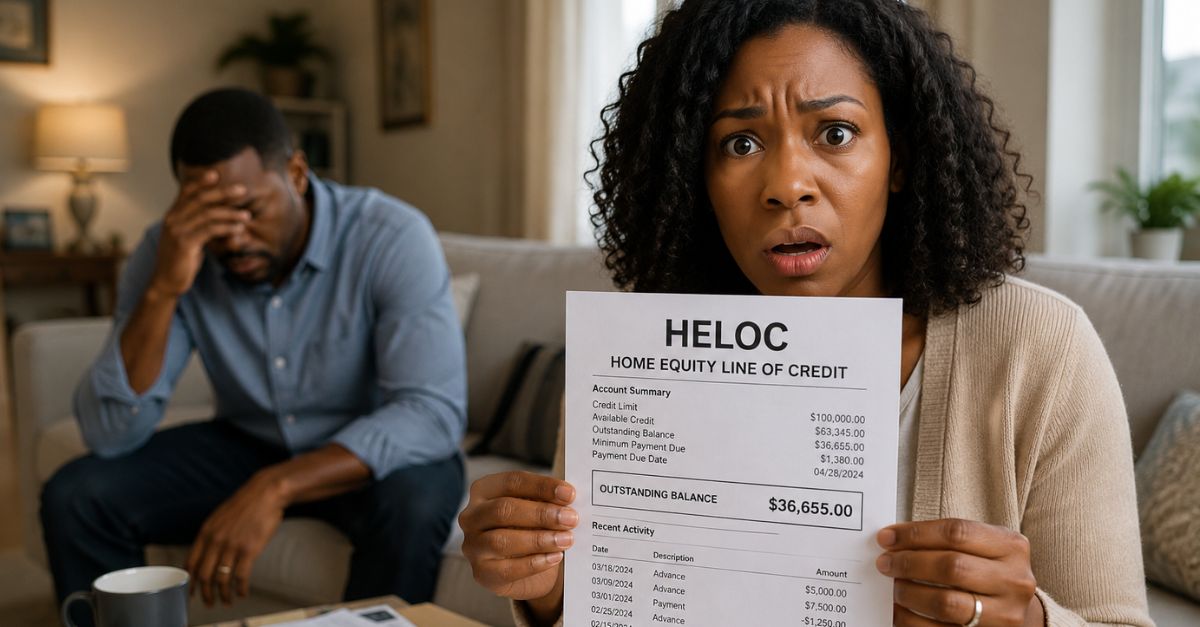
A Secret HELOC Can Trigger A Family Financial Mess
A home equity line of credit, or HELOC, can seem like an easy way to get cash. That is what makes it so risky when one spouse uses it without a real conversation. If your husband quietly used a HELOC to cover business losses, the big issue isn't just what he did. It's whether your name, your home, and your state’s laws could leave you stuck with the debt.
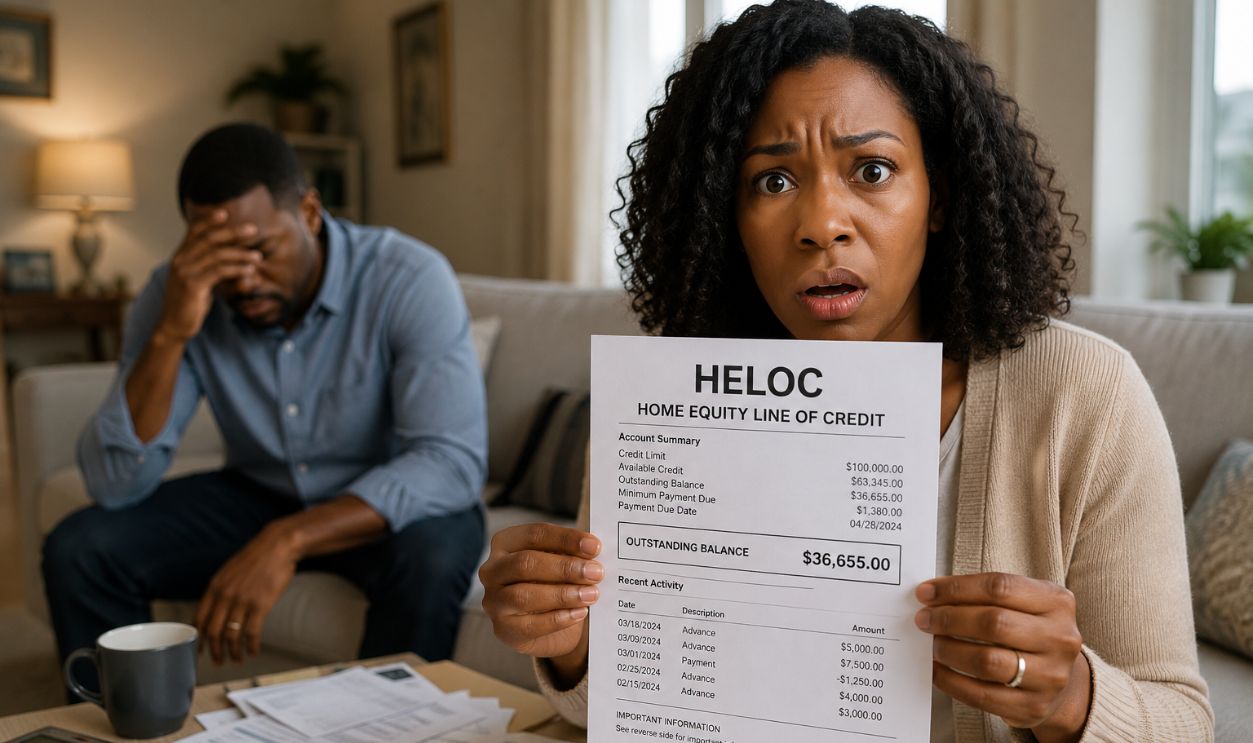
Start With The Basic Reality
If your name is on the HELOC, you are usually responsible for the debt, even if you did not approve every draw. Consumer Financial Protection Bureau guidance makes clear that co-borrowers are generally liable under the loan contract. In simple terms, lenders usually care more about the paperwork than about who spent the money.

If Your Name Is Not On The HELOC, It Gets Tricky
If your husband was the only one who signed for the line of credit, your personal liability may be more limited. But the home itself may still be at risk if it was pledged as collateral. So even if the lender cannot come after you personally in the same way, the debt may still put your house in danger.

Why A HELOC Is Not Like A Credit Card
A HELOC is a secured loan, which means it is tied to the house. The Federal Trade Commission notes that home equity borrowing puts your property at risk if payments are missed. So even if your spouse says the money only went to a failing business, the lender sees a debt backed by the family home.
The Loan Papers Matter More Than Anything Else
One of the first things to check is whether both spouses signed the mortgage or deed of trust for the HELOC. The Consumer Financial Protection Bureau says lenders must identify who is obligated under the loan and provide key disclosures. Those records can help show whether you were a borrower, a non-borrowing spouse, or someone who only signed because of an interest in the property.
Your State Law Can Change The Answer
Marriage and debt do not work the same way in every state. In community property states, some debts taken on during marriage can affect marital property more broadly. In common law states, liability usually follows the name on the account, though jointly owned assets can still be exposed.

Community Property States Create More Spillover Risk
The National Conference of State Legislatures lists Arizona, California, Idaho, Louisiana, Nevada, New Mexico, Texas, Washington, and Wisconsin as community property states, with Alaska allowing couples to opt in. In those states, debts taken on during marriage can raise harder questions about marital assets and obligations. That does not mean every secret business debt becomes yours, but it can make the situation a lot more serious.

Common Law States Usually Follow The Contract
In most states, lenders first look to the person who signed the loan agreement. If your husband borrowed the money on his own, that can be a strong fact in your favor. But if the HELOC is secured by a home you both own, the house can still be on the line even if you never promised to repay the debt yourself.

Business Losses Are Not The Same As Family Necessities
Courts and lenders often treat money used for a spouse’s business differently from money used for groceries, utilities, or medical care. That matters because some states recognize spousal liability for necessities, but a struggling business usually does not fit that category. If the HELOC money went to prop up a company, that may help support the argument that the debt was not taken on for family support.

The Home Title Is A Huge Part Of The Story
Check how the property is titled. If you and your husband own the home together, the lender may have needed both spouses to sign security documents to create a valid lien, depending on state law and homestead protections. If only one spouse owned the home before the HELOC, the paperwork may point in a different direction.

Homestead Rules Can Matter A Lot
Some states have strong homestead protections that limit how a primary residence can be encumbered or sold. Texas, for example, has constitutional rules for home equity lending and spouse consent that are stricter than in many other states. Those protections do not erase a valid HELOC, but they can matter if the loan was not done properly.

Red Flag Number One: Missing Signatures
If you never signed the HELOC papers but your signature appears anyway, this may be more than a debt issue. It could be fraud or forgery. That is when it makes sense to move fast, get copies of the full closing package, and compare every signature and initial carefully.
 AI25.Studio AI GENERATIVE, Pexels
Red Flag Number Two: A Draw You Never Knew About
Sometimes the line of credit was opened properly years ago, but one spouse later drains it in secret. If you originally signed for the line, your argument is weaker because most HELOCs let either borrower draw funds. That is the ugly part of joint borrowing. Agreeing to the account may already have given your spouse access without needing your later approval.

What The CFPB Says About HELOC Risk
The Consumer Financial Protection Bureau warns borrowers to understand draw terms, payment changes, and the fact that the home is collateral. That matters here because a secret draw can turn into a much larger payment later. For many families, the first sign of trouble is not the borrowing itself. It is the shocking bill that shows up after.
 ajay_suresh, Wikimedia Commons
What The FTC Says About Home Equity Borrowing
The Federal Trade Commission has long warned consumers not to treat home equity as easy money. Its guidance stresses that if you cannot repay, you could lose your home through foreclosure. That is why this kind of secret borrowing hits so hard. The damage can go far beyond a hidden credit card balance.
 ajay_suresh, Wikimedia Commons
Divorce Does Not Make The Debt Disappear
If divorce becomes part of the picture, a family court may divide responsibility between spouses. But that usually does not change the lender’s contract. If you are on the HELOC, the lender may still come after you even if a divorce order says your ex is supposed to pay it.
 https://kaboompics.com/, Pexels
Why The Lender File Should Be Your First Stop
Before you panic, gather the HELOC agreement, deed of trust or mortgage, monthly statements, and closing disclosures. Ask the lender for a full payment and draw history. The exact signatures, dates, and account terms will shape almost every legal answer.

Check The County Land Records
Security documents tied to a HELOC are often recorded in county land records. That filing can show when the lien was placed on the property and who signed it. If your husband claimed you knew all about it, the public record may tell a much clearer story.

Did You Sign As A Borrower Or Just To Release Rights
At some closings, a spouse signs only to acknowledge a lien or give up homestead or marital rights, not to take on personal liability for the note. That difference is a big deal. A real estate or consumer lawyer can help figure out whether your signature made you personally responsible or only affected the house.

If You Suspect Fraud, Put It In Writing Quickly
If you think your signature was forged or the lender did not follow required procedures, document the dispute right away. Send written notice to the lender explaining the problem and keep copies. A clear paper trail early on can matter if the account later goes into default or court.

Keep A Close Eye On Your Credit Reports
A HELOC can show up on your credit reports if you are a borrower. Check all three major credit bureaus for the account, the balance, and any missed payments. If the loan is being reported the wrong way, dispute it and keep records of every step.

Do Not Count On The Bank To Untangle This For You
Lenders are not there to sort out family trust problems. Their main concern is usually whether the loan documents are enforceable and whether the collateral secures repayment. That means you need your own careful review, not just a quick answer from customer service.

When Business Debt Spills Into Home Debt
Small business losses often get covered with personal borrowing because it is faster and easier than business credit. The Small Business Administration notes that business owners use several funding sources, including loans. When home equity becomes the backup plan, a business problem can quickly become a household crisis.

The Questions That Matter Most Right Now
Was the HELOC opened in your name too, or only your husband’s. Did you sign the note, the mortgage, or both. Did state law require your consent for the lien or for home equity borrowing on a primary residence. Those are the questions that lead to the real answer.

Practical Steps To Take This Week
Get the loan file, review your credit reports, and check county records. Then talk to a consumer lawyer, real estate lawyer, or family law lawyer in your state, especially if foreclosure, divorce, or forgery may be involved. If the balance is already getting hard to manage, ask about hardship options, freezing future draws, and whether refinancing or selling the home needs to be discussed.

The Bottom Line On Responsibility
Can you be responsible for debt you never agreed to. Sometimes yes, especially if you signed the HELOC documents or if state property law puts jointly owned assets at risk. But if you did not sign, or if required consent was missing, you may have strong arguments to limit personal liability or challenge the lien. That is why the paperwork and your state law matter more than the secrecy itself.