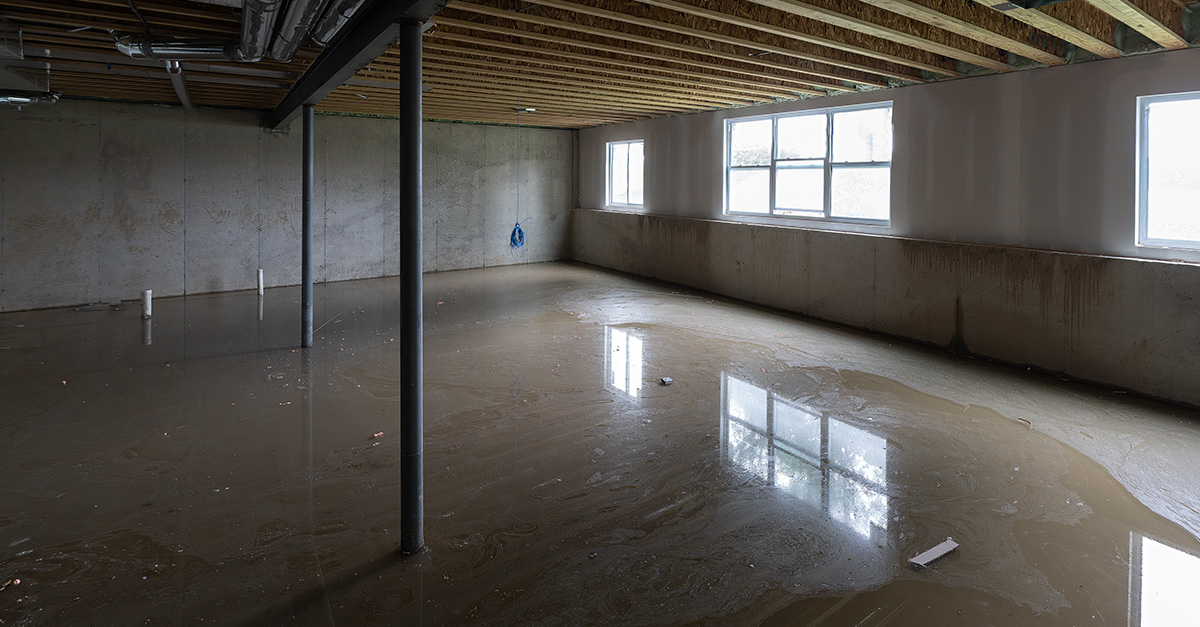
When Your Neighbor’s Downspout Becomes Your Problem
Owning a home comes with its share of headaches, but dealing with a neighbor’s drainage setup shouldn’t be one of them. Still, that’s exactly what one reader is facing. Their neighbor installed a downspout that sends rainwater straight toward their basement wall, and with heavy rain in the forecast, the worry about flooding is very real. The neighbor has already refused to move it. So what can you do when someone else’s gutter setup could damage your home? Before the next storm rolls through, here are some practical steps to consider.
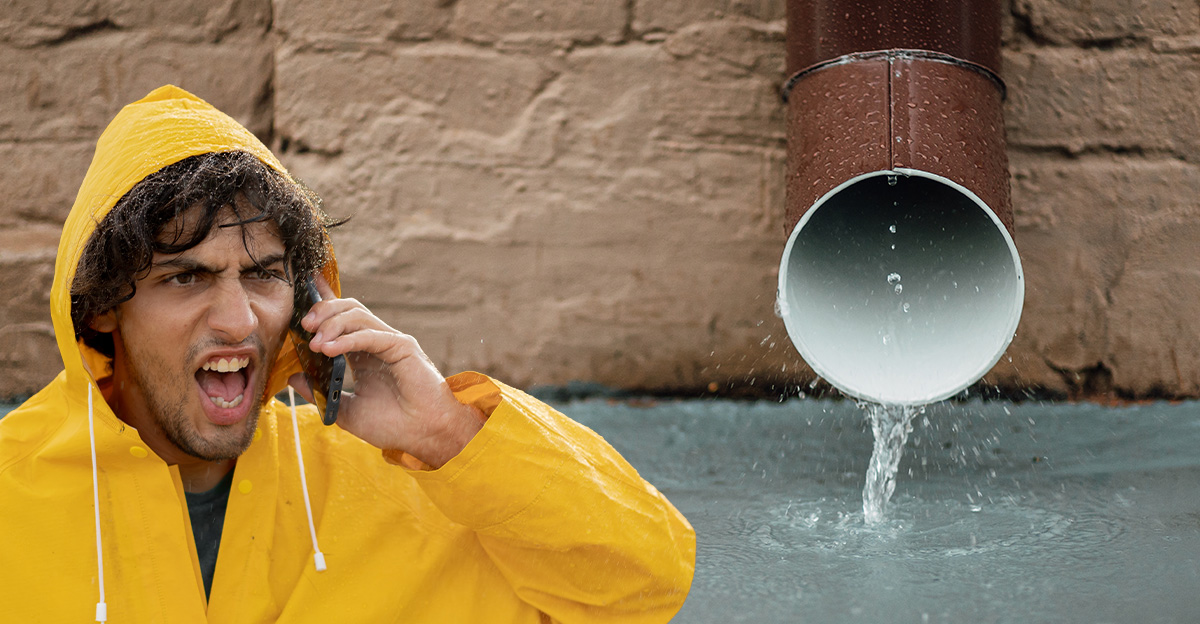
A Downspout Aimed Straight At Trouble
Picture watching a rainstorm knowing your neighbor’s roof is about to send water toward your house. That’s the problem here. Downspouts carry rain from the roof, and during storms they can release a lot of water. If that water is aimed at your basement wall, it raises the risk of leaks and flooding.
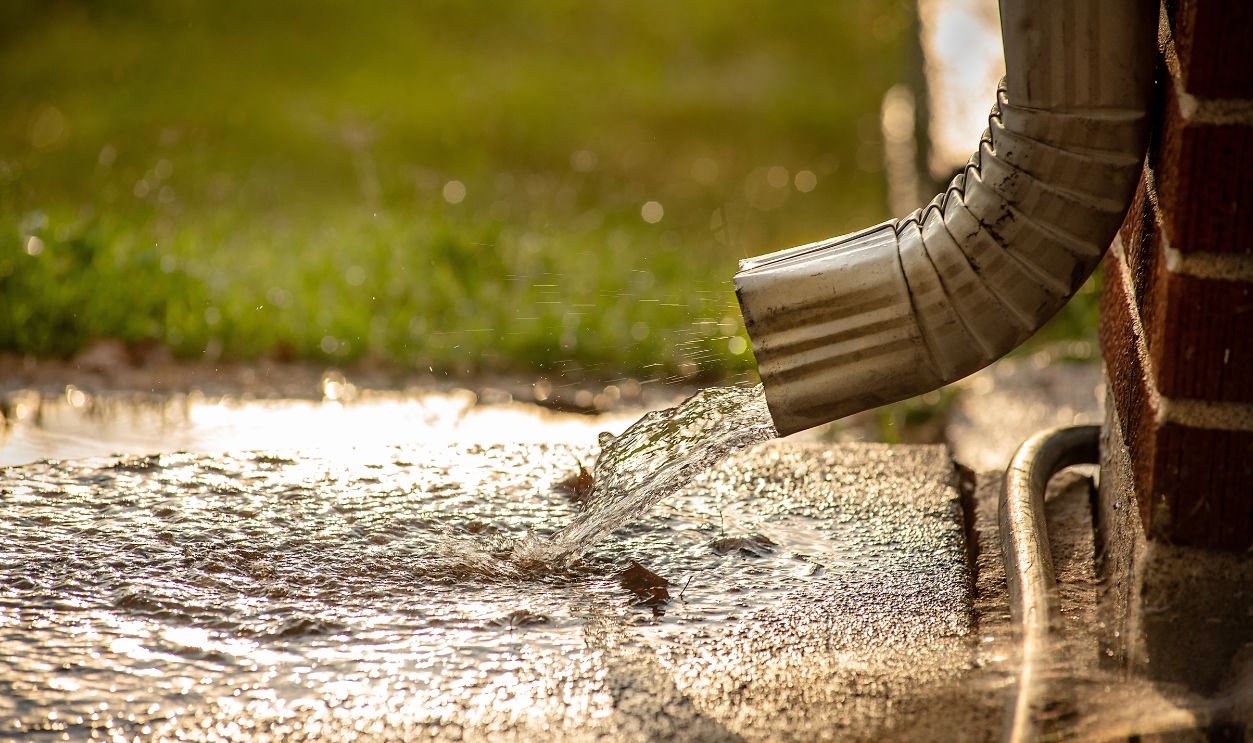
Why Downspouts Matter More Than You Think
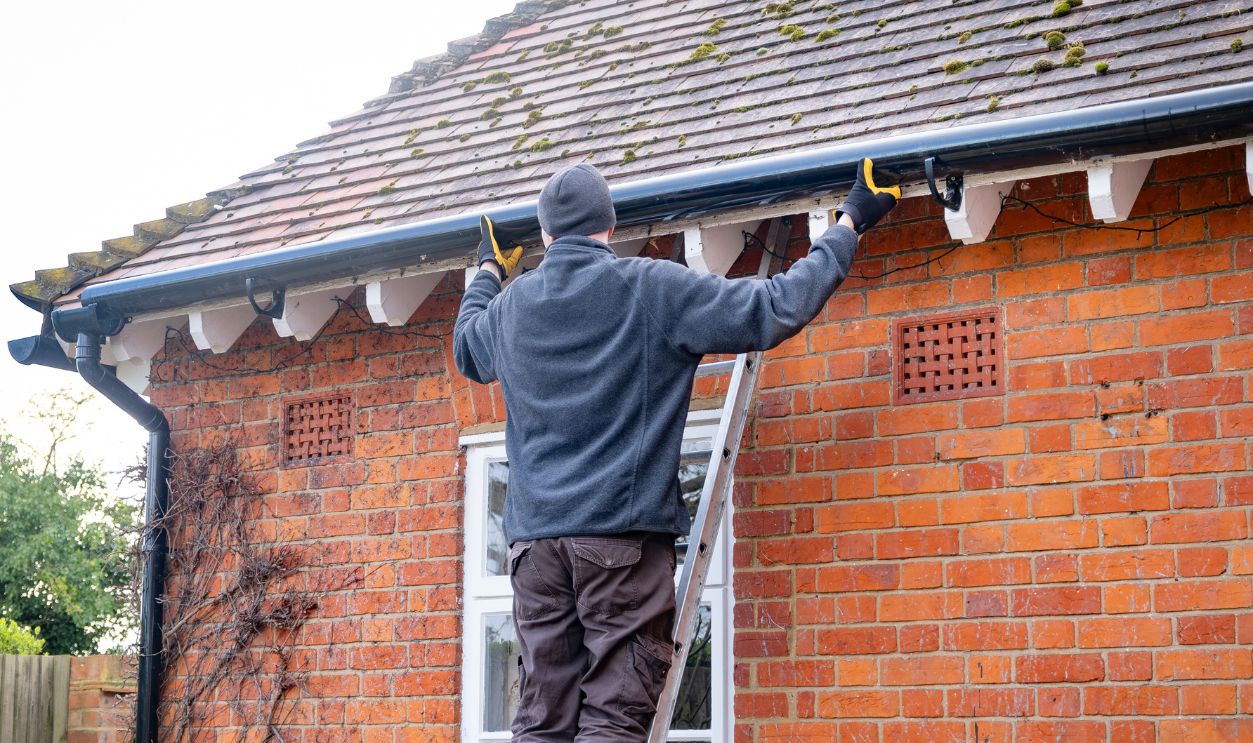
Gutters and downspouts aren’t just random metal pipes. They’re designed to move water safely away from a home’s foundation. When they’re pointed the wrong way, they push water into places it shouldn’t go. One poorly placed downspout can undo all the drainage work around your home.
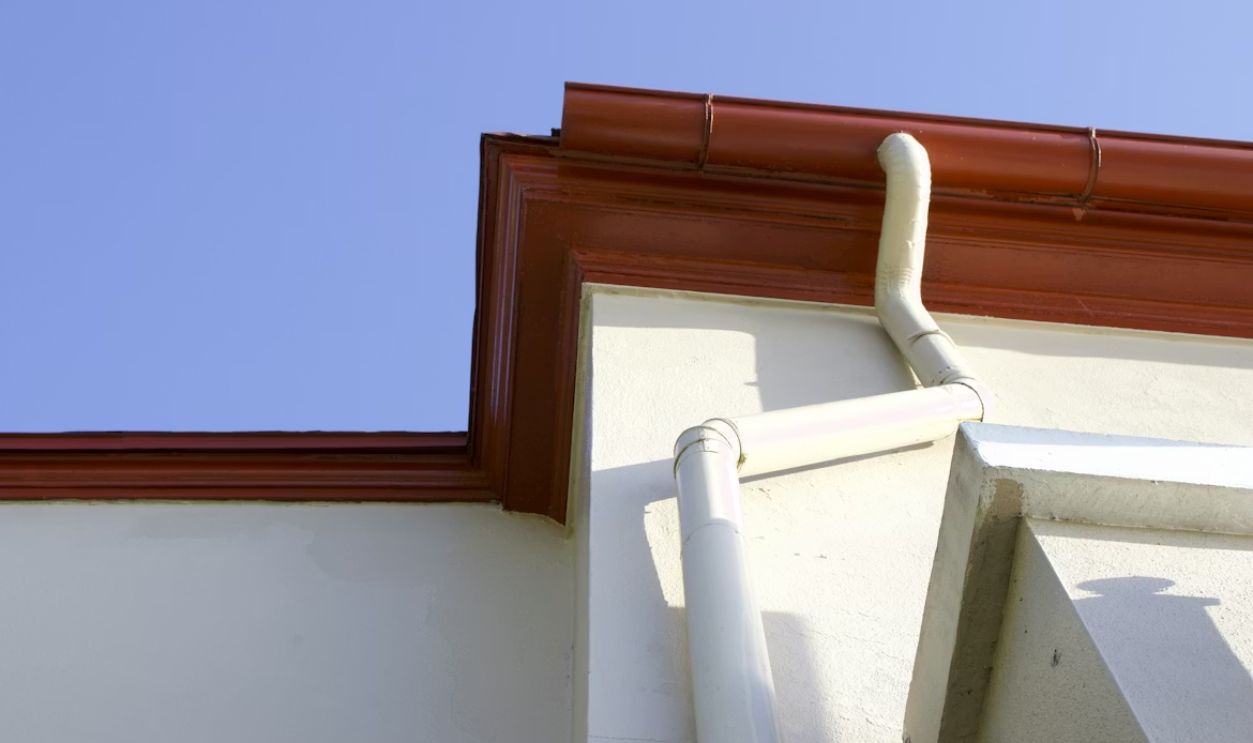
Heavy Rain Makes The Problem Worse
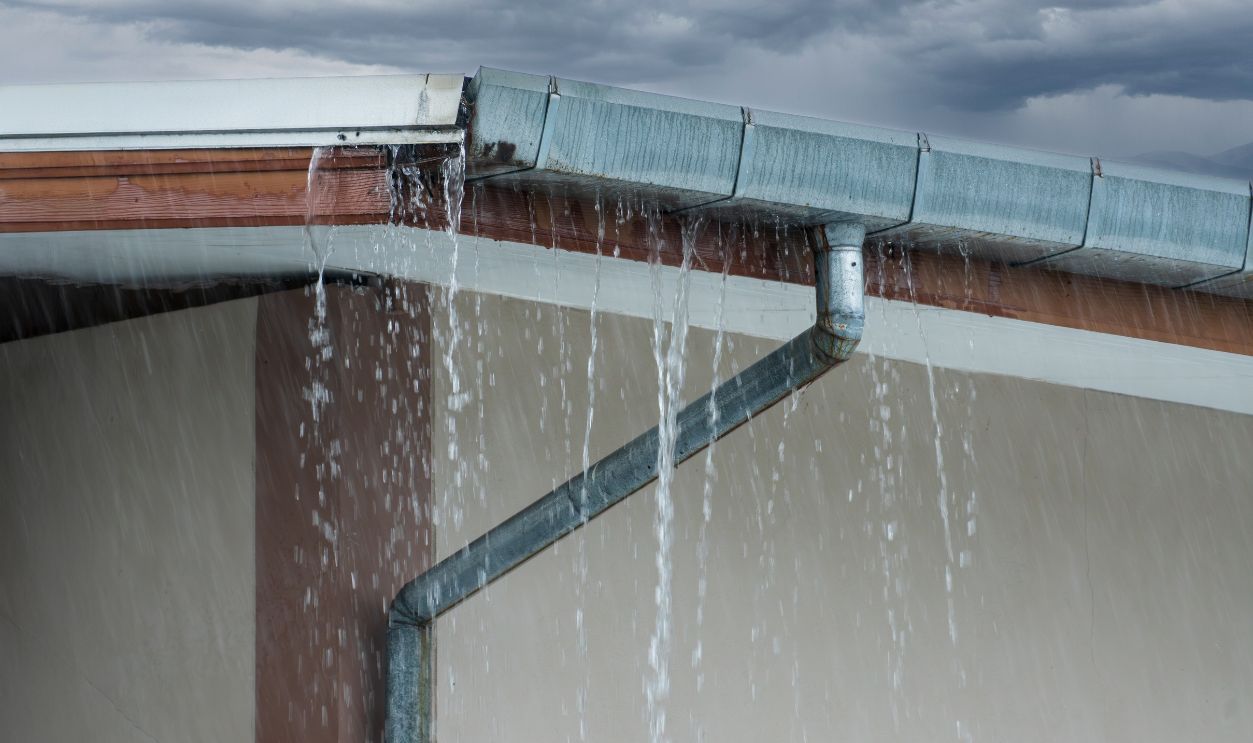
A small amount of runoff might not look serious during light rain. But heavy storms change the situation quickly. Roofs shed a surprising amount of water in a short time. When that water pours from one downspout aimed toward your house, the ground can quickly become overwhelmed.
Your Basement Flooding Fear Is Real
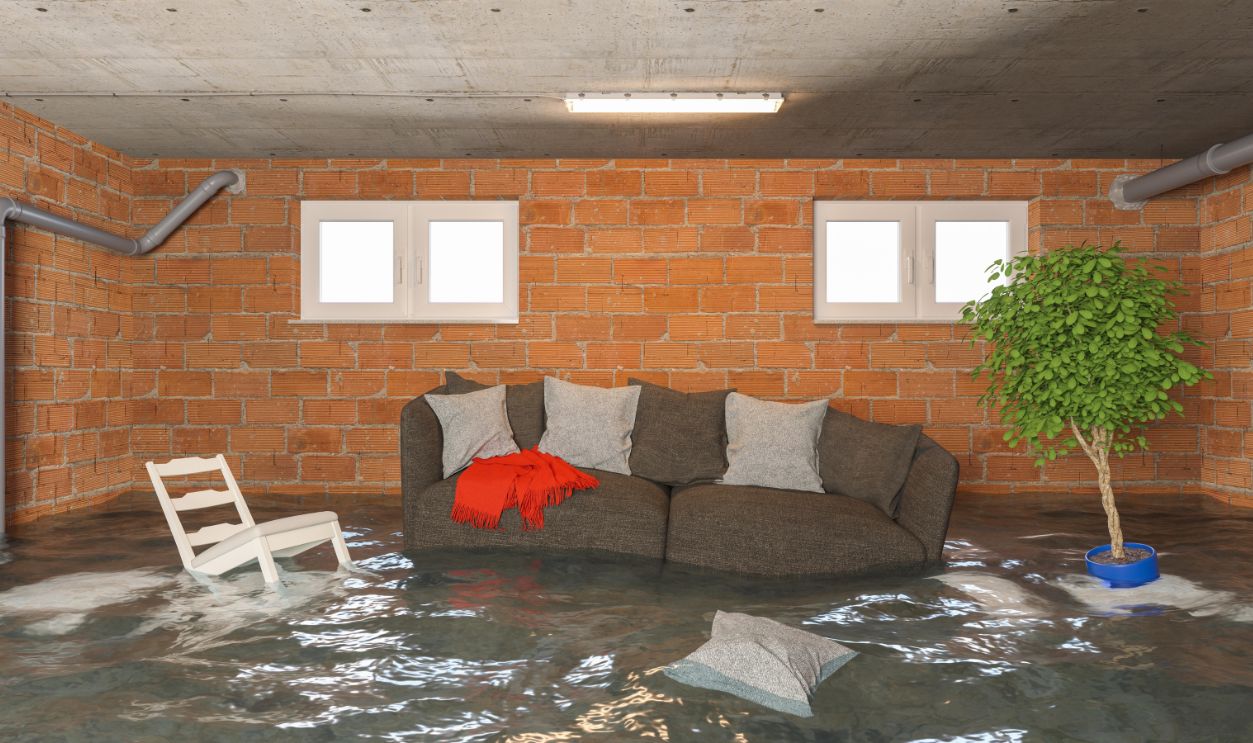
Worrying about basement flooding is completely reasonable. When soil near a foundation becomes soaked, water pressure builds against the walls. Even small cracks or weak spots can let water seep inside. Once that happens, cleanup and repairs can become expensive.
Step One: Watch Where The Water Goes
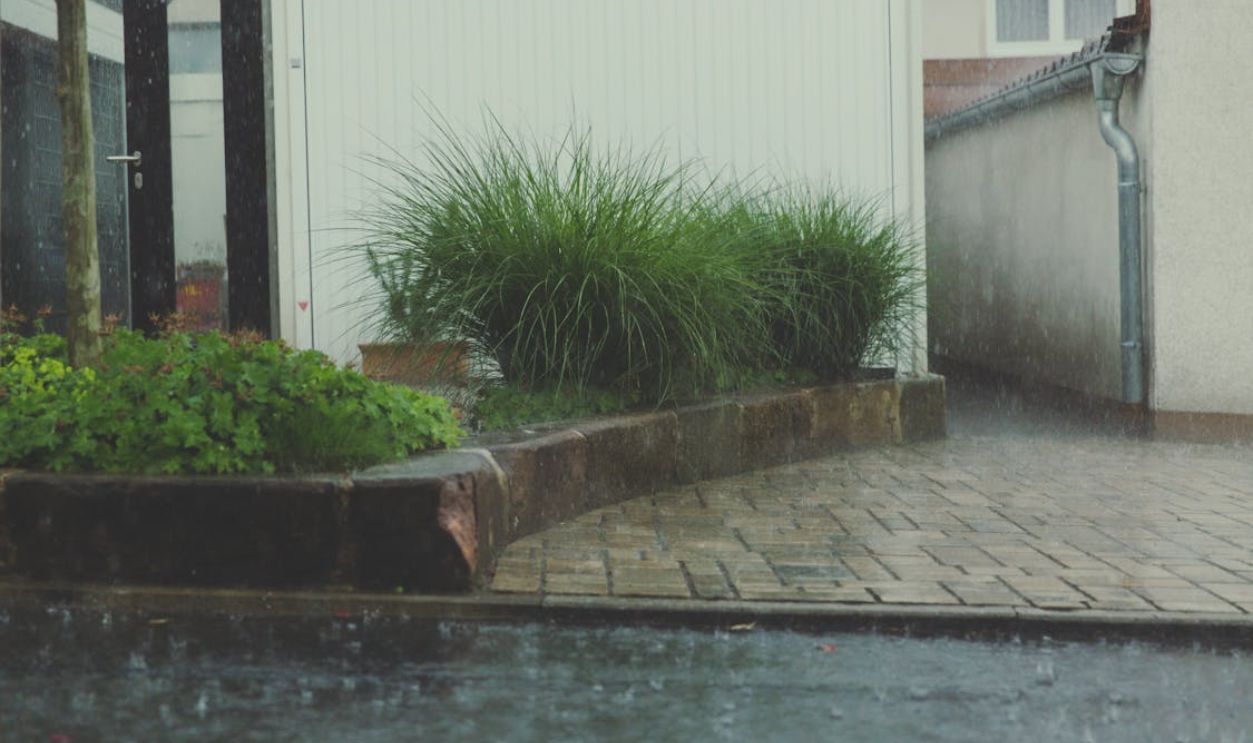
Before taking bigger steps, confirm exactly how the water flows. During the next rainfall, watch where the runoff travels. Does it head straight toward your house? Does it collect near your foundation? Seeing the path clearly will help you understand how serious the issue is.
Start Documenting The Situation
It may seem unnecessary at first, but documentation can help later. Take pictures of the downspout and the direction it points. If possible, record how the water flows during rain. If damage ever happens, having proof of the problem will make your case stronger.
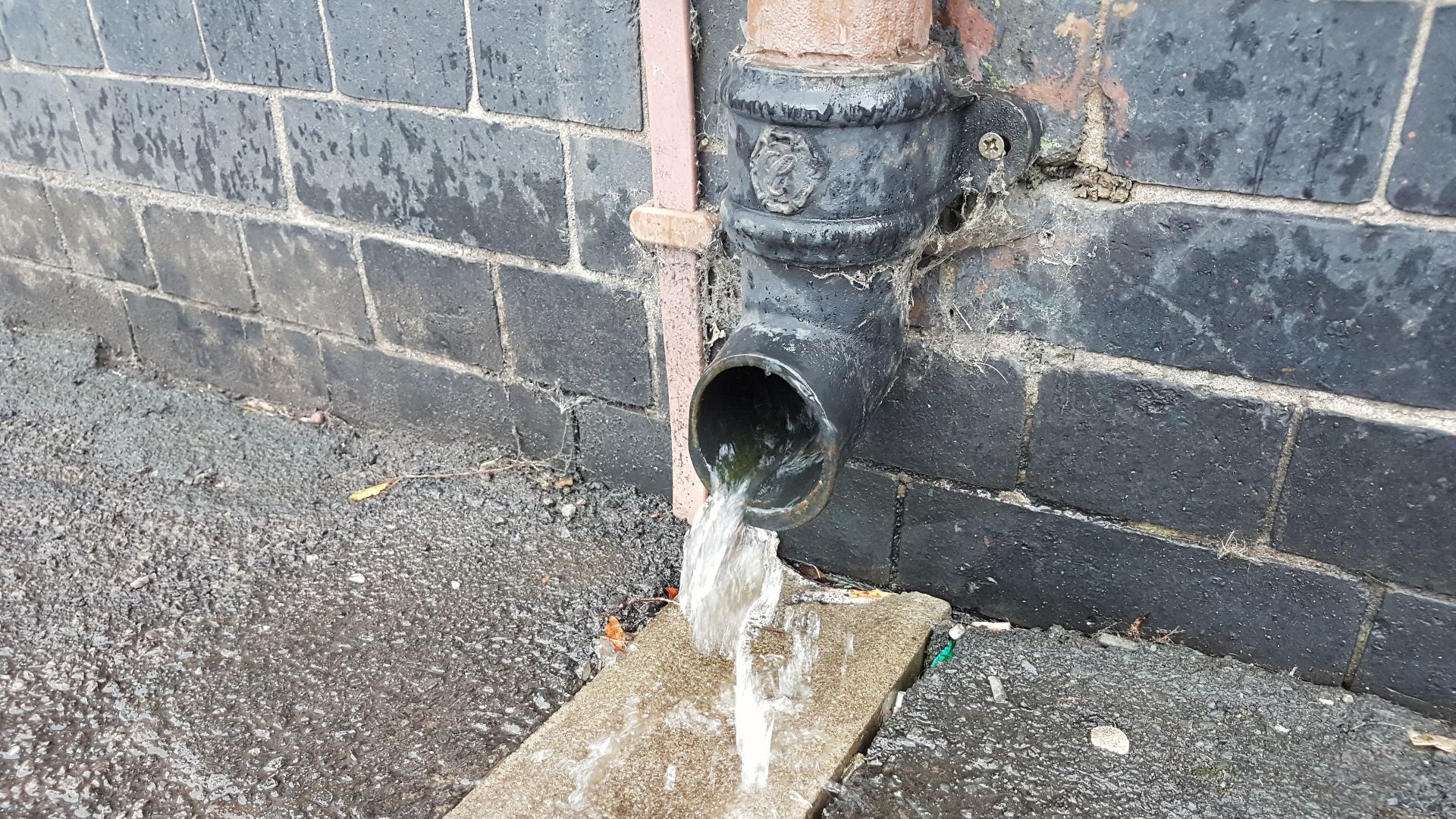 oatsy40 from London, Wikimedia Commons
Try Talking To Your Neighbor Again
You’ve already spoken to your neighbor, but another conversation might help. This time, explain your concern about basement flooding and possible damage. Many people respond differently when they realize the situation could cost someone thousands in repairs.

Suggest A Simple Fix
The good news is that redirecting a downspout usually isn’t complicated. Often, it only requires adding a small extension piece that points the water somewhere else. Offering a simple solution might make your neighbor more willing to cooperate.
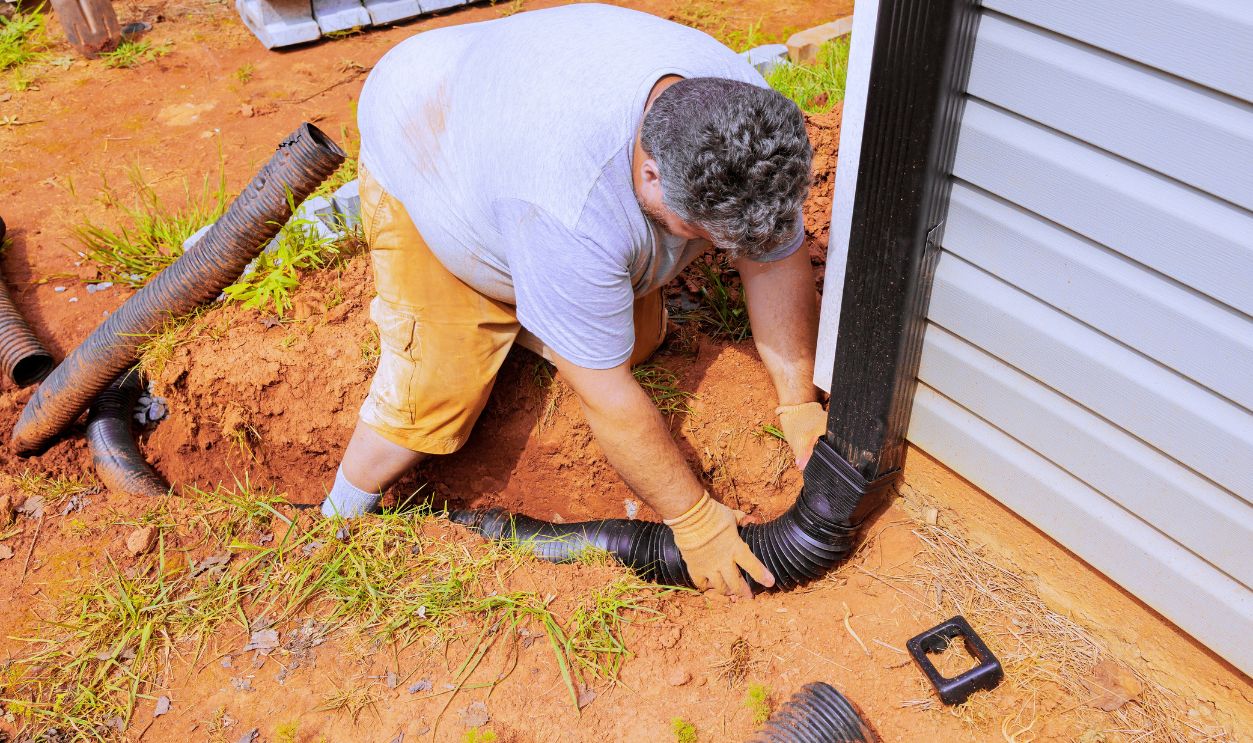
Show Them The Water In Action
Sometimes people don’t believe a problem until they see it. If it rains again soon, point out how the water flows toward your home. Seeing the runoff with their own eyes might make the problem clearer.
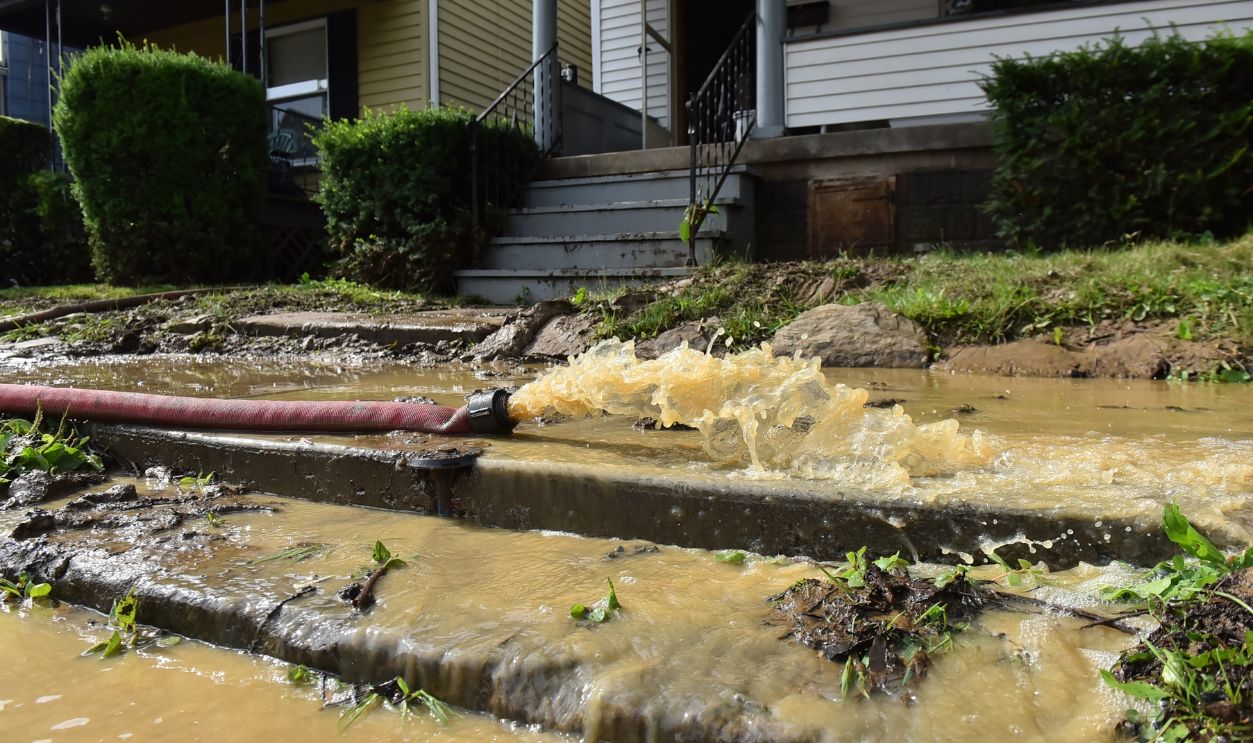
Look Into Local Drainage Rules
Many towns have rules about where rainwater can be directed. In some places, it’s not allowed to send runoff onto a neighbor’s property. Checking your local bylaws could tell you whether your neighbor’s setup breaks any rules.

Your City Might Be Able To Help
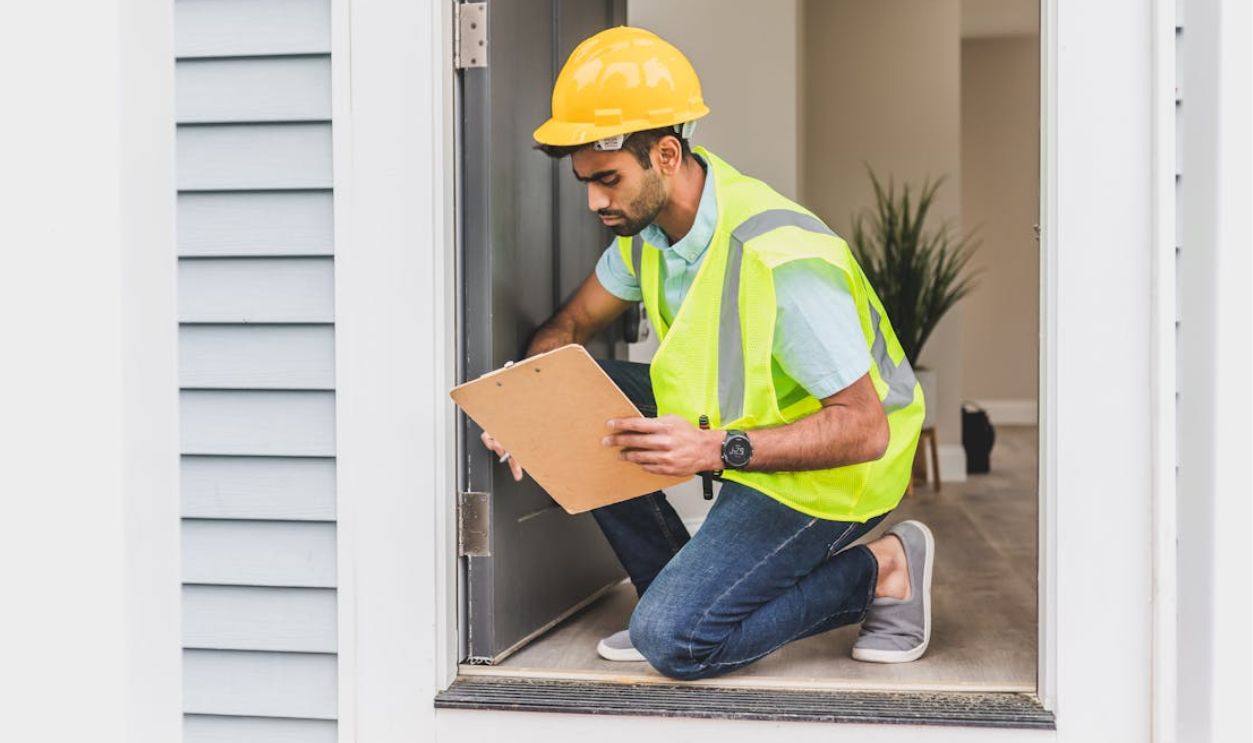
If conversations go nowhere, your city or town office may help. Local building or property departments sometimes inspect drainage problems after complaints. If the setup breaks local rules, the homeowner may be required to fix it.
Water Runoff Is Often Covered By Law
Property law often includes rules about water drainage. In many places, homeowners can’t intentionally direct water onto a neighbor’s land if it causes damage. The exact rules vary by location, but the principle is fairly common.

Mediation Could Help Solve The Conflict
If things feel tense between you and your neighbor, mediation might help. Community mediation programs allow both sides to talk through the issue with a neutral third person. It’s often quicker and cheaper than legal action.

Protect Your Home While You Wait
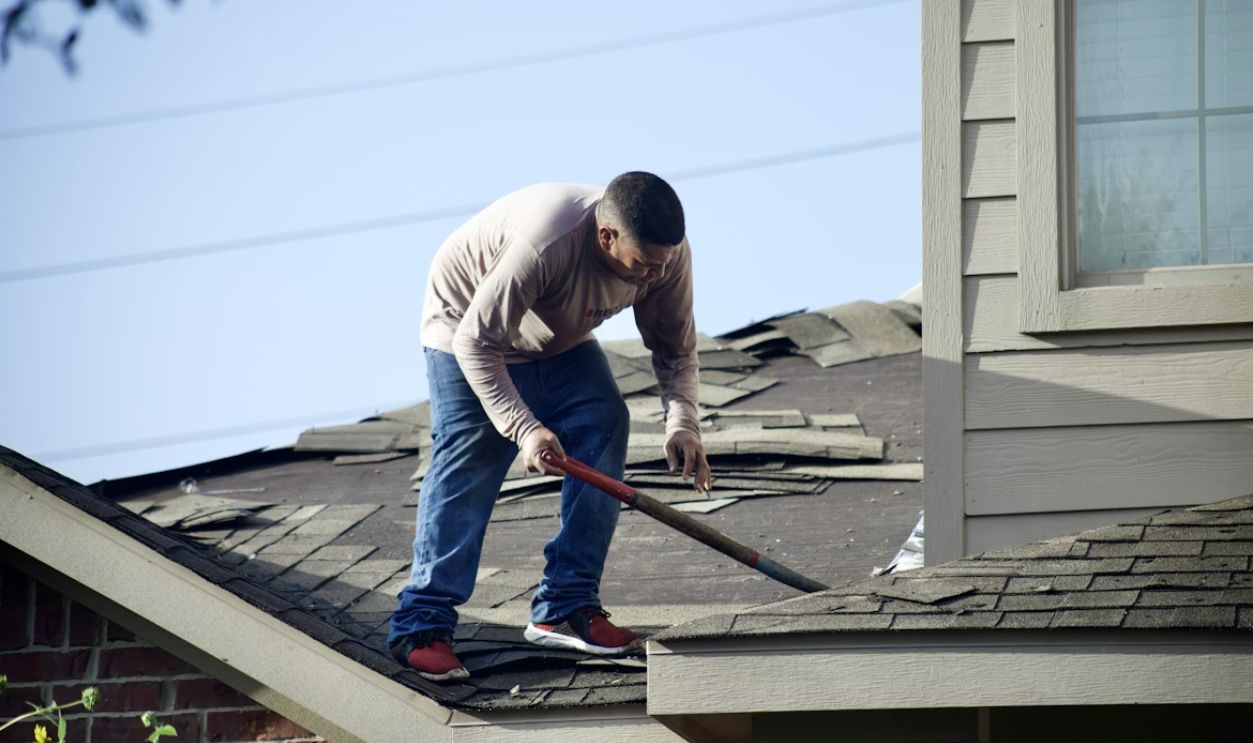
While the dispute is being sorted out, focus on protecting your own home. Make sure your gutters are clean and working well. Check that the ground slopes away from your foundation so water doesn’t collect there.
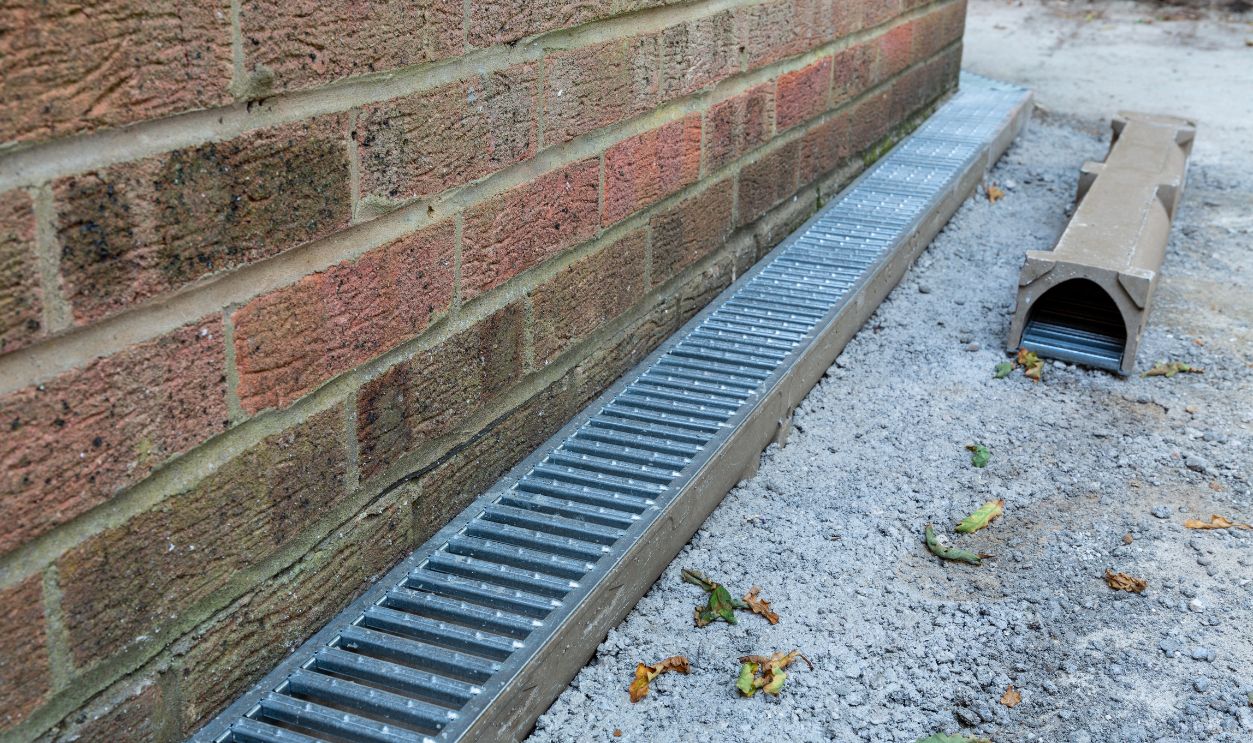
Think About Adding A Drainage Channel
If water keeps flowing toward your house, you might consider installing a small drainage channel. These shallow systems collect water and move it away from your foundation before it has time to soak in.
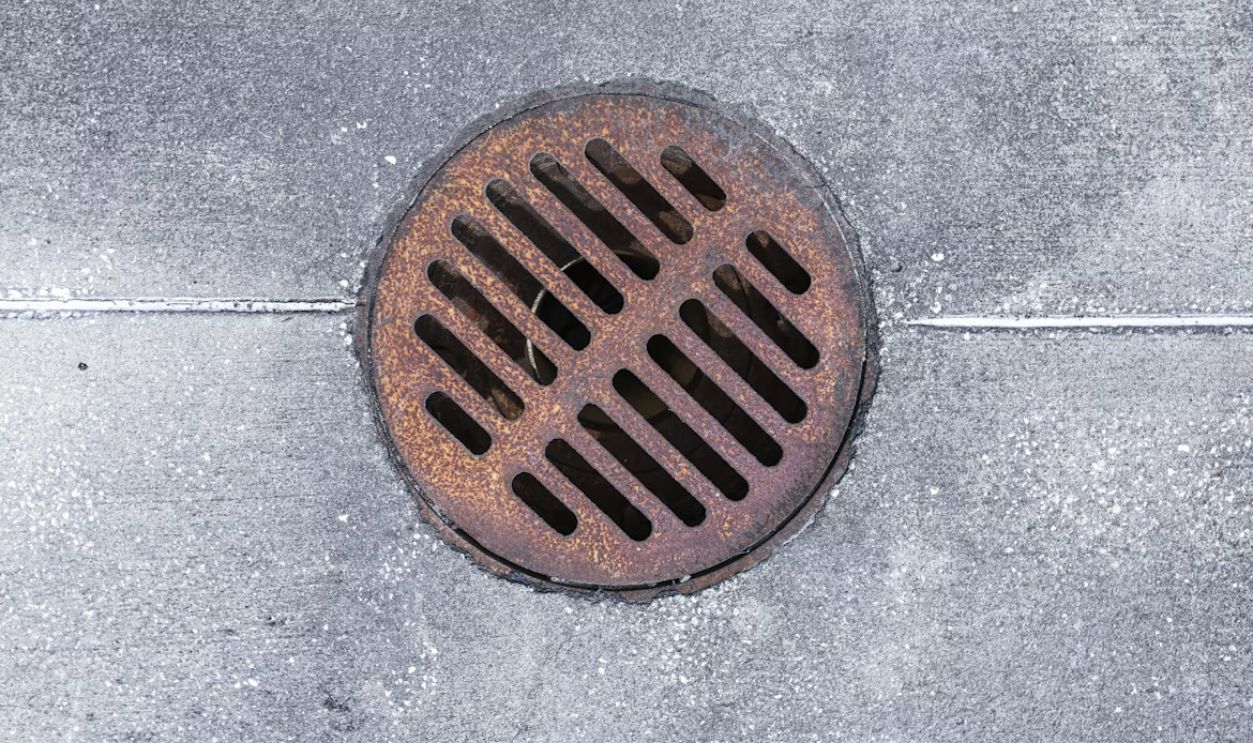
A French Drain Is Another Option
For ongoing water problems, some homeowners install a French drain. This is a gravel-filled trench with a pipe that carries water away from the house. It takes some effort to install but can greatly improve drainage.
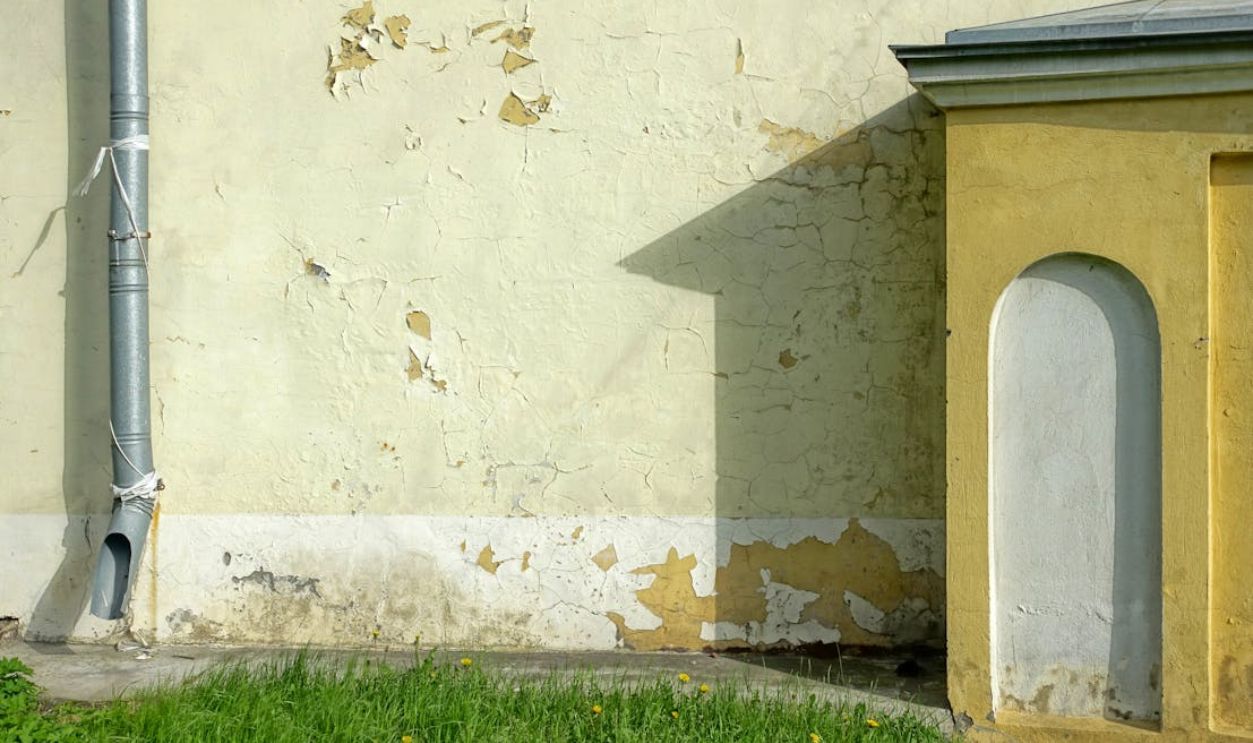
Downspout Extensions Work Well
One of the easiest solutions is also the most effective. A downspout extension can move water several feet away from where it lands now. If your neighbor eventually installs one, the problem could disappear quickly.
Watch For Early Warning Signs
Keep an eye out for signs that water is already affecting your basement. Damp spots, musty smells, or small puddles after rain may signal trouble. Spotting these signs early can help you act before damage gets worse.
Insurance May Become Important
If flooding or damage occurs, homeowners insurance could come into play. Coverage for water problems varies depending on the policy. That’s another reason documenting the issue early can help if a claim is needed later.

Legal Advice Might Be Worth It
If your neighbor refuses to cooperate and the problem continues, a property lawyer might help. Even a short consultation can explain your rights and the next steps you could take.

Neighbor Conflicts Can Escalate Quickly
Issues involving property and water can sometimes turn into heated disputes. What starts as a small drainage problem can become a long argument between neighbors. Staying calm and focused on solutions usually helps.

Most People Prefer Simple Solutions
The good news is that many drainage disputes eventually get resolved. Once neighbors understand the risk and see the water flow clearly, they often agree to make small changes.

Prevention Is Always Cheaper
Water damage can become one of the most expensive problems homeowners face. Basement flooding, mold, and foundation repairs can cost thousands. Fixing the drainage problem early is far cheaper.
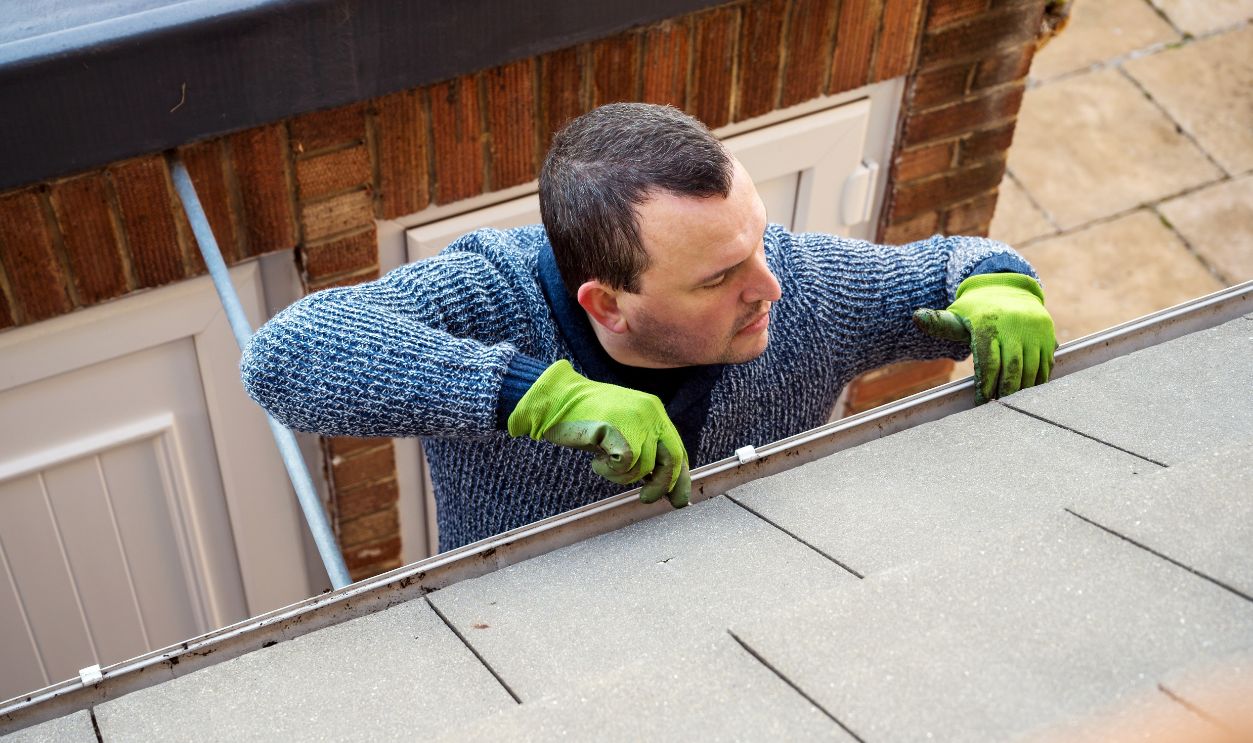
A Small Fix Could Solve Everything
It’s surprising how often the solution is simple. A small extension or slight change in the gutter angle can redirect all that water somewhere harmless.
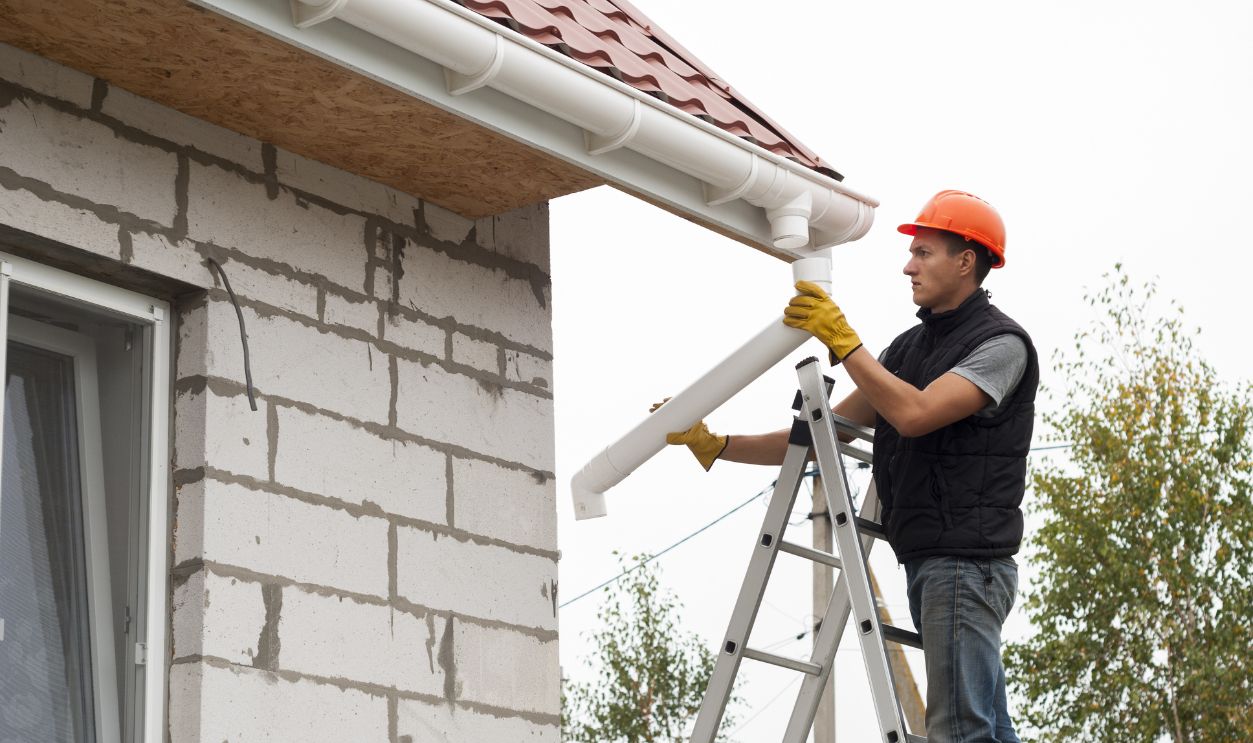
Prepare For The Next Storm
If heavy rain is expected soon, take a few precautions. Move valuables away from basement walls and monitor the water during storms. Being prepared can limit damage if runoff becomes a problem.

Finding A Way To Keep The Water Away
Dealing with neighbor disputes is never enjoyable, especially when weather is involved. But most drainage issues can be solved with patience, communication, and sometimes a little help from local rules. With the right approach, you can protect your home and hopefully convince your neighbor to send that rainwater somewhere it belongs.
 LinkedIn Sales Solutions, Unsplash
You May Also Like:
I accidentally deposited the same check twice using mobile deposit. What actually happens now?