
The House Was Left To Me, And Now Everyone Is Angry
For years, I was the one fixing leaks, arranging repairs, checking on my parents, and keeping the family house from falling apart. When they died, their will left the house to me, while my siblings received less valuable assets. Now they say the inheritance was unfair and I should share the house with them anyway. The difficult question is whether honoring my parents' wishes also means risking my relationship with my siblings.
Fair And Equal Are Not The Same Thing
Families often talk about inheritances as though every child should automatically receive the same amount. But parents may have reasons for dividing an estate unevenly, especially when one child provided years of care, labor, or financial support. An unequal inheritance can therefore reflect a parent's judgment about fairness rather than favoritism. The first question is what your parents actually intended.
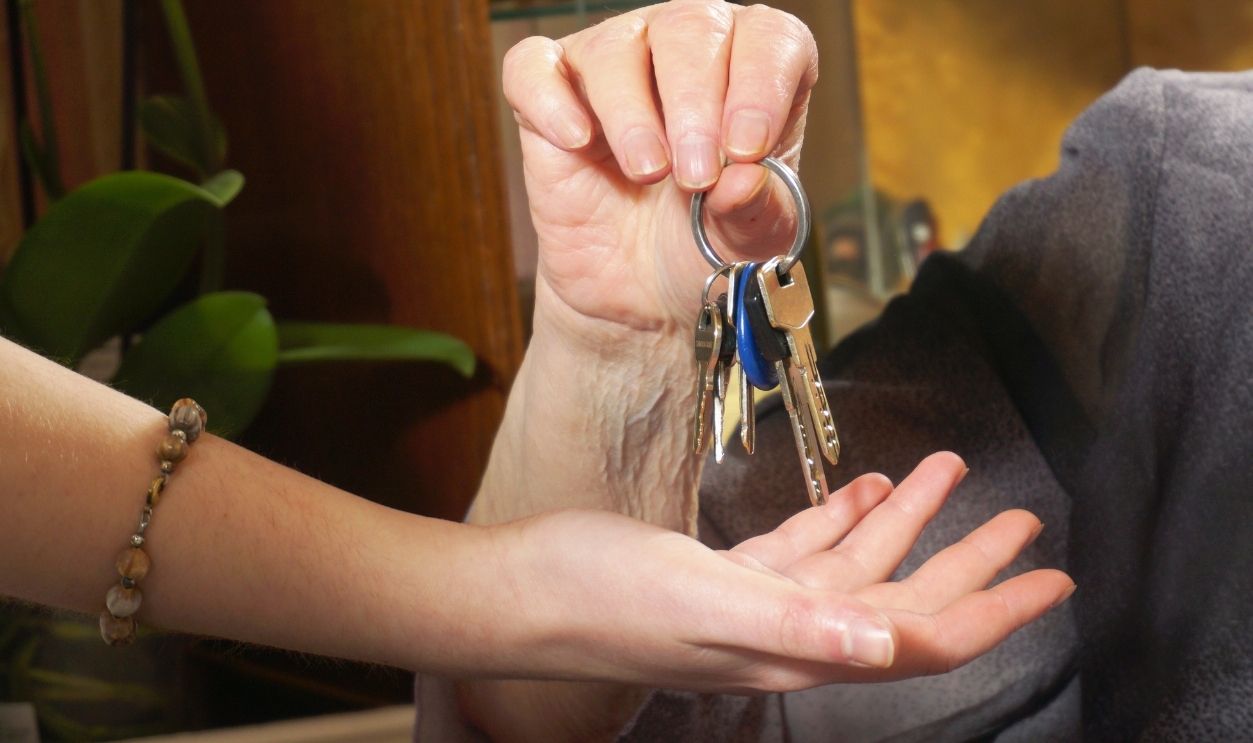
Start With What The Will Says
In the United States, a valid will generally directs how property covered by that will is distributed after someone's death. Probate is the legal process used to establish the validity of the will and administer the estate. Once a valid will has been accepted, personal dissatisfaction with the distribution is not normally enough to rewrite it.

Your Siblings Can Be Hurt Without Being Legally Right
A sibling may genuinely feel betrayed after discovering that another child received the family home. That emotional reaction does not automatically create a legal entitlement to part of the property. Challenges to wills generally require recognized legal grounds rather than simply arguing that the result seems unequal.

What Could Actually Put The Will At Risk?
A will can be challenged for legitimate legal reasons, such as evidence that a parent was pressured, deceived, unable to understand what they were signing, or that the will was not properly completed. Those questions are about whether the document truly reflected the parent's wishes. They are very different from simply arguing, “Mom and Dad should have divided everything three ways.”

Being The Caregiving Child Can Complicate Things
There is one reason to take accusations seriously if you were especially close to your parents near the end of their lives. A child who handled a parent's care, finances, transportation, or appointments may have been in a position of considerable trust. That alone does not prove wrongdoing, but close relationships can receive scrutiny when someone claims that a will resulted from undue influence.
 Inside Creative House, Shutterstock
An Unequal Result Does Not Prove Undue Influence
A large inheritance going to the child who provided the most help may look suspicious to disappointed siblings. But an unequal inheritance alone does not prove that anyone pressured or manipulated a parent. There generally needs to be evidence that the parent's ability to make their own decision was improperly influenced.
Your Parents Were Allowed To Notice What You Did
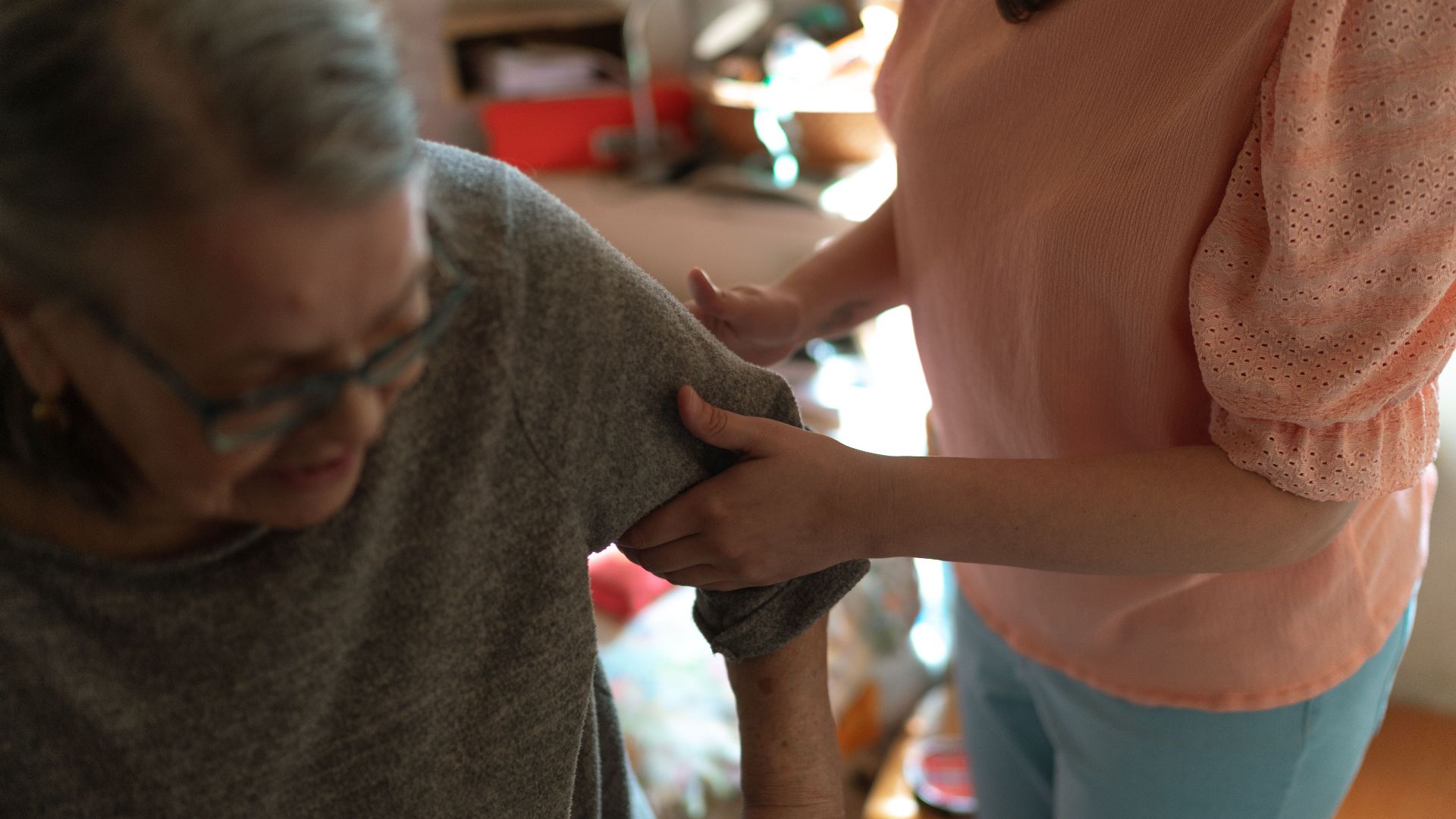
Years of maintaining a house can represent a substantial commitment of time, effort, and money. Your parents may have believed that leaving you the property recognized the role you had already played in preserving it. They may also simply have wanted the person most connected to the house to keep it. Unless the estate documents say otherwise, you do not have to pretend those considerations were meaningless.

But Do Not Rewrite History Either
Receiving the house does not necessarily mean every repair you performed was an unpaid debt your parents were settling. Family members often help parents without keeping a running bill. It is healthier to distinguish between what you actually contributed and what you now feel entitled to because of those contributions. That distinction matters when deciding what, if anything, you voluntarily want to share.

Find Out What Everyone Actually Received
Before debating whether you "got too much," look at the entire estate rather than the house alone. Other siblings may have received cash, investments, insurance proceeds, retirement benefits, personal property, or other assets outside the will. Certain assets can pass directly according to beneficiary designations rather than through the terms of a will.

A House Is Not The Same As Cash
A home's headline value can make one person's inheritance appear enormous. But a house also comes with property taxes, insurance, maintenance, repairs, utilities, and potentially major future expenses. Someone receiving cash has a very different asset from someone receiving a building that requires continuous spending. Comparing the inheritances should therefore involve more than looking at the home's estimated selling price.

Get A Professional Valuation
An appraisal can remove some emotion from the discussion by showing what the house was actually worth when your parent died. That value can also matter if you eventually sell the property and need to figure out whether you made a taxable profit. Keeping a professional valuation now can save you a major headache years down the road.

The Tax Treatment May Surprise You
Simply inheriting a house generally does not mean its value suddenly appears as taxable income on your federal income tax return. The IRS generally excludes property received by inheritance from income. Income the property later produces, such as rent, can be taxable.

Selling The House Is A Different Question
Taxes can become more important if you eventually sell the house. Generally, the IRS looks at how much the property was worth when you inherited it and compares that with what you later receive when you sell it. That means you are not necessarily taxed on the enormous increase in value since your parents originally bought the home decades ago.

Keep The Estate Paperwork
Save the will, probate records, appraisal, closing documents, and information showing the home's value when you inherited it. Those documents could become important if you sell years from now. They can also help establish that the house reached you through the estate rather than through an informal family arrangement.

Keep Your Old Records Too
If you personally paid for major repairs, renovations, taxes, or other costs while your parents were alive, keep whatever documentation still exists. Receipts and bank records cannot settle every emotional dispute, but they can replace vague family memories with actual evidence. They may also help explain why your parents considered a different distribution reasonable.

Be Careful If You Were Also The Executor
Being both a beneficiary and the person administering the estate can create extra tension. An executor is responsible for administering estate assets, addressing debts and taxes, and distributing property according to the will and applicable law. That responsibility is separate from your personal right to receive whatever the will leaves you.
 Amnaj Khetsamtip, Shutterstock
Do Not Start Giving Pieces Away Under Pressure
A sibling may say, "Just put all three of our names on the deed and we'll figure it out later." That can turn one inheritance dispute into a long-term co-ownership problem involving expenses, repairs, use of the property, and eventually a sale. Families that jointly inherit homes are often advised to establish clear arrangements about ownership and decision-making rather than leaving those issues unresolved.

Gifting Them Equity Has Financial Consequences
You can voluntarily give a sibling money or part ownership of the house, but that creates a new financial transaction. A large enough gift can come with tax-reporting requirements, although having to report a gift does not necessarily mean you will owe tax on it. That is one more reason not to give away part of the house simply because you feel pressured.

So Do Not Make A Guilt Transfer
Adding siblings to the deed is not merely a symbolic gesture showing that you still consider everyone family. It changes ownership of a valuable asset and can create tax, estate planning, and property-law consequences. Before transferring an interest in the house, speak with an attorney and tax professional familiar with the rules in your state.

You Could Share Without Sharing The House
If you decide that your siblings deserve something additional, transferring ownership is not your only option. You might choose to give them certain sentimental possessions, make a voluntary cash gift, or reach another private arrangement that everyone understands. That would be your decision as the new owner, not necessarily an admission that the will was wrong.

Ask What Your Siblings Really Want
Sometimes "you got too much" does not actually mean someone wants one-third of a property's market value. A sibling might be upset about losing access to the childhood home, family furniture, photographs, holiday traditions, or the feeling that one child was favored. Discovering the real complaint can make the problem far easier to solve.

Sentimental Property Can Cause Outsized Fights
Family homes combine money and memory in a way few other assets do. Disputes about inherited homes can become serious enough to damage sibling relationships for years. That makes early communication about intentions, ownership, and expectations especially valuable.

Explain The Story Without Putting Your Siblings On Trial
You can explain that you maintained the house and believe your parents made a deliberate decision without turning the conversation into a list of everything your siblings failed to do. That approach recognizes your contribution without demanding that they accept your version of the family history. The goal should be explaining the inheritance, not winning an argument about who was the better child.

Do Not Let Guilt Make The Decision
There is a difference between generosity and surrendering property because relatives repeatedly accuse you of being selfish. If you give something away, it should be because the decision feels reasonable after you understand the legal and financial consequences. Family pressure is a poor substitute for an estate plan.

But Do Not Hide Behind The Will Either
Legally receiving the house does not prevent you from considering whether your siblings have a legitimate emotional grievance. Perhaps one sibling lived far away but contributed financially, or another provided support that was less visible. A will answers the ownership question, but it cannot automatically settle every question about family fairness.

A Family Meeting May Be Worth More Than A Check
If the relationships are still salvageable, consider sitting down together after everyone has had time to absorb the inheritance. Bring the basic estate documents and valuation information so the conversation is grounded in the same facts. In a particularly difficult situation, an estate attorney or professional mediator can help keep the discussion focused on solutions rather than old grievances.

Know When It Has Become A Legal Dispute
Statements such as "this isn't fair" are different from a sibling formally alleging that the will was forged, improperly executed, signed without capacity, or obtained through undue influence. Those allegations can become part of a genuine probate dispute. If a challenge has been threatened or filed, get advice from an estate or probate attorney in the state handling the estate rather than trying to negotiate the legal issues yourself.

You Probably Do Not Owe Them The House
If your parents knowingly left you the property through a valid estate plan, your siblings generally do not acquire part of it merely because they believe the distribution should have been equal. Morally, you can still decide that some gesture toward them would preserve relationships or better reflect your own idea of fairness. But there is an important difference between choosing to share and being obligated to share.

The Best Answer May Be Somewhere In The Middle
You can respect your parents' decision while acknowledging that your siblings are grieving both people and a piece of family history. Get the legal ownership settled, understand the home's real value and tax position, and avoid transferring anything until you know the consequences. Then decide what feels fair based on the years you contributed, what everyone else inherited, and the relationships you hope to have after the estate is gone.

You May Also Like: