
Sentimental Does Not Mean Worthless
Family heirlooms are often described as priceless, but some of them also have a very real market price. Jewelry, artwork, antiques, watches, coins, collectibles, and even certain pieces of furniture can be worth thousands of dollars. When one child receives several valuable keepsakes, the difference between sentimental value and financial value suddenly matters. Factinate Ltd
A Small Gift Can Create A Big Imbalance
Imagine that three siblings are supposed to share their parents' estate roughly equally. One receives family photographs, another receives ordinary furniture, and the third receives a watch and painting that together are worth $20,000. Calling everything "sentimental property" does not erase the financial difference between those inheritances.

Start With What The Estate Plan Actually Says
The first question is not whether the siblings think the arrangement feels fair. The executor needs to read the will, trust, and any legally effective personal-property instructions to determine exactly what the parents directed. Executors and trustees are responsible for carrying out those instructions rather than creating their own version of an equitable distribution.

A Specific Gift May Come Before Everything Else
Estate plans commonly make specific gifts before distributing whatever remains in the estate. A will might say that a daughter receives a particular grandfather clock, for example, while the remaining estate is later divided among several beneficiaries. Whether the clock's value reduces that daughter's share of the remaining estate depends on the wording of the governing documents and applicable state law.
 Mayara Caroline Mombelli, Pexels
Equal And Equitable Are Different Ideas
Parents are generally free to make unequal gifts if their estate plan is legally valid and does not violate other applicable rights or restrictions. Some deliberately divide property equally, while others choose an arrangement they consider equitable based on circumstances or personal preferences. Clear explanations can reduce confusion when beneficiaries discover that equal treatment was never actually the parents' intention.

Heirlooms Cause Surprisingly Emotional Fights
Money is not the only thing that sparks inheritance disagreements. Fidelity notes that conflict can become particularly intense when relatives attach emotional importance to personal belongings, even when the object's financial value is modest. That emotional attachment becomes even more complicated when the same item is also genuinely valuable.

An Appraisal Replaces Guesswork
Nobody should assume that Grandma's ring is worth $500 simply because that is what someone remembers hearing years ago. Professional appraisers can evaluate jewelry, art, furniture, collectibles, vehicles, and other tangible property based on the relevant market and purpose of the valuation. The American Bar Association describes professional appraisal as a usual practice when a fiduciary is valuing tangible estate property.

Fair Market Value Has A Specific Meaning
For federal estate-tax purposes, household and personal effects are generally valued using fair market value. Federal regulations describe this as the price at which a willing buyer and willing seller would transact when neither is under compulsion and both understand the relevant facts. That can be very different from an item's original purchase price or its replacement cost.

What Your Parents Paid May Be Irrelevant
An antique bought for $200 decades ago might now be worth substantially more, while expensive furniture may have fallen sharply in resale value. The IRS generally looks to fair market value rather than what the deceased owner originally paid when valuing property included in an estate. This is one reason family estimates based on old receipts can be misleading.
 https://kaboompics.com/, Pexels
Date-Of-Death Value Can Matter Later
Valuation is not only about deciding which sibling received the bigger inheritance. The tax basis of inherited property is generally its fair market value on the decedent's date of death, subject to certain exceptions and alternative valuation rules. Establishing a defensible value can therefore matter if an heir eventually sells the inherited item.
 https://kaboompics.com/, Pexels
Selling The Heirloom Can Create A Tax Question
Suppose a beneficiary inherits a collectible valued at $8,000 at the owner's death and later sells it. Determining whether the sale produces taxable gain generally requires knowing the beneficiary's basis in the property. IRS guidance states that inherited property's basis is generally tied to its date-of-death fair market value, which makes good valuation records useful long after probate ends.
Some Valuable Collections Need Special Attention
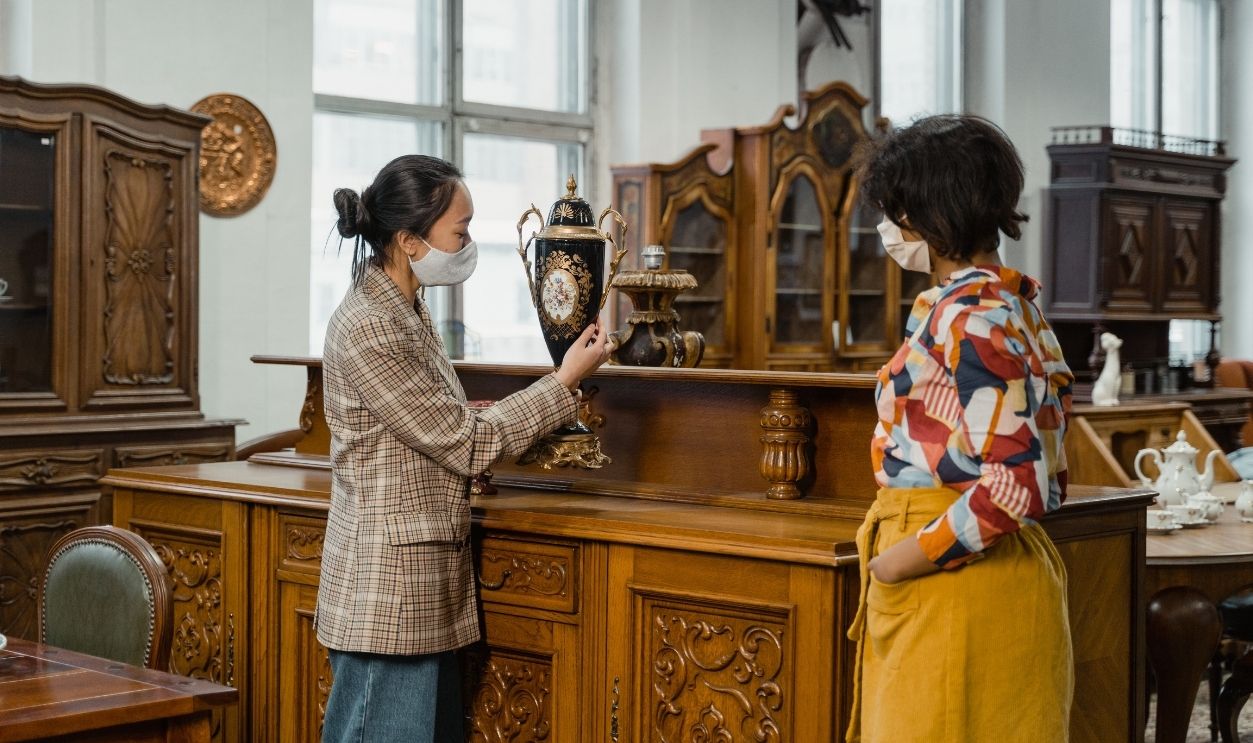
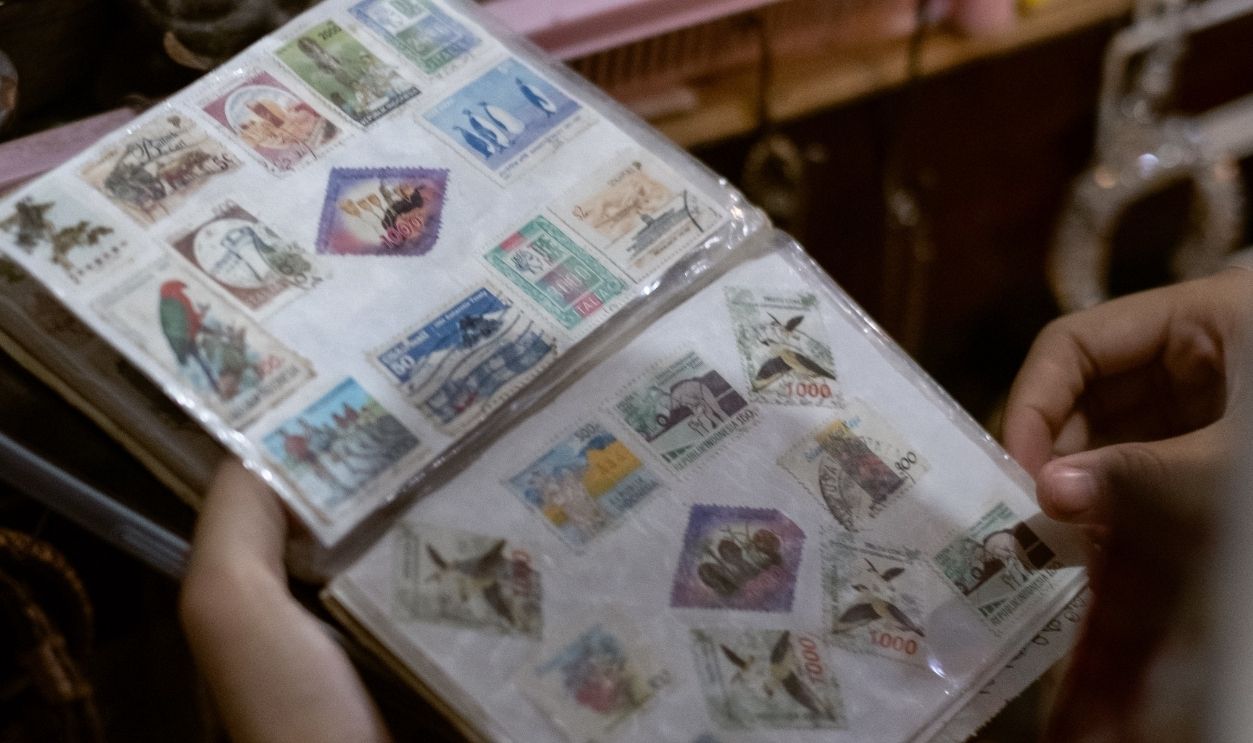
Federal estate-tax rules specifically address items such as jewelry, paintings, antiques, books, silverware, rugs, and coin or stamp collections. Current Form 706 instructions say that when an item or collection of similar items exceeds the applicable $3,000 threshold, an expert appraisal is required for the estate-tax return in the circumstances covered by those rules. Most estates will never encounter this particular filing requirement, but it shows why valuable personal property should not automatically be treated like ordinary household clutter.
Not Every Lamp Needs An Expert
A professional appraisal does not mean paying someone to put an individual value on every saucepan, paperback, and dining chair. Federal valuation regulations allow lower-value household articles in the same room to be grouped in certain estate-tax reporting situations. Practical estate administration similarly focuses greater attention on unusual, collectible, or obviously valuable property.
Look Closely At Jewelry And Watches
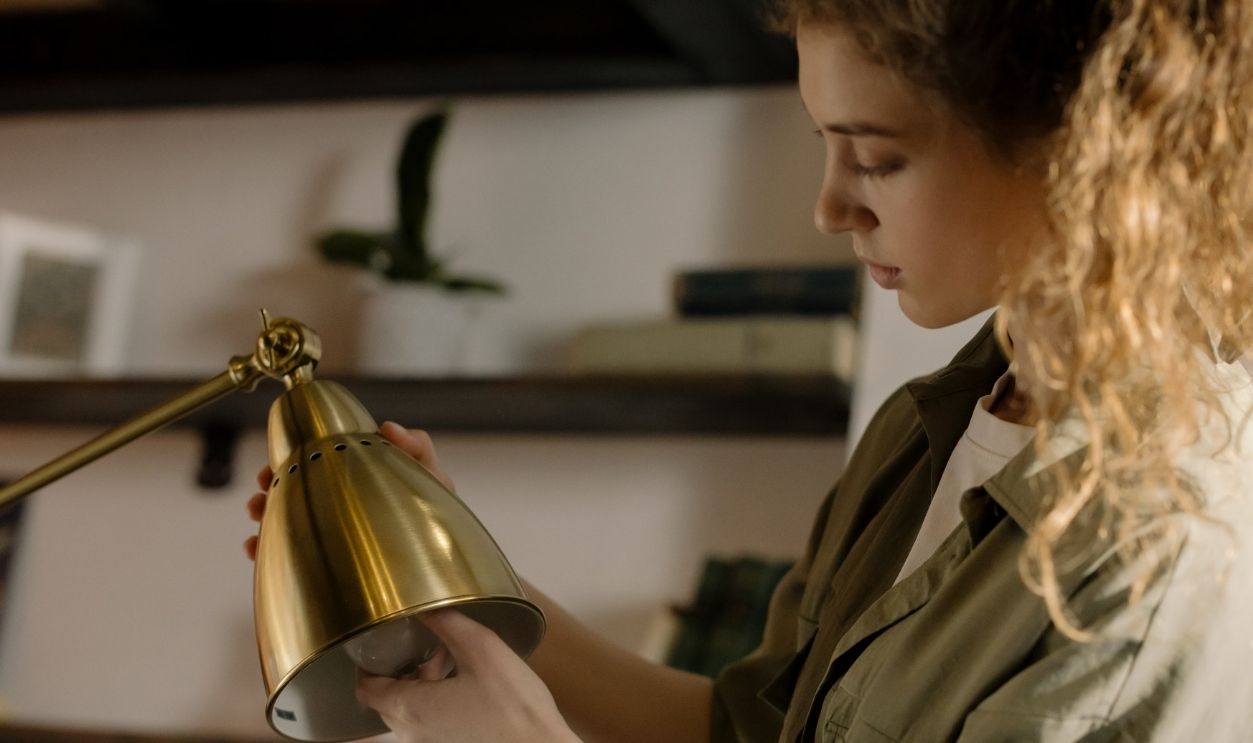
Jewelry is one of the easiest categories for families to undervalue because appearance alone reveals very little about craftsmanship, materials, maker, age, and market demand. Estate-administration guidance from the ABA specifically includes jewelry among the tangible assets commonly valued by a professional. If one heir receives several pieces while the others receive ordinary household goods, obtaining values can clarify how large the financial difference really is.

Artwork Can Be Equally Tricky
An old painting hanging in a parent's hallway may be decorative, collectible, or genuinely important. The IRS requires detailed identification of paintings with artistic value in certain estate-tax appraisals, including information such as the artist, size, and subject. Documentation is especially important when the family does not know much about the work's origin.

Collections Should Not Be Dismissed
Coins, stamps, sports memorabilia, rare books, and similar collections can be difficult for nonspecialists to price. Fidelity recommends considering a professional appraisal for rare or potentially valuable antiques, artwork, and collectibles. An executor who encounters a carefully assembled collection should therefore investigate before treating it as ordinary household property.

Choose The Right Kind Of Appraiser
Personal-property appraisal covers many specialties, so one professional may not be qualified to value every kind of object. The Appraisal Foundation identifies professional organizations including the American Society of Appraisers, International Society of Appraisers, and Appraisers Association of America as organizations involved in personal-property appraiser credentials. A specialist's experience with the particular category of property is an important consideration.

Professional Standards Matter
The Uniform Standards of Professional Appraisal Practice, commonly known as USPAP, provide widely recognized ethical and performance standards for the U.S. appraisal profession. Those standards cover several disciplines, including personal property. Using a qualified professional who follows recognized appraisal practices can produce far stronger documentation than relying on a quick online search.

An Auction Estimate Is Not Always The Same Thing
Major auction houses can provide estimates for items that may be suitable for sale. Christie’s explains that its specialists consider item details, photographs, purchase history, and comparable works when reviewing potential consignments. An auction estimate can be useful information, but an executor should make sure the type of valuation obtained matches the legal, tax, insurance, or estate-administration purpose for which it is needed.

Inventory Everything Before It Disappears
Valuation becomes much harder if relatives start removing objects from the house immediately after a death. ACTEC recommends maintaining inventories and notes that photographs or catalogs can help track personal property. After death, the executor or trustee should secure estate assets before distribution so that property does not simply disappear.

Photos Can Prevent Arguments Later
A written inventory becomes much more useful when important items are photographed. Fidelity specifically recommends detailed inventories and photographs when families plan the transfer of heirlooms. Pictures can help identify exactly which ring, painting, vase, watch, or piece of furniture a document was referring to.

State Probate Rules Can Add Requirements
Probate procedures are largely governed by state law, so executors should not assume that every state handles inventories and valuations the same way. California, for example, requires formal probate estates to inventory property and assign fair market values as of the decedent's date of death under its probate procedures. Families should check the rules in the state where the estate is being administered.

The Executor Should Not Pick A Convenient Number
An executor is a fiduciary and has responsibilities to administer the estate according to the governing documents and applicable law. The ABA advises fiduciaries to secure and value estate assets and notes that specialist appraisers may be appropriate for rare or unusual objects. That is considerably safer than accepting whichever estimate produces the result one beneficiary prefers.

Appraisal Can Make Equalization Possible
Once everyone knows the approximate financial value of the heirlooms, the estate plan may provide a way to balance the distribution. ACTEC gives the example of giving an entire valuable set of property to one beneficiary while providing another beneficiary with cash or property of equivalent value. It also notes that a high-value asset could be sold and the proceeds divided when that approach is consistent with the estate plan.

But Do Not Rewrite The Parents' Wishes
Appraisal does not automatically mean that every heir must ultimately receive the same dollar amount. If the parents intentionally made a specific unequal gift, the executor generally must follow the legally controlling estate documents rather than adjust the plan based solely on sibling objections. An estate attorney can determine how a specific gift interacts with the remainder of the estate under the document and relevant state law.

Families Can Plan Around This Problem
Parents who are still planning their estates can reduce future uncertainty by identifying important personal property clearly. ACTEC recommends addressing tangible property in estate-planning documents and notes that some states permit supplemental personal-property lists. Fidelity similarly recommends inventories that identify the objects, intended recipients, and locations.

Talking Beforehand Can Be Worth A Lot
A surprising inheritance is much more likely to be interpreted emotionally than one that has already been discussed. Schwab recommends explaining the reasoning when heirs will receive different amounts, while Fidelity emphasizes communication about heirlooms and the reasons behind particular choices. Those conversations cannot guarantee agreement, but they can eliminate some of the mystery that fuels disputes.

Yes, Valuable Heirlooms Are Often Worth Appraising
If inherited personal property could reasonably be worth thousands of dollars, obtaining a qualified appraisal is often a sensible step, particularly when several beneficiaries are involved. It can document fair market value, assist the executor, establish useful tax records, and show whether an apparently sentimental gift also represents a substantial financial inheritance. The appraisal does not decide what is fair, but it gives the family reliable numbers before they have that conversation.

The Best Outcome Is Clarity
Heirlooms carry stories, memories, and sometimes unexpectedly large price tags. Families are less likely to argue over assumptions when valuable objects have been identified, documented, valued, and distributed according to clear estate instructions. When substantial money or disagreement is involved, a qualified appraiser and an estate attorney can help separate questions of value from questions of legal entitlement.

You May Also Like:
I Tried To Return Spoiled Groceries, But The Store Said Fresh Food Is Final Sale. Is That Normal?