
So… Can You Really Pocket $500,000 Tax-Free?
Selling a home can feel like hitting the financial jackpot—but before you start planning a celebratory vacation, there’s one big question: how much of that profit is actually yours to keep? If you and your spouse are debating whether a $500,000 tax break is legit or risky territory, you’re not alone. Let’s break it down in plain English.

The Big Idea: The Home Sale Exclusion
The IRS actually gives homeowners a generous tax break called the home sale exclusion. If you qualify, you can exclude up to $250,000 of profit from taxes if you’re single—or $500,000 if you’re married filing jointly. Yes, that number is real, and no, it’s not a loophole.

Why This Rule Exists
The government isn’t just being nice for fun. This rule is designed to encourage homeownership and make it easier for people to move without getting slammed by taxes. Imagine being taxed every time you sold a home—that would freeze the housing market pretty quickly.

The First Requirement: Ownership
To qualify, at least one spouse must have owned the home for at least two years before the sale. This doesn’t have to be continuous over decades—it just needs to add up to 24 months within the five years leading up to the sale.

The Second Requirement: Use
Here’s where it gets a little stricter. You must have lived in the home as your primary residence for at least two years during that same five-year period. This is what separates your main home from investment properties or vacation houses.

The Marriage Advantage
Married couples get a serious perk. If you file jointly, you can exclude up to $500,000—but only if both spouses meet the “use” test and at least one meets the ownership test. That’s where things can trip people up.

Timing Matters More Than You Think
The IRS looks closely at the five-year window before your sale. If you moved out too early or rented the place for too long, you might not qualify for the full exclusion. Timing your sale correctly can make a huge difference.

What Counts As “Profit”?
Your taxable gain isn’t just the sale price. It’s the sale price minus your adjusted cost basis—which includes what you paid, plus improvements, minus certain deductions. Many homeowners underestimate how much they can add to their basis.

Home Improvements Can Save You Taxes
Did you renovate your kitchen? Add a deck? Replace the roof? Those costs can increase your basis and reduce your taxable gain. Keep receipts—this is one of the easiest ways to shrink your tax bill legally.

Not All Expenses Count
Routine maintenance—like painting or fixing a leak—doesn’t count toward your basis. The IRS draws a clear line between improvements (which add value) and repairs (which maintain value). Knowing the difference matters.
 Karolina Grabowska www.kaboompics.com, Pexels
What If You Make Less Than $500,000?
If your total profit is under the exclusion limit, congratulations—you likely owe zero capital gains tax on the sale. This is the ideal scenario and surprisingly common for many homeowners.

What If You Go Over the Limit?
If your gain exceeds $500,000, only the amount above that threshold is taxable. So if you made $550,000, you’d only pay taxes on $50,000—not the whole amount.

Capital Gains Tax Basics
The taxable portion is subject to capital gains tax, not regular income tax. For most people, that rate is lower—typically 0%, 15%, or 20%, depending on your income level.

The “Two-Out-Of-Five-Year” Rule
This rule is the backbone of the exclusion. You don’t need to live in the home right up until the sale—just two years total within the last five. This flexibility helps people who move for work or other life changes.

Can You Use The Exclusion More Than Once?
Yes—but not too often. You can only claim the home sale exclusion once every two years. If you’ve used it recently, you may have to wait before using it again.

Special Cases: Job Moves And Hardship
If you sell early due to a job relocation, health issues, or other qualifying hardship, you might still get a partial exclusion. It won’t be the full $500,000, but it can still reduce your tax burden.

What About Rental Use?
If you rented out your home at any point, things get trickier. You may still qualify for the exclusion, but part of your gain—especially depreciation—could be taxable. This is where many people accidentally “play with fire.”

Depreciation Recapture Explained
If you claimed depreciation while renting the property, the IRS will want some of that back. This is called depreciation recapture, and it’s taxed separately—often at a higher rate than capital gains.

Vacation Homes Don’t Qualify
If the property wasn’t your primary residence, the exclusion generally doesn’t apply. Second homes and investment properties are taxed differently, even if you lived there occasionally.

Documentation Is Your Best Friend
The IRS doesn’t take your word for it. Keep records of purchase price, improvements, and residency. Good documentation can mean the difference between a smooth filing and a stressful audit.

Common Mistakes Couples Make
Many couples assume they automatically qualify for $500,000. But if one spouse didn’t live in the home long enough—or if you recently used the exclusion—you could lose part of that benefit.

State Taxes Still Matter
Even if you avoid federal taxes, your state may still want a cut. Some states follow federal rules closely, while others have their own quirks. Don’t forget to check local tax laws.
The Role Of Filing Status
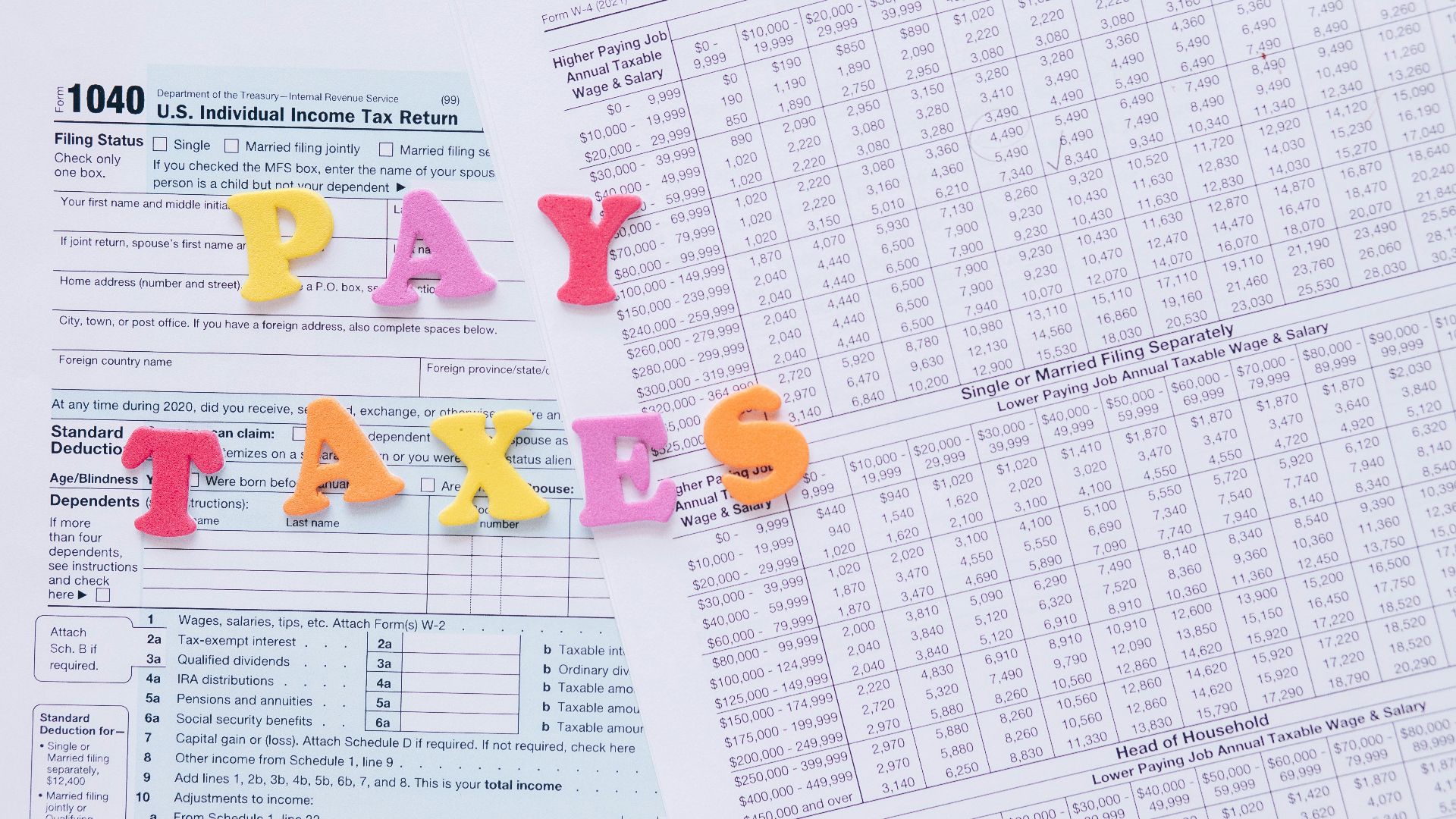
To claim the full $500,000 exclusion, you must file married filing jointly. If you file separately, the limit drops to $250,000 each—and you may face additional restrictions.
 LinkedIn Sales Solutions, Unsplash
When To Talk To A Tax Professional
If your situation involves rentals, large gains, or complicated ownership history, it’s worth consulting a tax expert. A small mistake could cost thousands, and this is one area where precision pays off.

So… Is Your Wife Right?
In many cases, yes—your wife is absolutely right. The $500,000 exclusion is real and widely used. But your caution isn’t misplaced either. The rules are straightforward on the surface but full of fine print underneath.

The Smart Approach
Instead of guessing, run the numbers carefully. Confirm you meet the ownership and use tests, calculate your true gain, and factor in any complications like rental use or prior exclusions.

Peace Of Mind Beats Risk
Taxes don’t have to be scary, but they do require attention to detail. Taking the time to understand the rules—or getting help—can turn a stressful situation into a confident one.

Jackpot Or Just Smart Planning?
Selling your home can feel like striking gold, and thanks to the IRS, a big chunk of that profit might actually be tax-free. The $500,000 exclusion isn’t a myth—but it’s not automatic either. With the right knowledge, you can enjoy the win without worrying about the taxman knocking later.

You May Also Like: