
When Your Family Wants A Giant Dog… And Someone Mentions Taxes
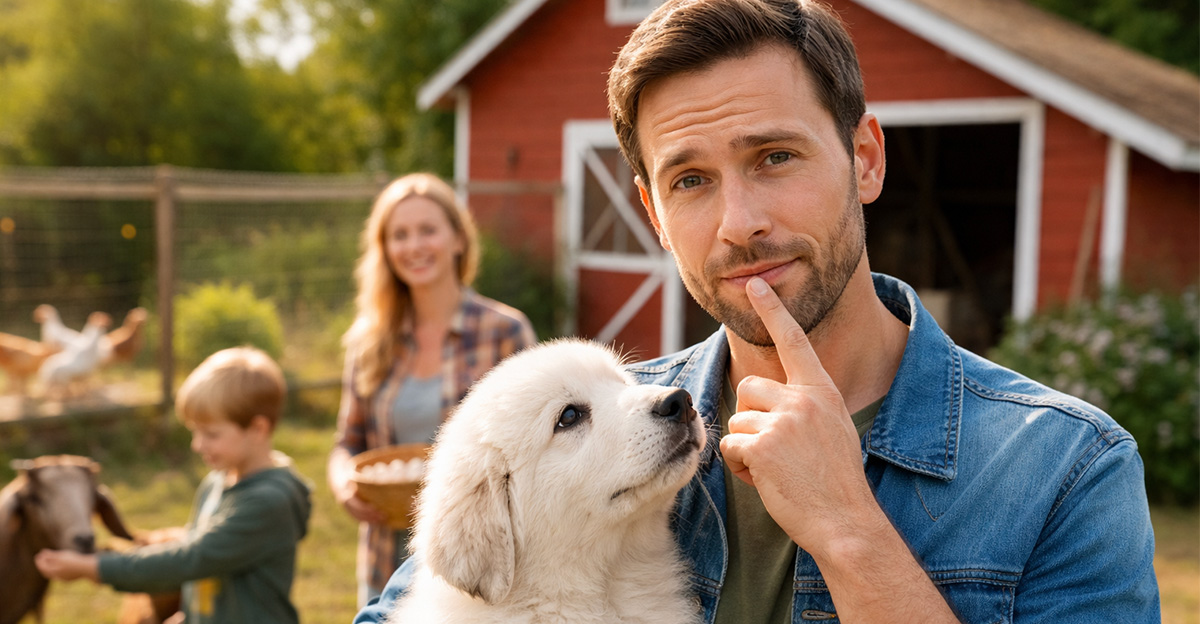
At some point, many families have the same conversation: “Should we get a big dog?” Maybe someone shows a picture of a huge fluffy Great Pyrenees, and suddenly everyone is imagining it lounging in the backyard like a friendly polar bear. Then someone says something surprising: “I heard you can write those dogs off on your taxes if they guard livestock.” That’s where things get interesting. Believe it or not, there is some truth to the idea—but only in very specific situations. Let’s walk through what actually counts and what definitely doesn’t.
The Idea Of A “Tax-Deductible Dog”
The internet is full of posts claiming you can write off your dog on your taxes. Usually, the story involves a farm dog or a guard dog. It sounds great—get a big lovable dog and save money on taxes at the same time. But in most cases, a dog is simply considered a personal pet, and personal expenses are not tax-deductible.

When Dogs Become Part Of A Business
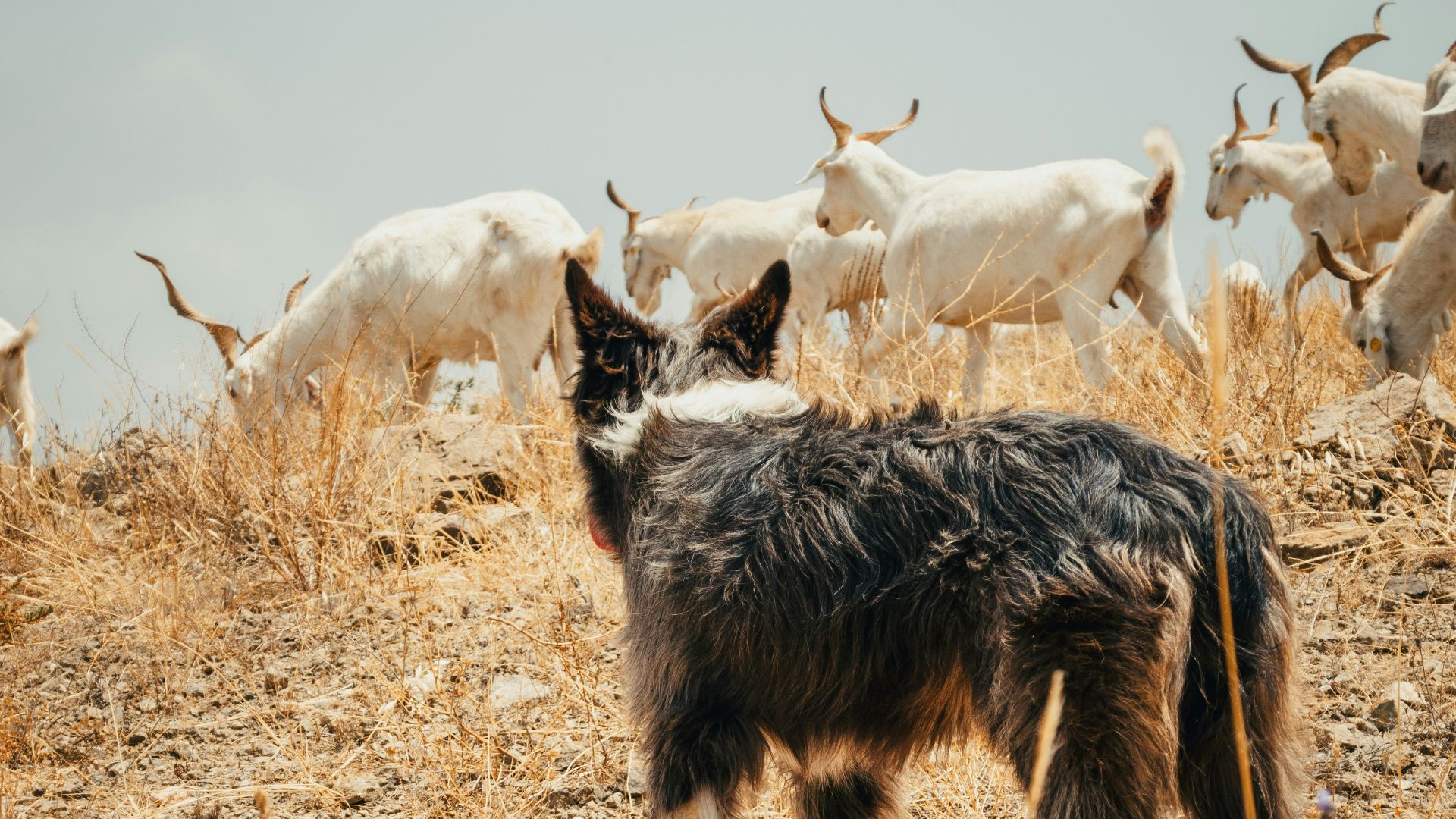
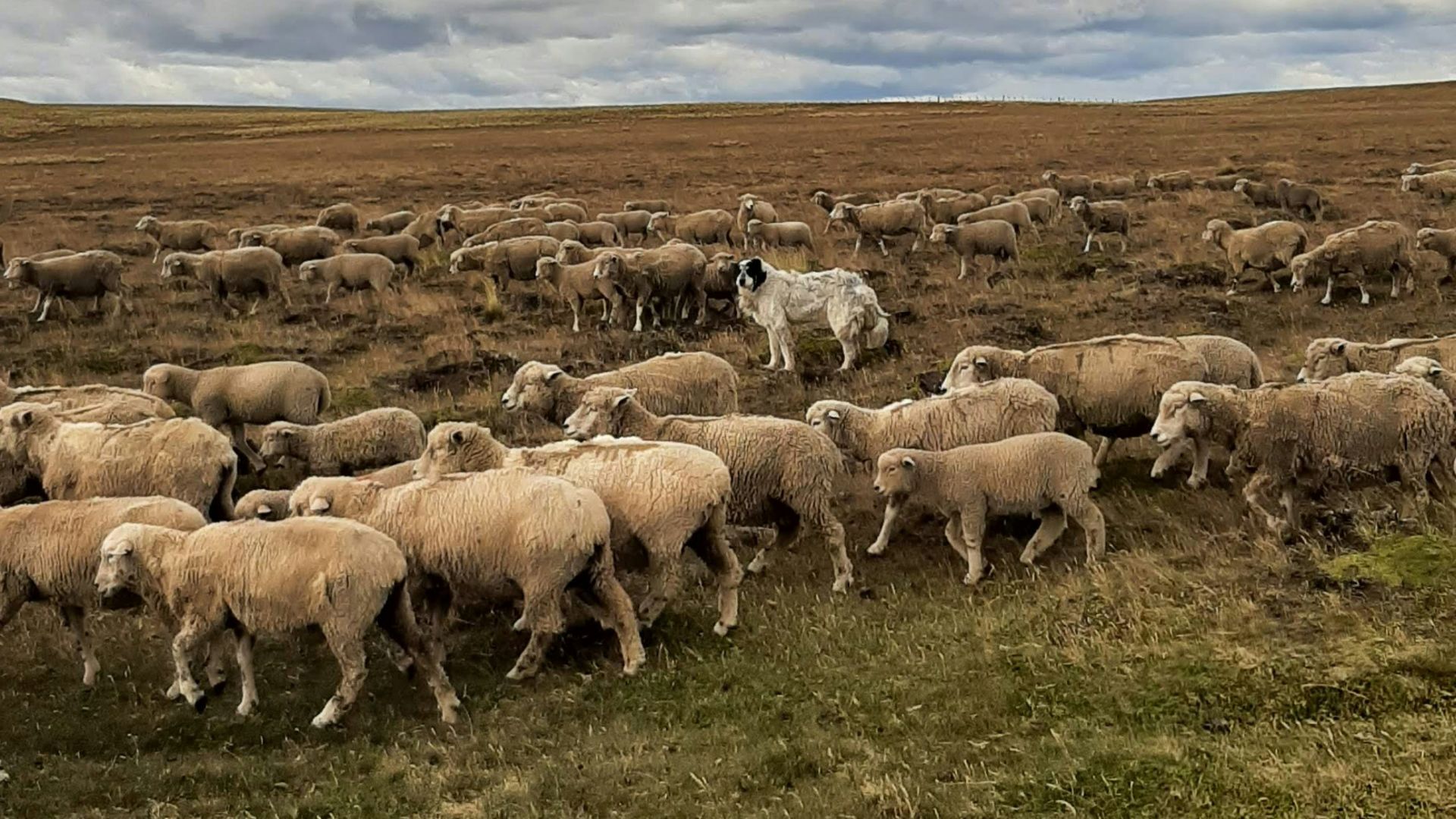
Things change when the dog is part of a real business. Farmers and ranchers often use dogs to help with their work. Herding dogs move livestock, and livestock guardian dogs protect animals from predators. When a dog is truly part of the job, some of the costs related to that dog may qualify as business expenses.
The Famous Great Pyrenees
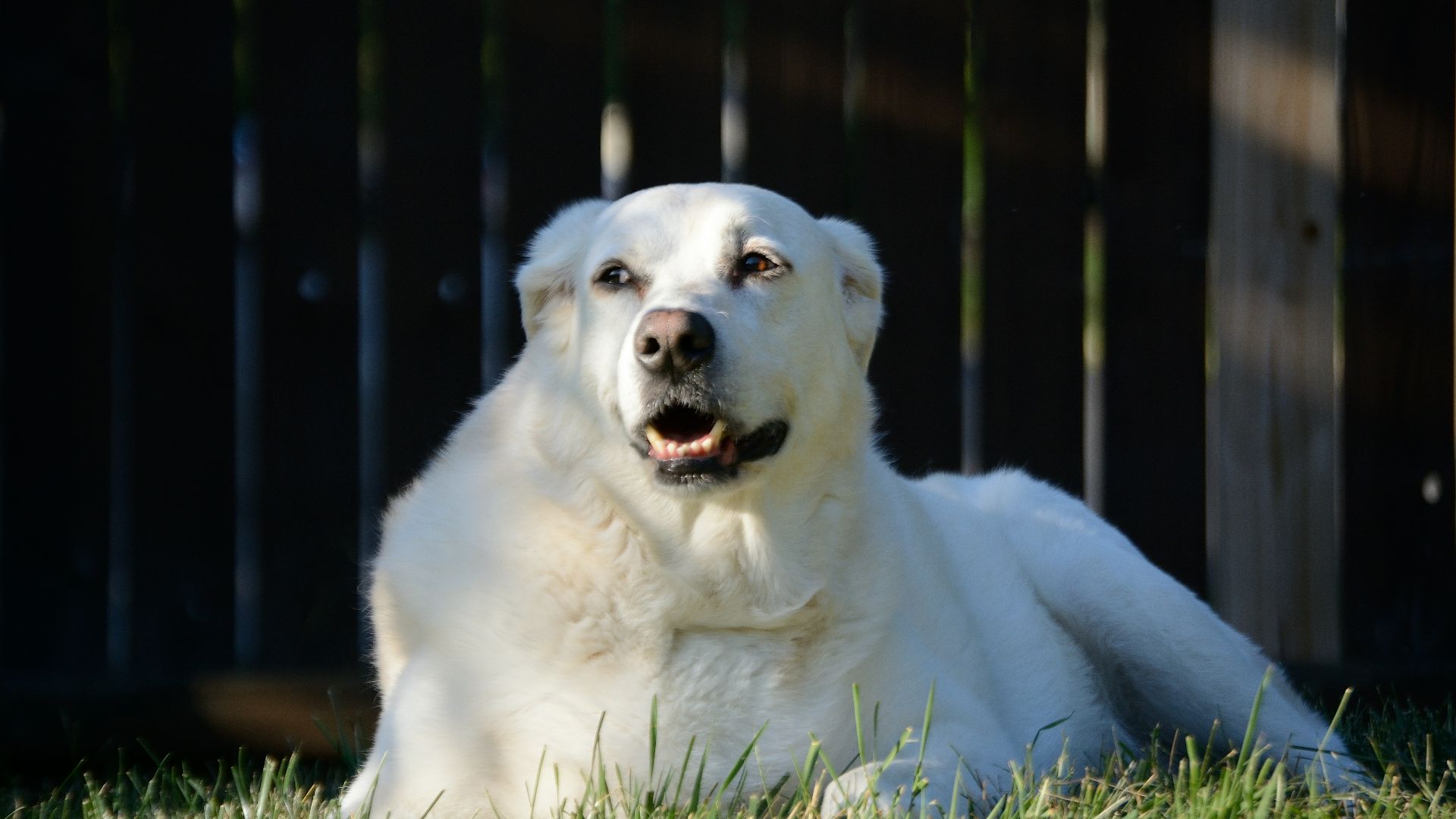
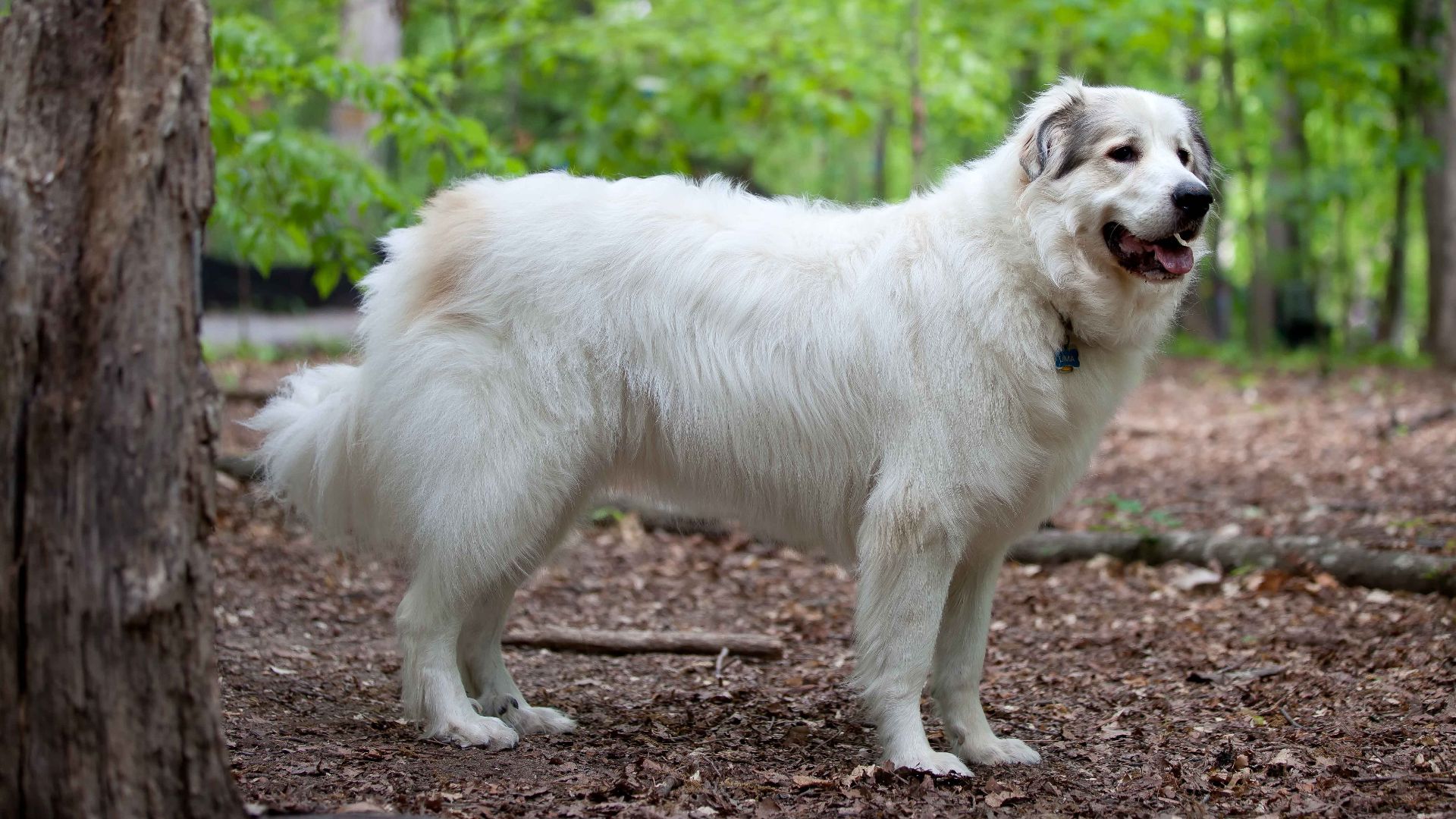
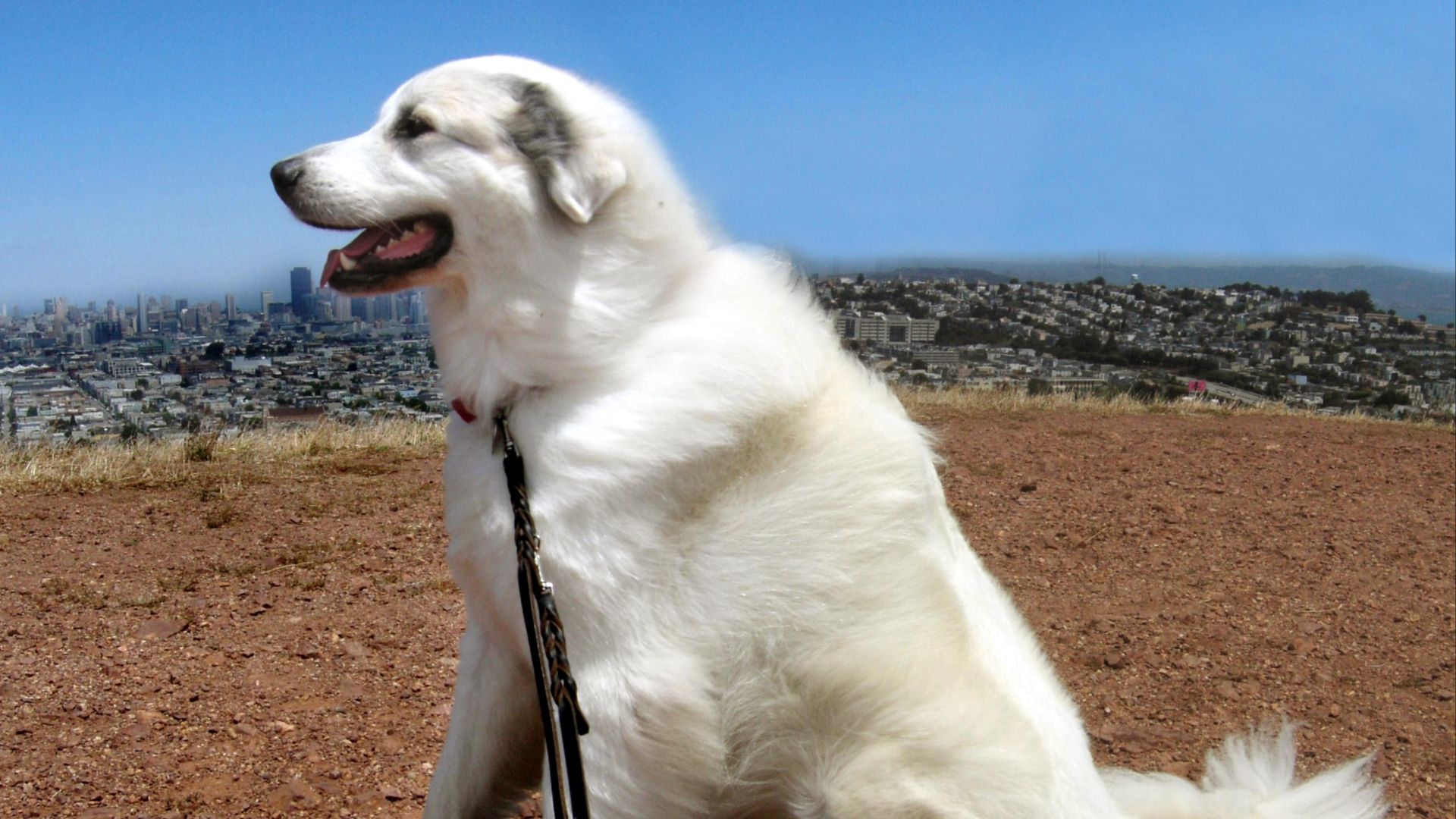
The Great Pyrenees is one of the most well-known livestock guardian dogs in the world. These dogs are huge, calm, and covered in thick white fur. They were originally bred in the mountains between France and Spain, where they protected sheep from wolves and bears.
Why Farmers Use Great Pyrenees
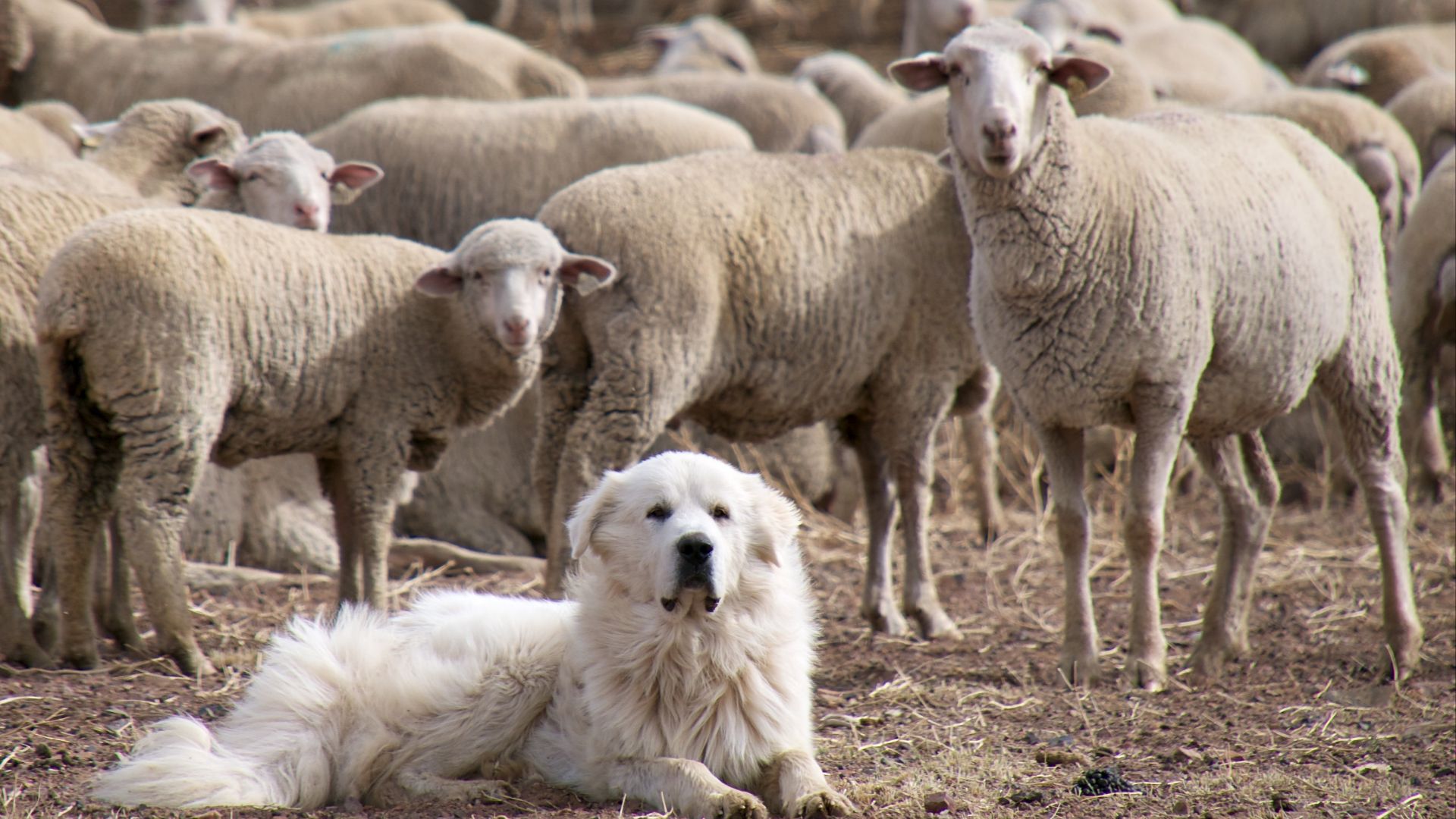
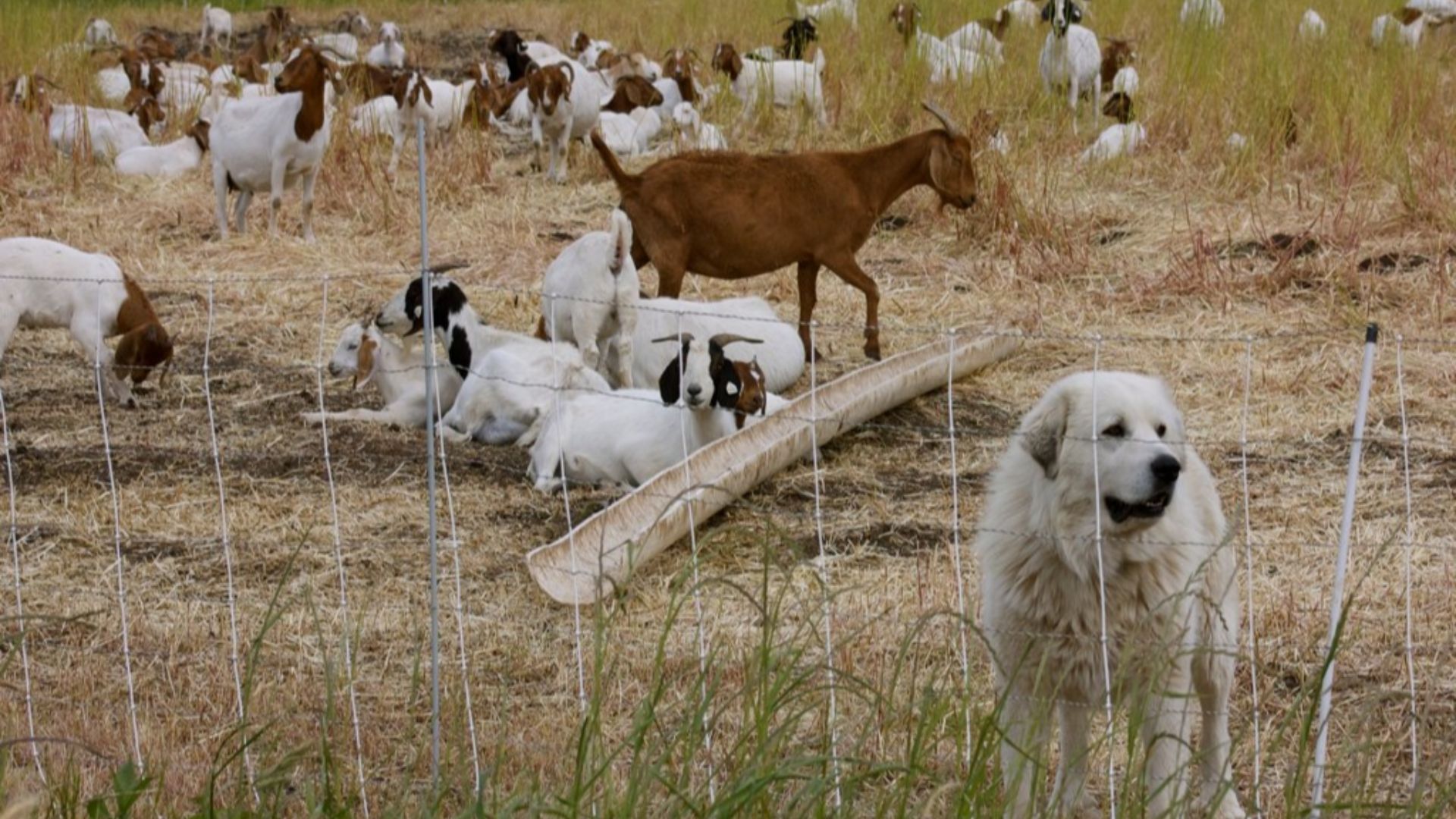
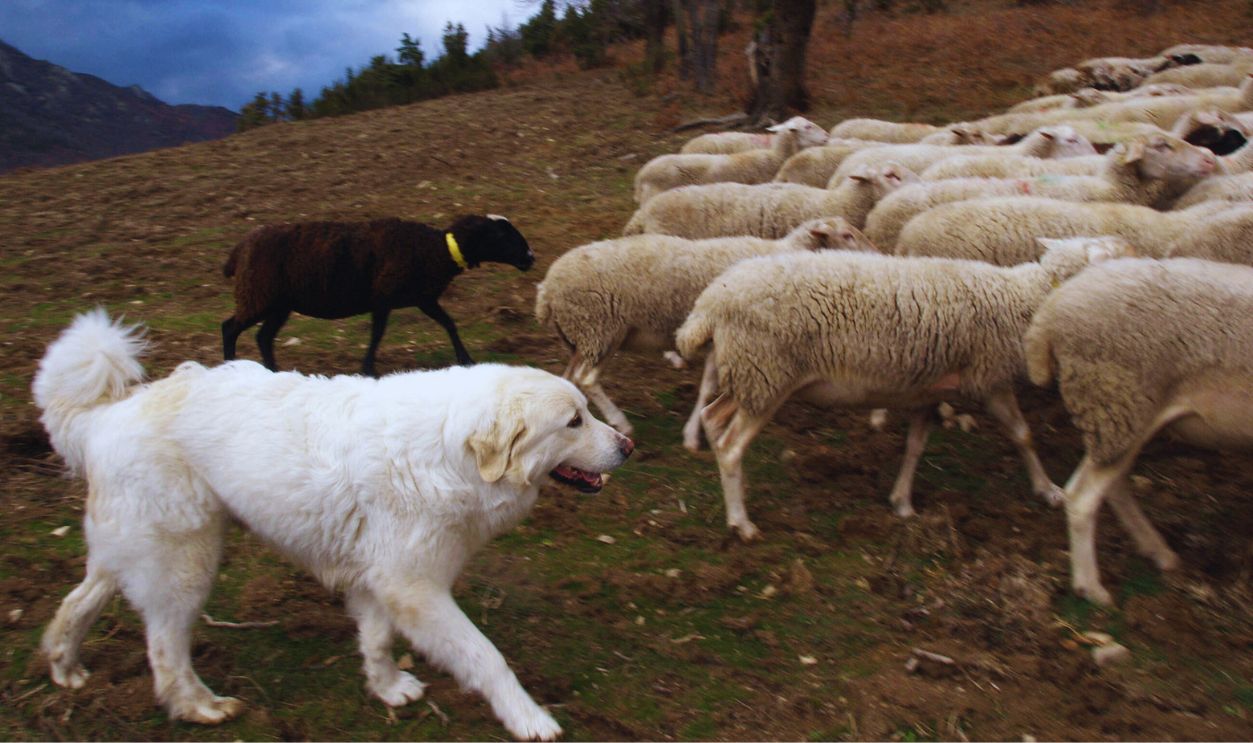
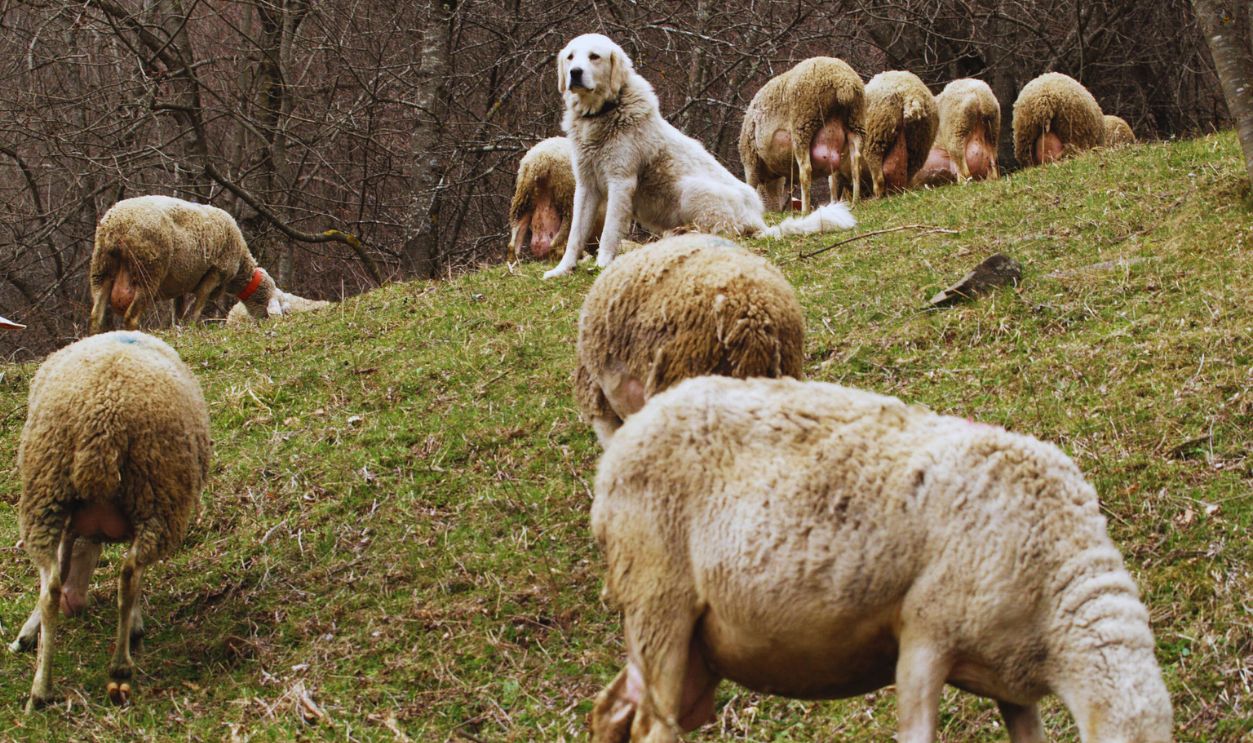
Farmers love Great Pyrenees because they are naturally protective. Instead of chasing livestock like a herding dog would, they stay with the animals and guard them. Their loud bark and large size scare away predators like coyotes, foxes, and even wolves.
 Don DeBold from San Jose, CA, USA, Wikimedia Commons
A Dog That Actually Has A Job
For tax purposes, the most important question is simple: does the dog actually have a job? If the dog is protecting livestock that helps generate farm income, then it may qualify as a working animal. In that case, some of the costs of owning the dog might be deductible.
 devra from los osos, Wikimedia Commons
The Dog Has To Work
Here’s where many people get confused. A dog that lives in the house and occasionally barks at raccoons is still a pet. A true livestock guardian dog usually lives near the animals it protects and spends most of its time with them.
Pets And Business Animals Are Treated Differently
Tax agencies treat pets and business animals very differently. A family dog is a personal expense, just like groceries or your electric bill. But an animal that helps produce income—like protecting farm animals—can sometimes count as a business expense.
Keeping Records Is Important
If a farmer claims expenses for a livestock guardian dog, good recordkeeping matters. That means saving receipts for things like food, vet visits, and training. Keeping organized records makes it much easier to show that the dog really is part of the farm operation.

Dogs That Live Two Lives
Sometimes dogs have two roles. Maybe the dog spends time protecting livestock during the day but comes inside with the family at night. Situations like this can make things more complicated when it comes to taxes.

Not Every Farm Dog Counts
Just because a dog lives on a farm doesn’t mean it qualifies as a working animal. Some dogs simply roam around the property and act like pets. Unless the dog has a clear job that helps the farm, its expenses probably won’t qualify.
 Emőke Dénes, Wikimedia Commons
Livestock Guardian Dogs Are Well Known In Farming
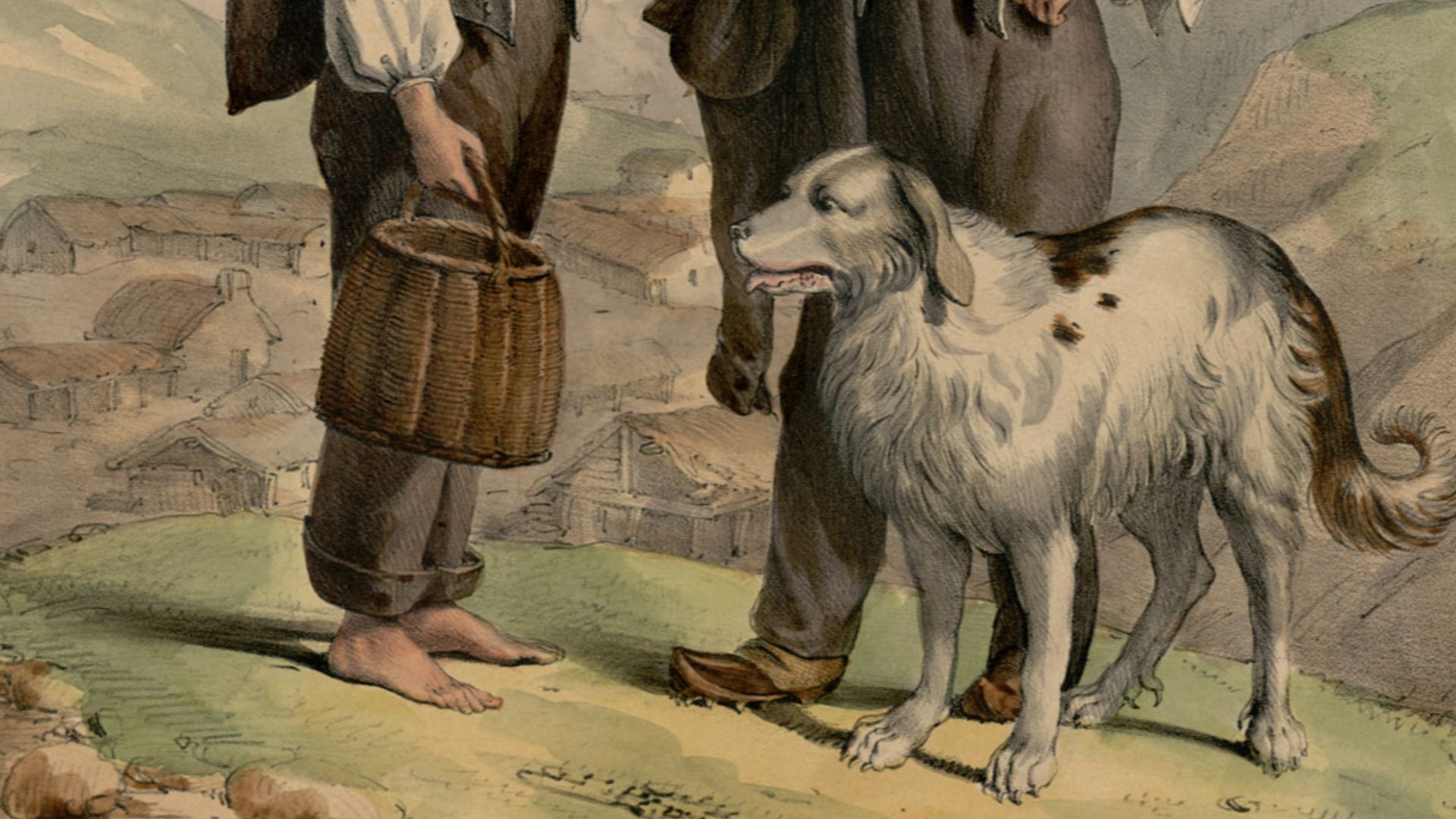
Livestock guardian dogs have been used for centuries. Many farmers rely on them because they reduce the risk of predators killing animals. Because these dogs are so common in agriculture, their role is widely recognized.
 Édouard Pingret, Wikimedia Commons
Tax Authorities Already Know About Them
Tax agencies are familiar with livestock guardian dogs. Farmers regularly claim legitimate farm expenses for animals that help run their operations. As long as the deduction makes sense and is properly documented, it usually isn’t surprising.

Typical Costs Farmers Deduct
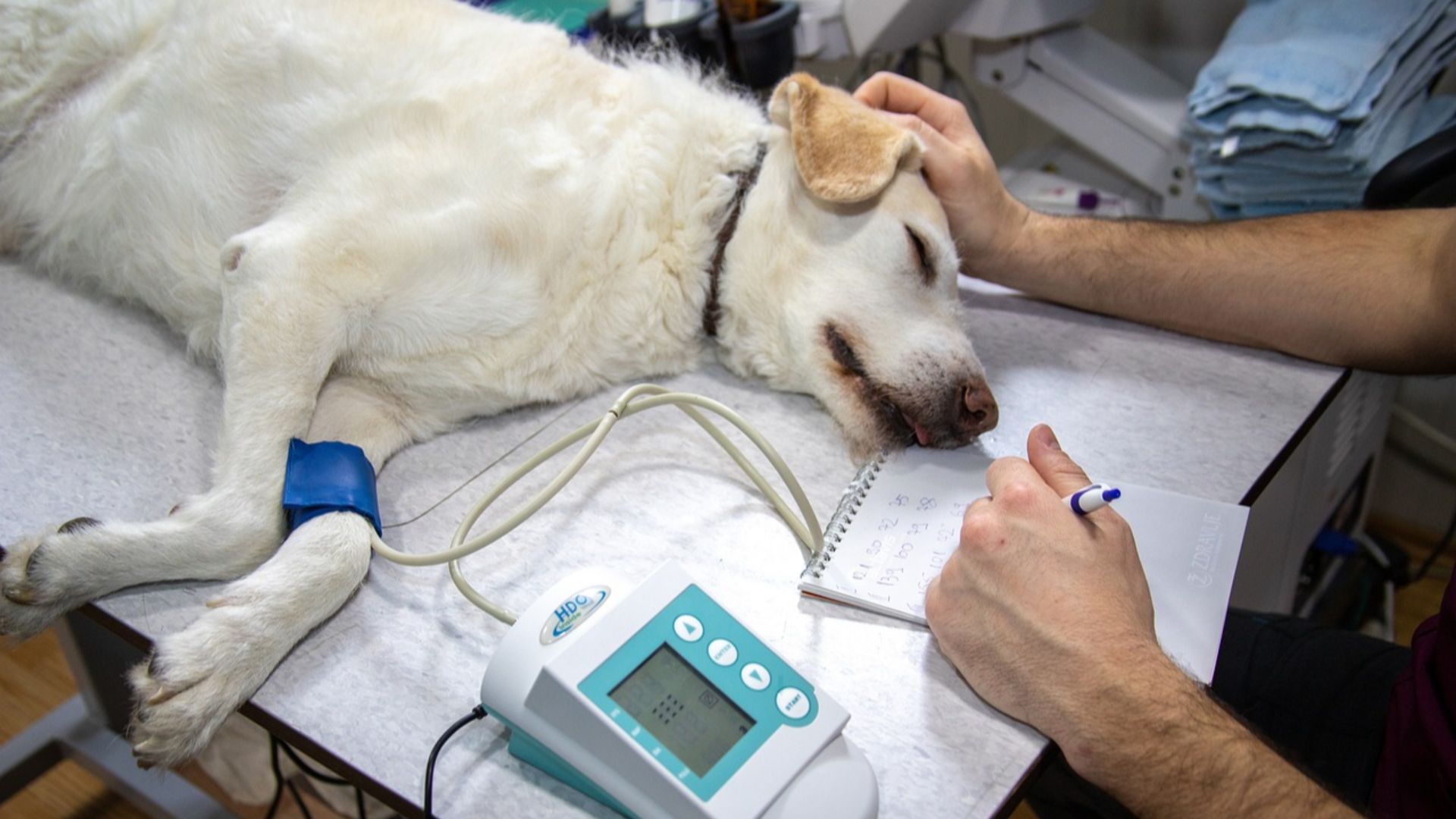
If a dog qualifies as a working livestock guardian, several costs may count as farm expenses. These can include food, veterinary care, vaccinations, and parasite treatments.
Buying The Dog
The price of buying the dog itself may also be included as a farm expense. Depending on the situation, the cost might be deducted in the year the dog is purchased or spread out over several years.
 Flickr user striatic, Wikimedia Commons
Trained Dogs Can Be Expensive
A trained livestock guardian dog can cost a lot—sometimes thousands of dollars. Many farmers choose to start with a puppy instead. Puppies are cheaper, but they require training before they can protect livestock properly.
 Batten, Barton, Durstine & Osborn for the show's sponsor, Campbell's Soup, Wikimedia Commons
Training Matters A Lot
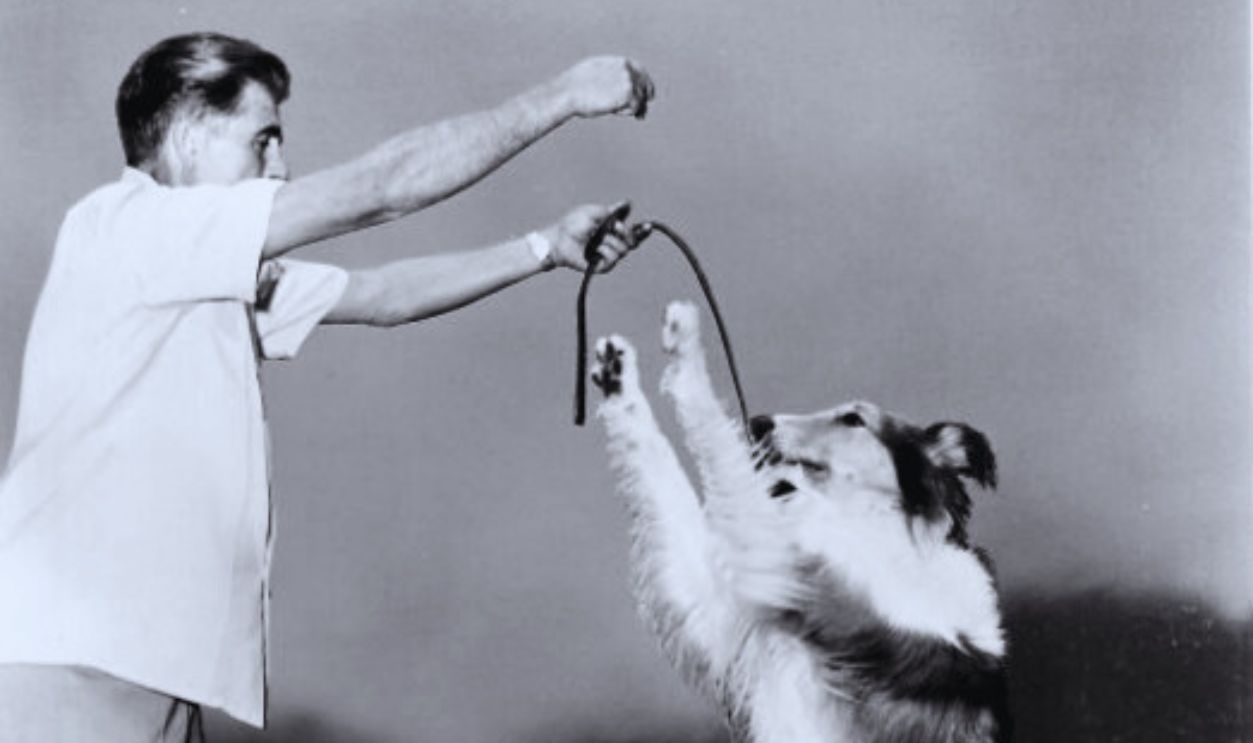
Training is extremely important for livestock guardian dogs. Without proper training, a dog might chase animals instead of protecting them. Farmers often spend time helping the dog bond with sheep, goats, or chickens.
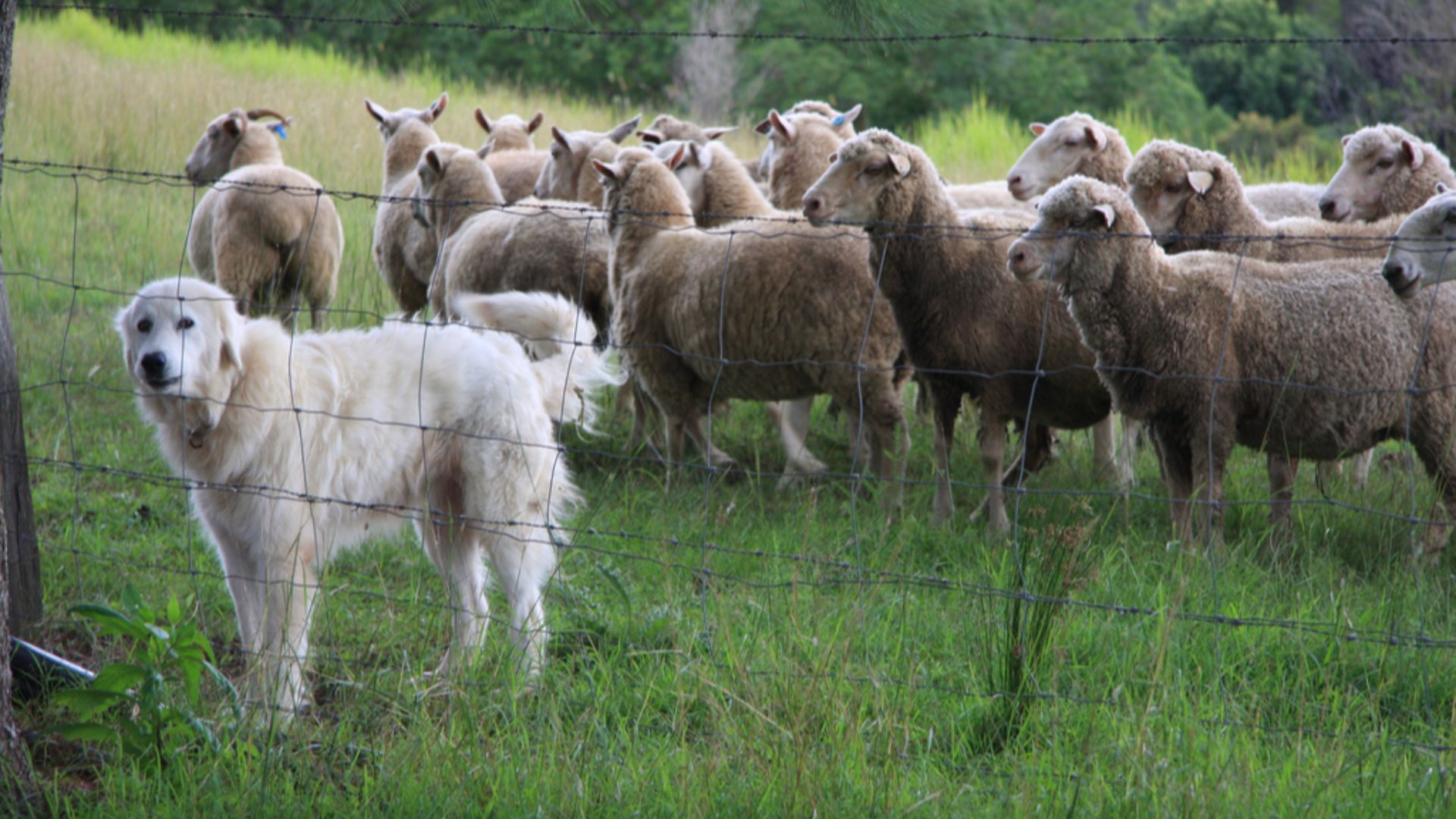 Andy Fitzsimon from Brisbane, Australia, Wikimedia Commons
The Family Pet Situation
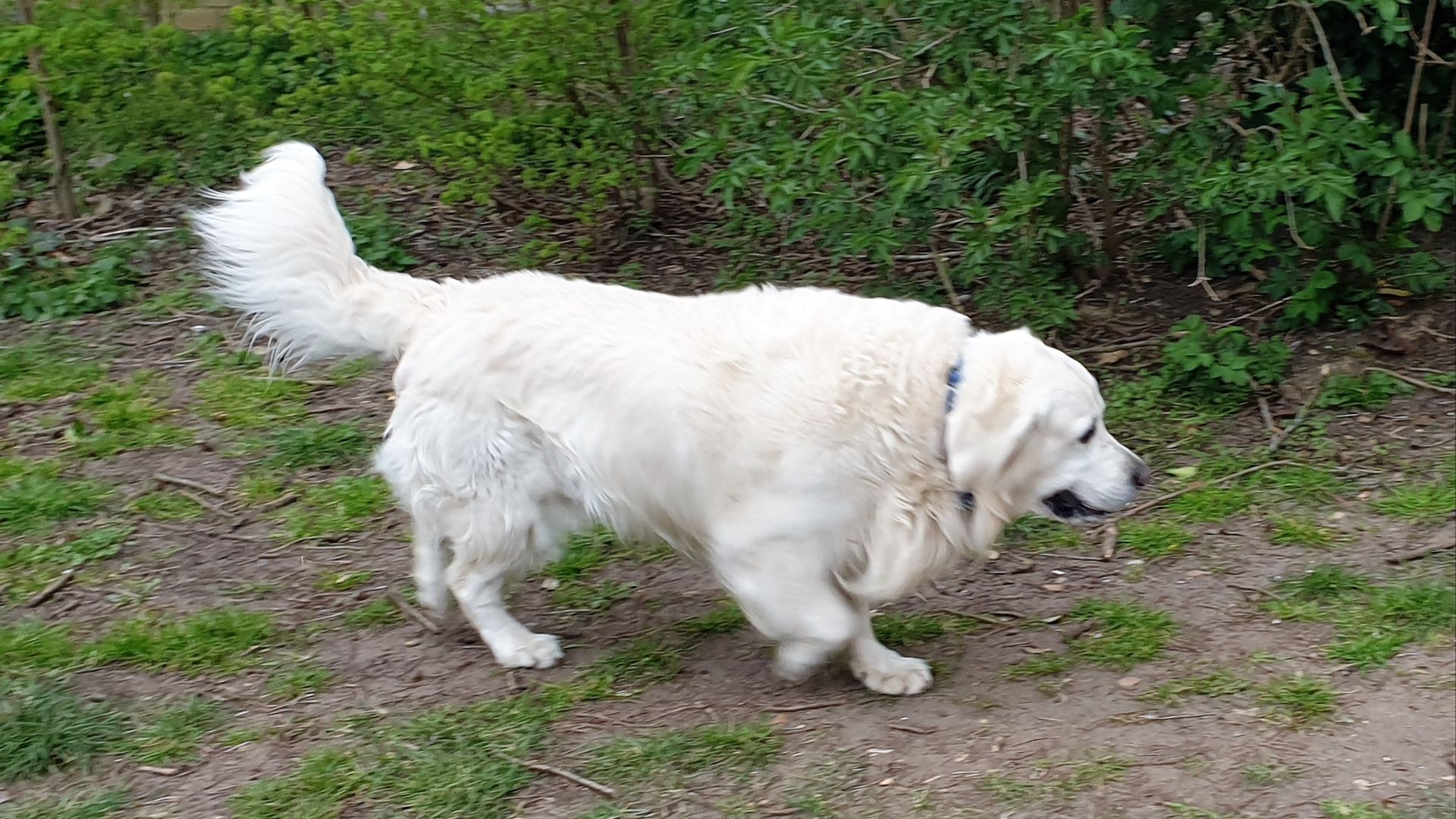
If your family just wants a giant fluffy dog, that’s completely fine—but it won’t make the dog tax deductible. No matter how good the dog is at guarding your couch, the tax code won’t consider it farm equipment.
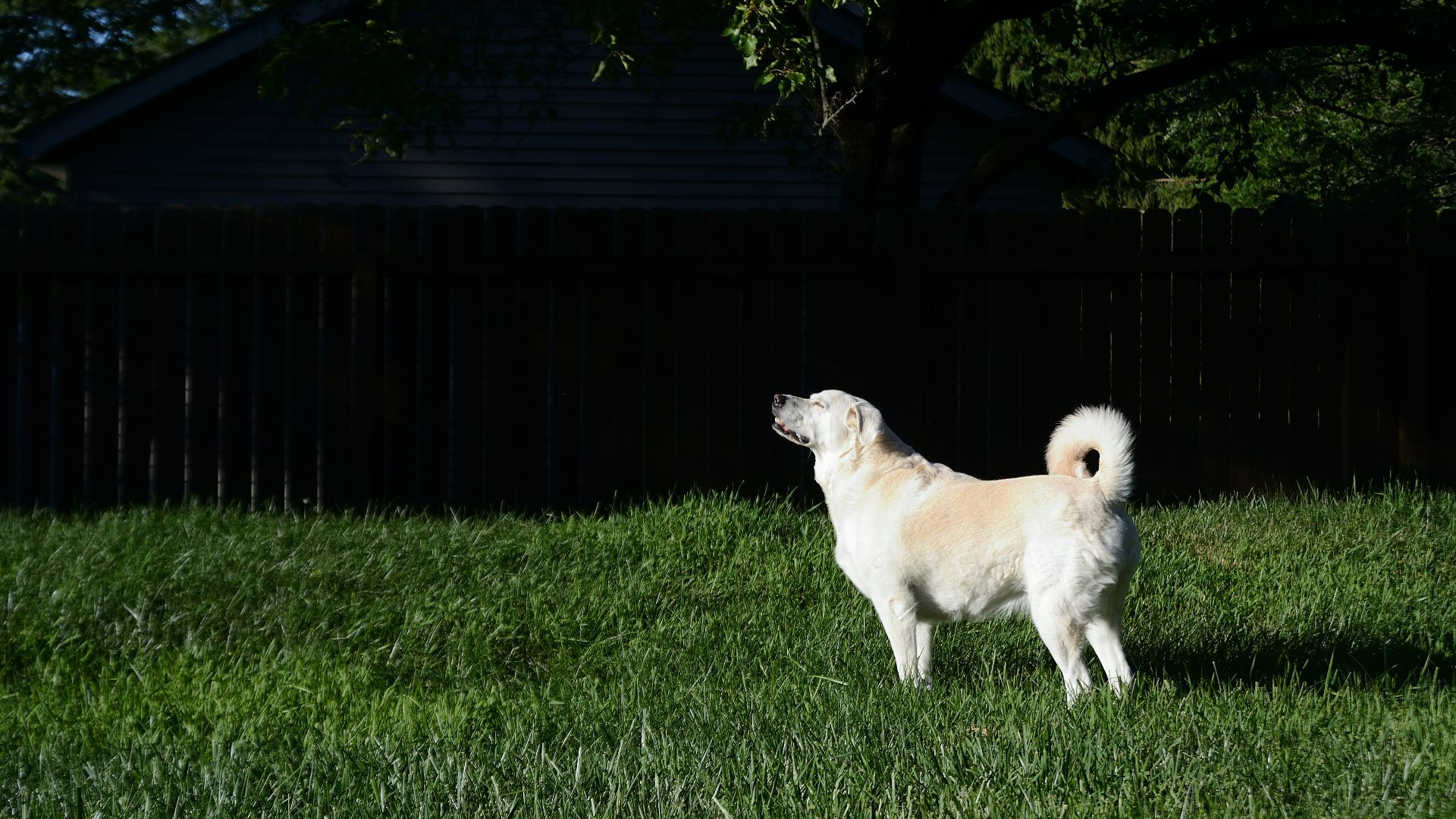
Small Hobby Farms
Some families keep a few chickens or goats as a hobby. In these cases, things can get a little complicated. If the farm activity isn’t really a business and doesn’t aim to make a profit, tax deductions may be limited.
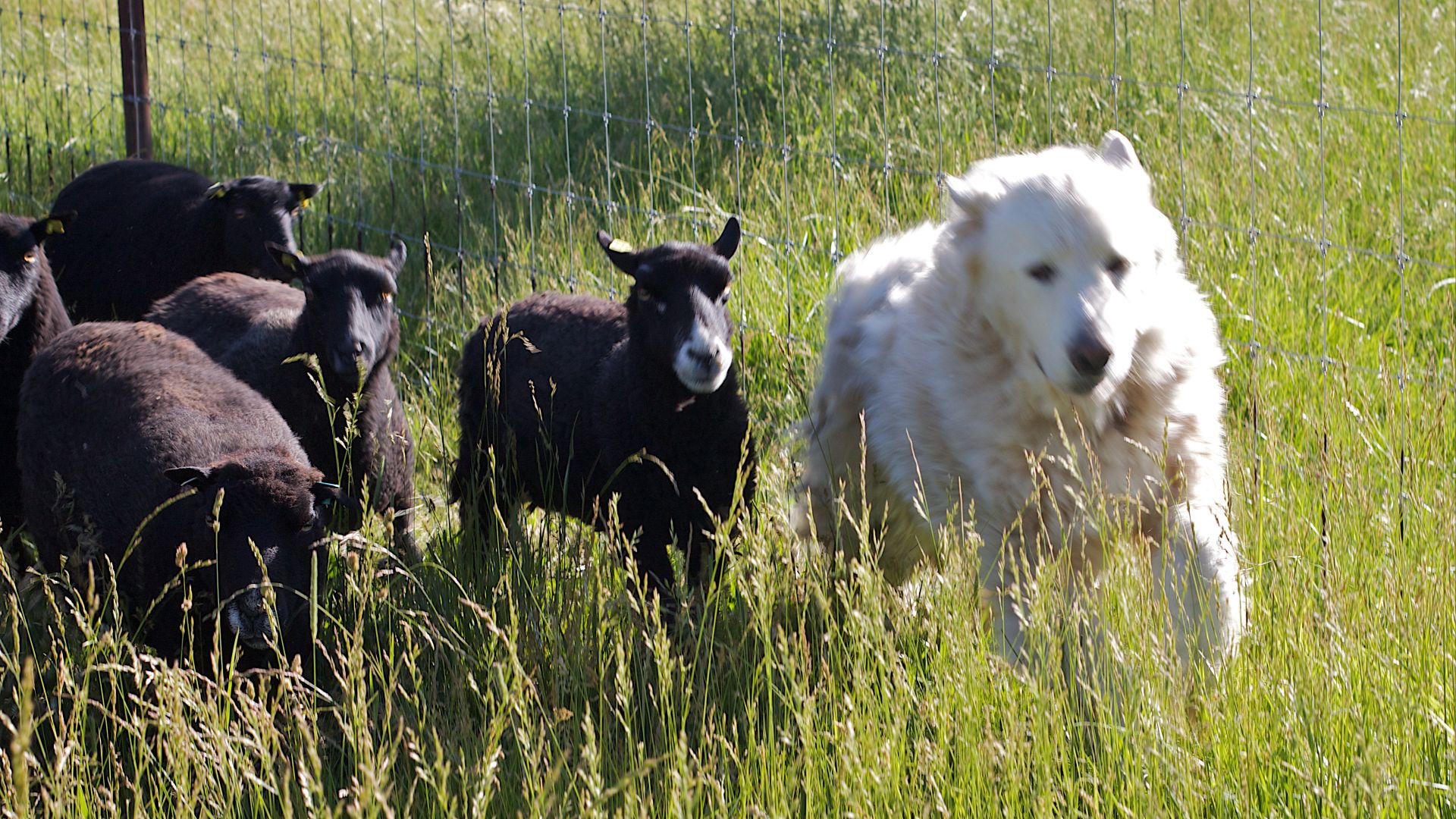
Profit Usually Matters
Tax authorities usually look for signs that an activity is meant to make money. If someone sells eggs, livestock, wool, or other products, that can help show the farm is a real business.
 Adismara Putri Pradiri, Unsplash
Cities And Suburbs
Trying to claim a livestock guardian dog in the city is almost impossible. Without real livestock to protect, the dog is simply a pet. Living in a suburban neighborhood makes the argument very difficult.
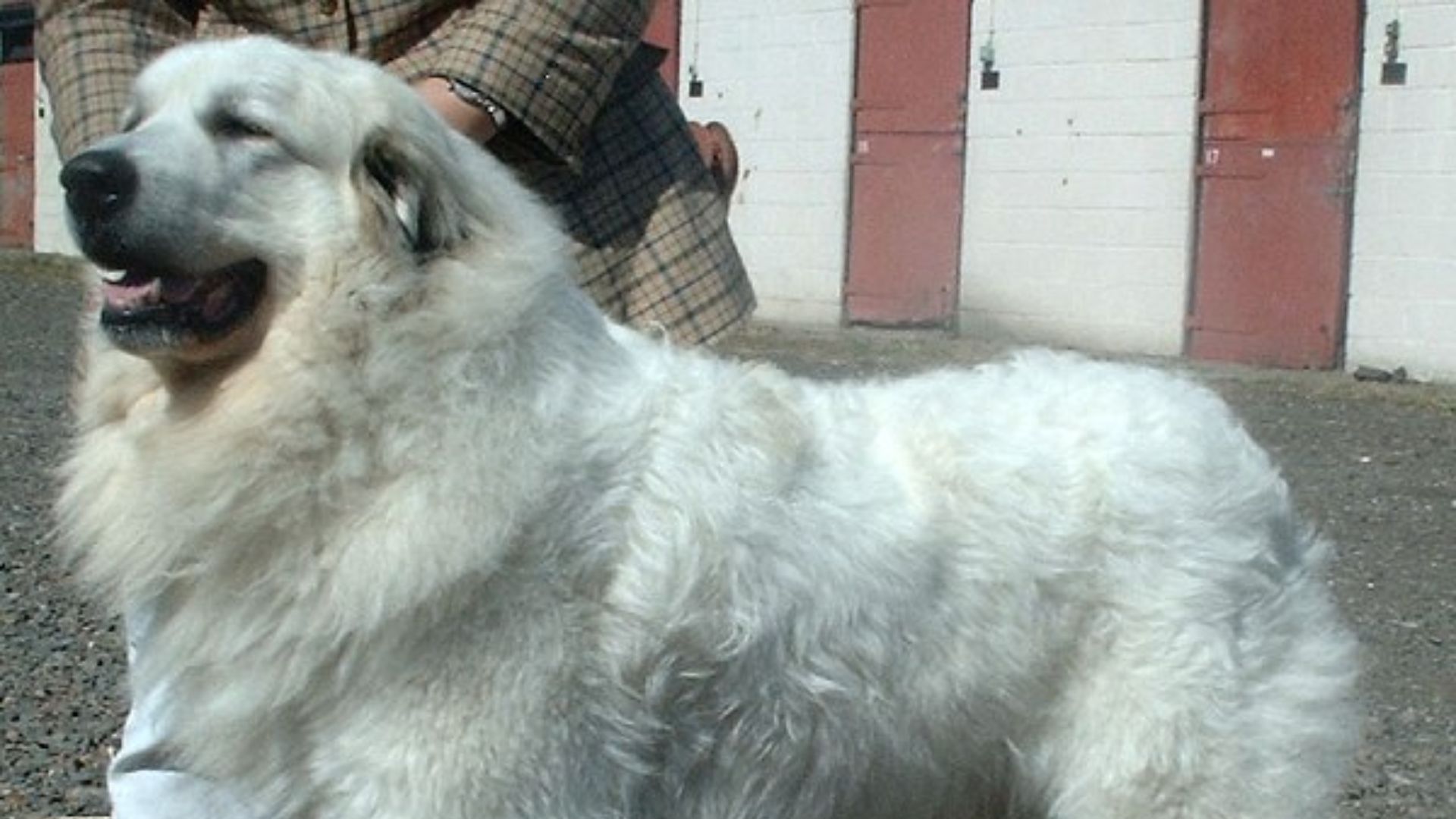 Brunobarreto~commonswiki, Wikimedia Commons
Guard Dogs For Businesses
There are also situations where businesses use dogs for security. For example, a warehouse might have a trained guard dog to protect property. In those cases, some expenses may qualify as business costs.
Common Sense Plays A Role
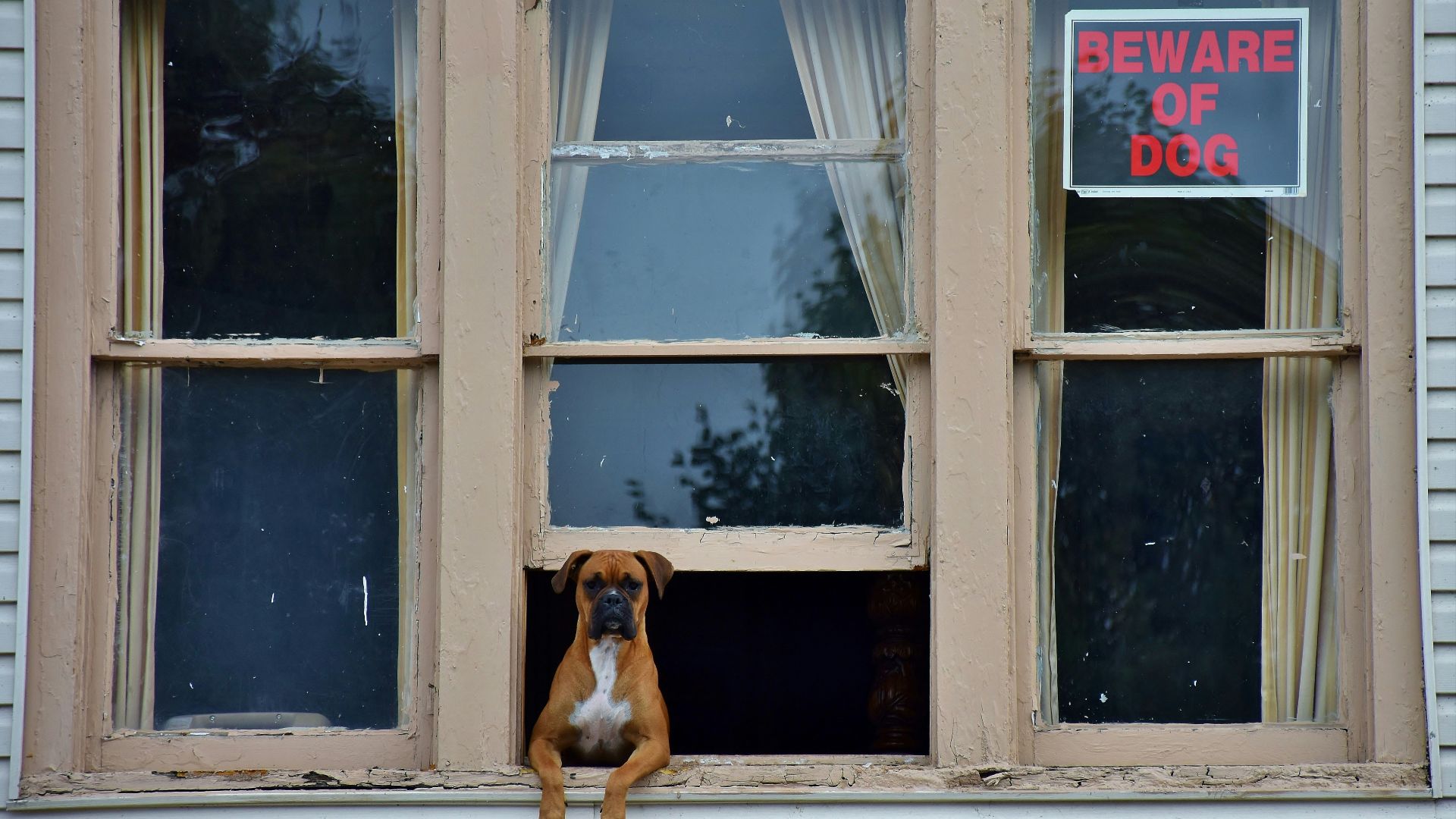
Tax authorities tend to apply common sense. A rancher with hundreds of sheep claiming expenses for a guardian dog makes sense. A homeowner claiming their dog protects backyard squirrels probably won’t convince anyone.
Why This Confuses People Online
The internet often simplifies complicated tax rules. Someone hears that farmers deduct livestock dogs, and the story quickly turns into “you can write off your dog.” The truth is much more specific.

Ask A Tax Professional
If you actually run a farm and are thinking about getting a livestock guardian dog, it’s smart to talk with a tax professional. They can explain how the rules apply and help you keep proper records.

The Real Answer About Great Pyrenees And Taxes
So, can you claim a Great Pyrenees on your taxes? Possibly—but only if the dog is truly working as a livestock guardian on a real farm or ranch. For most families, a Great Pyrenees will simply be a wonderful (and very fluffy) pet. And while that may not help your tax return, it might still be worth it.
You May Also Like: