
The Gold Bar Fantasy Has Real-World Tradeoffs
To a certain kind of person, keeping emergency savings in gold bars at home sounds comforting in an increasingly chaotic economic landscape. With gold, you can see it, hold it, and keep it away from banks, apps, and market noise. But once you move past the image and look at how emergencies actually work, the question gets a lot more practical.

Emergency Savings And Long-Term Wealth Are Not The Same Job
An emergency fund is supposed to be easy to reach, steady in value, and ready fast. That is why personal finance experts usually point people toward insured cash in a high-yield savings account or money market account. Gold can help preserve wealth, but it does not work like money you can spend right away.

What Emergency Savings Are Supposed To Do
The Consumer Financial Protection Bureau defines emergency savings as money set aside for surprise costs like car repairs, medical bills, or a job loss. Those bills usually come due in days, not months. If your backup money is hard to use quickly or has to be sold at an uncertain price, it may let you down when you need it most.
 https://kaboompics.com/, Pexels
Why Gold Keeps Coming Up In Family Money Debates
Gold has been seen as a store of value for centuries, and that history still has a strong pull. When inflation rises, world events get shaky, or trust in financial institutions falls, people often come back to the idea of holding precious metal themselves. The appeal makes sense, especially if the goal is protection against worst-case scenarios.

Gold Has Had Some Eye-Catching Runs
Gold prices have jumped at different times, especially during financial stress and inflation fears. Those headline surges are part of what makes physical gold feel like a safe answer. But a strong price run does not automatically make gold the right place for emergency savings.

Price Volatility Is The First Big Catch
Gold may have a safe-haven reputation, but the price still moves around. The World Gold Council notes that gold can behave very differently depending on market conditions, and it is not a fixed-value asset. If you need cash while gold prices are down, you may have to sell at a bad time.

Physical Gold Adds A Second Layer Of Risk
Once gold is stored at home, market risk is only part of the story. You also have to think about theft, loss, and damage. A bank balance cannot disappear during a move, but bullion can. The more valuable and portable something is, the more protection it needs.

Homeowners Insurance Often Has Limits
One of the least exciting parts of this debate is also one of the most important. Standard homeowners insurance policies often put limits on theft coverage for valuables, including precious metals, coins, and bullion. The Insurance Information Institute explains that special limits and separate endorsements may apply, so families should not count on full reimbursement by default.

A Safe Helps, But It Does Not Eliminate Exposure
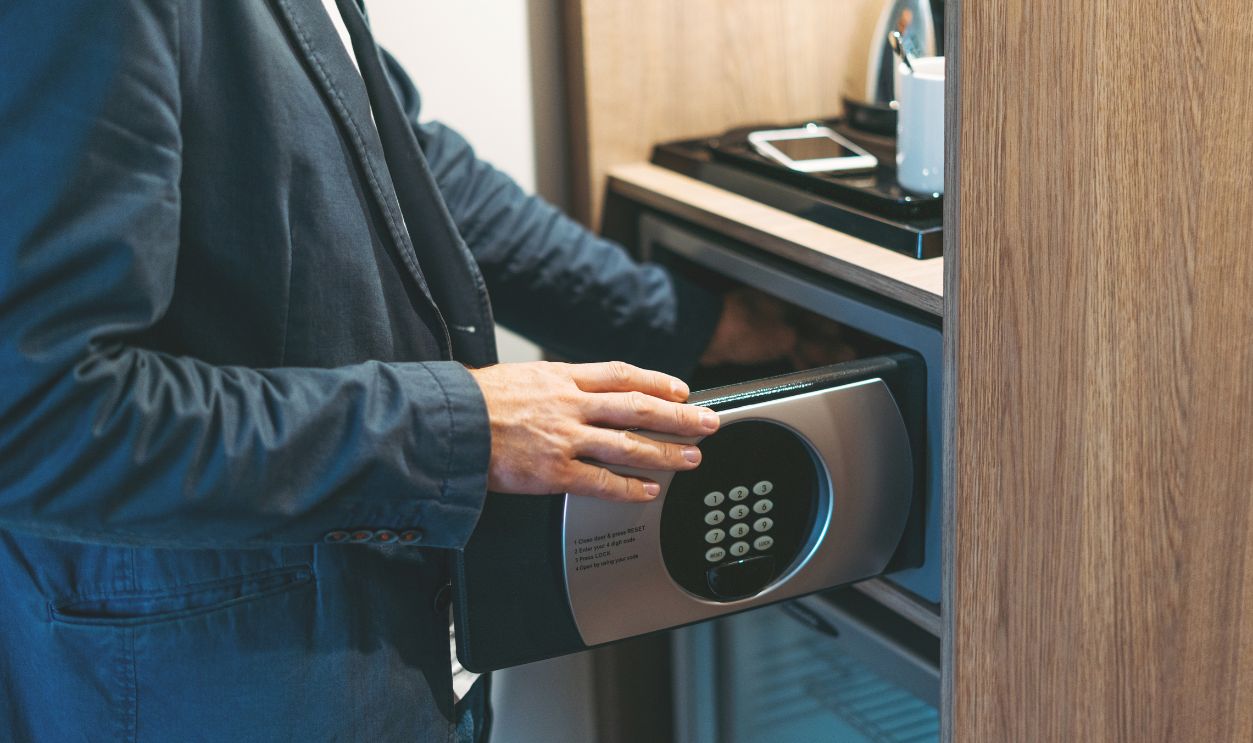
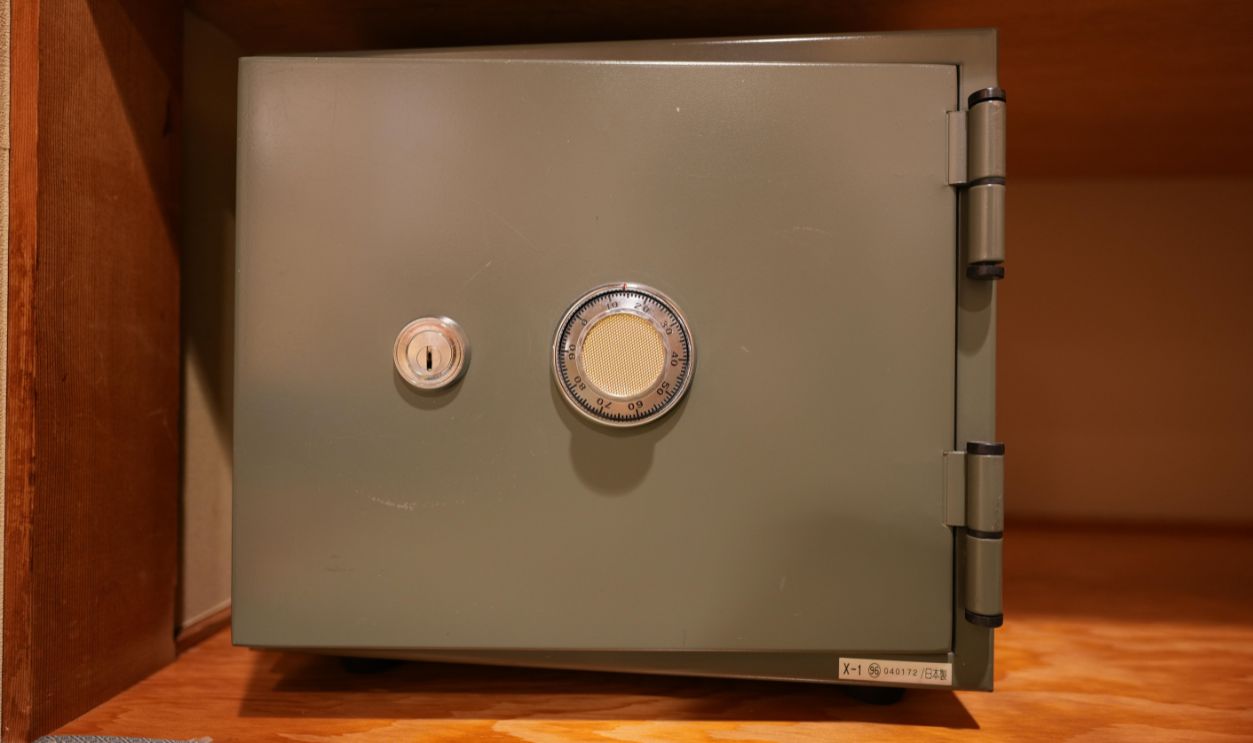
A heavy home safe can cut down on theft risk, especially if it is hidden well and professionally installed. But a safe is not the same thing as FDIC insurance, and it cannot guarantee privacy if workers, visitors, or even social media posts reveal too much. Security is not one purchase. It is a whole setup.
 Galina Zhigalova, Shutterstock
Liquidity Is Where The Home-Gold Plan Starts To Struggle
If your water heater dies tonight, a gold bar will not pay the plumber. You would probably need to find a dealer, check the current price, accept a buy-sell spread, and then turn the sale into cash you can actually use. That may be fine for an investment, but it is awkward for an emergency fund.

Bid-Ask Spreads Can Eat Into Value
Retail gold buyers usually pay less than the spot price, and sellers usually charge more than it. That gap is one of the built-in costs of physical gold. In plain terms, a family can lose money just by buying and later selling the same metal, even if the market price barely changed.

Small Bars And Coins Are Easier To Sell Than Large Bars
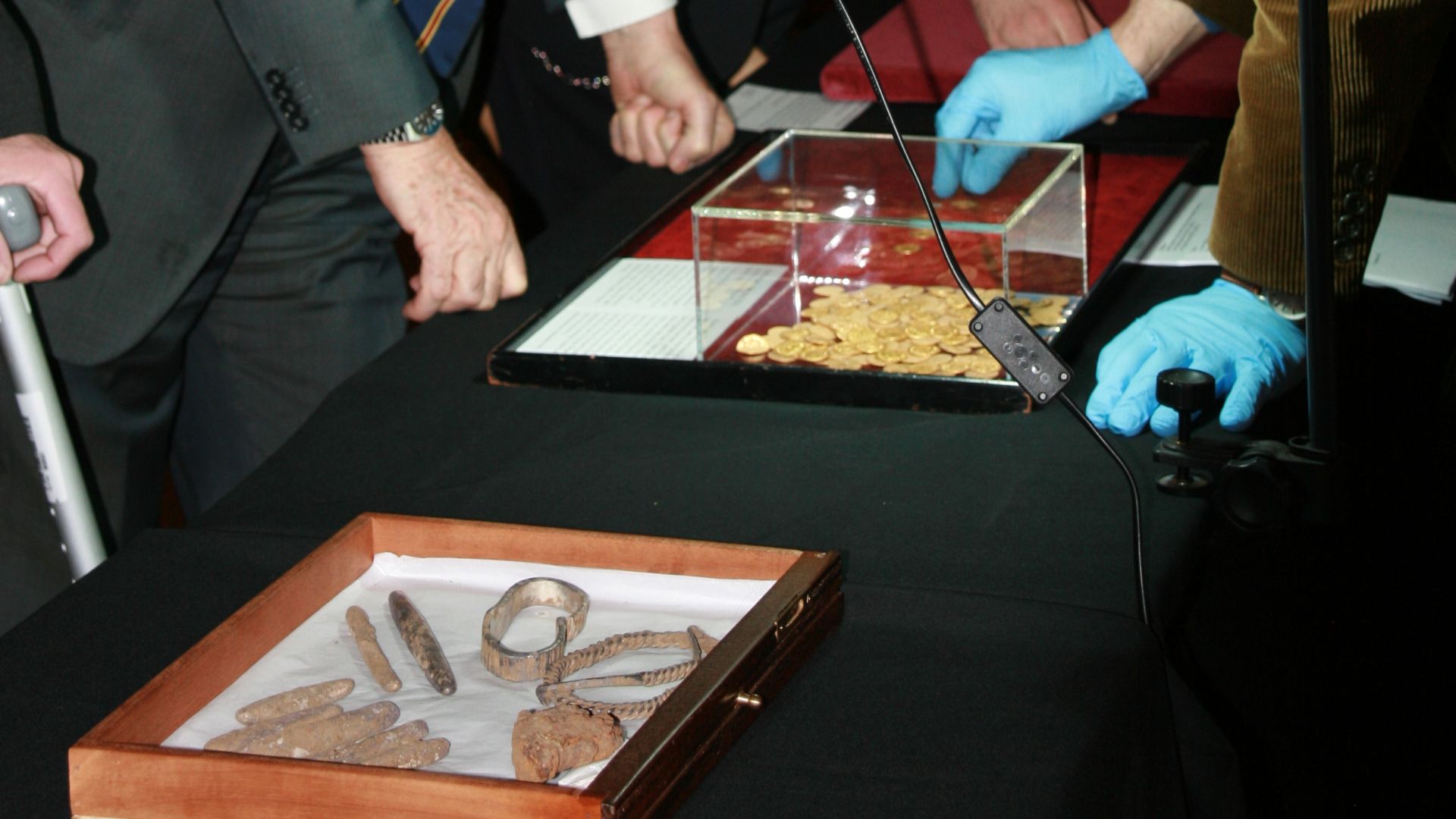
If someone is set on owning physical gold, the form matters. Smaller bullion products and widely known coins are usually easier to sell than large bars because more buyers can afford them and recognize them. That does not make them a smooth emergency fund, but it can make selling less of a hassle.
 Portable Antiquities Scheme from London, England, Wikimedia Commons
Verification Matters More Than Many Buyers Expect
Reputable dealers care about purity, weight, and whether the metal is real. Depending on the product, reselling it may involve testing or other checks, especially if the item is out of tamper-evident packaging or came from a less familiar source. That is another way physical gold differs from cash in the bank.

Storage Costs Do Not Vanish Just Because The Gold Is At Home
Some people compare home storage with bank fees and assume home storage is free. It is not. Proper storage may mean buying a good safe, improving home security, and maybe paying more for insurance. Those costs are easy to overlook at the time of purchase, but they are still part of the real price.
Inflation Protection Is Not The Same As Emergency Readiness
Gold is often talked about as an inflation hedge, but even people who like gold do not claim it works perfectly in every short stretch. Emergency savings have a different job. They are supposed to hold their value and be available right away, not just keep up over long periods.

Bank Savings Have Their Own Type Of Protection
Deposits at FDIC-insured banks are protected up to legal limits if the bank fails, and NCUA coverage does the same for federally insured credit unions. That does not solve inflation, but it does answer one of the biggest fears behind storing wealth at home. For emergency cash, that kind of backup matters.

What The FDIC Coverage Actually Means
The FDIC insures deposit accounts up to at least $250,000 per depositor, per insured bank, per ownership category. That is a very different system from home-stored bullion, where the owner is fully responsible for storage, safety, and recovery. If the goal is fast access and clear legal protection, insured deposits are hard to top.

Gold Works Better As A Slice Than As The Whole Plan
Many financial planners see gold as a diversifier, not a front-line emergency tool. A modest allocation may help some households feel better prepared for inflation or bigger financial shocks. But replacing the family emergency fund with gold bars creates exactly the kind of extra risk that diversification is supposed to lower.

A Layered Approach Usually Makes More Sense
A more practical setup often includes cash for urgent needs, a savings cushion for several months of bills, and then longer-term investments for growth or hedging. In that kind of plan, physical gold is optional and secondary. It may have a place in the bigger picture, but it should not be the only thing standing between your family and an expensive surprise.

If You Want Crisis Readiness, Keep Some Cash Too
Families worried about short-term disruptions can keep a limited amount of cash at home for true emergencies. The key word is limited. Large amounts of value stored at home, whether in cash or gold, put a lot of risk in one place.
 https://kaboompics.com/, Pexels
The Emotional Side Of The Debate Is Real
This argument is often about more than returns. It is about control, trust, and what safety means to each person. One partner may worry about bank instability, while the other worries about burglary or being stuck with metal that cannot be turned into cash fast enough.

Try Framing The Conversation Around Use Cases
Ask what exact problem the gold is supposed to solve. Is the concern inflation over the next few years, a bank failure, a payment network outage, or a family expense that shows up tomorrow morning. Once the scenario is clear, the right tool usually becomes clearer too.
 simona pilolla 2, Shutterstock
There Is Also A Tax And Recordkeeping Angle
Physical gold is not just a shiny object tucked in a drawer. It is an asset that should be documented with receipts, photos, and notes on where and when it was bought. Good records matter for insurance claims, estate planning, and eventual resale.

If You Buy, Buy Carefully
The safest route is usually a reputable dealer that sells clearly identified bullion products with transparent pricing. The U.S. Mint and industry groups also stress the importance of knowing the product details and avoiding fear-driven impulse buys. Before spending any money, buyers should look closely at premiums, authenticity, and resale options.

When Home Storage Might Make Sense
Home storage can make sense for a relatively small amount of precious metal held as a hedge, especially if the household has strong security and understands the insurance gaps. That is very different from turning the core emergency fund into bars. A hedge is one thing. A household lifeline is another.

When It Starts Looking Like Unnecessary Risk
If the family would need to sell gold quickly to pay rent, cover a deductible, or replace a transmission, then gold bars at home are probably the wrong tool. Emergency money should lower stress, not add extra steps, price spreads, and security worries. At that point, the plan looks less like protection and more like friction.
 Vodafone x Rankin everyone.connected, Pexels
The Bottom Line For Most Households
For most families, the best answer is not all gold or no gold. Keep the emergency fund in insured, liquid cash equivalents, and treat physical gold as an optional side holding if it helps you feel more secure. That way you get resilience without turning a rainy-day fund into a treasure-guarding operation.
 Krakenimages.com, Shutterstock