The Edge Of Cybersecurity
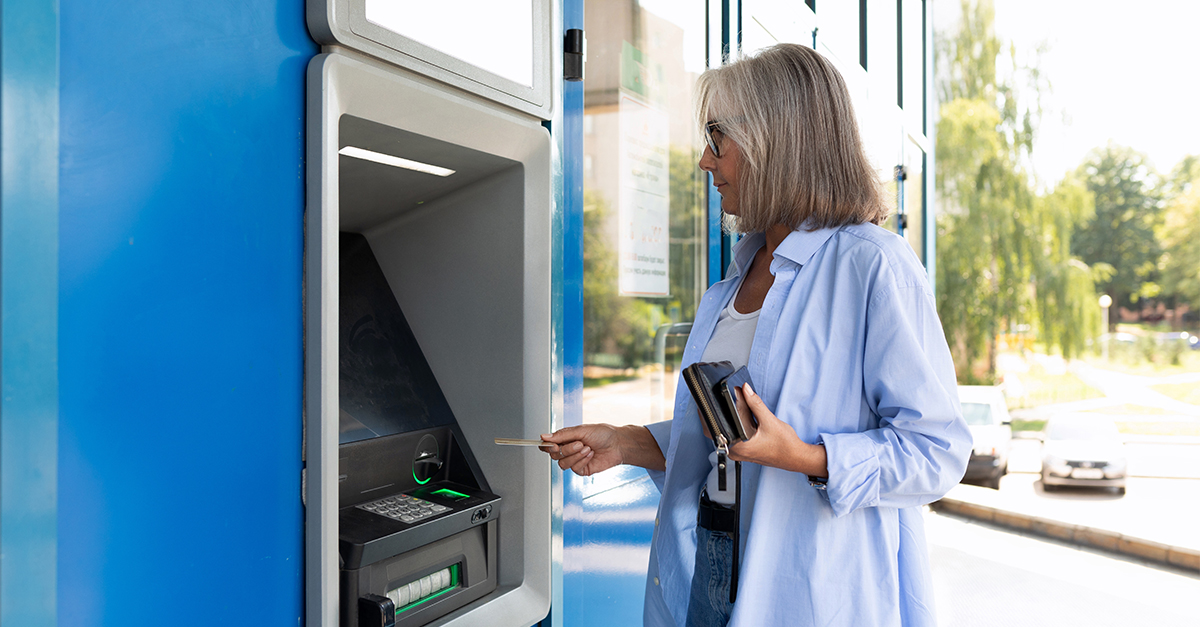
Your money is only as safe as the digital security systems that protect it. ATM cybersecurity is waging a constant battle behind the scenes. Criminals use skimmers, malware, and predictable PIN lists to try to access customer accounts, while banks update hardware and encryption to keep your cash safe. Knowing where the weaknesses and risks lie gives you better protection of your accounts and your peace of mind.

The PIN In ATM Security
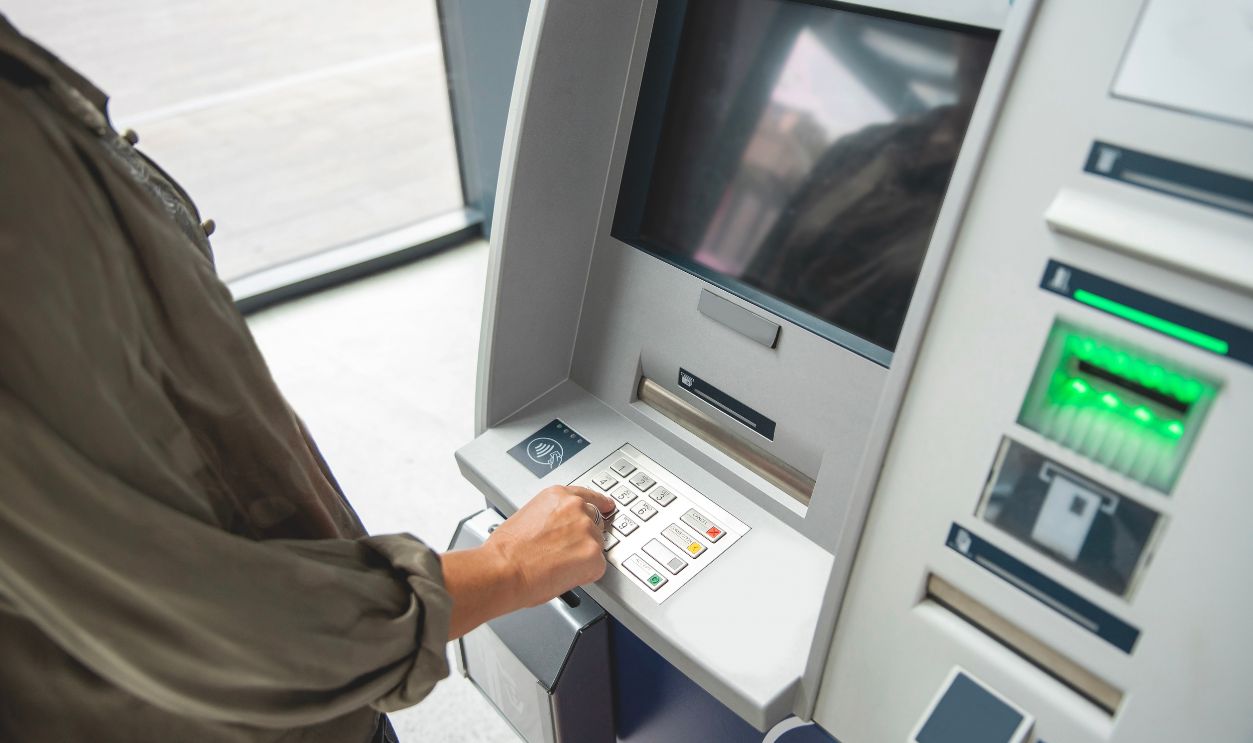
A personal identification number, or PIN, is the numeric code that confirms your identity when you go to access your account at an ATM or point of sale. Historically this is tied to ATM use; PINs authenticate transactions across millions of machines worldwide. PINs are foundational, but they are so simple that they can be vulnerable without additional safeguards.
Easy To Guess Common PINs
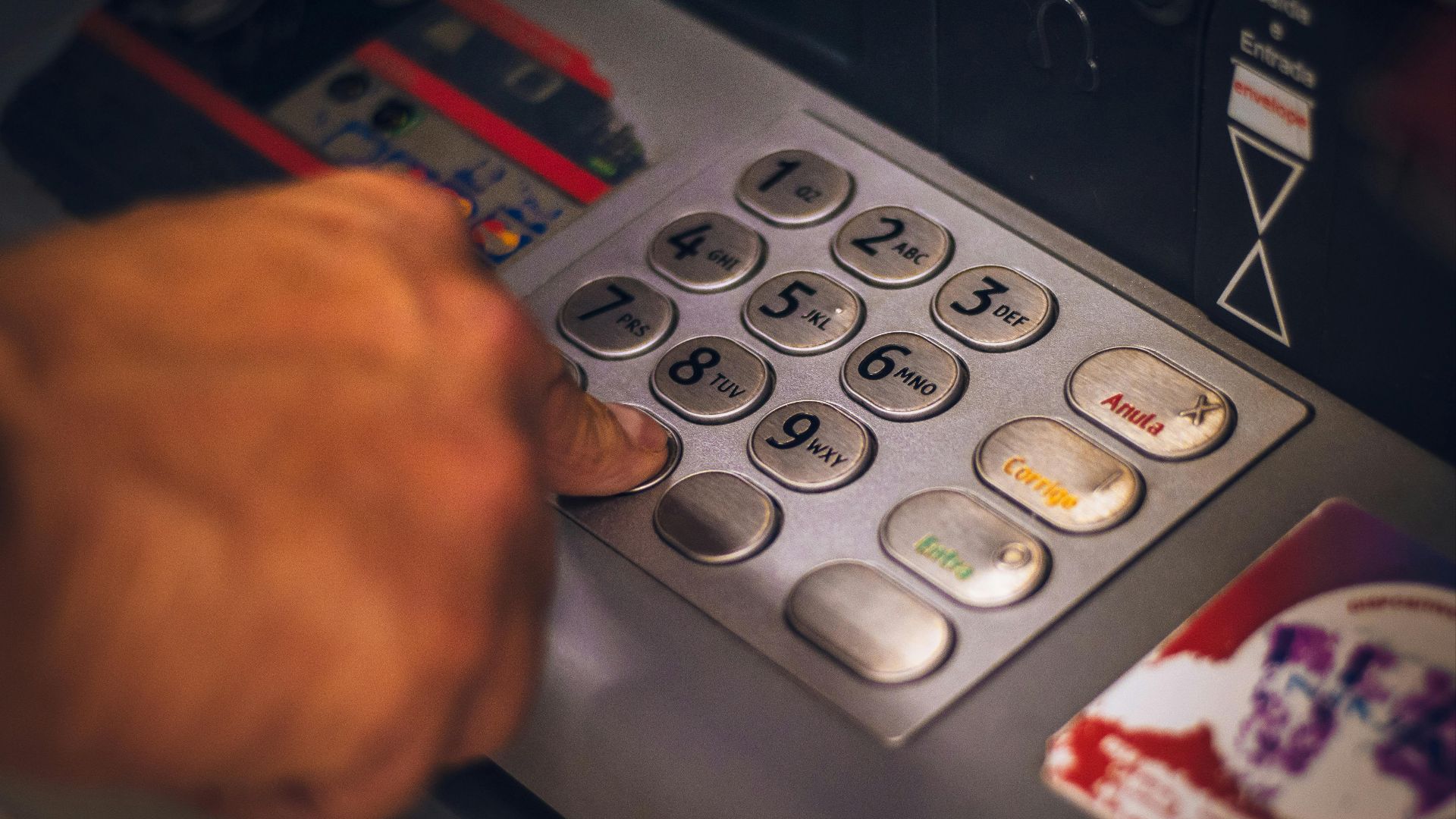
Data from millions of compromised four-digit PINs has shown that a huge percentage of people still rely on extremely simple codes. Combinations like 1234, 1111, and 0000 dominate for the simple reason that they’re easy to remember. The bad news is that a small number of predictable PINs account for a surprisingly large share of all ATM PINs in use.
Simple PINs Put You At Risk
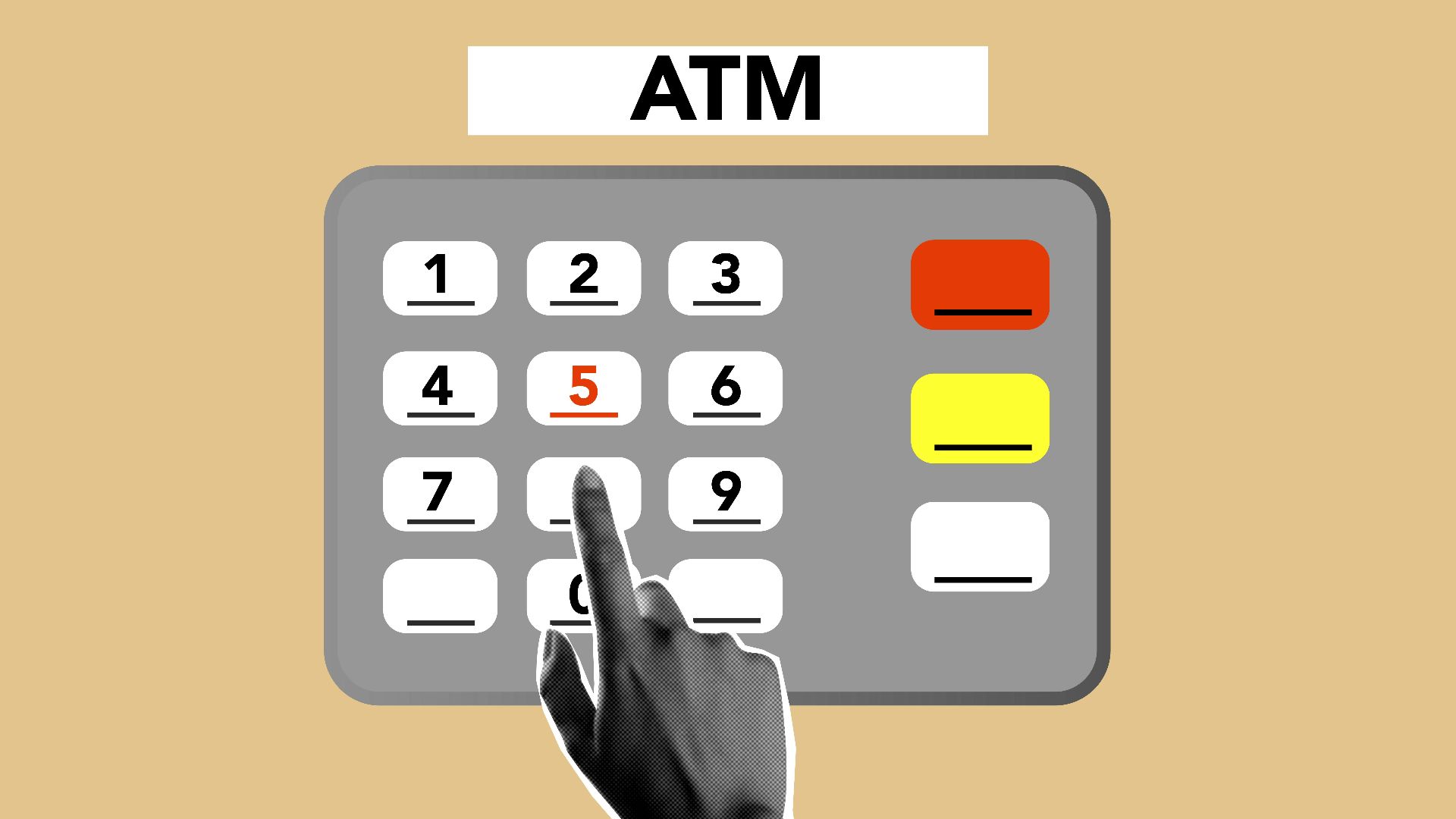
With only about 10,000 possible four-digit PIN combinations, predictable choices like the ones listed above greatly reduce security. Cybercriminals often start out trawling for PINs with the most commonly used combinations when guessing. Weak choices dramatically increase their odds of success, which makes simple PINs an easy entry point to financial fraud.
ATM Skimming And PIN Capture
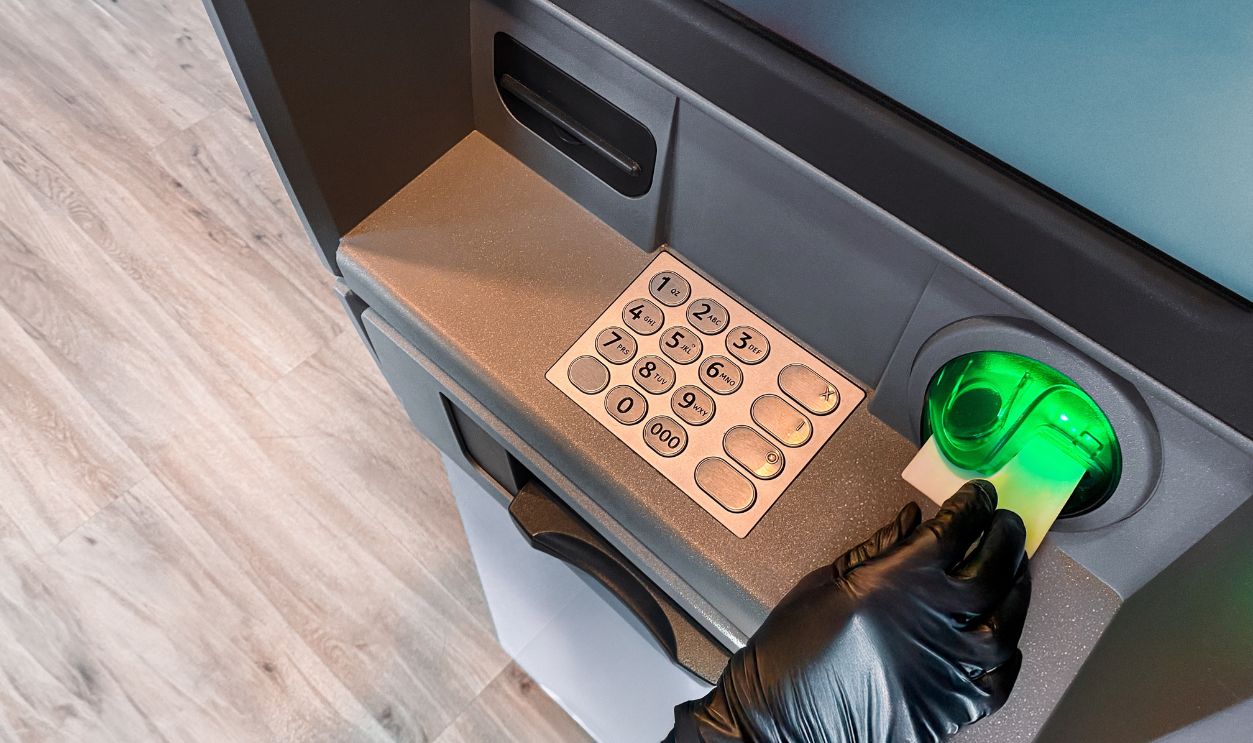
Criminals often use skimming devices attached to card slots to copy card information while hidden cameras capture the PIN entry. Once both pieces are obtained, fraudsters can then access accounts quickly. These are lo-tech methods, but they continue to enjoy success because they exploit predictable human behavior at ATMs.
Beyond Guesswork: ATM Malware Attacks
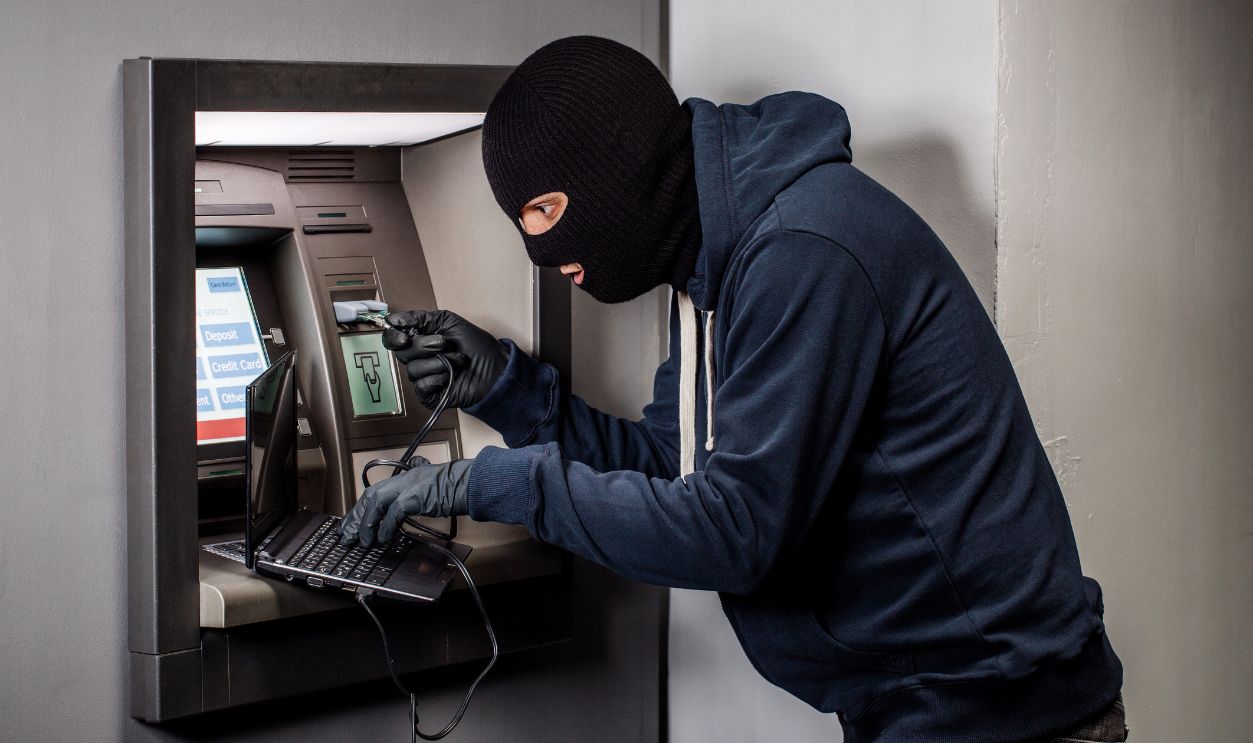
More advanced ATM threats involve malware that can capture people’s data or force machines to dispense cash. Notorious examples include Tyupkin and GreenDispenser. While these kinds of attacks aren’t as common, they show why ATM security demands both hardened systems and careful user behavior to be effective.
Brute Force
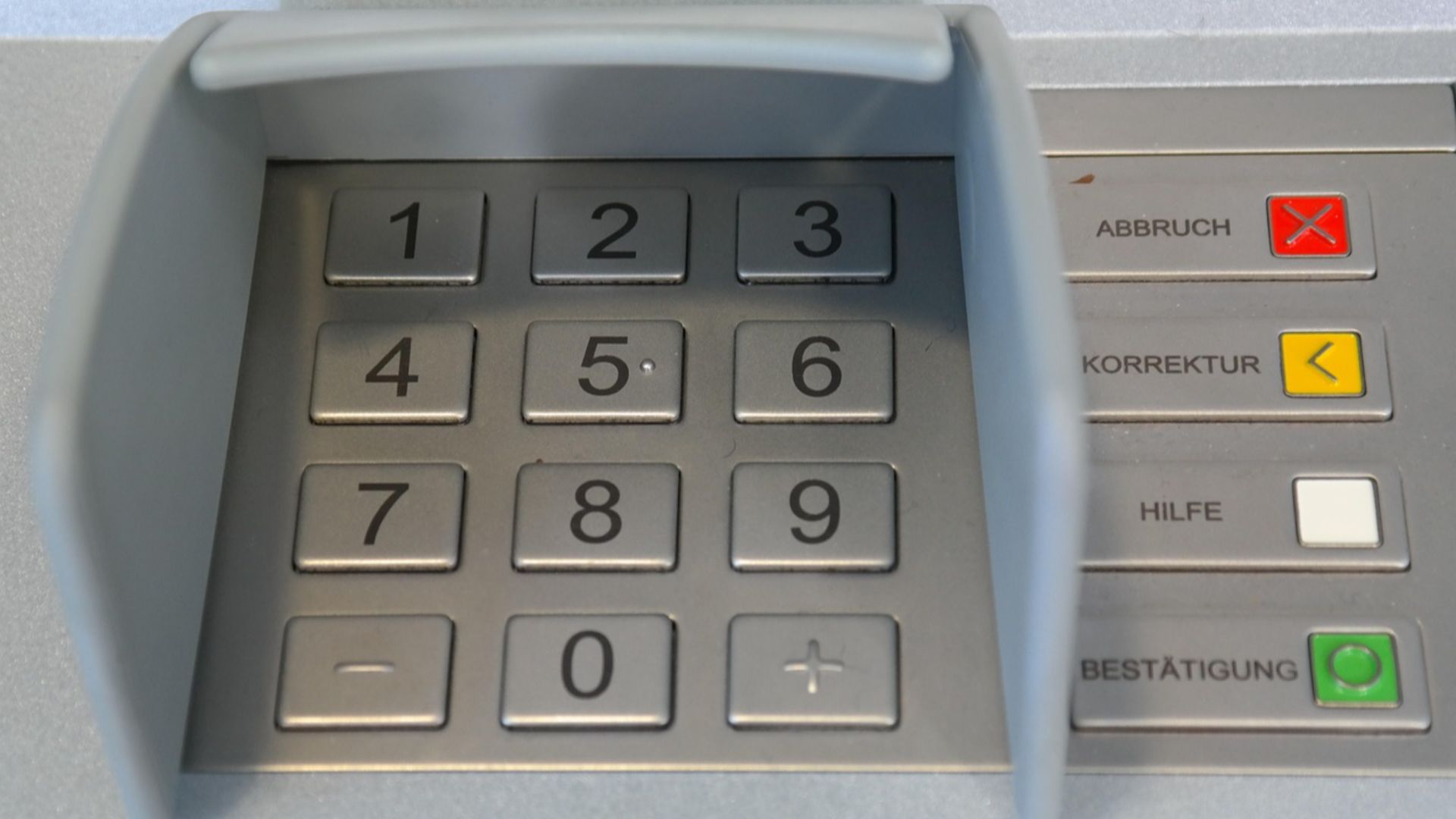
Brute force attacks involve criminals systematically guessing PIN combinations. Because four-digit PINs have only a limited number of possibilities, attackers can narrow their efforts using common PIN lists. Unique, random PINs dramatically reduce these attempts and the chance of successful unauthorized access.
Changing PIN Habits Helps
Choosing an unpredictable PIN that avoids any patterns, birth dates, or repeat numbers lowers your risk by a lot, right from the get go. Even small changes like these greatly reduce exposure. Simple awareness of common PIN lists can help you avoid the most targeted combinations used by criminals and automated systems. Recent analysis of leaked PIN numbers show that just 20 common combinations make up 27% of all PIN numbers in use.
Four Digits Are Just The Start
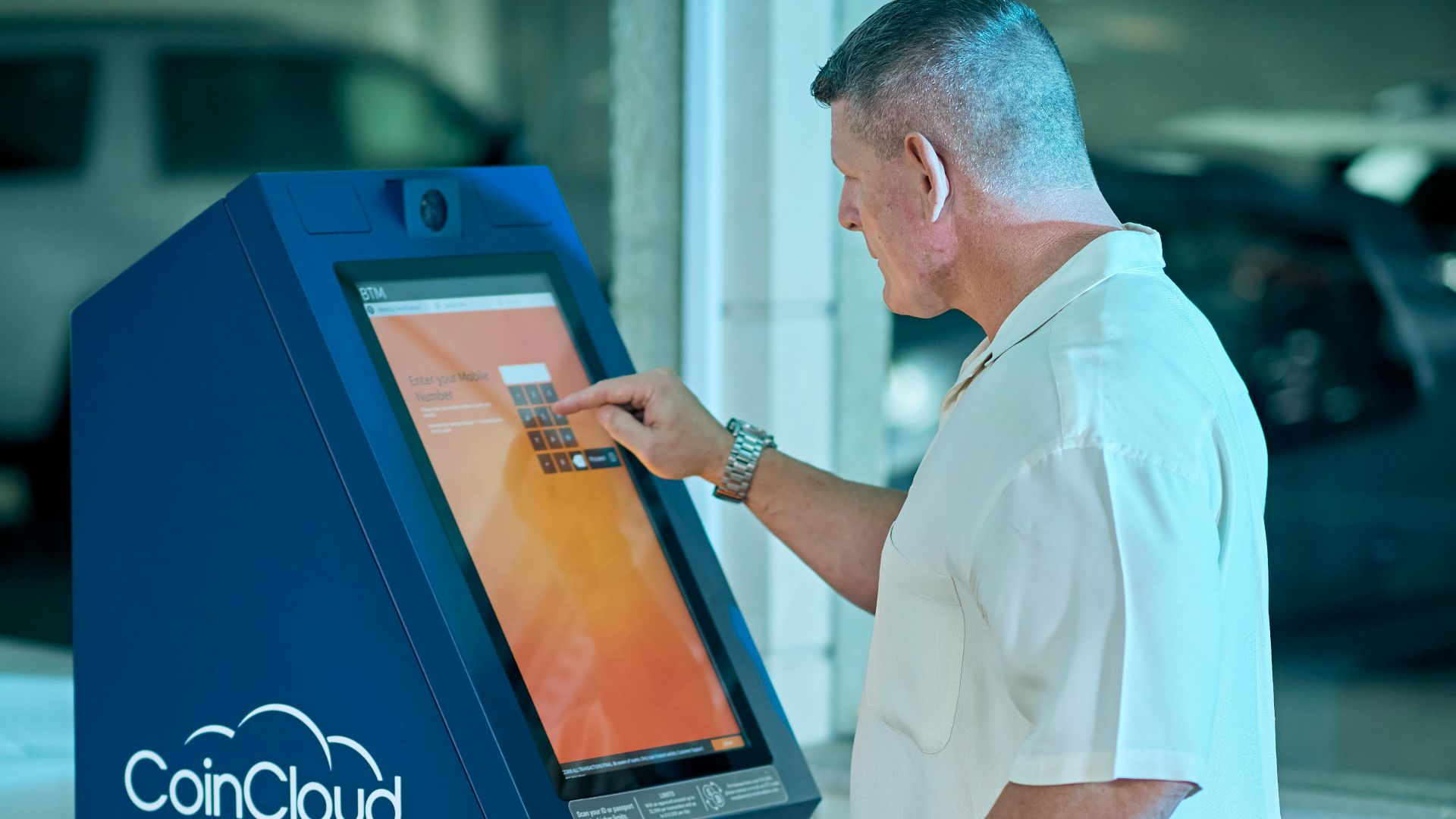
Four-digit PINs have stayed in use because they balance out ease of use and speed. Some systems allow six-digit PINs or longer, which expands the possible combinations dramatically. When available, longer PINs are a powerful upgrade in security with minimal inconvenience to everyday users, as long as they can memorize the code.
Never Reuse PINs Across Services
Reusing the same PIN for multiple accounts only adds to your risk. If one system is compromised, attackers will probe around to see if the same code works elsewhere. Separating PINs between your bank card, phone, and other devices limits how much damage a single breach can cause.

The Importance Of Unique Passwords
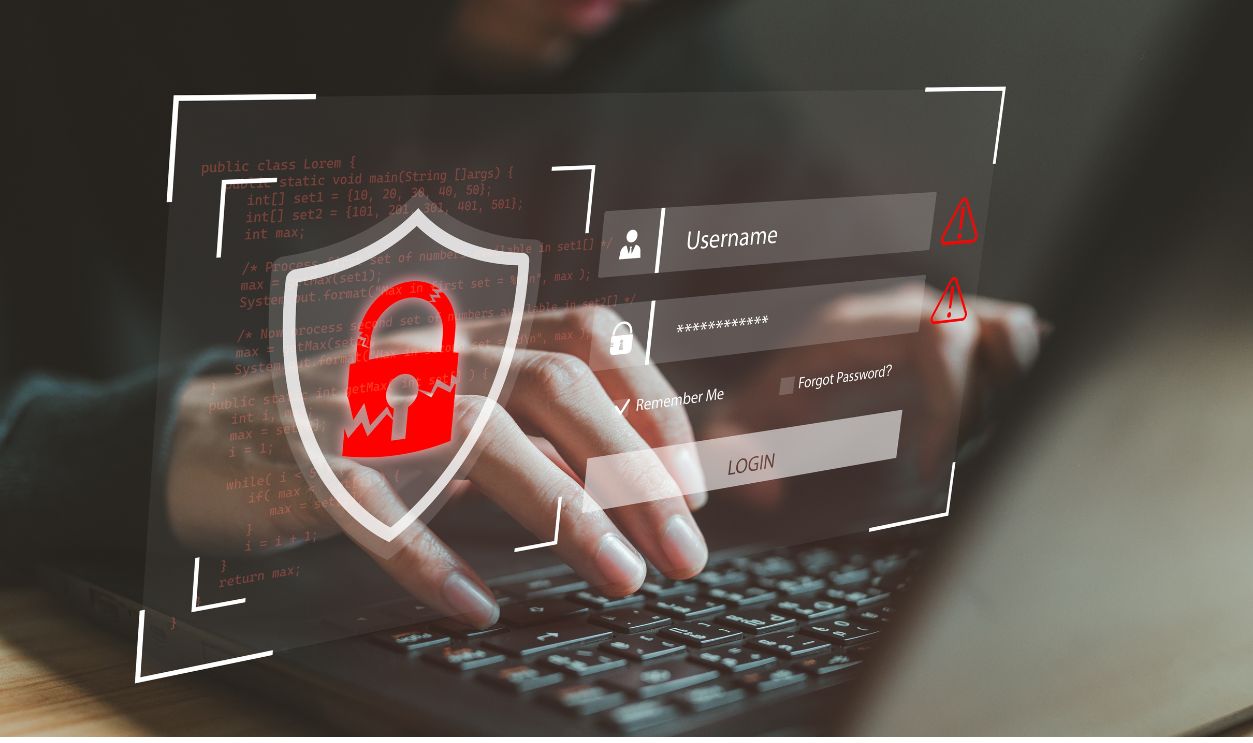
Most people today are managing dozens of online accounts. Using unique passwords for each of them prevents credential stuffing attacks, where stolen logins are reused across platforms. Good PIN habits have to be paired with strong password practices to give the full range of protection in everyday digital life that they were intended to.
What Makes A Strong Password?
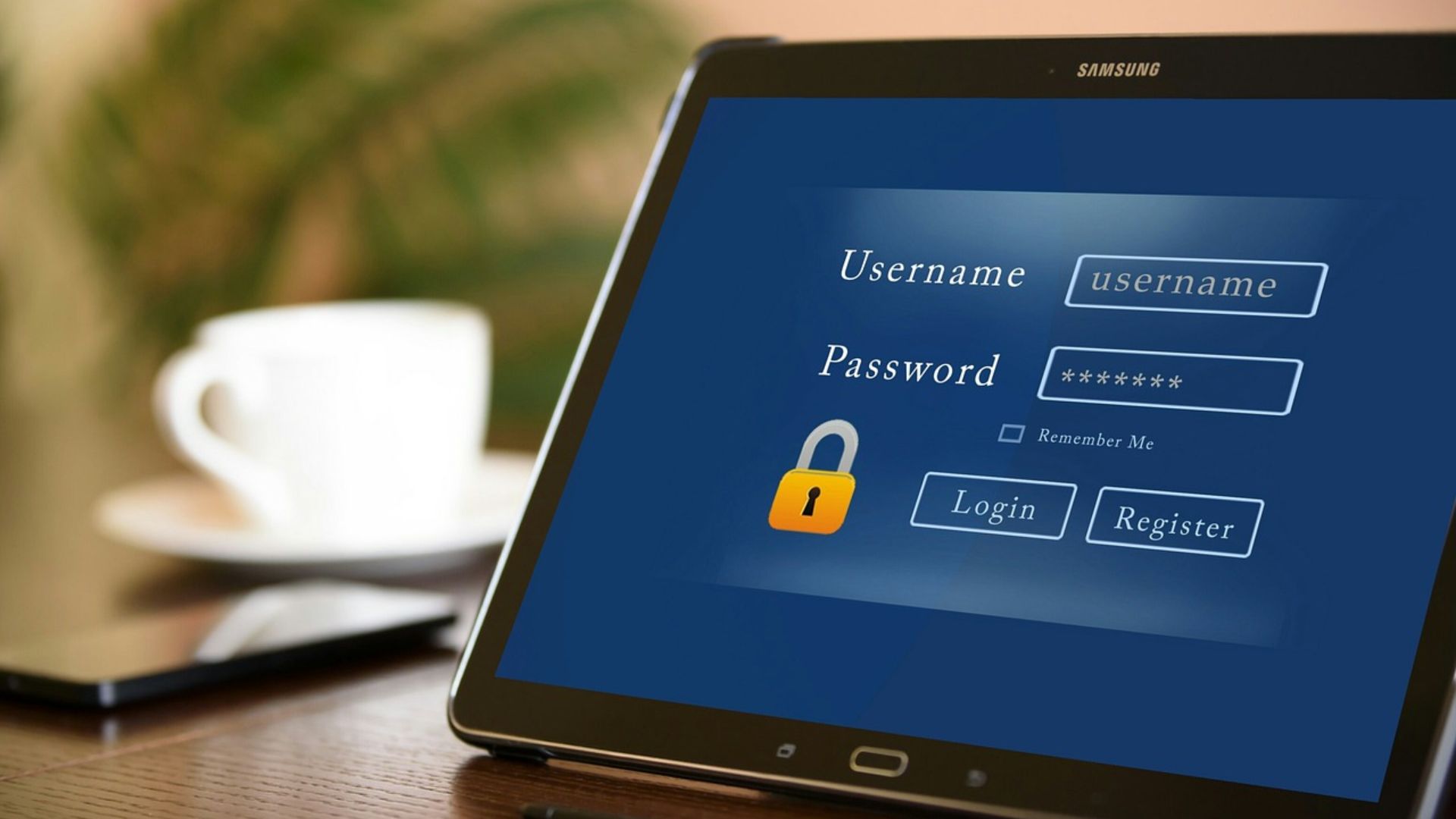
According to most people in tech, strong passwords should contain twelve or more characters and avoid dictionary words or any obvious patterns. Passphrases made from unrelated words can be effective because they are lengthy and easily memorized at the same time. This makes them harder to crack while also still being practical for users.
Password Managers
Password managers securely store and generate complex passwords, which does away with the need to memorize each one. They allow users to employ long, random credentials across every account, dramatically improving security while reducing the stress and guesswork that seems to always go along with password management these days.
Two Factor Authentication Adds A Layer
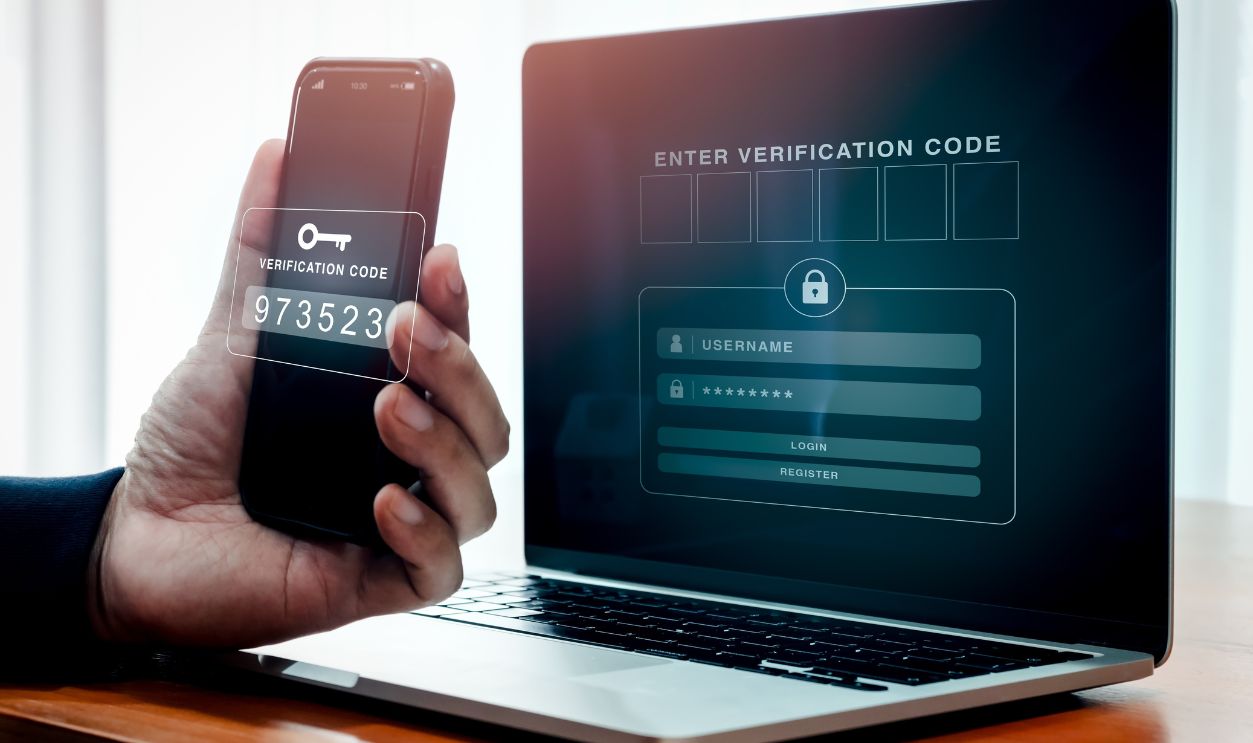
Two factor authentication requires a second form of verification beyond your password or PIN. This could include a text message code, biometric scan, or authentication app. Even if credentials are compromised, two factor authentication throws up another barrier to unauthorized access.
Keep Your PIN To Yourself
Never share your PIN or password with anyone else, even trusted friends or family. Avoid writing codes where they can be seen or discovered. A lot of the breaches we hear about occur not through technical exploits but just through casual sharing and careless personal handling of sensitive information.
Update PINs Periodically
Changing your PIN from time to time limits the usefulness of stolen information. If your bank allows easy PIN updates, think about refreshing it once a year or after any kind of suspicious activity. Regular changes throw attackers off their game, especially if they are relying on outdated or reused credentials.
When To Contact Your Bank
If you’re convinced that your PIN has been compromised, talk to your bank right away. Institutions can cancel cards, issue new credentials, and monitor accounts for fraud. Acting quickly helps limit the damage and reduces the chance of further unauthorized transactions.

The Future Of ATM Authentication
ATM security is still evolving through better encryption, hardware protections, and authentication standards. While technology is still getting better and better, user behavior is the most critical link in the chain. Choosing strong PINs and secure passwords is still one of the simplest and most effective defenses available.
Last Word On PIN And Password Safety
Predictable PINs and reused passwords expose accounts to unnecessary risk. By picking unique credentials, using password managers, and enabling two factor authentication, you greatly cut down on your vulnerability. Small habits make all the difference when it comes to your financial and digital security.
You May Also Like:
My boss keeps asking for my passwords “just in case something happens to me.” What do I do?
The Strange Story Of Jeff Turner: “The Picasso of Counterfeiters”