The Price Of Being Loyal
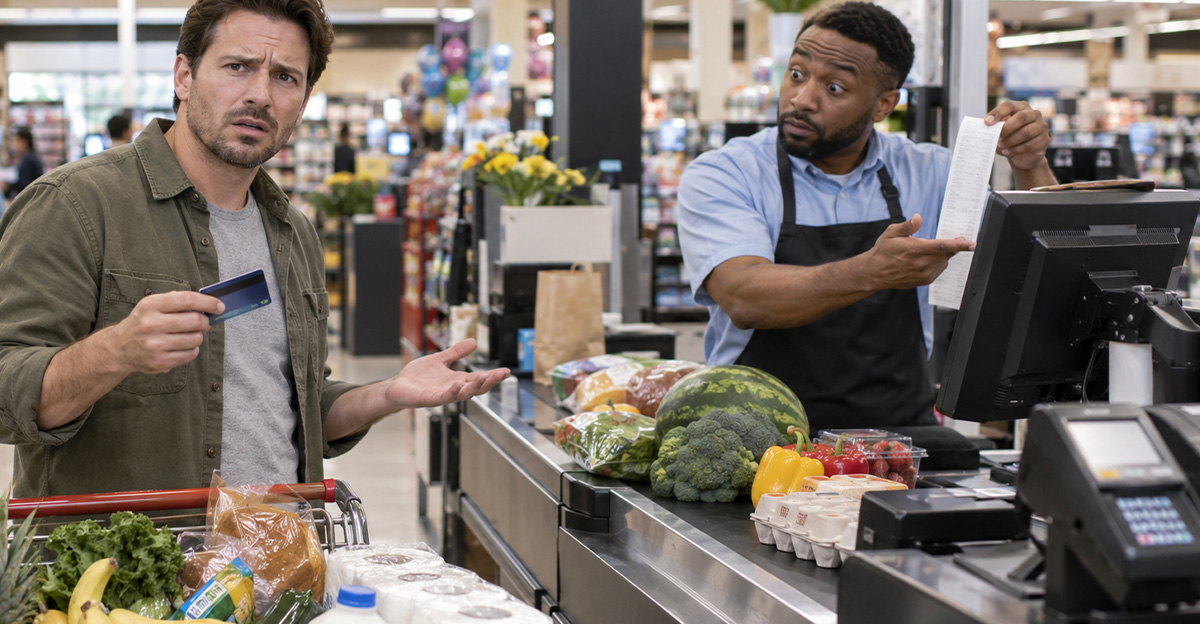
Loyalty programs promise a pleasant little bargain: shop where you already shop, collect points, and eventually get something back. It sounds like free money. But these programs are carefully designed to influence spending habits, encourage repeat visits, and make customers feel rewarded even when they are actually buying more than they planned.
Points Make Spending Feel Productive
Normally, spending $100 means watching $100 disappear from your bank account. Add 500 reward points, however, and suddenly the purchase feels as though it accomplished something. Those points provide a small psychological consolation prize, making spending feel productive rather than purely expensive.
Rewards Distract From The Actual Price
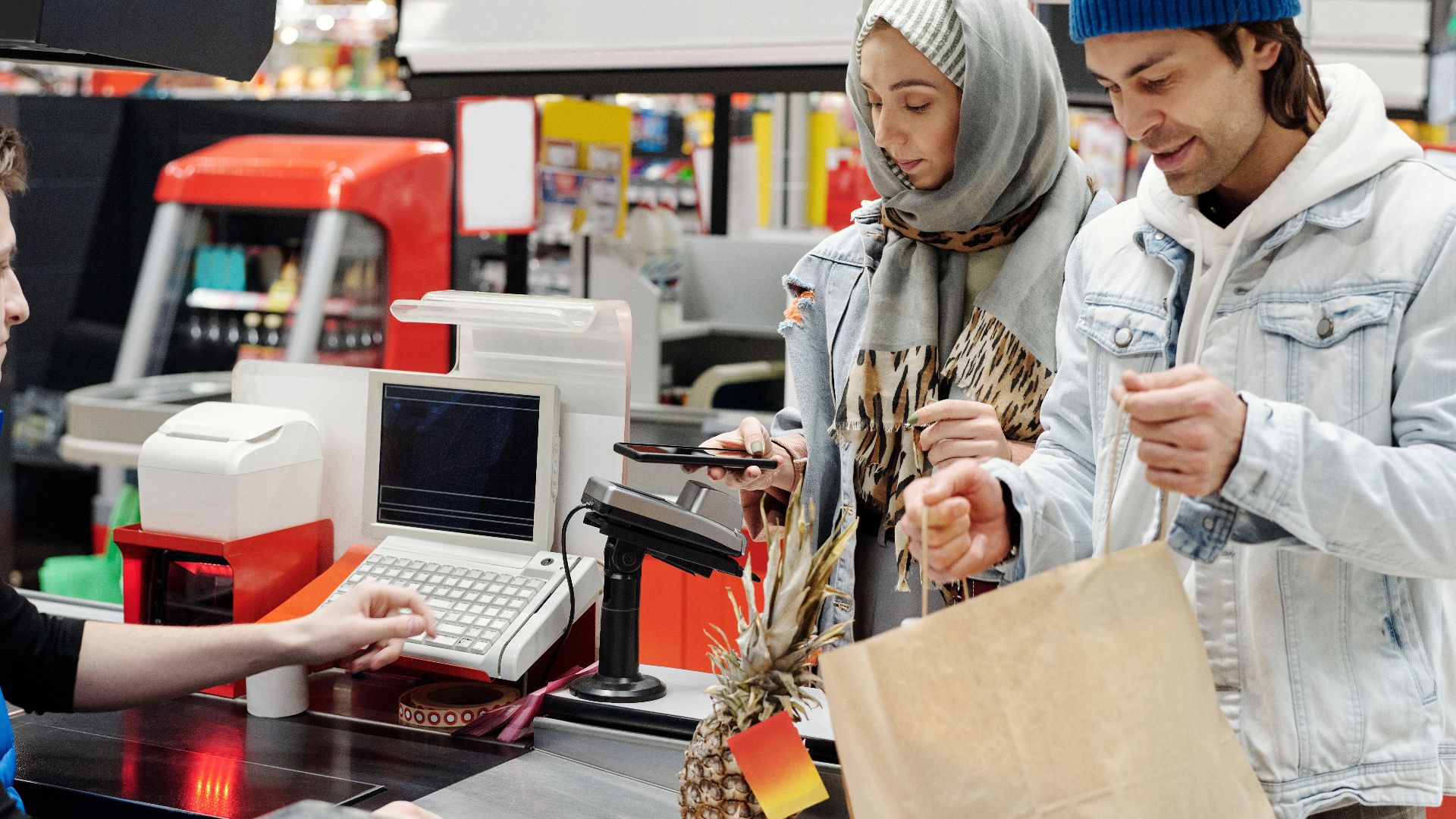
Shoppers comparing two products should theoretically focus on price, quality, and usefulness. Loyalty programs add another variable. If one purchase earns triple points, the reward can become more memorable than the actual price, persuading shoppers to choose a more expensive option because it appears to offer greater "value."

Bonus Points Encourage Unplanned Purchases
"Buy this item and receive 2,000 bonus points" can be remarkably persuasive. A customer who never intended to buy the product may suddenly consider it worthwhile. The reward creates a reason to spend today, even though buying nothing would have saved considerably more money.

Spending Thresholds Keep Moving The Finish Line
Many programs offer rewards for spending a certain amount, such as "Spend $75 and earn 10,000 points." Someone with $62 worth of groceries may toss another $13 of products into the cart simply to qualify. The shopper technically receives a reward, but the promotion successfully increased the sale.

The Word "Free" Changes Everything
A free coffee, flight, hotel night, or grocery item feels satisfying because the customer does not hand over cash at checkout. Yet earning that reward may have required hundreds or thousands of dollars in previous purchases. The reward is real, but calling it "free" can hide the spending needed to obtain it.

Progress Bars Are Hard To Abandon
Some loyalty apps conveniently show how close customers are to their next reward. Being eight purchases into a ten-purchase challenge creates an urge to finish. Psychologists sometimes call this the goal-gradient effect: motivation tends to increase when people feel that a reward is getting close.

Expiring Points Create Urgency
Points that expire can turn leisurely shopping into a deadline. Customers may buy something they do not particularly need rather than watch their rewards disappear. From the shopper's perspective, they are "saving" their points. From the retailer's perspective, expiration has successfully generated another transaction.
Member Prices Make Regular Prices Look Worse
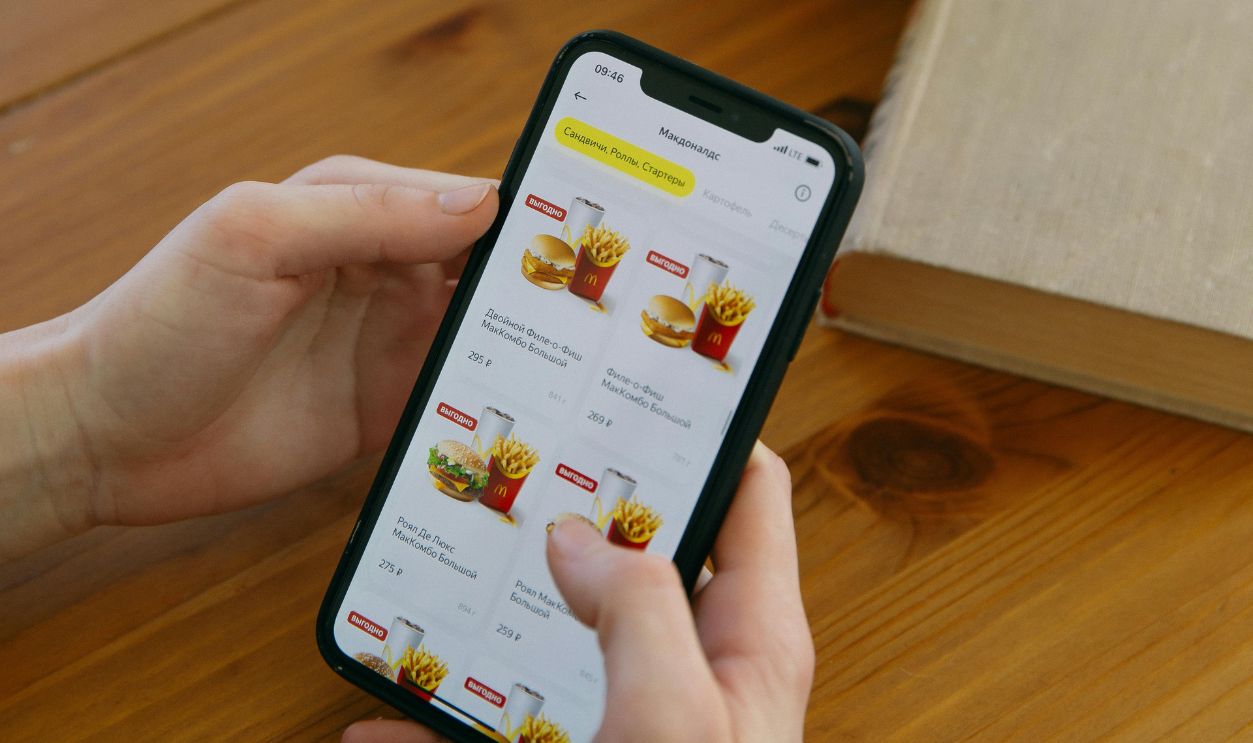
Retailers increasingly display a normal price beside a lower loyalty-member price. The discount may be genuine, but the presentation creates a powerful contrast. Once shoppers see that lower number, paying anything else can feel like wasting money, strengthening the incentive to join and keep shopping there.

Personalized Coupons Know Your Habits
Modern loyalty programs can track what members purchase and offer promotions accordingly. A discount on your favorite cereal may genuinely save money. The problem begins when personalized offers encourage additional purchases, such as suggesting snacks, drinks, or related products that were never on the original shopping list.

Points Can Feel Less Real Than Dollars
Reward currencies deliberately separate shoppers from ordinary dollars and cents. Five thousand points sounds impressive even if its redemption value is modest. Because the conversion is less intuitive, customers may pay less attention to exactly what their points are worth or how much spending was required to earn them.

Complicated Math Helps The Program
Imagine earning five points per dollar, receiving 20 times the points during promotions, and redeeming 10,000 points for $10. Calculating the true return suddenly requires homework. Complicated reward systems make it harder for customers to compare the program's benefits with simpler alternatives like straightforward discounts.
 https://kaboompics.com/, Pexels
Status Tiers Encourage Bigger Spending
Silver sounds respectable. Gold sounds better. Platinum sounds irresistible. Tiered loyalty programs turn shopping into a kind of achievement system where customers earn better benefits by spending more. Once someone gets close to the next tier, another purchase may feel justified simply because it protects or improves their status.
Nobody Likes Losing Status
Reaching an elite loyalty tier can feel rewarding, but maintaining it may require hitting annual spending targets. Customers who might otherwise reduce their spending can find themselves making unnecessary purchases late in the year because losing premium status feels like losing something they already earned.

Exclusive Access Creates Fear Of Missing Out
Members may receive early access to sales, limited merchandise, special events, or exclusive discounts. Exclusivity makes ordinary shopping feel like an opportunity that should not be missed. The resulting fear of missing out can turn a casual browser into a buyer before they have considered whether they actually need the product.

Double-Points Days Change Shopping Schedules
A shopper who needs detergent next week might purchase it today because today happens to be double-points day. That seems harmless with necessities, but these promotions can also cause customers to stockpile products or make larger shopping trips simply because the reward window creates temporary urgency.

Redemption Can Trigger More Spending
You finally accumulated $20 worth of rewards. Wonderful. Then you visit the store to redeem them and leave with $65 worth of merchandise. Redemption programs often bring customers back into stores or apps, giving retailers another opportunity to sell far more than the value of the original reward.
Rewards Make Brand Switching Harder
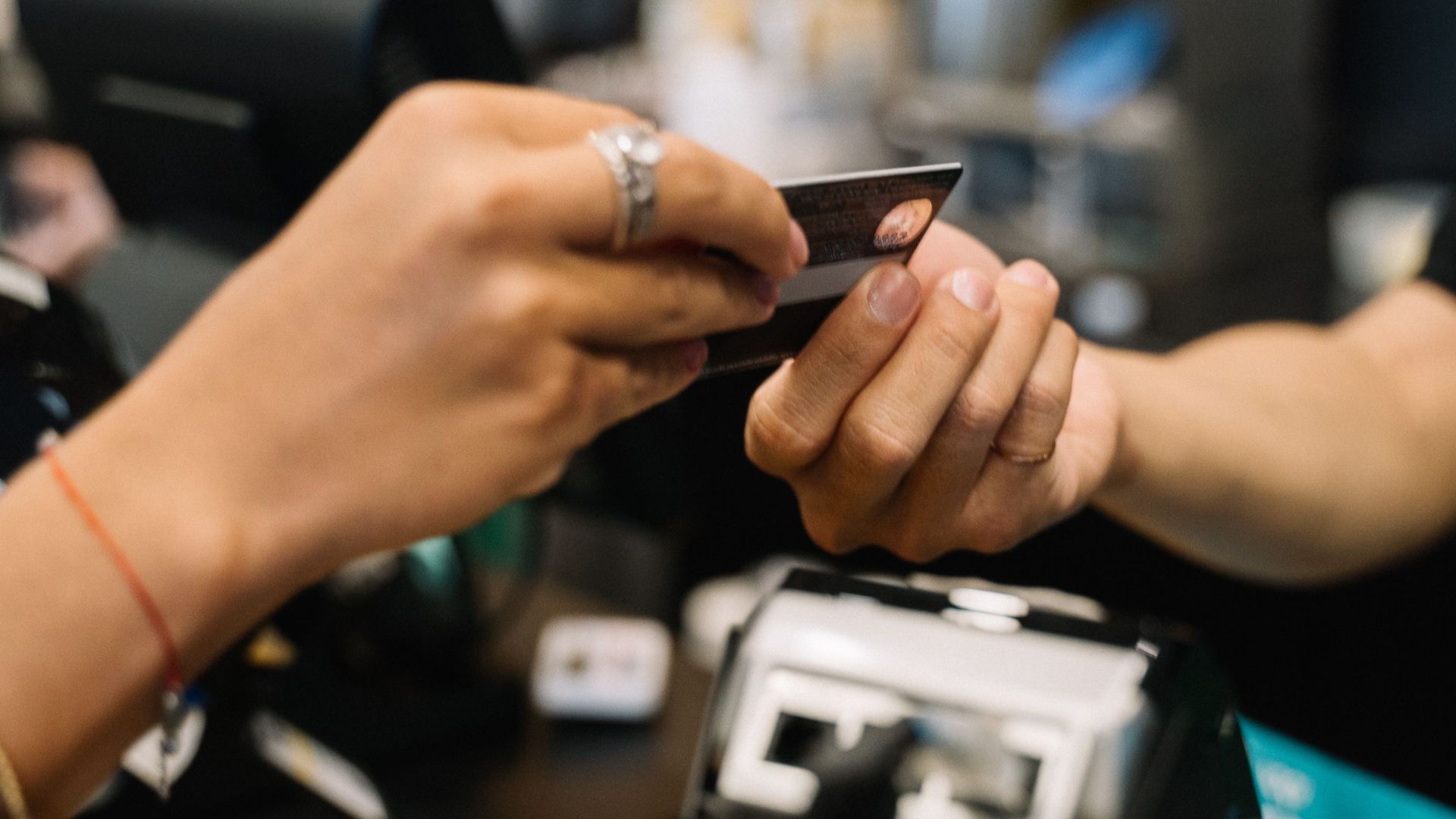
Suppose another supermarket has lower prices, but you already have thousands of points at your usual store. Walking away can feel as though you are abandoning money. That emotional attachment creates what economists call switching costs, making shoppers more reluctant to compare alternatives even when competitors may offer better value.

Apps Keep The Store In Your Pocket
Loyalty programs once consisted mostly of plastic cards. Today they live inside apps capable of sending notifications about sales, bonus offers, expiring rewards, and personalized promotions. Every notification is another invitation to think about shopping, even when shopping was nowhere on the day's agenda.

Games Make Spending More Entertaining
Spin a wheel. Open a digital mystery box. Complete three purchases this month. Modern loyalty programs sometimes borrow ideas from video games to make earning rewards entertaining. Gamification can increase engagement, but it can also shift attention away from the simple financial question: "Would I buy this without the game?"

Credit Cards Multiply The Effect
Retail loyalty programs become even more powerful when paired with branded credit cards. Customers may earn additional points, special discounts, or faster status upgrades by paying with the card. Rewards can be worthwhile when balances are paid in full, but interest charges can easily overwhelm the value of points earned.

Points Encourage Mental Accounting
People often treat rewards differently from regular income. A $50 loyalty certificate may feel like "fun money" rather than $50 that could replace spending you were already planning. That mindset can lead shoppers to upgrade products or splurge simply because reward money feels less valuable than cash.
 U.S. Department of Agriculture, Wikimedia Commons
Small Rewards Can Justify Big Purchases
A customer considering a $700 appliance might hesitate until noticing that the purchase earns $25 in rewards. Suddenly the transaction feels smarter. Yet a relatively tiny reward should not determine whether a much larger purchase makes financial sense, particularly if another retailer sells the same appliance for less.

Sales Can Stack With Rewards Temptation
Retailers know that combining discounts with points makes deals look especially attractive. A product might be 20% off while offering five times the usual rewards. Shoppers see multiple layers of savings and may feel foolish passing it up, even though buying an unnecessary discounted product is still spending unnecessary money.

Data Has Value Too
Loyalty programs do not only exchange rewards for purchases. They can also give businesses valuable information about shopping patterns, preferences, frequency, and responses to promotions. That information helps retailers design more targeted offers, making future marketing more relevant and potentially more persuasive.

Calculate Your Real Reward Rate
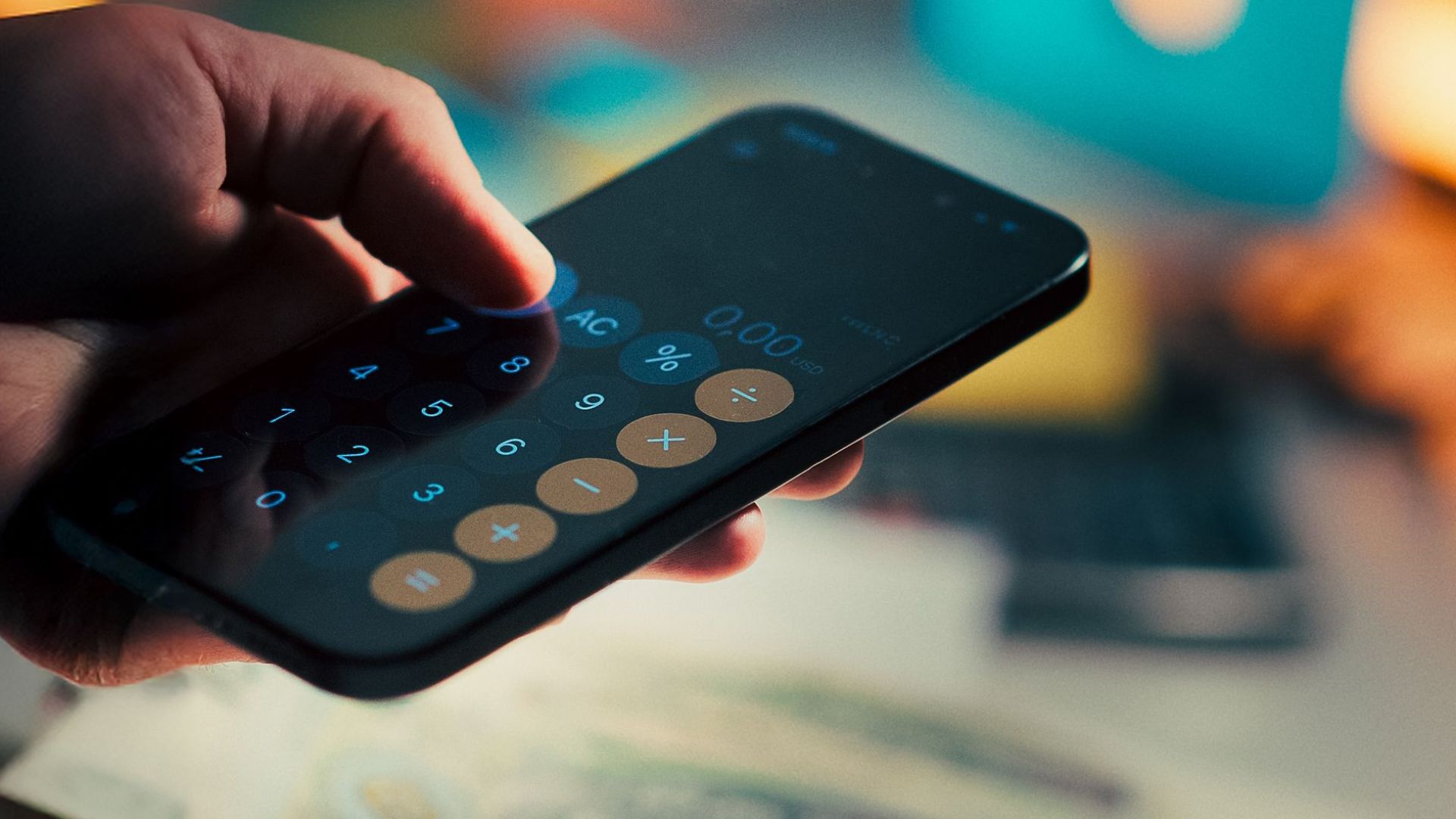
A useful defense is translating rewards back into ordinary dollars. If spending $1,000 produces roughly $10 worth of usable rewards, your effective return is around 1%. Knowing the real percentage makes it easier to decide whether chasing bonus points is worthwhile or whether a cheaper competitor provides better savings.
Shop From A List, Not From The App
Loyalty programs are most useful when they reward purchases you were already going to make. Build your shopping list before checking promotions, then see whether any planned items qualify for discounts or bonus rewards. Doing things in that order prevents the loyalty program from deciding what goes into your cart.

Make Loyalty Work For You
There is nothing inherently wrong with loyalty programs. Used carefully, they can provide genuine discounts and worthwhile perks. The trick is remembering that rewards should follow your spending decisions, not control them. The best loyalty reward is still secondary to the oldest money-saving strategy around: simply not buying what you do not need.

You May Also Like:
5 Expensive Products That Are Absolutely Worth The Money
Grocery Store Freebies From The 1970s And 80s That Shoppers Would Love To Get Back