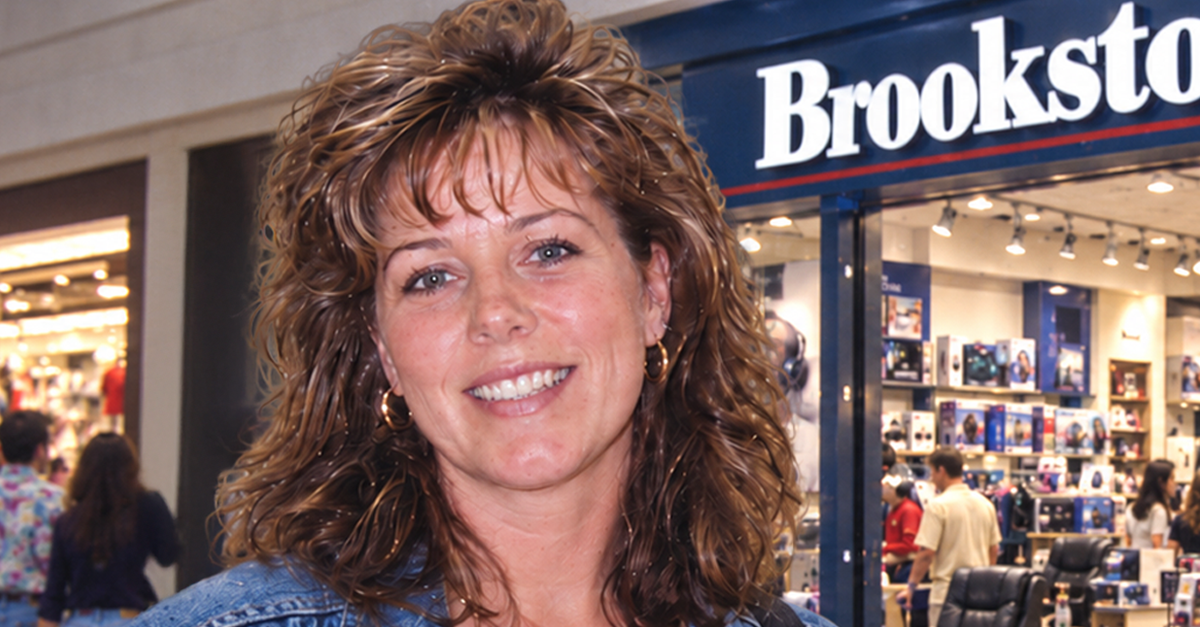
When The Mall Was A Money Machine
For decades, American shopping malls supported enormous retail businesses, including chains generating billions in annual sales. But changing tastes, online competition, and expensive store networks caught up with many familiar names. When was the last time you were in one of these classic mall stores?
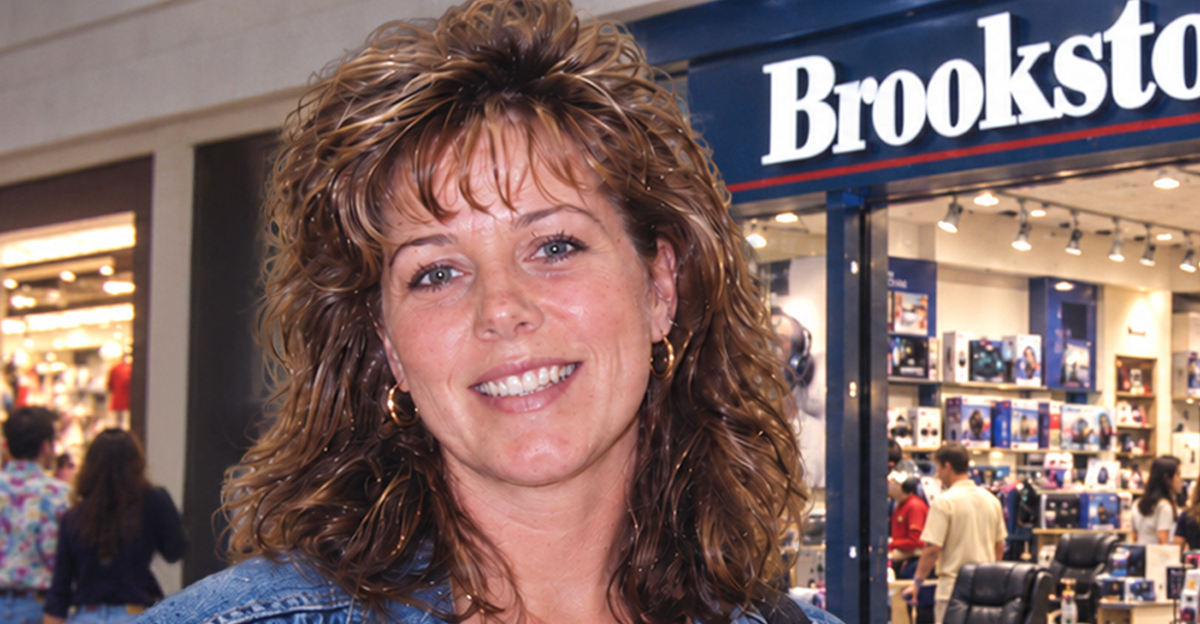
Forever 21: The Fast-Fashion Empire That Couldn't Keep Up
Forever 21 once generated over $4 billion in annual sales and operated approximately 800 stores worldwide. But its enormous physical footprint became a liability as online competitors gained ground. Its American operating business filed for bankruptcy again in March 2025, beginning liquidation sales after accumulating $1.58 billion in debt.
 Phillip Pessar, Wikimedia Commons
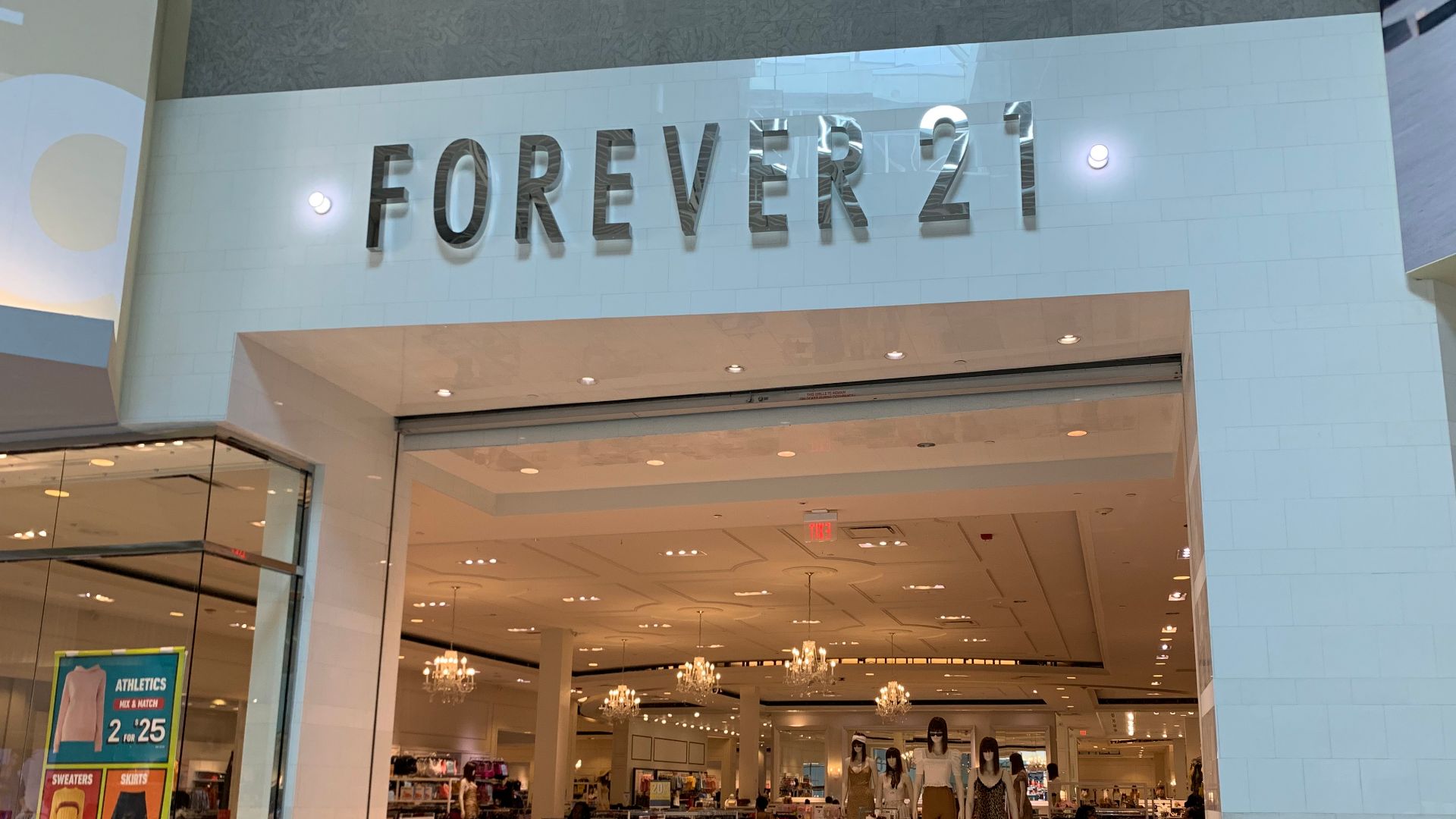
Aéropostale: From Billion-Dollar Sales To Bankruptcy
Aéropostale was once a teenage wardrobe essential, generating $2.4 billion in sales during fiscal 2010. Just six years later, the company entered bankruptcy protection. A consortium including major mall landlords acquired its assets for approximately $243 million, preserving a smaller retail operation.
 Raysonho @ Open Grid Scheduler / Grid Engine, Wikimedia Commons
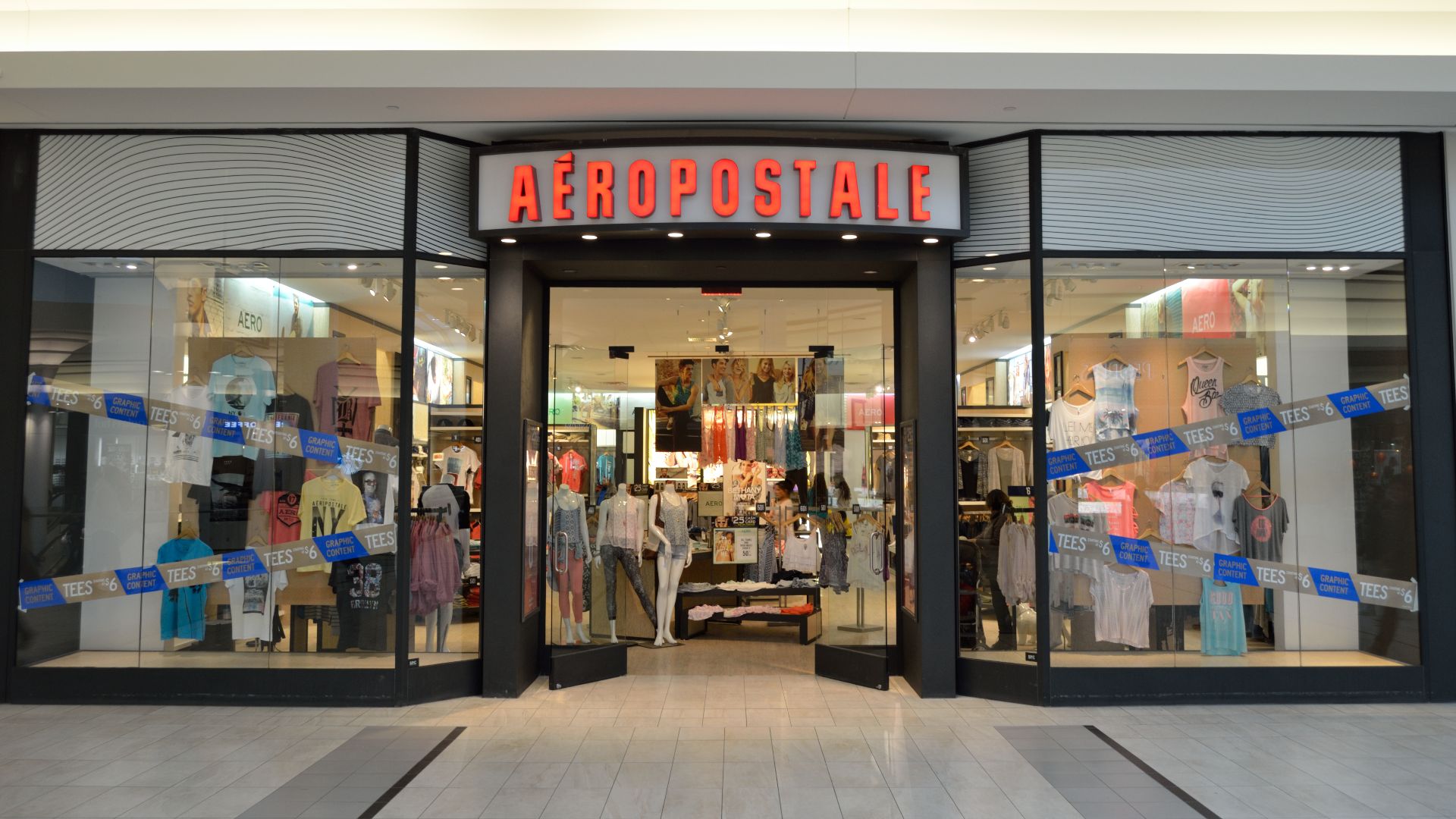
PacSun: When California Cool Lost Its Financial Footing
PacSun built its reputation around surf culture and casual teenage fashion. After years of financial struggles, the company entered Chapter 11 bankruptcy in 2016. Golden Gate Capital acquired the business, reducing its debt and providing additional funding to support its continued operations.
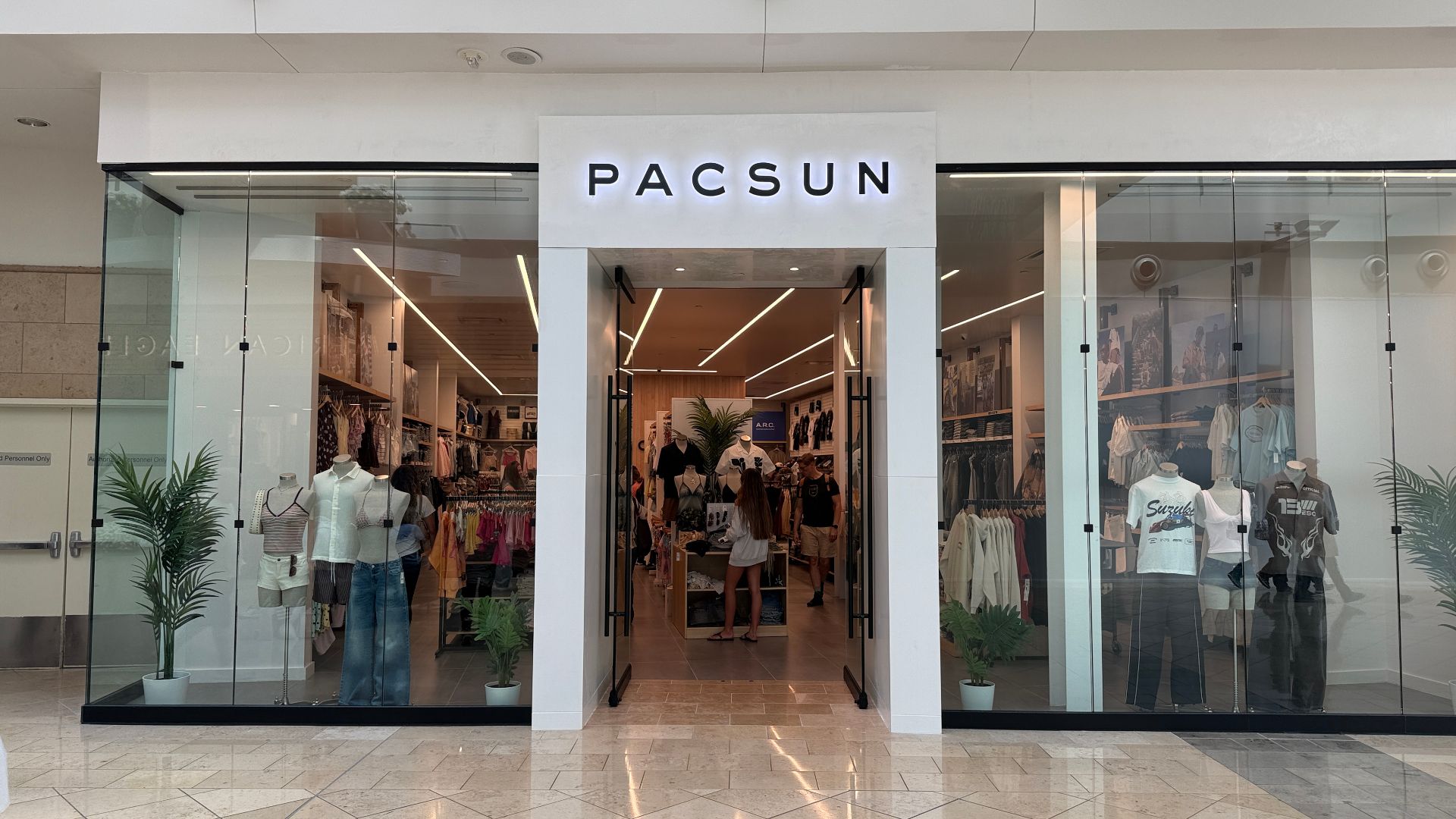 Nielsoncaetanosalmeron, Wikimedia Commons
Wet Seal: The Teen Fashion Favorite That Washed Out
Wet Seal became popular with young shoppers through its inexpensive clothing and California-inspired style. Unfortunately, the company struggled against faster-moving competitors and accumulated substantial losses. After its first bankruptcy in 2015, Wet Seal returned to bankruptcy court in 2017, ending its remaining store operations.
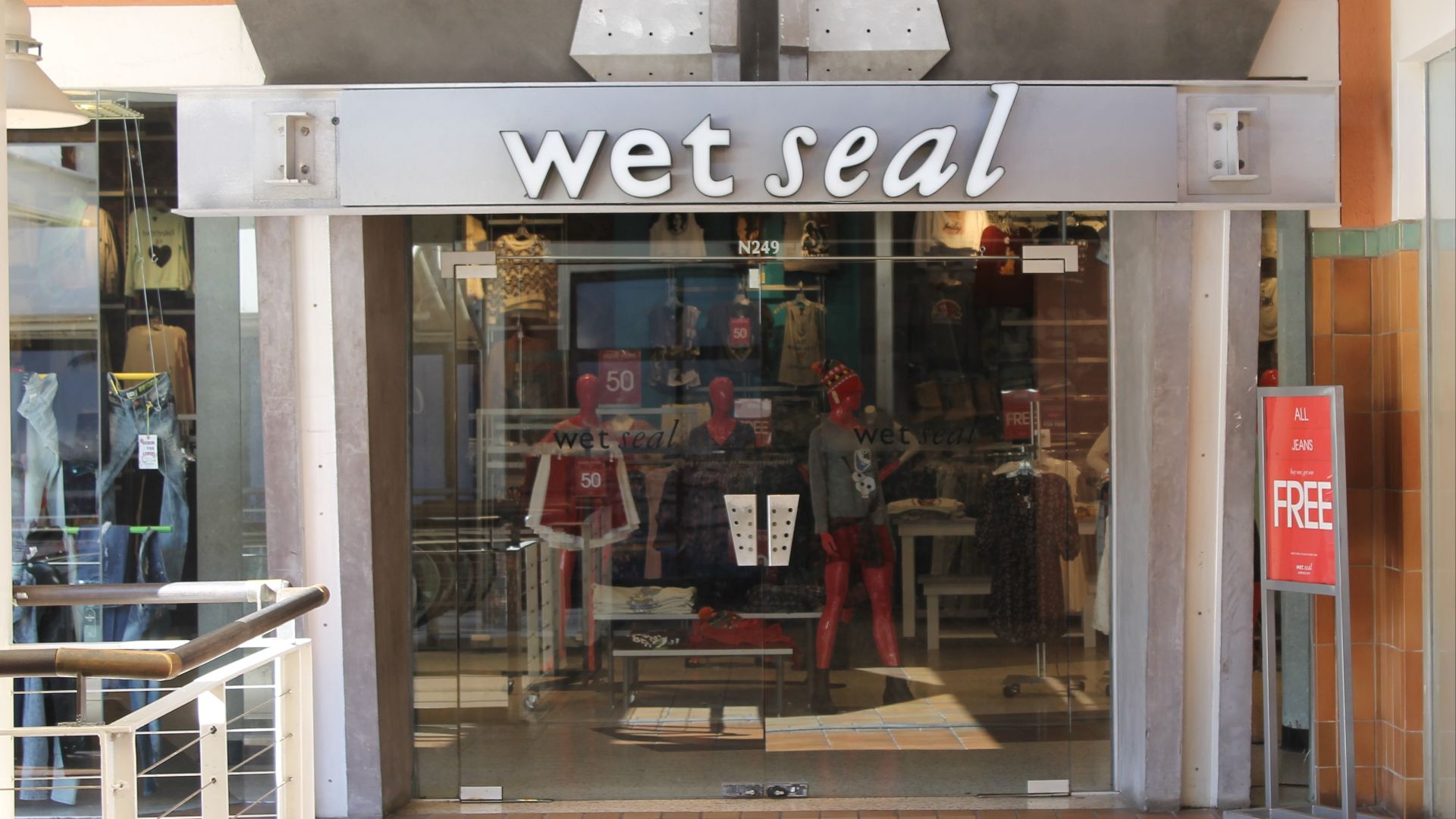 Phillip Pessar from Miami, USA, Wikimedia Commons
Charlotte Russe: A Retailer That Refused To Stay Gone
Charlotte Russe was once a familiar destination for inexpensive dresses, shoes, and accessories. The company filed for bankruptcy in February 2019 and subsequently liquidated its stores. However, Canadian retailer YM Inc. acquired the brand and announced plans to reopen 100 American locations that June.
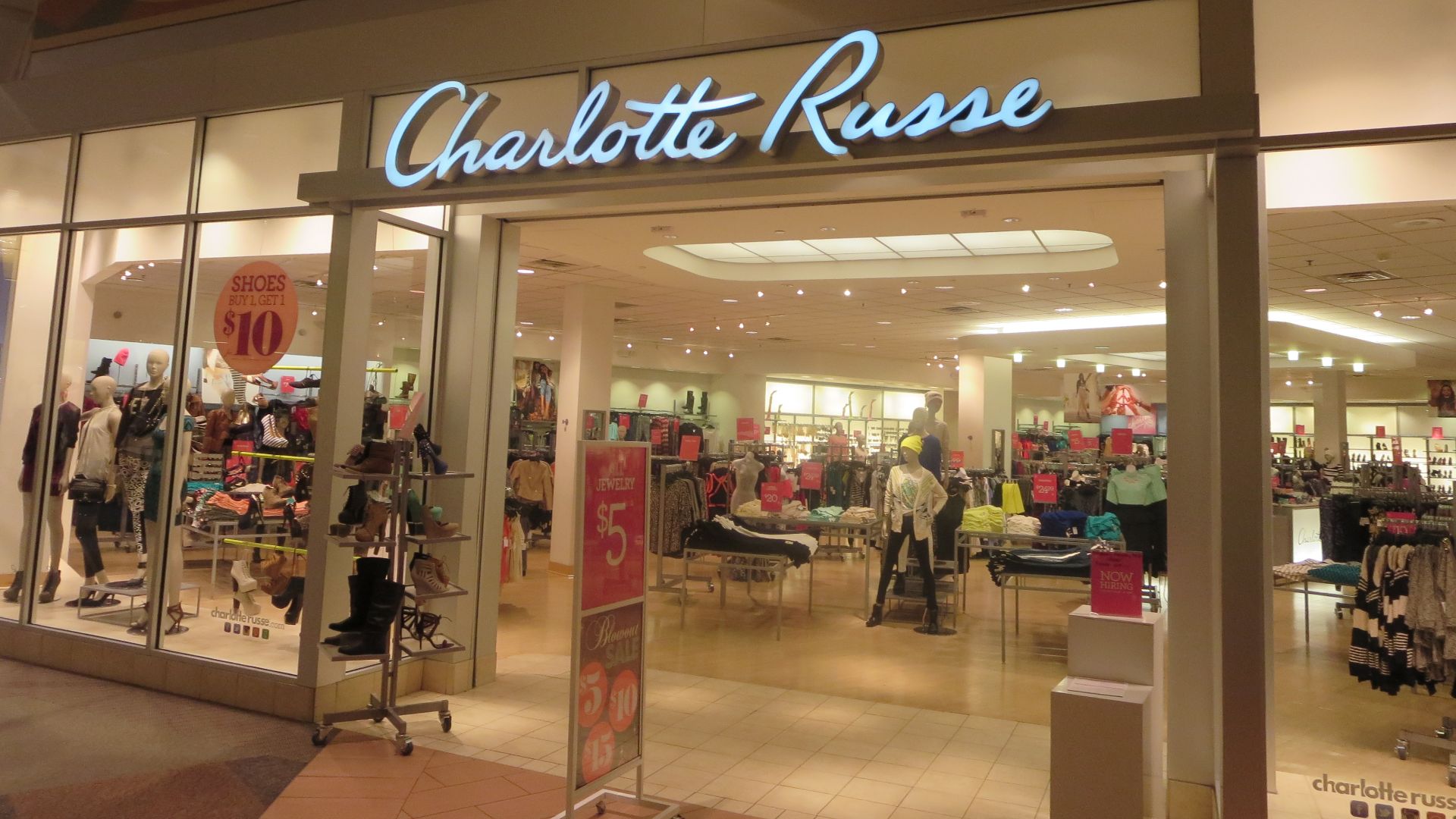 Corey Coyle, Wikimedia Commons
Rue21: Three Bankruptcies Were Too Many
At its peak, Rue21 operated approximately 1,200 stores selling affordable clothing to younger shoppers. Its business struggled with changing consumer preferences and growing online competition. In May 2024, the retailer entered bankruptcy for the third time and announced the closure of its remaining 540 locations.
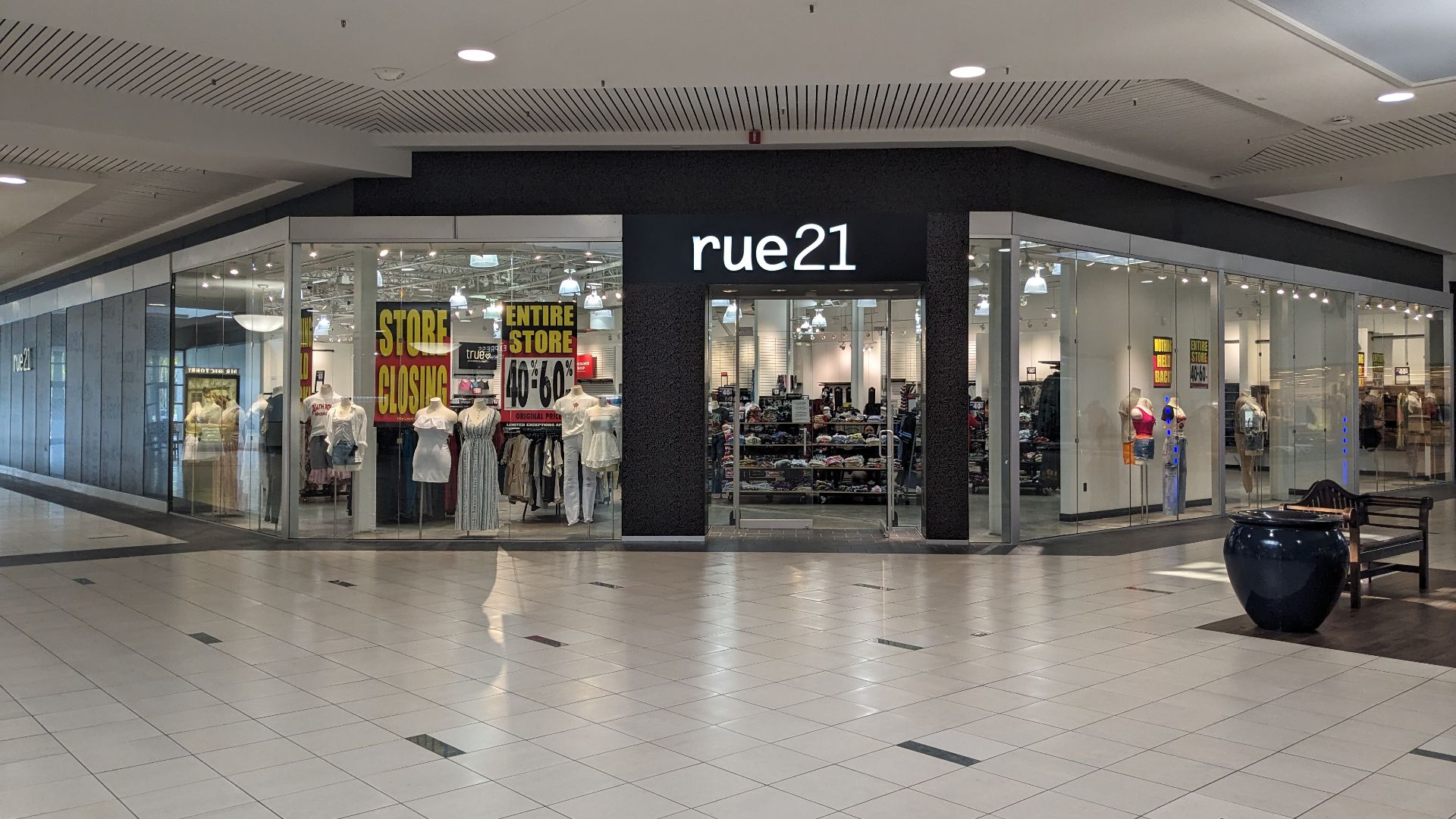 Pokemonprime, Wikimedia Commons
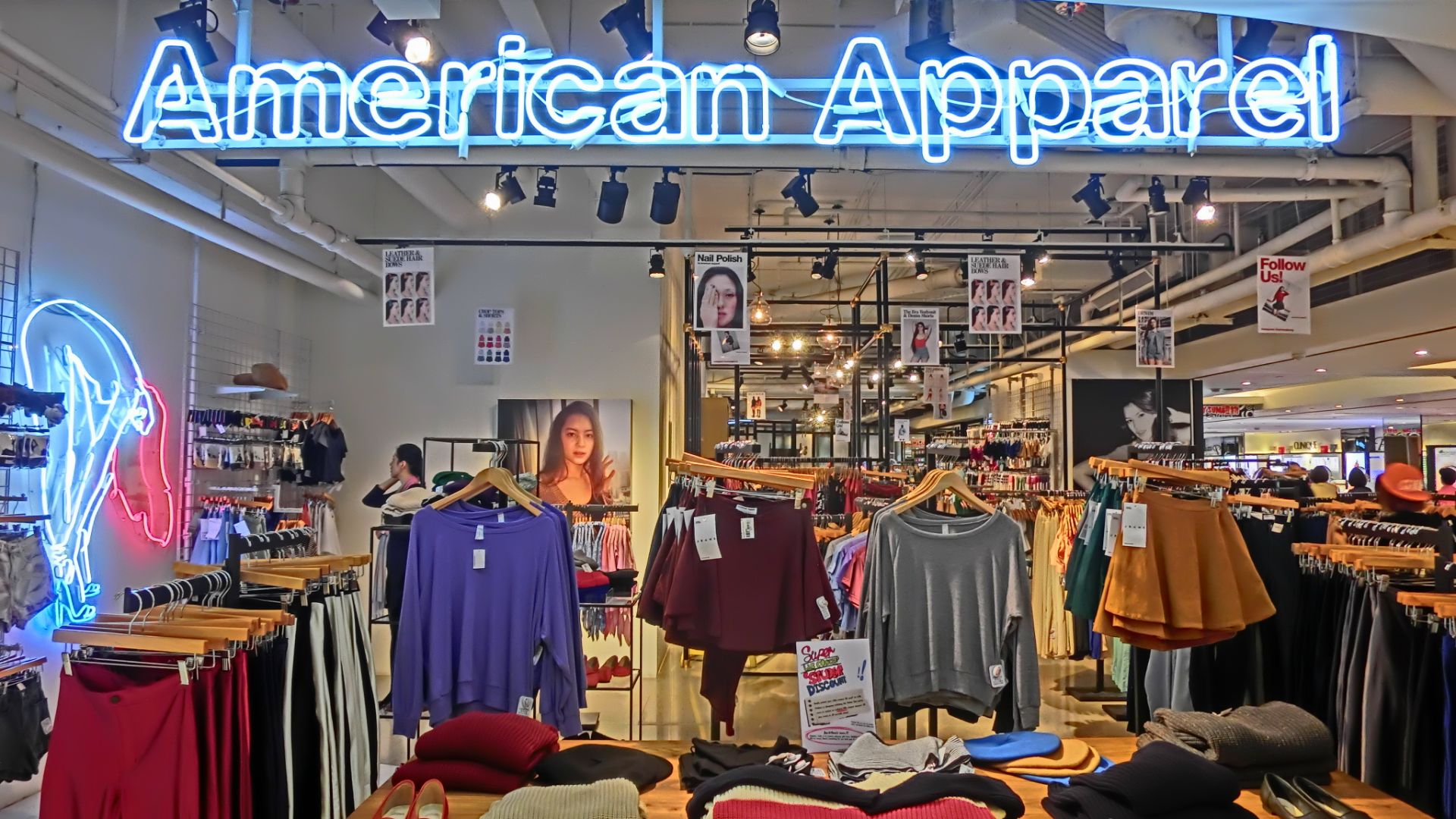
American Apparel: The Brand Was Worth More Than Its Stores
American Apparel built a recognizable identity around basic clothing and domestic manufacturing. Following repeated financial difficulties, the company entered bankruptcy proceedings in 2016. Gildan Activewear subsequently won an auction to purchase its brand and certain assets for approximately $88 million, excluding its retail stores.
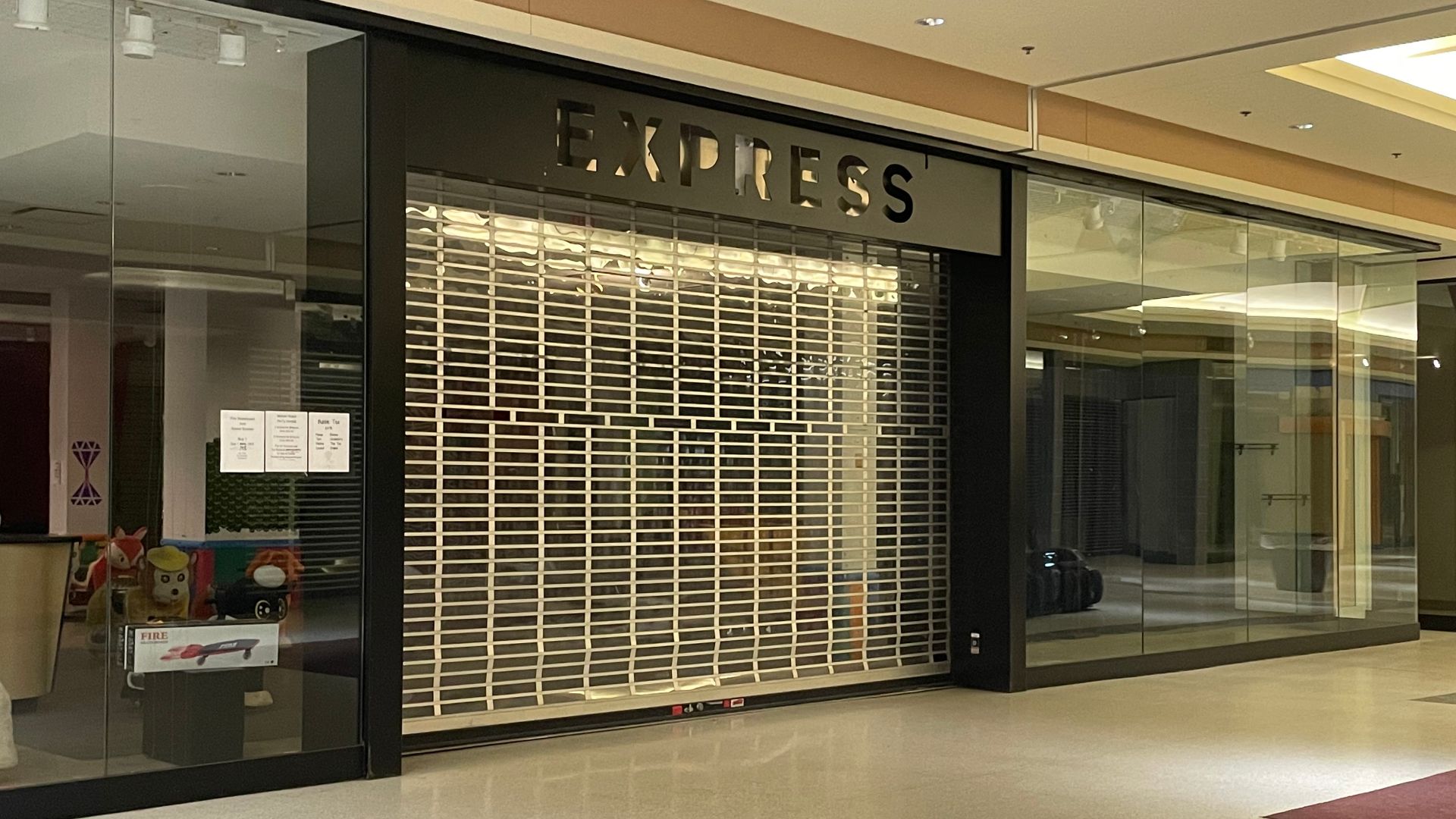
Express: Even Professional Fashion Wasn't Safe
Express offered fashionable clothing for work, evenings, and special occasions, becoming a fixture in American shopping centers. But maintaining its retail operations became increasingly difficult. In April 2024, Express filed for Chapter 11 bankruptcy while pursuing a potential sale involving brand-management and mall-property investors.
 Larry Hachucka, Wikimedia Commons
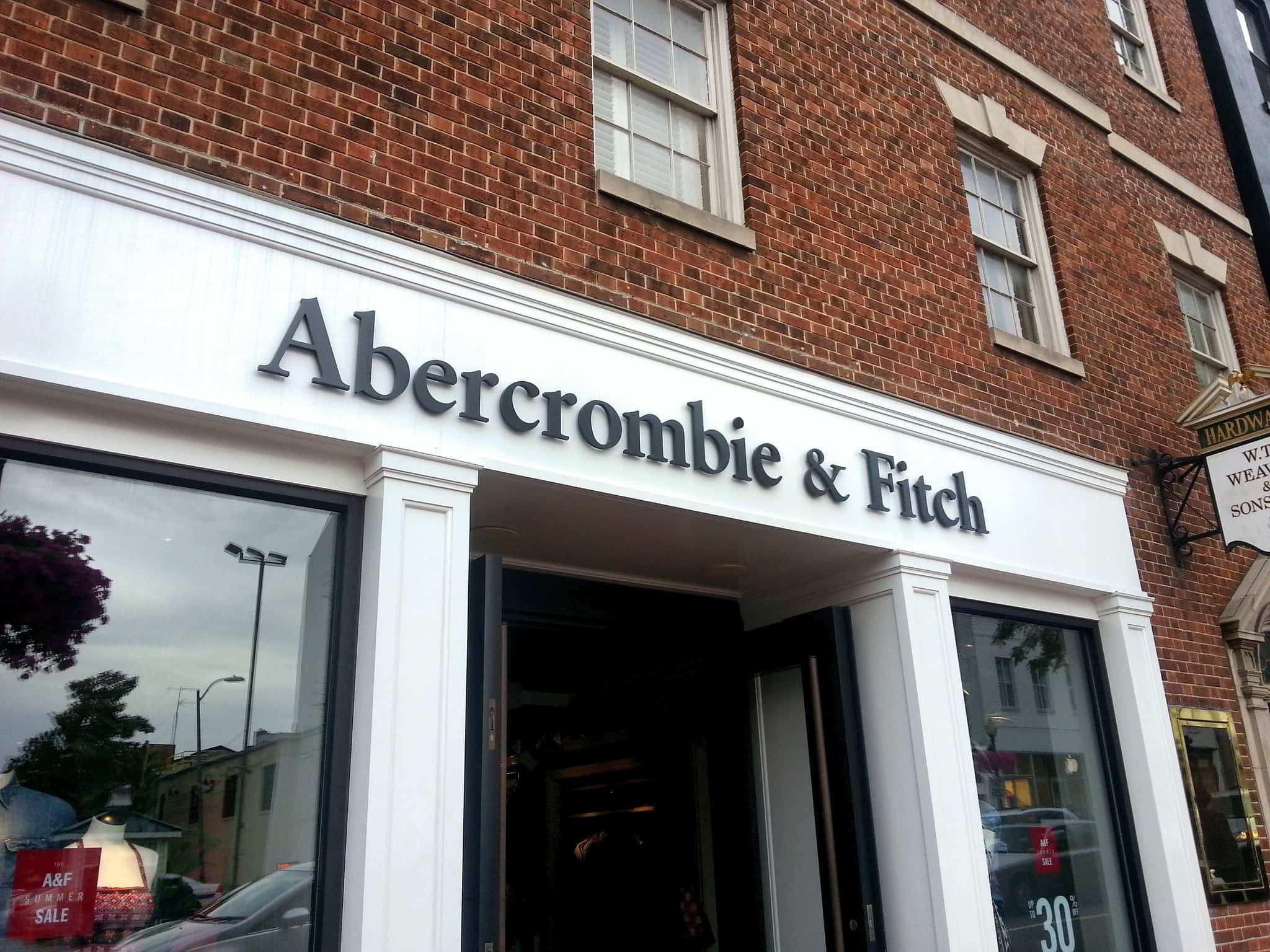
Abercrombie & Fitch: A Comeback That Still Has Limits
Abercrombie & Fitch successfully reinvented itself after its mall-era popularity faded. Its parent company's market capitalization reached approximately $9.83 billion in 2024, but stood near $6.19 billion in October 2026. That's a decline of roughly 37%, even after the retailer's impressive commercial comeback.
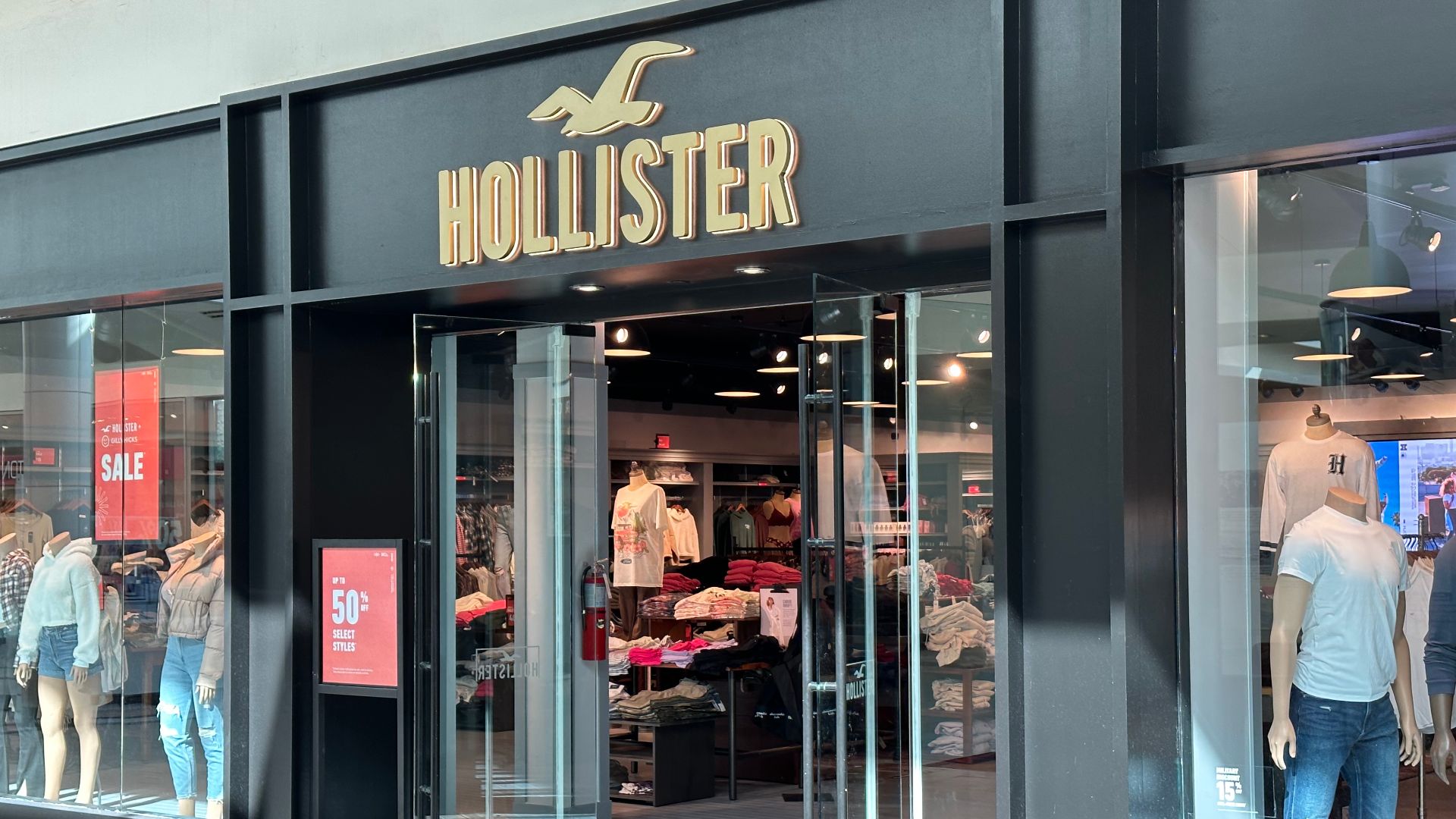
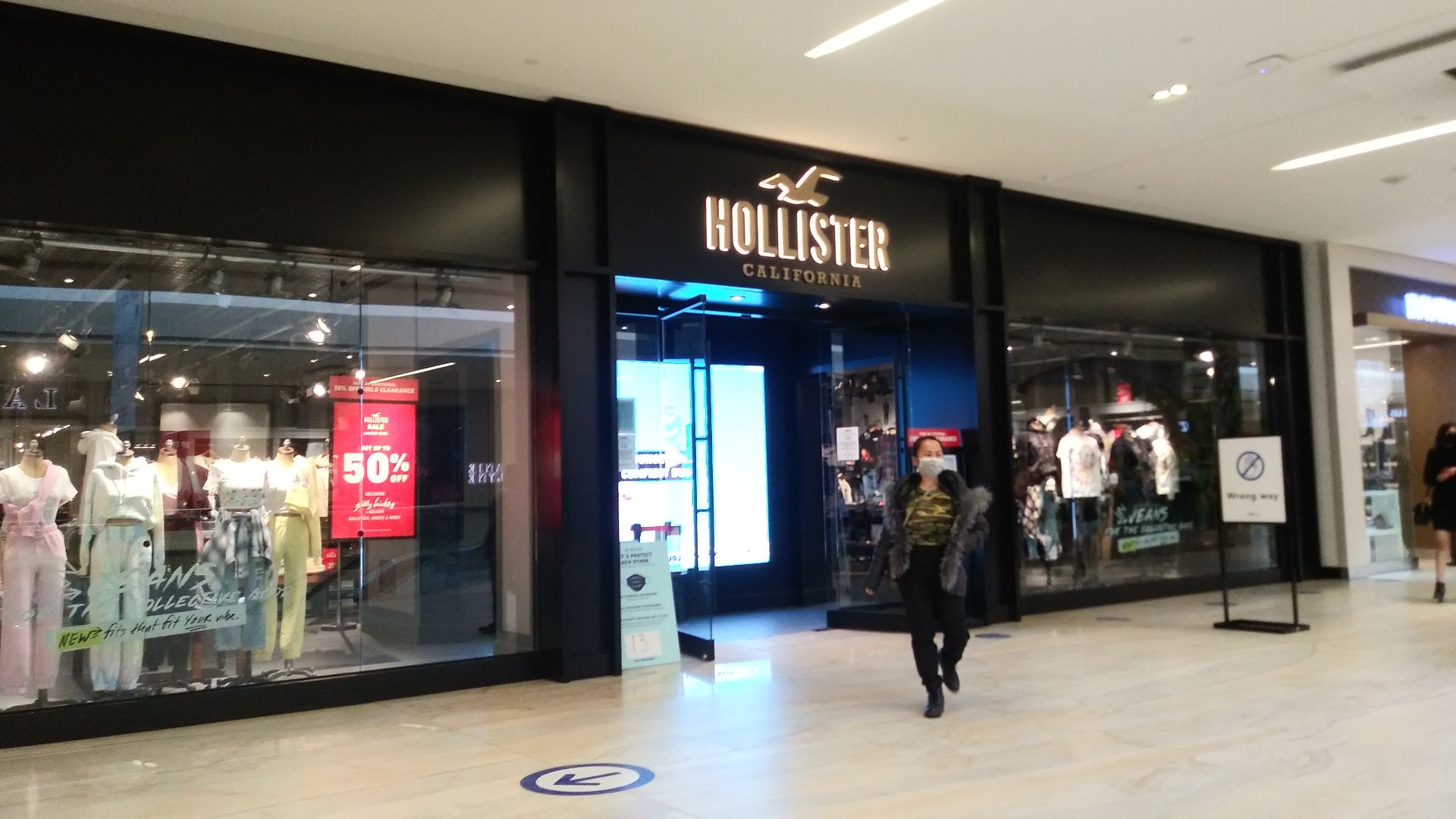
Hollister: The Surf-Inspired Brand That Found Another Wave
Hollister was closely associated with teenage fashion during the 2000s. Its sales reached approximately $2.74 billion in fiscal 2025, growing 15% from the previous year. Yet its parent, Abercrombie & Fitch Co., remained about 37% below its historical stock-market peak in October 2026.
 Phillip Pessar, Wikimedia Commons
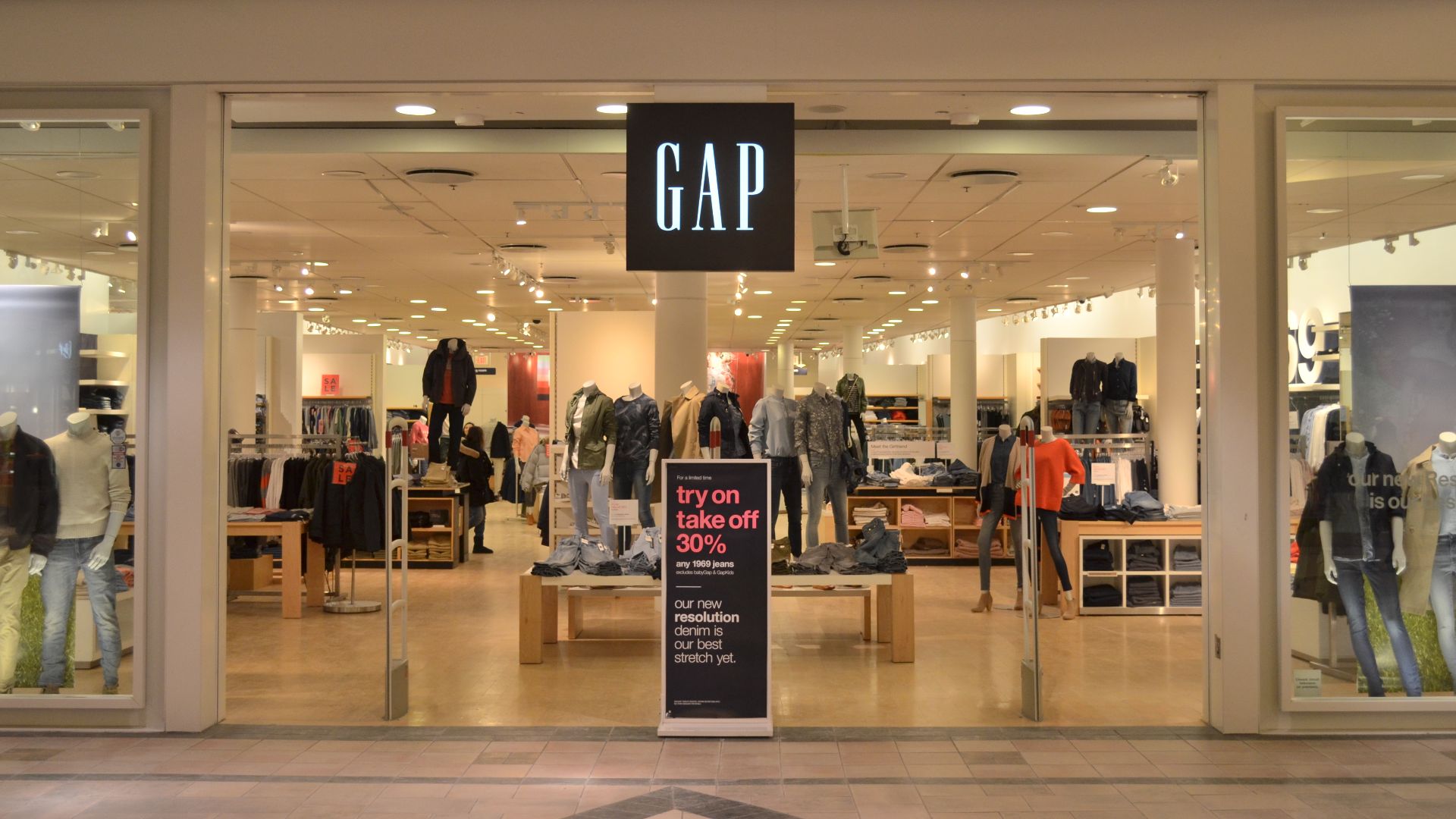
Gap: From Nearly $45 Billion To Just $8 Billion
Gap became synonymous with American casual clothing, but its financial dominance diminished considerably. Parent company Gap Inc. reached a historical market capitalization of approximately $44.97 billion. By October 2026, that figure had fallen to roughly $8 billion, an extraordinary decline of more than 82%.
 Raysonho @ Open Grid Scheduler / Grid Engine, Wikimedia Commons
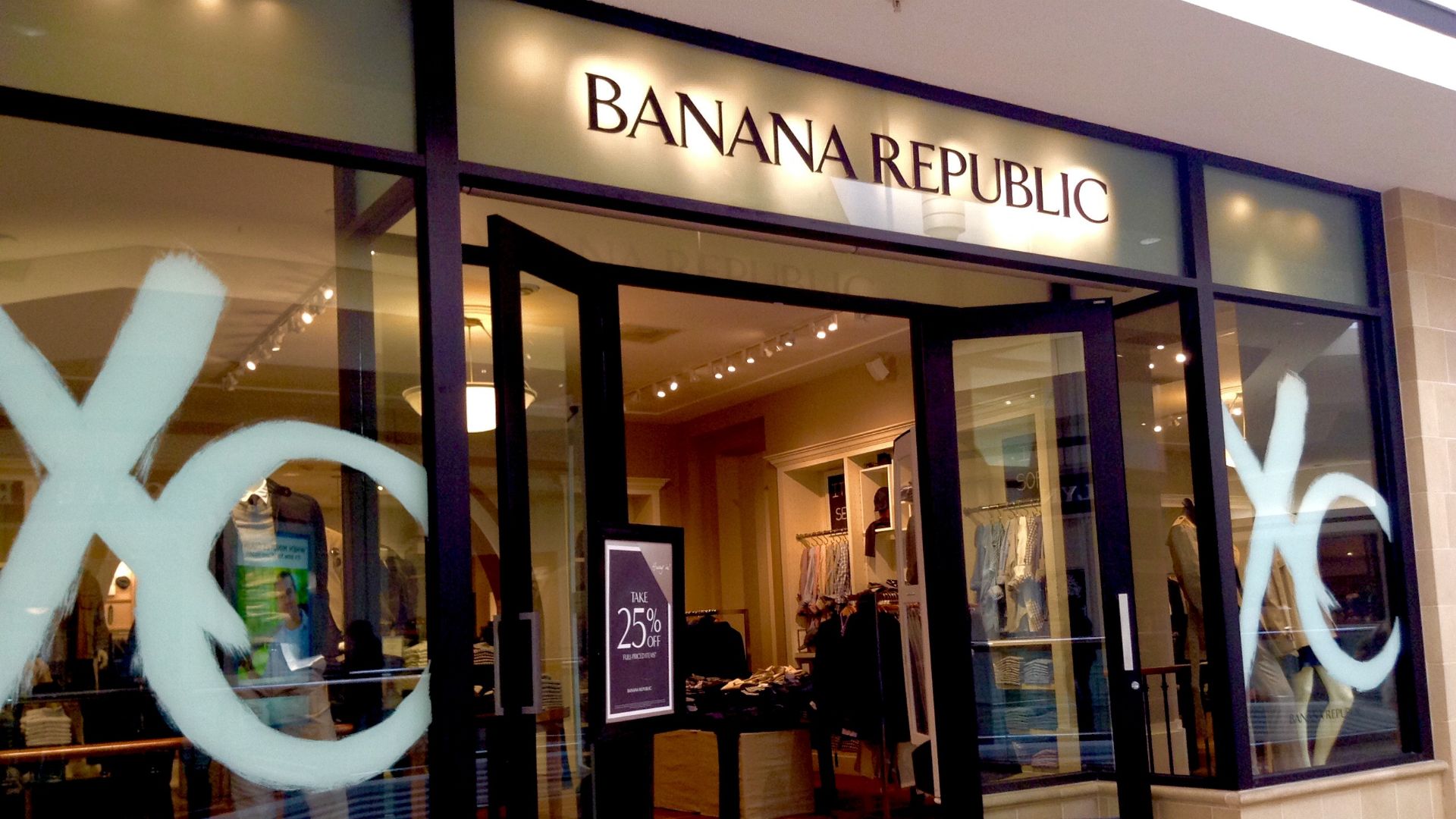
Banana Republic: Part Of An Empire That Lost Billions
Banana Republic once benefited from Gap Inc.'s enormous retail empire. Although the brand reported modest comparable-sales growth during fiscal 2024, its parent company's valuation remained approximately 82% below its historical peak in October 2026. Together, Gap and Banana Republic illustrate how dramatically investor expectations have changed.
 Mike Mozart from Funny YouTube, USA, Wikimedia Commons
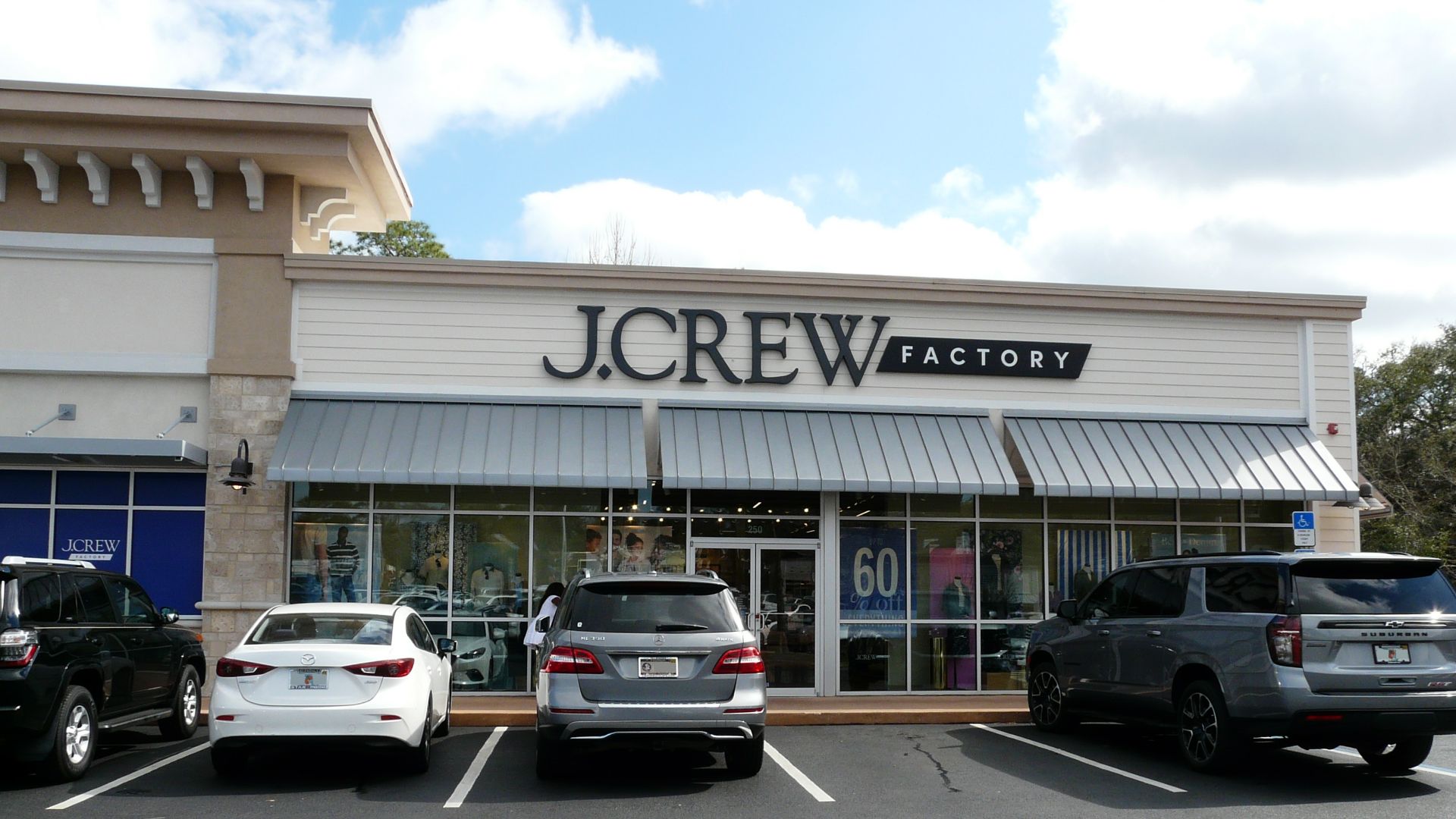
J.Crew: When Debt Overwhelmed A Famous Fashion Name
J.Crew became known for polished American clothing and a loyal customer base. However, its financial problems intensified as changing shopping habits collided with substantial debt obligations. The company entered bankruptcy protection in May 2020 under an agreement intended to convert approximately $1.65 billion of debt into equity.
 The Bushranger, Wikimedia Commons
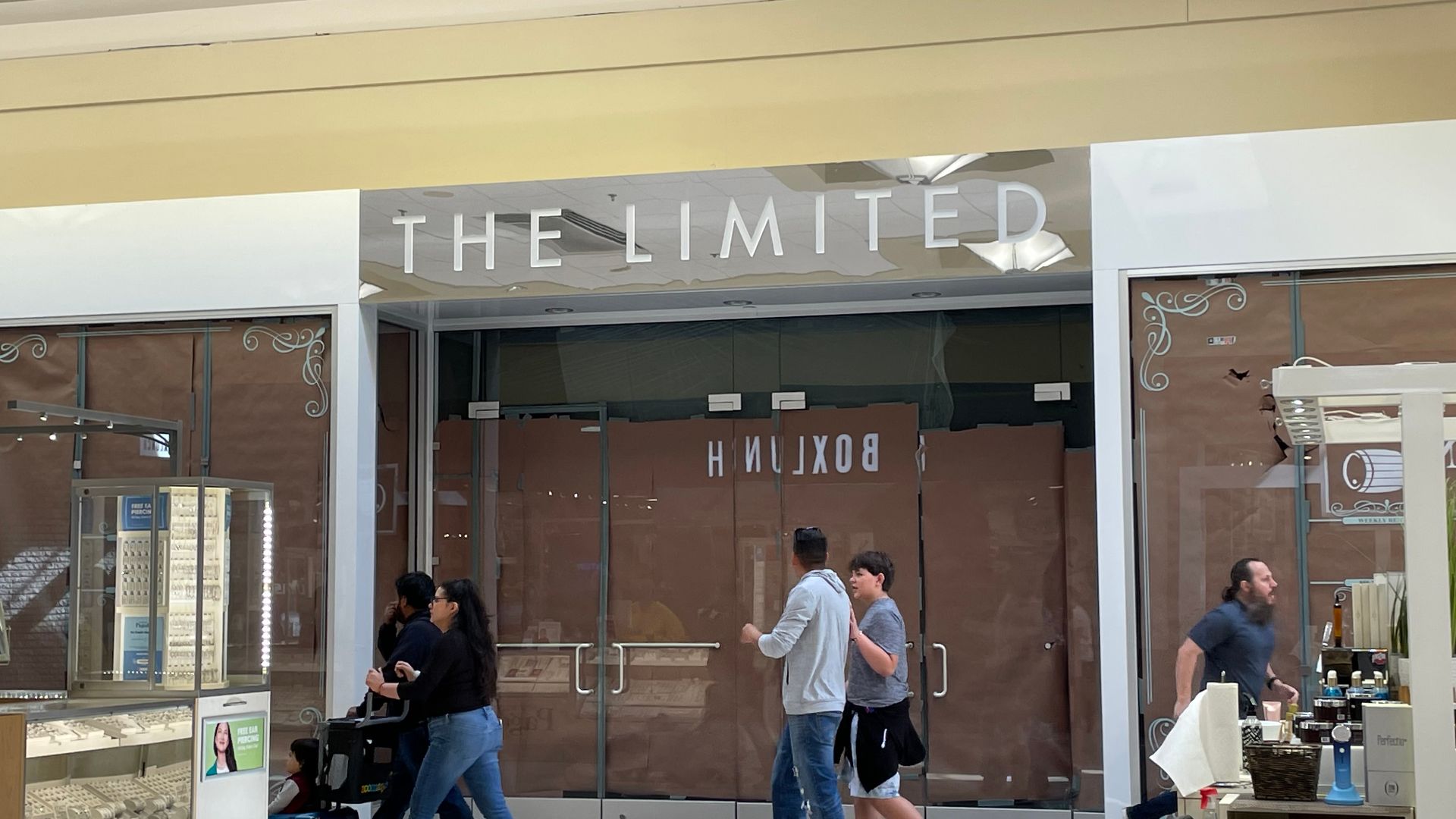
The Limited: An Original Mall Giant Reached Its Limit
The Limited once helped define women's shopping-mall fashion and became part of a much larger retail empire. After being separated from its former parent company, the chain struggled with competitors and changing consumer preferences. In January 2017, it announced the closure of all 250 stores.
 Larry Hachucka, Wikimedia Commons
Bebe: The Clothing Stores Closed, But The Name Survived
Bebe was a recognizable destination for fashionable women's clothing during the mall era. But declining retail performance eventually prompted a dramatic restructuring. In 2017, the company closed its physical stores and pursued a licensing strategy designed to generate revenue from the Bebe name without operating traditional shops.
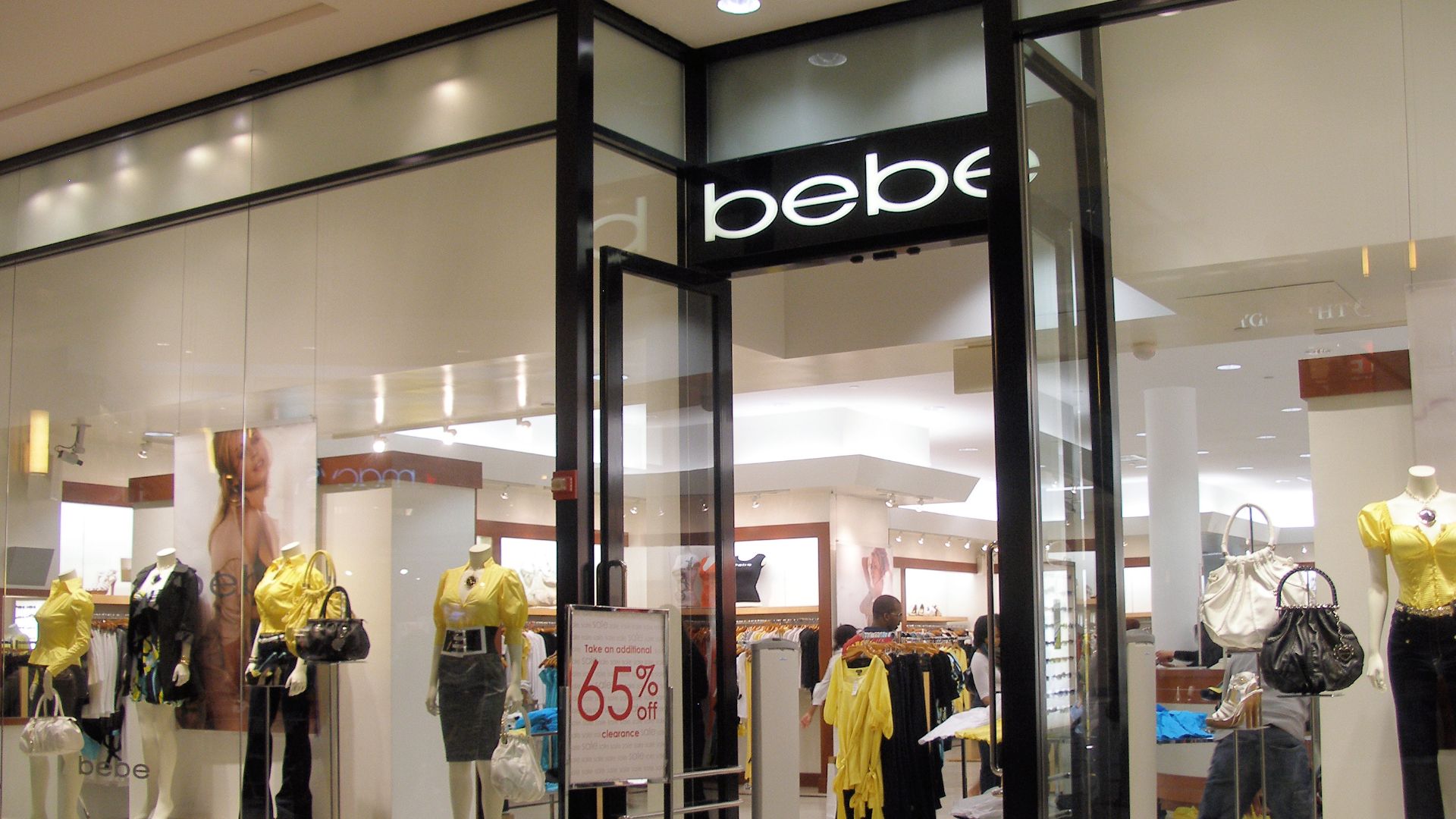 Coolcaesar at en.wikipedia, Wikimedia Commons
Dressbarn: A Practical Fashion Chain Lost Its Customers
Dressbarn built its reputation by selling affordable women's clothing for everyday life and work. However, declining customer interest and financial losses weakened the business. In May 2019, parent company Ascena Retail Group announced plans to close approximately 650 stores, bringing its longstanding physical retail operation to an end.
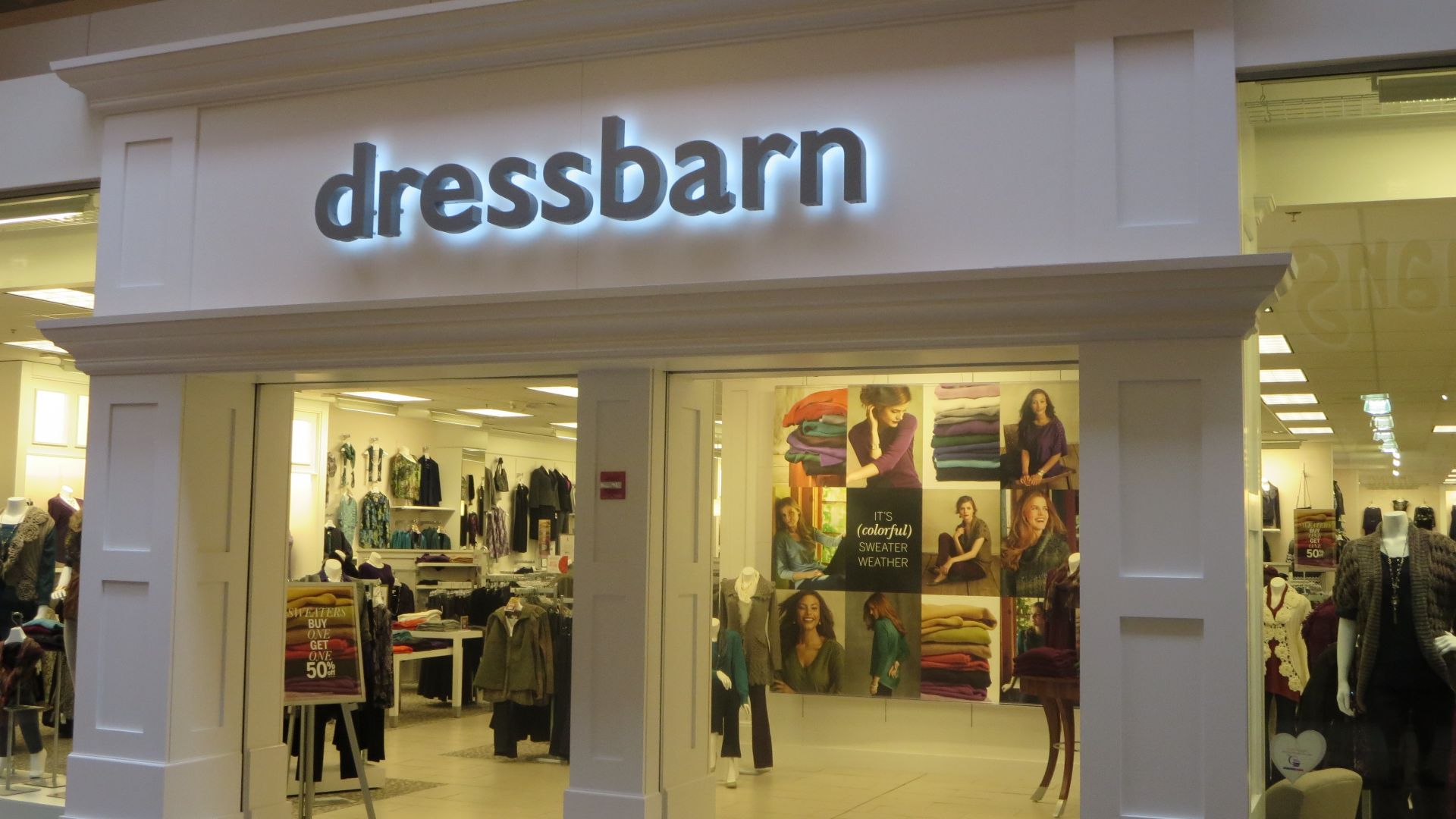 Corey Coyle, Wikimedia Commons
Justice: The Tween Shopping Empire Was Broken Apart
Justice was once a popular destination for girls shopping for clothing and accessories. Its parent, Ascena Retail Group, entered bankruptcy protection in July 2020. The company subsequently sold Justice's intellectual property and other assets, while closing its physical stores as part of the restructuring.
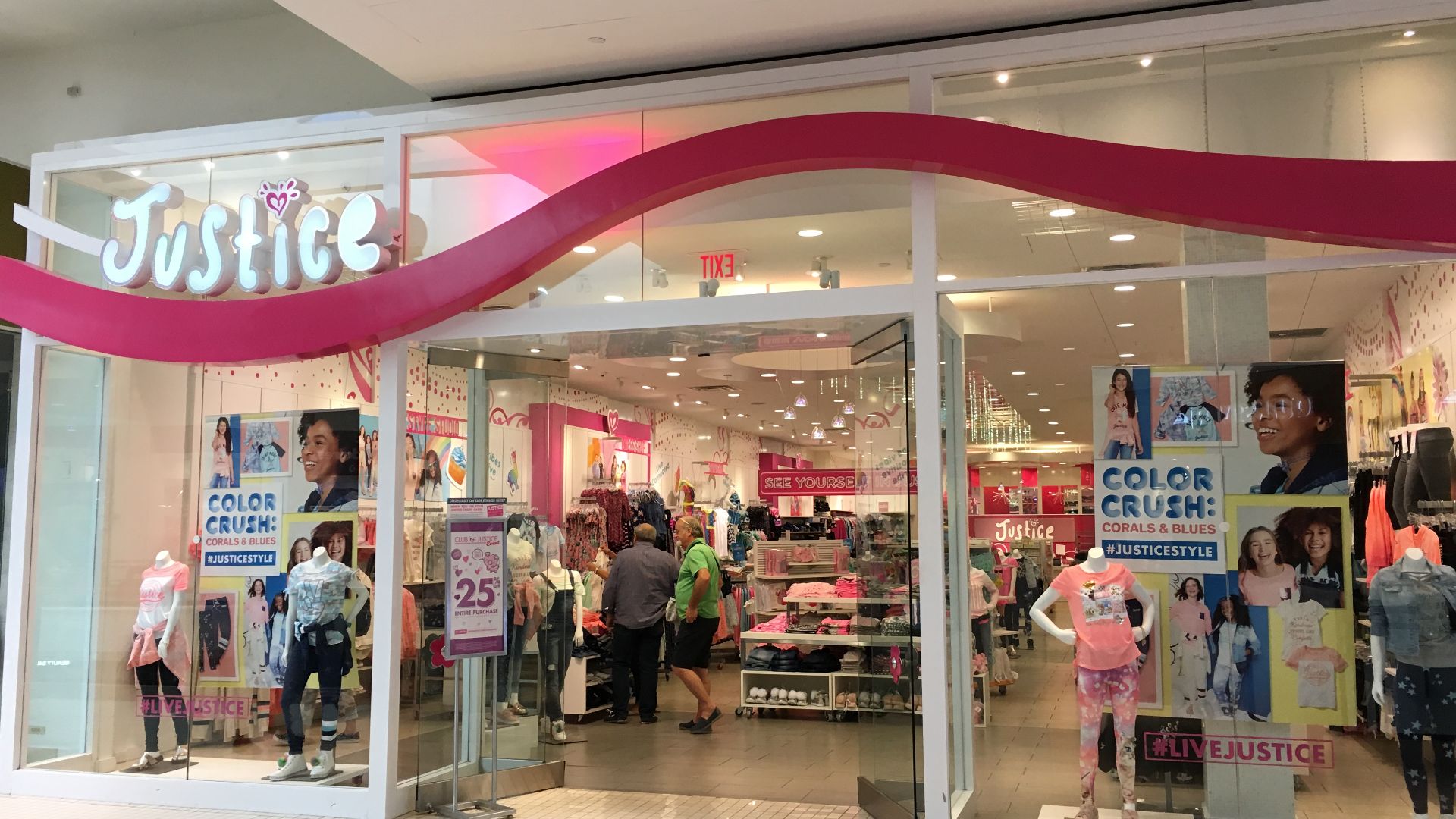 Phillip Pessar, Wikimedia Commons
Gymboree: Parents Loved It, But The Stores Couldn't Survive
Gymboree became a recognizable children's clothing retailer across American malls. Following financial problems, the company filed for bankruptcy again in January 2019 and announced the liquidation of approximately 800 Gymboree and Crazy 8 stores. The Children's Place subsequently agreed to purchase the brands' intellectual property for $76 million.
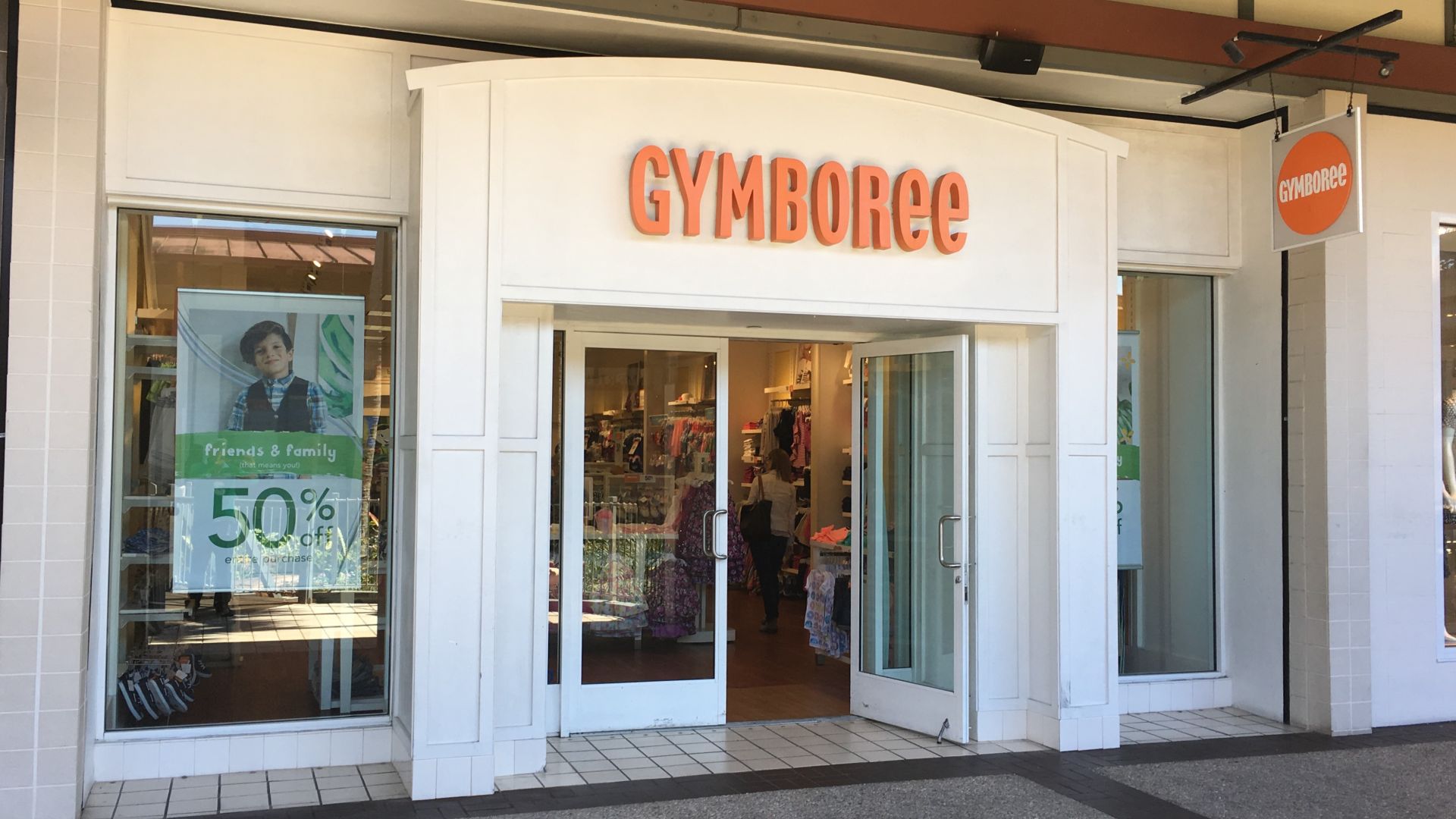 Phillip Pessar from Miami, USA, Wikimedia Commons
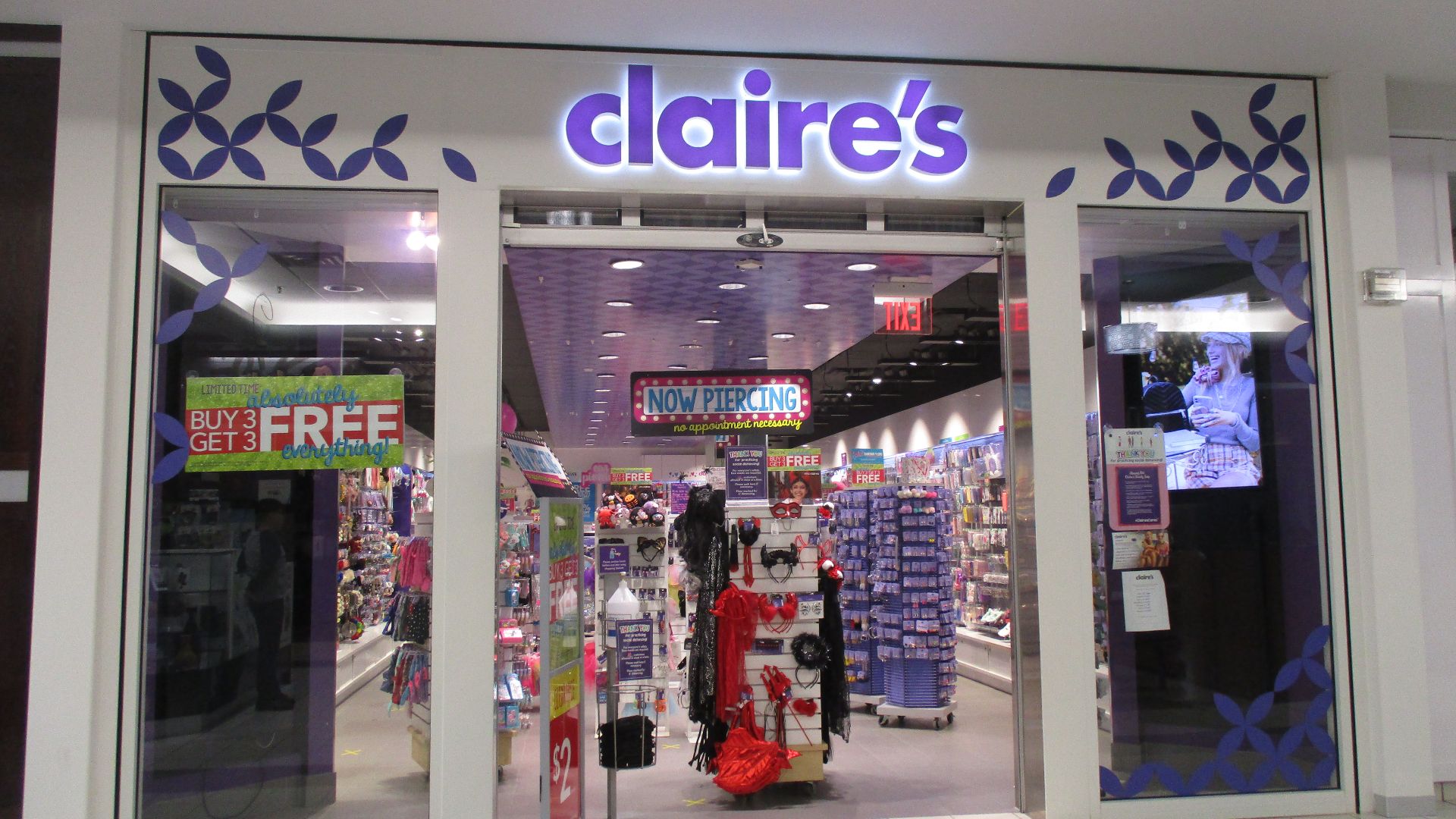
Claire's: Even Ear Piercings Couldn't Guarantee Stability
For generations, Claire's was a familiar destination for jewelry, accessories, and ear piercings. But its finances became increasingly challenging, eventually leading to another bankruptcy in 2025. That August, the retailer announced a $104 million agreement to sell its North American business while preserving hundreds of locations.
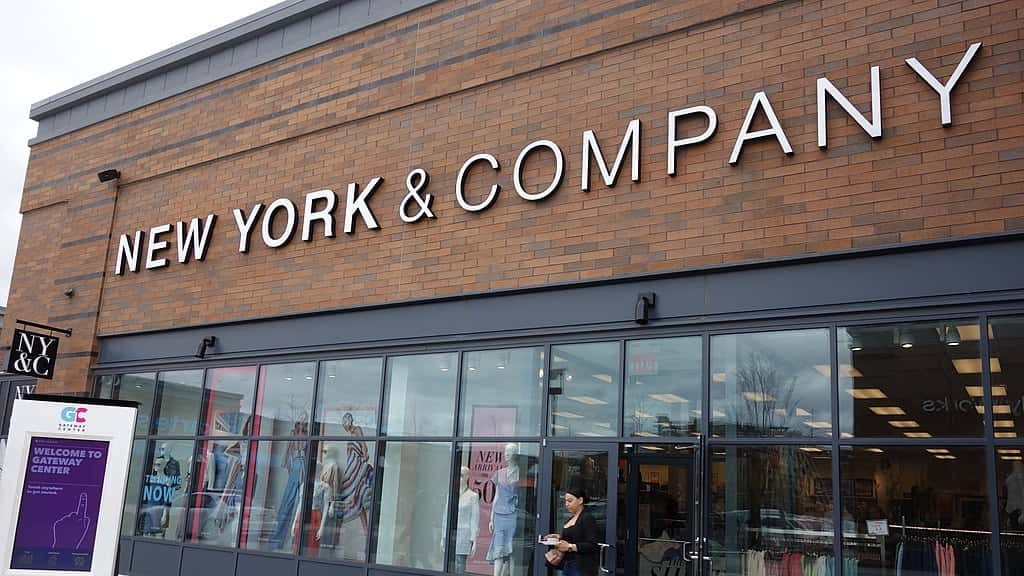
New York & Company: Office Fashion Faced A New Reality
New York & Company served customers looking for affordable professional and casual clothing. However, its parent company, RTW Retailwinds, struggled financially as the pandemic disrupted traditional retail shopping. In July 2020, the business entered Chapter 11 bankruptcy, marking a major turning point for the longtime clothing chain.
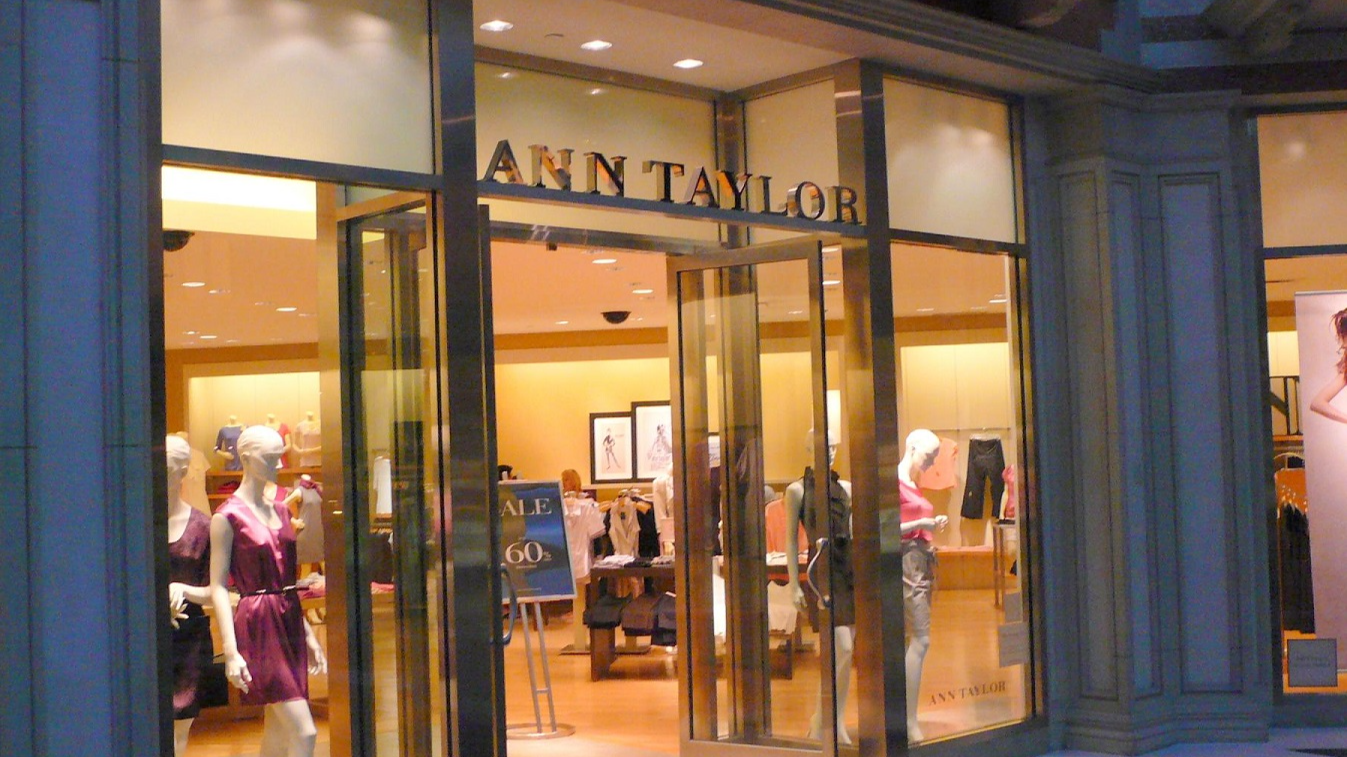
Ann Taylor: A Familiar Office Wardrobe Changed Hands
Ann Taylor offered polished professional clothing and became part of Ascena's extensive retail portfolio. When Ascena entered bankruptcy in 2020, its financial restructuring affected several recognizable brands. An affiliate of Sycamore Partners ultimately acquired assets associated with Ann Taylor, LOFT, and Lane Bryant for approximately $540 million.
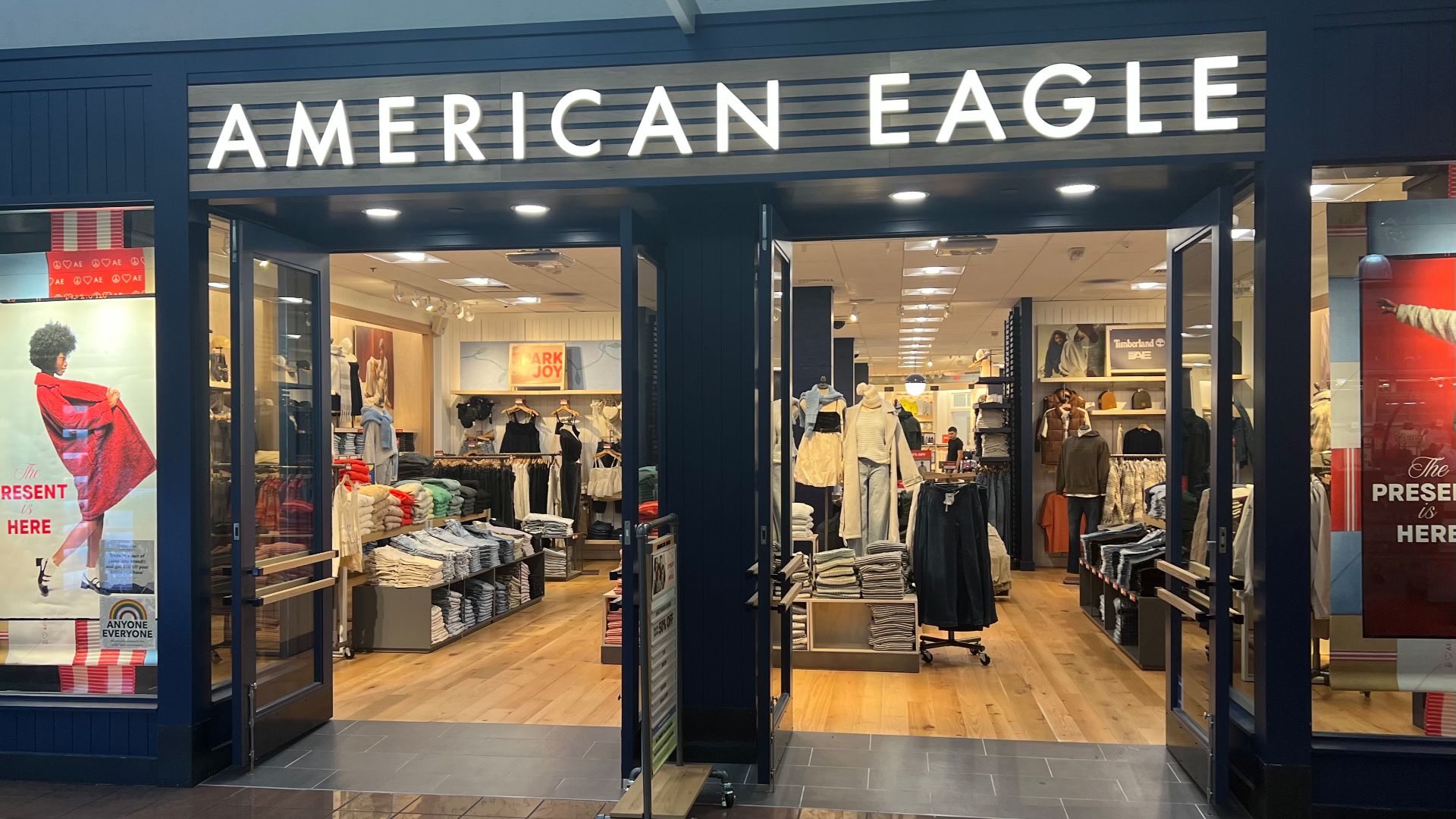
American Eagle: Still Successful, But Worth Far Less
American Eagle Outfitters remains a major retailer, generating approximately $5.5 billion in fiscal 2025 revenue. However, its stock-market valuation tells another story. After reaching a historical peak near $7.66 billion, the company's market capitalization stood around $3 billion in October 2026, approximately 60% lower.
 TaurusEmerald, Wikimedia Commons
Payless ShoeSource: Even Bargain Shoes Couldn't Save The Chain
Payless built a substantial retail presence around inexpensive footwear and family shopping. After entering bankruptcy in 2017, the retailer emerged having eliminated more than $435 million in debt. But its problems continued, and in February 2019, Payless announced plans to close its remaining 2,100 American and Puerto Rican stores.
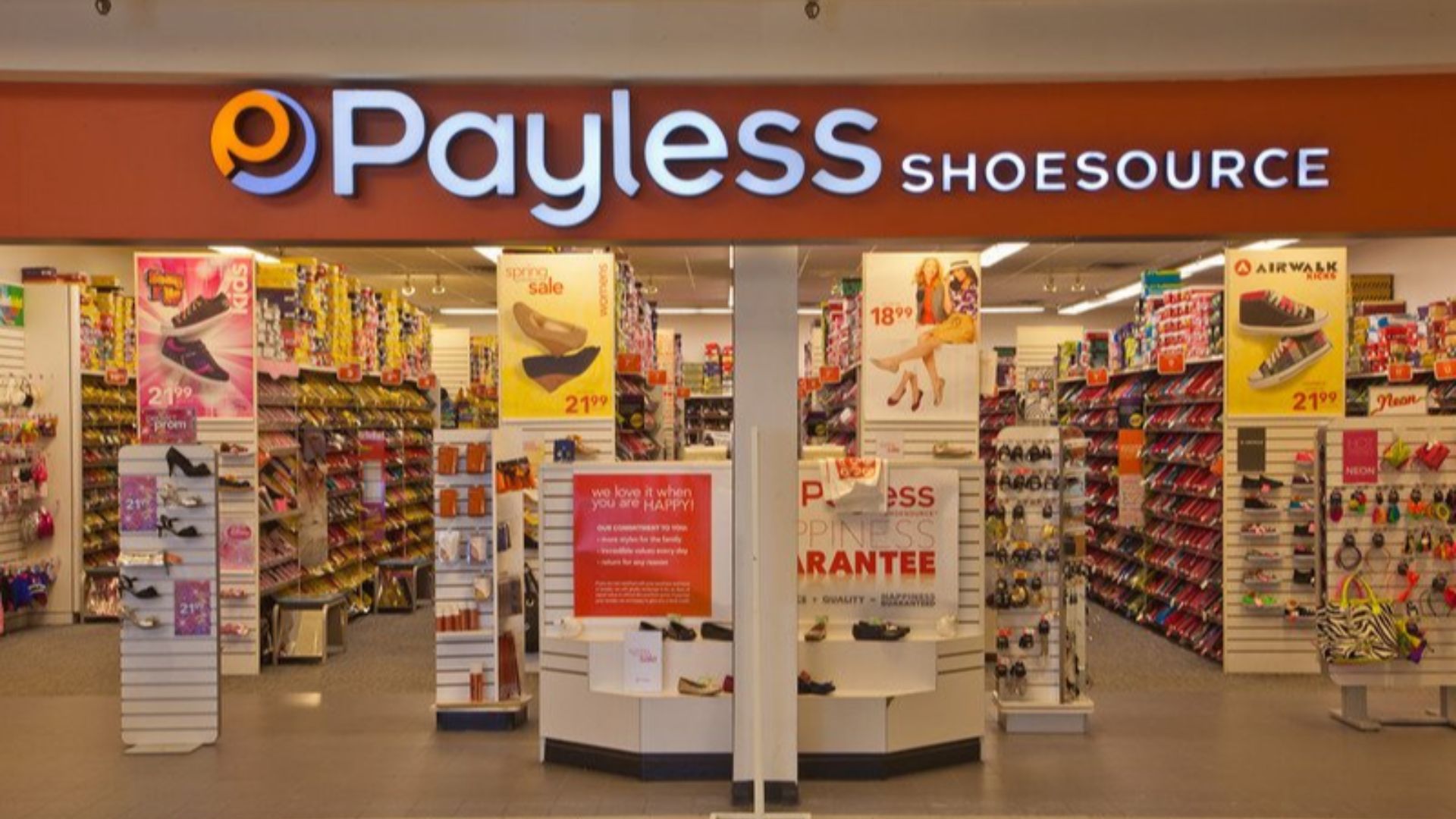 BentleyMall, Wikimedia Commons
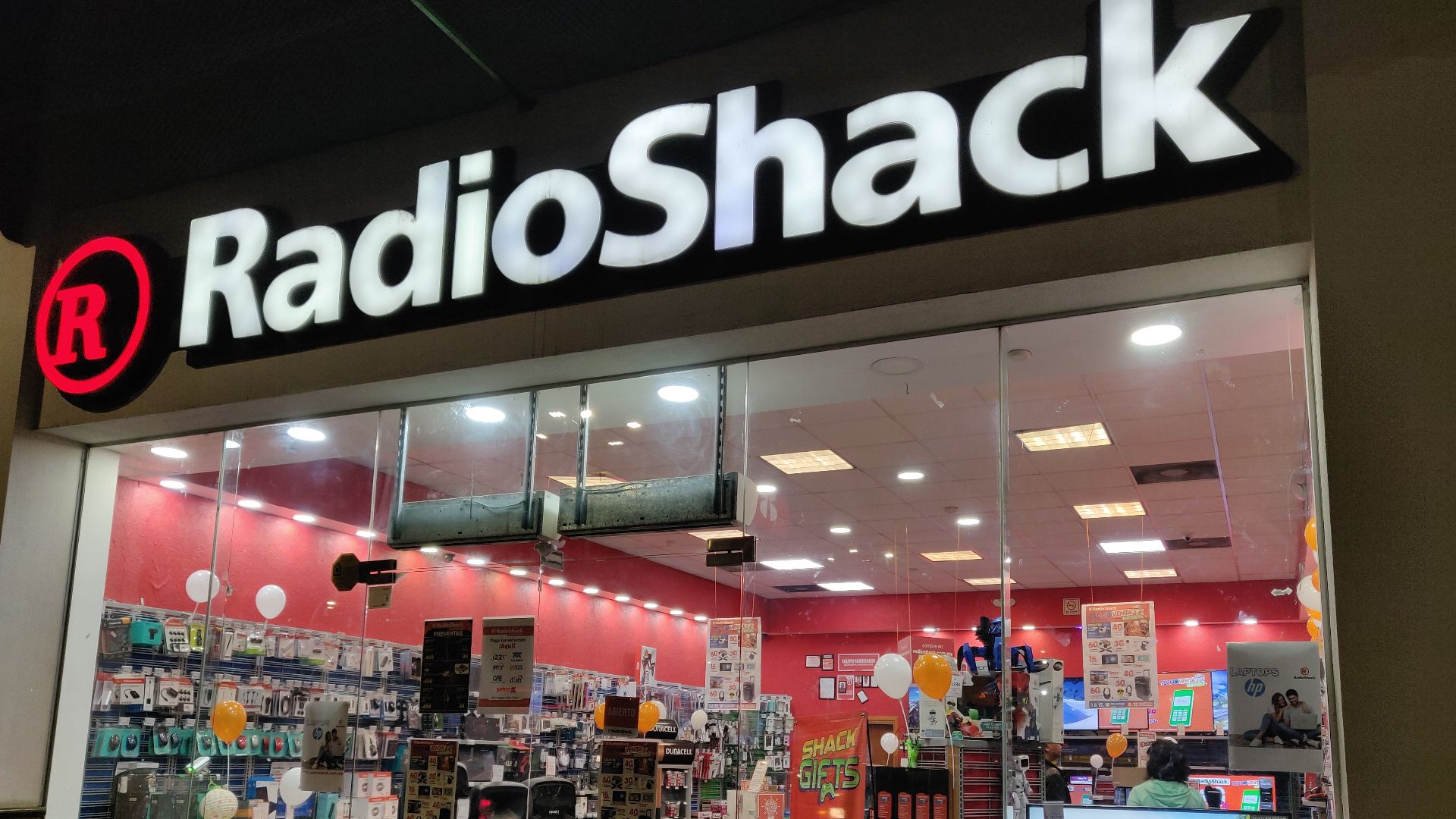
RadioShack: Technology Moved Faster Than The Stores
RadioShack was once an essential destination for electronic components, gadgets, and accessories. But its business struggled to adapt as consumer technology and shopping habits changed. After 11 consecutive unprofitable quarters, the company filed for bankruptcy in February 2015 and pursued a deal involving thousands of locations.
Brookstone: The Store Everyone Browsed But Didn't Always Buy From
Brookstone was famous for unusual gadgets, massage chairs, and other specialty products. However, declining mall traffic placed significant pressure on its retail business. In August 2018, the company filed for bankruptcy again and announced plans to close 101 mall locations while maintaining other sales channels.
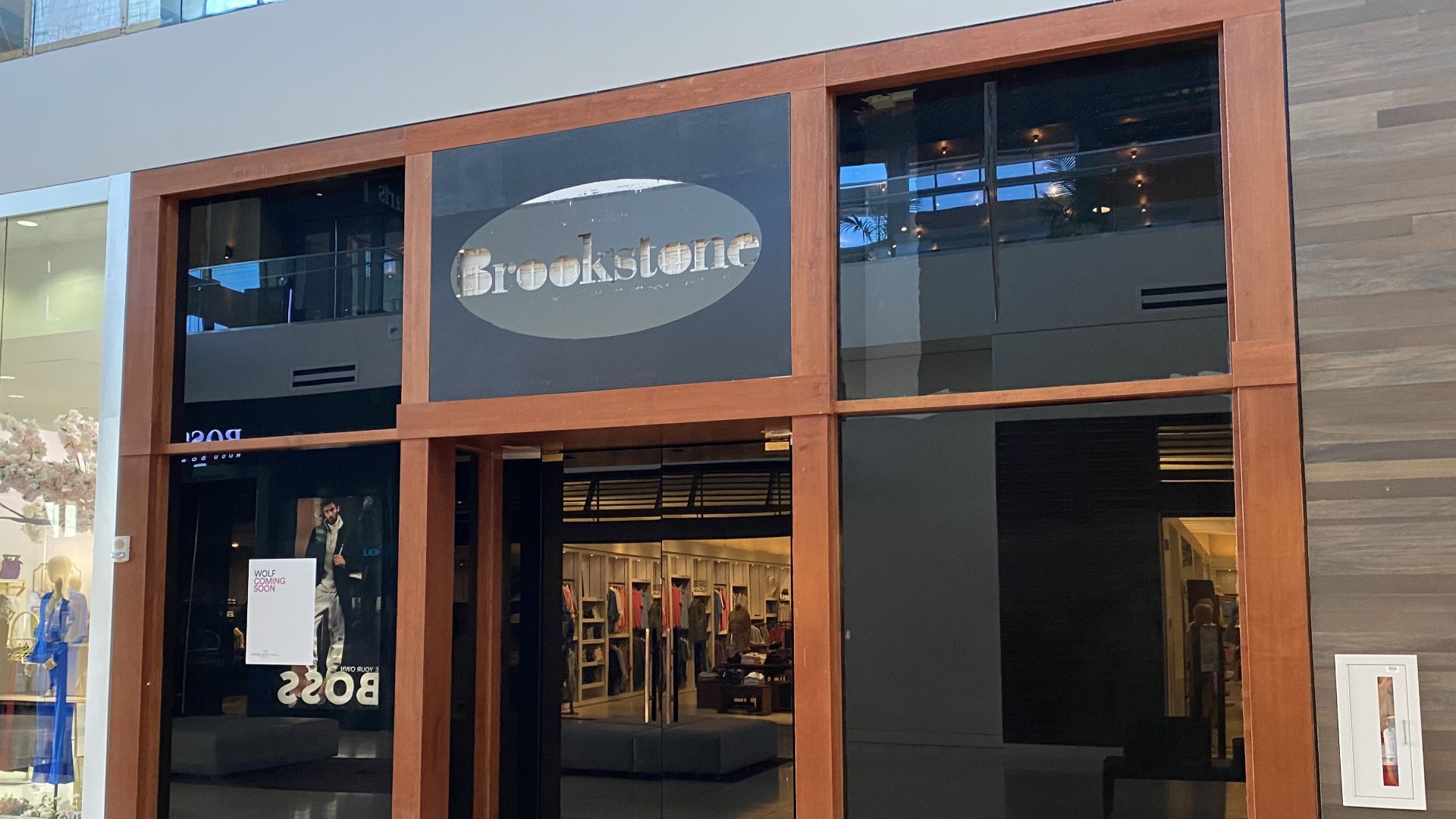 Phillip Pessar, Wikimedia Commons
GNC: A Supplement Giant With Too Much Debt
GNC established itself as a familiar destination for vitamins, supplements, and other health products. Yet declining physical-store sales and substantial debt weakened its financial position. In June 2020, the company entered bankruptcy protection while carrying nearly $900 million in debt and considering hundreds of store closures.
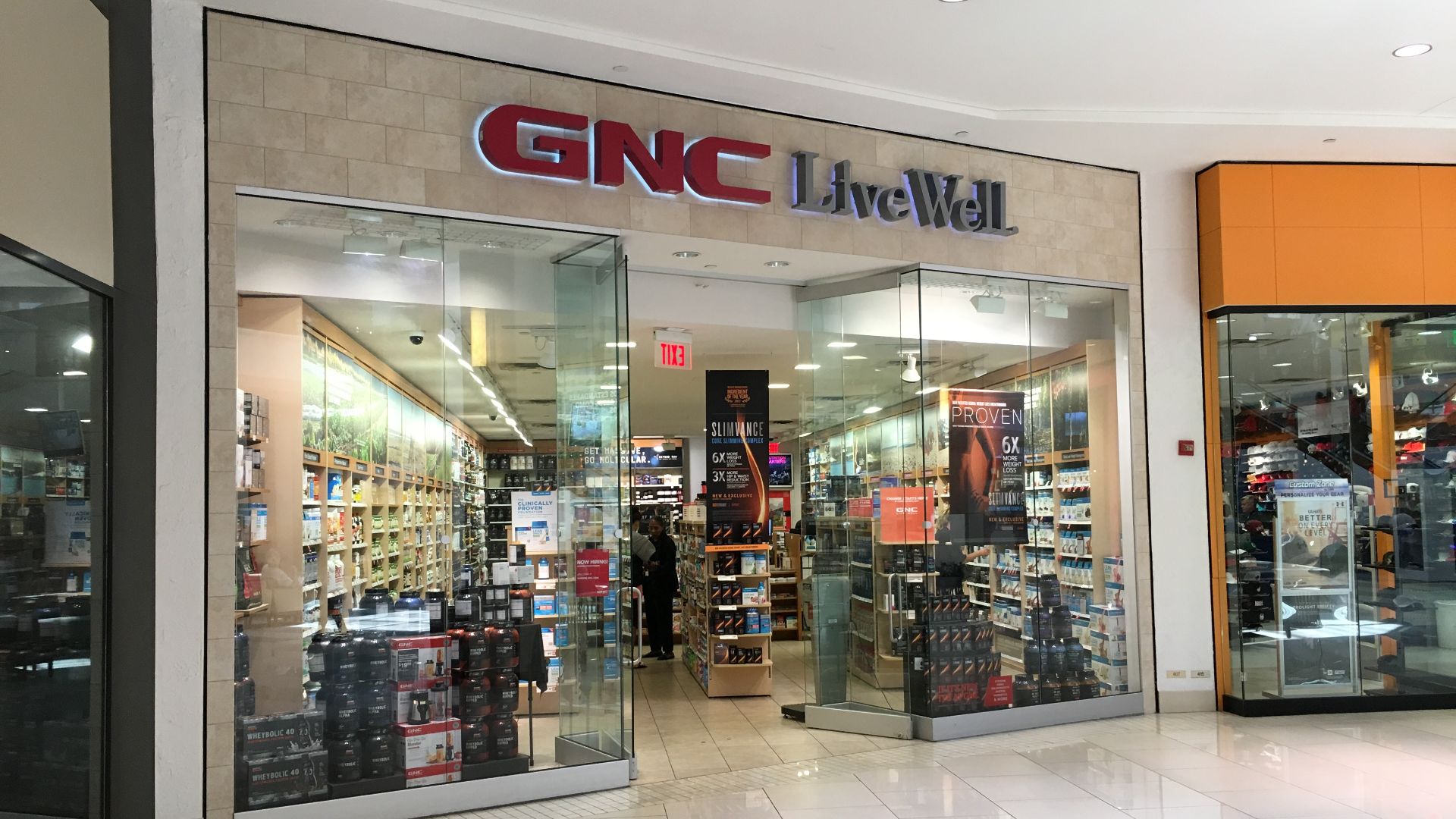 Phillip Pessar, Wikimedia Commons
Macy's: From A $24 Billion Giant To A Shadow Of Its Peak
Macy's once enjoyed a stock-market valuation approaching $24.5 billion. By October 2026, its market capitalization was approximately $6 billion, representing a decline of roughly 75%. The company also announced plans in 2024 to close approximately 150 underperforming stores, further illustrating the transformation of American mall shopping.
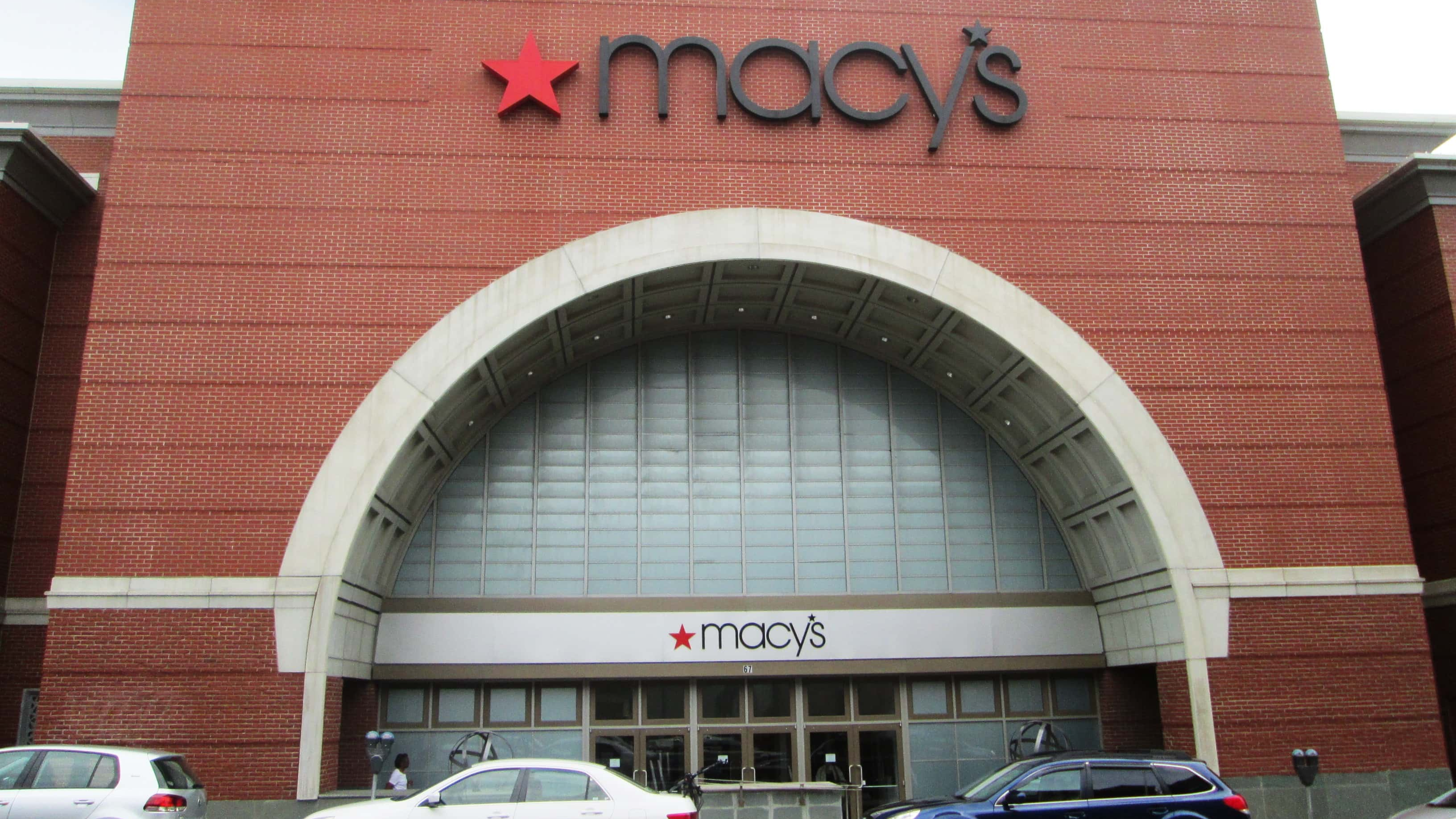 Beyond My Ken, Wikimedia Commons
What These Retail Disasters Can Teach Investors
These retailers demonstrate why enormous sales figures and famous brand names cannot guarantee financial security. Some companies survived bankruptcy, while others remain worth billions despite substantial declines from their historical peaks. Investors should examine debt, profitability, comparable sales, and store commitments instead of assuming familiar brands retain their former value.
 Rowanlovescars, Wikimedia Commons
Sources: 1, 2, 3, 4, 5, 6, 7, 8, 9, 10, 11, 12, 13, 14, 15, 16, 17, 18, 19, 20, 21, 22, 23, 24, 25, 26, 27, 28, 29