
The Will Appeared Late
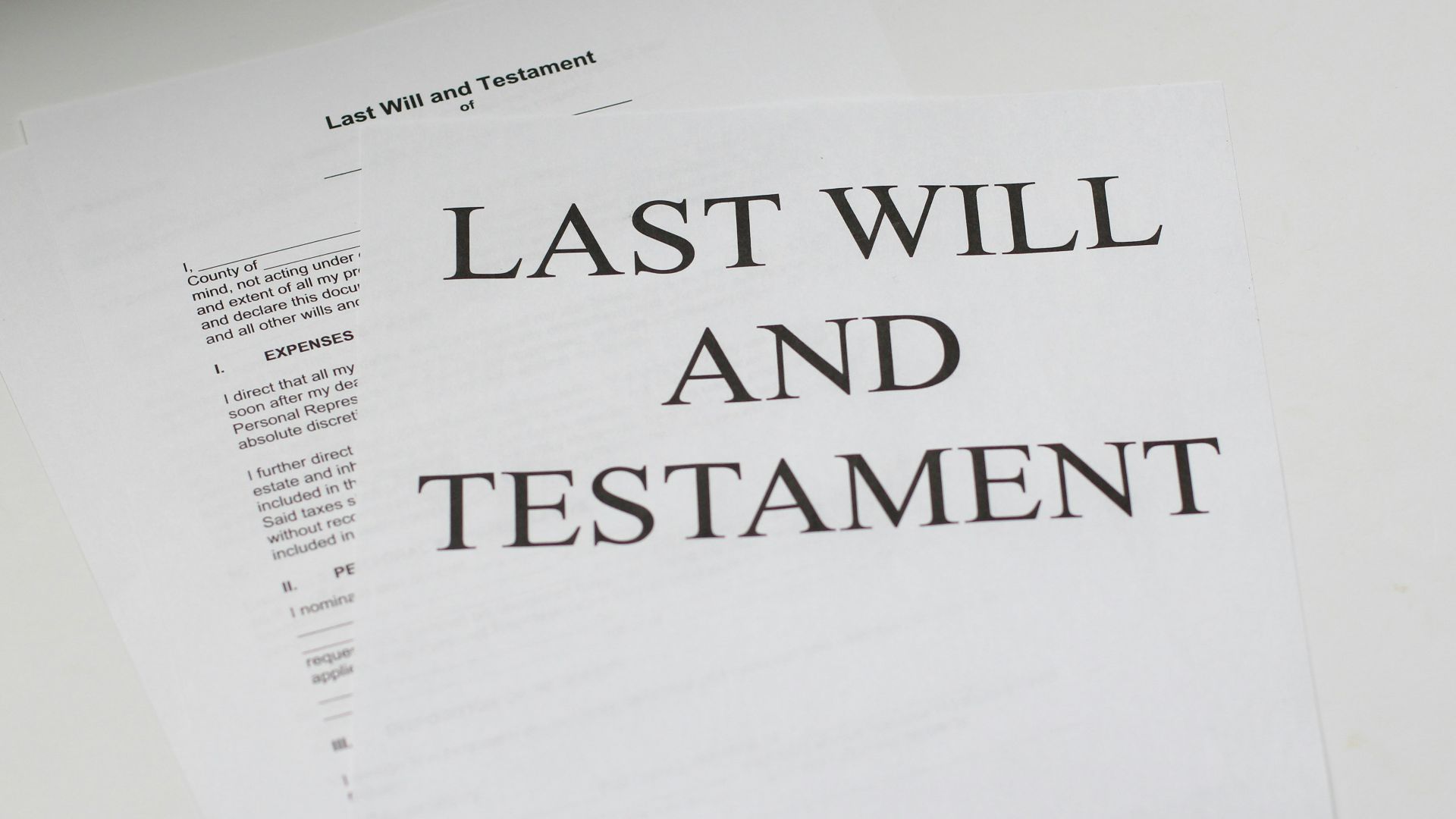
Your father's estate has already been divided among the family, perhaps under an older will or state intestacy law. Then someone discovers a handwritten document containing completely different instructions. You may have found Dad's true final wishes, but reversing what has already happened could be complicated, expensive, or legally impossible.
Don't Redistribute Anything Yet
Your first instinct may be to calculate what everyone received and start badgering your relatives to return money. Don't do this, please. Preserve the handwritten document exactly as you found it, document where it was located, and contact the attorney or personal representative who handled the estate before anybody voluntarily exchanges property.
 Fiona Murray-deGraaff, Unsplash
Handwritten Can Be Valid
A will doesn't necessarily need witnesses to be enforceable. Some states recognize holographic wills, generally meaning wills written and signed in the testator's handwriting. However, requirements vary considerably. The fact that Dad wrote and signed something that looks like a will doesn't automatically make it legally valid.
State Law Changes Everything
Where Dad was legally domiciled can fundamentally change your situation. Texas recognizes a will written wholly in the testator's handwriting without subscribing witnesses, while Utah recognizes one when the signature and material portions are handwritten. New York recognizes unwitnessed holographic wills only under narrowly defined circumstances.
 Tingey Injury Law Firm, Unsplash
Handwriting Must Be Proven
If somebody challenges the document, simply saying "that looks like Dad's writing" may not settle anything. Questions can arise about the handwriting, signature, alterations and authenticity. Evidence surrounding a holographic will can become particularly important because the witnesses normally available to verify a formally executed will may not exist.
Intent Matters Too
Dad's handwritten page must generally demonstrate testamentary intent, not merely fleeting thoughts about what he might eventually make up his mind to do. A note discussing future plans for his property can present a different legal question from a document intended to control distribution at death. Some jurisdictions permit outside evidence when establishing that intent.
Determine When He Wrote It
The document's date could be enormously important. If Dad had an earlier formal will, you'll need to determine whether the handwritten document was intended to replace it, modify part of it, or merely record an idea. An undated document can make establishing the sequence considerably more difficult.

Find Every Other Will
Gather Dad's previous wills, codicils and estate-planning documents rather than examining the handwritten will in isolation. You need the entire sequence. A later valid will can potentially change an earlier estate plan, but exactly what was revoked or preserved depends on the documents and applicable state law.

Call The Probate Court
If the estate went through probate, the newly discovered document belongs in that legal process. Contact the probate court and the estate's attorney promptly to determine the required procedure. Depending on state law and the estate's status, someone may need to petition the court concerning the newly discovered will.

Closed Doesn't Mean Reversible
A closed estate is not necessarily untouchable. Michigan, for example, permits a court to reopen a previously administered estate for subsequently discovered property or other good cause. But reopening an estate and successfully replacing an earlier determination about who inherits are distinct legal questions with potentially different requirements.
 Carrie Allen www.carrieallen.com, Unsplash
Deadlines Can Be Brutal
This is where delay becomes financially dangerous. Probate law can impose strict deadlines for challenging orders or offering another will. Under Massachusetts law modeled on the Uniform Probate Code, certain petitions involving a later-offered will face limits tied to final distribution, closing statements and earlier probate orders.

Distribution Changes The Stakes
Finding the document before anyone receives an inheritance is one problem. Finding it after beneficiaries have received cash, securities, vehicles or real estate is considerably harder. The court may now have to address not only which will governs, but what happens to property distributed under the earlier administration.

Money May Come Back
In some states, beneficiaries can potentially be required to return improperly distributed property. Massachusetts law, for example, provides that a distributee may be liable to return improperly received property and related income, subject to defenses such as adjudication, estoppel or limitation. Other Uniform Probate Code states have similar provisions.

Spent Money Gets Messier
Suppose your brother inherited $75,000 and already spent it remodeling his house. Under some Uniform Probate Code-based provisions, no longer possessing the original property does not necessarily eliminate potential liability. A distributee can potentially owe its value at the time it was disposed of, along with certain income or gains.

Sold Property Gets Harder
Real estate creates another complication. If an heir inherited Dad's house and sold it to an unrelated purchaser, unwinding the transaction may be much harder than recovering money still sitting in a bank account. Some probate statutes specifically protect qualifying purchasers who acquire distributed property for value.

Nobody Automatically Committed Fraud
Finding a later will doesn't mean the executor or beneficiaries did anything dishonest. If everyone reasonably believed the estate was being administered under the correct documents, earlier distributions may have been made in good faith. Fraud becomes a separate issue if somebody knowingly concealed, destroyed or falsified testamentary documents.
Expect A Family Fight
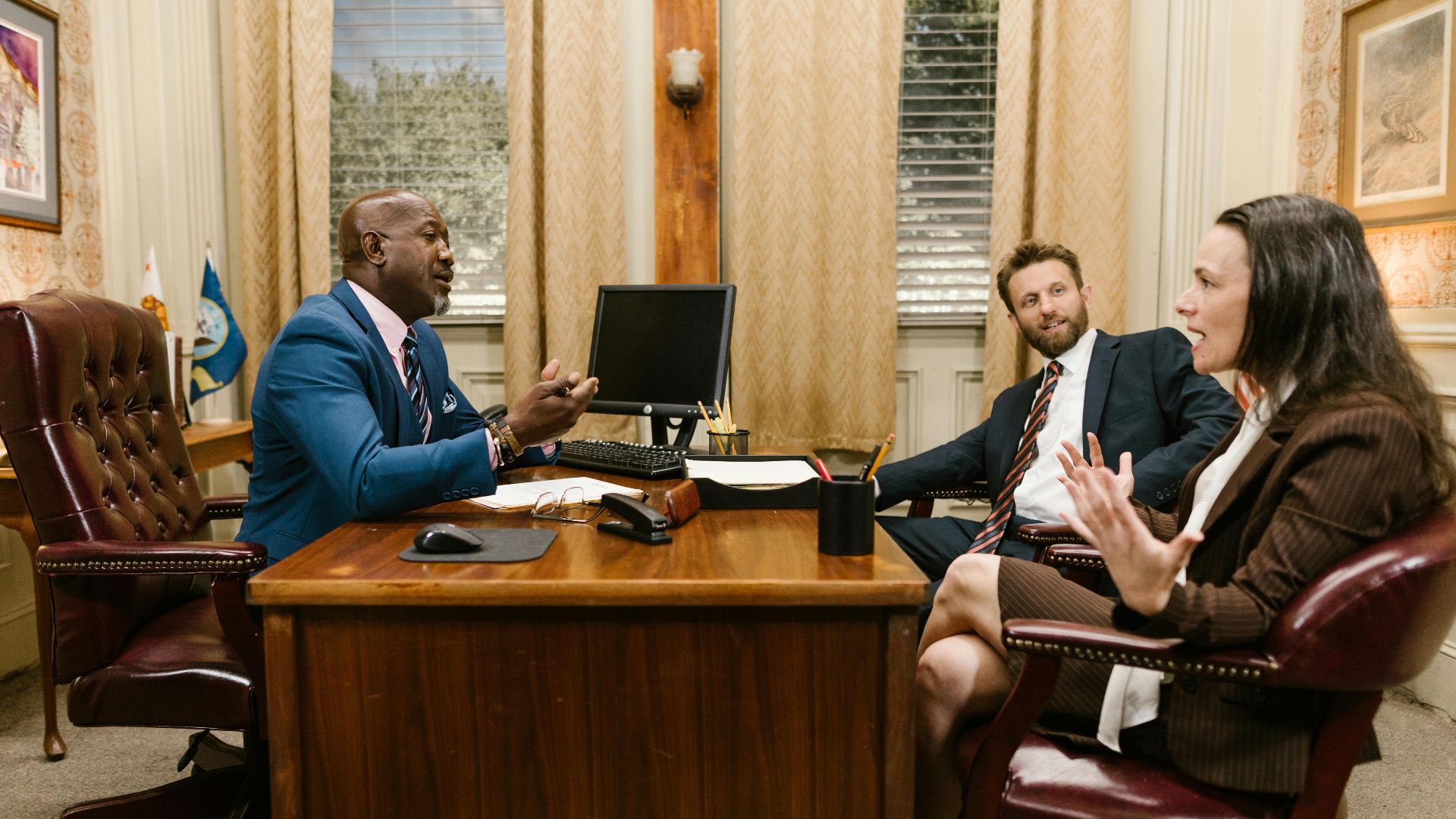
The financial consequences can instantly put relatives at each others' throats. Someone who received $200,000 under the original distribution may have a powerful incentive to challenge a handwritten document reducing that inheritance. Will contests can involve allegations concerning improper execution, capacity, undue influence, fraud, mistake or revocation.

Legal Costs Can Mount
Even if the newly discovered will ultimately prevails, getting there can consume estate money. Lawyers may need to research state probate deadlines, authenticate handwriting, locate witnesses, reconstruct Dad's intentions and litigate against beneficiaries. The larger the redistribution required, the more financially rational a contest may become.
Taxes Need Another Look
A changed distribution can also require professional tax review. Returning inherited property, changing ownership, correcting estate filings or reallocating assets can produce consequences that depend heavily on what was inherited and what happened afterward. Don't assume putting everyone financially "back where they started" is merely an accounting exercise.

Gather Evidence Quickly
Preserve the original will, envelope and anything stored with it. Collect handwriting samples, correspondence, prior wills and information about when and where the document was discovered. Avoid writing on, stapling, repairing or otherwise altering the original. Your probate attorney can determine what evidence matters under your state's rules.
Get State-Specific Advice
This isn't a situation where generic online advice can tell you whether everything gets undone. Holographic-will requirements, probate deadlines, reopening procedures and recovery from beneficiaries vary by jurisdiction. Take the document to a probate attorney licensed where Dad's estate was administered and explain that distribution has already occurred.
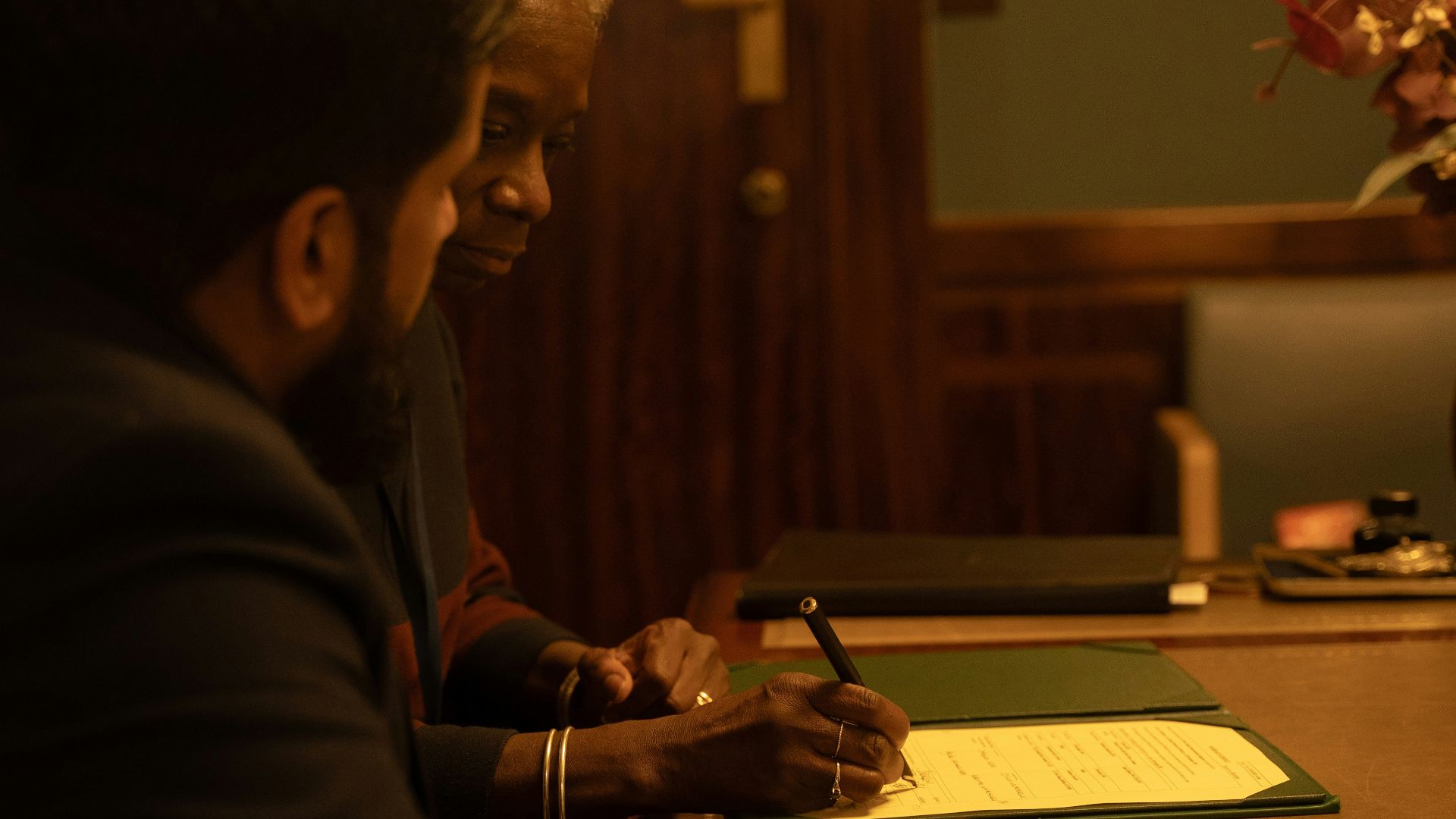
Undoing Isn't Automatic
So, can everything be undone? Potentially, but not simply because you found a handwritten will. First it must be legally valid, then it must still be possible to present it, and finally the court must address distributions already made. Move quickly, preserve everything and let the probate process determine the outcome.

You May Also Like: