Remember These Wrappers?
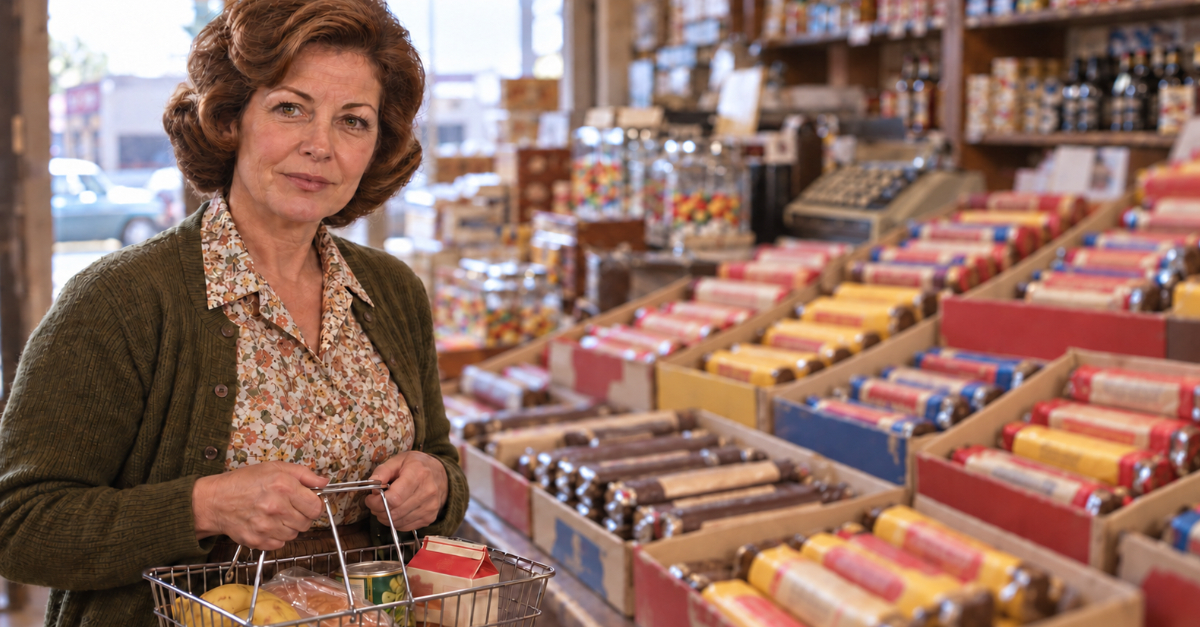
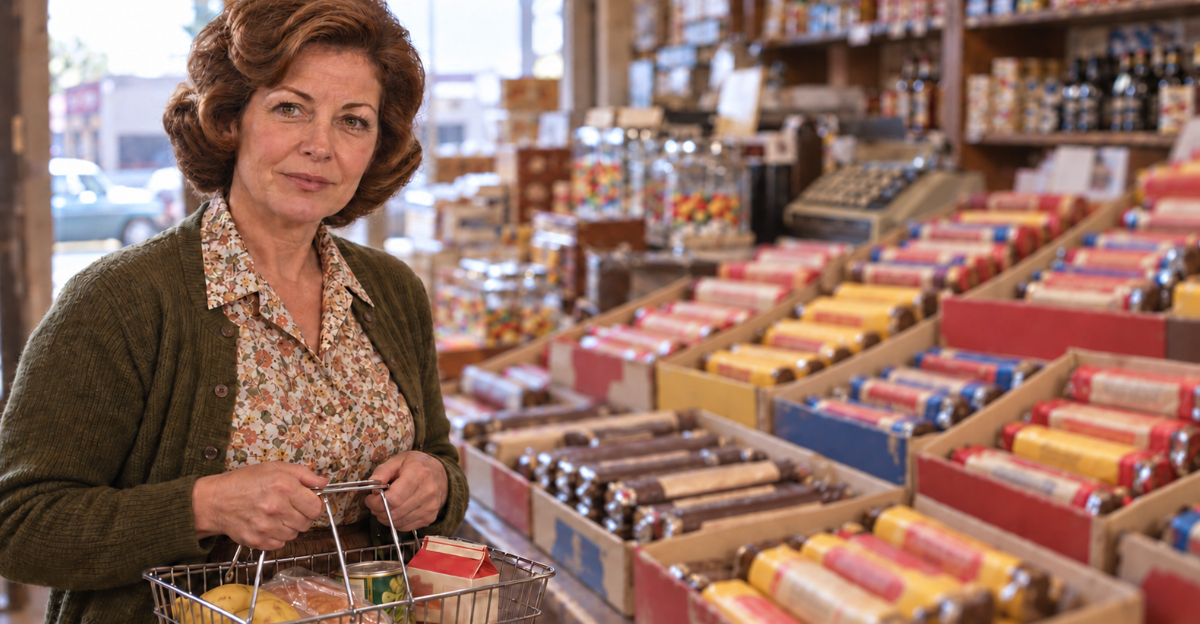
The candy aisle of the 60s and 70s had plenty of favorites that you won’t find at the checkout today. These bars disappeared, leaving behind old wrappers and some very loyal fans. How many did you try—and which one are you still waiting for someone to bring back?
Marathon
Mars introduced Marathon in 1973, giving kids eight inches of braided caramel covered in milk chocolate. The wrapper even had a ruler to prove it. But size wasn’t enough: The Christian Science Monitor reported that sales missed expectations, and Mars withdrew it in 1981. So much for endurance.
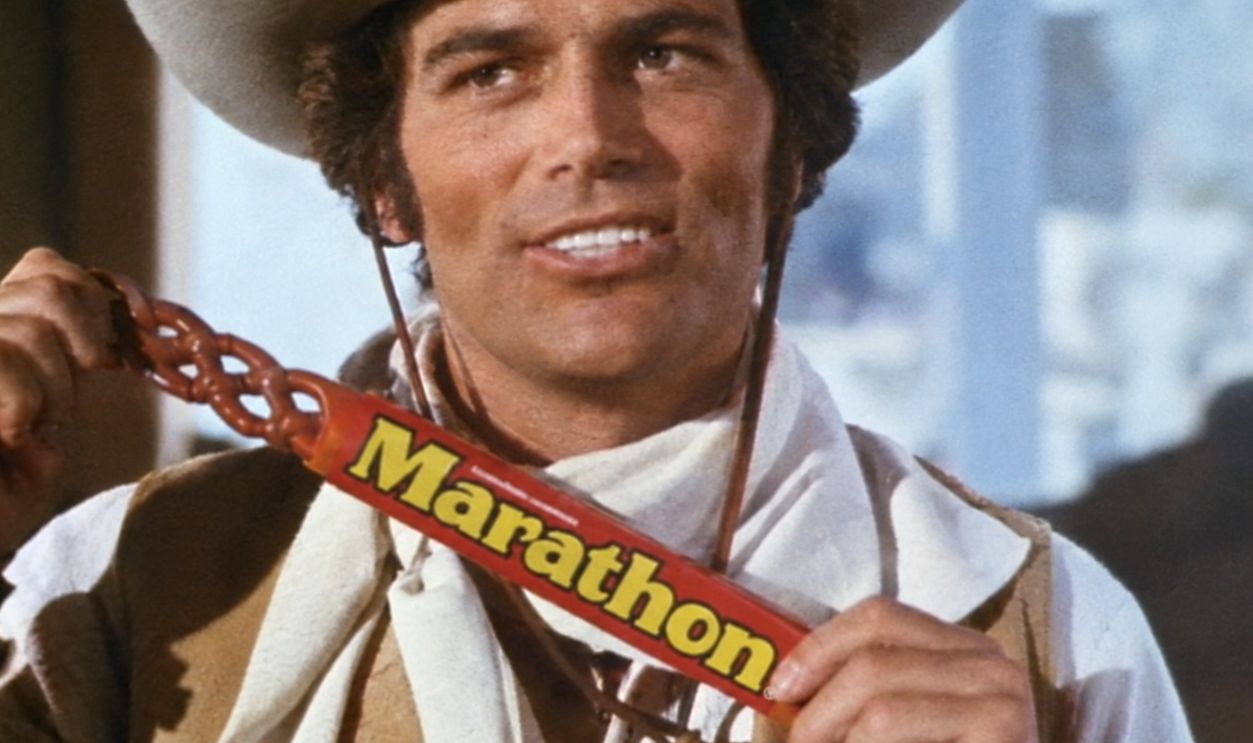 Screenshot from Marathon Candy Bar 'Quick Carl Versus Marathon John', Leo Burnett (1973), Enhanced
Seven Up
Seven Up offered seven filled chocolate sections, with flavors that changed over the years. Pearson’s acquired it when it bought Trudeau Candy in 1951, gaining both brands and manufacturing capacity. The bar disappeared in 1979, after Pearson’s underwent further ownership changes. Apparently, seven choices still weren’t enough.
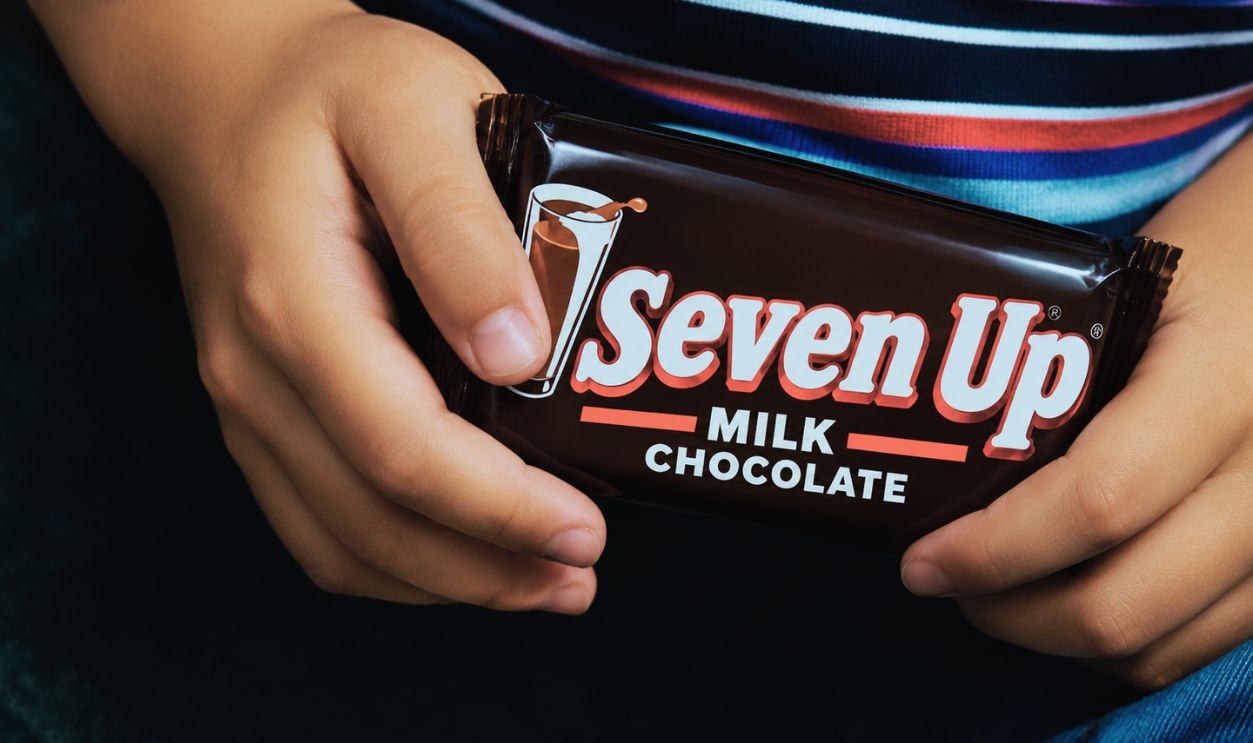 Screenshot from Seven Up Candy Bar Commercial, Pearson Candy Company (1979)
Choco’Lite
Nestlé introduced Choco’Lite in the early 70s, using airy milk chocolate and crispy bits to give shoppers something different from a plain chocolate bar. Texture was its selling point, and the name helped get that across. It eventually disappeared. Unfortunately, “Lite” never meant permission to eat three.
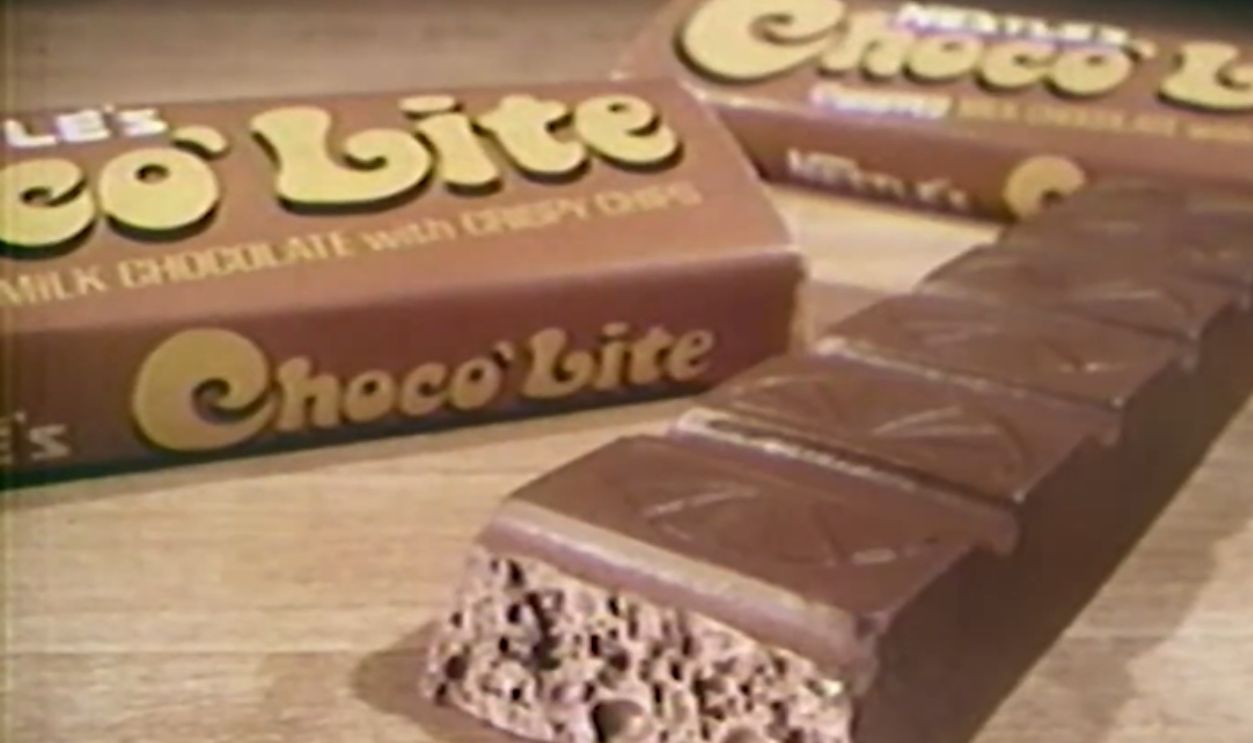 Screenshot from Choco'Lite by Nestlé - ‘A Mouthful of Chocolate’, Leo Burnett (1976)
Caravelle
Peter Paul introduced Caravelle in the mid-60s, combining caramel, crisp rice, Brazil nuts, and milk chocolate. It was voted best new candy in 1967. The company later joined Cadbury in 1978, then passed to Hershey in 1988. Mounds and Almond Joy endured; Caravelle eventually lost its shelf space.
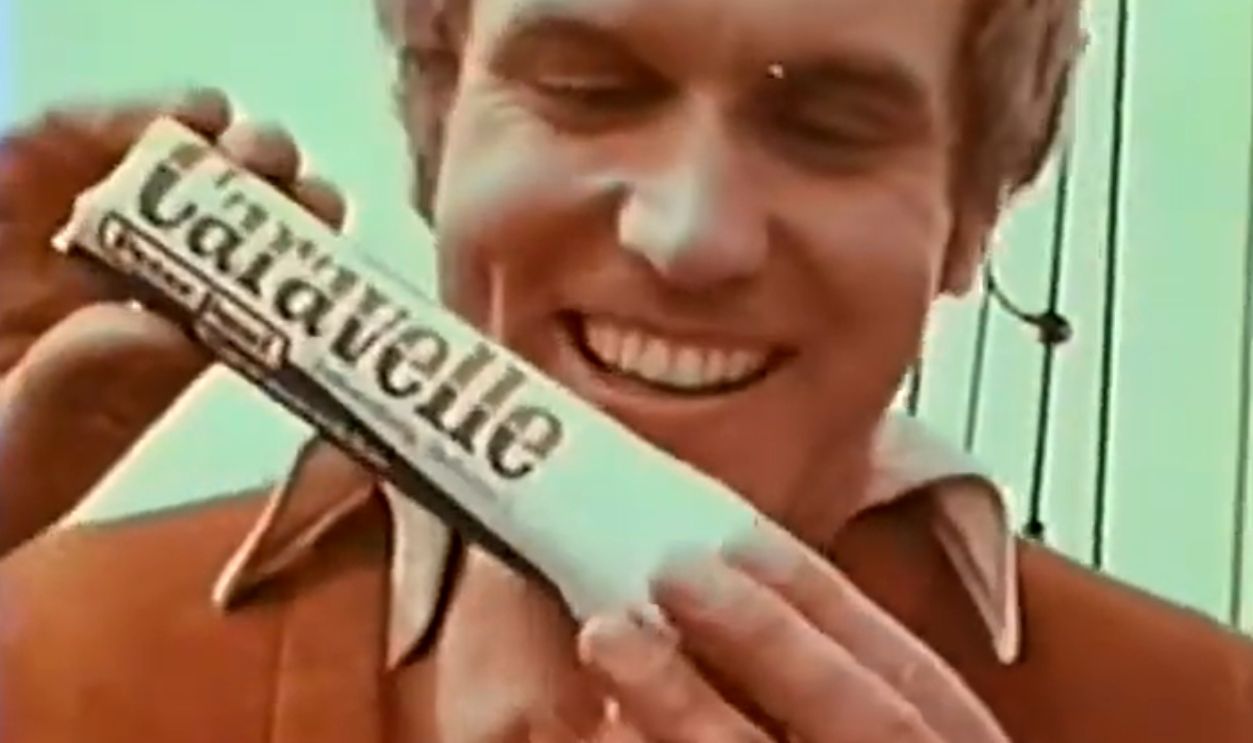 Screenshot from Caravelle Candy Bar 'Don't Even Look', Benton & Bowles (1974)
Big Time
Hollywood’s Big Time combined nougat, peanuts, and caramel, with some versions weighing an eighth of a pound. That’s two ounces, for anyone whose candy shopping didn’t involve fractions. Its generous size gave the company an obvious selling point, but Big Time eventually disappeared along with many Hollywood siblings.
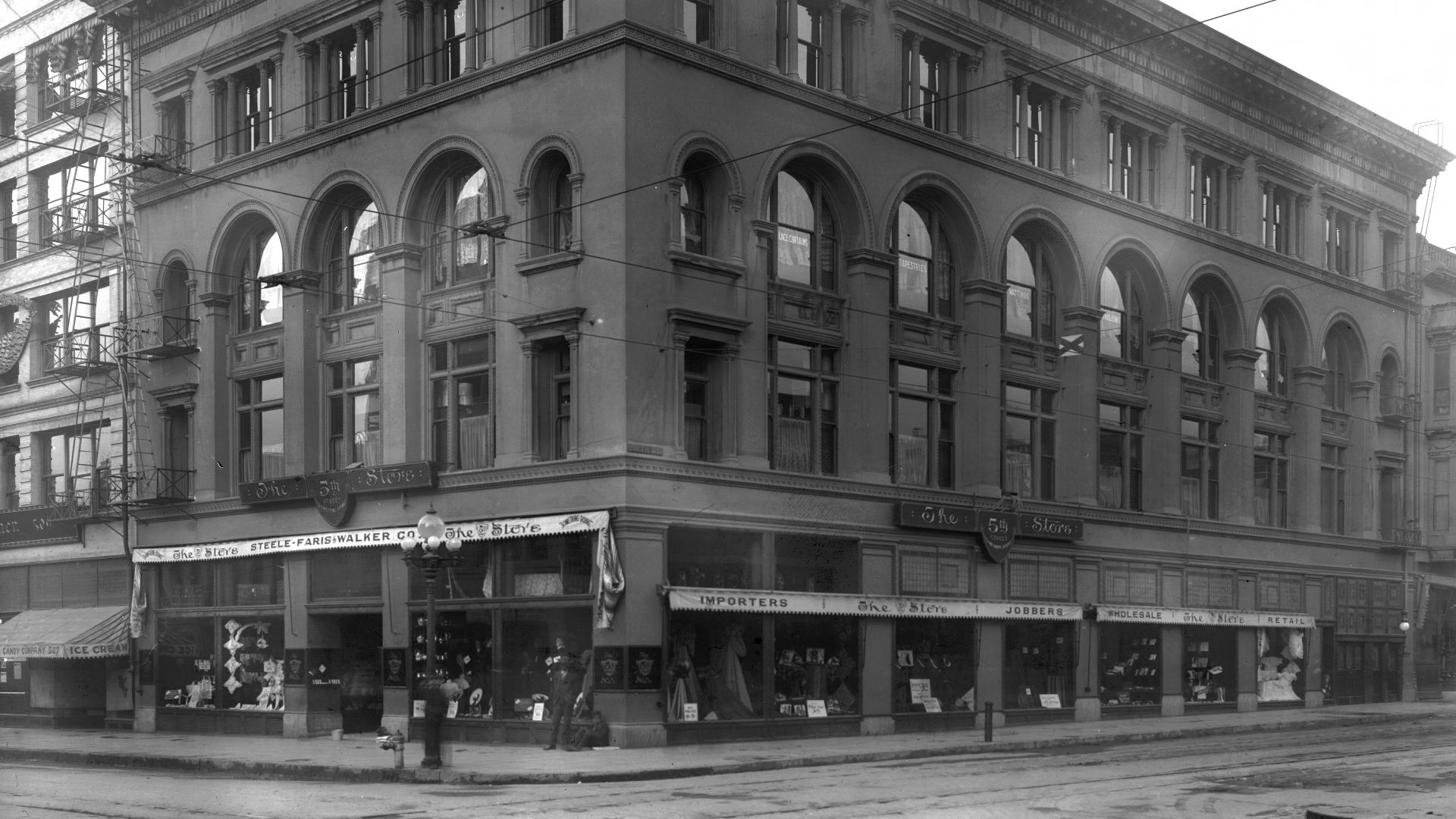 Unknown authorUnknown author, Wikimedia Commons
Milkshake
Hollywood’s Milkshake combined malted nougat, caramel, and milk chocolate. Hollywood’s brands went to Leaf in 1988; Hershey then bought Leaf’s North American candy operations for $440 million plus royalties in 1996. PayDay and Zero survived the ownership journey. Milkshake became one of the names fans were left remembering.
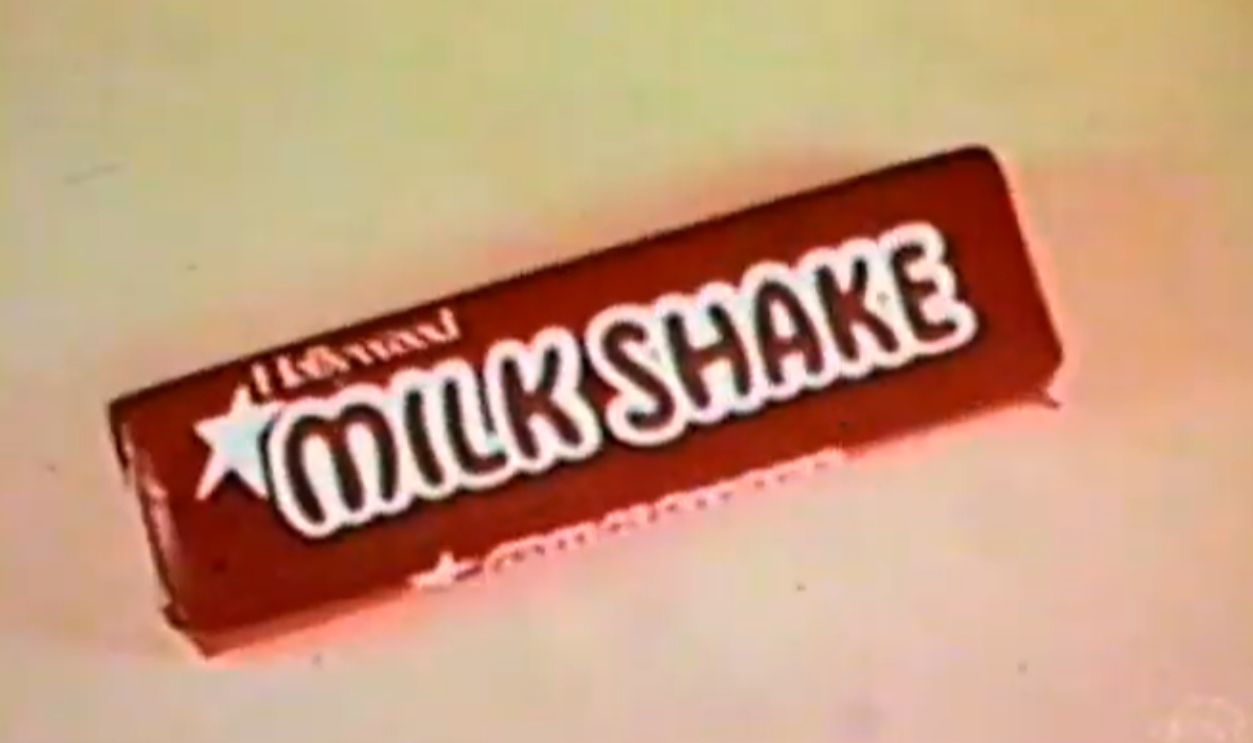 Screenshot from Hollywood Milkshake Candy Bar TV commercial, Hollywood Brands (1972)
No Jelly
Peter Paul introduced No Jelly in 1972, the same year it acquired York Peppermint Pattie. The company was expanding through both new products and purchases. This chocolate-covered peanut butter and crispies bar eventually disappeared. York endured. Apparently, naming your candy after a missing ingredient wasn’t the winning approach.
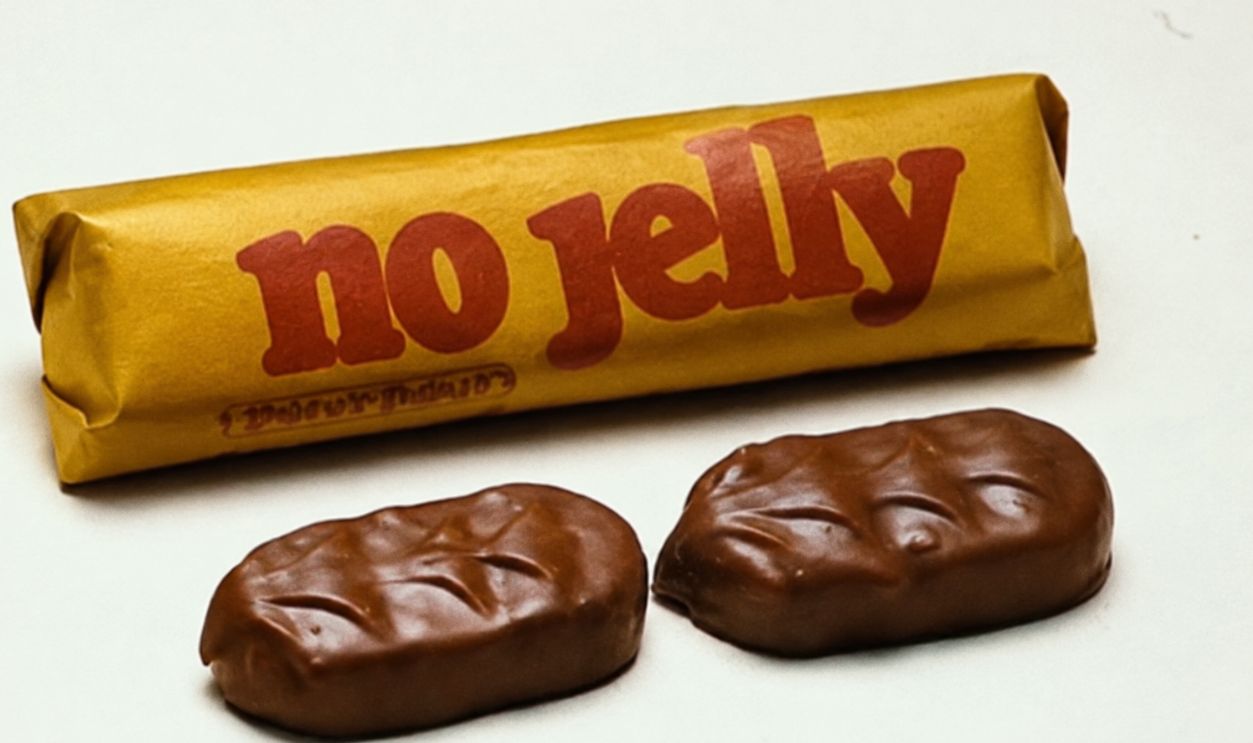 Screenshot from No Jelly Candy Bar 'Peanut Butter with No Jelly', Benton & Bowles (1972), Enhanced
PowerHouse
PowerHouse packed peanuts, caramel, and fudge under chocolate. Peter Paul expanded its lineup by acquiring the bar’s maker, Walter H. Johnson Candy Company, in the 60s. TIME reported a $3 million purchase. PowerHouse continued into the 70s before eventually disappearing. That muscular name couldn’t do all the heavy lifting.
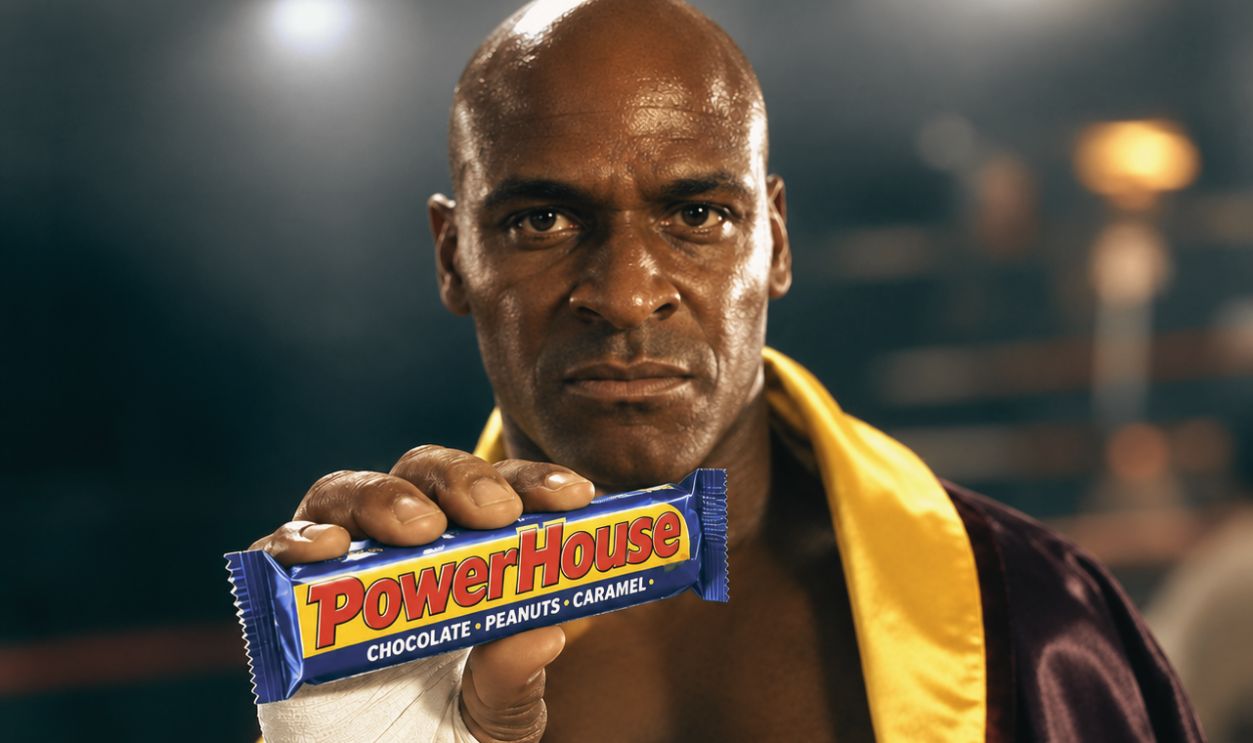 Screenshot from PowerHouse Candy Bar Commercial, Peter Paul Candy Manufacturing Company (1982)
Go Ahead
Nestlé’s late-70s Go Ahead combined peanut butter, chocolate, and crispy rice, but its marketing offered something extra: 19 essential vitamins and minerals. That gave shoppers a reassuring reason to choose it over another candy bar. It eventually vanished. Apparently, even adding vitamins couldn’t guarantee a healthy future.
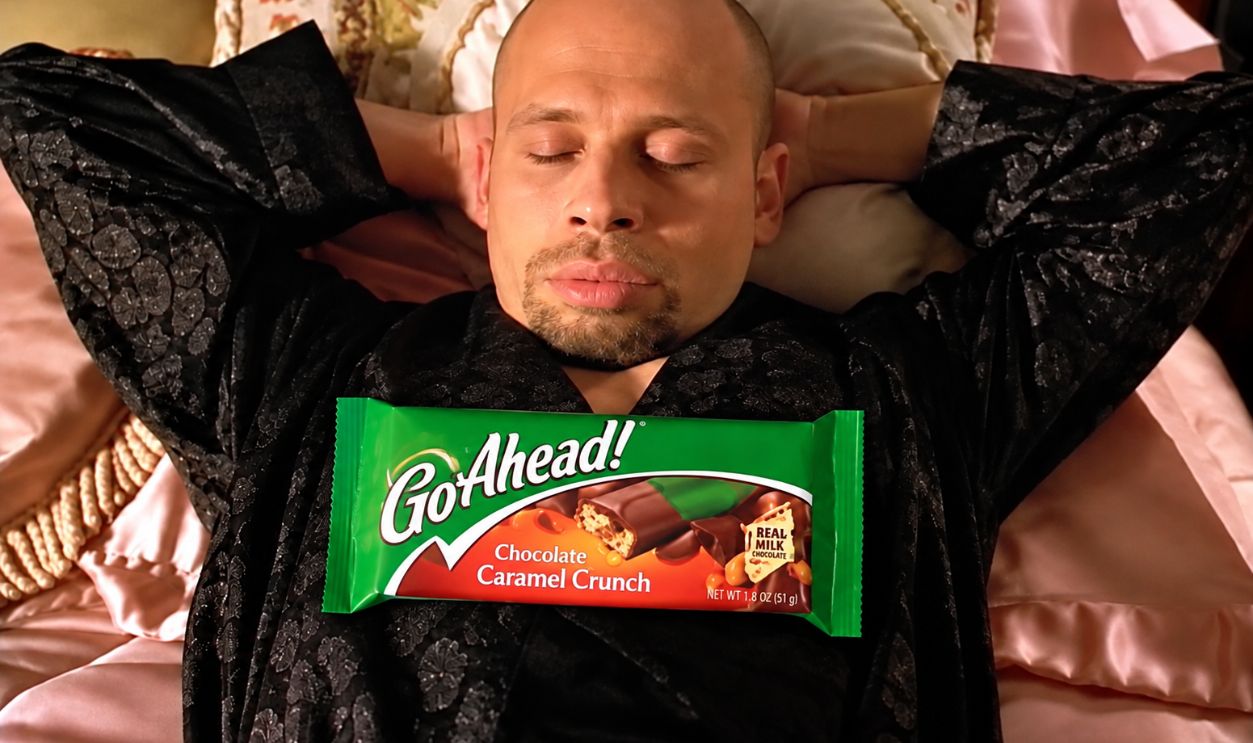 Screenshot from Go Ahead! Commercial, United Biscuits (2001)
Butter-Nut
Hollywood’s Butter-Nut combined caramel and peanuts under a chocolate coating. The company was sold to Consolidated Foods in 1967, but Butter-Nut stayed on shelves into the 70s. The bar eventually disappeared, leaving fans with old wrappers—and no way to satisfy that particular candy craving.
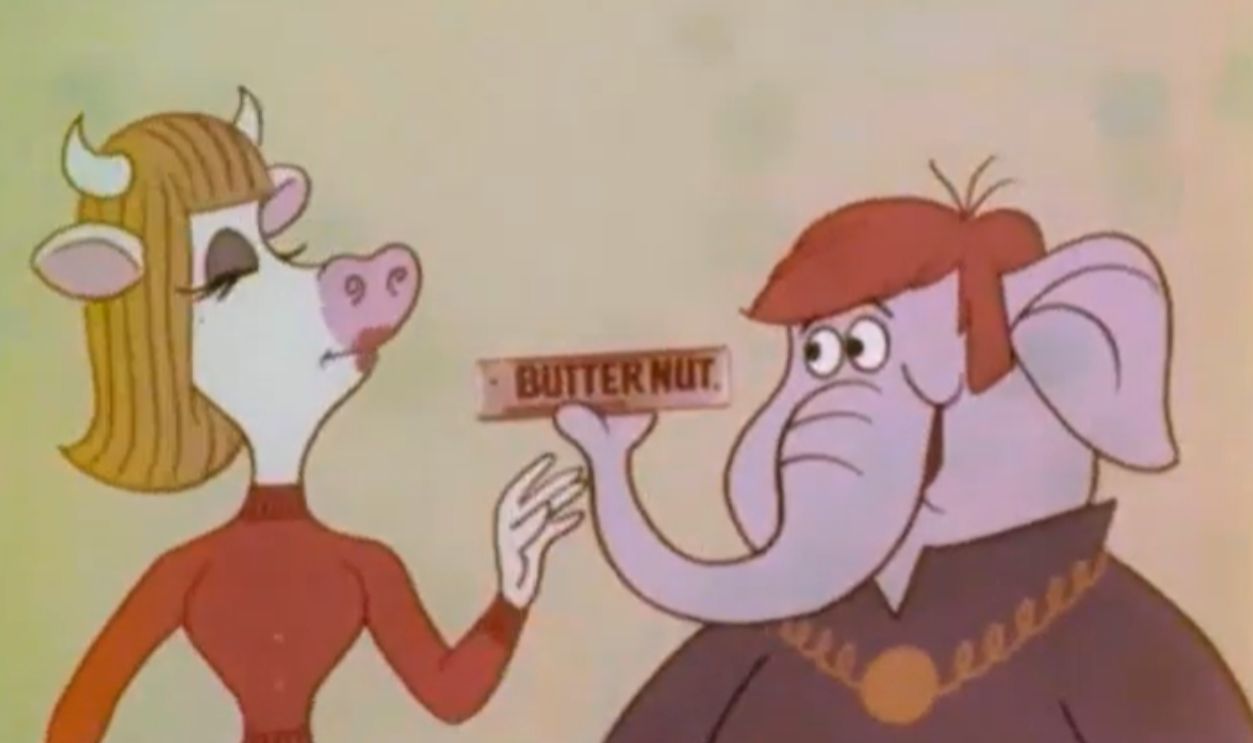 Screenshot from Hollywood’s Butter-Nut Candy Bar, Krupnick & Associates (1970)
Super Skrunch
Super Skrunch arrived in 1971 as part of Quaker Oats’ Wonka venture. The oatmeal company financed “Willy Wonka & the Chocolate Factory” and used its candy business to launch movie-linked treats. This peanut butter and crisp rice bar later changed names before disappearing. Even Hollywood magic had its limits.
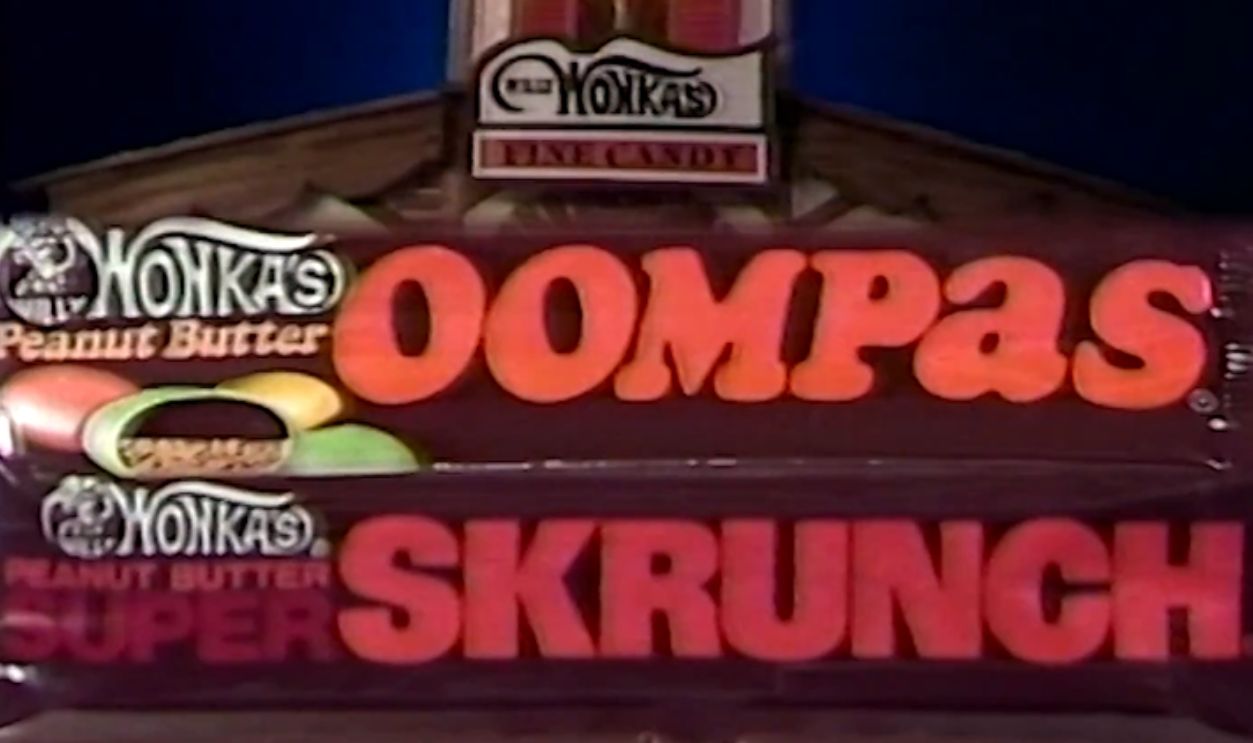 Screenshot from Oompas and Super Skrunch, Dancer Fitzgerald Sample (1979)
Hollywood
Hollywood Candy Company’s namesake bar covered caramel, nougat, and peanuts in dark chocolate. The Minnesota-rooted business went from family ownership to Consolidated Foods in 1967, part of a corporate journey that eventually led to Hershey. The Hollywood bar disappeared; PayDay and Zero became its much more recognizable survivors.
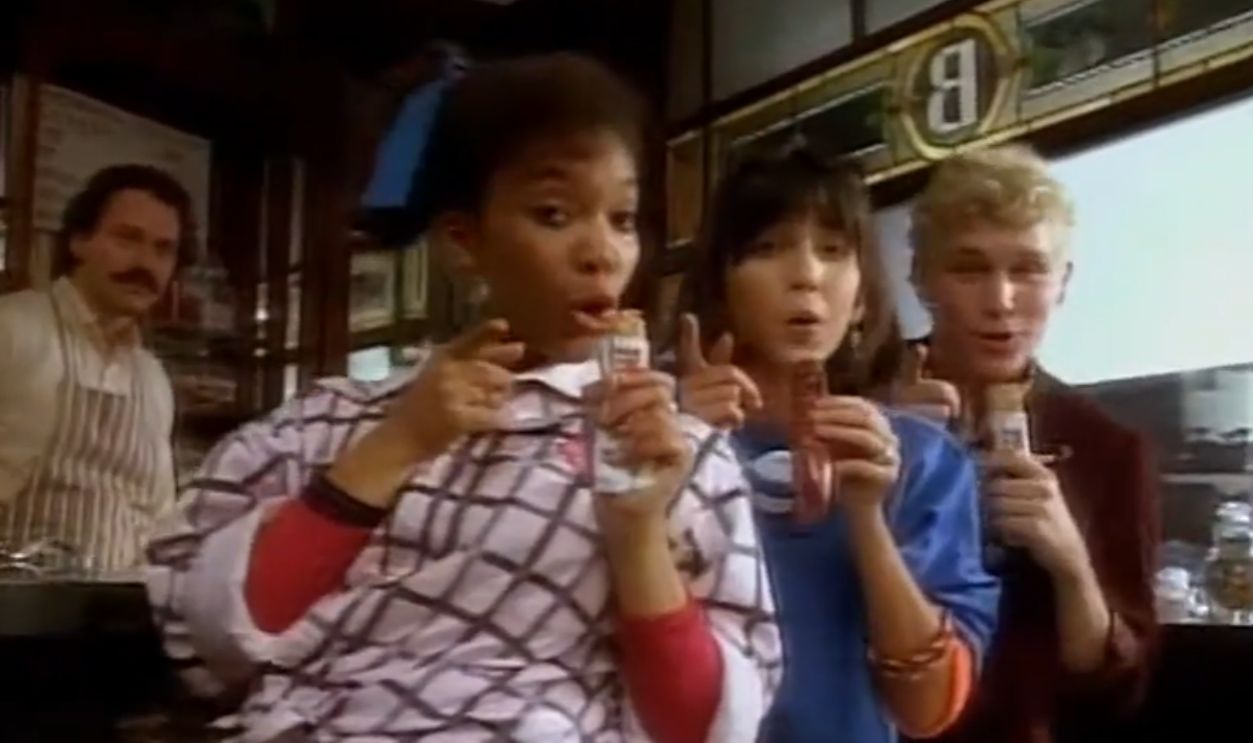 Screenshot from Pay Day Candy Bar Commercial, Hollywood Brands, Inc. (1984)
Snik Snak
Mars launched Snik Snak in 1973 to compete with Kit Kat, offering its own chocolate-covered wafer sticks. Even the name had a familiar two-beat ring. This was a major candy company challenging an established rival, but Snik Snak didn’t last. Kit Kat kept getting the breaks.
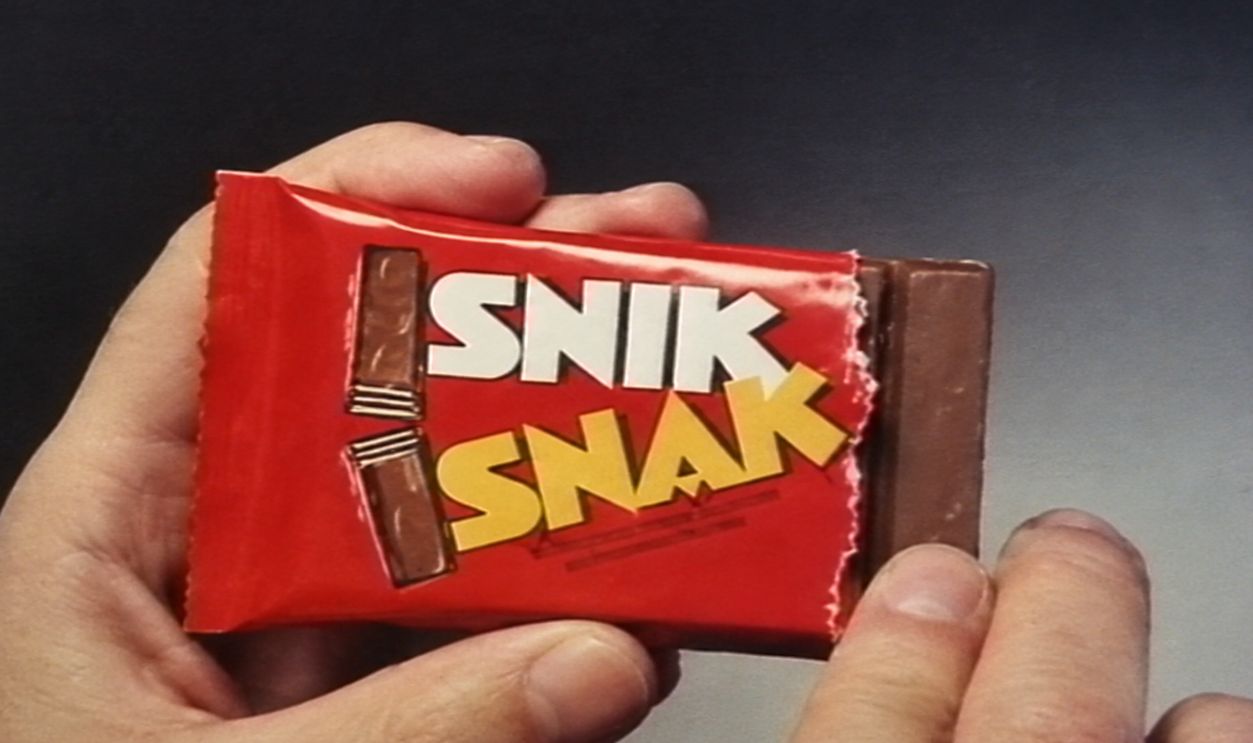 Screenshot from Snik Snak Commercial, Ted Bates & Co. (1975), Enhanced
Bit-O-Licorice
Ward introduced Bit-O-Licorice in 1969, extending the familiar Bit-O-Honey family into a different flavor. Trade ads promoted it alongside other Ward candies, but the spinoff didn’t survive. If you liked black licorice, this probably sounded wonderful. Everyone else could keep their money—and stick with the honey.
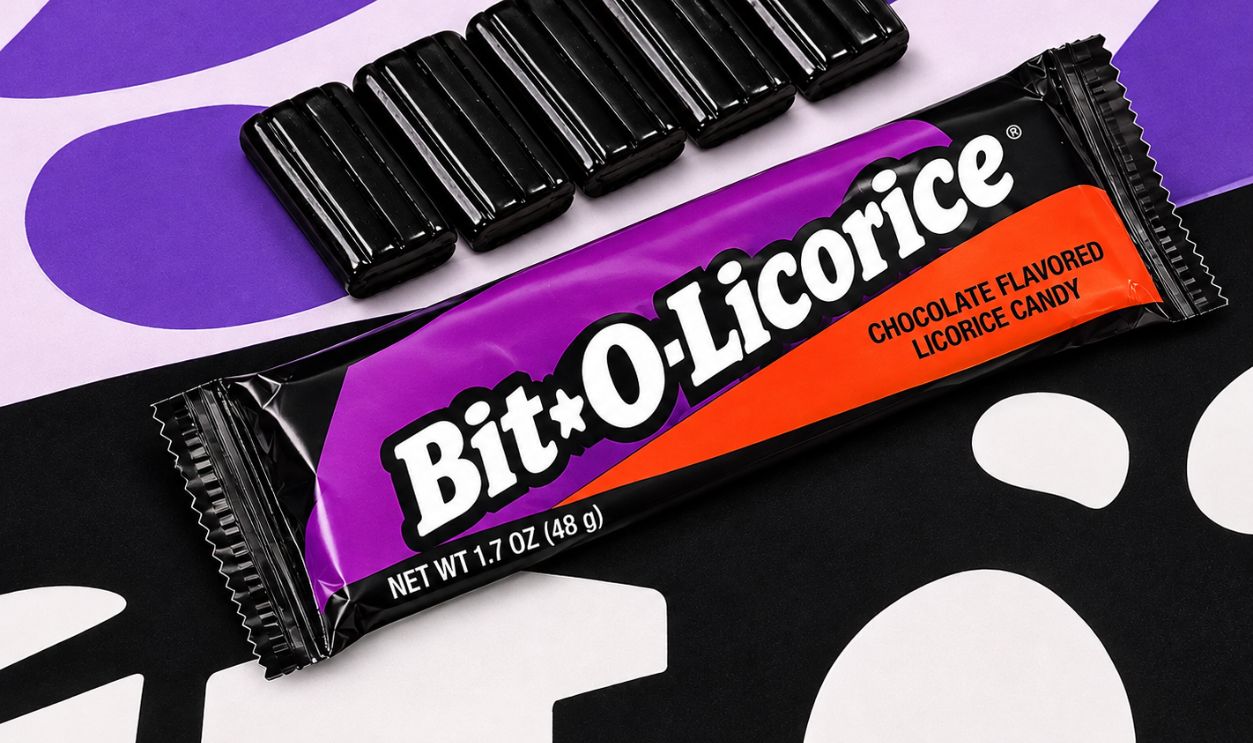 Screenshot from BIT O HONEY Candy Bar Commercial, Ward Candy Company (1967)
Summit
Mars was selling Summit by 1979, combining wafers, peanuts, and chocolate. Its wrappers called the product “cookie bars,” giving it a slightly different identity from the company’s conventional candy bars. Summit eventually disappeared. Whether shoppers considered it a cookie or candy, neither category guaranteed a permanent shelf spot.
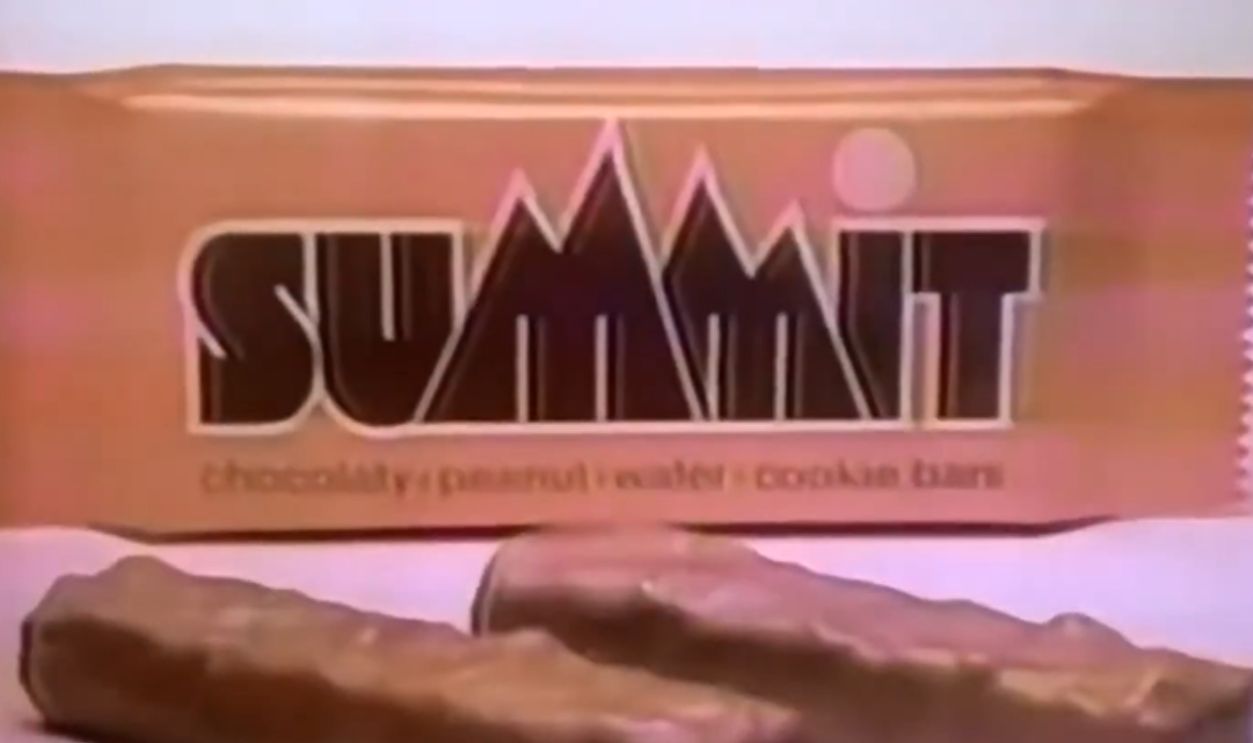 Screenshot from Mars Candy Company The Summit Candy Bar, Ted Bates & Co. (1979)
Old Nick
Schutter’s Old Nick combined fudge and nuts under chocolate, offering another option from the company behind Bit-O-Honey. Vintage wrappers document it during the Boomer years, but it eventually disappeared. Bit-O-Honey became the name people remembered. Old Nick sounds more like someone who still owes you five dollars.
Top Star
Hollywood’s Top Star had a name suggesting glamour, but its old wrappers made a practical pitch: an eighth of a pound for five cents. That’s two ounces of candy for a nickel. It eventually disappeared with many of Hollywood’s other bars. For something called Top Star, it’s become impressively obscure.
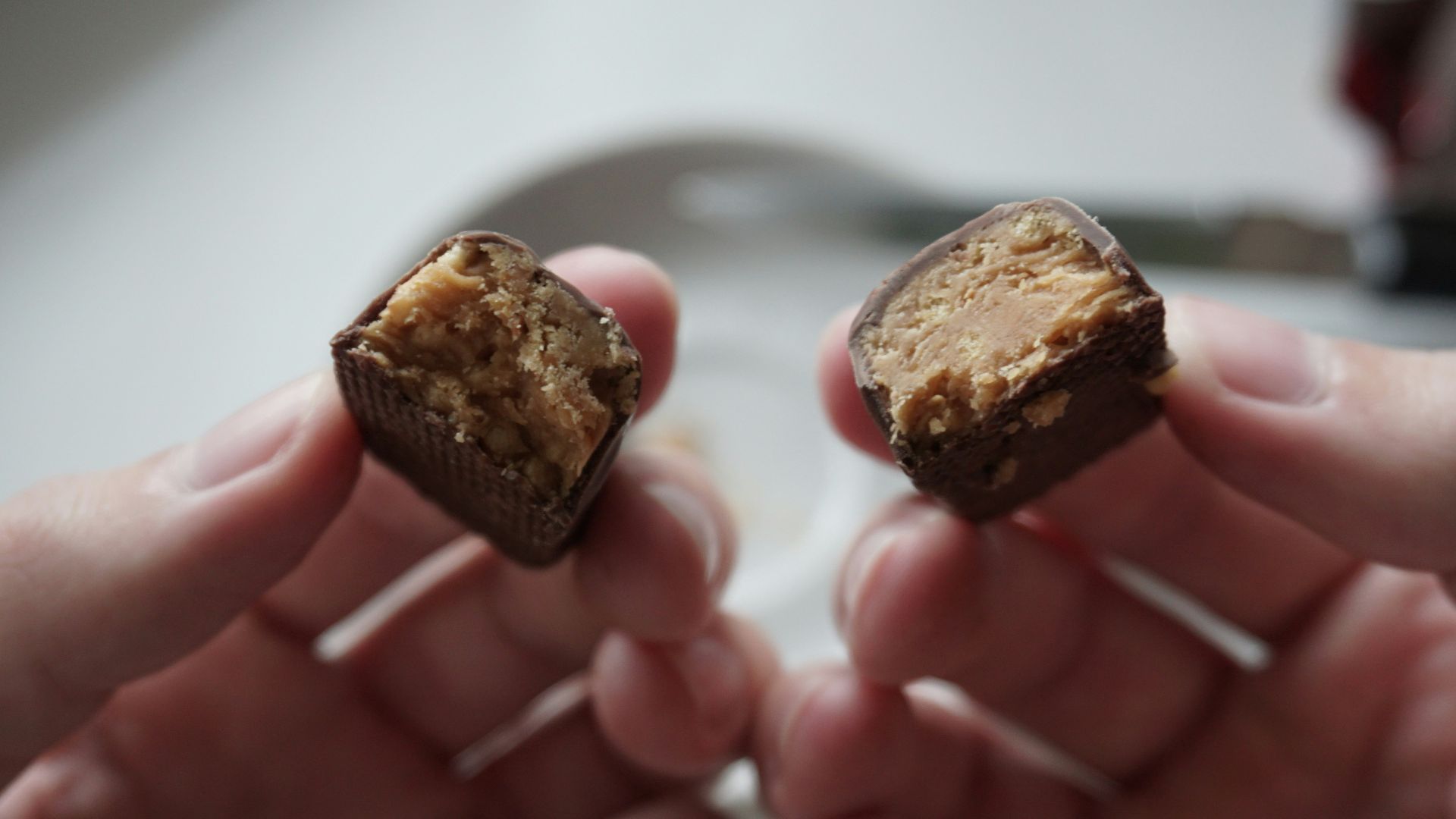
Bit-O-Coconut
Bit-O-Honey also had a coconut relative, sold as Bit-O-Coconut. This spinoff gave shoppers another choice during the early Boomer years, but it appears to have disappeared by the late 60s. The original survived. Expanding a familiar candy family didn’t mean every new flavor would become a lasting business.
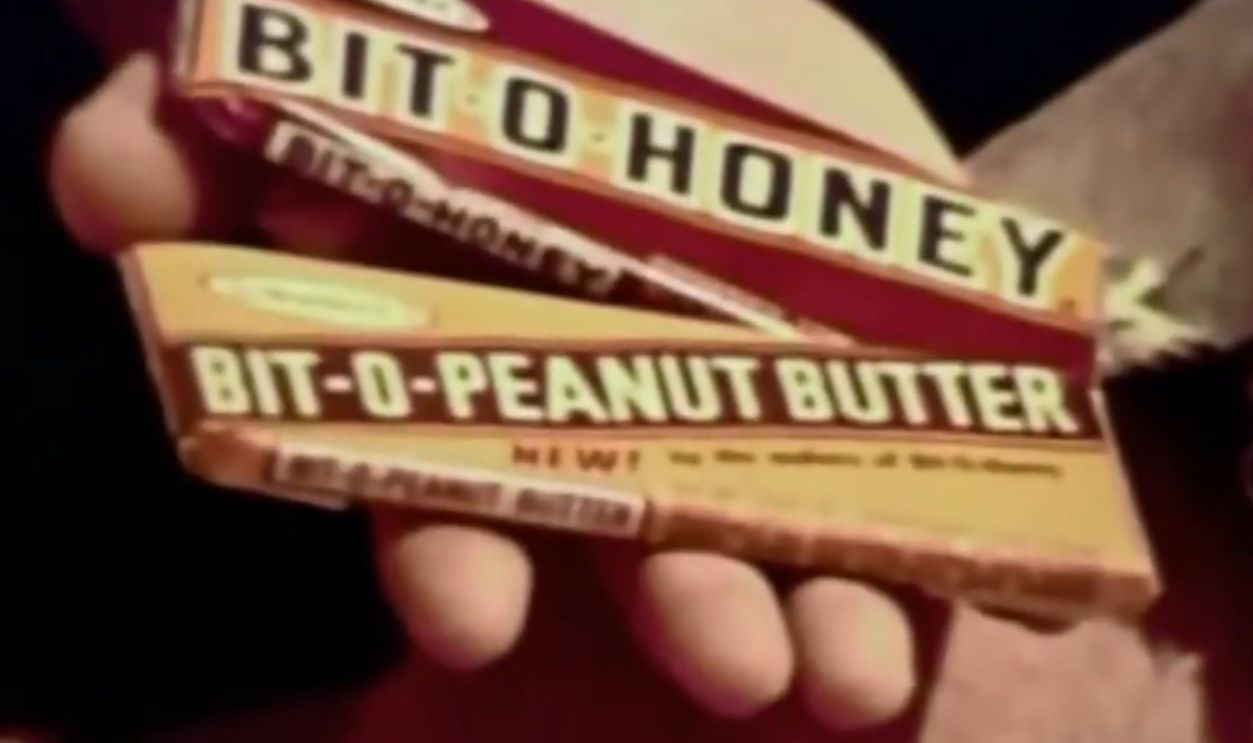 Screenshot from Bit-O-Honey Candy Bar Commercial, Ward Candy Company (1960s)
Chicken Dinner
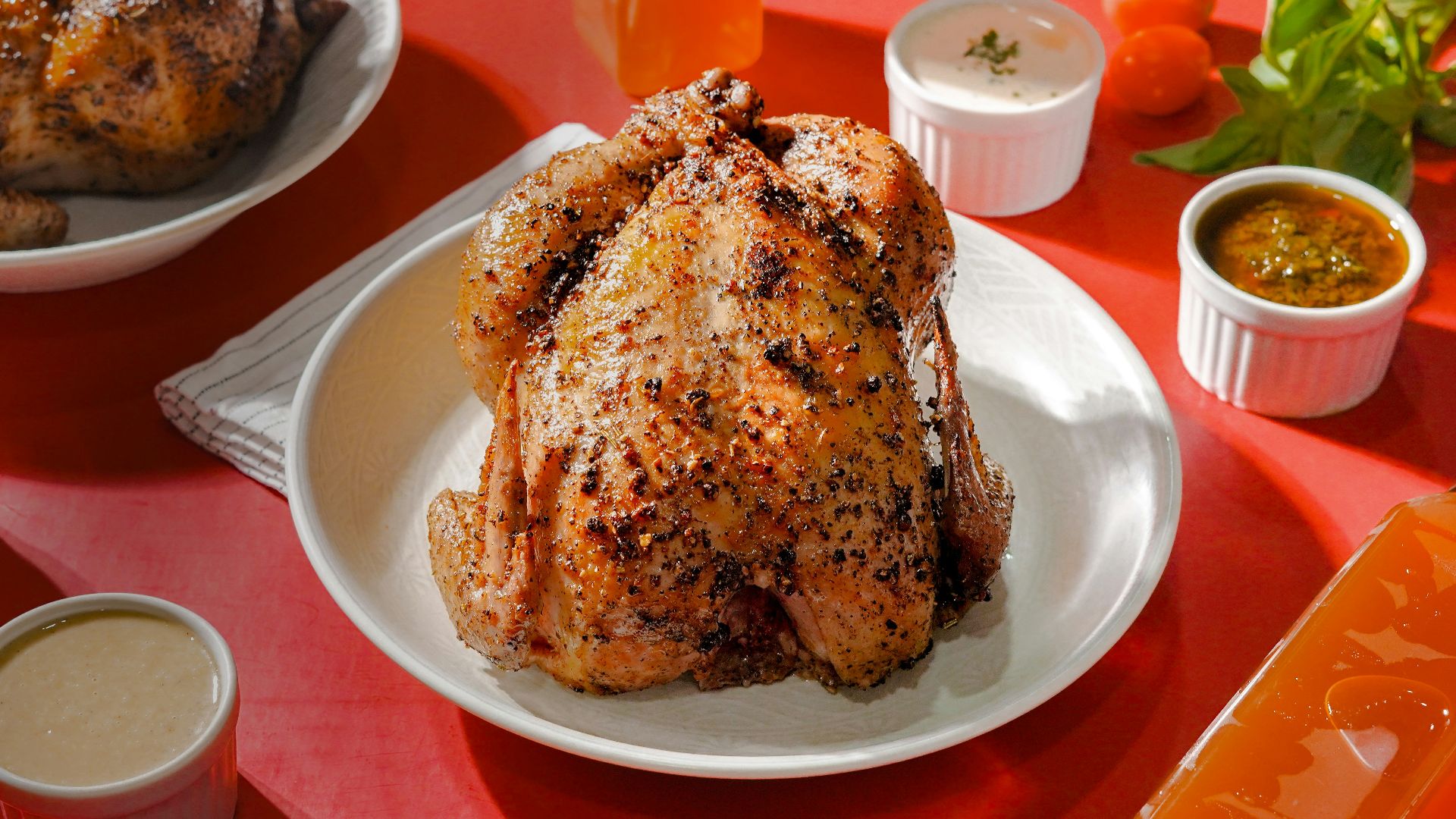
Sperry named Chicken Dinner to suggest quality and good food, even putting a roasted chicken on early wrappers. Inside was a chocolate-covered nut roll that older Boomers could buy in the 60s. Pearson’s bought Sperry in 1962, and the bar was subsequently discontinued. Dinner was officially canceled.
Which One Would You Bring Back?
These companies spent money developing, advertising, and sometimes buying the bars we remember. But we weren’t studying their business plans. We were spending our allowance. Which vanished bar would you bring back first—and which one would still be worth handing over your money for today?
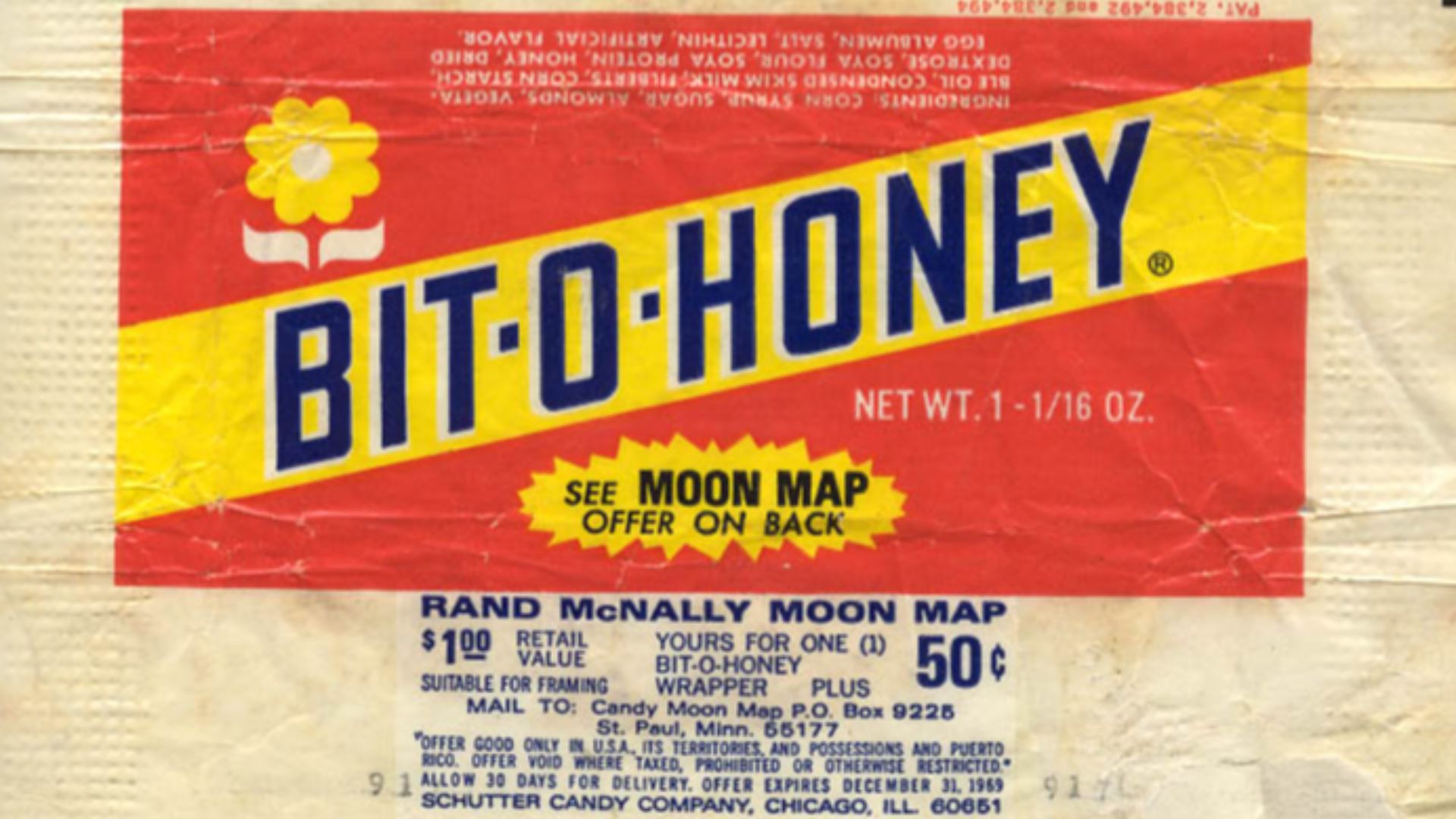 MorrisS (talk) (Uploads), Wikimedia Commons
You Might Also Like:
Restaurant Chains From The 1960s That Were Once Big Business—How Many Did You Eat At?