
A Home Sale Has Turned Into A Nightmare
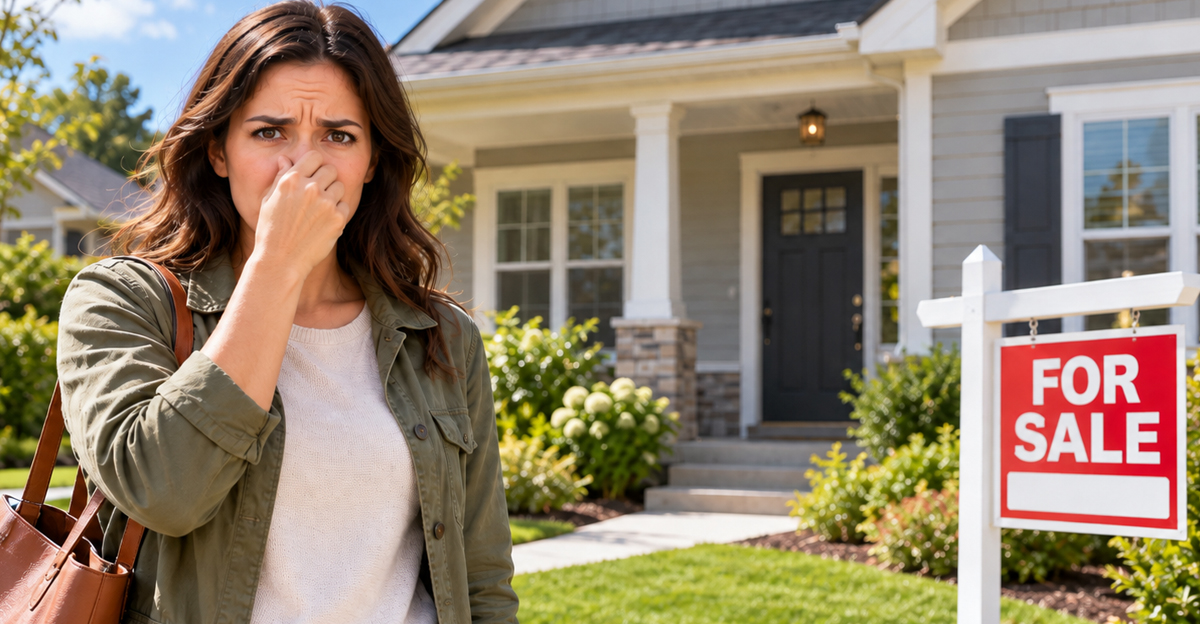
My parents recently sold their longtime family home to buyers who purchased the property without ever setting foot inside. Everything seemed fine until the buyers discovered that my father had smoked cigarettes indoors for years, and now they're claiming the house is uninhabitable. They're demanding that my parents pay for extensive cleaning and repairs, but are my parents actually responsible for a problem the buyers never bothered to investigate?
The Buyers Knew They Were Taking A Chance
Purchasing a house sight unseen can be convenient, especially when buyers are relocating or competing in a fast-moving housing market. However, buying without visiting the property means missing things that photographs and virtual tours cannot communicate, including unpleasant odors. The Consumer Financial Protection Bureau strongly recommends an independent home inspection because overlooking property problems can become an expensive mistake.

But There's A Catch
Buying a home without seeing it doesn't automatically mean the purchasers surrender every legal protection. Real estate laws in many states require sellers to disclose certain known problems, even when buyers decline an inspection. Whether my parents could be held responsible depends on where the property is located, what they disclosed, and precisely what the purchase agreement says.

Cigarette Smoke Isn't Just An Unpleasant Smell
Anyone who has entered a longtime smoker's home knows that cigarette odors can linger long after the last cigarette is extinguished. According to the Environmental Protection Agency, tobacco chemicals can accumulate on walls, floors, furniture, carpets, and other household surfaces. This contamination is commonly called thirdhand smoke, and it can remain inside a property even after its previous occupants have moved out.
The Damage Can Go Deeper Than Expected
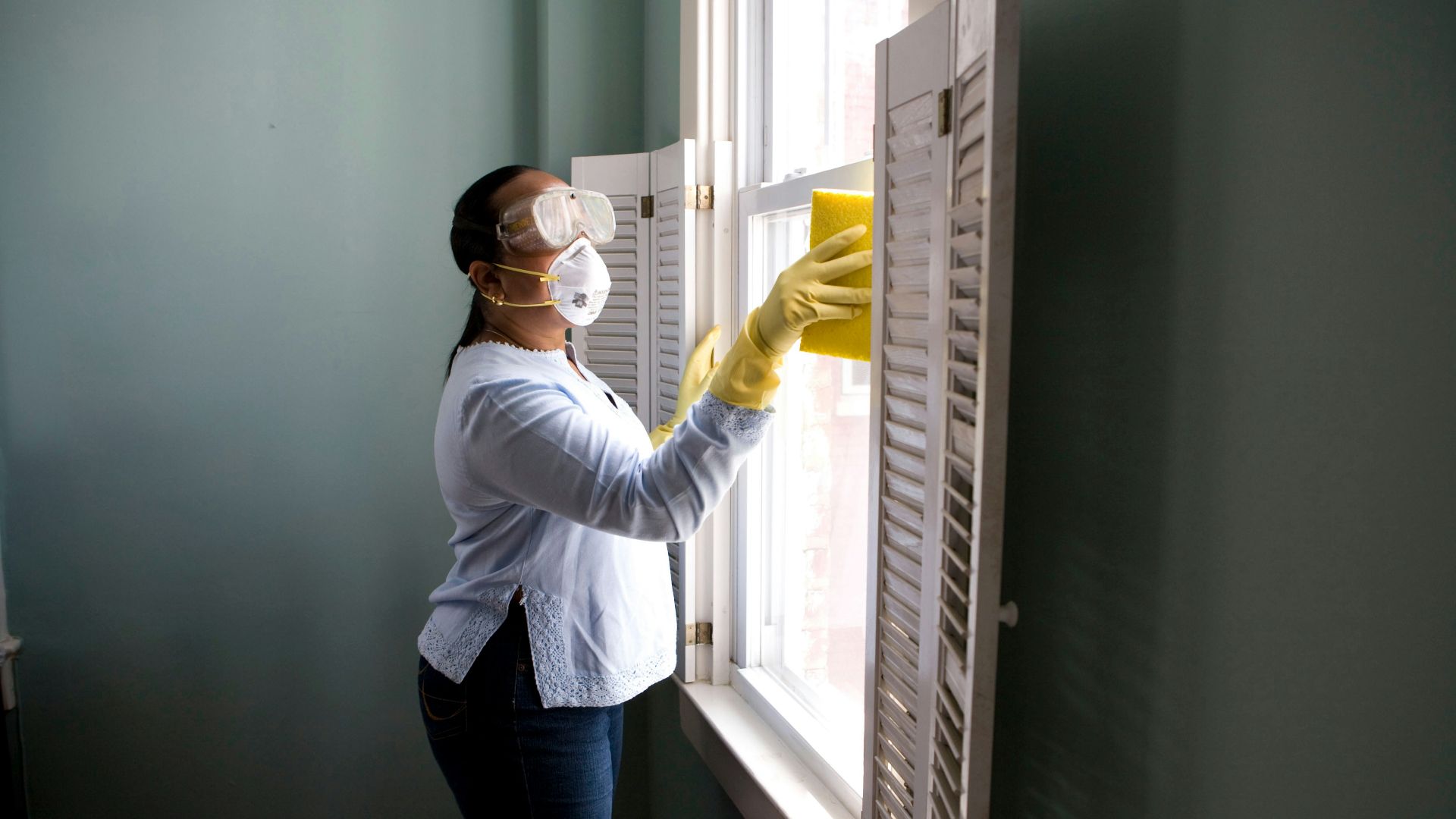
Years of indoor smoking can leave residue embedded in carpets, upholstery, and other materials that ordinary household cleaning may not adequately address. The EPA explains that accumulated chemicals can sometimes be released from contaminated surfaces back into indoor air. Consequently, removing the smell and reducing chemical exposure may require more effort than simply opening windows or spraying air freshener.

Cleaning Up Could Get Expensive
According to Realtor.com, eliminating persistent cigarette odors may require cleaning walls, treating surfaces, replacing carpeting, and addressing components of the home's heating and cooling system. In severe cases, homeowners may need professional restoration services rather than relying entirely on ordinary cleaning supplies. Before agreeing to pay for anything, my parents should request an itemized estimate identifying the specific problems and proposed remedies.
But Is The House Really Uninhabitable?
The buyers are making a serious allegation by describing the property as uninhabitable rather than simply unpleasant. Although tobacco contamination is a legitimate environmental concern, the existence of a cigarette odor does not automatically establish that a particular home is legally unfit for occupation. That distinction matters because the buyers would need evidence supporting their claims under the applicable legal standards.
The Health Concerns Are Real
The Centers for Disease Control and Prevention warns that there is no safe level of exposure to secondhand smoke. The EPA also recognizes that chemicals remaining after smoking can create thirdhand exposure through contact with contaminated surfaces or substances released into the air. However, those public health findings do not, by themselves, prove that a particular previously smoked-in house is uninhabitable.
The First Legal Question Is Disclosure
The National Association of Realtors explains that sellers generally must disclose certain material defects that could negatively affect a property's value. Disclosure obligations vary significantly between states, and the precise information required depends on local law. My parents' first task should be reviewing the disclosure forms they completed before accepting the buyers' offer.

Smoking Isn't Treated The Same Everywhere
In some jurisdictions, a property's smoking history has traditionally been treated differently from serious structural defects or concealed hazards. The central question is often whether the seller was legally required to disclose the condition, rather than whether a buyer finds it objectionable. Importantly, one state has recently introduced an explicit requirement concerning tobacco smoke that could completely change the outcome.

California Has Changed The Rules
Effective January 1, 2026, California Civil Code Section 1102.6k requires sellers of covered single-family residential properties to disclose known smoking history or tobacco and nicotine residue in writing. The law includes smoking or vaping nicotine products and identifies odors or elevated nicotine levels as potential indications of residue. If my parents sold a covered California property after this requirement became effective, their failure to disclose my father's smoking history could be a significant legal problem.
Other States Have Different Requirements
Outside California, there is no single nationwide rule requiring every home seller to disclose that someone previously smoked indoors. State disclosure laws may instead focus on particular defects, environmental hazards, or conditions that materially affect a property's condition or value. My parents should therefore avoid relying on generalized online advice claiming that cigarette smoking either must always be disclosed or never needs mentioning.

What If The Buyers Specifically Asked?
There is an important difference between failing to volunteer information that the law does not require and providing a false answer to a direct question. Legal principles concerning fraudulent misrepresentation and concealment can expose sellers to liability when they knowingly mislead purchasers about material property conditions. If the buyers asked whether anyone smoked indoors and my parents falsely denied it, their position could be considerably weaker.

Could The Buyers Have Discovered The Problem?
The legal concept of a patent defect concerns a problem that a reasonably careful inspection could reveal. A noticeable cigarette odor may fall into that category, depending on the circumstances, making the buyers' decision not to visit the property potentially relevant. By contrast, a latent defect is one that ordinary observation or a customary inspection would not reveal.

The Difference Between Hidden And Obvious Damage
Cornell Law School's Legal Information Institute explains that buyers generally bear responsibility for discovering defects they could identify through reasonable examination, subject to exceptions. However, sellers may still face liability for concealing defects that ordinary inspections would not uncover when disclosure is legally required. This means an obvious tobacco smell and an undisclosed, serious contamination problem could receive different legal treatment.
 Rodrigo Rodrigues | WOLF ART, Unsplash
What Does "As Is" Actually Mean?
Many home purchase agreements contain provisions stating that the buyer accepts the property in its existing condition. Under these arrangements, sellers generally are not promising to fix every preexisting problem, but an "as is" clause does not necessarily eliminate legally required disclosures. Justia's legal guidance specifically warns that sellers can still have disclosure obligations even when a property is sold under these terms.

An Inspection Waiver Could Matter
The National Association of Realtors confirms that homebuyers sometimes waive inspection contingencies to strengthen their offers. Without that contractual protection, buyers may have fewer opportunities to withdraw from a purchase because they dislike the property's condition. However, waiving an inspection does not automatically excuse a seller's fraud or violation of applicable disclosure laws.

The Paperwork Could Settle Everything
My parents should locate the signed purchase agreement, seller disclosure statement, property listing, and any written communications exchanged during the sale. These documents can establish what representations were made, what protections the buyers negotiated, and whether any disclosures were omitted. A real estate attorney can compare that paperwork against the laws governing the property's location before my parents respond to a demand for compensation.

The Timing Of The Complaint Matters
There's another major question my parents need to answer: Have the buyers already closed on the property, or are they threatening to abandon the transaction? Before closing, a buyer's options can depend heavily on contractual contingencies, disclosure requirements, and whether the seller has breached the agreement. After closing, the dispute generally becomes a question of whether the buyers have a valid contractual or legal claim against the former owners.

Before Closing, Buyers Have Options
The Consumer Financial Protection Bureau explains that a satisfactory-inspection contingency can permit buyers to cancel a purchase without penalty if they are unhappy with the inspection findings. Buyers can also negotiate repairs or financial concessions when problems emerge before closing, although sellers may not be obligated to agree. If these purchasers waived their inspection contingency, they may have fewer contractual options than buyers who preserved it.

After Closing, It's A Different Story
Once a real estate transaction closes, ownership of the property transfers to the buyer through the deed. Former owners generally do not remain responsible for every flaw discovered afterward, although valid claims involving nondisclosure, misrepresentation, or contractual promises can survive closing. My parents should therefore resist treating the buyers' complaint as an automatic obligation to finance renovations.

A Cigarette Smoke Dispute Actually Went To Court
A remarkably similar dispute reached an Ontario court in Deakin v. Chu, decided in November 2025. Buyers refused to complete a home purchase, alleging that the property was heavily saturated with cigarette smoke that had not been disclosed. The court found insufficient evidence supporting their position and rejected the argument that the seller had an affirmative duty to disclose smoke under those circumstances.

The Seller Won A Significant Judgment
In Deakin v. Chu, the buyers had agreed to purchase the house for $993,000 but refused to close, and the property subsequently sold for $740,000. The Ontario Superior Court awarded the seller $280,612.08 in damages, plus prejudgment interest, following the failed transaction. This is a Canadian decision rather than binding authority in an American state, but it illustrates how costly a poorly supported refusal to complete a property purchase can become.

Evidence Matters More Than Accusations
In the Ontario case, the court emphasized the lack of reliable evidence establishing the alleged smoking problem or an objectively reasonable danger. My parents should similarly ask the buyers to provide documentation supporting their assertion that the property cannot be occupied safely. Photographs, professional assessments, contamination test results, and detailed remediation estimates could help distinguish genuine damage from an unsupported demand.

Don't Agree To Pay For Everything
Even when buyers identify a genuine problem, that does not automatically establish that the sellers must pay for every requested improvement. A buyer might prefer replacing all carpets and repainting every room, but a preference for extensive renovations is not necessarily the same as a legally recoverable loss. My parents should have an attorney evaluate both the basis for liability and the claimed repair costs before discussing any financial settlement.

A Compromise Might Still Make Sense
A legal dispute can consume money and attention even when one side believes its position is strong. If the buyers produce credible documentation and the relevant state law creates some uncertainty, a negotiated contribution toward reasonable remediation may be worth considering. Any settlement should be prepared or reviewed by counsel and should clearly specify the payment, the parties' obligations, and the release of covered claims.

What My Parents Should Do Right Now
The safest immediate response is to preserve all sale-related documents and avoid making promises or admitting legal responsibility. My parents should ask the buyers to explain their claim in writing, identify the allegedly undisclosed condition, and supply supporting evidence and estimates. They should then consult a local real estate attorney, particularly if the purchasers are threatening litigation or the transaction has not yet closed.
 Dmytro Zinkevych, Shutterstock
The Bottom Line: Who's Responsible?
If my parents sold the house lawfully, made all required disclosures, answered questions truthfully, and gave no additional promises about its condition, the buyers may have to pay for the cigarette-smoke remediation themselves. However, if my parents concealed a legally disclosable condition, made false statements, or violated a state-specific requirement such as California's 2026 smoking disclosure law, they could face liability despite the sight-unseen purchase. The strongest answer is that buying sight unseen increases the buyers' risk, but it does not give sellers permission to mislead them or disregard disclosure laws.

You May Also Like: