Aisle Be Seeing You
Grocery stores today all feel strangely familiar: the same produce section, the same self-checkouts and the same quick milk run that somehow costs $87.
In the 70s, America was packed with national and regional chains that were huge in their day. Today, remembering five of them may be harder than finding someone willing to open another checkout lane.
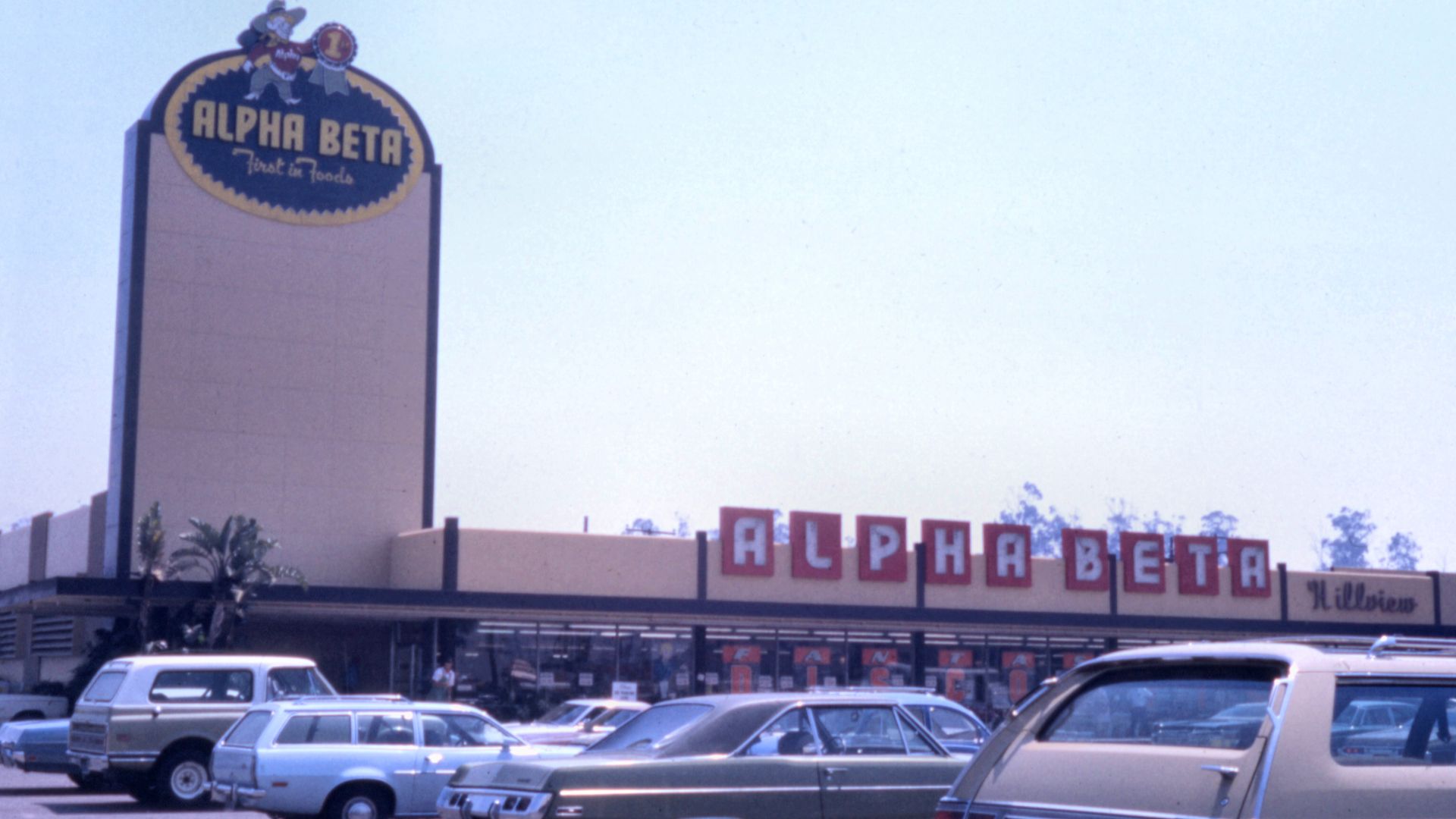
Alpha Beta
If you grew up in California or the Southwest, Alpha Beta probably felt as normal as breathing. The chain was a major presence throughout the 70s, and its name had that wonderfully strange supermarket quality that made perfect sense at the time and considerably less now.
Pantry Pride
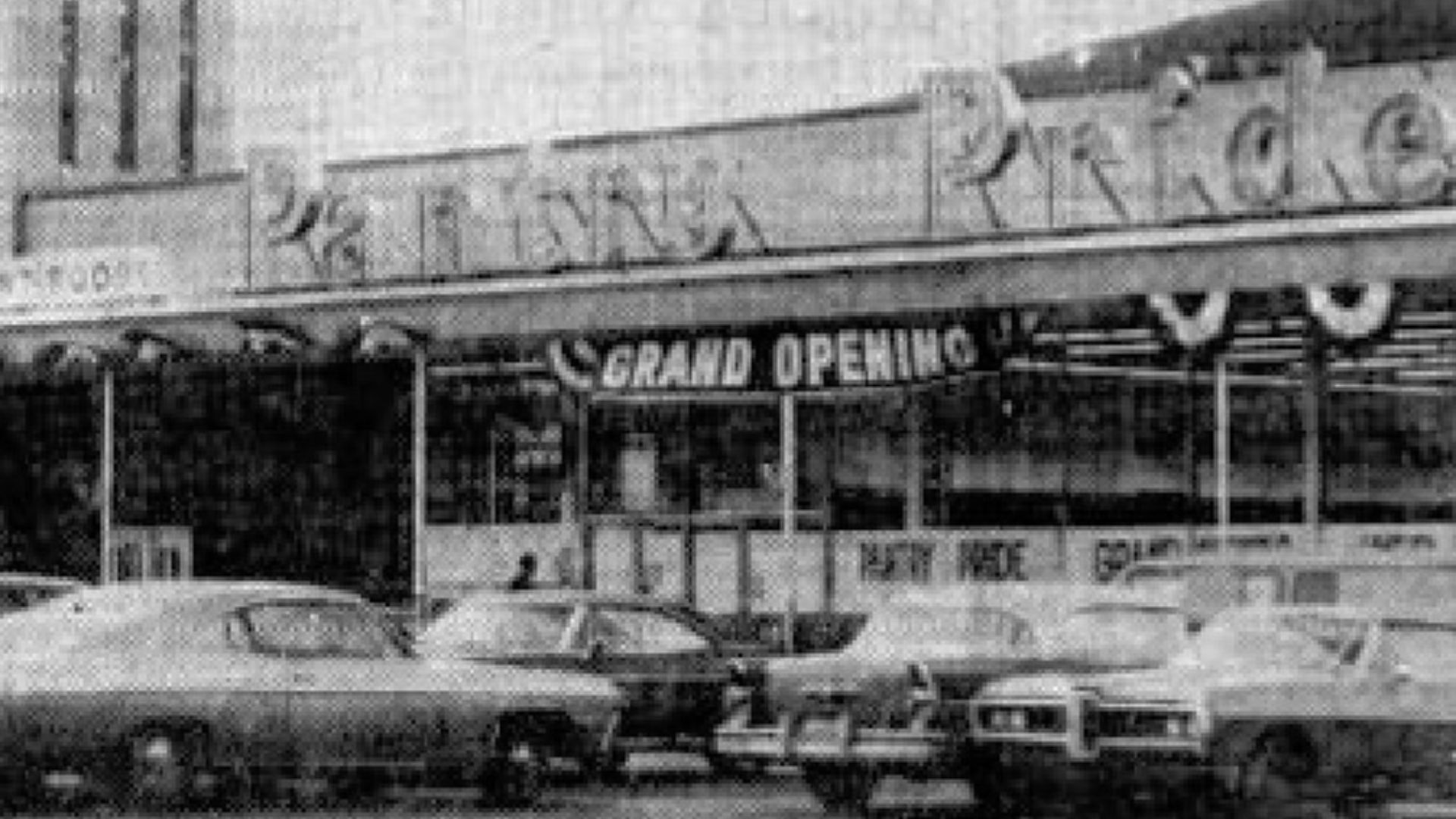
Pantry Pride sounds less like a supermarket and more like a 70s cleaning product your aunt swore by. But it became a major discount grocery name after Food Fair began converting stores to the banner in the late 60s, with the transition accelerating through the following decade.
 Unknown authorUnknown author Self-scanned, Wikimedia Commons
Red Owl
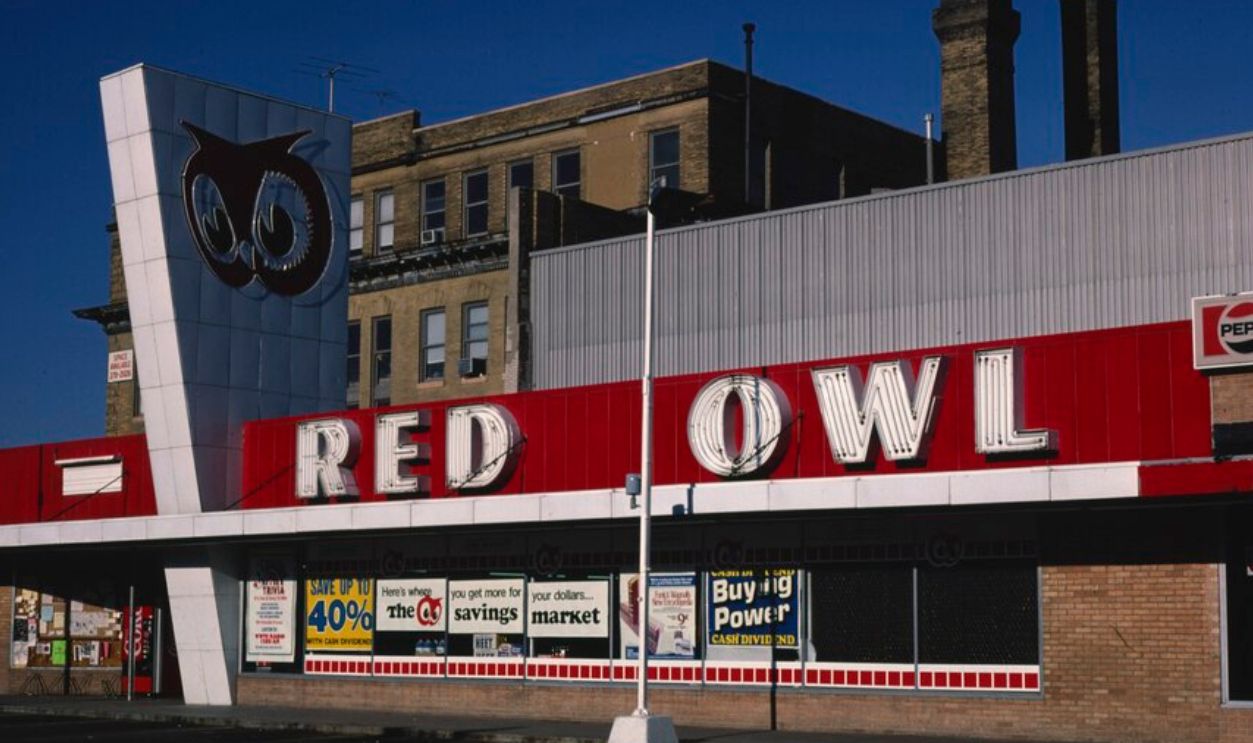
Red Owl is one of those names that immediately feels old-school even if you never shopped there. The chain spread across the Upper Midwest, with a mixture of company-owned and affiliated locations. That bright owl logo remained memorable long after most of the stores disappeared.
 John Margolies, Wikimedia Commons
Farmer Jack
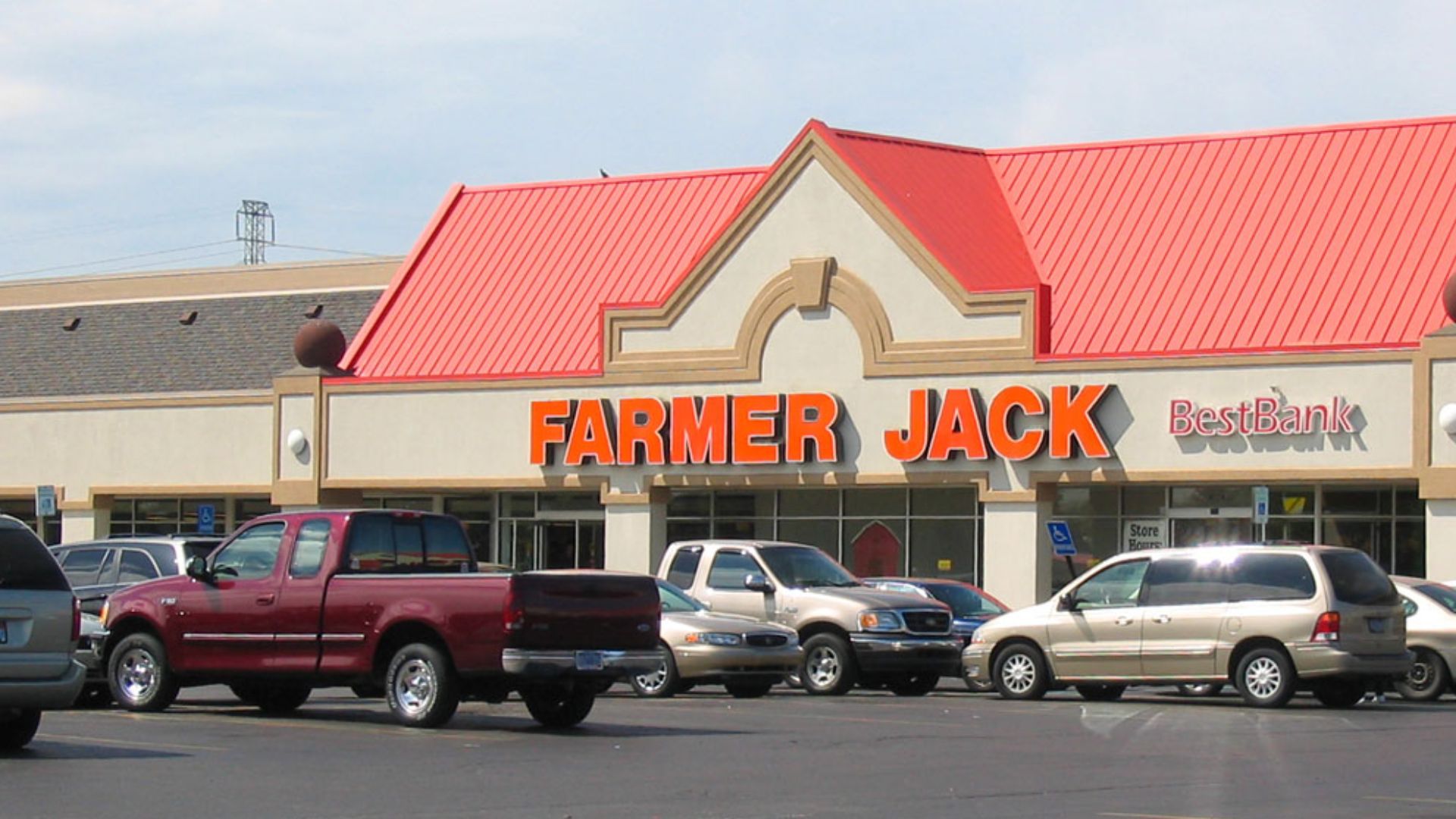
For Michigan shoppers, Farmer Jack was not just another grocery store. The Borman family adopted the name across its stores in 1967, and it became a familiar Detroit-area sight throughout the 70s. Plenty of former shoppers can probably still picture the smiling farmer without being asked.
Bohack
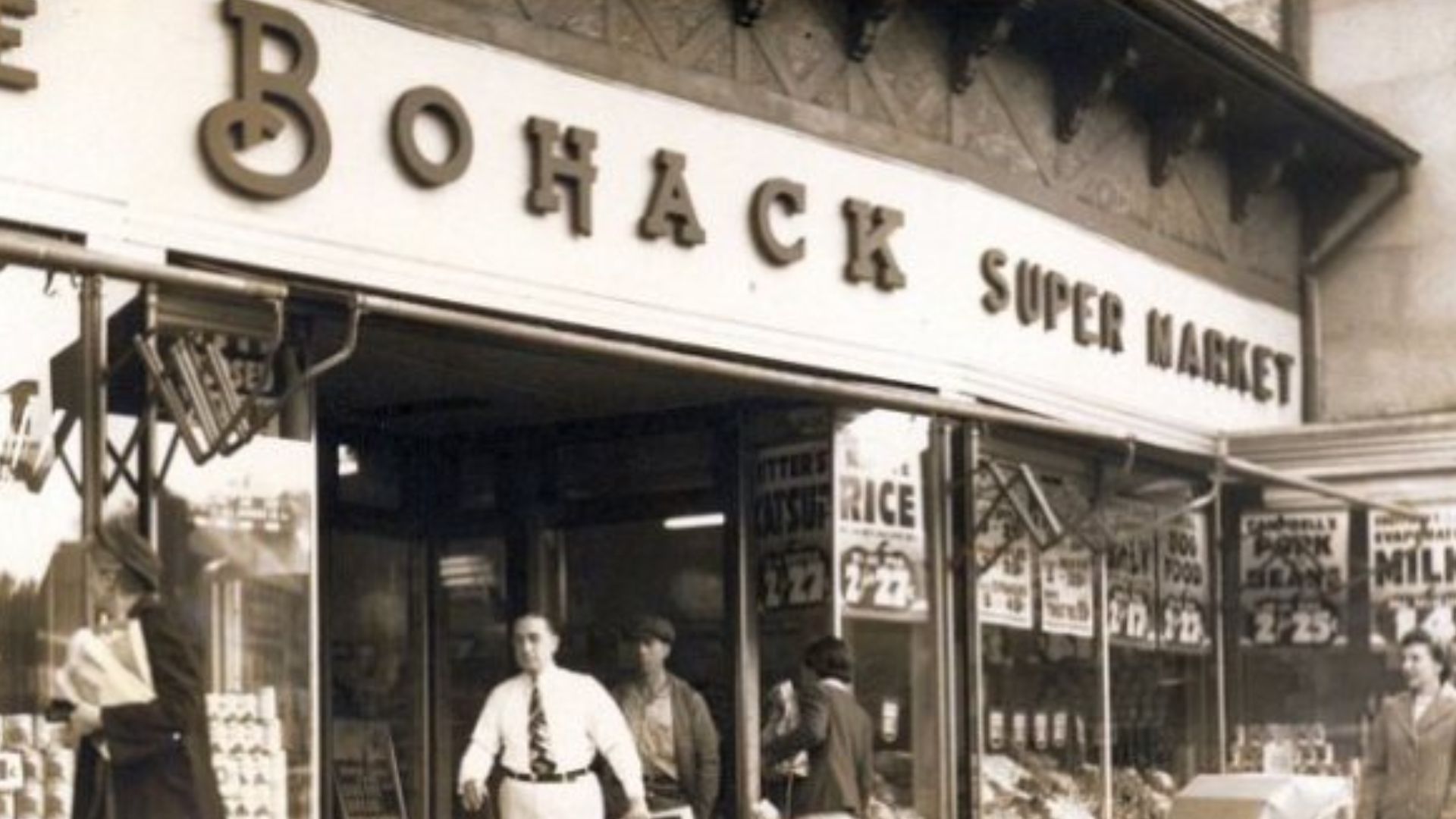
New Yorkers once knew Bohack as a serious grocery name, even though it now sounds like a fake store from an old sitcom. The chain had served the region since the 1800s, but its long run collapsed during the 70s, with the remaining stores closing in 1977.
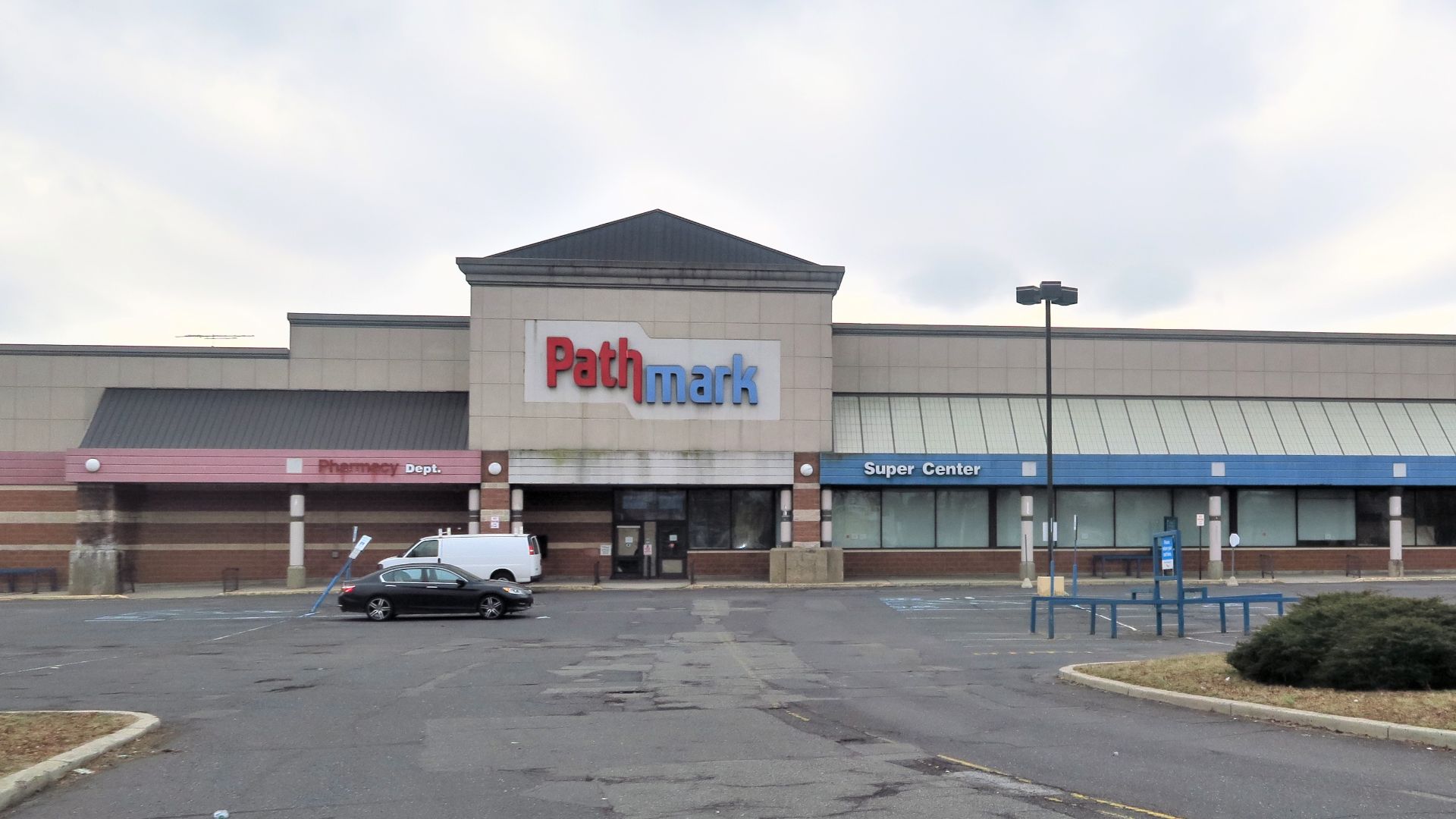
Pathmark
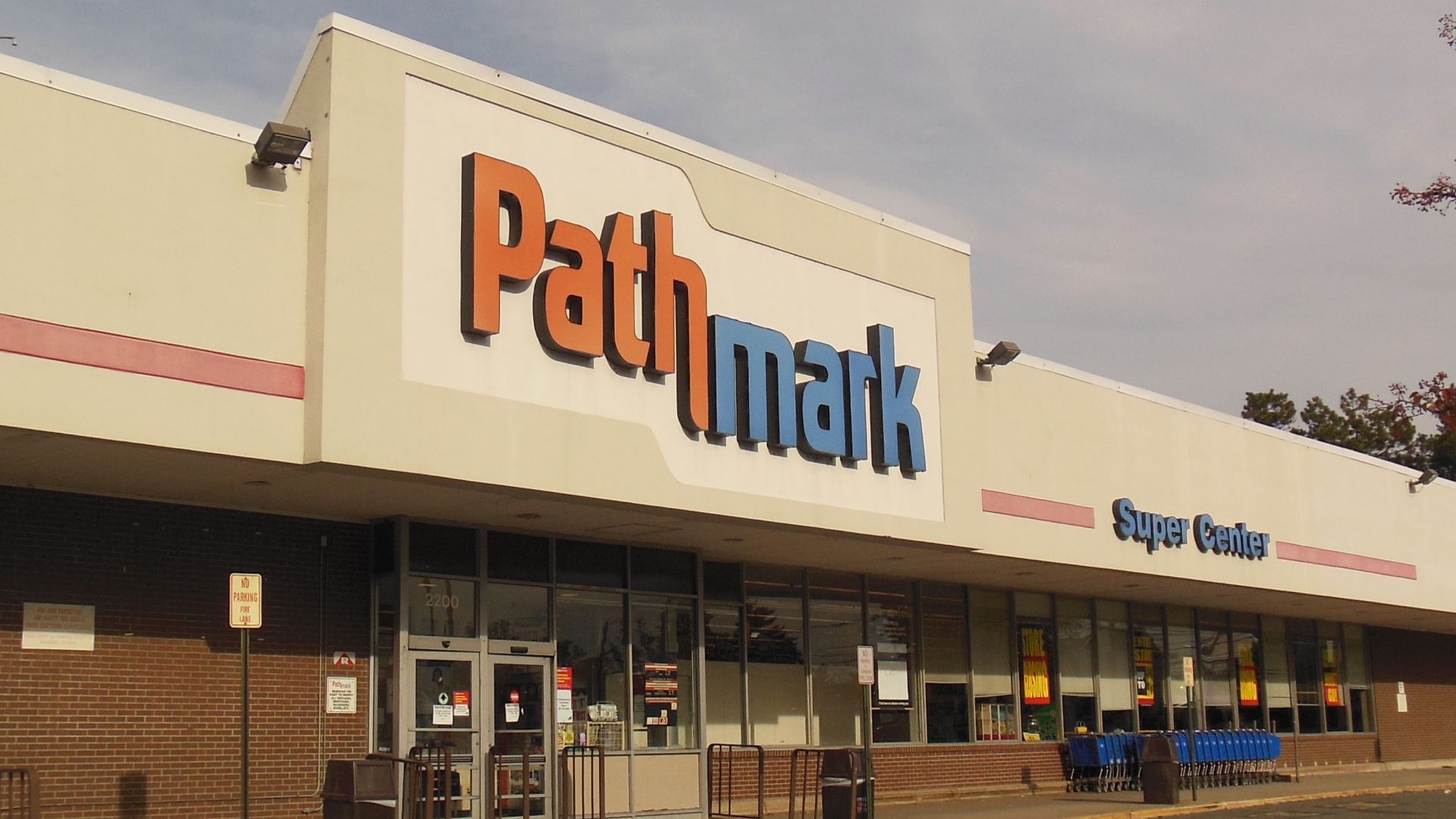
Pathmark became a major Northeastern force in the 70s, embracing 24-hour shopping and introducing checkout scanners in 1974. Most of the original chain later disappeared, but the name returned in Brooklyn in 2019—and Pathmark Daily opened on Long Island in 2026.
National Tea
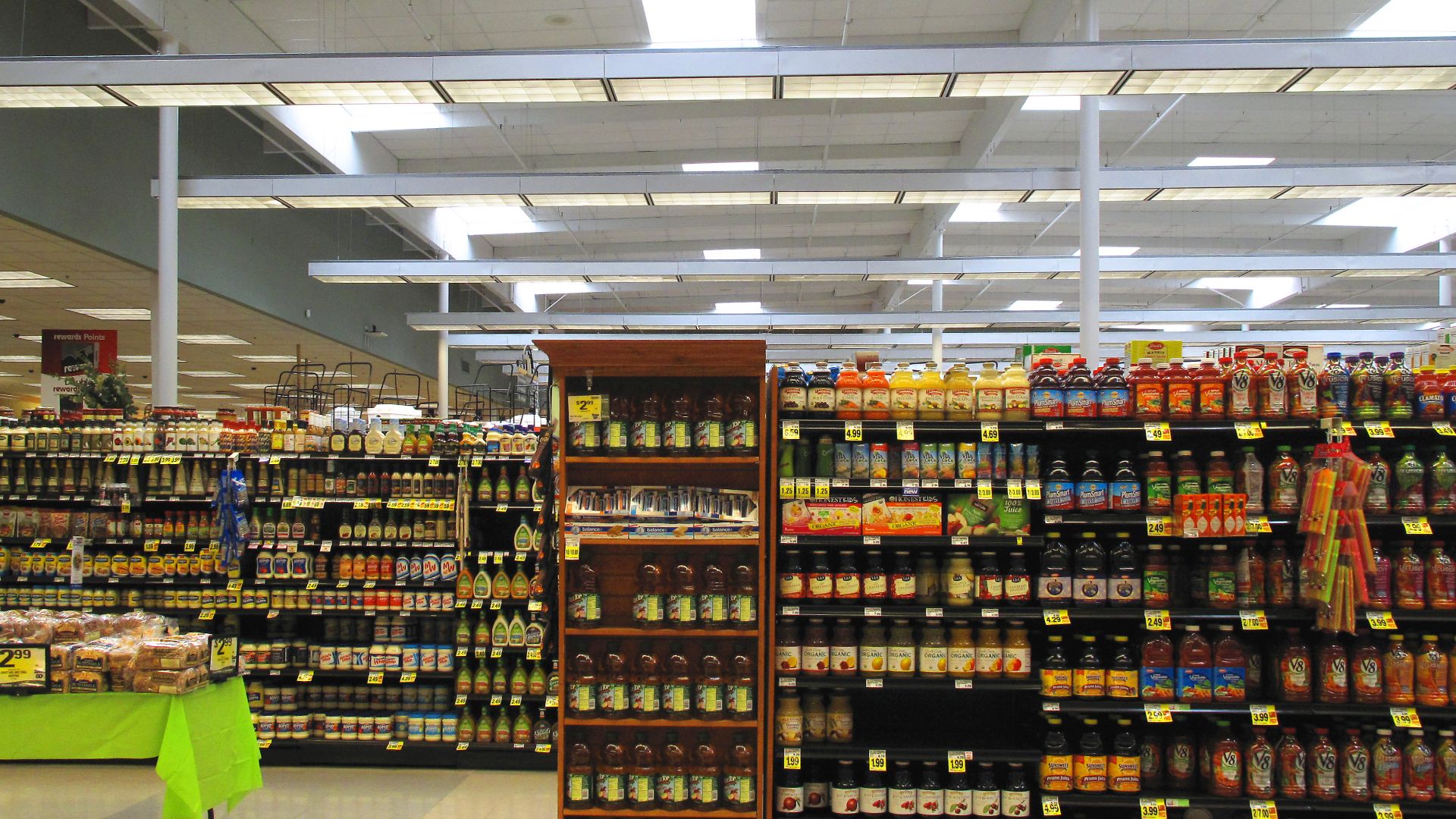
Despite the name, National Tea sold considerably more than tea. It had once ranked among America’s largest grocery chains, but owner Loblaw began closing and selling major groups of stores during the 70s. In 1976, 63 National locations were sold to A&P.
 Downtowngal, Wikimedia Commons
Grand Union
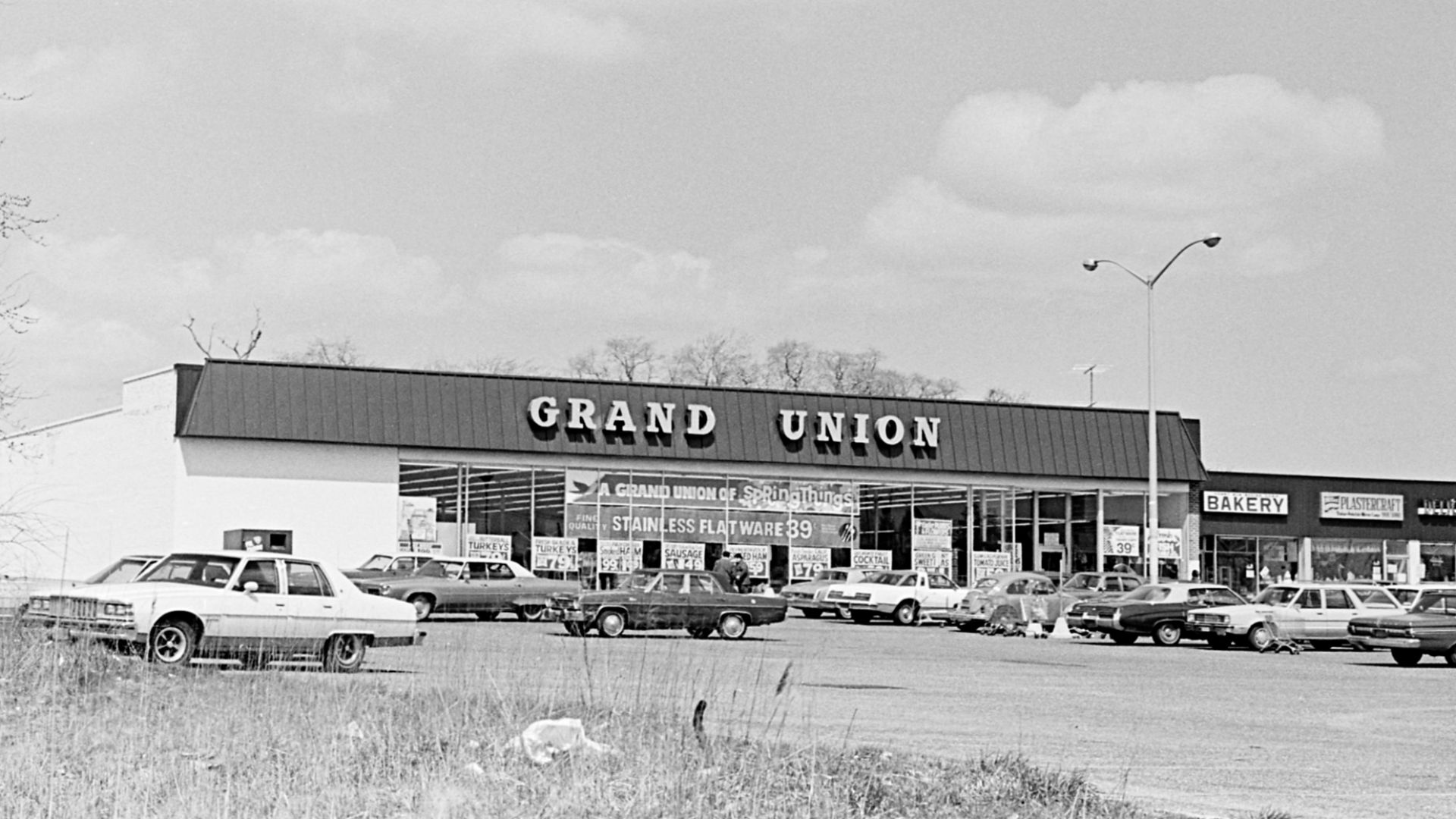
Grand Union had been around forever by grocery standards and was once one of America’s biggest chains. It also experimented with Grand Way stores that combined supermarkets with discount department stores. Apparently, becoming a grocery store, clothing store and hardware store simultaneously was slightly complicated.
 Downtowngal, Wikimedia Commons
Food Fair
Food Fair was once a major name in the Mid-Atlantic, Northeast and Florida, but the 70s were not especially kind to it. The company increasingly converted stores to Pantry Pride, entered bankruptcy in 1978 and eventually watched its discount banner become better remembered than the original.
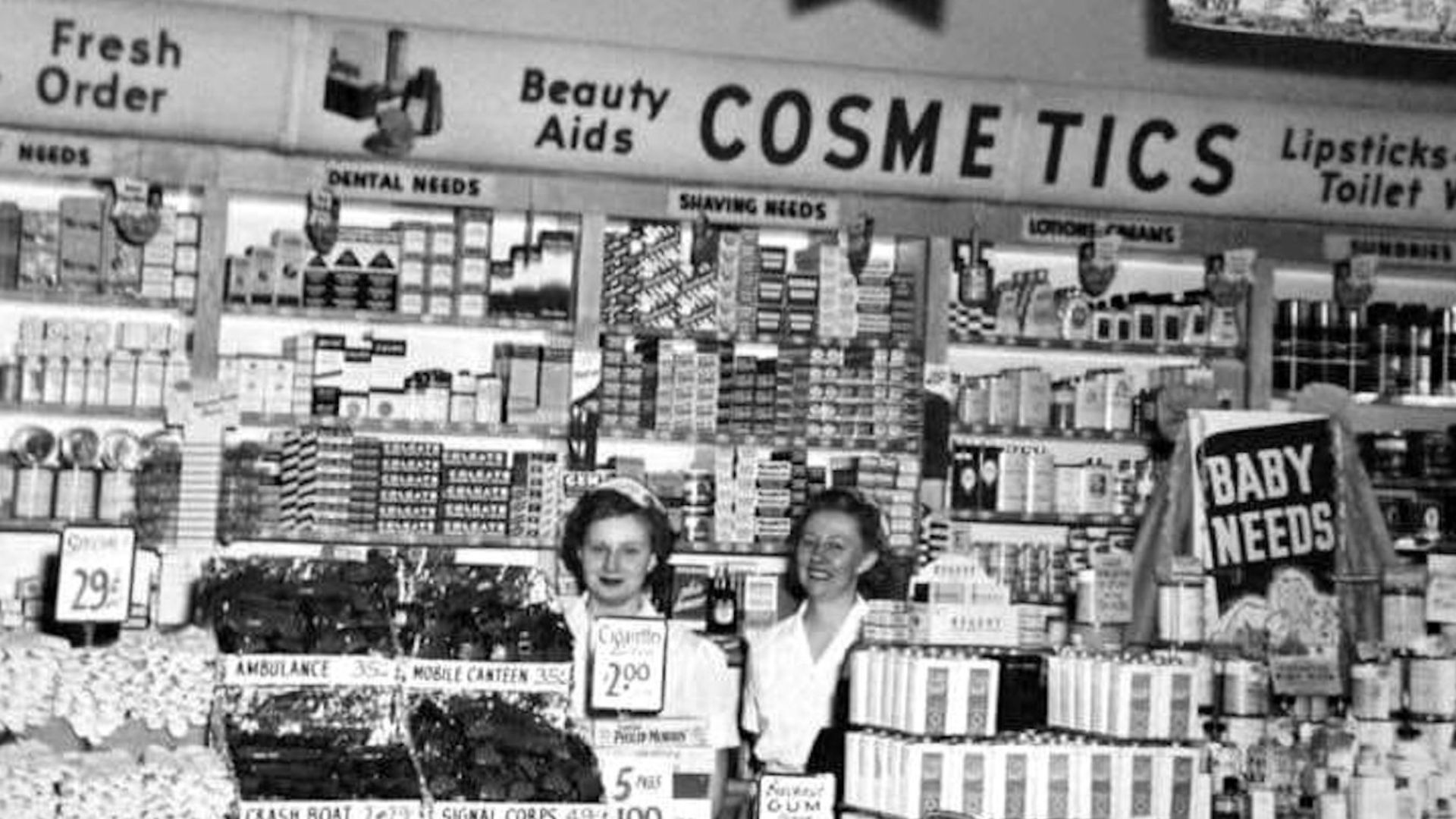 Self-Scanned, Wikimedia Commons
Penn Fruit
Penn Fruit was especially memorable around Philadelphia, partly because some stores had enormous sweeping roofs that looked more like airplane hangars. A price war and serious financial trouble pushed the company into bankruptcy in 1975, although several of its distinctive buildings survived the chain itself.
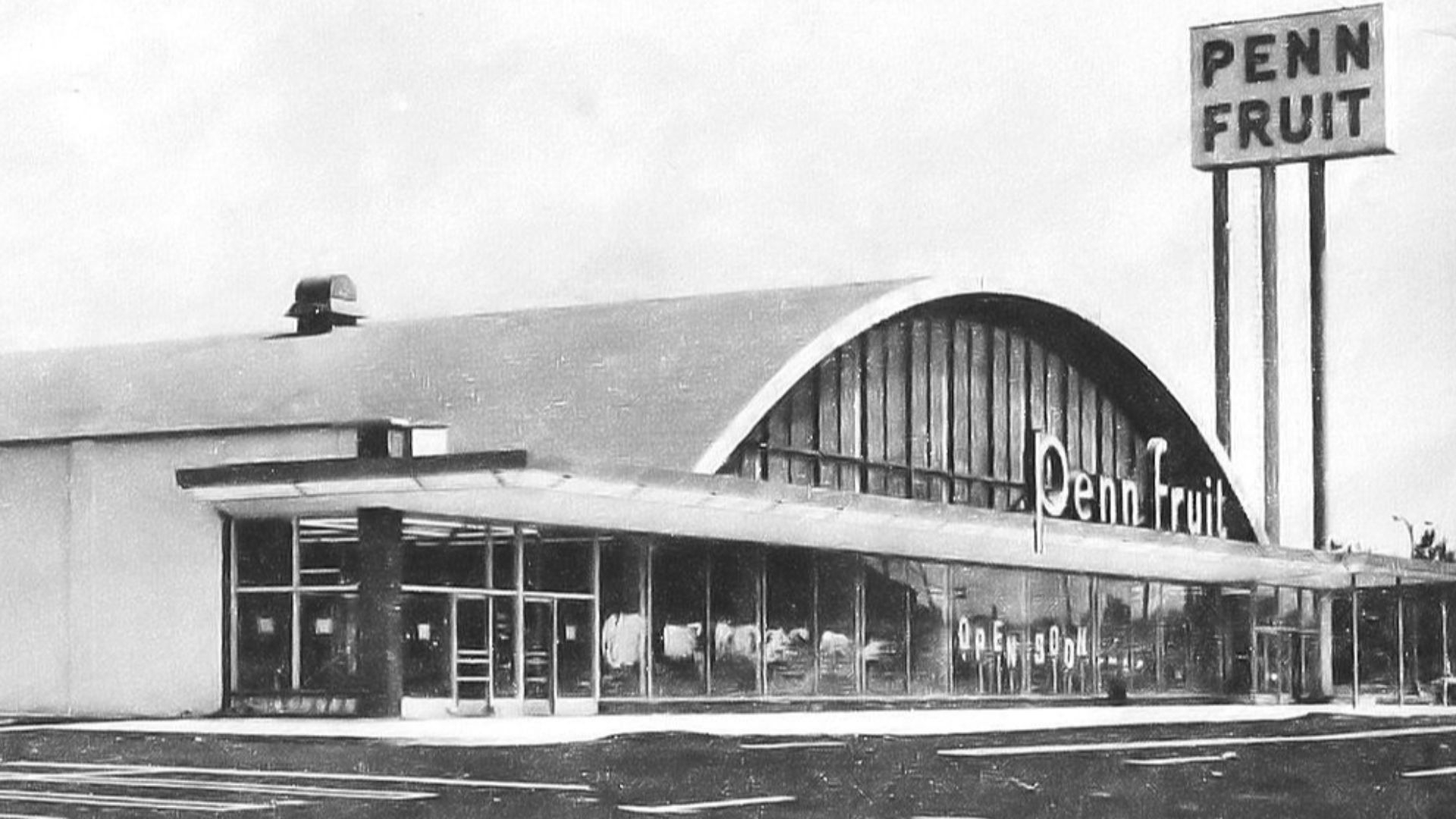 Unknown photographer Self-scanned, Wikimedia Commons
Waldbaum’s
For New York City and Long Island shoppers, Waldbaum’s was once a totally normal part of life. The family-owned chain continued growing after the 70s and eventually reached about 140 stores. Today, younger readers may hear Waldbaum’s and assume it was either a dentist or an accounting firm.
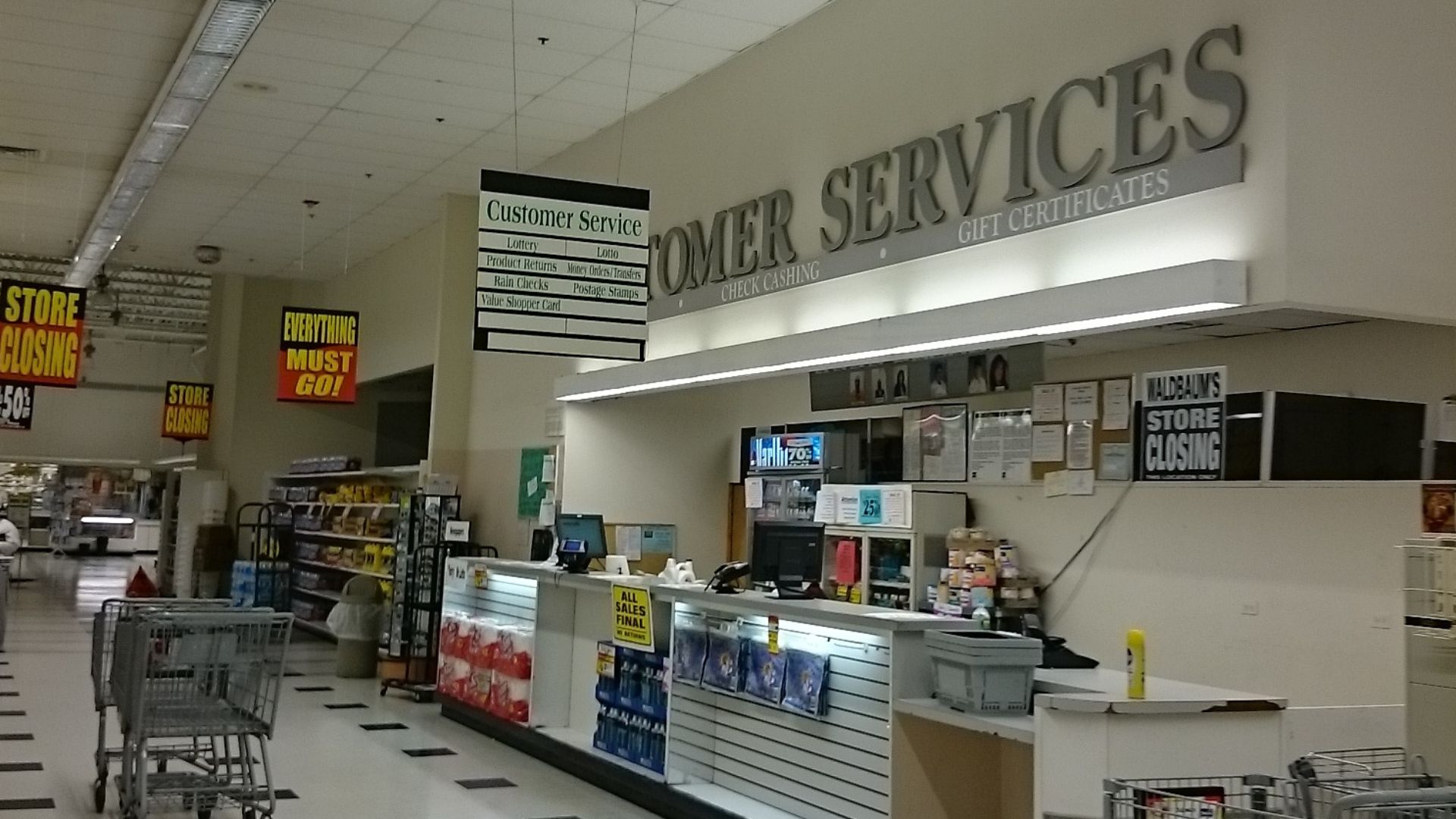
Finast
Finast sounds like either a typo or a villain from a cartoon that lasted six episodes. It was actually short for First National Stores, once one of America’s largest grocery companies. The Finast name became increasingly visible during the 70s as ownership and regional banners began changing.
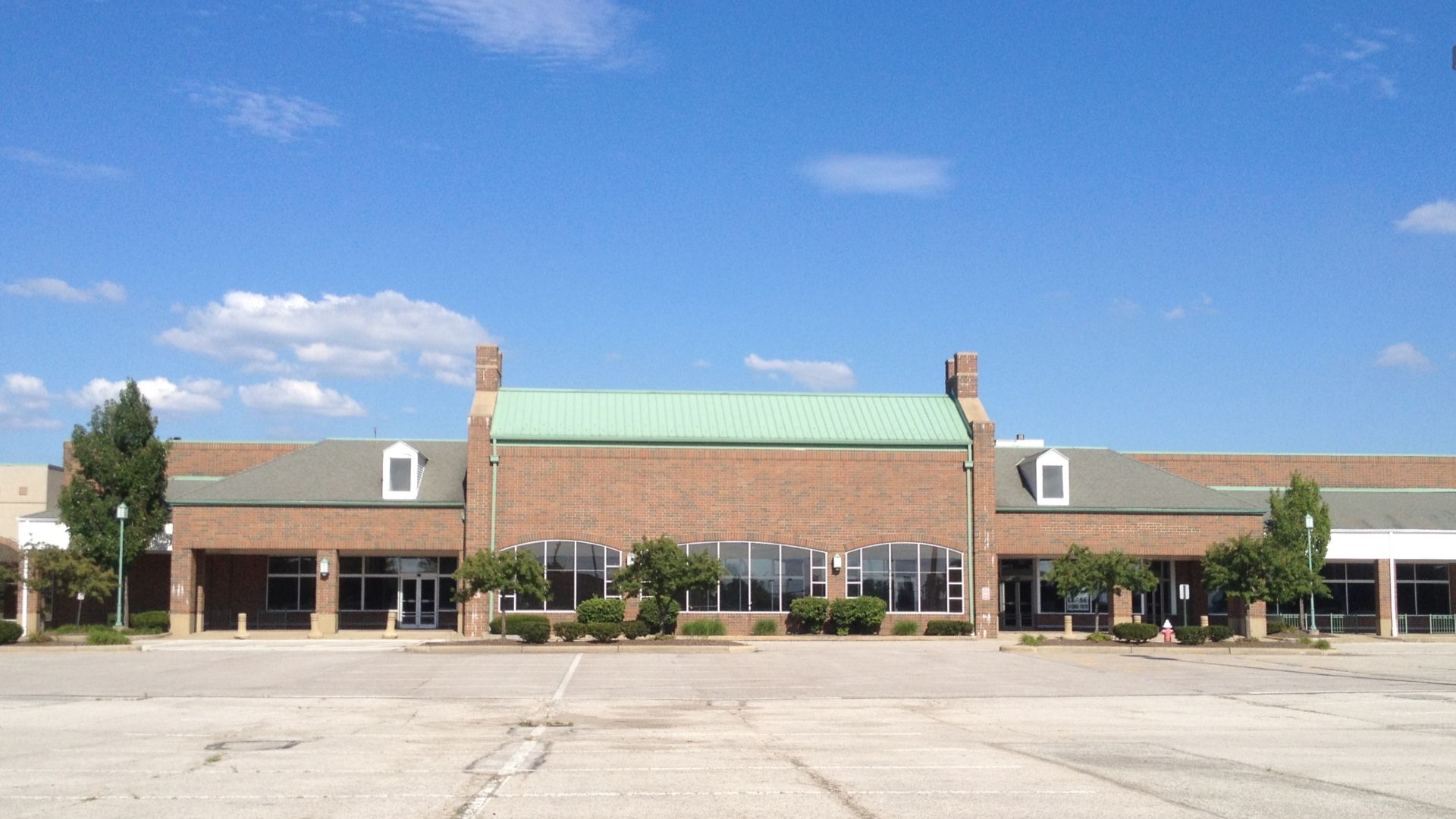 Mike Kalasnik from Fort Mill, USA, Wikimedia Commons
Colonial Stores
Colonial Stores had a huge presence across the Southeast, with hundreds of locations at its peak. During the 70s, many stores were converted to the company’s revived Big Star banner. Grand Union purchased the chain in 1978, adding yet another name to an already confusing grocery family tree.
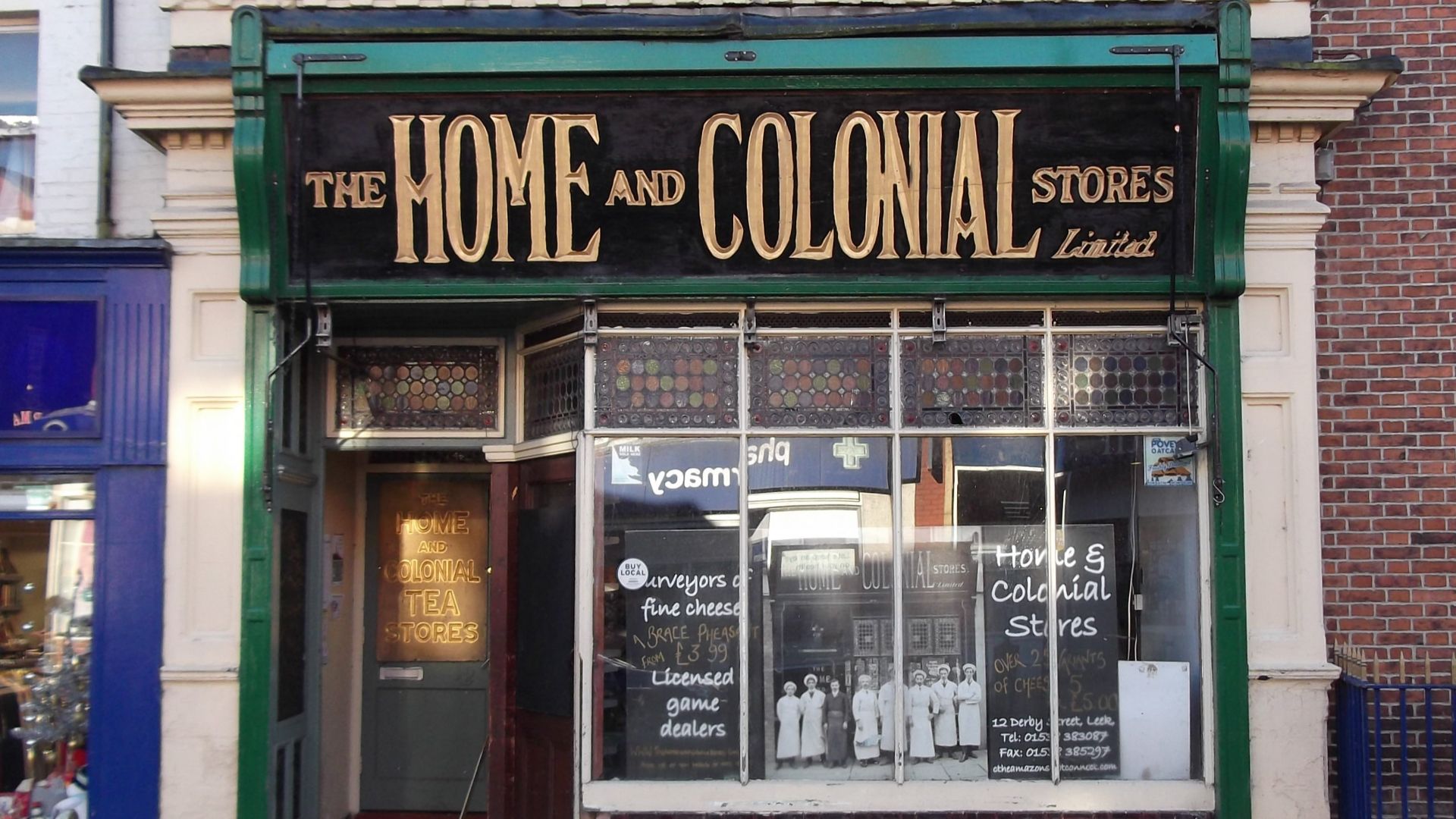 General Views, Wikimedia Commons
Dominick’s
Around Chicago, Dominick’s was a genuine institution. Fisher Foods purchased the 19-store chain in 1968, and expansion pushed it to roughly 45 locations by the early 70s. It eventually became Chicago’s second-largest supermarket chain—and one that former shoppers still get surprisingly emotional about.
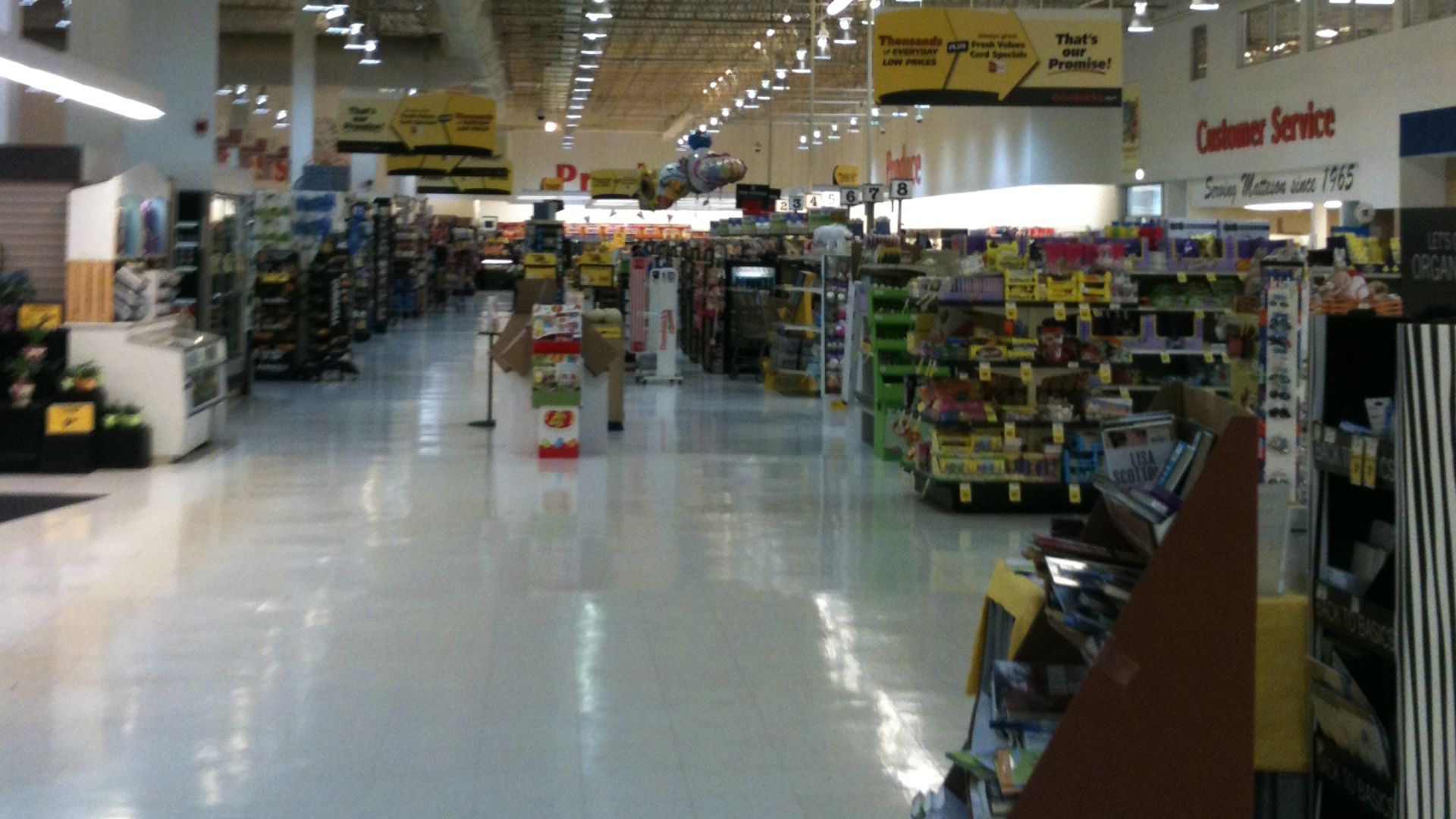 Retaildesigner, Wikimedia Commons
Big Bear
Big Bear is simply an excellent grocery name. The Columbus-based chain began in a former dance hall and became a major supermarket presence across Ohio and West Virginia. It lasted until 2004, when its parent company’s bankruptcy finally sent this particular bear into permanent hibernation.
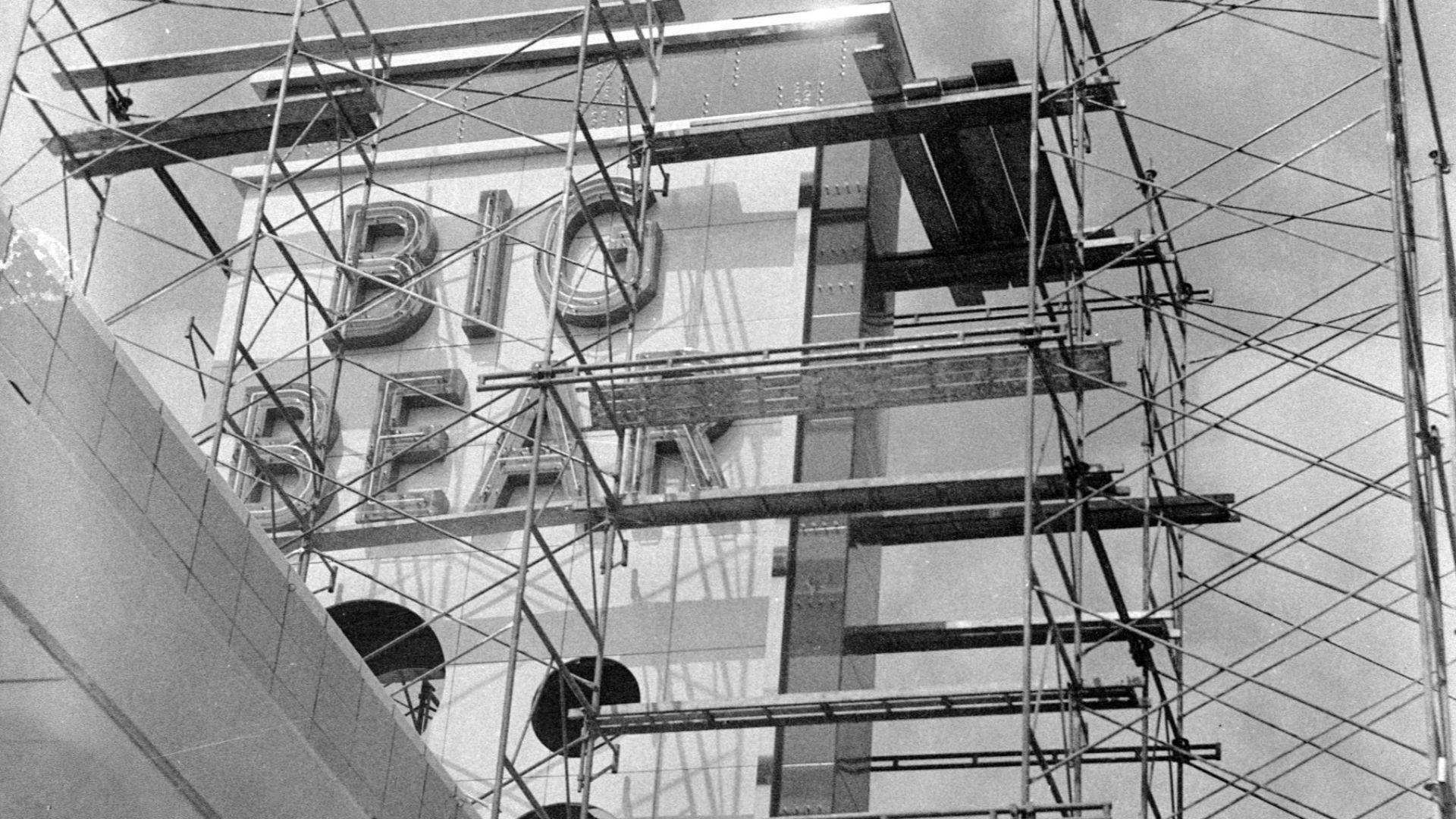
Hinky Dinky
Yes, Hinky Dinky was real, and yes, people genuinely told their families they were going there for groceries. The Omaha-based chain operated mainly in Nebraska and Iowa, reached approximately 50 stores at its peak and was purchased by the company behind Tom Thumb in 1972.
Jitney Jungle
Jitney Jungle may be the most gloriously old-fashioned grocery name on this entire list. The Mississippi-based chain had 38 supermarkets by 1973 and later expanded beyond its home state. If you remember it instantly, you probably smiled before you even finished reading the heading.
Delchamps
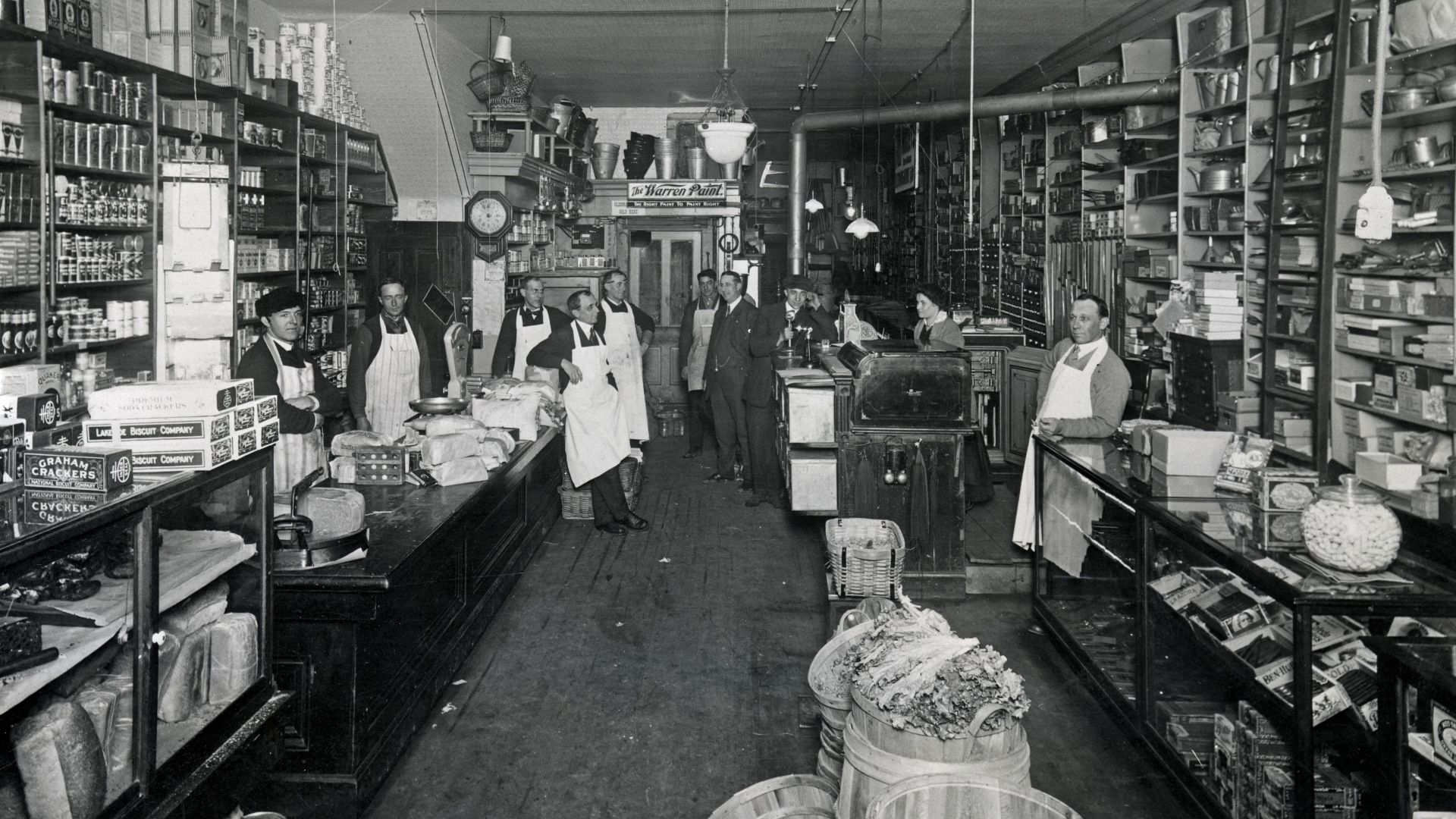
Delchamps was a major Southern grocery name, especially along the central Gulf Coast. The Mobile-based chain introduced a new logo and corporate identity in 1971 and eventually grew to 118 supermarkets across Alabama, Louisiana, Mississippi and Florida before being purchased by Jitney Jungle.
 Mensing, Charles F., 1880-1950, Wikimedia Commons
Almacs
In Rhode Island, Almacs was more than another supermarket. It grew from a local Piggly Wiggly franchise into the state’s largest homegrown grocery chain, reaching 43 stores in Rhode Island and Massachusetts. It also introduced shoppers to S&H Green Stamps back in 1952.
 Almacs Supermarkets, Wikimedia Commons
Buttrey Food & Drug
Buttrey was a Montana institution with roots stretching back to 1896. During the 70s, the company operated supermarkets and Buttrey-Osco combination stores while expanding across parts of the Northwest and Upper Midwest. The name finally disappeared after Albertsons purchased the remaining chain in 1998.
 Buttrey Food & Drug, Wikimedia Commons
Weingarten’s
Texas deserves a spot here, and Weingarten’s is one of the state’s biggest forgotten names. The Houston-based chain grew to 104 stores across five states and controlled roughly 18% of its hometown grocery market by 1980. Once enormous, it is now barely mentioned outside Texas.
Eagle Discount Supermarkets
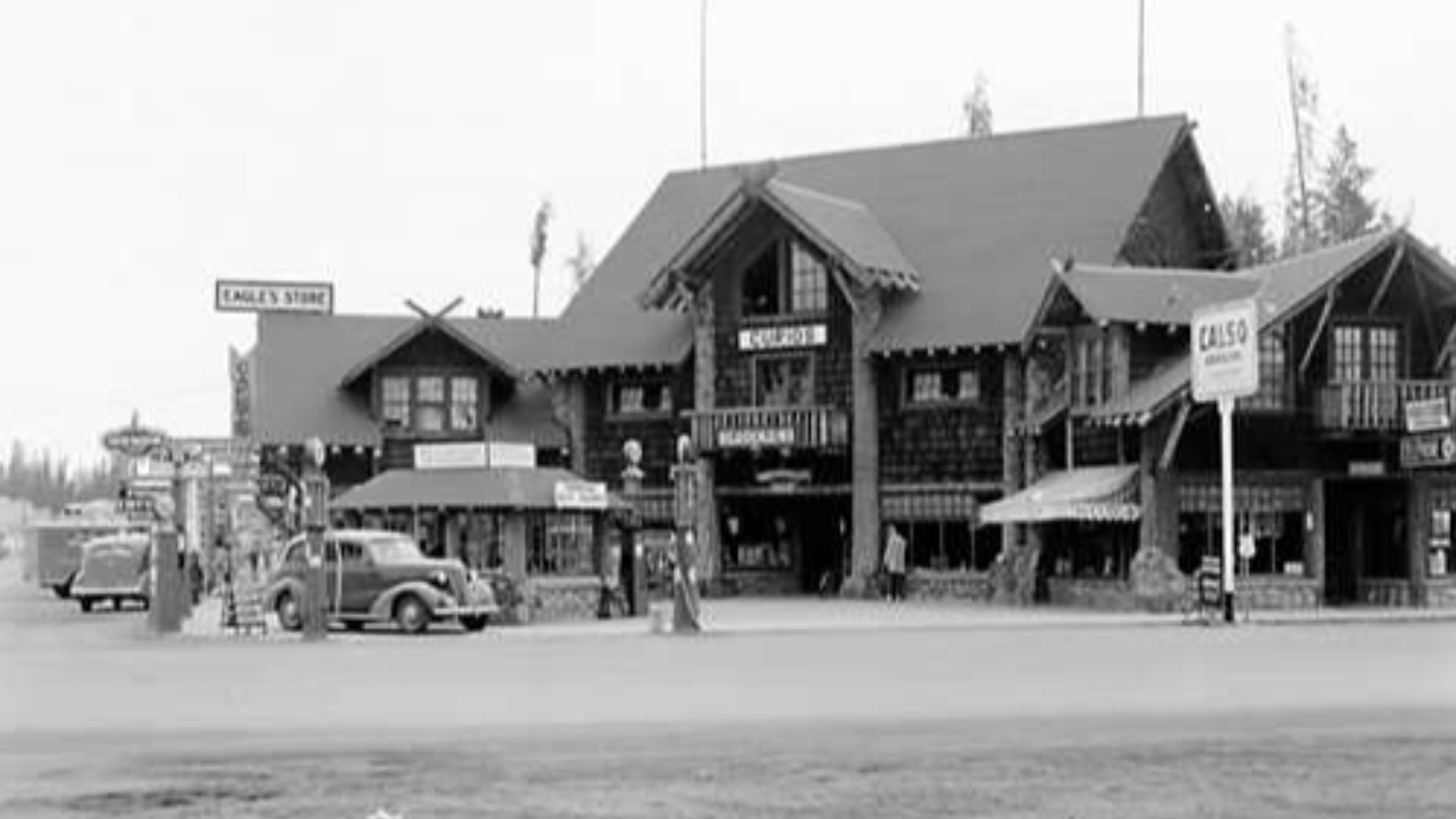
Eagle Discount Supermarkets served shoppers throughout Illinois, Iowa and surrounding states. After Lucky Stores purchased the business in 1968, Eagle and affiliated Piggly Wiggly locations were converted to the discount banner. The chain lasted until 2003, when bankruptcy finally ended its regional run.
 George A. Grant, National Park Service, Wikimedia Commons
Chatham
Detroit-area shoppers may remember Chatham, which grew to 24 locations by 1968 and continued expanding during the 70s. It also helped push grocery shopping into the future when it became the first supermarket company in the Michigan area to test the Universal Product Code in 1975.
Great Scott!
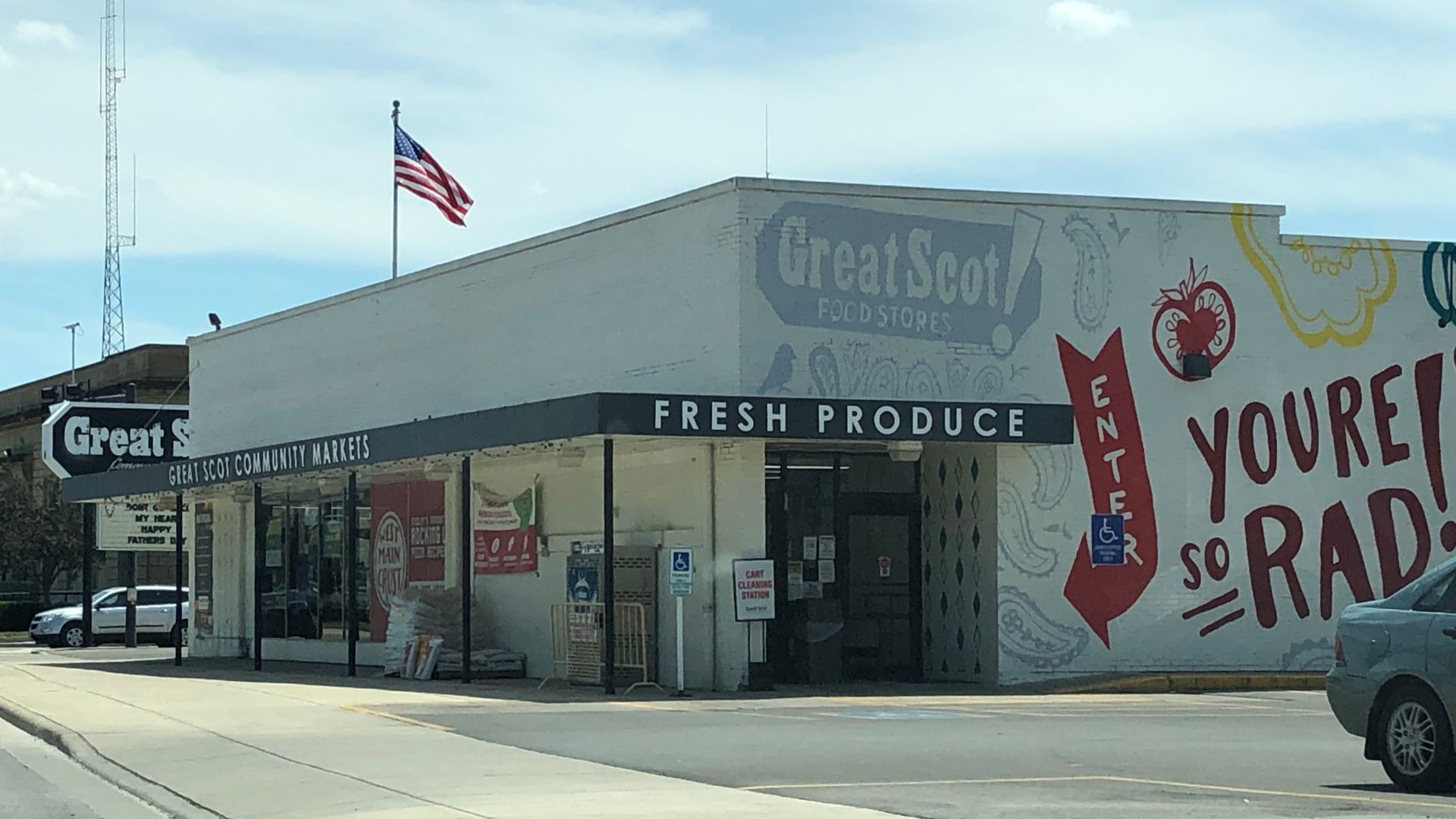
Great Scott! is almost too perfect for a nostalgia article. The Detroit-based company became one of Michigan’s larger supermarket chains and eventually operated 38 stores. Even people who never shopped there may wish they had, because “I’m heading to Great Scott!” is a wonderful sentence.
Fisher-Fazio
Cleveland shoppers became familiar with the Fisher-Fazio identity after investors connected to the Fazio and Costa grocery families took control of Fisher Foods in 1965. The company later expanded far beyond Ohio, purchasing Dominick’s in Chicago and operating Fazio’s Shopping Bag stores in California.
 Sreejithk2000, Wikimedia Commons
Cala Foods
Cala Foods was founded by seven brothers and became a familiar San Francisco-area chain. It also earned some genuine grocery-history credibility by becoming the city’s first supermarket chain to remain open 24 hours and one of the earliest in America to use checkout scanners.
QFI
QFI is almost comically easy to forget because it sounds more like an airport code than a supermarket. But it once ranked third among San Francisco-area grocery chains, behind Safeway and Lucky, and operated roughly 14 locations before Cala Foods purchased the company in 1973.
Purity Stores
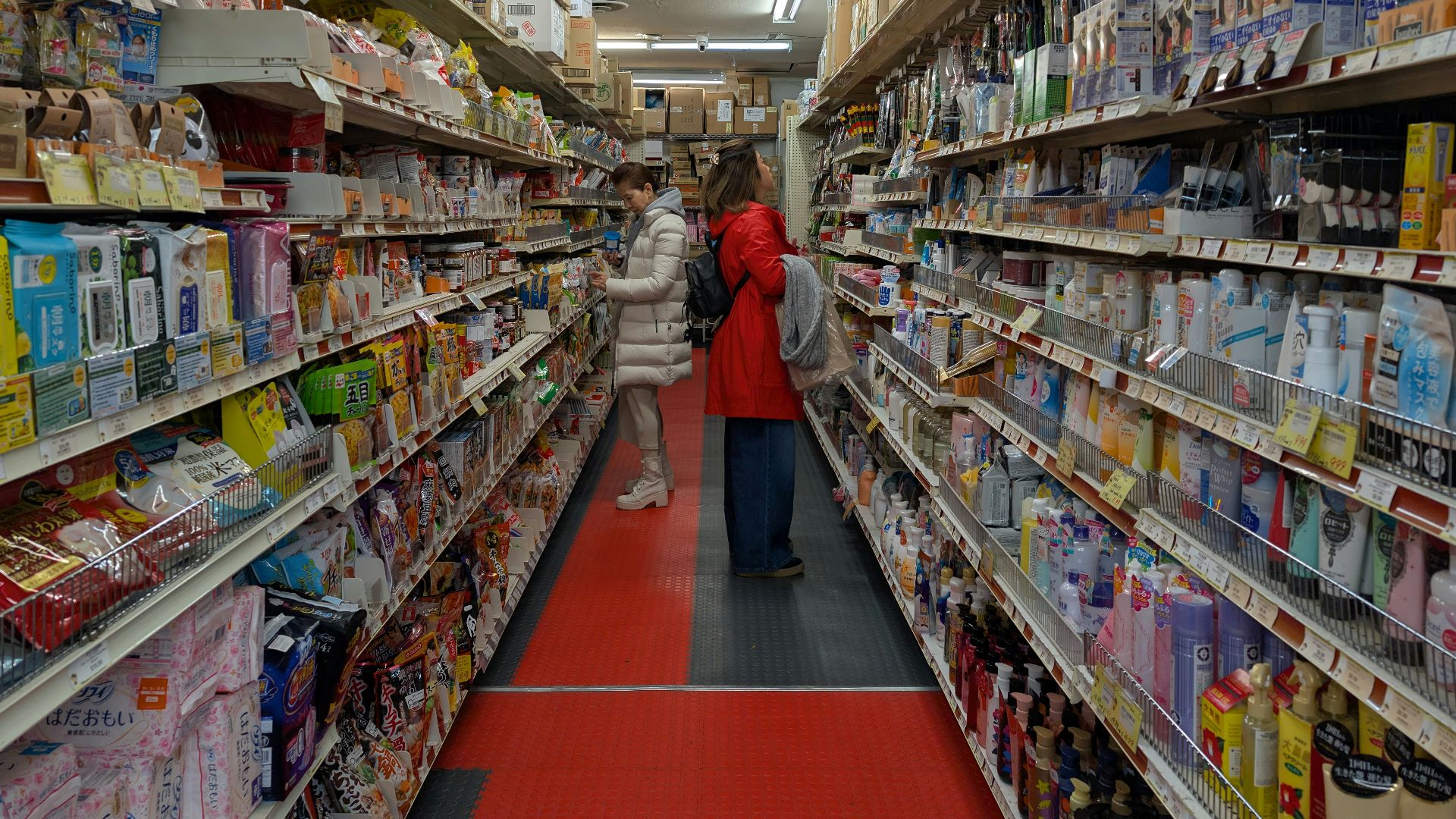
Purity Stores once operated throughout Northern California, but the original chain largely disappeared during the 70s. One location was sold to an independent operator in 1977—and the Fort Bragg Purity Supermarket still carries the name today. Apparently, Purity refused to leave the produce aisle completely.
Mayfair Markets
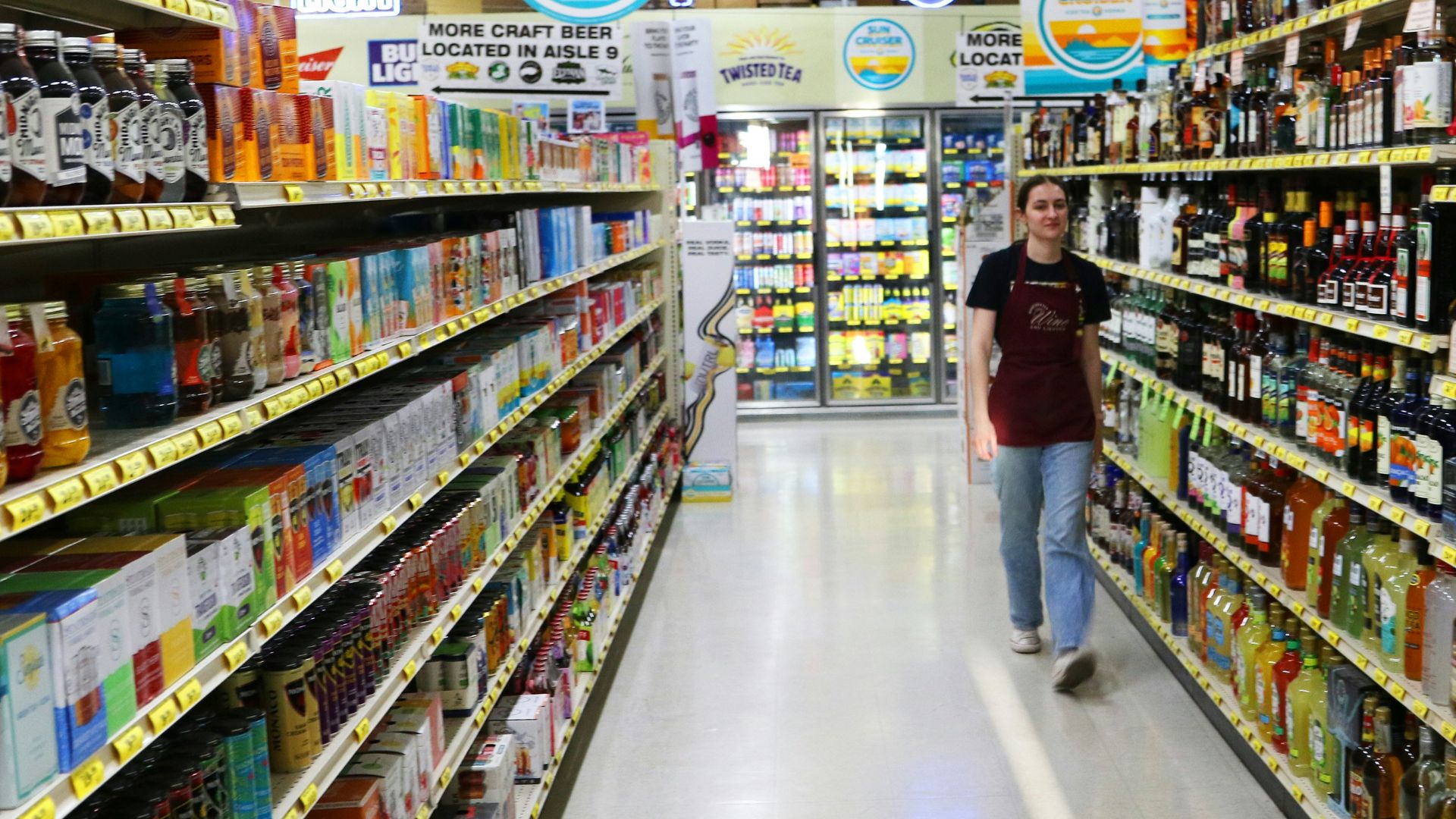
Mayfair Markets was once a major West Coast presence, with hundreds of locations across California and several neighboring states by the mid-60s. But its smaller stores struggled as larger supermarkets took over, and the chain gradually sold locations until even its final Hollywood outpost became a Gelson’s.
Thriftimart
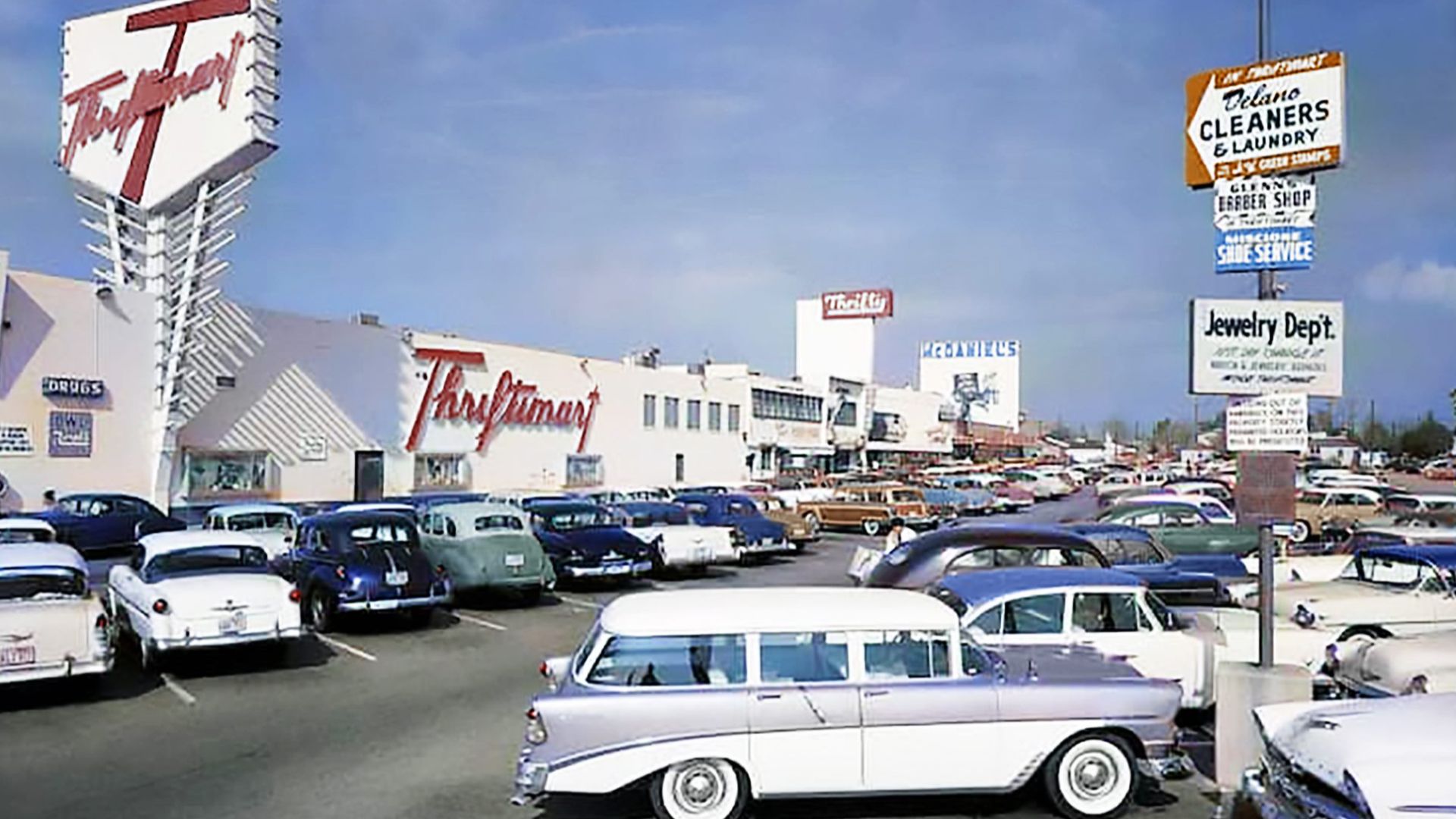
Thriftimart stores were a familiar sight around Southern California and Las Vegas, especially with those giant letter-T signs. The company had 77 supermarkets by 1971, but its smaller buildings became increasingly outdated. Most remaining locations were sold or closed during the chain’s 1984 retreat.
Kash n’ Karry
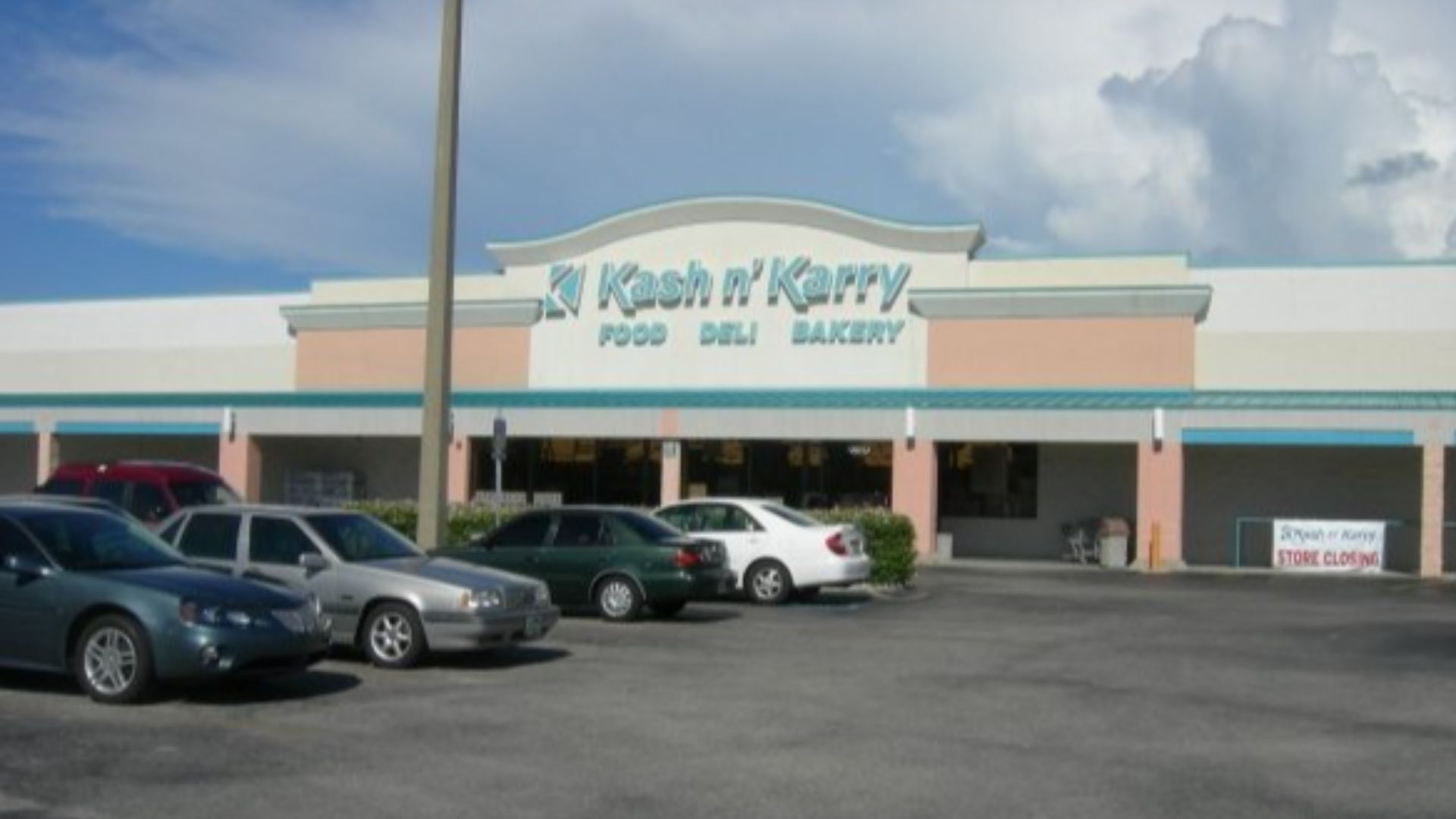
Kash n’ Karry grew from a Florida produce business into a major Tampa Bay grocery chain. It had 48 stores by 1970 and was purchased by Lucky Stores in 1979. The name eventually became Sweetbay—which has also disappeared, completing the supermarket equivalent of a double vanishing act.
Schwegmann’s
In New Orleans, Schwegmann’s was not just where you bought groceries. Its enormous stores included pharmacies, barbershops, jewelry counters and even places to purchase a drink. By 1978, the chain’s 10 stores were generating approximately $250 million in annual sales.
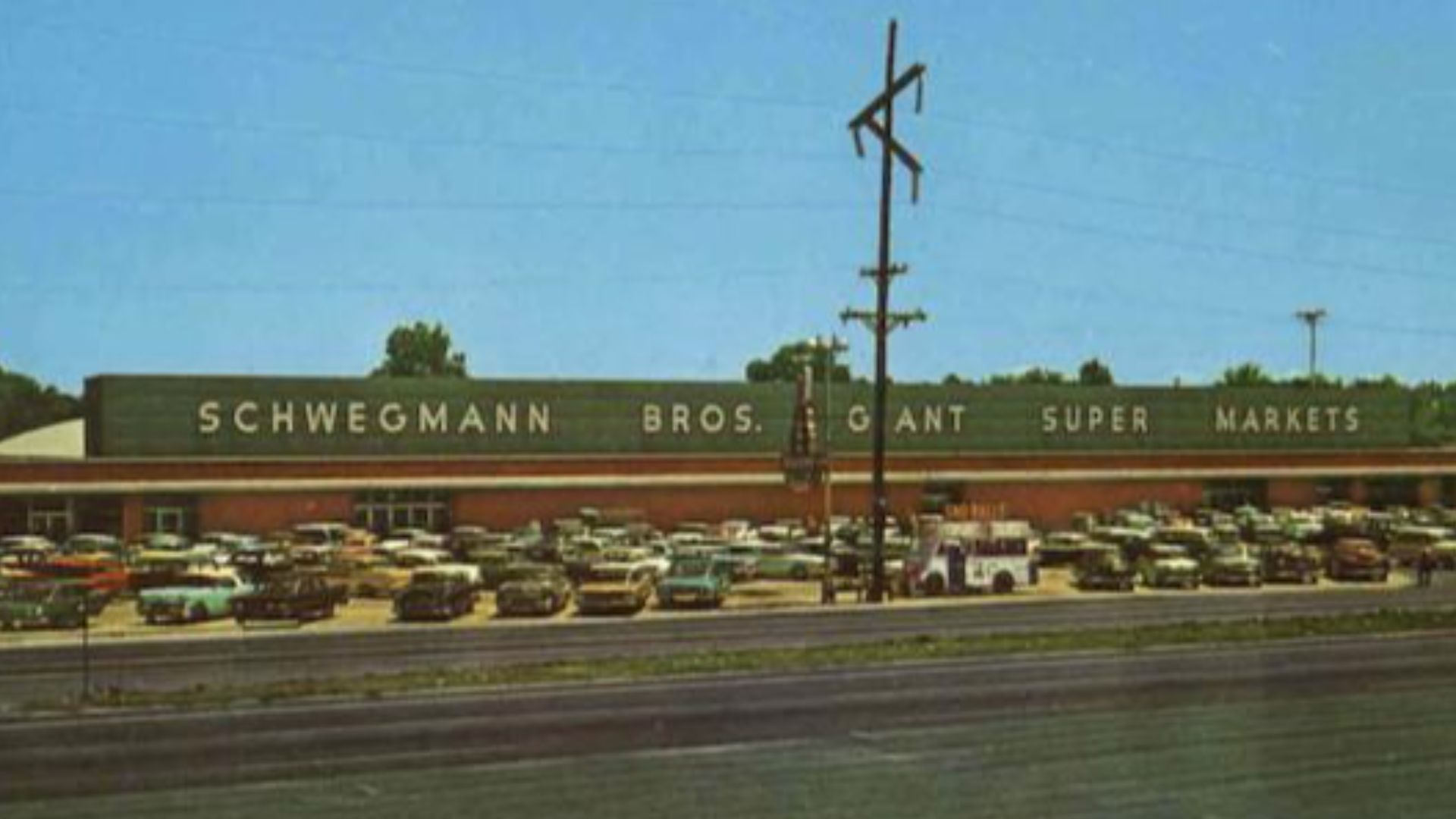 Postcard Specialties, New Orleans, LA, Wikimedia Commons
So, How Many Did You Remember?
If you got to five, that is respectable. If you reached 10, you definitely spent some quality time under fluorescent lights in the 70s. And if you remembered Pathmark, Hinky Dinky, Great Scott! and QFI without breaking a sweat, you may be the grocery-store final boss.
You Might Also Like:
Office Equipment Nobody Under 30 Would Recognize Today
My son’s wedding cost far more than he said it would, and now I’m taking on debt. What can I do?